


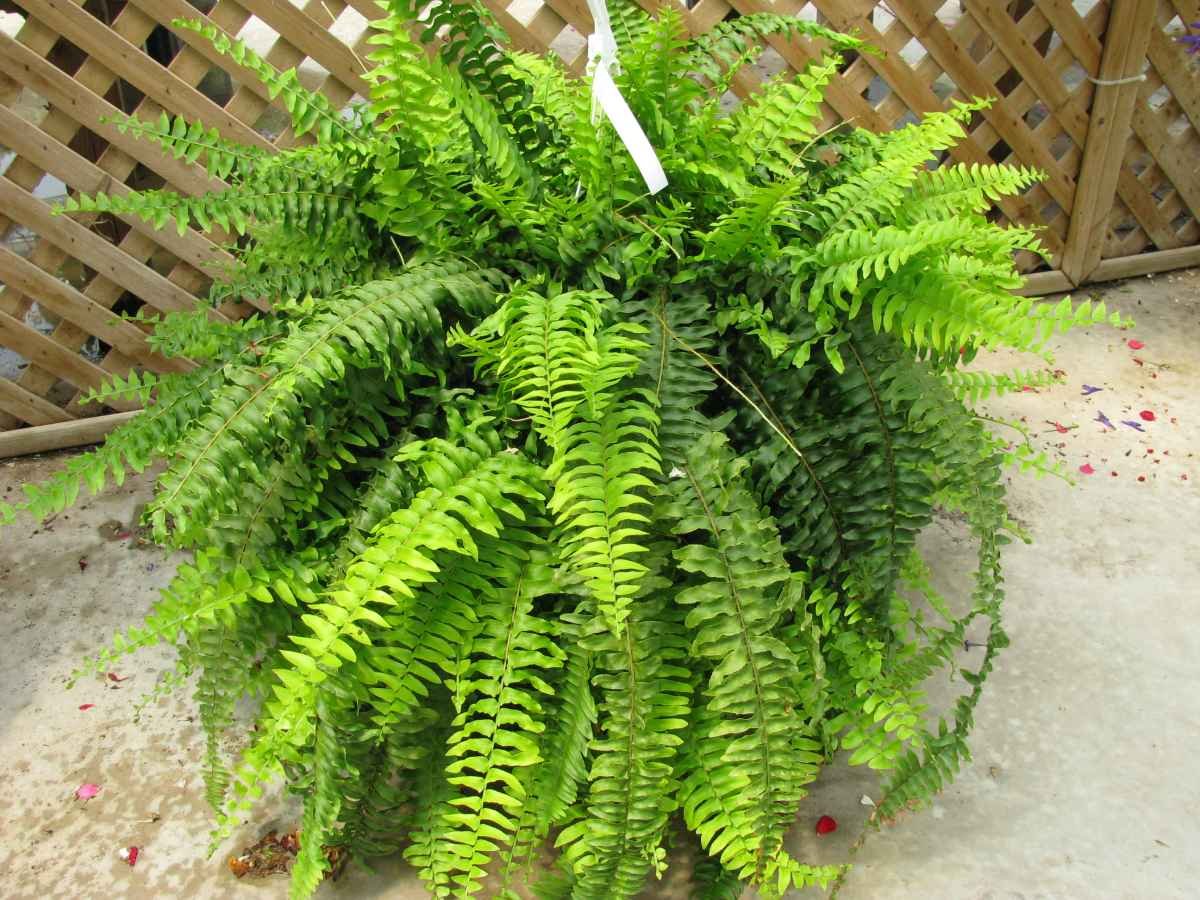
Winter is always a challenging time for my houseplants, but Boston ferns take the struggle to a whole different level.
When the air gets dry, the sunlight weakens, and indoor heating kicks in, my fern is usually the first one to complain.
Fronds get crispy, tips turn brown, and the plant starts dropping leaves everywhere like a dramatic houseguest.
But over the years, I’ve learned that winter doesn’t have to be a death sentence for Boston ferns. These plants aren’t as fragile as they seem—as long as you tweak their care routine to match the season.
Once I started paying attention to humidity, adjusting watering habits, and keeping them away from drafts and direct heat, my ferns stopped sulking through winter and actually stayed lush until spring.
The key to keeping a Boston fern happy in winter is moisture management—both in the soil and in the air—paired with gentle light, consistent temperatures, and a little extra attention.
When you make small changes like giving them more humidity, trimming crispy fronds early, or using a pebble tray, you’ll be surprised by how well your fern handles the colder months.
Below is everything I’ve learned—through trial, error, and a lot of sweeping up fallen fronds—about keeping Boston ferns alive (and beautiful!) during the winter.
Understanding Boston Fern Needs in Winter
Before getting into the how-to, it helps to understand why Boston ferns behave the way they do once winter hits.
These plants naturally grow in warm, humid, shaded forests where temperatures stay steady year-round.
They’re used to filtered light, moist air, and gentle warmth—not dry, heated homes with blasting vents and chilly drafts.
In winter:
- Humidity plummets indoors: Furnaces and heaters pull moisture from the air, drying out fern fronds fast.
- Light intensity drops: Shorter days and lower sun angles mean ferns get less energy to grow.
- Temperature fluctuates: Warm rooms, cold windows, and nighttime drops can shock the plant.
- Growth slows down: They naturally rest in winter, so they need less water and zero fertilizer.
So the goal is to recreate a softer, gentler environment that mimics the moist understory where ferns naturally thrive. Once you understand their needs, caring for them becomes much easier.
1. Adjusting Watering for Winter
I used to think my Boston fern hated me because it was always either too soggy or too dry. Winter made this worse—its soil would take forever to dry out, yet the fronds still turned brown from dryness. It felt contradictory, but once I understood the balance, everything changed.
Water Less Frequently—but Never Let It Fully Dry Out
Boston ferns hate being waterlogged, but they also hate drying completely. In the winter, their growth slows, so they need less water, but they still require steady moisture.
Here’s what works for me:
- I water less often—about every 7–10 days.
- I always check the soil before watering.
- The top inch should be slightly dry, but below that, it should feel damp.
If the soil feels wet deeper down, I wait. If it feels powdery or pulls from the sides, I water immediately.
Use lukewarm water
Cold water can shock the roots, especially during winter. Room-temperature water keeps the plant comfortable.
Bottom-watering helps a ton
I’ve found bottom-watering incredibly useful in the winter. I set the pot in a tray of water for 10–15 minutes and let it wick up what it needs. The fern gets hydrated without drowning, and the topsoil stays fluffier and less compacted.
Avoid watering on a schedule
This is where many ferns go wrong. During winter, sticking to a rigid routine leads to soggy soil and root issues. Instead, I rely on:
- The finger test (does the top inch feel dry?)
- Pot weight (a dry pot feels much lighter)
- Visual cues (drooping, crisping fronds, or dull leaves)
It took practice, but once I learned to read the signals, watering became much simpler.
2. Managing Humidity (The Most Important Winter Step)
If I had to pick just one winter-care tip for Boston ferns, it would be this: give them humidity—lots of it.
Indoor winter humidity can fall as low as 10–20%, while Boston ferns prefer 50–70%. That’s a massive difference, and it’s the reason most ferns start dropping leaves in January.
Here are several humidity-boosting tricks I use (and all of them help):
Use a humidifier
This is the ultimate solution. When the air gets painfully dry, I turn on a small cool-mist humidifier near my fern. It keeps the air moist and the fronds soft.
Set up a pebble tray
A pebble tray is a simple winter lifesaver:
- Fill a shallow tray with stones.
- Add water until it sits just below the top of the pebbles.
- Set your fern’s pot on top.
As the water evaporates, it raises humidity around the plant.
Group plants together
Plants create a mini humidity bubble. I cluster my humidity-loving plants—like ferns, calatheas, and fittonias—so they can help each other thrive.
Avoid misting in winter
Misting seems like a good idea, but in winter it often causes more harm than good. Cold droplets can shock leaves and increase the risk of fungal issues if the room isn’t warm enough.
I’ve found that misting helps in summer, but in winter I stick to humidifiers and trays instead.
3. Choosing the Right Lighting for Winter
Boston ferns don’t need bright light, but they do need steady, filtered brightness. Winter sunlight is weak, so finding good spots becomes trickier.
Move your fern closer to a window
My fern always perks up when I move it to:
- East-facing windows (ideal soft light)
- North-facing windows (low, consistent light)
- A few feet from a bright south-facing window (if light is filtered).
Avoid direct sun—especially in winter—because it can scorch the thinning foliage.
Rotate the plant weekly
I used to forget this, and half my fern would turn pale while the other half flourished. Rotating ensures all sides get enough light.
Use grow lights if your home is dim
I’ve experimented with small clip-on grow lights during very dark winters. A few hours a day keeps the fern happy without overwhelming it.
Choose a gentle, full-spectrum grow light and place it at least 12–18 inches above the plant.
4. Temperature Tips for Winter Survival
Boston ferns love stability. Winter brings drafts, heater blasts, and cold windows—all of which ferns hate.
Here’s how I keep the temperature just right:
Keep them away from heat sources
Heating vents and radiators are the biggest fern killers in my house. The dry, blowing air turns fronds crispy almost overnight.
Avoid cold drafts
Don’t place the plant:
- Against cold windows
- Next to drafty doors
- In hallways with frequent temperature swings
Aim for temperatures between 60–75°F
Anything below 55°F causes stress and leaf drop.
Keep night temperatures steady
Sudden drops at night—especially in apartments—confuse the plant. Curtains or plant covers can help block cold air from windows.
5. Winter Pruning and Grooming
Winter is the time when Boston ferns develop crispy tips, brown fronds, and patchy spots. This is normal, and grooming keeps the plant looking fresh and encourages new growth.
Remove dead or brown fronds
I do a light trim every few weeks:
- Snip dead fronds at the base.
- Trim brown tips carefully (cutting diagonally looks most natural).
- Remove yellowing or thinning stems.
- This stops the plant from wasting energy on dying foliage.
Wipe dust from the leaves
Indoor dust gathers fast in winter, especially near heaters. A gentle brush or soft cloth keeps the fronds clean and improves air and light exposure.
Never do heavy pruning in winter
Save major shaping for spring, when the plant is ready to grow again.
6. Winter Soil Care and Repotting Tips
Boston ferns are notorious for having dense root systems that fill pots quickly. But winter is not a good time to repot them unless absolutely necessary.
Skip repotting until spring
Repotting stresses the plant, and winter is already stressful enough.
Refresh the topsoil instead
If the soil looks old or compacted, I gently remove the top inch and replace it with fresh, high-quality potting mix. It gives the fern a small nutrient boost without disturbing the roots.
Use the right soil
If you must repot (for example, if roots are rotting or the pot is damaged), choose a lightweight mix containing:
- Peat or coco coir
- Perlite
- Pine bark or other organic matter
Boston ferns like fluffy, moisture-retentive but well-draining soil.
7. Should You Fertilize Boston Ferns in Winter?
Short answer: No.
Boston ferns rest during the winter, so fertilizing them only stresses the roots and can cause salt buildup in the soil.
I stop fertilizing completely from late October through February.
If you want to support growth:
- Wait until early spring.
- Start with a diluted, balanced houseplant fertilizer.
- Feed lightly every 4–6 weeks.
Your fern will appreciate the break during winter.
8. Where to Keep Boston Ferns During the Winter?
Over time, I’ve found that certain rooms are better suited for winter fern care than others.
Best rooms
- Bathrooms: with natural light Steam from showers gives the perfect humidity boost.
- Kitchens: Lots of warm, moist air from cooking.
- Bedrooms: Often cooler and more stable in temperature.
Worst rooms
- Rooms with fireplaces or wood stoves
These make the air extremely dry. - Drafty entryways
Constant cold air is the enemy. - Very sunny south-facing rooms
The winter sun can scorch delicate fronds.
Common Winter Problems (and How to Fix Them)
Boston ferns are expressive plants. If something isn’t right, they’ll tell you.
Here’s what I see most often—and how I fix it:
1. Brown, crispy fronds
Cause: Dry air
Fix: Add humidity, prune brown tips, move away from heat sources.
2. Sudden leaf drop
Cause: Cold drafts or inconsistent watering
Fix: Stabilize temperature and adjust watering routine.
3. Yellowing leaves
Cause: Overwatering
Fix: Let soil dry slightly, improve drainage, bottom-water instead.
4. Pale or stretched fronds
Cause: Low light
Fix: Move closer to a window or add gentle grow lights.
5. Moldy soil
Cause: Too much moisture + low airflow
Fix: Improve ventilation, water less, remove the top layer of soil.
How I Keep My Boston Fern Alive All Winter (My Simple Routine)
Here’s the routine that finally stopped my fern from falling apart every winter:
- Move it to a spot with bright but indirect light.
- Keep it far from heaters and cold windows.
- Run a humidifier for a few hours most evenings.
- Use a pebble tray under the pot.
- Water lightly every 7–10 days, checking soil first.
- Trim dead fronds as needed.
- Avoid fertilizer completely.
- Lightly dust the leaves every few weeks.
These small changes added up and transformed winter from a battle to something manageable. My fern now makes it through winter without turning into a crunchy mess—something I never thought possible when I first started growing them.
Conclusion
Caring for a Boston fern in the winter can feel intimidating, but once you understand what the plant needs—humidity, consistent moisture, gentle light, and steady temperatures—it becomes much more manageable. Most ferns struggle not because winter is harsh, but because our homes become the exact opposite of what they prefer.
With a few thoughtful adjustments, your Boston fern can stay green, full, and beautiful until spring returns. And honestly? Seeing those vibrant fronds thriving in the middle of January always makes my home feel a little warmer.
If you ever find yourself sweeping up dropped fronds or questioning whether your fern hates you, trust me—you’re not alone. But once you get the winter routine down, Boston ferns become incredibly rewarding plants to grow.

Khaja Moinuddin, a computer science graduate, finds joy in gardening and homesteading. Join him on this blog as he shares his experiences in homesteading, gardening, and composting

