


Wait about a week before watering to allow any wounds to heal and prevent rot.
Pests and Disease
P. nelii rarely suffers from pests or diseases when given proper care.
Pests
Aphids occasionally attack these succulents, clustering on new growth or around flowers.
Remove the pests by spraying with water or wiping them off with a damp cloth. Insecticidal soap is effective for heavier infestations.
Mealybugs are small, white, cottony-looking insects that feed on sap. They typically cluster at the base of leaves or in the cleft between leaf pairs.
Remove them manually with a cotton swab dipped in rubbing alcohol. For heavier infestations, spray with insecticidal soap or neem oil.
Scale insects may attack split rock plants, particularly those that are stressed from overwatering. They appear as small, brown, shell-like bumps on the leaves.
Remove scale manually by scraping them off gently with your fingernail or a soft brush. For persistent infestations, use insecticidal soap or horticultural oil.
Disease
Root rot is by far the most common problem and is almost always caused by overwatering or poor drainage.
Symptoms include soft, mushy leaves that may turn translucent or yellowish.
If you catch it early while rot is confined to the roots, you may be able to save the plant. Remove it from the soil and carefully cut away all rotted roots with sterilized scissors or a knife.
Let it dry out completely in a shaded, well-ventilated area for several days to allow the cut surfaces to callus over.
Then repot in fresh, completely dry soil with excellent drainage.
Wait at least a week before watering lightly to encourage new root growth.
Some growers recommend misting the leaves occasionally during recovery, as moisture can enter through the stomates while new roots develop.
If rot has progressed into the leaves, discard the plant immediately along with its soil, and clean the pot thoroughly with a 10 percent bleach solution (one part bleach to nine parts water) before reusing.
Sterilize any tools that came in contact with the diseased specimen to prevent spreading pathogens to healthy ones.
Learn more about rotting in succulents here.
Rock Solid and Ready to Grow
P. nelii offers a unique addition to any succulent collection without demanding much in return.
Master the art of benign neglect, provide bright light and excellent drainage, and you’ll be rewarded with a unique specimen.

The key to success is restraint. Water sparingly and let the plant follow its natural growth cycle.
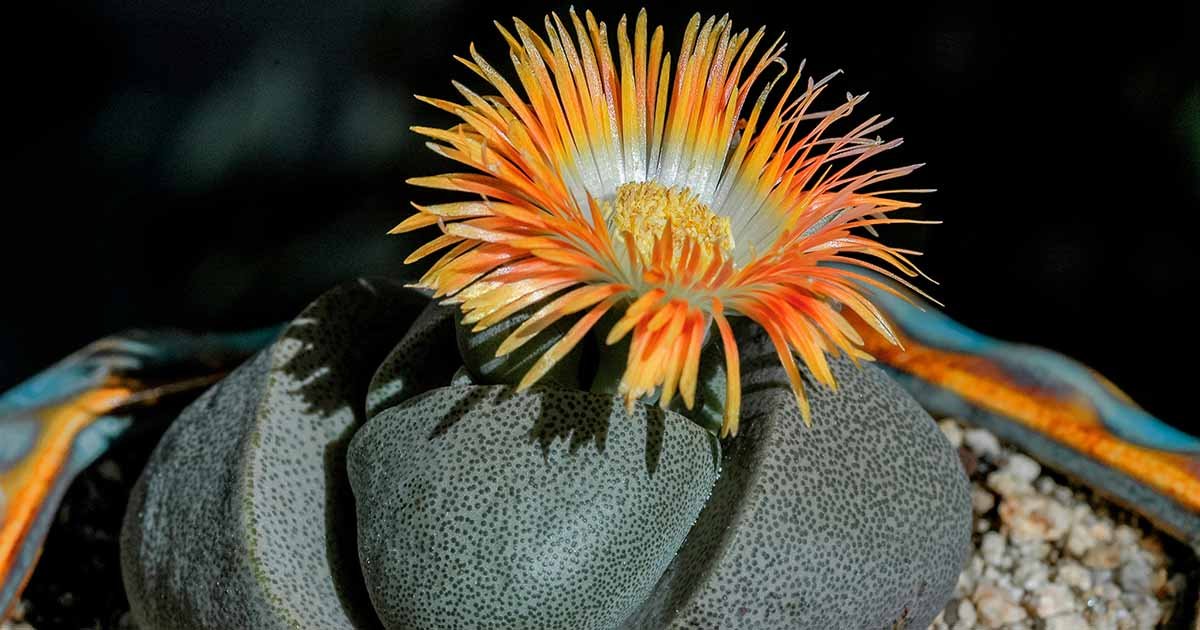
In time, you’ll be treated to those impressive daisy-like flowers that can reach up to three inches across.
Have you grown split rock plants? Share your experiences in the comments below!
And for more information about cultivating succulents, check out these guides next:

