


Bringing a christmas tree indoors has a cultural value that symbolizes hope of spring after dark winter months.
The practice has deep historical roots and now it has become a centerpiece of family gathering to create lasting memories.
However, beyond their beauty and sentimental charm, fresh-cut trees come with a challenge: keeping them lush, vibrant, and safe throughout the entire festive season.
Because many households decorate as early as late November, a tree may need to stay fresh for up to six weeks.
Without the right species and proper care, this can quickly become a struggle marked by brittle needles, drooping branches, and increased fire hazards.
That’s why choosing the longest-lasting Christmas tree becomes a crucial holiday decision. The right variety minimizes needle drop, maintains its fragrance longer, and ensures your décor looks picture-perfect right through New Year’s.
9 Long-Lasting Christmas Tree Varieties
Understanding how long the holiday season lasts in your particular household—whether you start decorating just after Thanksgiving or wait until early December—helps determine which tree will hold up best.
Once you pair the right species with attentive care, your Christmas tree remains beautiful, fragrant, and safe, truly becoming the centerpiece of your celebrations.
1. Fraser Fir
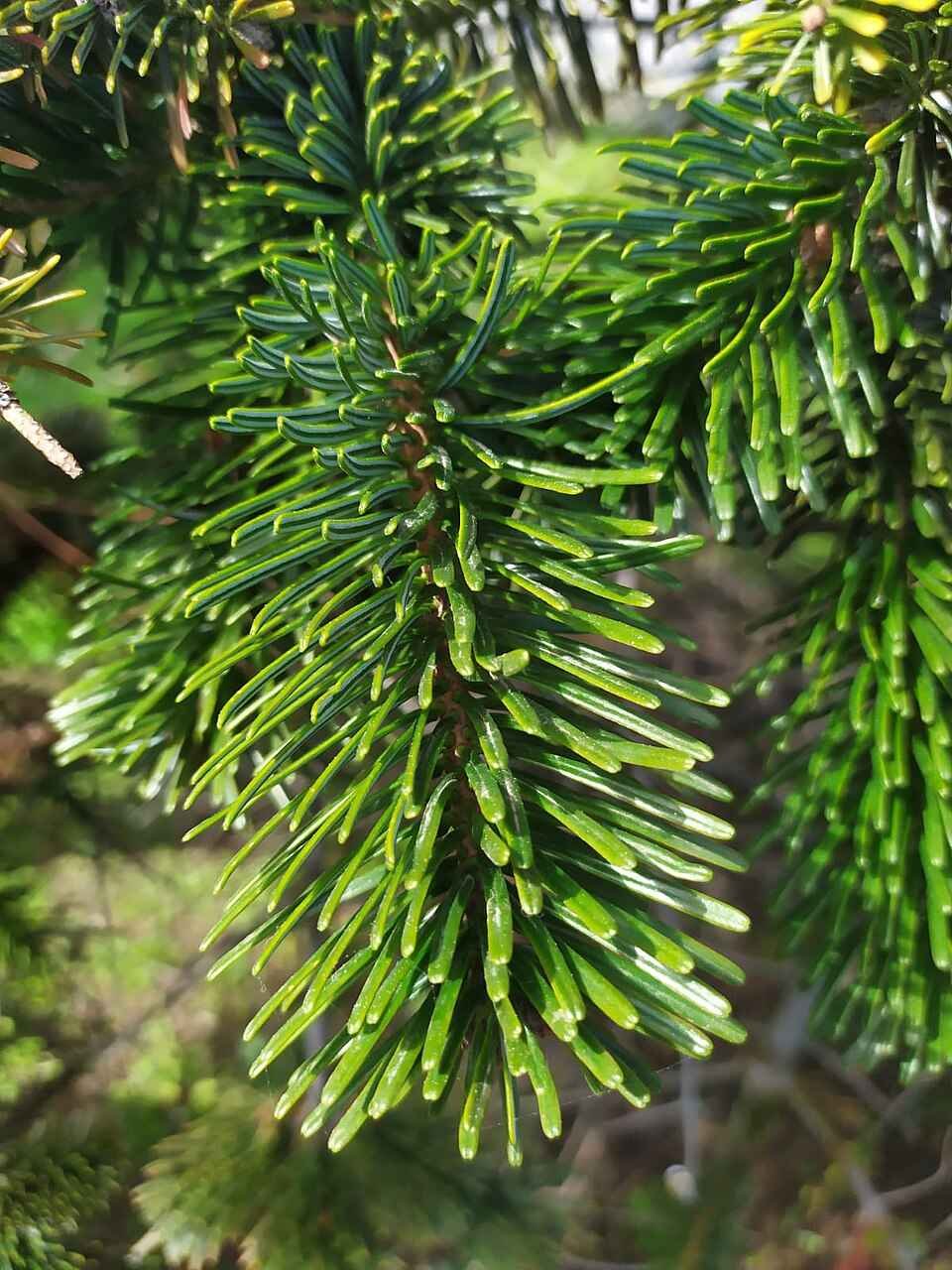
The Fraser Fir is widely regarded as the gold standard of Christmas tree varieties, and for good reason. With proper watering, it can last an impressive 6 weeks, making it ideal for early decorators. Its needles have a natural waxy coating that locks in moisture, dramatically slowing needle drop even as the season winds down.
The Fraser Fir also features sturdy, upward-curving branches that effortlessly support heavier ornaments—perfect for households that love elaborate décor. Its pleasant forest fragrance brings a classic holiday aroma, while the tree’s naturally symmetrical shape adds to its elegance.
When comparing durability, the Fraser Fir often outperforms most pine and spruce trees by several weeks, making it a top choice for families prioritizing longevity and aesthetics.
Also Read: 20 Christmas Tree Alternatives to Try
2. Nordmann Fir

The Nordmann Fir shares the Fraser’s 6-week lifespan and offers some of the softest needles among all Christmas tree species—no pricking, no scratches, just smooth, glossy foliage.
Its ability to retain needles without shedding makes it especially popular in modern homes where families decorate heavily or have young children and pets.
While the Nordmann Fir has a very mild scent, this is a major advantage for allergy-prone individuals who still want a real tree experience. Its dense, uniform branching creates a full, elegant silhouette that displays ornaments beautifully.
With its luxurious texture and consistently rich green needles that stay supple throughout the season, the Nordmann Fir has become a favorite across Europe and is increasingly gaining popularity worldwide.
3. Noble Fir (Abies procera)
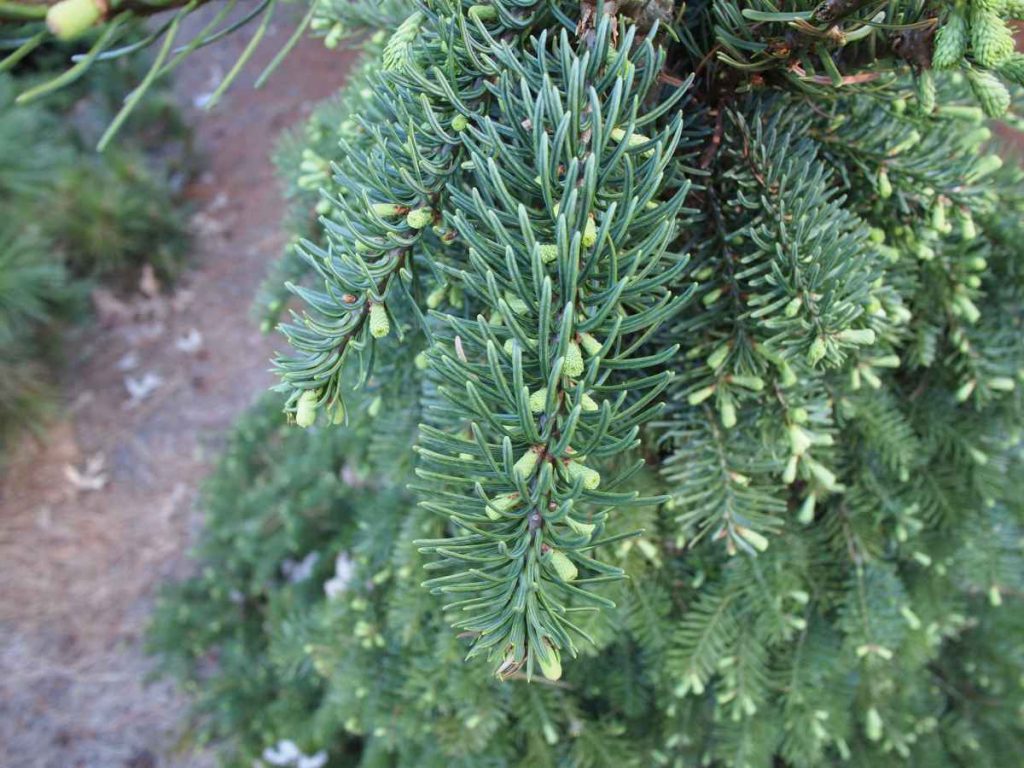
The Noble Fir offers outstanding longevity, typically lasting 4 to 6 weeks. Its strong, layered branches and two-toned needles—blue-green on top and silver underneath—give it a distinctive frosted appearance that looks stunning under warm lights.
This variety is particularly well-loved for its durability and exceptional ability to hold heavy ornaments without sagging. Its crisp, woodsy scent fills the room without becoming overpowering.
Even as the tree begins to dry, the needles cling tightly, making it one of the cleanest, easiest trees to maintain. Minimal watering requirements and excellent structure make the Noble Fir a reliable and visually unique option.
Check this: 29 Farmhouse Christmas Decor Ideas
4. Leyland Cypress
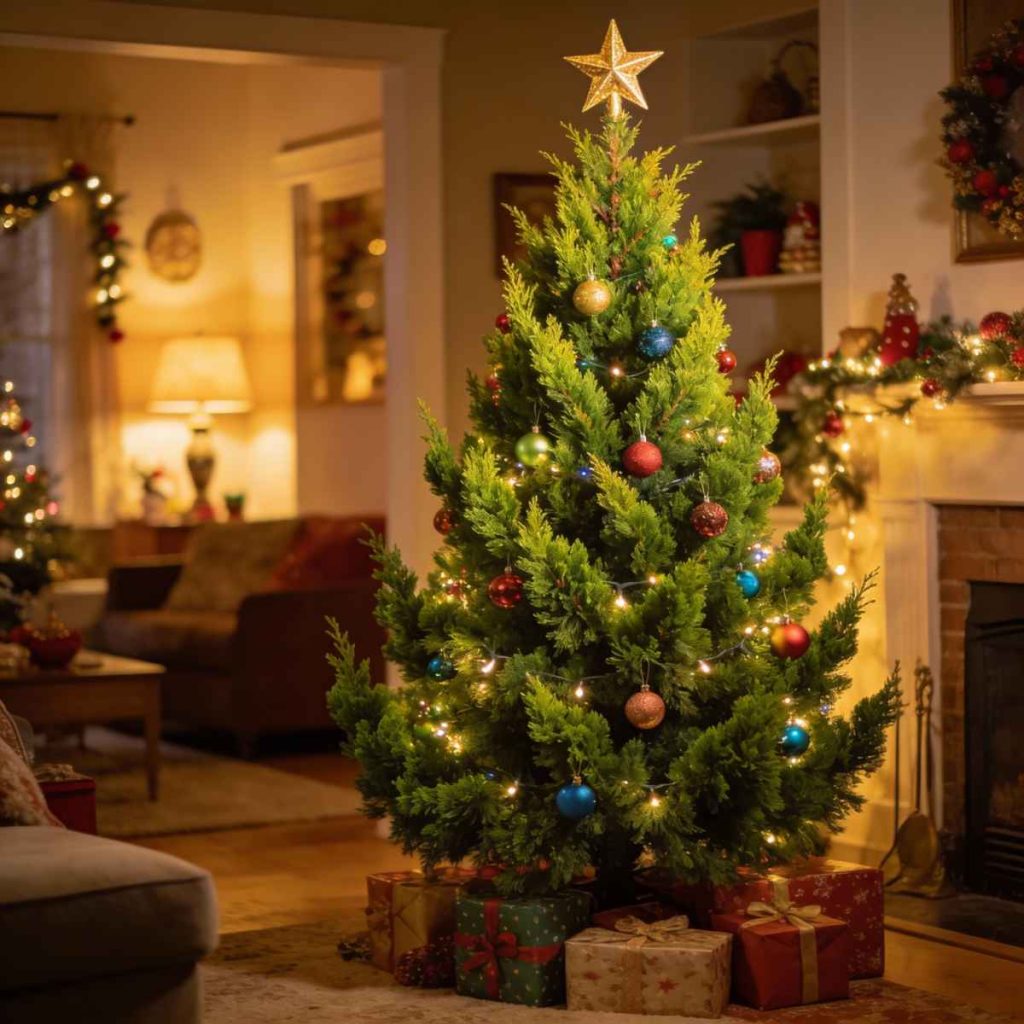
If longevity is your top priority, the Leyland Cypress takes the crown. With proper maintenance, it can last 6 to 8 weeks, making it the ultimate choice for early decorators who want their tree to stay fresh well into January.
Its soft, feathery foliage stays a vibrant green with virtually no needle drop. Because it produces minimal sap and has a very mild scent, the Leyland Cypress is perfect for families sensitive to strong pine fragrances.
Its dense structure provides excellent coverage, creating a beautifully full appearance even before decorations go on. Highly tolerant of indoor heat and low humidity, it remains lush long after similar trees would have dried out.
5. Balsam Fir (Abies balsamea)

The Balsam Fir lasts between 4 to 6 weeks and is cherished for its deep green needles and famously intoxicating holiday fragrance—the kind that instantly makes a home feel festive. Its branches are flexible yet supportive, allowing ornaments to hang naturally.
This tree’s life span depends heavily on consistent hydration, as Balsam Firs can dry out more quickly than moisture-dense varieties. When well cared for, however, they maintain an excellent shape and strong needle retention.
Harvested during colder months, the Balsam Fir holds onto its scent and moisture better, making it a traditional favorite for families who prioritize fragrance.
6. Douglas Fir (Pseudotsuga menziesii)

The Douglas Fir typically lasts 4 to 6 weeks and remains one of the most popular Christmas trees across North America due to its full shape and bright green needles.
Its strong, sweet scent—often described as citrusy or resinous—intensifies when handled, adding an aromatic charm to holiday gatherings.
Known for high internal moisture content when freshly cut, the Douglas Fir stays fresher longer than many other firs—but only with frequent watering.
Its soft, flexible branches support lightweight ornaments well, and its affordable price makes it a great option for large households or budget-conscious decorators.
7. Scotch Pine (Pinus sylvestris)

The Scotch Pine shines for its exceptional needle retention, holding its needles firmly for 3 to 4 weeks, even in homes where watering is inconsistent. This resilience makes it one of the most reliable picks for minimal cleanup.
Its blue-green needles and distinctive reddish-orange bark add rustic appeal. The branches are strong and sturdy, though their structure is best suited for lighter ornaments.
While it doesn’t last as long as many fir species, purchasing it closer to Christmas ensures a beautiful display with minimal mess—and a tree that holds up better than many spruces.
Check this: 27 Ideas for Decorating with Poinsettias for Christmas
8. White Fir / Concolor Fir (Abies concolor)

The White Fir lasts 4 to 6 weeks and offers features rarely found in other Christmas tree varieties. Its soft, elongated needles display a gorgeous blue-green hue, giving the tree a naturally elegant, almost frosted appearance.
Its fragrance is citrusy—think orange peel mixed with pine—adding a refreshing twist to traditional holiday scents. This tree is known for excellent moisture retention and minimal needle drop.
With branches strong enough to support heavier ornaments and a naturally neat shape, the White Fir brings both beauty and practicality to holiday décor.
9. Korean Fir

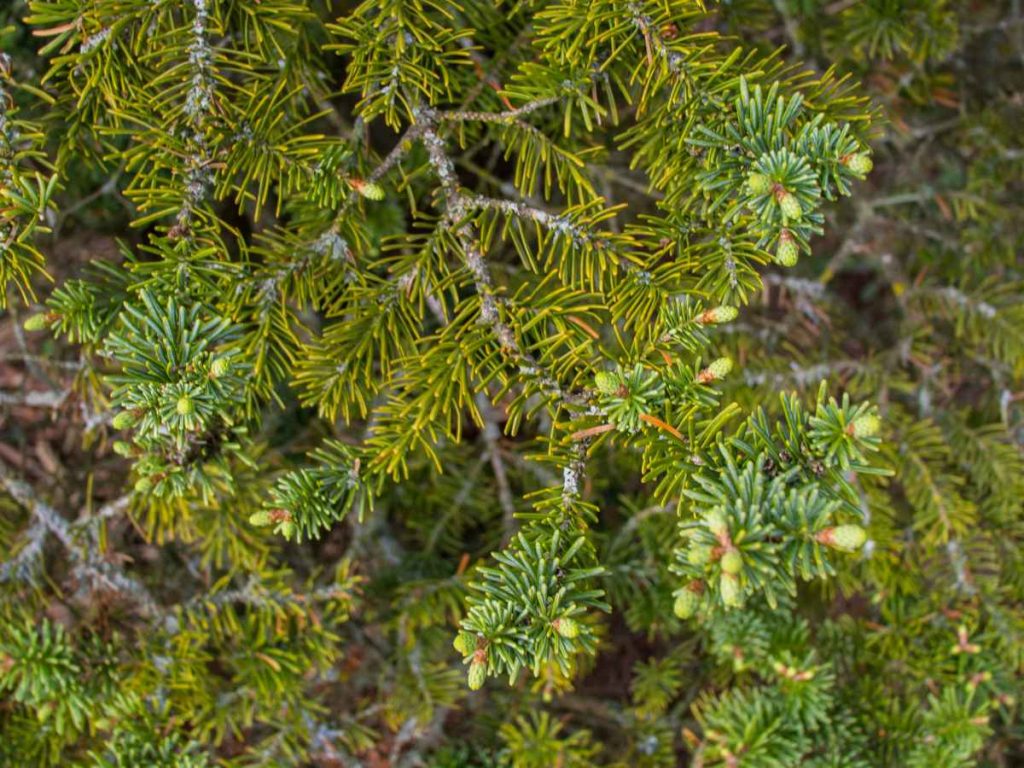
The Korean Fir stays fresh for around 6 weeks, offering a compact shape ideal for smaller living rooms, apartments, or tighter spaces. It combines the longevity of Nordmann and Fraser Firs with a denser, more layered branch structure.
Its dark green needles with silvery undersides create a striking contrast that looks especially stunning under warm or cool-toned lights.
With impressive water retention and minimal shedding, the Korean Fir makes an excellent choice for decorators seeking long-lasting beauty on a smaller scale.
Also Read: 37 Front Yard Christmas Decoration Ideas
How to Keep a Christmas Tree Fresh?
Keeping a Christmas tree fresh is all about controlling moisture and temperature. Start by placing the tree in water immediately after bringing it home—waiting even a few hours can cause the sap to seal the trunk.
Since a freshly cut tree can drink nearly a quart of water per day during the first week, monitor the water level daily and never let it drop below the cut surface.
Placement is equally important. Trees placed near fireplaces, radiators, heating vents, or sunny windows will dry out much faster. Keeping your home slightly cooler (below 70°F) significantly prolongs freshness and reduces needle drop.
Make a clean, straight cut by removing about 1–2 inches from the trunk before securing it in the stand. Avoid angled cuts and don’t shave off the bark—these practices reduce water absorption. For best results, replace the water every few days to avoid bacteria buildup that can clog the tree’s vascular system.
Despite popular myths, additives such as aspirin, bleach, sugar, or soda do not improve longevity.
Plain, fresh tap water consistently performs best in scientific tests. If needles begin to fall readily when gently brushing a branch, the tree is drying out and needs immediate attention or removal for safety.
With these practices, most high-quality Christmas trees remain vibrant, fragrant, and safe for five weeks or more—long enough to carry your festivities through New Year’s with ease.
Also Read: 29 Best Christmas Porch Decor Ideas
Conclusion
Choosing the longest-lasting Christmas tree turns the holiday season into a stress-free celebration filled with fragrance, color, and charm—rather than constant cleanup and early needle drop.
From the dependable 6-week endurance of Fraser and Nordmann Firs to the unmatched 8-week longevity of the Leyland Cypress, each variety offers unique strengths that suit different decorating styles and family needs.
When combined with proper care—consistent watering, cool room placement, and immediate hydration after purchase—your tree becomes more than seasonal décor.
It becomes a lasting centerpiece that anchors your celebrations, holds your favorite ornaments, and creates cherished memories from December’s first sparkle to January’s final moment of joy.

Khaja Moinuddin, a computer science graduate, finds joy in gardening and homesteading. Join him on this blog as he shares his experiences in homesteading, gardening, and composting

