


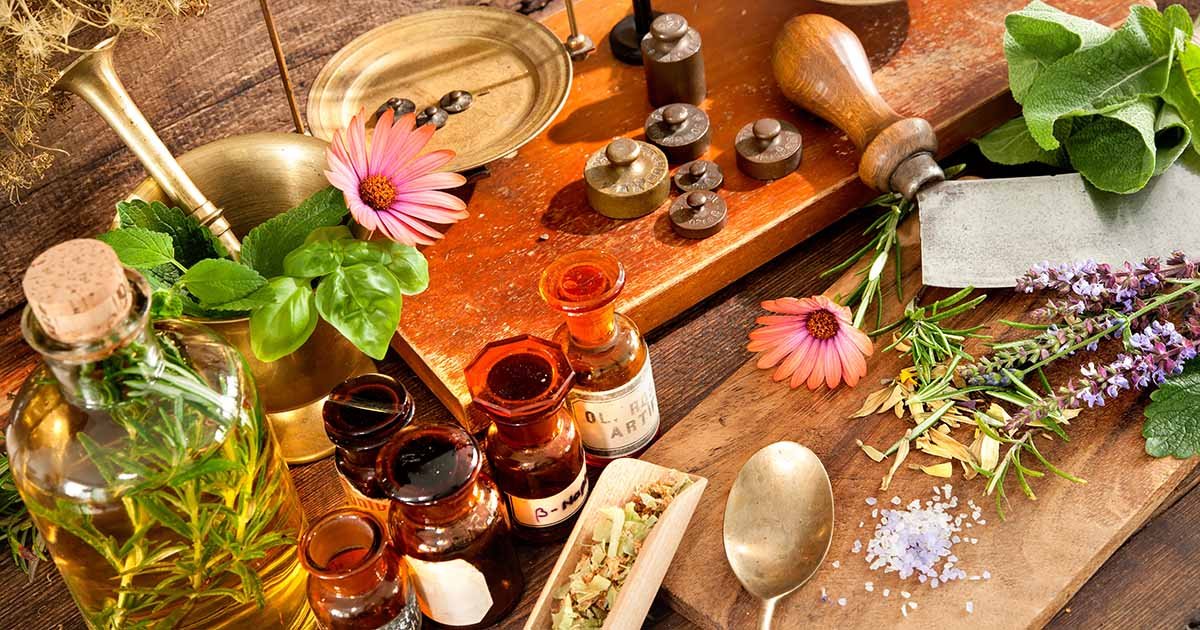
Strewing was the practice of scattering herbs on the floor for their pleasing fragrance and pest repellent properties.
Introduced to North America in the 1500s, it’s one of the most widely used medicinal herbs in Europe today.
Potential Cold Season Benefits:
A mug of chamomile tea can be effective to treat inflammation, and ease the pain and hoarseness of a sore throat. Its antispasmodic action may also be effective in alleviating coughs.

Chamomile steam inhalation is also used to relieve sinus congestion, pain, and pressure – breathe deeply of its sweet vapors.
Learn more about chamomile here.
2. Echinacea
Bright and cheerful in a sunny border, species from the Echinacea genus add beautiful color to the summer garden.

Also known as coneflowers, with the purple variety (E. purpurea) being touted most commonly for its medicinal applications, these are low-maintenance perennials that spread with ease and produce flowers from mid- to late summer.
Native to North America, the seeds are a favorite of small songbirds, so be sure to leave some stalks in place when they’ve finished blooming.
The most popular of therapeutic plants used by Native Americans, coneflower was a common remedy in the treatment of toothache, sore gums, and sore throats.
All parts of the plant are used for herbal applications – leaves, petals, and roots. Today, echinacea is one of the most popular herbs used in Europe and North America.
Potential Cold Season Benefits:
Mixed with peppermint and hyssop leaves, echinacea tea is used to reduce cold and flu symptoms like low energy and congestion.
A tincture of echinacea root taken at the first signs of a cold may reduce its severity and duration.
For more instruction on making tinctures, pick up a copy of “The Herbal Medicine Maker’s Handbook: A Home Manual” by James Green.

The Herbal Medicine Maker’s Handbook: A Home Manual
Recommended by the Herbal Academy in Bedford, Massachusetts, it offers clear, step-by-step instructions for creating every type of plant-based preparation.
You can find this book available on Amazon.
To learn more, be sure to read our informative article on how to grow echinacea – you’ll love its easy-going habits!
3. Elderberry
A beautiful shrub for the garden, elderberries hail from the genus Sambucus, and are native to temperate regions of both the Northern and Southern Hemispheres.
With lovely, lacy flowers that bloom in early summer, dense clusters of purplish-black berries follow. S. nigra is the species used most often in herbal remedies.

Packed with vitamins and powerful anthocyanins, the berries are a favorite in the kitchen for making cordials, jams, jellies, syrup, and wine.
But cooks and herbalists alike need to be quick to get their share before visiting birds do.
Elder has had numerous superstitions attached to it, and was often planted for protection against bad spirits.
You’ll be happy to know that planting an elder near the house and close to doors or windows is said to keep witches at bay!
Potential Cold Season Benefits:
Made with fresh or dried berries, elderberry tea and tinctures are used in the treatment of flu symptoms, congestion, and sinus infections.
And elderberry syrup is a favorite to loosen and ease a cough.
For an excellent syrup recipe, pick up a copy of Rosemary Gladstar’s “Herbal Recipes for Vibrant Health” – a well-known authority on herbal medicinals, her recipe book is a classic.
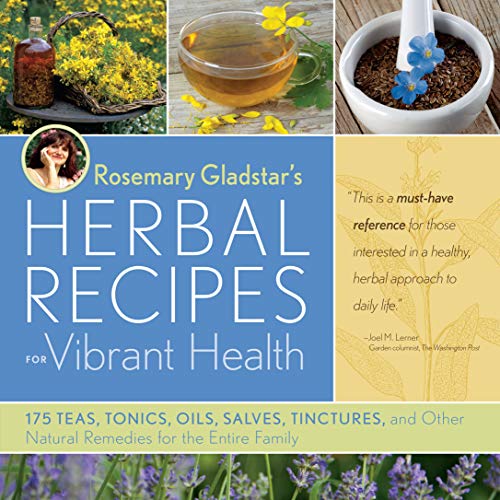
Herbal Recipes for Vibrant Health
You can pick up a copy of this book from Amazon.
To enjoy the beauty and bounty of this pretty shrub, read up on how to grow elderberries.
4. Eucalyptus
Native to Australia, the fresh, cleansing scent of eucalyptus (Eucalyptus globulus) fills the air on a hot summer’s day as the heat releases its essential oils.

A fast-growing tree or shrub in the myrtle family, eucalyptus likes a sunny, warm environment with water available deep into the root zone.
It’s been successfully introduced into many countries and has naturalized in several regions, including southern Europe, North Africa, the Peruvian Andes, and California.
Used for millennia by aboriginal Australians, crushed leaves were used to heal skin wounds, while the pungent vapors were inhaled to clear the mouth, throat, and sinuses.

