


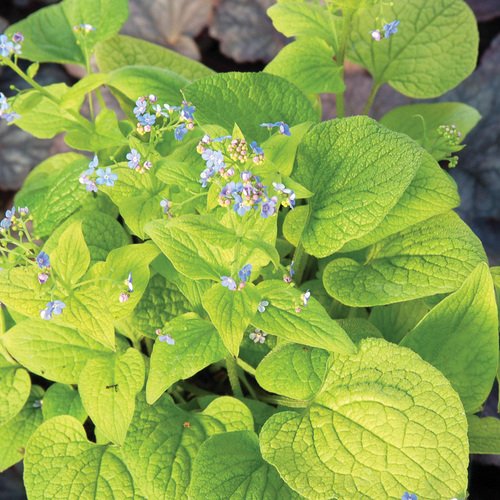
If you’re looking for versatile, fast-growing plants that can help fill the gaps in your garden, these dependable background performers are a smart choice. Selected by our Pacific Northwest regional expert, most of these plants thrive in full sun to partial shade. Explore the picks below—you may find one that fits the bill for your garden.
Read More Pacific Northwest Regional Reports
‘Fine China’ sedge
Name: Carex ‘Fine China’
- Zones: 5–9
- Size: 8 to 12 inches tall and 24 inches wide
- Conditions: Full sun to partial shade; moist, well-drained soil
- Native range: Hybrid
I love the texture that grasses and grasslike plants lend to the garden, and one of the best is ‘Fine China’ sedge. This stunner was introduced by renowned plantsman Dan Hinkley. It sports dark green, fine blades that create a mound of arching evergreen foliage and looks good in all seasons, staying relatively neat and tidy year-round.
This sedge doesn’t need to be cut back, and though it will sometimes throw out a few inflorescences, don’t worry—it doesn’t reseed readily. With deep, rich soil and consistent moisture it can take full sun. Otherwise, partial shade is the ideal place to site ‘Fine China’. Use it as a filler, as a spiller over a wall, or in a sweep with other grassy plants for the greatest impact.
‘Ann Folkard’ geranium
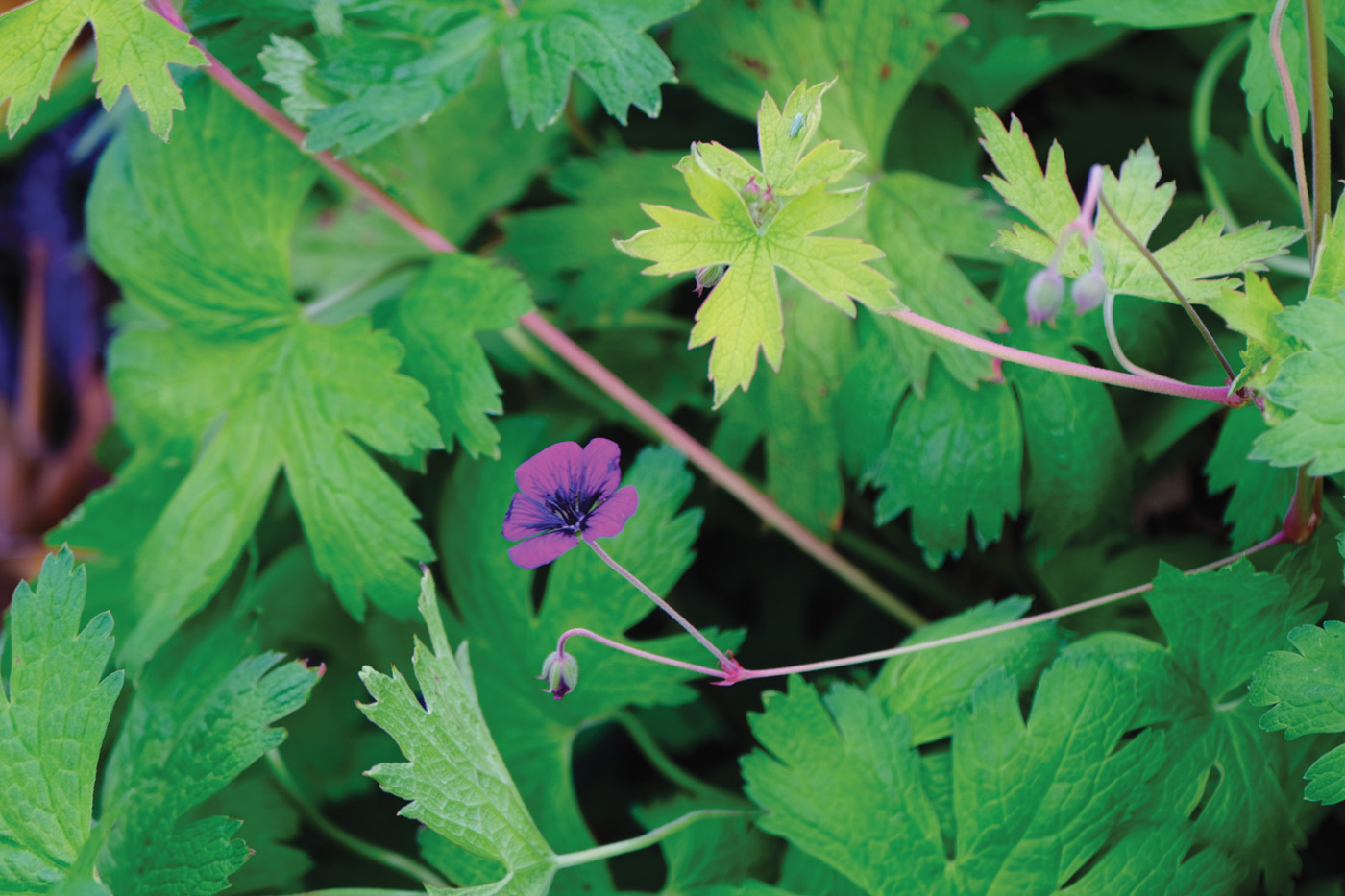
Name: Geranium ‘Ann Folkard’
- Zones: 5–9
- Size: 8 to 12 inches tall and up to 42 inches wide
- Conditions: Full sun to partial shade; moist, well-drained soil
- Native range: Hybrid
Hardy geraniums are a staple of perennial gardens, and the cultivar ‘Ann Folkard’ is perfectly happy in a traditional border. But it also loves to hang out among shrubs, where it easily rambles into the branches of sturdy neighbors, giving the illusion that the scaffolding plant is the one putting on a bloom show. The bright lobed leaves and magenta flowers add interest to spots where there would normally be none.
Think of ‘Ann Folkard’ as a clematis (Clematis spp. and cvs., Zones 4–9), just on a smaller scale. Never aggressive, it is a welcome filler in the spaces between nearly any group of plants. Although drought tolerant, like most geraniums, it looks better with some regular moisture.
‘Diane’s Gold’ brunnera
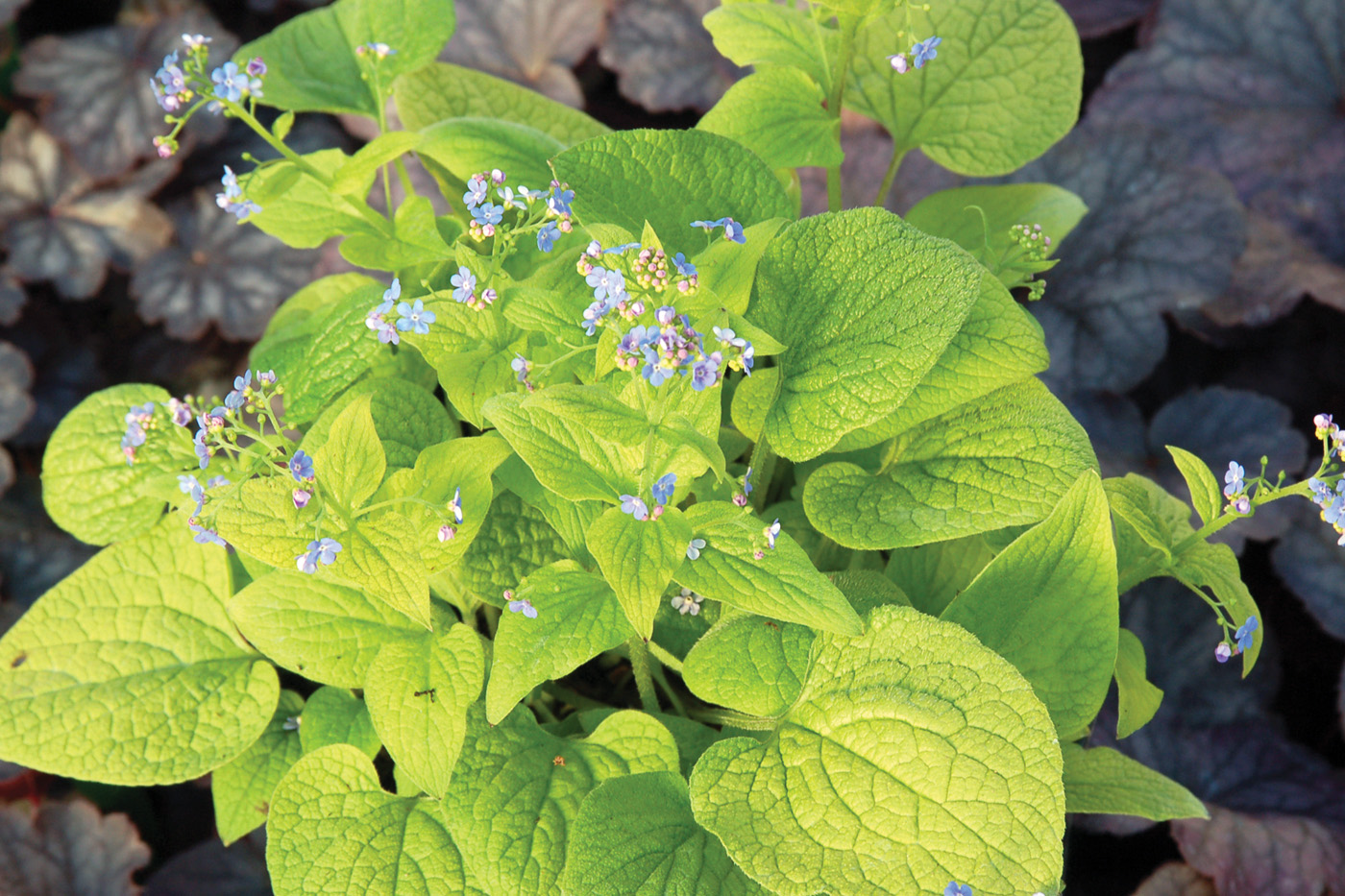
Name: Brunnera macrophylla ‘Diane’s Gold’
- Zones: 4–9
- Size: 1 foot tall and 2 feet wide
- Conditions: Partial to full shade; moist, well-drained soil
- Native range: Eastern Europe and northwest Asia
Brunneras are fantastic plants for filling in garden gaps because of their ground-covering habit. Most species look especially gorgeous when planted en masse. ‘Diane’s Gold’ takes those great traits and brings it up a notch. The mostly evergreen foliage is a luminous yellow, contrasting wonderfully with tiny blue flowers that are held above the leaves in spring. The glow of the foliage enhances nearly any shady place.
This plant is lovely by itself but is also very dramatic in multiples. When you add deer resistance, drought tolerance, easy care, and exceptional hardiness, this perennial is hard to beat.
‘Eastern Star’ wood aster
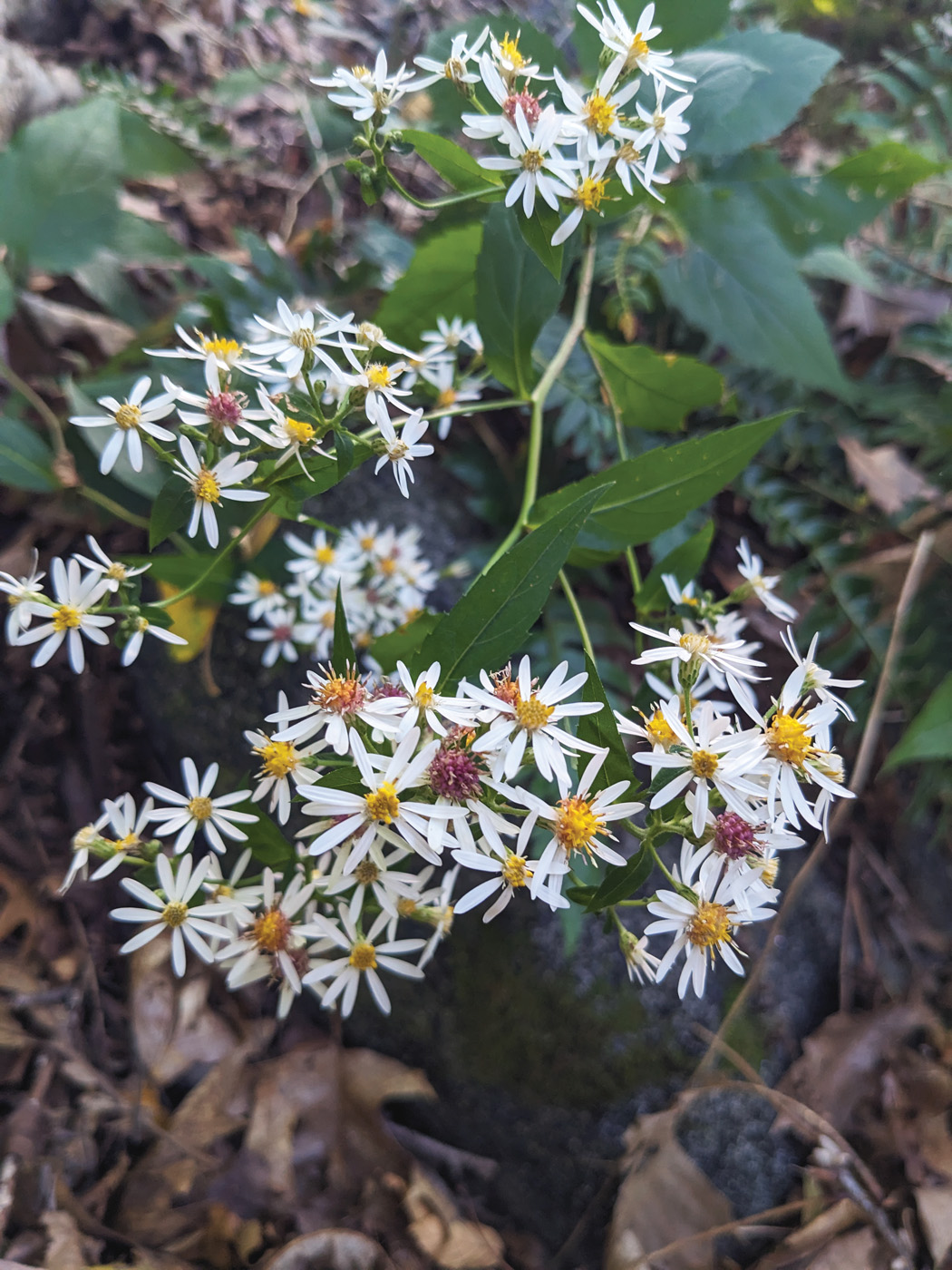
Name: Eurybia divaricata ‘Eastern Star’
- Zones: 3–8
- Size: 1 to 1½ feet tall and wide
- Conditions: Partial to full shade; well-drained soil
- Native range: Eastern United States
‘Eastern Star’ is an amazing aster that does not behave like its cousins. While most asters are known to be stiff, upright in habit, and fast spreading, ‘Eastern Star’ wood aster stays where it is put and has a soft texture that adds movement to beds and borders. It continues to bloom all fall without deadheading too.
The dark green, heart-shaped foliage and black stems set off the white clusters of flowers beautifully. It easily and quickly fills in the gaps in woodland gardens, or anywhere shady that needs some autumnal color. As a bonus, deer don’t like it, so you sure will.
Regional expert: Susan Calhoun is the owner and principal designer of Plantswoman Design in Bainbridge, Washington. She is also a regional reporter for Fine Gardening.
Fine Gardening Recommended Products
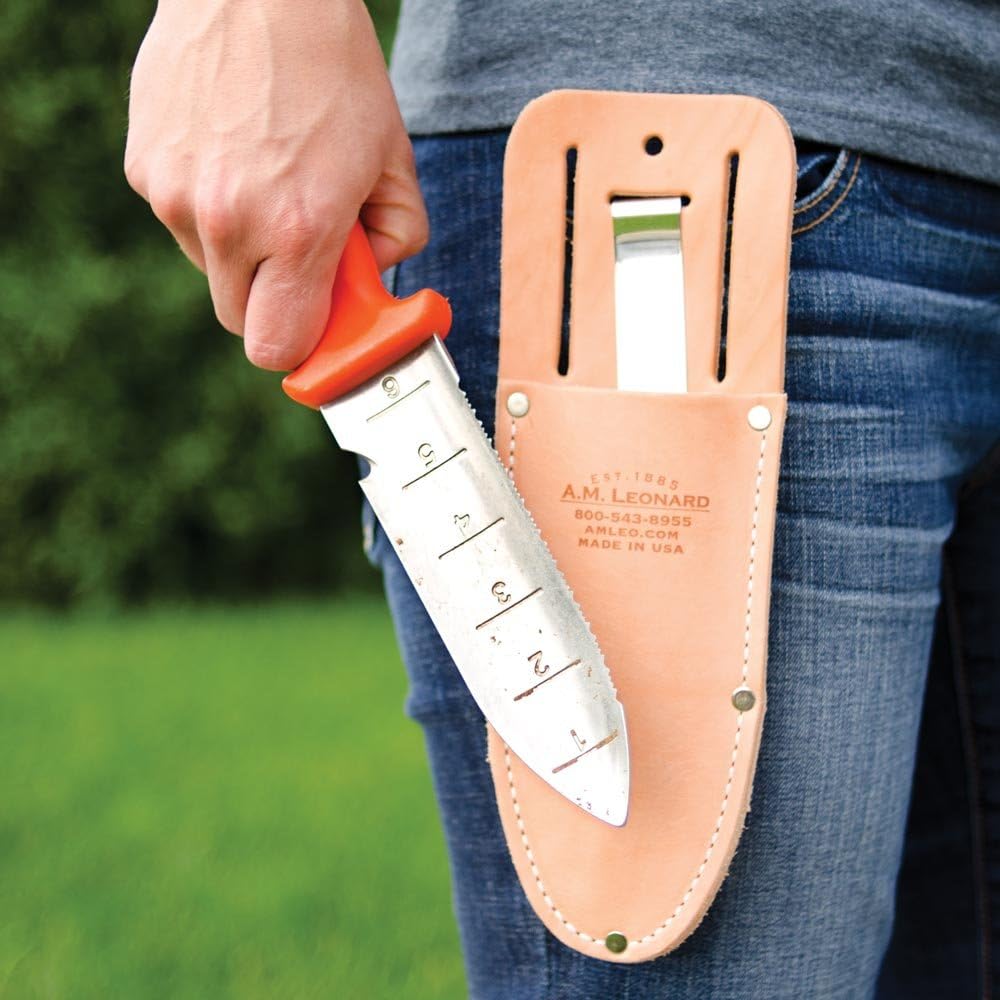
A.M. Leonard Deluxe Soil Knife & Leather Sheath Combo
Fine Gardening receives a commission for items purchased through links on this site, including Amazon Associates and other affiliate advertising programs.
MULTITASKING DUAL EDGES: a deep serrated edge and a tapered slicing edge ideal for tough or delicate cuts. DURABLE 6-inch stainless steel blade withstands 300 lbs of pressure. TWINE CUTTING NOTCH, DEPTH GAUGE MARKINGS & spear point – no need to switch tools when using this garden knife. LEATHER SHEATH: heavy duty, protective, clip on sheath to keep your knife convenient and secure. LIFETIME WARRANTY.

