


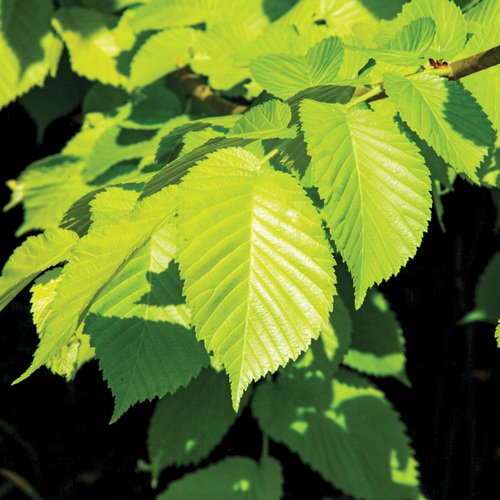
Looking for versatile, fast-growing plants for sun and shade to help fill gaps in your garden? Explore top regional plant picks for the Mid-Atlantic, including native prairie dock, panicle hydrangea, Japanese shrub mint, and the vibrant Golden English elm. These dependable background players are a smart choice, selected by our regional expert, Dan Benarcik.
Read More Regional Reports for the Mid-Atlantic Here
Prairie dock
Name: Silphium terebinthinaceum
- Zones: 3–8
- Size: 3½ to 10 feet tall and 1 to 3 feet wide
- Conditions: Full sun; well-drained soil
- Native range: Central-eastern Canada to Southeastern United States
This explosive native perennial starts as a basal clump of decidedly bold and quite tactile oval leaves, neatly mounding in early summer. However, the 2- to 3-foot medium green mass gives no suggestion as to what follows. In mid-July, green stems with tightly beaded buds weave through the foliage. They pinnacle at about mid-August with a glorious and towering display of daisylike yellow flowers, which are held 10 or more feet in the air.
As soon as the blossoms begin to fade, goldfinches flock to the seed heads and perform the most wonderful dances on the stems. Once the freeze of winter has set in, the dry brown stalks remain as lofty sentinels of last season’s display.
Golden English elm
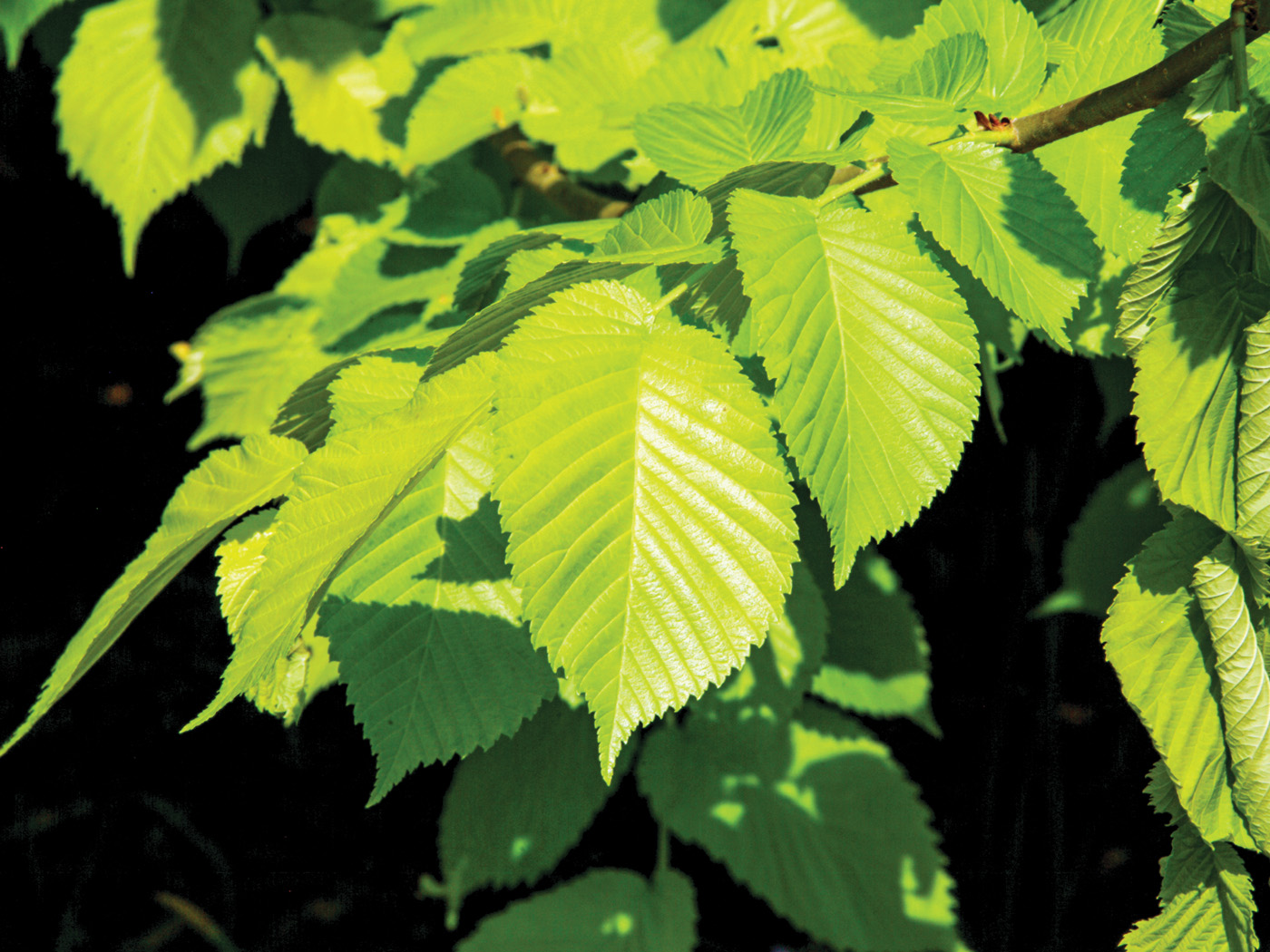
Name: Ulmus procera ‘Aurea’
- Zones: 4–9
- Size: 20 to 25 feet tall and 15 to 20 feet wide
- Conditions: Full sun to partial shade; moist, well-drained soil
- Native range: Europe and western Asia
To know me is to know that I fully yield to the color chartreuse in the garden. My treasured hue manifests in the vibrant foliage of this English elm. Quite tolerant of cold, it will glow its brightest during the growing season with adequate moisture, which helps it avoid burning in summer heat.
I prune this small tree back to a 4- to 5-foot open-branched structure in the dead of winter, allowing for the surge of colorful fresh growth the next season. My pruning regimen also lets lots of light penetrate the canopy, enhancing this plant’s glow. Diminutive flowers in early spring and no real seed or debris to speak of during the growing season make this tree an impactful, low-maintenance powerhouse.
‘Phantom’ panicle hydrangea
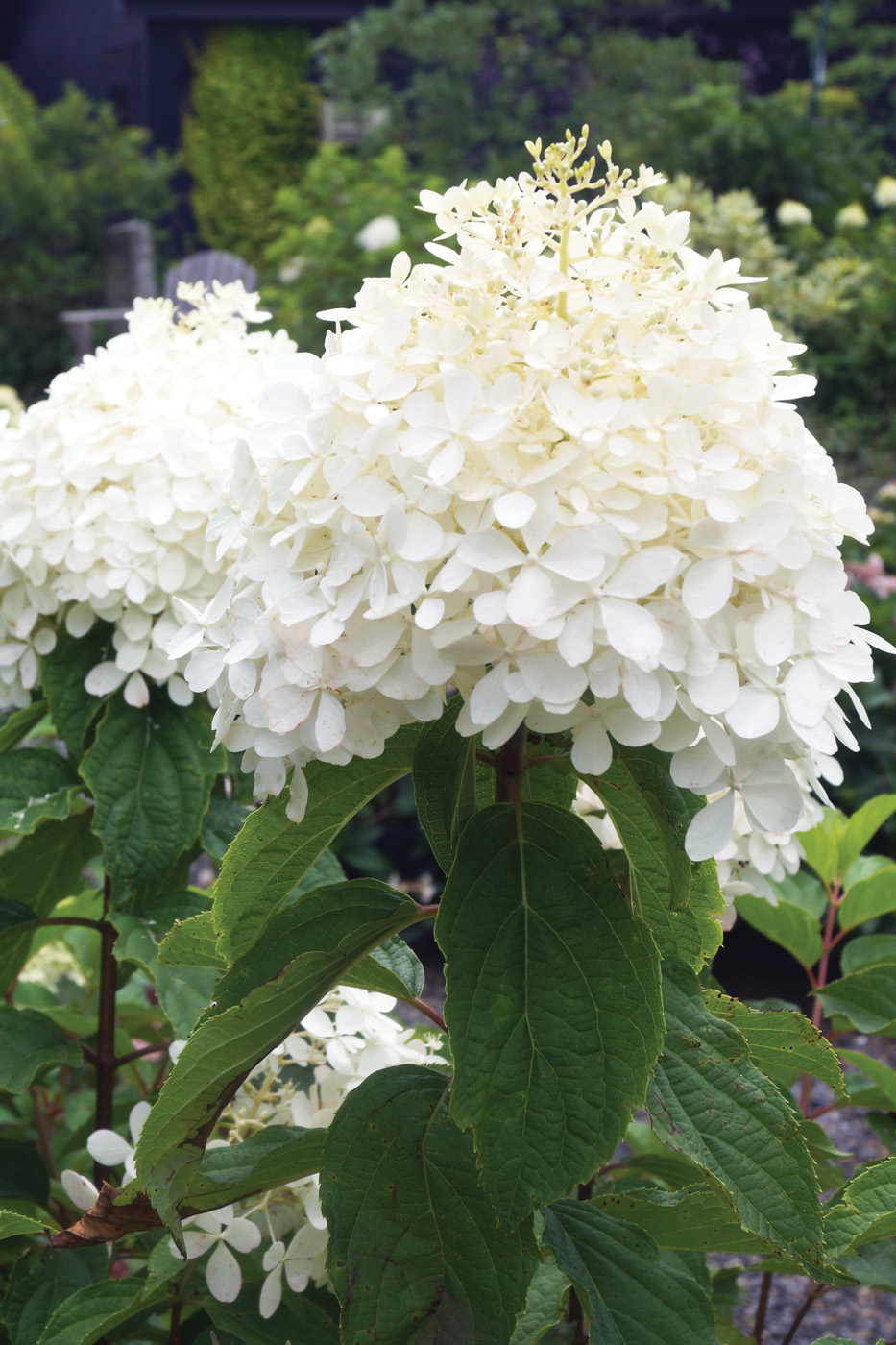
Name: Hydrangea paniculata ‘Phantom’
Zones: 3–8
Size: 6 to 10 feet tall and wide
Conditions: Full sun to partial shade; well-drained soil
Native range: China, Japan, the Kuril Islands, and Sakhalin Island
No need to fear this performer, but prepare to sit back and enjoy its impressive show. Of the many types of hydrangeas out there, the panicle varieties bloom latest, starting in summer and often continuing into autumn. They can also be trained to flower on taller stems to add height to borders. ‘Phantom’ is true to brand in all these ways, with one notable addition: its flower size.
The fresh stems that emerge yearly yield the most spectacular flower heads, often 15 inches long. These white cones fade to a pale pink in fall and can be cut and dried easily for arrangements. Blooming on new wood, panicle hydrangeas are very forgiving about pruning time, but I recommend trimming in the dormant season.
Japanese shrub mint
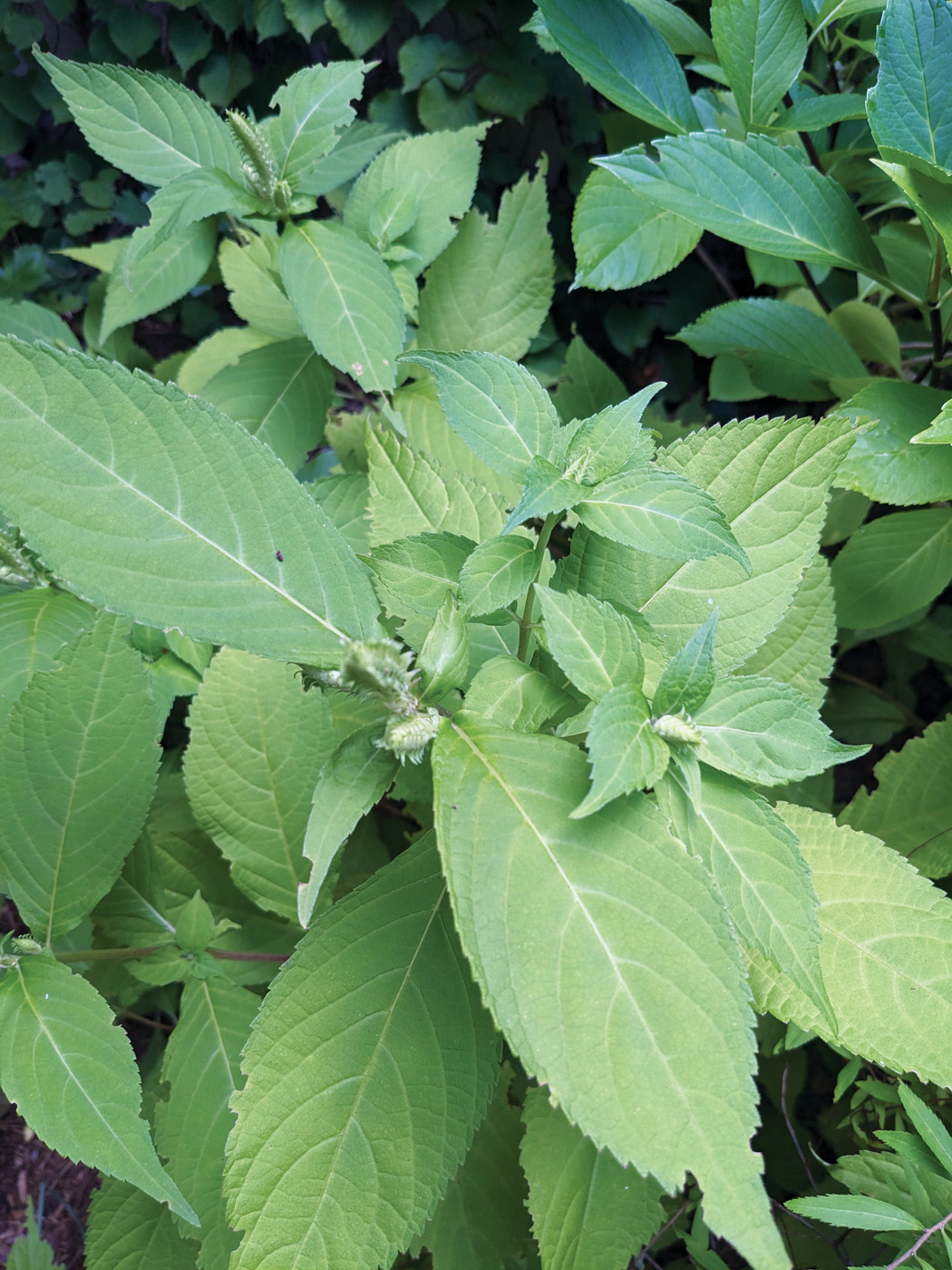
Name: Leucosceptrum japonicum and cvs.
- Zones: 5–8
- Size: 2 to 3 feet tall and wide
- Conditions: Partial to full shade; well-drained soil
- Native range: Japan
Japanese shrub mint is an herbaceous perennial that develops a woody base to its stems. Although often considered nondescript, it fills shady areas with healthy, drought-tolerant foliage but is equally capable in a sunnier location. This plant dies back to the ground in our Mid-Atlantic winters but surges in late spring to mass quietly and effectively under established trees. For this reason, I seek out its colorful cultivars, namely ‘Golden Angel’ (pictured) with its vibrant chartreuse to golden foliage. There are two variegated foliage forms as well, if you prefer.
Regional expert: Dan Benarcik has been a horticulturist for 33 years at Chanticleer in Wayne, Pennsylvania, where he oversees the display gardens.
More from Fine Gardening:
Listen to Our Podcast!
Watch Our Gardening Videos on YouTube
Subscribe to Fine Gardening All-Access
Fine Gardening Recommended Products
ARS Telescoping Long Reach Pruner
Fine Gardening receives a commission for items purchased through links on this site, including Amazon Associates and other affiliate advertising programs.
Telescopes from 4 to 7′. Cut and Hold (160) Blades. Drop forged blades for unsurpassed long lasting sharpness. Lightweight, 2.3 lbs., for continued use. Perfectly balanced for easy pruning.
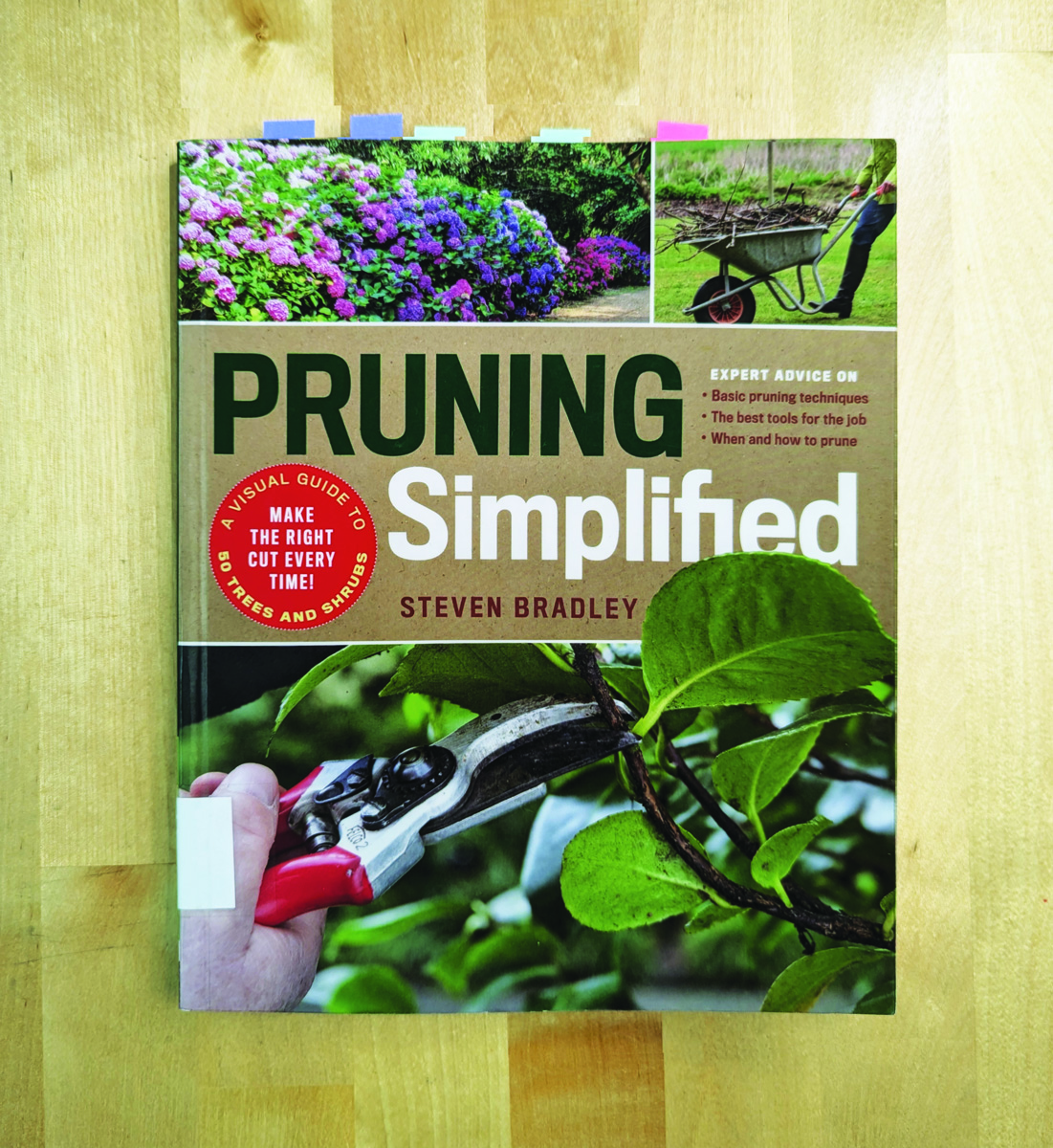
Pruning Simplified: A Step-by-Step Guide to 50 Popular Trees and Shrubs
Fine Gardening receives a commission for items purchased through links on this site, including Amazon Associates and other affiliate advertising programs.
Pruning Simplified shows you exactly how to do it. This must-have guide offers expert advice on the best tools for the job, specific details on when to prune, and clear instructions on how to prune. Profiles of the 50 most popular trees and shrubs—including azaleas, camellias, clematis, hydrangeas, and more—include illustrated, easy-to-follow instructions that will ensure you make the right cut the first time.
DeWalt Variable-Speed Cordless Reciprocating Saw
Fine Gardening receives a commission for items purchased through links on this site, including Amazon Associates and other affiliate advertising programs.
You can fit a variety of blades to this saw to cut fallen branches or prune larger limbs from trees in a pinch. It’s fast, tough, easy to use, and extremely versatile.
– 18.31 x 6.13 x 4 inches
– 1-1/8-inch stroke length
– Variable speed trigger with 0-3000 spm

