


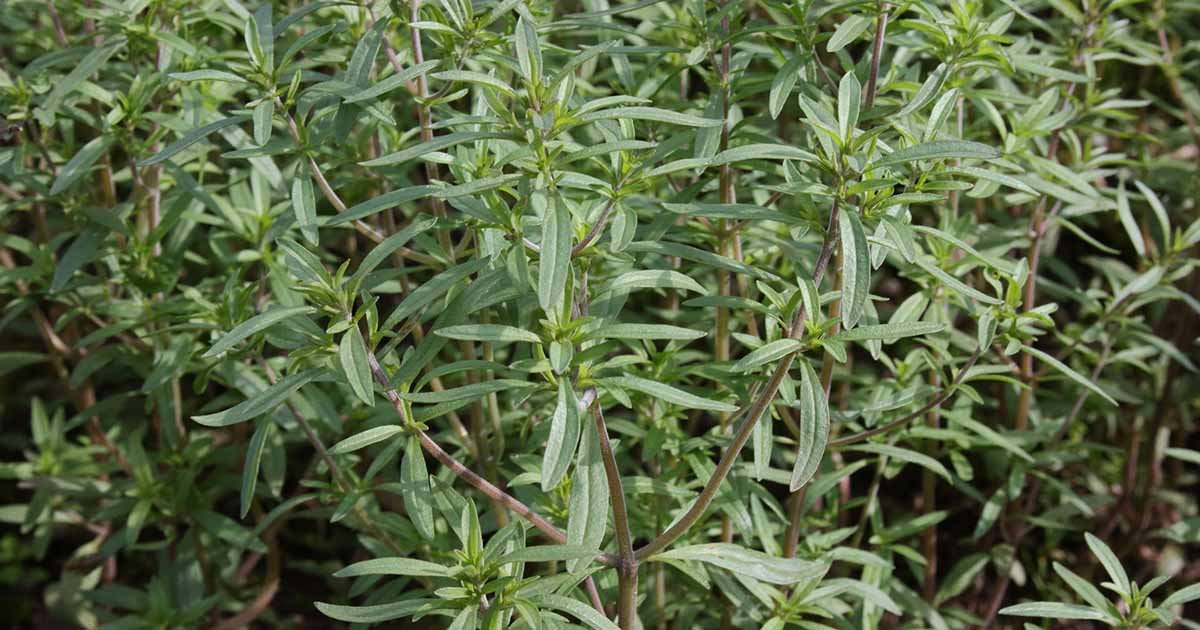
How to Grow
Savory grows best in rich, well-drained soil amended with organic matter, and requires a full sun location. The plant makes an attractive, fragrant edging for garden beds.
It can tolerate both dry or moist soils, but not soaking wet conditions, and is also drought tolerant.

Fertilizer usually isn’t required if the soil has been enriched with well-rotted compost or manure.
If left in the garden, savory will reseed itself, but this isn’t the most reliable method of propagation – it’s best to start seeds in a controlled environment.
Summer savory is one of the most trouble-free herbs you can grow, its aromatic oils naturally repel many common garden pests, and it has no serious disease problems.
The main issue to watch for is root rot caused by waterlogged soil, which will show up as wilting and yellowing leaves – simply ensure good drainage and avoid overwatering.
Where to Buy
Inexplicably, this tasty herb can be difficult to find in both grocery stores and garden centers.
Look for nurseries that carry a good selection of herbs to find seedlings, or pick up some seeds and start your own.
Seeds are available in garden centers in early spring, or you can shop online.
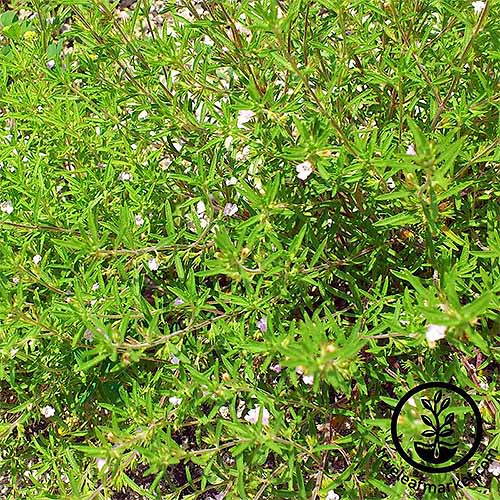
Seeds in a variety of package sizes are available from True Leaf Market.
Harvesting
Begin to harvest leaves as soon as the young plants are five to six inches tall. Pinch the stems about halfway down, just above a leaf node, and use the trimmed leaves for the kitchen.

Pinching in this way also encourages new branches to form, and prevents leggy plants.
Leaves can be harvested throughout the summer, but the flavor is sweeter and more intense before flowering begins.
Pick leaves in the afternoon when the essential oils are strongest.
Flavor is best in fresh leaves, but they can also be dried and frozen. Or, you can always grow some of the winter variety for year-round supply of evergreen leaves.
Or, you can freeze fresh leaves in a zip-top bag, rolling the bag from the bottom up to squeeze out excess air before sealing.

