


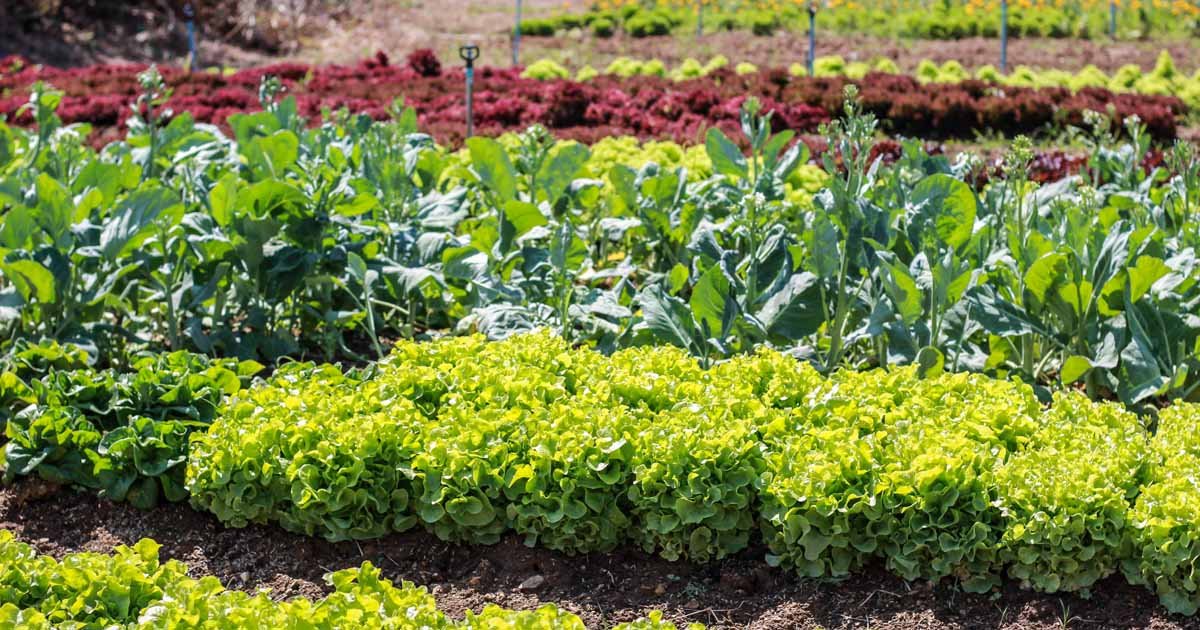
But as the plants grow and mature, they’ll provide increasingly larger leaves for pesto, followed by edible blooms.
If you’re thrifty, you can even save the mature stems to add to broth, or to flavor vinegar or cooking oil.
If you grow the purple-leafed ‘Dark Opal’ cultivar, you’ll also want to cut some flowering stems for bouquets and sweet-smelling flower arrangements.
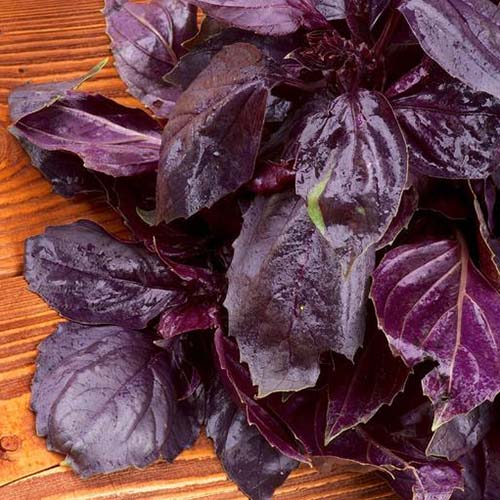
Find seeds for ‘Dark Opal’ basil in packets of various sizes at Eden Brothers.
Once you discover early-season basil, growing it is habit-forming. By the beginning of next year’s growing season, you’ll want all the sprouts you can get.
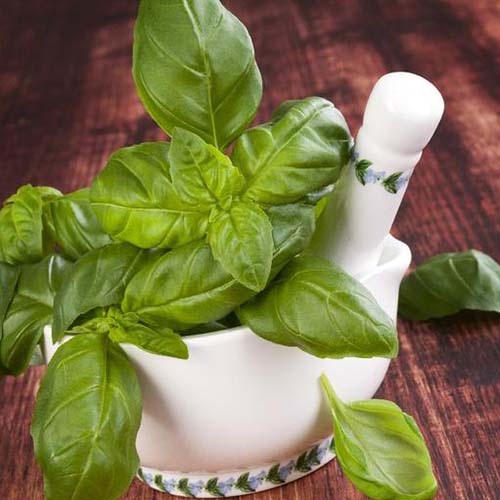
Genovese basil is a popular large-leafed variety. You can find seeds available at Eden Brothers.
The fast-maturing cultivar ‘Spicy Globe’ is ready to harvest almost two weeks earlier than the typical Genovese or lettuce leaf types of basil.
Its tiny leaves and should be harvested early, since it loses flavor as soon as it starts to bloom.
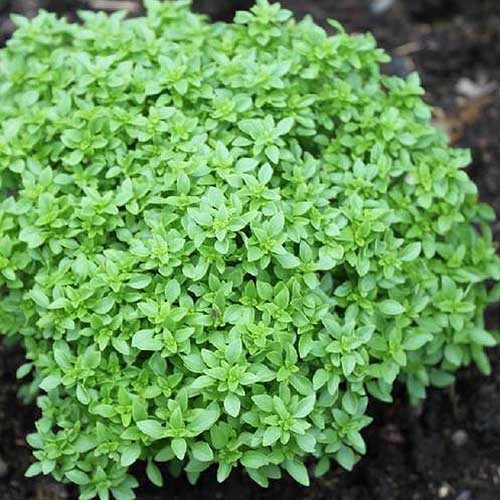
Find seeds for ‘Spicy Globe’ in various packet sizes, available from Eden Brothers.
Other basil varieties mature faster still, like ‘Piccolino,’ which grows to full size in just 45 days.
You’ll find a wide selection of basil seeds available at Eden Brothers and True Leaf Market, including basil microgreen selections.
Learn all about growing basil here.
3. Microgreens
Sure, they’re tiny, so you can’t use them to stock your veggie bin. But microgreens are quick to sprout and grow to the perfect size for adding to salads, garnishes, and smoothies.
A typical microgreen mix can include anything from cilantro and radish to kohlrabi, kale, and arugula.

Not only are they simple to grow, you can make sowing microgreens a quick weekly gardening job, and have a supply available from early spring all the way to late fall.
In hot climates, you may want to skip growing microgreens in the heat of the summer months, unless you keep them indoors.
Like lettuce, they can begin to taste bitter when the weather gets too warm.
Depending on how far you want to go with this gardening pursuit, you can invest in trays with grooved trenches, such as this one from True Leaf Market that allows you to grow your microgreens with almost no soil at all.
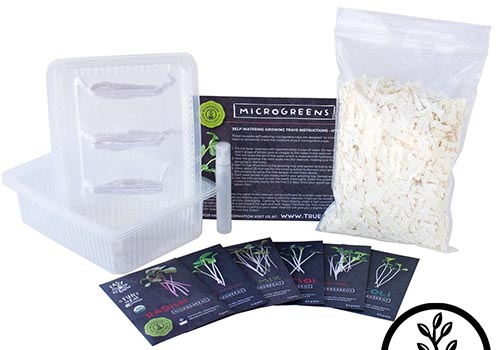
Self Watering Microgreens Kit from True Leaf Market
The kit contains everything you need to get started, with two self-watering trays and six seed varieties, including Basic Salad Mix, Broccoli, ‘China Rose’ Radish, Red Tatsoi, and Spicy Salad Mix.
In addition, it includes four ounces of hydroponic growing medium, enough soil for growing four crops, a mist sprayer, and full instructions.
Even a beginner grower can press a few microgreen seeds lightly into damp seed starter soil and set their tray on a heat mat indoors.
Odds are good that you’ll have a few tasty additions to your salad or smoothie ready to enjoy within 10 days for some varieties, like sorrel.
The maximum time from seed to edible microgreen is about 30 days, depending on what you choose to grow.
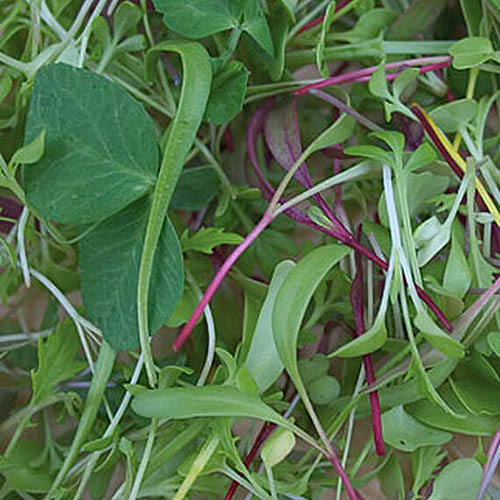
You can find 400-seed packets of a microgreen blend that includes ‘Detroit Red’ beets, ‘Pak Choi’ cabbage, ‘Purple’ kohlrabi, ‘Di Cicco’ broccoli, and ‘China Rose’ radish at Burpee.
Or find other individual varieties and blends in packets of different sizes at True Leaf Market.
This guide to growing microgreens will give you the nitty-gritty on everything from seed selection to recipes for enjoying what you grow.
4. Nasturtiums
Nasturtiums? That’s right, the flower!
While nasturtiums, Tropaeolum spp., are beautiful, spreading to fill empty patches of the flower garden border or trailing from hanging baskets, their leaves, buds, and blooms are also peppery edibles.

Nasturtiums, both bush and vine types, are hardy annuals in Zones 4 to 8.
And if you’re gardening in Zones 9 to 11, it’s possible these tasty edible plants will overwinter as perennials. Either way, they self-seed readily as well.
Even if you’ve only got a container or two of growing space, you can still start nasturtiums in average to poor soil after all danger of frost has passed.
They’ll germinate in 10 to 14 days, and produce true leaves for you to nibble on a week or two later.
As the plants continue to grow, you’ll also be able to eat the blooms, but they typically take 30 to 52 days to flower.
At the end of the season, after flowering, you can collect the seed pods and pickle them – they have a taste similar to capers.
In general, dwarf bush varieties grow edible leaves more quickly and bloom earlier than their vining counterparts.
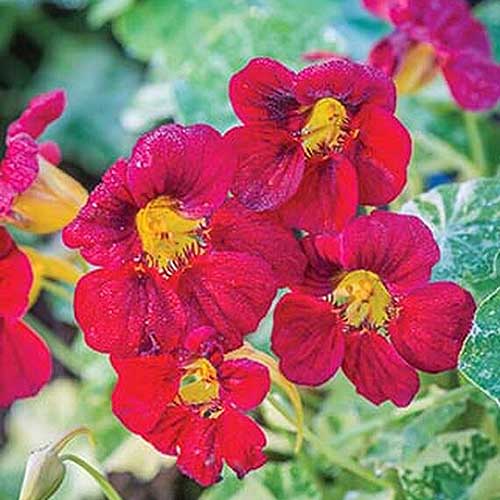
But vining nasturtiums, like ‘Troika Red,’ available from Burpee, can climb up to six feet, which means they produce more edible leaves over time – perfect for summer salads.
You can find a wide array of nasturtium seeds available at Burpee, and in packets of various sizes from True Leaf Market or at Eden Brothers.
Our guide to growing nasturtiums has all you need to know to produce early edible leaves and bountiful tasty blooms later.
Or, check out our roundup of top nasturtium varieties.
5. Onions from Sets or Seedlings
Growing storage onions, Allium cepa, typically calls for early tilling, lots of watering, and a long wait – up to six months! – between planting and harvest.

But if you choose to grow onions from sets, which are small bulbs, or nursery seedlings, you can enjoy a bit of green onion flavor much earlier in the season.

