


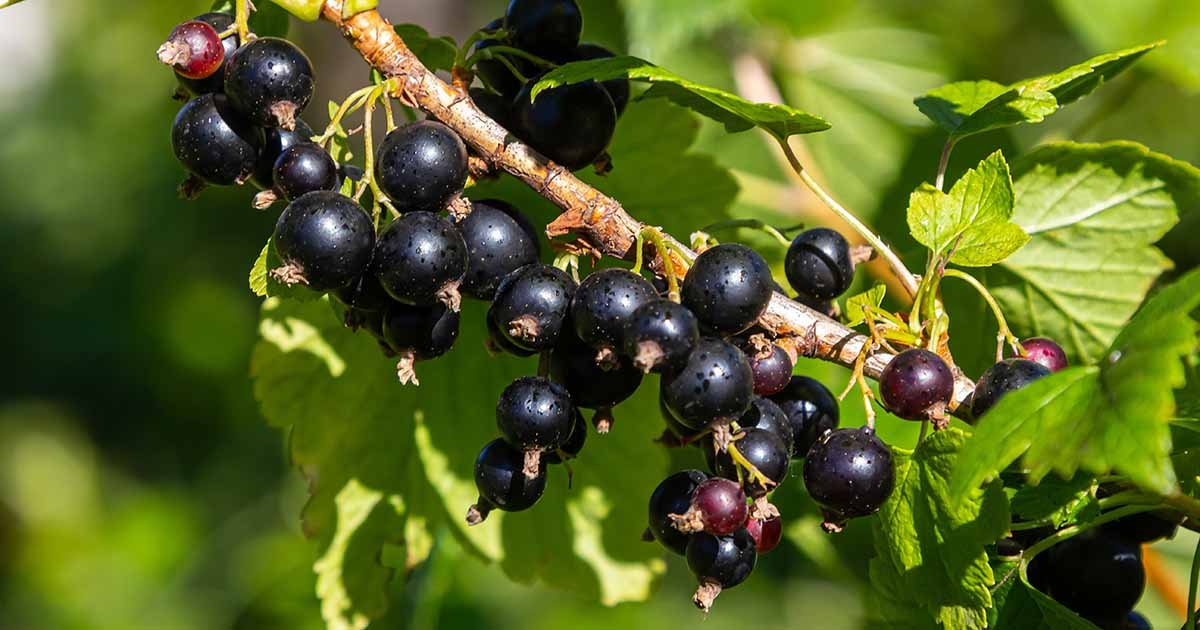
Backfill around the roots with the removed soil and water well to settle the soil and rehydrate the roots. If the soil settles, add a bit more.
Pests and Disease
Black currants tend to be a bit more troubled by pests and diseases than red species.
That doesn’t mean they’re particularly hard to grow, and you can even pick up cultivars that are bred with some pest resistance. The biggest issue I have is birds.
Let’s talk about those, first.
Herbivores
Deer, rabbits, and the like don’t seem too interested in browsing black currant plants.
Deer will give them a nibble if there’s nothing more interesting around, but it doesn’t seem to be a top choice.
But birds, chipmunks, squirrels, and even racoons will devour all the fruit if you give them the chance.
Netting is basically your best solution, but I just take a generous approach and plant an extra bush to make sure I get plenty of fruit and still have enough to share with wildlife.
Insects
Occasionally, like many plants in the garden, currants can be impacted by aphids or scale insects. But there are two specific pests that attack Ribes species.
Gall Mites
In Europe, growers may have to deal with gall mites, also known as blackcurrant gall mites (Cecidophyopsis ribis).
They’re rarely a problem outside Europe, though the mites were recently discovered in Oregon, the first instance of the pest in North America.
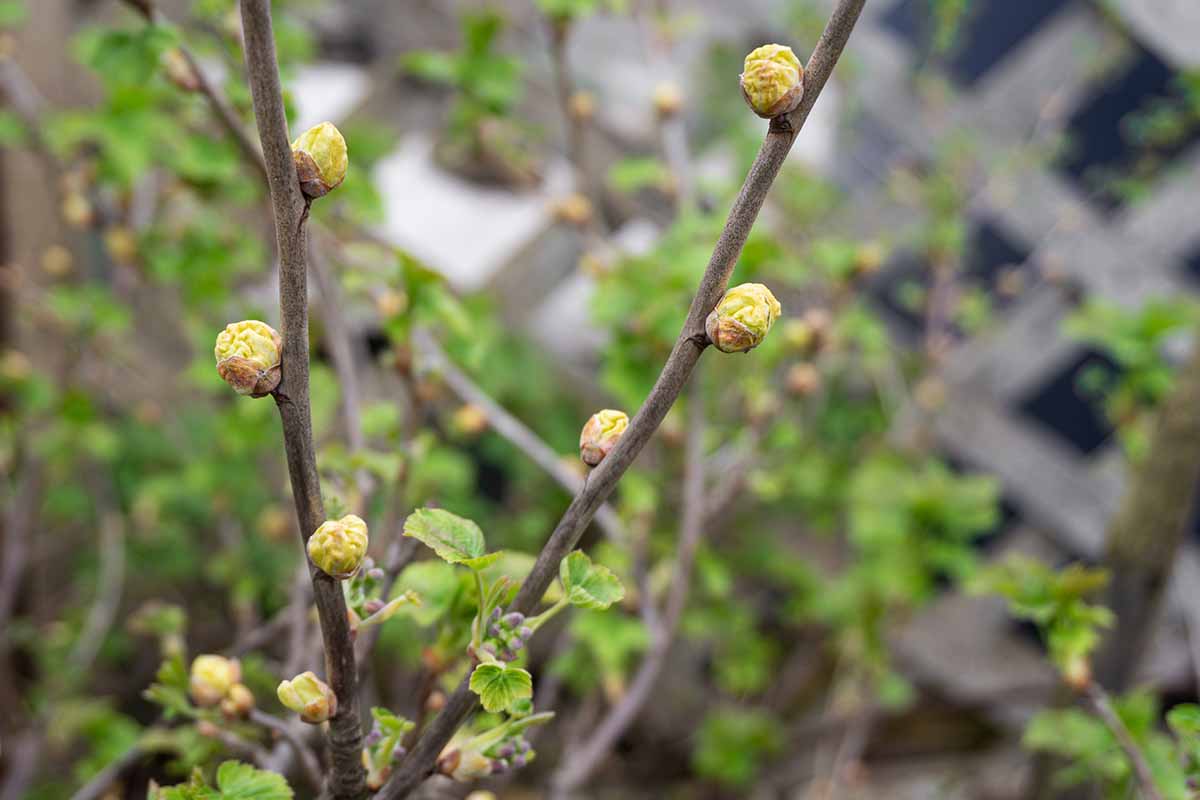
These microscopic pests, known as eriophyid mites, build up numbers during the winter, when you’ll see swollen buds on your plant.
When the larvae emerge from the galls, they start feeding on the plant, transmitting a virus that causes the leaves to grow misshapen and distorted.
Your poor currant will have reduced vigor and fruit production.
There isn’t any effective treatment, so most gardeners choose to let their plants carry on until production is so compromised that they’re not worth keeping.
At that point, you can dig the plant up and put a new one in its place.
Sawfly
Sawflies (Nematus ribesii) are only a problem when the larvae are present.
The adults just look like generic wasps but the green and black caterpillar-like crawlers can be extremely damaging.
The larvae feed on the leaves and shoots and can strip an entire shrub in just one season.
If you see the larvae, pupal cases, or ragged holes in the leaves and young shoots, act fast.
You can simply don some gloves and pluck the critters or the cases off and dispose of them.
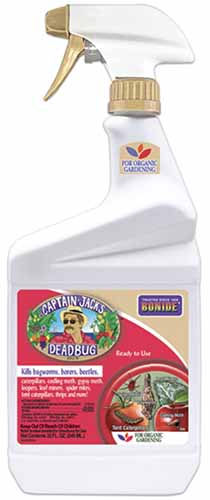
If you need to protect vulnerable plants or you can’t stand the larvae, you can spray with a spinosad insecticide like Captain Jack’s Deadbug Brew, which is available at Arbico Organics.
Be careful to apply in the early morning or early evening when bees and other beneficial insects aren’t active in the garden, because you will kill them as well as the sawflies.
Disease
Black currants may experience leaf spot (Drepanopeziza ribis), but most modern cultivars have been bred to be resistant.
More likely, you’ll come across the following:
Powdery Mildew
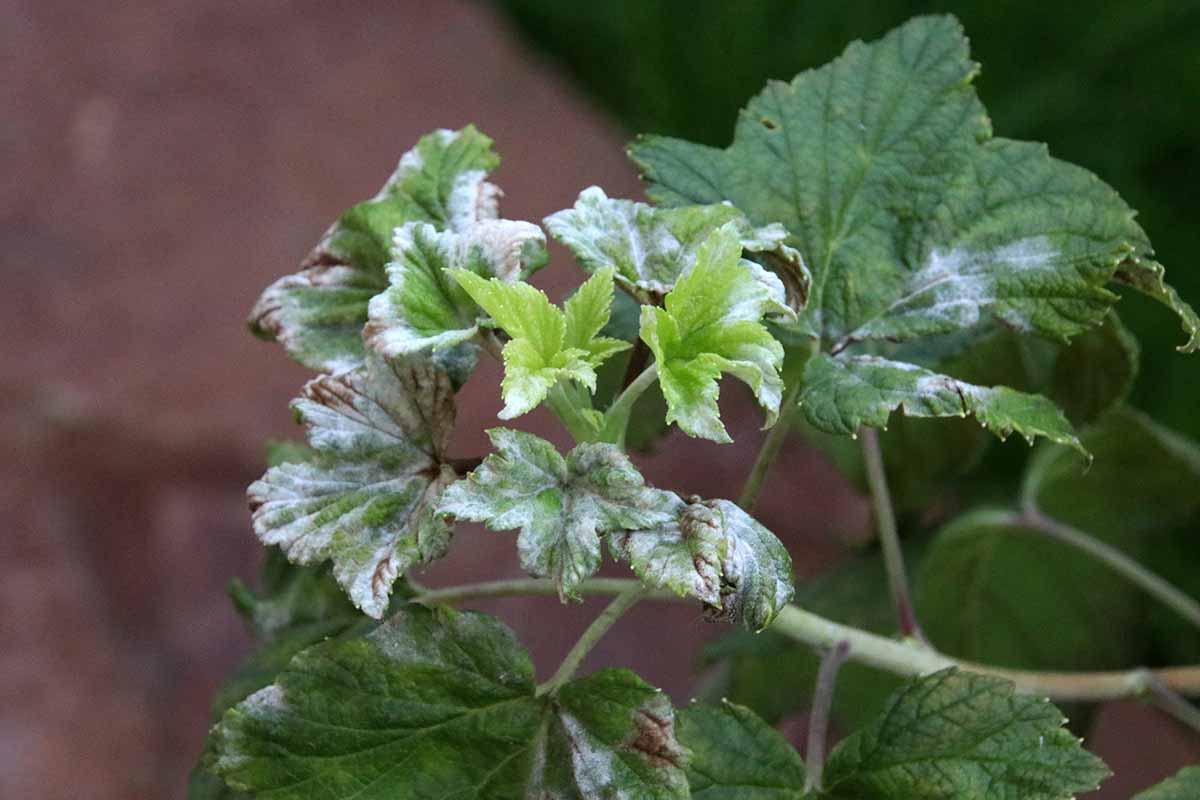
American gooseberry mildew, which is caused by fungi in the Podosphaera genus, and powdery mildew, caused by fungus in the Erysiphaceae family, can cause a white coating to form on leaves and stems.
If you’re really observant, you’ll first see black chasmothecia (a fancy name for fungal overwintering structures) on the canes during the dormant months.
Around the time the plants start blooming, these structures will release sexually reproductive spores called acospores, which land on the developing leaves and flowers.
These develop into conidia, which is the asexual stage of fungal spore development. This is when you’ll start seeing a white powder develop on the tops of the leaves.
Regardless of which stage you catch the disease at, spray with copper fungicide to kill the fungal spores.
Learn more about powdery mildew here.
White Pine Blister
As mentioned, currants are banned in some regions because they are a host for white pine blister (Cronartium ribicola), which can kill white pines.
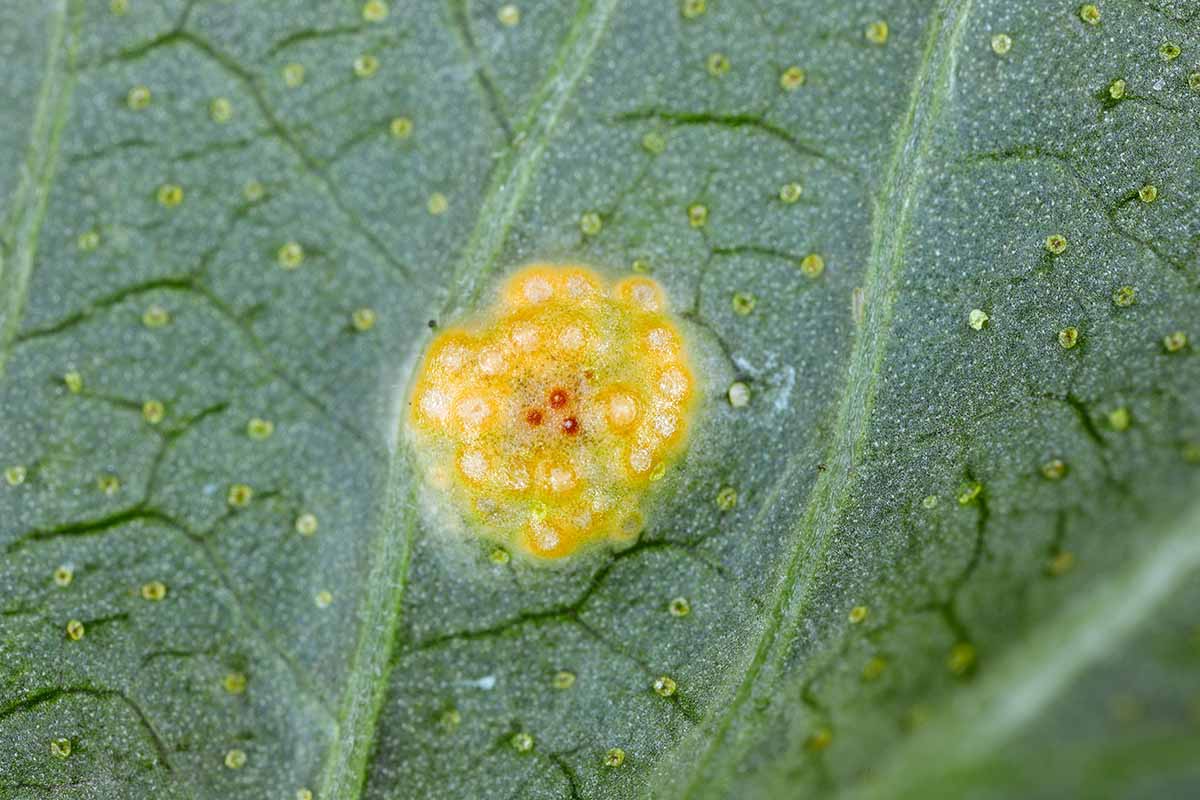
As mentioned, currants are banned in some regions because they are a host white pine blister (Cronartium ribicola), a disease that requires both a currant (or gooseberry) and a white pine to complete its reproductive cycle.
Remove one host and the disease can’t survive.
On currants, the disease causes yellow and brown spots on the upper leaf surface and rusty-orange fungal growth on the undersides of the foliage.
It won’t kill your plants, but it’s unsightly and can reduce vigor. White pines aren’t so lucky as infection is fatal.

