


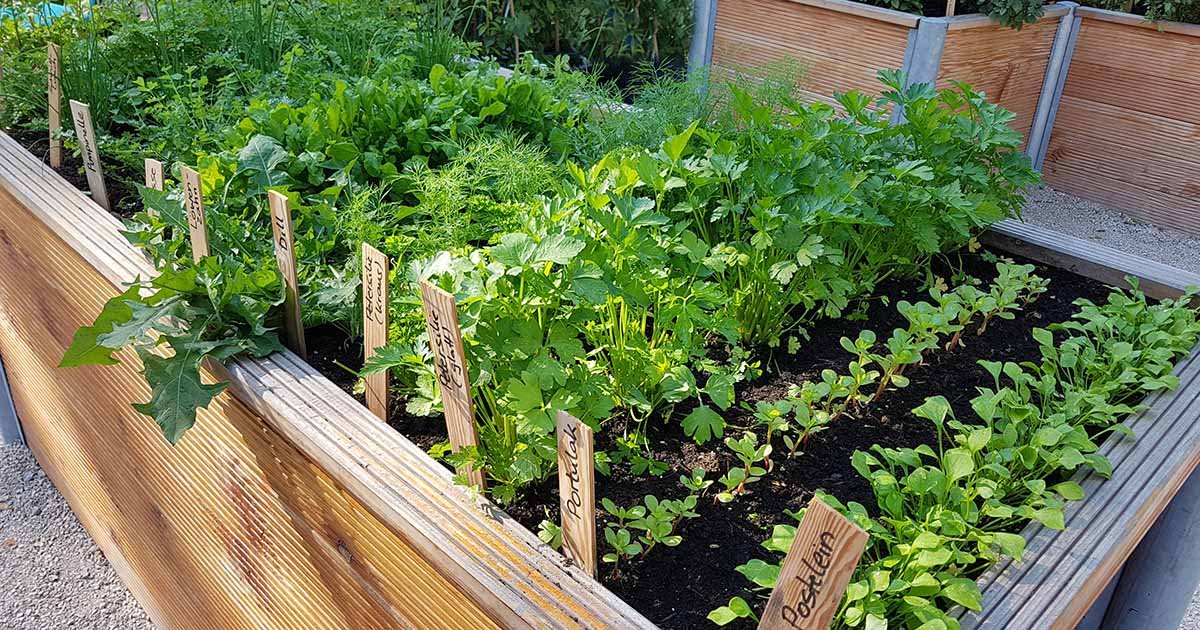
Gardeners love spending time outdoors working the soil and tending the garden, but we’re always on the lookout for ways to reduce labor and increase production – and raised bed gardening has lots of benefits that fit the bill!
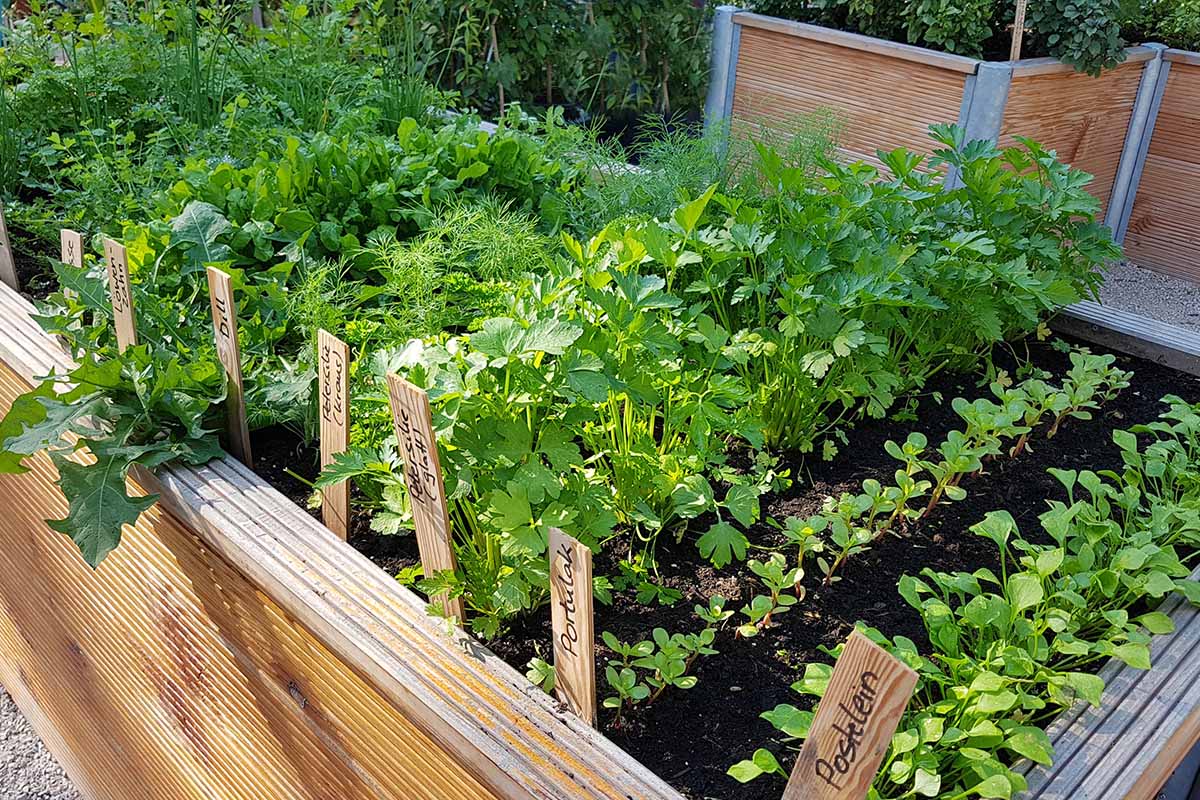
Whether you purchase a modular kit or build your own, a raised garden bed is elevated from the ground and framed within a container.
We link to vendors to help you find relevant products. If you buy from one of our links, we may earn a commission.
This is an ideal method to beautify and tidy up your growing space, but raised beds offer many advantages in terms of plant health, soil health, and your own health as well.
How is all that possible from simply raising a garden bed? Glad you asked!
To find the answers, let’s pull back the layers and uncover the many benefits of raised bed gardening!
Here’s what I’ll cover:
9 Benefits of Raised Beds
1. Till-Free Gardening
One of the most significant benefits of using elevated vegetable plots is that they don’t typically require tilling or digging to prepare the soil for planting.
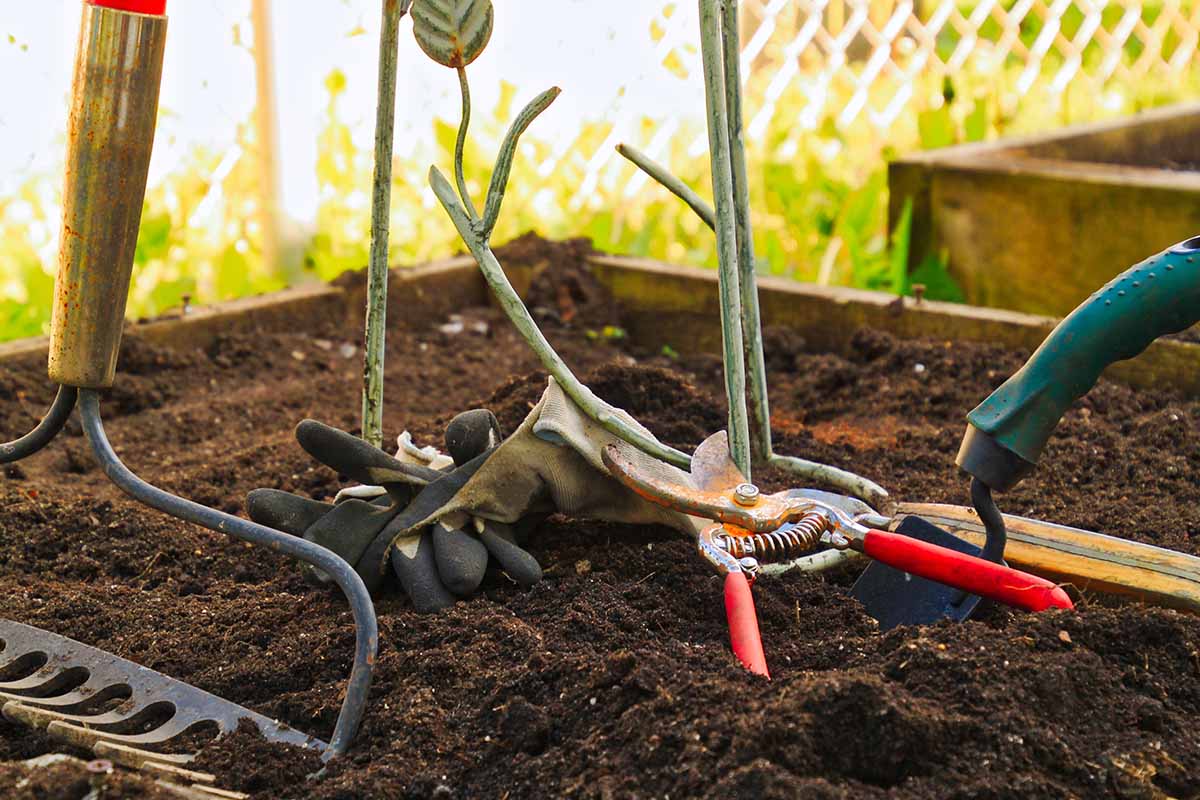
After installing the structure and filling the raised framework with fertile soil, maintaining a light, fluffy texture, and important nutrients is easily managed by using the no-till gardening practice.
No-till gardening involves adding layers of organically-rich mulches before, during, and after the growing season using natural materials such as compost, chopped leaves, grass clippings, well-rotted manure, and worm castings.
As the mulch layers break down, they replenish minerals and nutrients and continuously improve soil structure and tilth.
By not tilling the earth, the microbiome of beneficial bacteria, fungi, insects, and other soilborne organisms remains intact, promoting healthy soil for happy plants.
You can learn more about no-till gardening here.
2. Rich, Easily Worked Soil
Another big plus for raised beds is that they allow you to control the content and structure of the soil, ensuring a nutrient-rich environment for your plants.
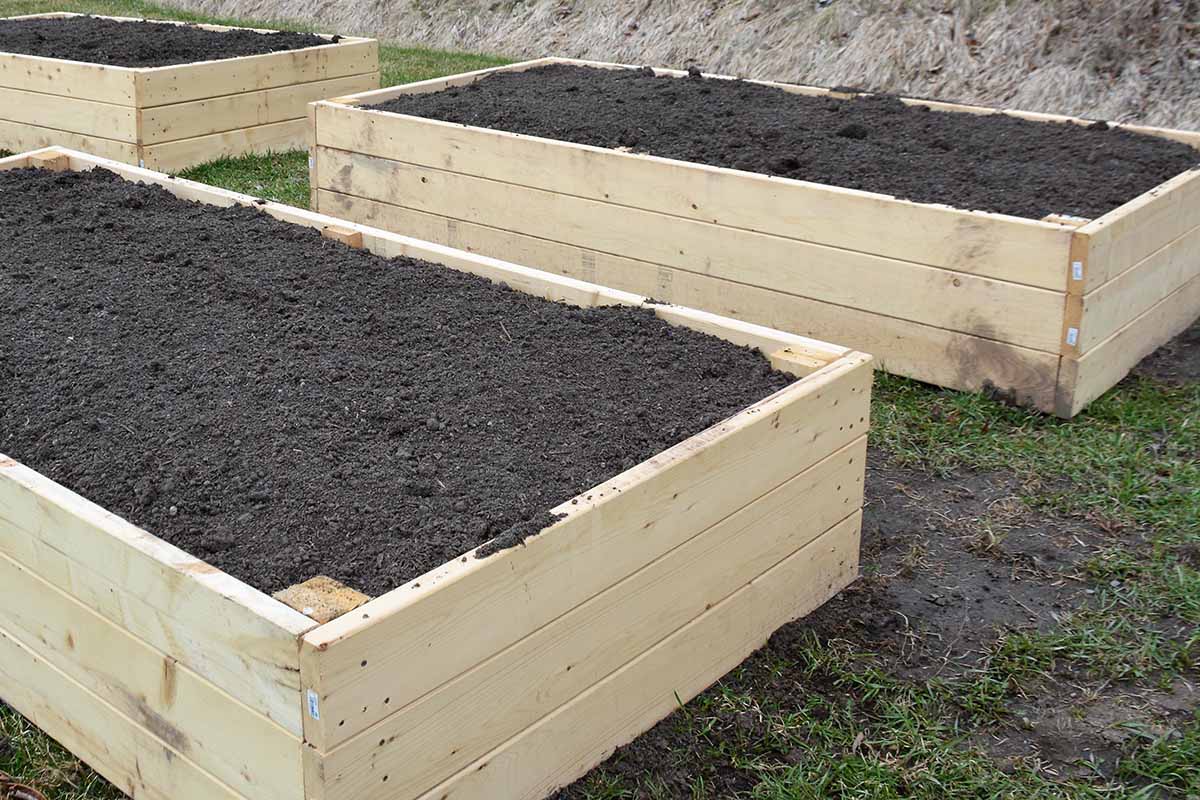
No matter what type of earth you have in your backyard, the dirt in elevated containers is easy to maintain, providing a light, friable texture that encourages strong root growth.
You can start out with a blend of garden soil, potting soil, and compost.
Garden soil alone is typically too heavy and water retentive for use in raised beds and containers. Potting soil alone is generally too light, not to mention expensive.
But mixed together with the addition of compost or worm castings, you can create a nutrient-rich, productive growing medium that resists compaction.
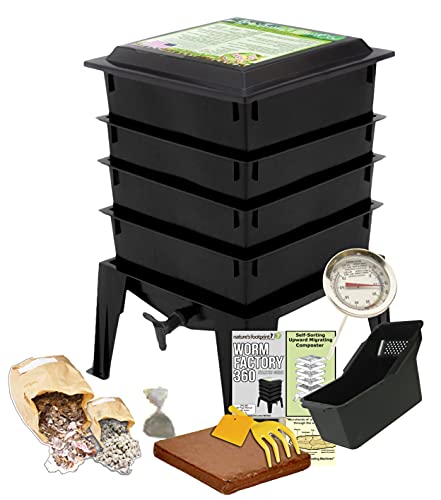
A worm composting kit like the Worm Factory 360 is an excellent way to turn household waste into fertile soil for your vegetable garden and can be purchased at Amazon.
After harvest, top up the beds with compost or plant cover crops like clover or winter rye to keep your garden flourishing.
And you can use the no-till mulching system all year for light, fluffy soil, replenished nutrients, and to maintain soil volume.
3. Ergonomically Smart
If you can do without achy muscles, stiff knees, and a sore back, raised beds might be for you!
Elevating the workable surfaces of garden beds reduces the need to bend over, kneel, or stoop when planting, weeding, and harvesting – and the higher the structure, the less bending is required.
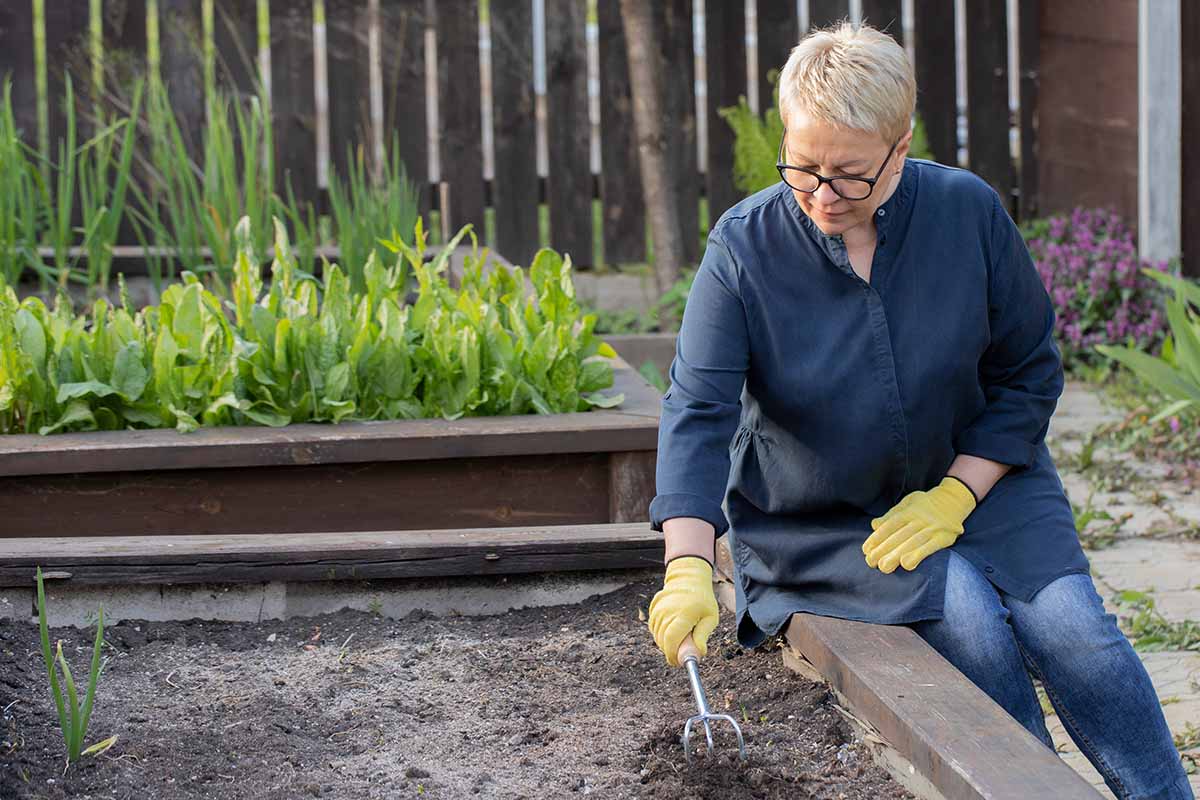
In combination with no digging or tilling, back, knee, neck, and shoulder strain is considerably reduced compared to gardening in traditional beds.
If you’re making your own DIY raised beds, you can even add a wide board at the top as a convenient perch.

