


Best Plants for Drought: Expert Picks and Advice for a Resilient Garden
Do water shortages have you (and your garden) stressed? This episode is all about the toughest, thirst-averse plants out there—and how to build a landscape that thrives even when the rain is nowhere in sight.
On this episode, we have two expert guests from two very different climates: one in the Mid-Atlantic and one from the Southwest. Each of them will share the plants that they turn to when the conditions are dry, and watering every day is out of the question.
Tune in for practical tips, whether you’re tackling one bed or your entire garden!
We’ll talk through which plants need a little help getting started versus which ones you can practically set and forget, and how to group plants with similar water needs so you’re not overwatering your survivors to keep your divas alive. Whether you’re xeriscaping a whole yard from scratch, converting a thirsty lawn bit by bit, or just trying to keep your patio containers alive through a brutal heat wave, tune in for practical, plant-nerd-approved advice.
Listen to the episode below or on your favorite podcast platform. You can also watch the podcast on our YouTube channel. Be sure to subscribe to get notified when we release new episodes!
Episode Experts:
- Ed Lyon is a horticulturist, an author, the former director of the Reiman Gardens at Iowa State University in Ames, and a frequent contributor to Fine Gardening magazine. He is nationally recognized as a top-tier garden educator with decades of experience helping gardeners cultivate beautiful, resilient landscapes. After many years in the Midwest, Ed relocated to Pennsylvania and launched Spellbound Garden Writing & Consultation.
- Natalie McAnarney, known online as The Plant Ninja, is a Texas gardener and YouTube creator based about an hour north of Austin. A former U.S. Army officer who now works as a physician assistant, she began transforming her lawn into native and adapted plantings in 2020. Through her YouTube channel, The Plant Ninja – Texas Gardener, she documents her de-lawning projects and plant choices, and features others in horticulture taking on similar approaches. Natalie’s efforts have also made her an advocate for drought-tolerant landscaping, after successfully persuading her HOA to approve a large-scale native-plant conversion of her front yard by citing Texas law protecting homeowners’ rights to xeriscape.
Natalie’s Go-To Plants for Drought
- Autumn sage (Salvia greggii and cvs., Zones 6–9)
- Yaupon holly (Ilex vomitoria, Zones 7–9)
- Turk’s cap (Malvaviscus arboreus var. drummondii, Zones 7–10)
- Texas sage (Leucophyllum frutescens, Zones 8–10)
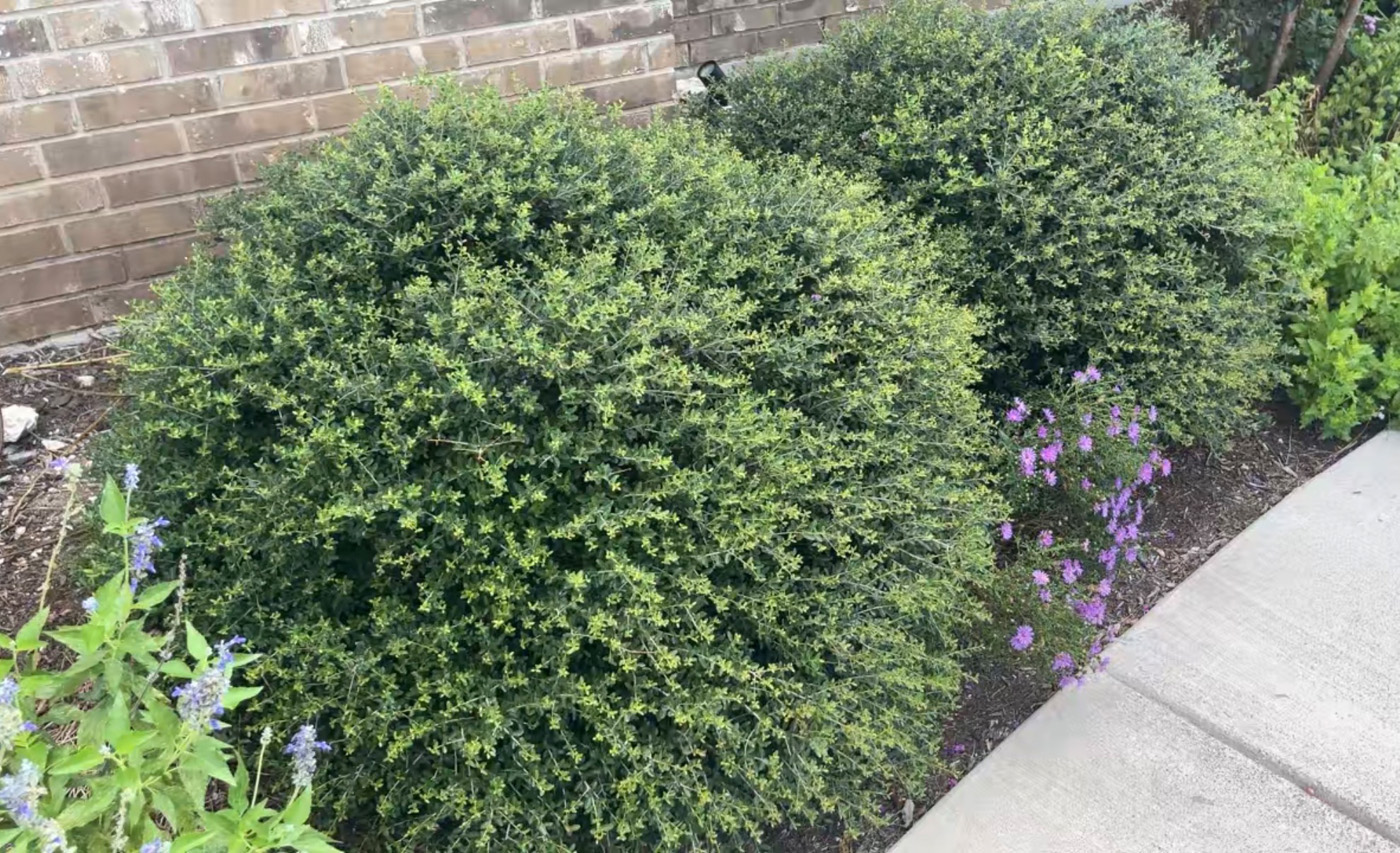
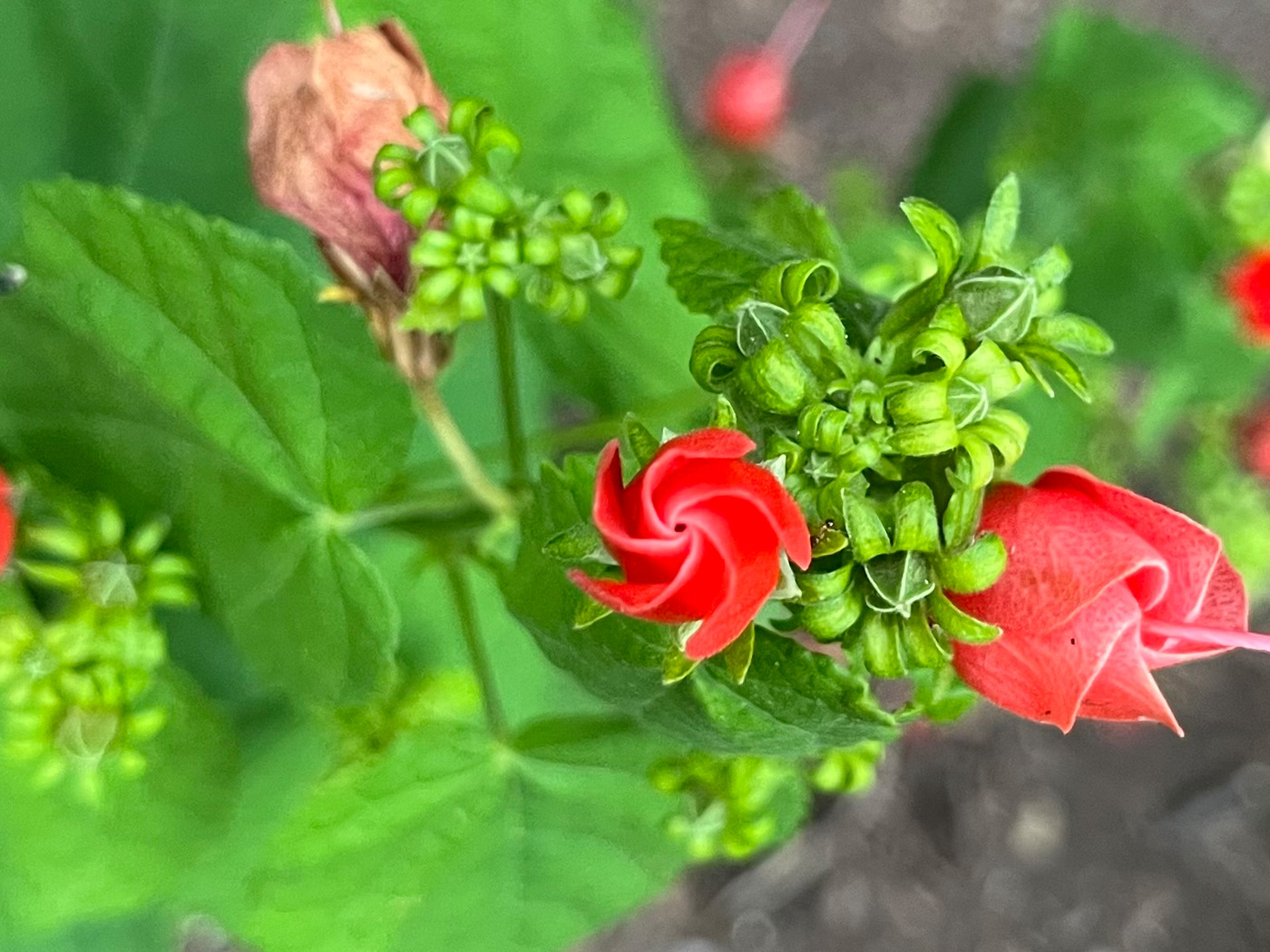
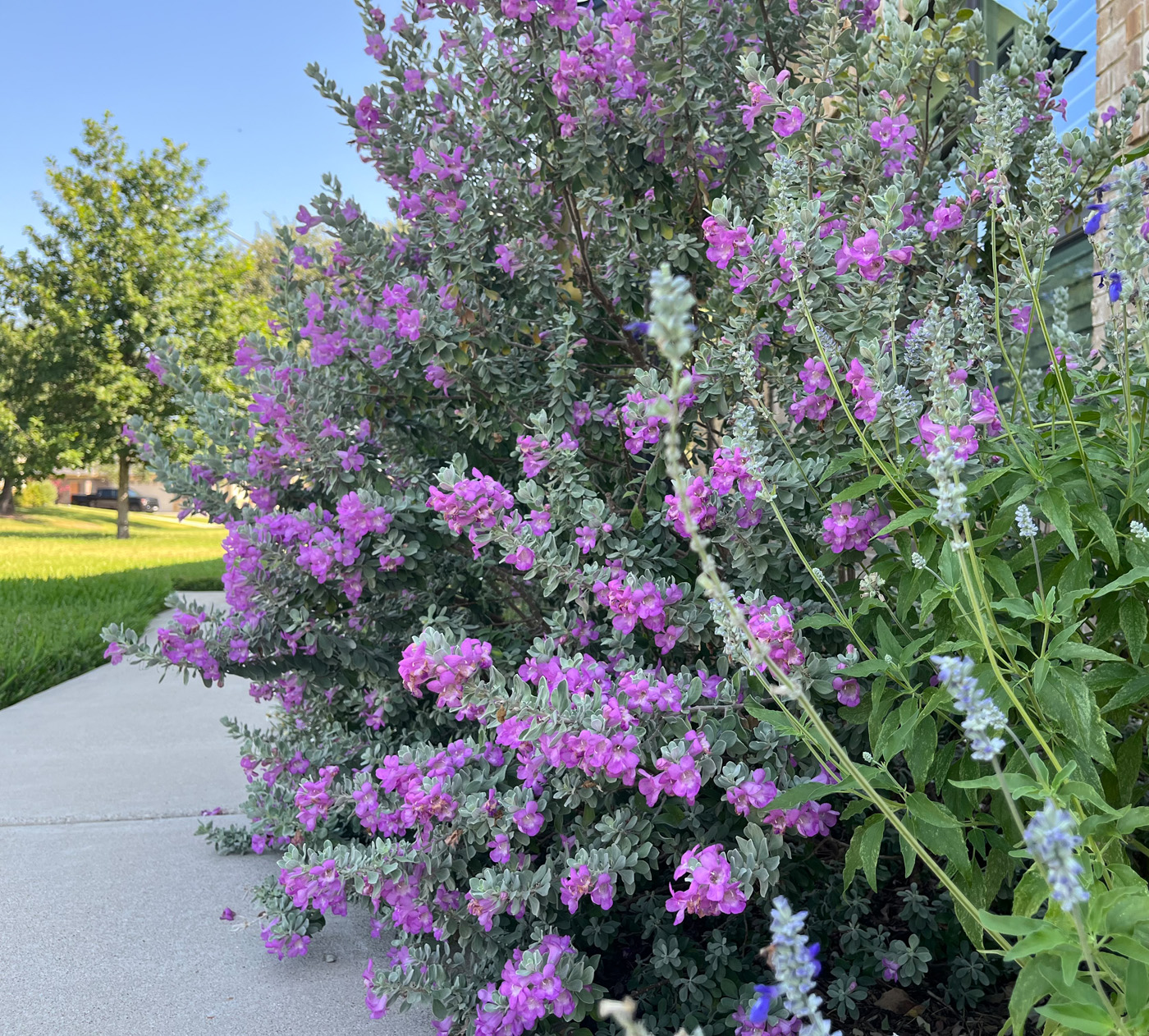
Ed’s Go-To Plants for Drought
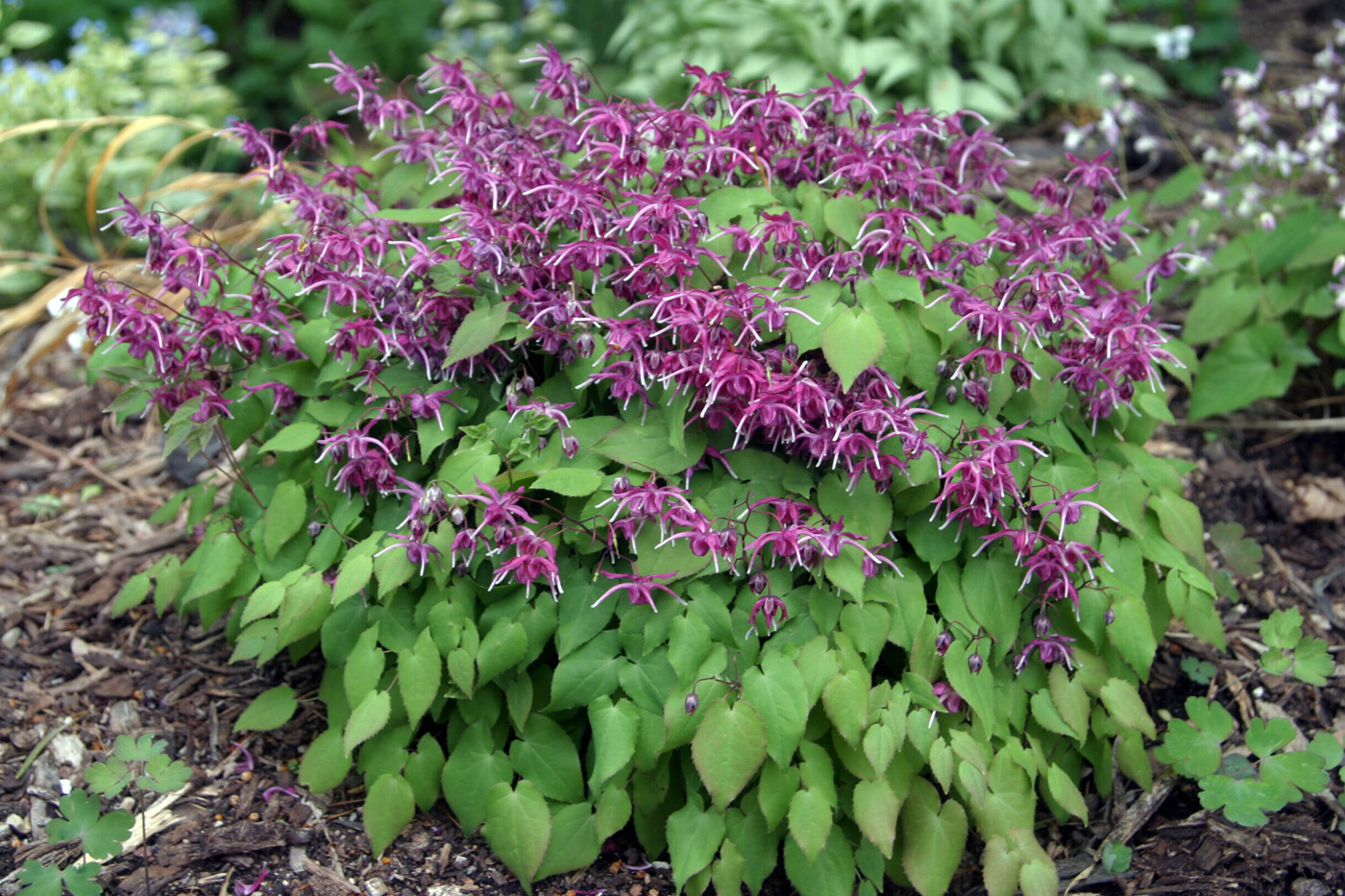
- Epimedium (Epimedium spp. and cvs., Zones 4–9)
- Favorite cultivar: ‘Lilafee’ (Epimedium grandiflorum ‘Lilafee’)
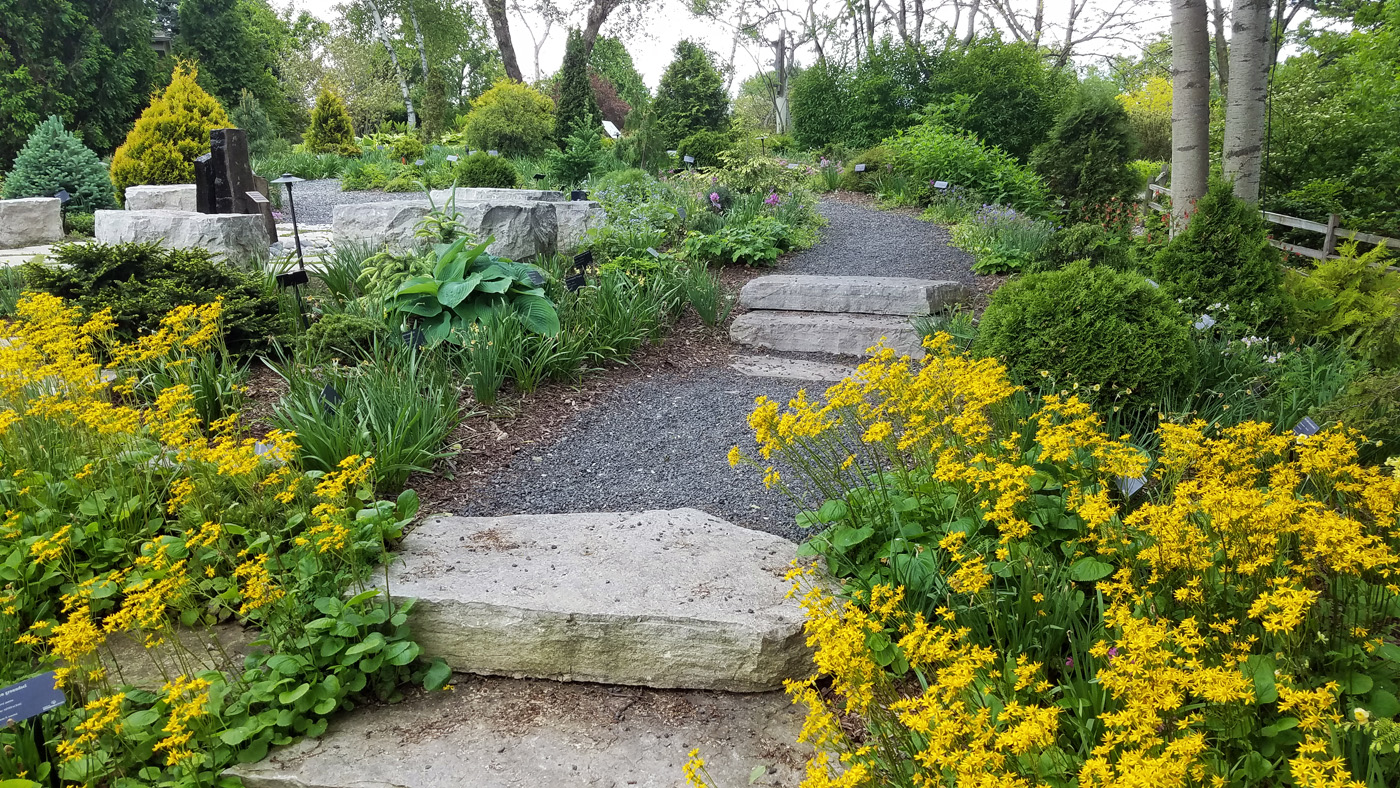
- Golden ragwort (Packera aurea, Zones 3–8)
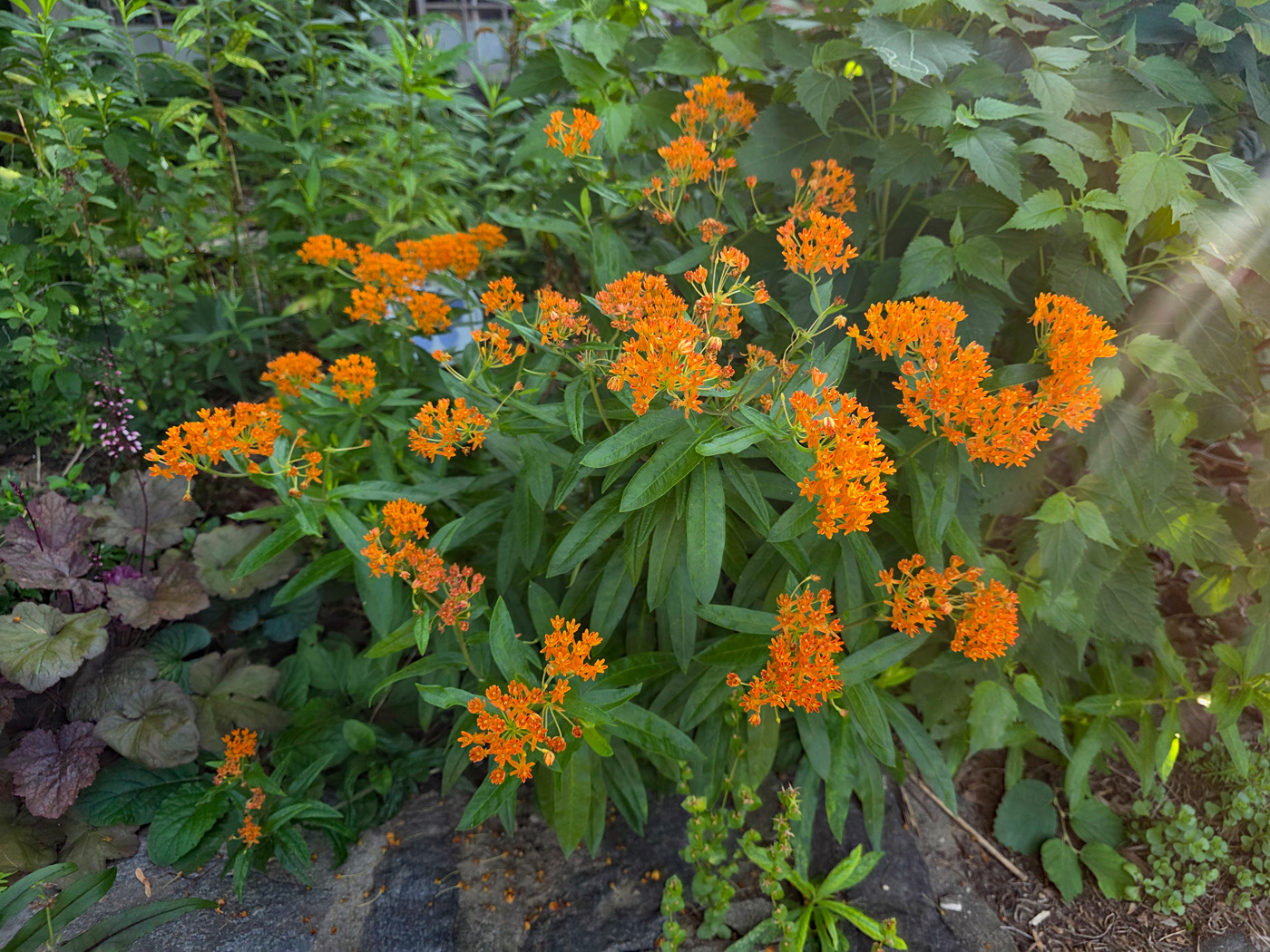
- Butterfly weed (Asclepias tuberosa, Zones 3–9)
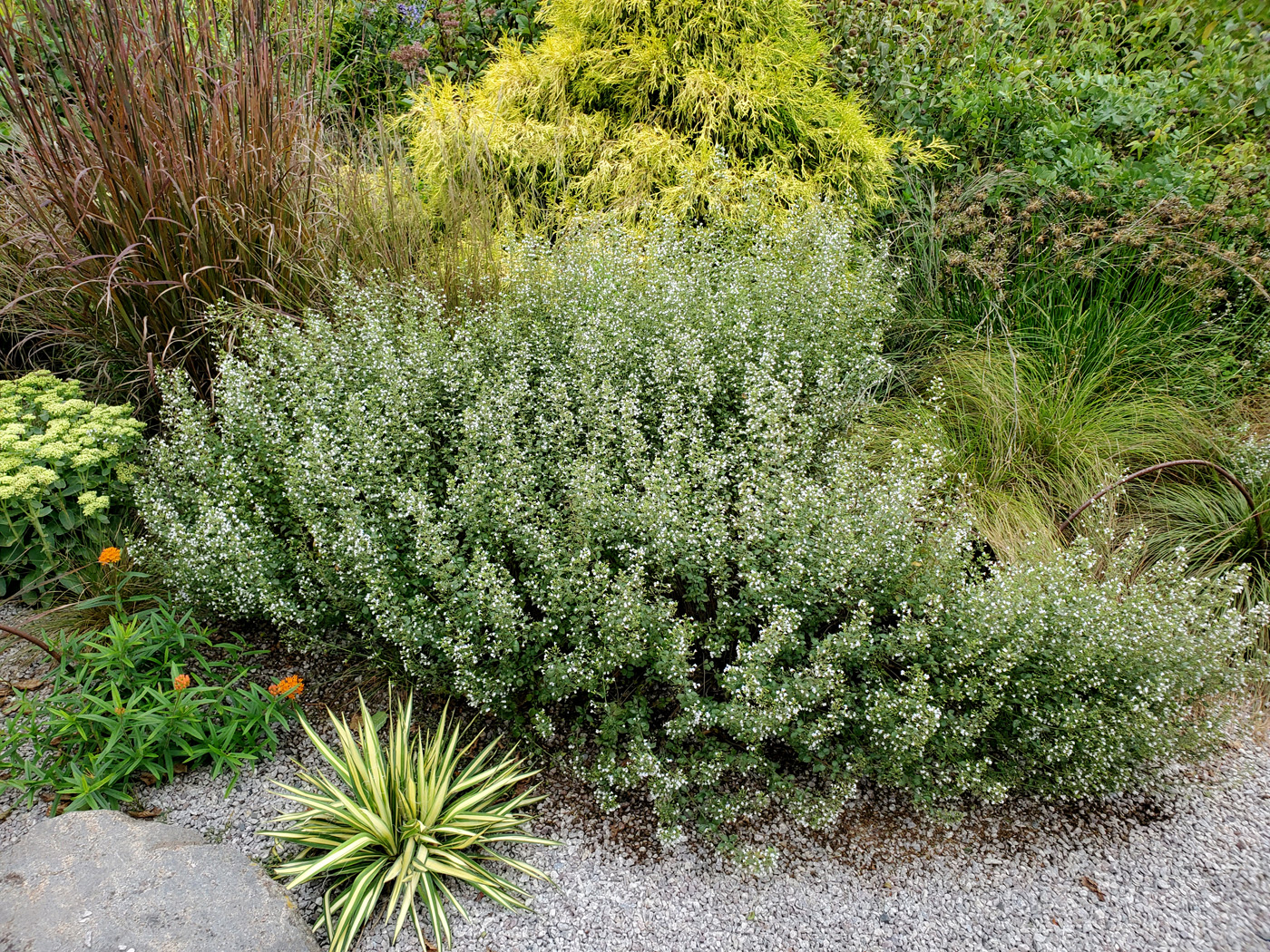
- Lesser calamint (Calamintha nepeta subsp. nepeta, Zones 4–9)
All photos from contributors unless otherwise noted.
Read More:
10 Drought-Tolerant Shrubs
See More Podcast Episodes
Subscribe to Fine Gardening!
Fine Gardening Recommended Products
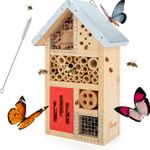
Niteangel Natural Wooden Insect Hotel, Garden Insect House for Ladybugs, lacewings, Butterfly, Bee, Bug
Fine Gardening receives a commission for items purchased through links on this site, including Amazon Associates and other affiliate advertising programs.
The insect nest box provide a safe environment where garden creatures can shelter, hibernate and lay their eggs, the insect house can also keep insects from entering your warm room. The insect hotel makes it easy to find and observe fascinating creatures. the butterfly, bees and ladybugs can use this product as habitat. Dry wood and Bamboo can be home to many insects such as ladybirds and lacewings which eat aphids and help keep your plants pest-free. the insect hotel improve the growth of plants in your yard by attracting beneficial insects. The iron design on the top can keep the insect house from rainwater. Let the insect house have a longer useful life and make the insects more comfortable. If you only have a balcony or yard, the hanging garden shelter is ideal as it provides a choice of suitable habitats in a small area.
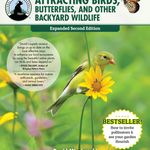
National Wildlife Federation®: Attracting Birds, Butterflies, and Other Backyard Wildlife, Expanded Second Edition (Creative Homeowner) 17 Projects & Step-by-Step Instructions to Give Back to Nature
Fine Gardening receives a commission for items purchased through links on this site, including Amazon Associates and other affiliate advertising programs.
From the National Wildlife Federation, the largest U.S. nonprofit conservation organization, with 6 million members and 51 state and territorial affiliated organizations. 17 step-by-step projects that everyone can do together make getting your family back to nature easy, educational, and fun. Over 200 color photos of backyard wildlife habitats and the wide variety of creatures they attract, plus step-by-step photos and illustrations for family projects. Learn wildlife-friendly practices for gardening, landscape design, supplemental feeders, birdbaths, nesting places, and more. Learn how to attract backyard pollinators, from bees and butterflies to beetles, bats, and hummingbirds
Get your garden certified by the National Wildlife Federation’s Garden for Wildlife(TM) program by following the included certification application checklist.

