


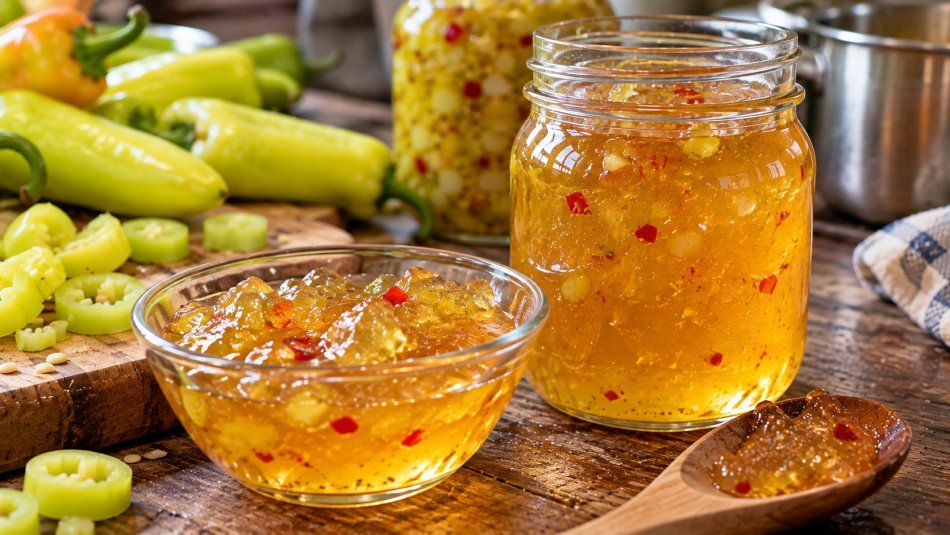
A banana pepper rates only 0 to 500 on the Scoville scale, which makes it milder than almost any hot pepper you can grow. A single healthy plant can also give you dozens of them in one season.
That’s a lot of peppers, and fresh ones only last about one to two weeks in the fridge. After that, they go soft and wrinkly fast.
The right preserving method can stretch that to many months. Pickled peppers can sit in a jar for a year when canned properly, and frozen ones keep their flavor for around 8 to 12 months. (Source)
So how do you preserve banana peppers the right way? Here are the best methods, step by step, so you can pick the one that fits your harvest.
When to Pick Banana Peppers for Preserving?
Pick peppers when they are firm, glossy, and yellow-green. Firm peppers stay crisp in jars and hold their shape in the freezer.
Skip any that feel soft, slimy, or moldy. A little wrinkling is fine, but mushy peppers will only give you mushy pickles.
How to Prep Banana Peppers Before Preserving?
Wash the peppers well and pat them dry. Cut off the stems.
Slice them into rings about 1/4 inch thick, or leave them whole if you plan to stuff them later. Remove the seeds if you want a milder bite.
Wear gloves if you are working with hot banana peppers. The oils can burn your skin and eyes.
1. Canning Pickled Banana Peppers
Canning is the best way to get shelf-stable peppers. You will need pint jars, new lids, vinegar, water, and canning salt.
Use a tested recipe, like the USDA pickled yellow pepper rings. It uses about 5 cups of 5% vinegar, 1 1/4 cups of water, and 5 teaspoons of canning salt for 2 1/2 to 3 pounds of peppers.
Here is how it goes:
- Wash and heat your jars.
- Boil the vinegar, water, and salt.
- Pack the pepper rings into jars.
- Pour the hot brine over them, leaving 1/2 inch of headspace.
- Remove air bubbles and wipe the rims.
- Add lids and process in a boiling water bath.
Processing time depends on where you live. For pints, it is 10 minutes up to 1,000 feet, 15 minutes from 1,000 to 6,000 feet, and 20 minutes above that.
Let the jars cool for 24 hours. Properly canned peppers last about a year or more.
2. Quick Refrigerator Pickled Banana Peppers
This is the easiest method, and you don’t need any canning gear. Any clean glass jar will work.
Mix vinegar, water, salt, and a little sugar, then bring it to a boil. Pack your pepper rings into a jar and pour the warm brine over them.
Let the jar cool, then pop it in the fridge. They are ready to eat in about two days.
These peppers will keep for a couple of months in the fridge. They are not shelf-stable, so never store them in the pantry.
3. Freezing Banana Peppers
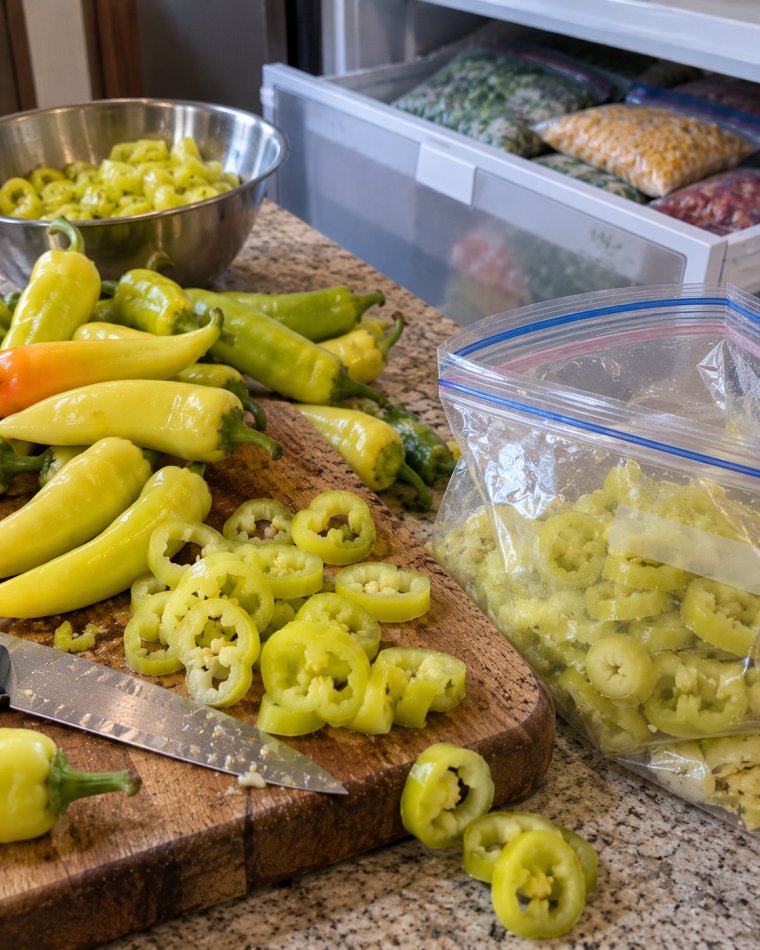
Freezing is perfect when you are short on time. You can freeze them raw or blanch them first for about two minutes.
Spread the slices on a baking tray and freeze them for a few hours. This keeps them from clumping together.
Move them into freezer bags and press out the air. Label the bag with the date.
Frozen peppers keep their flavor for around 8 to 12 months. They turn soft after thawing, so use them in cooked dishes like soups, stir-fries, and pizza toppings.
4. Dehydrating Banana Peppers
Dried peppers take up almost no space. They are great for pepper flakes and powder.
Slice the peppers thin and lay them in a single layer on dehydrator trays. Dry them at about 125°F until they are brittle.
No dehydrator? Use your oven on its lowest setting with the door slightly open. Check them often so they don’t scorch.
Store the dried peppers in airtight jars away from light. Grind them up whenever you need a mild seasoning.
5. Fermenting Banana Peppers
Fermenting gives you tangy, probiotic-rich peppers. All you need is salt, water, and time.
Dissolve about 2 to 3 tablespoons of salt in 4 cups of water. Pack the peppers in a jar and pour the brine over them so they stay fully submerged.
Let the jar sit at room temperature for one to two weeks. You should see small bubbles and notice a pleasant sour smell.
Toss the jar if you see fuzzy mold or smell something rotten. Once they taste right, move them to the fridge.
6. Making Banana Pepper Relish or Jelly
Banana peppers are mild and sweet, so they make great relish and jelly. Both are good on sandwiches, burgers, and cheese boards.
Chop the peppers, then cook them with vinegar, sugar, and spices. Follow a tested recipe if you plan to can it, so the acidity stays safe.
7. Roasting and Freezing Banana Peppers
Roasting adds a smoky, sweet flavor. Place whole peppers under a hot broiler or on a grill until the skins blister.
Let them steam in a covered bowl for a few minutes, then peel off the skins. Freeze them in small portions.
They work well in pasta, sauces, and sandwiches.
Which Preservation Method Is Best for You?
The best method depends on how much time you have, what you plan to cook, and how long you want your peppers to last. Here is a quick guide to help you choose.
Canning: Lasts a year or more. It takes the most effort, but it is great for sandwiches and snacking.
Refrigerator pickling: Lasts a few months in the fridge. It is the easiest method and perfect for quick toppings.
Freezing: Keeps for 8 to 12 months. It takes very little effort and works best in cooked dishes.
Dehydrating: Lasts 6 to 12 months. It takes a bit more time, but you get flakes and powder for seasoning.
Fermenting: Lasts a few months. It needs some patience, and you get a tangy side dish.
Relish or jelly: Lasts about a year if canned. It is a medium effort project and makes great spreads and gifts.
Roasting and freezing: Keeps for 8 to 12 months. It takes a little more work, but it is great for sauces and pasta.
Tips to Keep Preserved Banana Peppers Safe and Tasty
Always use tested recipes with the right amount of vinegar. Changing the ratios can make your jars unsafe.
Never store peppers in oil at room temperature. It can create a risk for botulism.
Label every jar and bag with the date. Toss anything that smells off, leaks, or has a bulging lid.
Common Mistakes to Avoid
Starting with soft or old peppers. Preserving won’t fix a tired pepper. If they are already limp, wrinkled, or slimy, they will turn mushy in the jar or the freezer. Use firm, fresh peppers, ideally picked the same day.
Overcooking the peppers in the brine. Mushy pickles usually come from too much heat. Pour the hot brine over raw rings and let the jar do the work. Boiling the peppers in the pot will soften them before they ever reach the jar.
Changing the brine ratios. It is tempting to cut back on vinegar for a milder taste, but this is not safe for canning. The acid keeps harmful bacteria out. If you want a softer flavor, add a little sugar instead and keep the vinegar amount the same.
Skipping the headspace. Leave a full 1/2 inch of space at the top of each jar. Too little and the brine can bubble out during processing. Too much and the jar may not seal properly.
Forgetting to remove air bubbles. Trapped air can change the headspace and leave pockets where peppers float above the brine. Slide a plastic knife or bubble tool around the inside of the jar before adding the lids.
Using old family methods. Some older recipes call for flipping jars upside down to seal them. This is no longer recommended. Stick with a boiling water bath and follow current USDA guidelines.
Ignoring your altitude. Processing time goes up as you go higher above sea level. If you live at a higher elevation, check the adjusted time before you start. Skipping this step can leave jars underprocessed.
Overpacking freezer bags. Stuffing too many peppers into one bag traps moisture and leads to freezer burn. Squeeze out the air and lay the bags flat so the peppers freeze quickly and evenly.
Skipping labels. Everything looks the same after a few months in the freezer or pantry. Write the date and method on every jar and bag so you always use the oldest ones first.
Not keeping peppers submerged when fermenting. Any pepper poking above the brine can grow mold. Use a small glass weight or a clean zip bag filled with brine to keep everything underwater.
Can you preserve banana peppers without vinegar?
Yes. Freezing, dehydrating, and fermenting don’t need vinegar. Fermenting uses a salt brine instead.
Do you need to blanch banana peppers before freezing?
No, but blanching helps them keep their color and texture a little longer. Raw peppers freeze fine for cooking.
How long do pickled banana peppers last once opened?
Keep them in the fridge and eat them within a few weeks for the best taste and texture.
Can you can banana peppers without a pressure canner?
Yes. Pickled peppers are high in acid, so a boiling water bath canner is all you need.
Can you freeze pickled banana peppers?
You can, but they will lose their crunch. They work best in cooked meals after thawing.
Conclusion
Preserving banana peppers is simple once you pick a method. Beginners should start with refrigerator pickles or freezing.
When you are ready for more, try canning a batch for the pantry. Your future self will thank you in the middle of winter.


Khaja Moinuddin, a computer science graduate, finds joy in gardening and homesteading. Join him on this blog as he shares his experiences in homesteading, gardening, and composting

