


It’s something magical about bees buzzing in the backyard, the soothing sound takes me back to nature away from the hectic work schedule I have on my desk.
Apart from acting as stress busters, these bees unknowingly contribute towards growth of veggies and perennials in the garden.
Gardeners call them pollinators, as they help plants to pollinate and in some cases deter pests.
Excellent things is you don’t have to be an expert to create a bee-friendly paradise.
By planting the right flowers, herbs, and shrubs, you can turn your garden into a pollinator haven. Plus, many of these plants are low-maintenance, colorful, and smell amazing—so it’s a win-win for you and the bees.
From cheerful sunflowers to fragrant lavender, there are tons of options to choose from. Some bloom in spring, others in summer or fall, so you can keep the bees happy all season long. And the best part? Most of these plants are easy to find at your local nursery or even grow from seeds.
But why should you care about attracting bees? Well, bee-friendly plants don’t just help pollinators—they help your entire garden thrive.
28 Bee-Friendly Plants to Attract Butterflies and Bees
When bees visit your plants, they transfer pollen, which leads to better fruit and vegetable yields, healthier plants, and more vibrant blooms.
A garden buzzing with bees is a sign of a balanced, thriving ecosystem where everything works together beautifully.
1. Lavender
Lavender is a classic bee magnet with its gorgeous purple spikes and soothing fragrance. This drought-tolerant perennial thrives in sunny spots and well-drained soil, making it perfect for low-maintenance gardens. Beyond attracting bees, lavender doubles as a culinary herb and aromatherapy ingredient.
Bees absolutely love lavender because of its rich nectar and extended blooming period from late spring through summer. The tubular flowers are perfectly shaped for bees to access pollen and nectar, and the strong scent acts like a beacon, drawing pollinators from far and wide. Honeybees and bumblebees are especially fond of this fragrant beauty.
2. Sunflowers

Sunflowers are the showstoppers of any garden with their bright, cheerful faces following the sun across the sky. These towering annuals are incredibly easy to grow from seed and provide tons of pollen and nectar. Plus, once the flowers fade, the seeds feed birds through winter.
The large, open flower heads of sunflowers make it super easy for bees to land and forage. Each sunflower is actually made up of hundreds of tiny flowers packed together, offering an abundant food source. Bees work methodically across the flower head, collecting both pollen and nectar, making sunflowers one of their all-time favorites.
3. Bee Balm (Monarda)

Bee balm lives up to its name as one of the best plants for attracting bees, butterflies, and hummingbirds. This perennial produces shaggy, colorful blooms in shades of red, pink, purple, and white throughout summer. It prefers moist soil and can tolerate partial shade, making it versatile for different garden spots.
The tubular flowers of bee balm are rich in nectar and perfectly designed for pollinators. Bees are particularly drawn to the purple and pink varieties, which bloom for weeks on end. The plant’s minty fragrance and abundant nectar make it irresistible, and you’ll often see multiple bees working a single flower cluster at once.
4. Coneflowers (Echinacea)

Coneflowers are tough, beautiful perennials that come in stunning shades of purple, pink, white, and even orange. These drought-tolerant plants bloom from mid-summer into fall, providing late-season food for pollinators. They also have medicinal properties and make excellent cut flowers.
Bees love the prominent central cone of these flowers, which is loaded with pollen. The petals provide a convenient landing platform, and bees will spend considerable time working each flower head. As coneflowers mature, they continue producing nectar and pollen, making them a reliable food source throughout their long blooming period.
Check this: How to Propagate Coneflower?
5. Borage

Borage is an annual herb with stunning star-shaped blue flowers that bees find absolutely irresistible. This self-seeding plant is incredibly easy to grow and thrives in full sun with minimal care. The leaves are edible with a cucumber-like flavor, and the flowers make a beautiful garnish.
The bright blue blooms of borage produce copious amounts of nectar that replenishes quickly, even after bees have visited. The flowers hang downward, protecting the nectar from rain, which means there’s always a fresh supply for pollinators. Bees visit borage constantly throughout the day, making it one of the most valuable plants for beekeepers.
6. Salvia

Salvia, or sage, comes in many varieties with spikes of tubular flowers in blue, purple, red, pink, and white. These perennials and annuals bloom prolifically from spring through fall, depending on the variety. They’re drought-tolerant once established and work beautifully in borders and containers.
Bees are attracted to salvia’s nectar-rich tubular flowers, which are perfectly shaped for their tongues. The vertical flower spikes allow multiple bees to forage simultaneously, and different varieties bloom at different times, providing season-long food. Bumblebees are especially fond of salvia, and you’ll often see them clinging to the flower spikes.
7. Cosmos

Cosmos are cheerful, daisy-like annuals that bloom non-stop from summer until frost. They come in pink, white, orange, and burgundy shades and are incredibly easy to grow from seed. These airy plants sway beautifully in the breeze and make excellent cut flowers.
The open, accessible flower structure of cosmos makes them perfect for bees, especially smaller native species. The central disk is packed with pollen and nectar, and bees can easily navigate the simple flower shape. Cosmos bloom so prolifically that they provide a continuous food source, and deadheading encourages even more flowers.
8. Zinnias

Zinnias are vibrant, heat-loving annuals that come in nearly every color imaginable. They’re super easy to grow, bloom all summer long, and make fantastic cut flowers. Zinnias thrive in hot, sunny locations and are perfect for beginning gardeners.
Single and semi-double zinnia varieties are best for bees because the pollen and nectar are easily accessible. Bees love the bright colors and abundant pollen supply, and you’ll often see several bees working a single patch of zinnias. These flowers bloom so heavily that they provide reliable food throughout the hottest months.
9. Russian Sage

Russian sage is a stunning perennial with silvery foliage and airy purple-blue flower spikes that bloom from mid-summer through fall. This drought-tolerant plant thrives in hot, dry conditions and adds a soft, misty texture to garden borders.
Bees flock to Russian sage because it blooms during late summer when many other flowers have faded. The tiny tubular flowers are packed with nectar, and the extended blooming period makes it a crucial food source for bees preparing for winter. Honeybees and native bees both visit Russian sage enthusiastically.
10. Catmint (Nepeta)

Catmint is a hardy perennial with aromatic foliage and masses of lavender-blue flowers that bloom from late spring through fall. It’s drought-tolerant, deer-resistant, and easy to grow in full sun. The mounding habit makes it perfect for edging paths and borders.
Bees absolutely adore catmint, visiting the tubular flowers constantly throughout the day. The plant produces nectar continuously, and even after the first flush of blooms, a quick trim encourages repeat flowering. Bumblebees especially love catmint, and it’s not uncommon to see them covered in pollen while foraging.
11. Asters
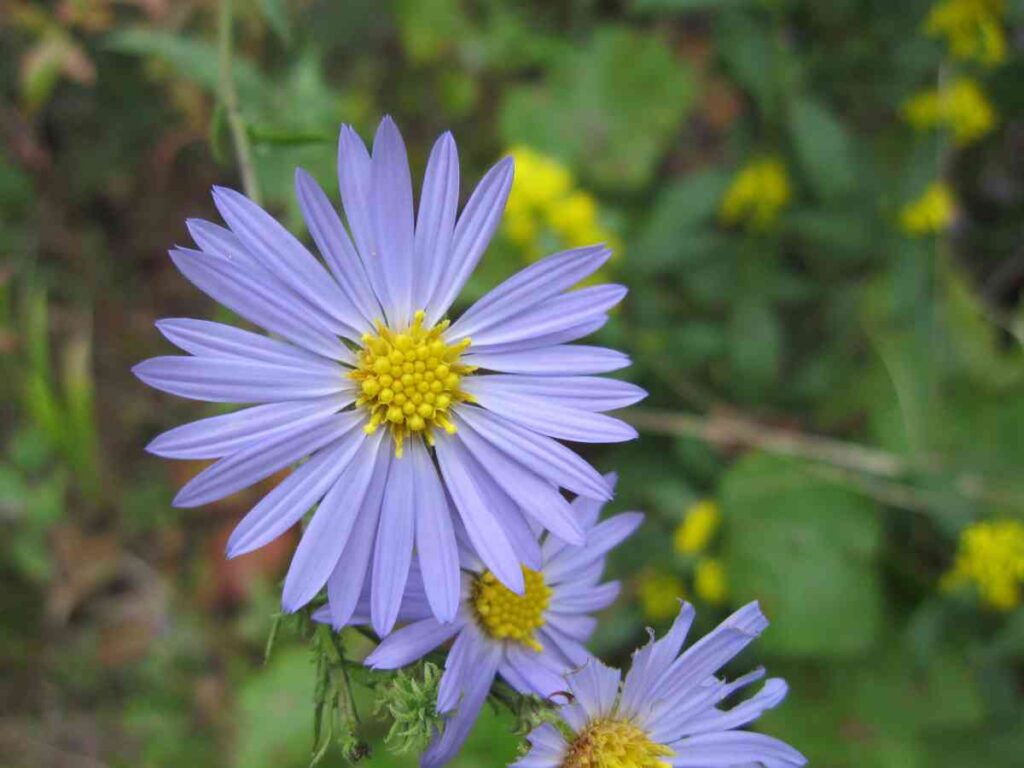
Asters are essential fall-blooming perennials that provide critical late-season food for bees. These daisy-like flowers come in purple, pink, white, and blue shades and bloom when many other plants have finished. They’re tough, easy to grow, and attract a wide variety of pollinators.
As one of the last major nectar sources before winter, asters are absolutely vital for bee survival. Bees load up on aster nectar and pollen to build their winter stores, and you’ll see intense foraging activity on sunny fall days. Native bees, honeybees, and bumblebees all depend on asters for late-season nutrition.
12. Black-Eyed Susans
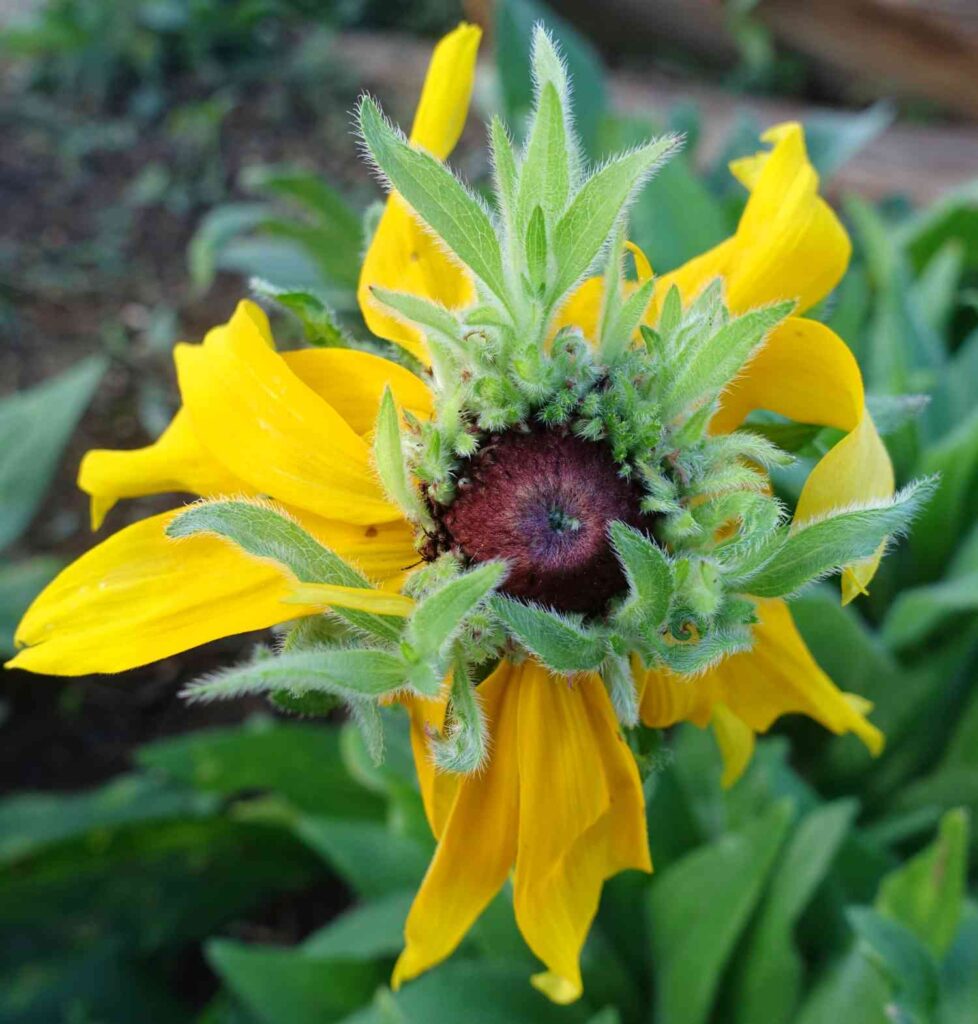
Black-eyed Susans are cheerful, golden-yellow perennials with dark centers that bloom from summer into fall. These native wildflowers are incredibly tough, drought-tolerant, and thrive in almost any soil. They spread easily and create stunning drifts of color.
Bees love the prominent dark center disk of black-eyed Susans, which is loaded with pollen and nectar. The bright yellow petals provide an easy landing pad, and the flowers bloom over an extended period. Native bees particularly favor these flowers, and they’re essential for supporting local pollinator populations.
13. Thyme

Thyme is a low-growing, aromatic herb that produces masses of tiny flowers in summer. This perennial ground cover thrives in sunny, well-drained spots and works beautifully between pavers or in rock gardens. The foliage is wonderfully fragrant and useful in cooking.
When thyme blooms, it becomes a bee paradise with countless tiny flowers packed with nectar. The low-growing habit allows ground-nesting bees easy access, and the extended bloom period provides weeks of foraging. Honeybees and native bees both visit thyme enthusiastically, and the honey produced from thyme nectar is highly prized.
14. Oregano

Oregano is another culinary herb that doubles as an excellent bee plant. This perennial produces clusters of small pink or white flowers in summer if you let it bloom instead of harvesting all the leaves. It’s drought-tolerant and spreads to form attractive ground cover.
The small, tubular flowers of oregano are rich in nectar and attract a wide variety of bees. When oregano blooms, you’ll see constant bee activity, with different species visiting throughout the day. The flowers bloom over several weeks, providing sustained food, and the strong scent helps guide bees to the blossoms.
Also Read: What To Do With Hellebores When Finished Flowering?
15. Alliums

Alliums are ornamental onions with dramatic globe-shaped flower heads that bloom in late spring and early summer. These bulbs come in various sizes and colors, from deep purple to soft pink and white. They’re deer-resistant and look stunning planted in groups.
Bees love the hundreds of tiny flowers that make up each allium globe, providing abundant nectar and pollen in one convenient location. The unusual shape allows multiple bees to forage simultaneously, and the flowers last for weeks. Alliums bridge the gap between spring and summer bloomers, providing crucial food during the transition.
Also Read: How to Overwinter Dahlias and Store Bulbs?
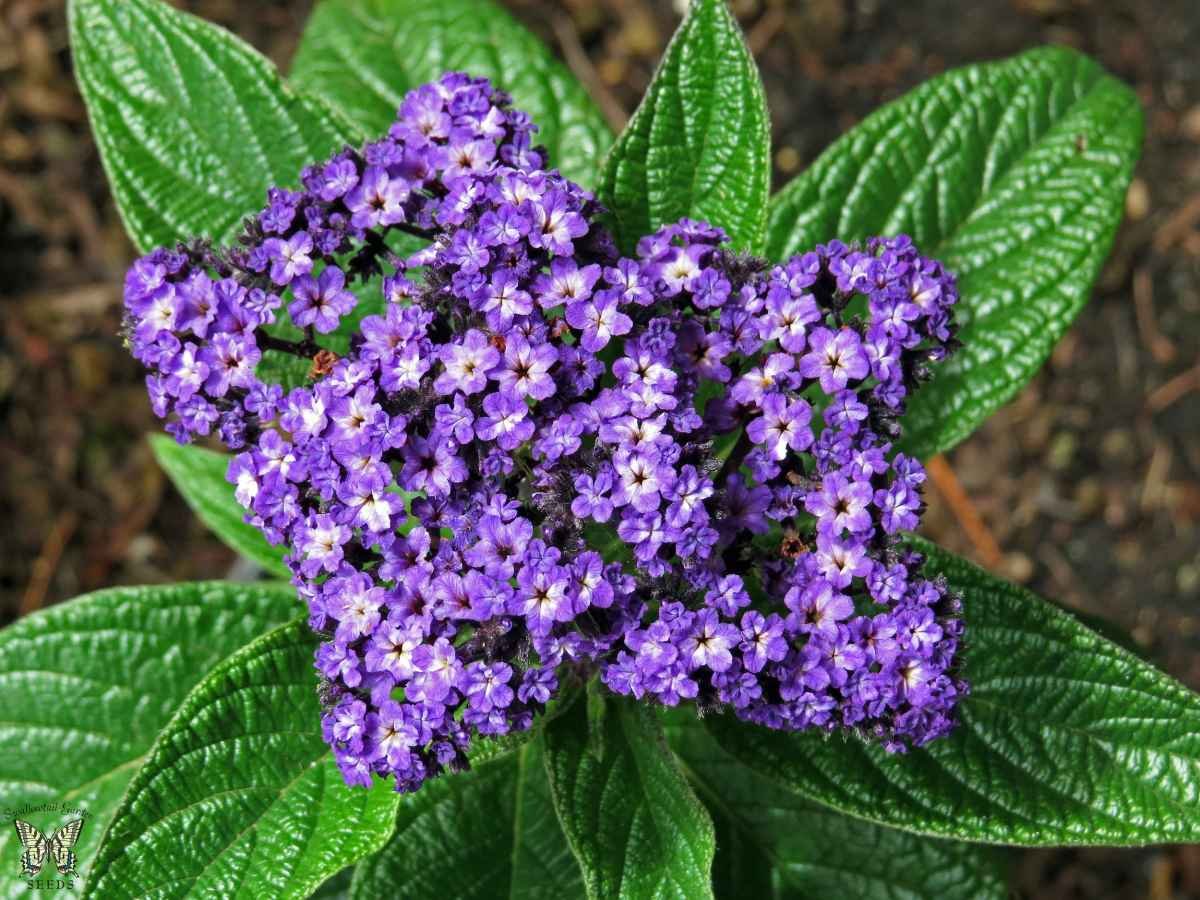
16. Heliotrope

Heliotrope is a fragrant annual or tender perennial with clusters of purple, blue, or white flowers that smell like vanilla. It blooms continuously from summer through fall and works beautifully in containers or garden beds. The sweet scent is noticeable even from a distance.
Bees are drawn to heliotrope’s intense fragrance and abundant nectar supply. The clustered flower heads provide multiple feeding opportunities in one spot, and the tubular flowers are perfectly sized for bee tongues. Bumblebees and honeybees visit heliotrope throughout the day, especially during warm afternoons.
17. Sedum (Stonecrop)

Sedums are succulent perennials with fleshy leaves and flat-topped flower clusters that bloom in late summer and fall. These drought-tolerant plants thrive in poor soil and full sun, making them perfect for tough spots. The flowers transition from pale green to pink to deep red as they mature.
Late-blooming sedums are absolutely crucial for bees preparing for winter, providing nectar and pollen when few other sources remain. The flat flower heads create perfect landing platforms, and you’ll often see dozens of bees working a single sedum patch. Butterflies and beneficial insects also flock to these versatile plants.
18. Hyssop
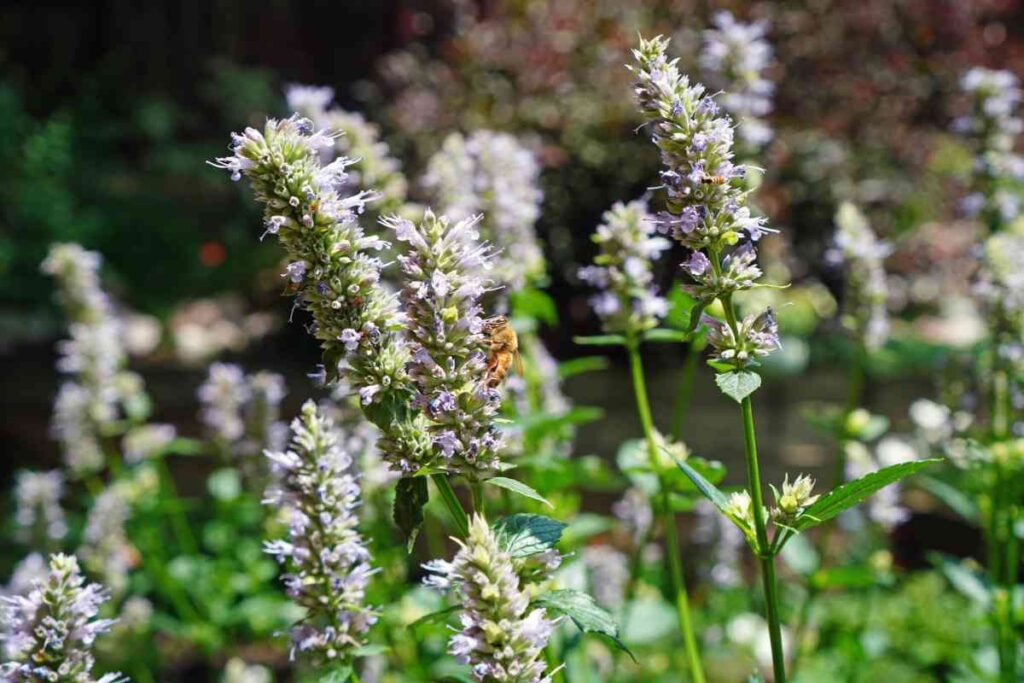
Hyssop is an aromatic herb with spikes of blue, pink, or white flowers that bloom from mid-summer through fall. This drought-tolerant perennial thrives in sunny locations and attracts numerous pollinators. The foliage has a minty-anise scent and has been used medicinally for centuries.
Bees are particularly drawn to the nectar-rich tubular flowers arranged in dense spikes. The extended blooming period provides consistent food during late summer, and the flowers are perfectly sized for various bee species. Native bees, honeybees, and bumblebees all visit hyssop regularly, making it a top choice for pollinator gardens.
19. Phacelia

Phacelia is a fast-growing annual wildflower with coiled clusters of lavender-blue flowers that unfurl as they bloom. This plant is often used as a cover crop to improve soil but works beautifully in ornamental gardens too. It blooms quickly from seed and reseeds readily.
Phacelia is considered one of the best bee plants in the world, producing copious amounts of nectar and pollen. Bees visit phacelia so intensely that you’ll hear the buzzing from several feet away. The flowers bloom in succession along the coiled stems, providing weeks of continuous food for numerous pollinator species.
20. Verbena

Verbena comes in many forms, from low ground covers to tall, airy plants with clusters of small flowers in purple, pink, red, and white. These heat-loving annuals and perennials bloom prolifically from summer through frost and thrive in hot, sunny locations.
The clustered flower heads of verbena provide multiple nectar sources in one location, making them efficient for foraging bees. The flowers are perfectly sized for various bee species, and the continuous blooming ensures a reliable food supply. Butterflies and native bees especially love verbena’s long-lasting flowers.
21. Marigolds

Marigolds are classic garden annuals with cheerful yellow, orange, and red blooms that are super easy to grow from seed. They’re often planted as companion plants to deter pests, but they also provide food for pollinators. French and signet marigolds are particularly bee-friendly.
Single-flowered marigold varieties offer accessible pollen and nectar that bees can easily reach. The bright colors and strong scent attract various pollinators, and marigolds bloom continuously with regular deadheading. While African marigolds are less bee-friendly due to their double flowers, simpler varieties provide excellent food sources.
Also Read: How to Grow Chrysanthemums?
22. Buckwheat

Buckwheat is a fast-growing annual grain crop with clusters of white or pink flowers that bloom within weeks of planting. It’s often grown as a cover crop but works wonderfully in pollinator gardens. The plant grows quickly, blooms prolifically, and improves soil structure.
Bees absolutely love buckwheat, visiting the flowers so intensely that beekeepers often plant it specifically to boost honey production. The flowers produce abundant nectar that’s accessible to various bee species, and since buckwheat blooms for 4-6 weeks, it provides sustained food. The resulting honey has a distinctive, robust flavor.
23. Goldenrod
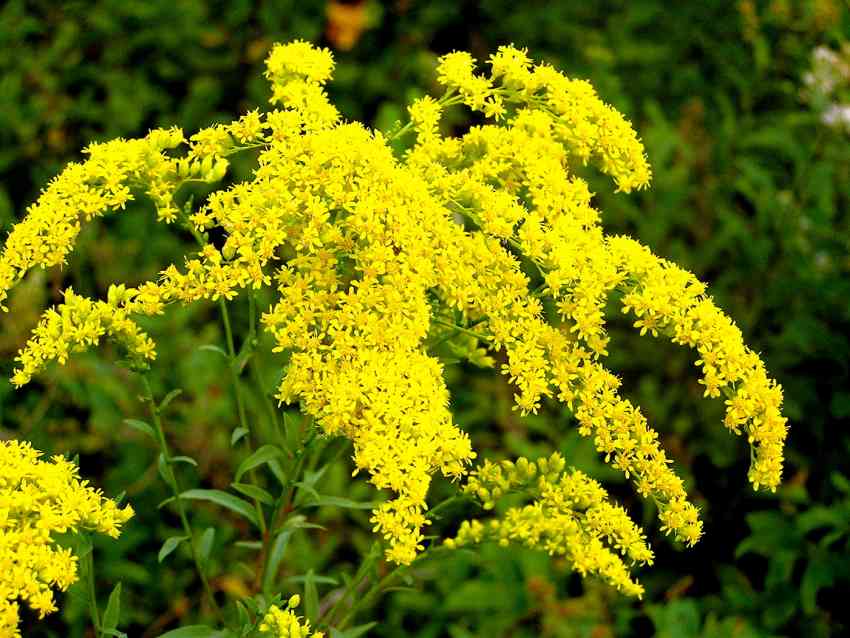
Goldenrod is a native perennial wildflower with bright yellow plumes that bloom in late summer and fall. Often wrongly blamed for allergies (ragweed is the culprit), goldenrod is actually a critical late-season food source for bees. It thrives in full sun and spreads to create beautiful drifts.
As one of the most important fall nectar sources, goldenrod is essential for bee survival before winter. The dense flower clusters provide abundant pollen and nectar when few other options remain. Native bees, honeybees, and bumblebees visit goldenrod intensely, and you’ll see remarkable foraging activity on warm fall days.
24. Mint

Mint is an aromatic herb that produces spikes of small lavender, pink, or white flowers in summer. This perennial spreads aggressively, so it’s best grown in containers or confined areas. The foliage is wonderfully fragrant and useful for teas, cooking, and cocktails.
When mint blooms, bees visit the tiny tubular flowers constantly throughout the day. The flowers are rich in nectar and perfectly sized for various bee species. Native bees particularly love mint flowers, and the extended blooming period provides weeks of reliable food. The strong scent helps guide pollinators to the blossoms.
25. Poppies

Poppies are stunning annuals or perennials with papery petals in vibrant reds, oranges, pinks, and purples. While they don’t produce nectar, they offer abundant pollen that bees need for protein. Annual poppies like California poppies reseed readily and create stunning displays.
Bees collect pollen from poppies by vibrating their flight muscles, a behavior called “buzz pollination.” The large, open flowers provide easy access to pollen-laden stamens, and bees emerge covered in colorful pollen. Even though poppies lack nectar, they’re still valuable for bees that need protein-rich pollen for raising brood.
26. Geraniums (Hardy Geraniums)

Hardy geraniums, also called cranesbills, are low-growing perennials with delicate flowers in shades of pink, purple, blue, and white. These easy-care plants bloom from spring through fall and work beautifully as ground covers or in borders. They’re deer-resistant and drought-tolerant once established.
Bees visit hardy geraniums for their accessible nectar and pollen, and the simple, open flower structure makes foraging easy. Different varieties bloom at different times, extending the food supply across multiple seasons. Native bees especially appreciate these flowers, and hardy geraniums support diverse pollinator populations.
27. Calendula

Calendula, or pot marigold, is a cool-season annual with cheerful orange and yellow flowers that bloom from spring through fall. The petals are edible and often used in salads and herbal preparations. Calendula reseeds readily and tolerates light frost.
Bees appreciate calendula’s accessible pollen and nectar, especially in early spring and late fall when fewer flowers are available. The bright colors and open flower structure make foraging efficient, and calendula blooms continuously with regular deadheading. The flowers close at night and during rain, protecting the pollen and nectar for when bees can forage.
28. Clover

Clover is a nitrogen-fixing ground cover that produces white, pink, or red flower heads. Often found in lawns, clover is incredibly valuable for bees and improves soil quality. Dutch white clover is particularly popular and tolerates mowing, making it perfect for eco-lawns.
Clover flowers are packed with nectar and are one of the most important food sources for honeybees and bumblebees. Each flower head contains dozens of tiny tubular flowers, and bees work methodically across them. Clover honey is mild and delicious, and allowing clover to bloom in your lawn creates an instant pollinator habitat.
Conclusion
There’s something magical about bees buzzing around the garden—their gentle hum instantly pulls me away from the daily rush and back into nature. Beyond being stress relievers, these tiny workers quietly boost the growth of vegetables, flowers, and perennials.
You don’t need to be an expert to create a bee-friendly garden. Planting a mix of vibrant, fragrant, low-maintenance flowers and herbs is all it takes to turn your backyard into a thriving pollinator paradise.

Khaja Moinuddin, a computer science graduate, finds joy in gardening and homesteading. Join him on this blog as he shares his experiences in homesteading, gardening, and composting

