


Adding Directly to the Garden
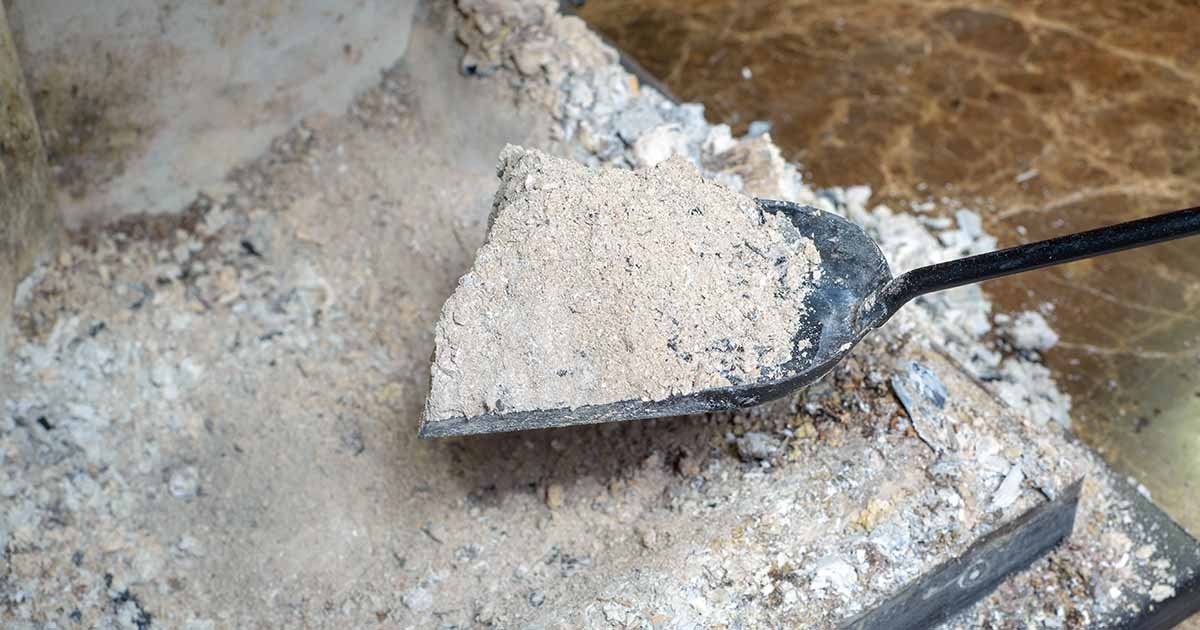
If you have determined via a test that your pH is low – below 6.5 – you can also choose to add ashes directly to the garden to reduce acidity.

Incorporating ashes can also increase the bioavailability of potassium, phosphorus, and various micronutrients, thereby increasing fertility.
A Note of Caution:
Never mix ashes with nitrogen fertilizer, it can cause a reaction that releases ammonia gas. Always wear eye protection, a face mask, and gloves when handling wood ashes.
Spread on calm days to prevent it from blowing around and scattering to unwanted areas – including all over your clothes.
Apply in moderation, lightly dusting a small amount on the garden surface and working it into the soil several inches deep with a fork.
According to Rosie Lerner, Horticulture Specialist at Purdue University, “Acidic soils (pH less than 5.5) will likely be improved by wood ash addition.
Soils that are slightly acidic (pH 6.0 to 6.5) should not be harmed by the application of 20 pounds per 100 square feet annually, if the ash is worked into the soil about six inches or so.”
Be sure to test the soil again the following year. You can reapply if the pH is still too low, but if it has reached 6.5, don’t add any more.
If you raise the pH too much, this can deplete the bioavailability of essential nutrients.
Do not apply to acid-loving plants such as blueberries, rhododendrons, or azaleas.
Continue to test your soil every few years and amend as necessary.
Ashes to Dust
While it is never wise to dump a whole bucket on your compost or in the garden beds, used in moderation with careful planning and an understanding of your soil, wood ashes can be repurposed as a useful amendment.

Though my wood stove churns out far more than I can safely use each winter, I am still able to recycle much of it back into my compost.
Have you used wood ashes in your garden? Please share your experience in the comments below!
If you enjoyed this article, you can learn more composting tricks in these guides:

