


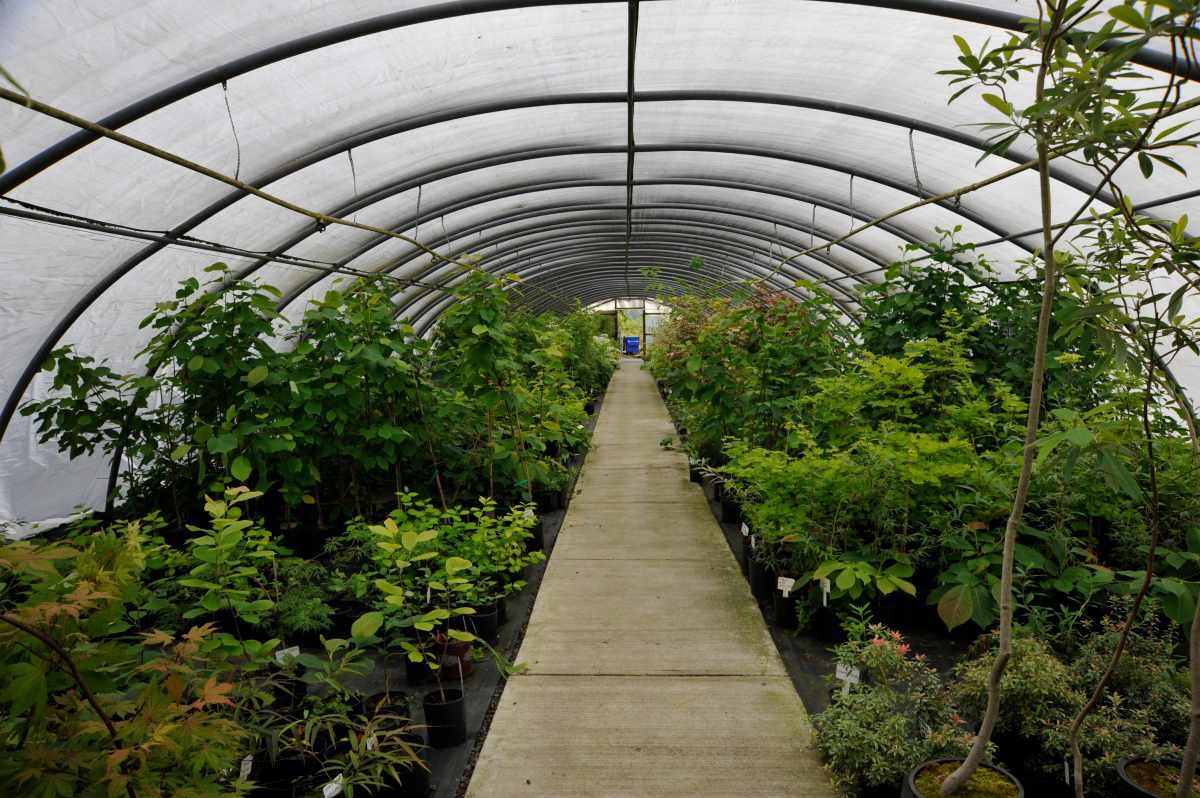
Maintaining optimal heat is the primary expense of having a greenhouse. During colder seasons, this becomes essential to extend the growing season and protect plants from frost.
Most vegetables, ornamentals, and seedlings prefer daytime temperatures of 65–75°F and nighttime temperatures of 55–65°F, although cold-hardy greens and overwintering plants can tolerate lower ranges.
Keeping a greenhouse warm doesn’t always mean running heaters nonstop.
A smart combination of insulation, passive solar design, thermal mass, and selective heating can dramatically reduce energy use while keeping plants healthy through even the coldest months.
Understanding Greenhouse Heat Loss
Before adding heat, it’s important to understand where heat escapes, because stopping heat loss is often cheaper and more effective than producing more heat.
- Conduction occurs when heat moves directly through glazing materials, frames, and foundations into cold outside air. Single-layer plastic or glass loses heat fastest.
- Infiltration happens when cold air sneaks in through cracks, gaps, doors, vents, and poorly sealed joints, forcing warm air out.
- Convection causes warm air to rise and escape through roof vents while drawing cold air in near the base.
- Radiation allows stored heat to radiate outward through greenhouse coverings at night, especially during clear, cold evenings.
Reducing these losses is the foundation of winter greenhouse success.
How to Keep a Greenhouse Warm in Winter?
Keeping a greenhouse warm in winter works best when you combine heat capture, heat storage, and heat conservation.
During the day, allow maximum sunlight to enter by opening shade cloths and keeping glazing clean.
At night, trap that heat with insulation materials such as bubble wrap, thermal blankets, or insulated curtains. Thermal mass—like water barrels, soil, brick, or stone—absorbs daytime heat and slowly releases it overnight, reducing sharp temperature drops.
Healthy soil also plays a role. Soils rich in organic matter and clay retain heat better, while deeper soil beds help stabilize root temperatures.
Also Read: 36 Vegetables You Can Plant in January for Spring Harvest
Insulation Strategies for Winter Warmth
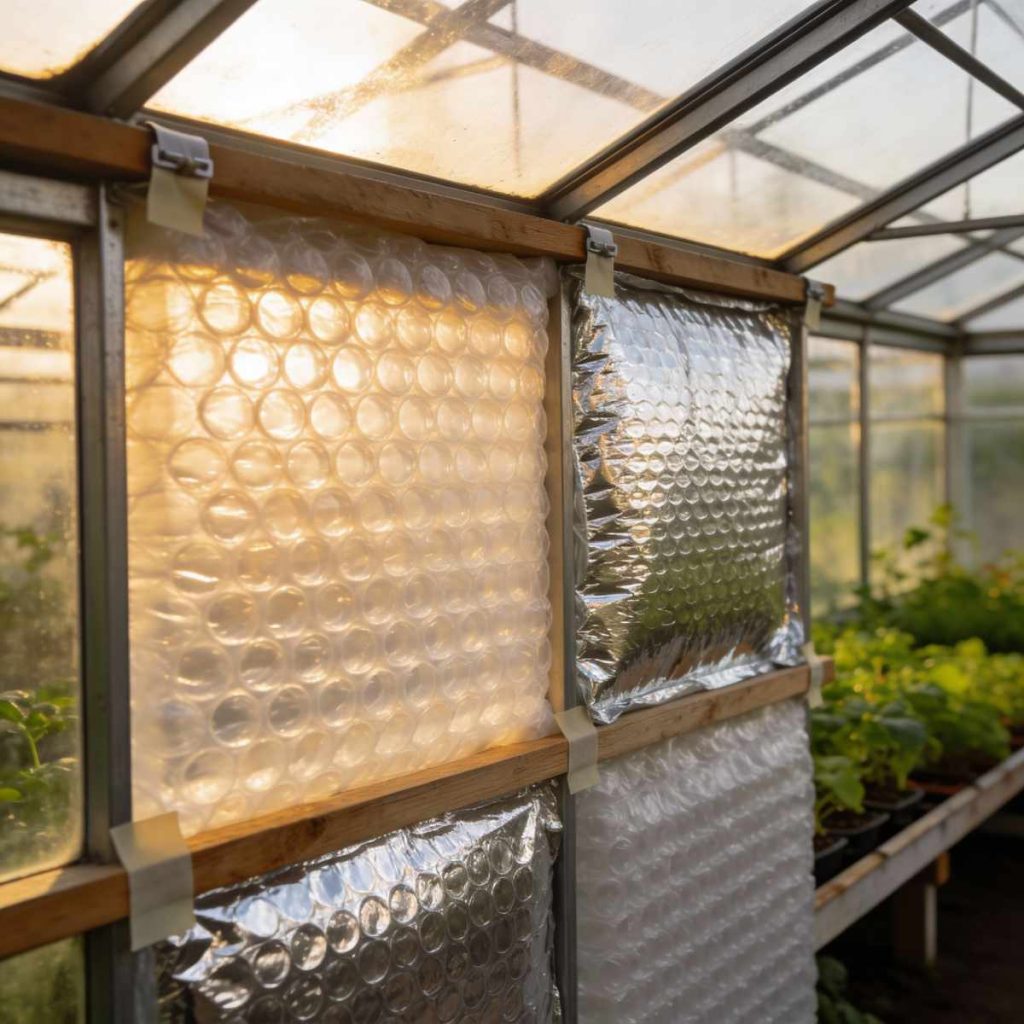
Insulation is the most cost-effective way to maintain winter warmth without increasing heating bills.
- Bubble wrap insulation is one of the most popular solutions. Horticultural-grade bubble wrap allows light penetration while trapping air for insulation. Double-bubble, foil-backed options last up to five years and reflect radiant heat back into the greenhouse.
- Rigid insulation boards such as closed-cell polystyrene, polyurethane, or polyisocyanurate provide higher R-values (R-5 to R-8). These work best on north-facing walls or knee walls where light is less critical.
- Thermal curtains or blankets create an insulating air layer at night and can raise nighttime temperatures by up to 15°F.
- Sealing gaps and cracks with weatherstripping and caulk prevents cold drafts and stops warm air from leaking out.
Passive Solar Heating Techniques
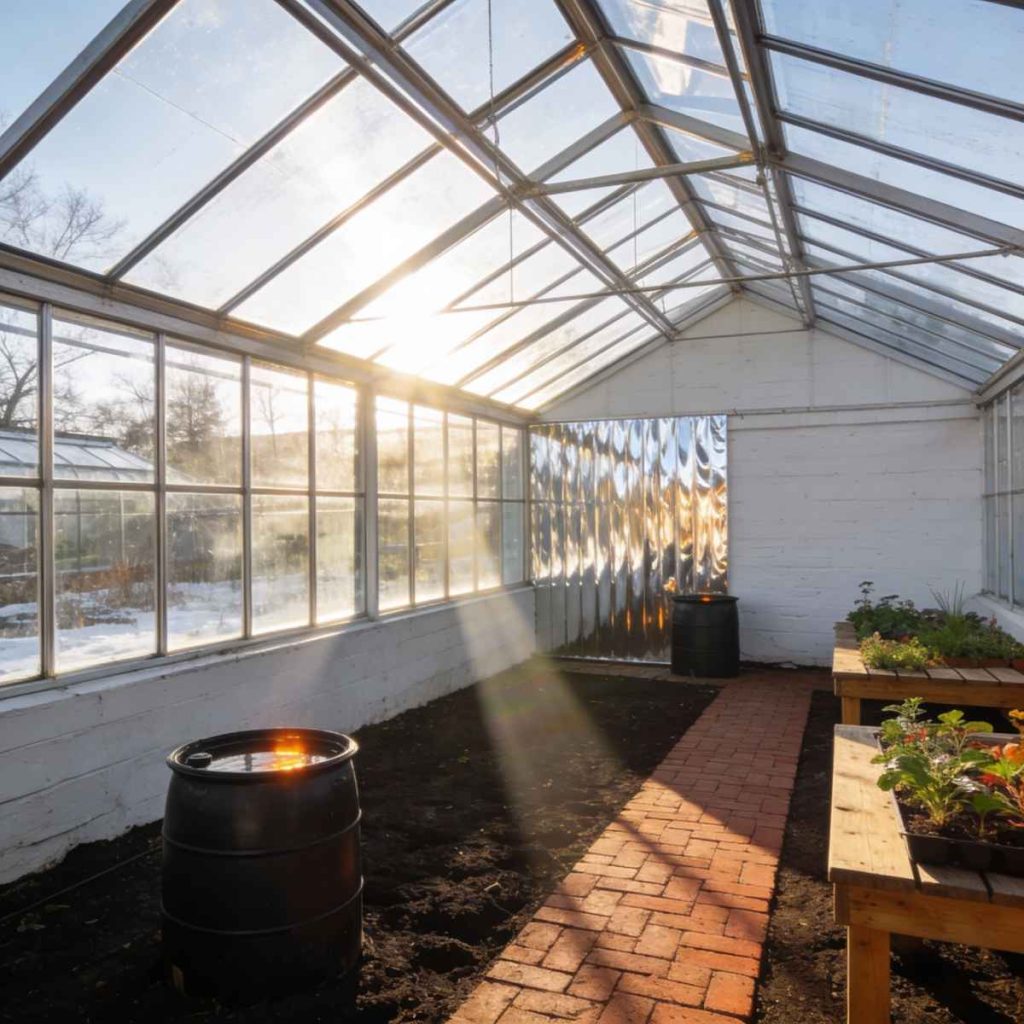
Passive solar heating is one of the most powerful—and free—methods of winter greenhouse warming.
South-facing greenhouses capture the most winter sun, especially when glazing is clear and unobstructed.
Keep the area just inside the walls free of clutter so sunlight can reach floors, soil, and thermal mass materials. Reflective surfaces such as white-painted walls or aluminum panels help distribute sunlight deeper into the space.
When designed correctly, passive solar input often exceeds the greenhouse’s total energy demand, significantly reducing or even eliminating the need for active heating.
Thermal Mass for Heat Storage
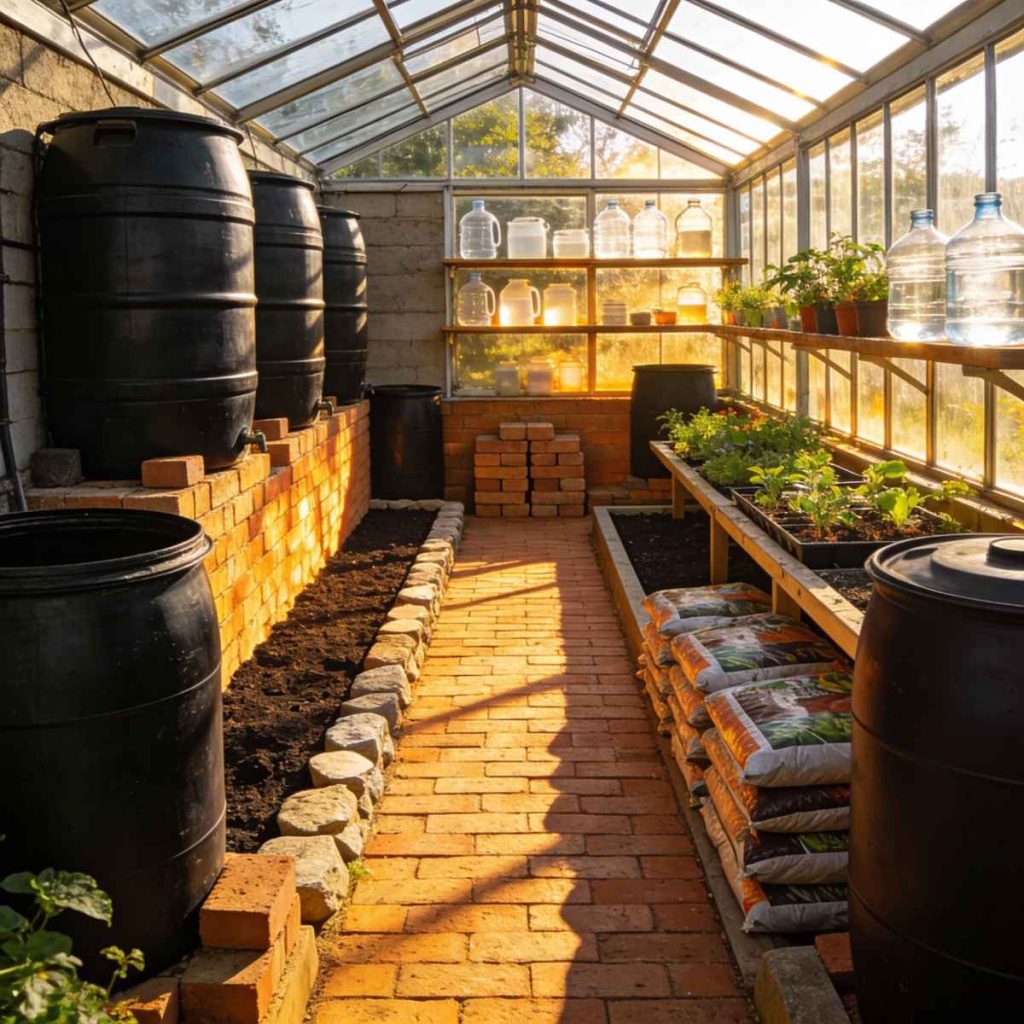
Thermal mass acts like a natural battery, storing heat during the day and releasing it slowly at night.
- Water barrels are the most efficient option. Place black-painted barrels along the north wall or in corners for maximum absorption.
- Even small water jugs help in tight spaces.
- Brick, stone, and concrete paths add both visual appeal and thermal stability.
- Extra bags of soil stored inside the greenhouse also contribute meaningful heat retention.
The more thermal mass you include, the more stable nighttime temperatures become.
Check this: How to Grow Potatoes in Winter?
Composting for Natural Heat Generation
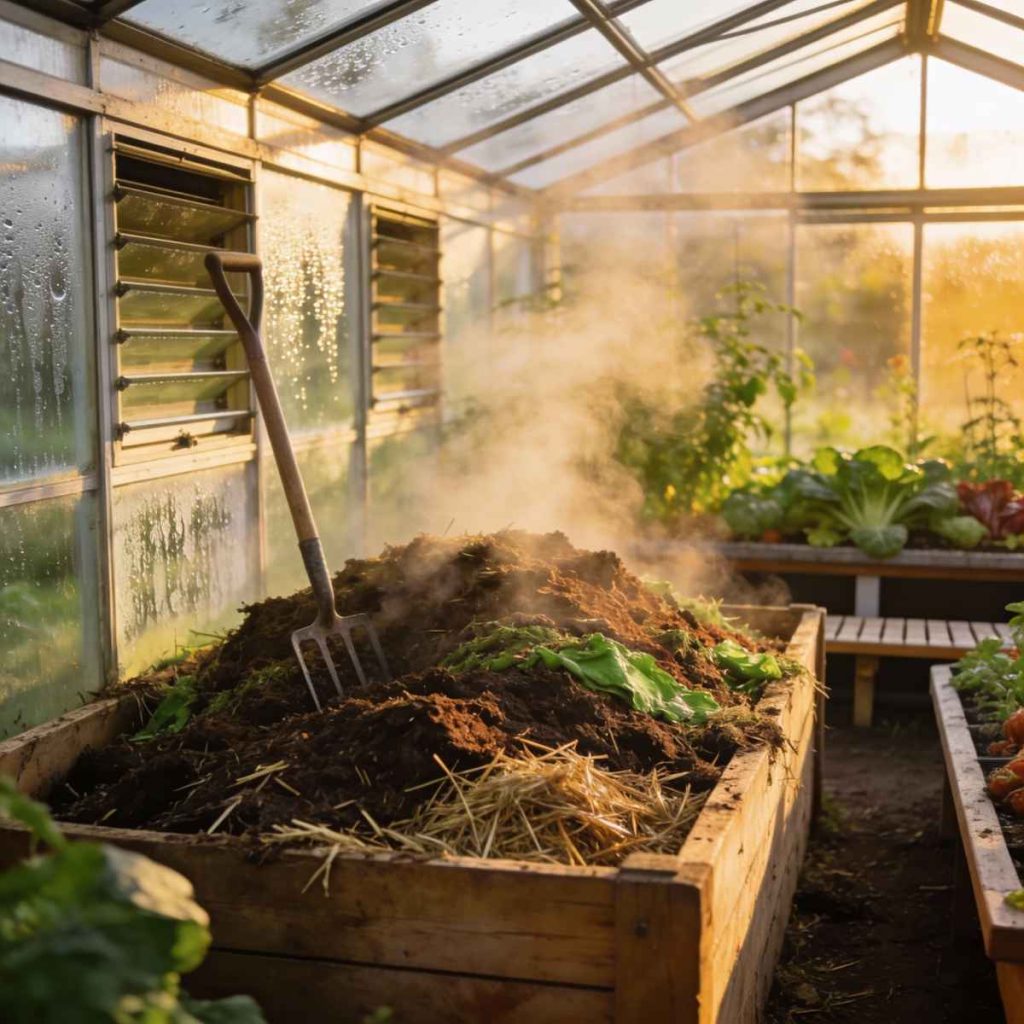
Active compost piles generate surprising amounts of heat—often raising surrounding temperatures by 10–20°F.
Building a compost heap inside the greenhouse provides:
- Continuous natural heat
- Increased humidity
- Added carbon dioxide that boosts plant growth
To maintain heat output, turn the compost regularly to introduce oxygen. Keep compost piles away from plastic walls to prevent heat damage. Straw or hay bale composting works especially well for low-tech, electricity-free heating.
Heating System Options
Electric Heating Solutions
Electric heaters are convenient and easy to install, making them ideal for small or hobby greenhouses.
- Convection heaters work well for spot heating.
- Radiant strip heaters provide gentle overhead warmth.
- Forced-air wall heaters deliver fast, floor-level heat.
Electric heating is best used as supplemental or intermittent heat, as operating costs can rise quickly in colder climates.
Gas and Alternative Fuel Systems
Natural gas and propane heaters are common in larger greenhouses.
- Natural gas unit heaters provide consistent, whole-space heating at relatively low operating costs.
- Propane radiant tube heaters emit directional heat from overhead tubes.
- Avoid open-flame heaters, which release ethylene gas that can damage flowers and buds.
These systems require proper ventilation and safety monitoring.
Hydronic Heating Systems
Hydronic heating circulates hot water through pipes laid under benches or along walls.
- Provides even, gentle warmth
- Excellent for root-zone heating
- Higher upfront cost but very energy efficient long-term
Bench heating allows you to keep air temperatures slightly cooler while maintaining optimal soil warmth for seedlings and propagation.
Geothermal and Renewable Energy Options
Geothermal systems tap into stable underground temperatures and deliver reliable, efficient heat year-round. While installation costs are higher, they offer exceptional long-term savings.
Solar water heating systems circulate sun-warmed water through pipes or barrels, offering a renewable and low-maintenance heat source when paired with thermal mass.
Also Read: How to Overwinter a Boston Fern?
Budget-Friendly DIY Heating Methods
Terracotta Pot Heaters
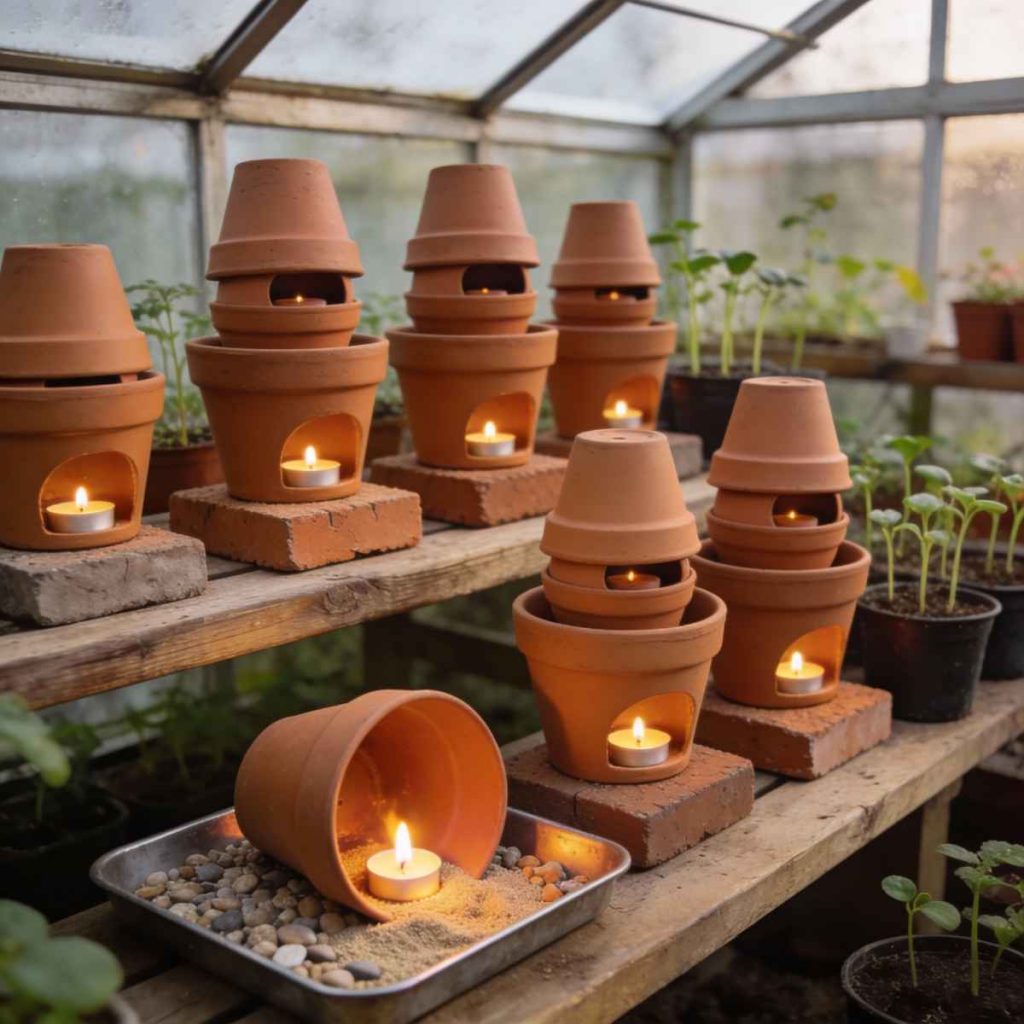
Terracotta pot heaters use candles and clay pots to generate localized warmth.
- Place candles on a heat-safe base
- Stack nested terracotta pots above them
- Trapped heat radiates slowly into surrounding air
These setups can raise nearby temperatures by 4–5°F, making them useful for frost-prone nights.
Livestock Heat
Chickens, rabbits, or other small animals produce body heat, humidity, and CO₂ that benefit plants. Even a few animals can raise greenhouse temperatures by several degrees, though proper ventilation and hygiene are essential.
Hotbeds and Underground Systems
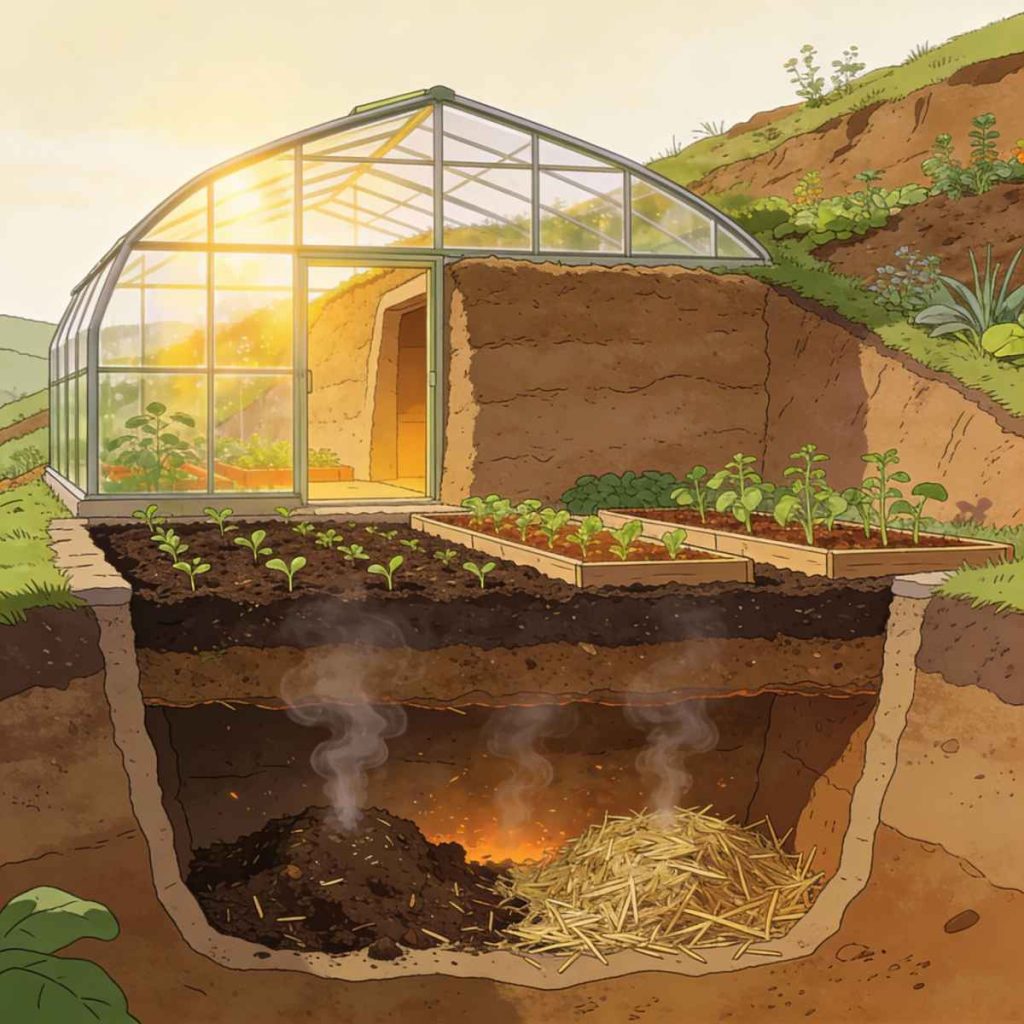
Hotbeds use decomposing manure, straw, and compost buried beneath soil beds to generate bottom heat for months. These systems are excellent for early-season seed starting.
Walipini-style underground greenhouses take advantage of Earth’s natural insulation by being built into slopes, dramatically reducing winter heat loss.
Temperature Control Best Practices
Stable temperatures come from layered strategies, not a single solution.
- Use thermostats to prevent overheating and cold stress
- Monitor both daytime and nighttime temperatures
- Choose twin-wall or double-layer polycarbonate glazing for better insulation
- Combine insulation, thermal mass, passive solar gain, and backup heating
Redundancy ensures your plants stay protected even during extreme cold snaps.
1. How to Keep a Greenhouse Warm Without Electricity?
You can keep a greenhouse warm without electricity by relying on passive solar heat, insulation, and thermal mass. South-facing placement, sealed gaps, bubble wrap insulation, and thermal curtains help trap daytime heat.
Adding water barrels, stone paths, compost piles, and rich soil allows stored heat to release slowly at night. These methods work together to stabilize temperatures naturally, even during cold winter nights.
2. The Cheapest or Even Free Way to Heat a Greenhouse in Winter?
The cheapest way to heat a greenhouse is by maximizing free sunlight and preventing heat loss. Passive solar heating, paired with insulation and sealing air leaks, costs little to nothing once set up.
Free heat sources like compost piles, hotbeds, black water containers, and underground soil warmth provide steady, ongoing heat without fuel or electricity, making them ideal for budget gardeners.
3. Is There Any Small Greenhouse Heating System?
Yes, small greenhouses can be heated using compact electric heaters, radiant heat strips, or small propane heaters designed for enclosed spaces. These systems are easy to install and work well as backup heat.
For low-energy options, seedling heat mats, bench heating, and terracotta pot heaters offer targeted warmth where plants need it most, reducing overall heating costs.
4. What Is a Deep Winter Greenhouse?
A deep winter greenhouse is a highly insulated structure designed to grow plants through winter with little or no supplemental heating. It relies on passive solar gain, thick insulation, and large amounts of thermal mass.
These greenhouses are often built partially underground with south-facing glazing, allowing them to maintain above-freezing temperatures even in extreme cold while using minimal energy.
Conclusion
Keeping a greenhouse warm in winter doesn’t require expensive equipment or constant energy use.
By reducing heat loss, capturing solar energy, storing warmth, and using supplemental heating only when necessary, you can maintain a productive greenhouse all year long—while keeping costs under control and plants thriving through winter.

Khaja Moinuddin, a computer science graduate, finds joy in gardening and homesteading. Join him on this blog as he shares his experiences in homesteading, gardening, and composting

