


Annual flowering plants need to be replanted after their blooming season. On the other hand, perennials re-grows from the roots after the season.
However, perennials have a shorter blooming period whereas annuals bloom through the season.
Fortunately, there are few exceptional perennials that bloom in spring, summer and throughout fall.
As a gardener, I wish to have a backyard that blooms throughout the year. For it to happen gardening experts recommend growing different flowering types.
Plant a combination of annuals, perennials and winter blooming plants to have an all time vibrant garden.
The longest-flowering perennials are true garden workhorses that deliver months of vibrant blooms while requiring minimal maintenance compared to annuals.
These remarkable plants not only provide exceptional value by returning year after year, but they also attract beneficial pollinators like butterflies, bees, and hummingbirds throughout the growing seasons.
17 Longest Flowering Perennials to Plant
Choosing perennials with extended bloom times ensures your garden remains colorful and dynamic for six months or more, eliminating the need for constant replanting.
From the delicate blue flowers of catmint to the bold golden petals of black-eyed Susan, these seventeen perennials offer diverse colors, heights, and textures that can transform any landscape into a season-spanning spectacle.
1. Salvia (Woodland Sage)
If you’re like me and want a colorful backyard then plant Salvia. It is one of those reliable garden stars that just keeps on giving, producing gorgeous flower spikes in blues, purples, pinks, or whites from late spring all the way to fall.
Varieties like ‘Amistad’, ‘May Night’, and ‘Victoria Blue’ are particularly amazing for their super-long flowering periods and their ability to draw in bees, butterflies, and hummingbirds like a magnet.
These beauties are tough as nails once they settle in, handling drought like pros and needing very little babysitting.
Just give them at least six hours of sunshine daily in well-draining, slightly acidic soil, and deadhead the spent blooms regularly to keep those flowers coming.
2. Geranium ‘Rozanne’
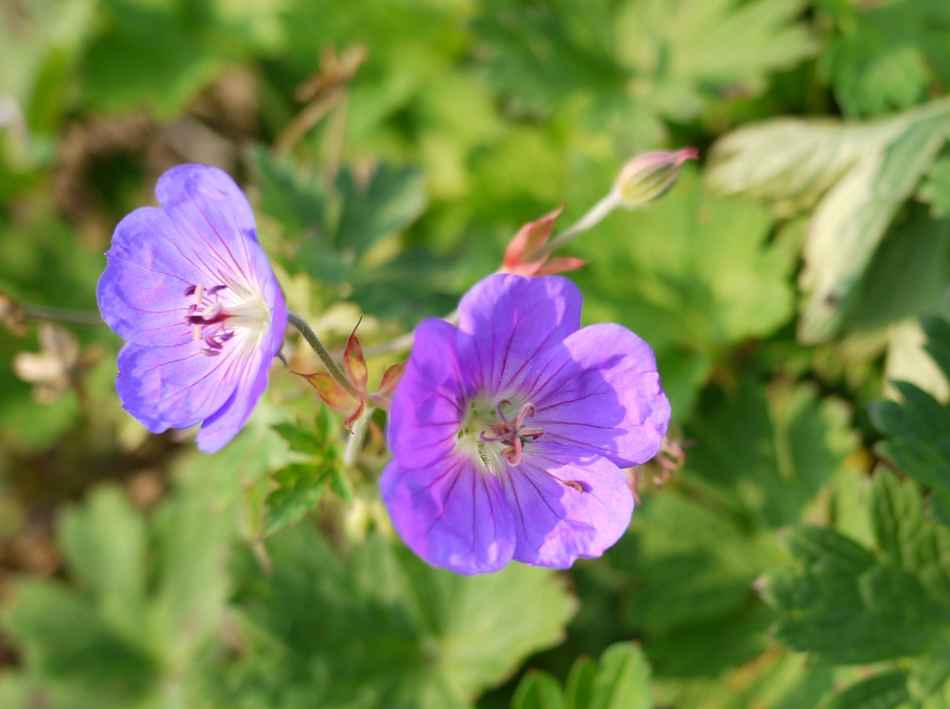
If there’s a superstar in the perennial world, Geranium ‘Rozanne’ definitely deserves the crown, with stunning violet-blue flowers sporting white centers that bloom nonstop from late spring through fall.
This cranesbill geranium forms lovely mounds of foliage that turn a beautiful reddish color in autumn, giving you bonus seasonal interest after months of flowers.
Don’t confuse these with those annual geraniums you see everywhere—hardy geraniums are true perennials that deer won’t touch but pollinators absolutely love.
They’re incredibly adaptable too, handling everything from full sun to full shade and becoming drought-tolerant once they’re established. Plant them once and enjoy years of effortless beauty.
Also Read: 28 Bee-Friendly Plants to Grow in Your Garden
3. Coreopsis

Coreopsis brings pure sunshine to your garden with its cheerful daisy-like flowers in bright yellows, pinks, or reds that bloom from late spring through early fall.
This North American native is about as low-maintenance as it gets—it barely needs watering, doesn’t want fertilizer, and thrives in pretty much any soil as long as it drains well.
The plant is a total drought champion and pollinators can’t get enough of it, plus it naturalizes beautifully in sunny spots if you let it do its thing.
Hardy and heat-loving, coreopsis just keeps pumping out flowers all season long without demanding much attention. It’s the perfect “plant it and forget it” perennial that still delivers big time on color.
4. Catmint

Catmint is an aromatic herb that sends out wave after wave of lovely lavender-blue flowers from late spring to early fall, making it a serious multi-season performer.
Bees and butterflies go crazy for it, but interestingly, cats aren’t as interested as they are in regular catnip, and it works beautifully as an edging plant or in vegetable gardens where it actually helps deter pests.
Once established, catmint handles dry spells like a champ and adapts well to both sunny and partially shady spots.
You’ll want to deadhead it to keep those blooms rolling throughout the season, but otherwise it’s pretty carefree in average, well-draining soil. The soft texture and color make it a perfect companion for roses and other showier perennials.
5. Coral Bells

While most people grow coral bells for their absolutely stunning foliage in every color from lime green to deep purple, they also send up tall spikes of colorful flowers from late spring through summer, with some varieties blooming until frost.
Long-flowering varieties like ‘Berry Timeless’, ‘Firefly’, ‘Paris’, and ‘Ruby Bells’ give you the best of both worlds—gorgeous leaves plus extended bloom periods.
These versatile perennials love partial to full shade with well-draining soil, making them perfect for those tricky shadier spots in your garden.
Just remove spent flowers to encourage more blooms, and give them a light prune in spring to keep them looking fresh and vigorous. They’re fantastic for adding texture and color to shady borders or woodland gardens.
Check this: 23 Perennials to Plant in August to Bloom through Fall
6. Dianthus (Pinks)
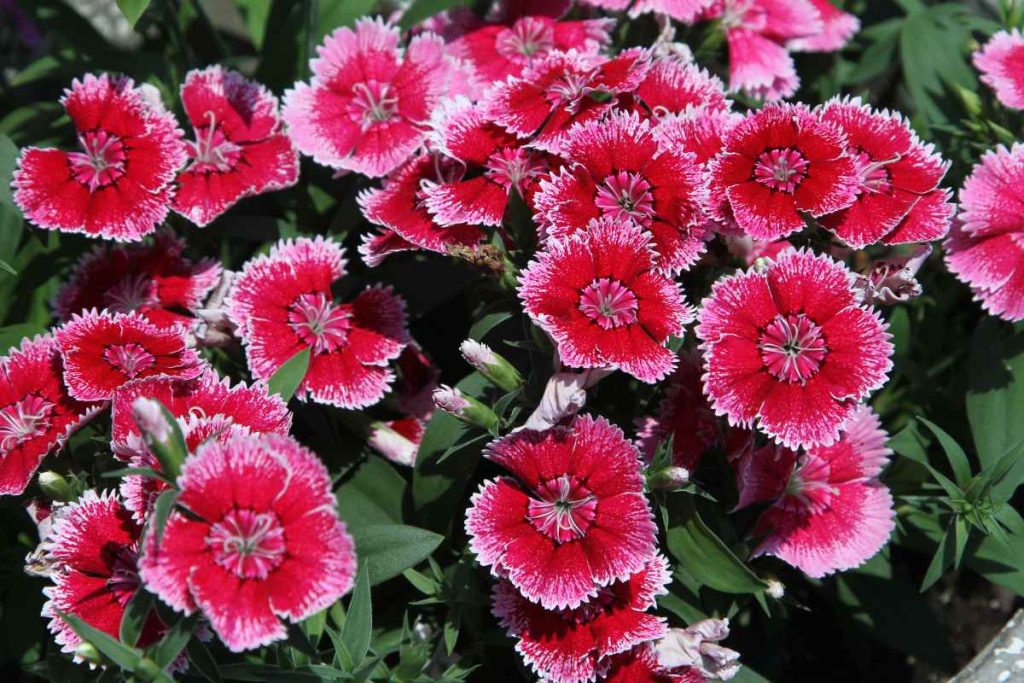
Dianthus are those charming little perennials with fragrant flowers in shades of pink, salmon, red, and white that smell absolutely amazing—like a mix of cinnamon and cloves.
Many varieties bloom their hearts out from May through October, making them exceptional choices for flower borders, containers, or cutting for indoor bouquets.
These delightful plants thrive in rich, neutral to slightly alkaline soil in full sun or partial shade, and they’re surprisingly easy to keep happy.
Regular watering, a bit of fertilizer in spring, and deadheading spent flowers will keep them blooming for months on end. The fragrance alone makes them worth growing, but the long-lasting blooms are the real bonus.
7. Blanket Flower

Blanket flowers are those tough, drought-loving perennials that splash vibrant daisy-like flowers in reds, yellows, and oranges across your garden from late spring through fall.
Varieties like ‘Arizona Sun’, ‘Burgundy’, ‘Goblin’, and ‘Mesa Yellow’ are particularly noted for their crazy-long bloom times and butterfly-attracting powers.
These heat-loving beauties are super easy to grow from seed and only need occasional watering once they’re settled in, making them perfect for low-maintenance sunny gardens.
They love well-draining soil and full sun exposure, and they’ll reward your minimal effort with months of bold, cheerful color. If you’ve got a hot, dry spot in your yard, blanket flowers are your answer.
8. Knock Out Roses
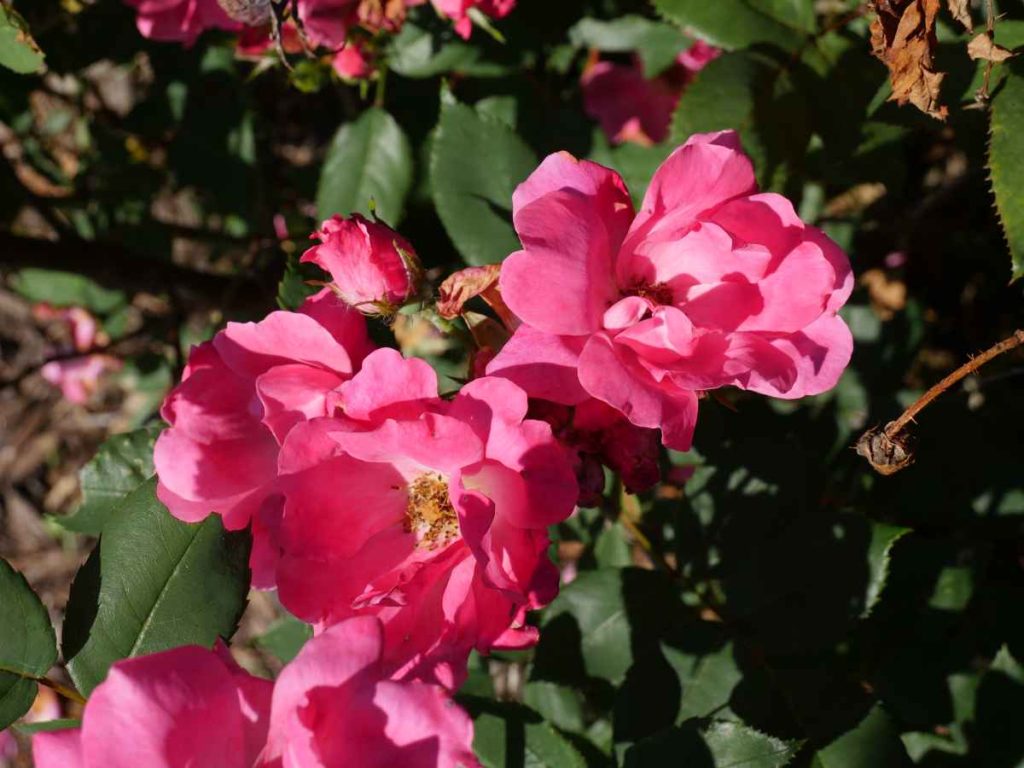
Knock Out roses are the rebels of the rose world—they’ve been bred specifically to bloom continuously from spring until the first frost with zero deadheading required.
These game-changing roses work in a huge range of climates and deliver all that classic rose beauty without the high-maintenance drama traditional roses are known for.
They prefer balanced, neutral soil and can live happily in beds or large containers as long as they get 6-8 hours of full sun daily.
Care is seriously minimal—just one annual prune in late winter to early spring and some fertilizer after the first flush of flowers to keep them going strong. If you’ve been intimidated by roses before, these are your gateway to rose-growing success.
9. Daylily

Daylilies are practically indestructible perennials that bloom repeatedly throughout late spring to fall, depending on which variety you choose.
The famous ‘Stella D’oro’ pumps out golden-yellow blooms like there’s no tomorrow, while reblooming types like ‘Purple D’Oro’ give you bright purple flowers from early summer into early fall.
These adaptable plants grow anywhere from 1 to 6 feet tall depending on variety, with showy flowers in basically every color imaginable.
They’re remarkably hardy, shrugging off harsh conditions, resisting diseases and pests, and needing almost no maintenance while providing reliable beauty day after day. Plant them once and they’ll be your garden friends for years to come.
10. Russian Sage

Russian sage is one of those totally carefree perennials that makes summer gardens look absolutely magical, with aromatic gray-green foliage and spikes of tubular lavender-blue or purple flowers from early summer through fall.
This reliable workhorse grows 2 to 4 feet tall and wide, creating an impressive airy display while attracting hummingbirds, butterflies, and other pollinators.
Once established, Russian sage laughs in the face of drought and shows excellent resistance to both diseases and deer.
It thrives in full sun with well-draining soil and keeps its attractive appearance throughout the entire long blooming period with almost no care required. The silvery foliage alone is worth it, but the months of purple flowers are the real showstopper.
11. Veronica

Speedwell is a long-blooming perennial that produces elegant flower spikes in blue, purple, pink, or white from late spring through fall. This virtually carefree plant comes in both upright varieties that can reach up to 4 feet tall and creeping forms that produce dainty flowers reminiscent of forget-me-nots.
These hardy perennials adapt to various garden situations with their different growth habits, spreading anywhere from 8 to 24 inches wide.
Once established, speedwell requires minimal maintenance while providing consistent color throughout multiple seasons in sunny locations with good drainage. They’re perfect for adding vertical interest to borders or filling in as groundcovers, depending on which type you choose.
Also Read: What To Do With Hellebores When Finished Flowering?
12. Coneflower

While coneflowers have traditionally been mid-summer bloomers, newer varieties have been bred to flower continuously from spring through fall.
Varieties like ‘Cheyenne Spirit’ offer nonstop blooms in bold shades of yellow, orange, red, and purple, while classic purple coneflowers remain garden favorites for their long-lasting daisy-like flowers with distinctive spiky centers.
These tough, heat-loving perennials attract abundant pollinators including bees and butterflies, turning your garden into pollinator central.
Echinacea prefers full sun and well-drained soil, and while they’re fairly hands-off, deadheading can stretch the blooming period even further throughout the season. Plus, if you leave some seed heads in fall, you’ll get bonus visits from goldfinches and other seed-eating birds.
13. Black-Eyed Susan
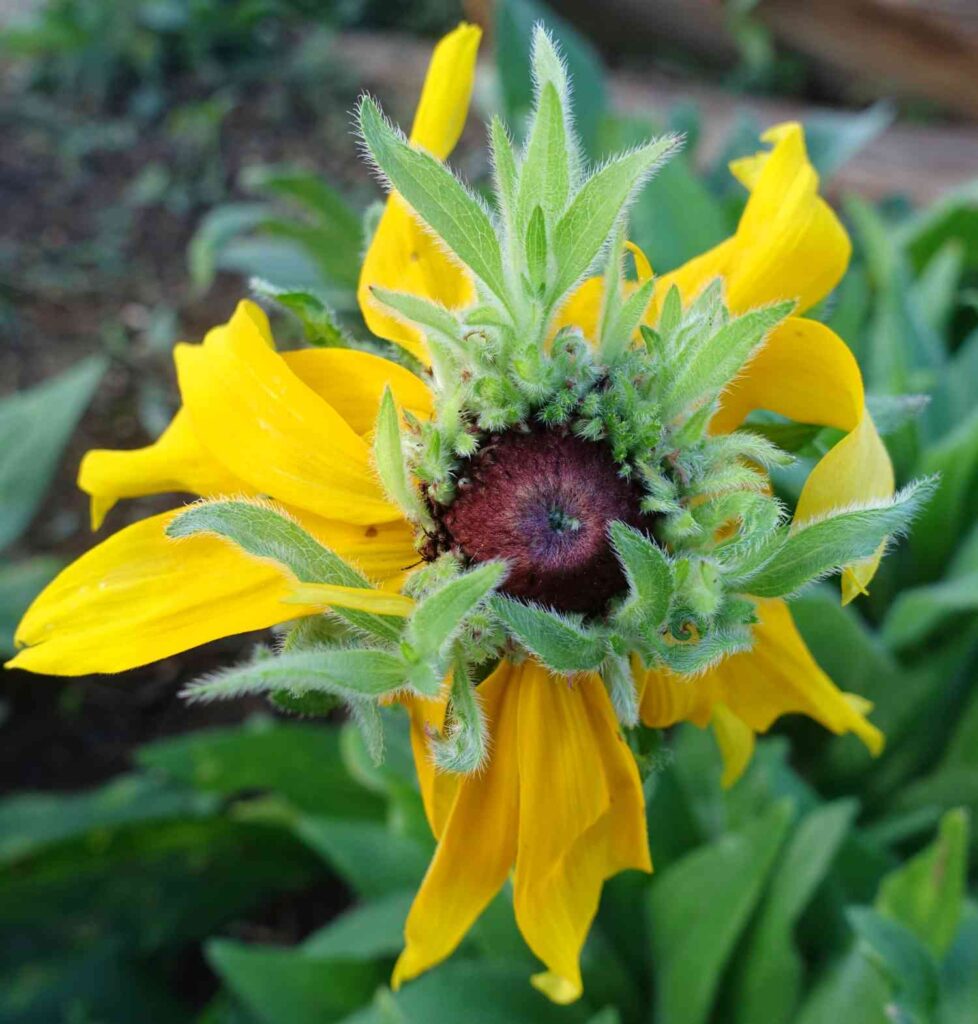
Black-eyed Susan, especially the variety ‘Goldsturm’, produces cheerful bright yellow daisy-like flowers with those distinctive dark centers from midsummer until fall.
These long-blooming perennials are perfect for adding vibrant late-season color to gardens when many other plants are already calling it quits.
Hardy and adaptable, black-eyed Susans thrive in full sun with well-drained soil and become remarkably drought-tolerant once established.
The plants excel in sunny borders and naturalize readily if you let them, while deadheading encourages even more blooms and extends the already impressive flowering season. They’re basically the definition of “easy-care” with maximum impact.
14. Bellflower
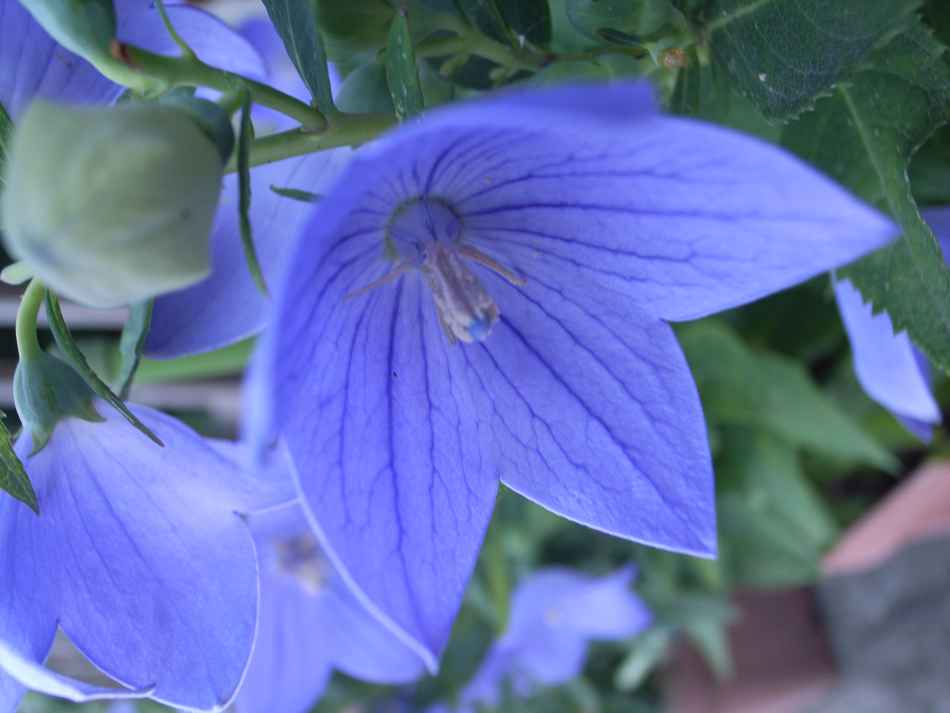
Bellflower has been a cottage garden favorite forever, producing white, pink, purple, or blue cup- or bell-shaped flowers from late spring through fall. Available forms include stately upright types, neat mounding varieties, and creeping groundcovers, ranging from 4 inches to 4 feet tall depending on what you need.
These charming perennials feature serrated heart-shaped or pointed foliage in green or gold, adding texture even when not in bloom.
Bellflowers adapt to various garden settings and provide reliable blooms throughout multiple seasons with their distinctive shaped flowers that pollinators find irresistible. They’re perfect for adding that romantic cottage garden vibe to borders, rock gardens, or containers.
15. Blazing Star
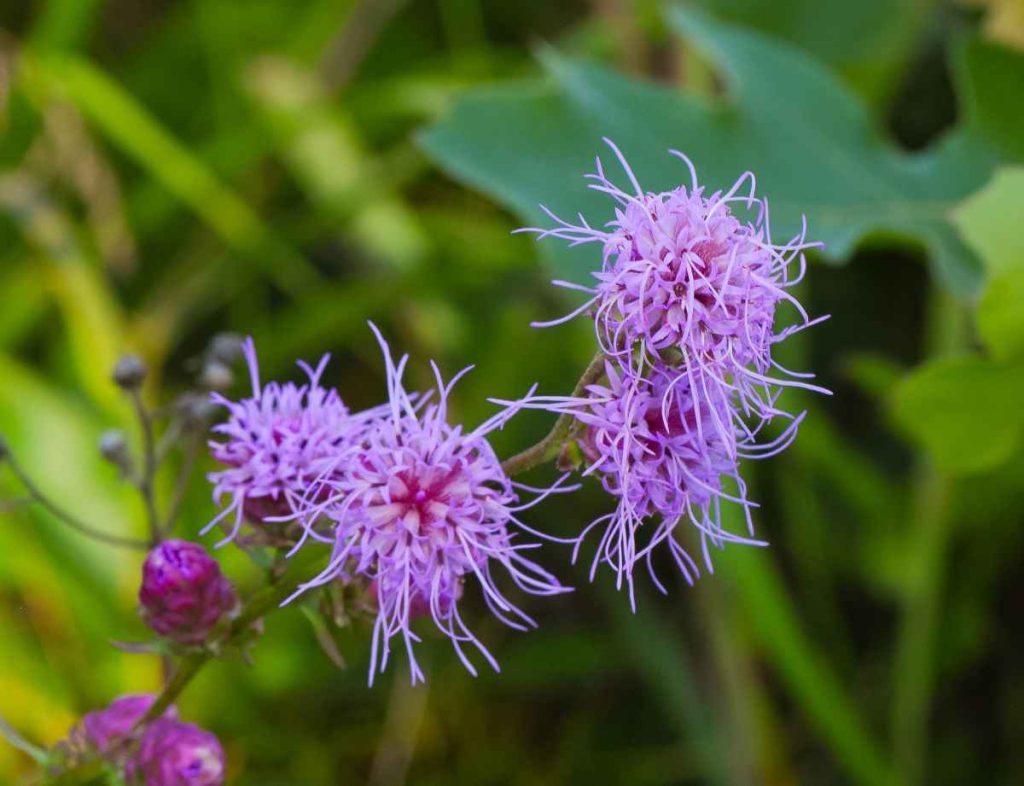
Blazing star, also known as gayfeather, is a North American prairie native that produces striking feathery purple or white flower plumes that look like bottle brushes from summer through fall.
These upright plants grow 1 to 5 feet tall, creating dramatic vertical accents in garden beds that really stand out from typical daisy-shaped flowers.
Blazing star attracts bees, butterflies, and other insect pollinators like crazy throughout its extended blooming period.
The plant is remarkably tolerant of drought and poor soils, though it absolutely needs good drainage to thrive, making it an excellent choice for low-maintenance prairie-style gardens or naturalized areas. The unique top-to-bottom blooming pattern (flowers open from the top down) is a fun conversation starter too.
16. Calla Lily ‘Morning Sun’

Calla Lily ‘Morning Sun’ features vivid red, orange, and yellow trumpet-shaped flowers with splashes of green, creating a tropical appearance that blooms all season long from late spring to late summer.
This variety grows to a manageable 20-24 inches tall and produces multiple blooms throughout its extended flowering period, giving you that exotic look without taking over your garden.
The long-lasting flowers make excellent additions to garden beds and containers, plus they’re fantastic as cut flowers that last for days.
While calla lilies prefer consistently moist soil, ‘Morning Sun’ is relatively easy to grow and maintains its striking appearance throughout the warm months with proper care. They bring that “vacation vibes” feeling right to your backyard.
17. Agastache
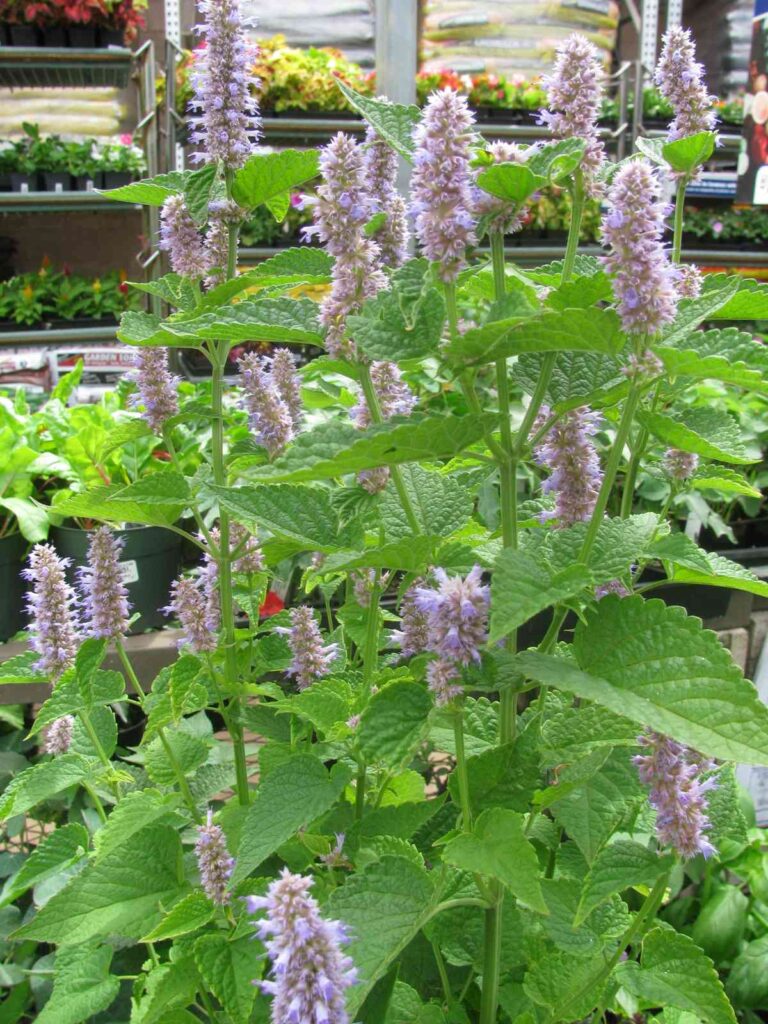
This fragrant beauty is a total pollinator magnet that keeps the blooms coming all summer long and well into fall, with flower spikes in gorgeous shades of pinks, reds, oranges, and yellows.
Agastache is one of those perennials that works overtime in your garden—hummingbirds, butterflies, and bees can’t resist those tall, tubular flowers that smell almost minty or licorice-like depending on the variety.
Once established, agastache is pretty tough and handles dry spells like a champ, making it perfect for gardeners who want maximum beauty with minimal watering. The aromatic foliage adds another layer of sensory appeal, and the plants keep their good looks throughout the growing season without demanding constant attention.
Just give them well-drained soil and plenty of sunshine, and they’ll reward you with months of colorful blooms.
Conclusion
These seventeen long-blooming perennials prove that you can have continuous color for months without spending every weekend replanting or fussing over finicky plants.
Once you get them established, they’ll come back year after year, getting better and more beautiful as they mature.
Mix and match these perennials based on your garden’s conditions, your favorite colors, and how much sun or shade you’re working with, and you’ll have a dynamic display that keeps things interesting from early spring right through to the first frost.
Plus, you’re not just creating a stunning landscape for yourself—you’re also building a haven for pollinators like bees, butterflies, and hummingbirds that’ll keep your garden buzzing with life all season long.

Khaja Moinuddin, a computer science graduate, finds joy in gardening and homesteading. Join him on this blog as he shares his experiences in homesteading, gardening, and composting

