


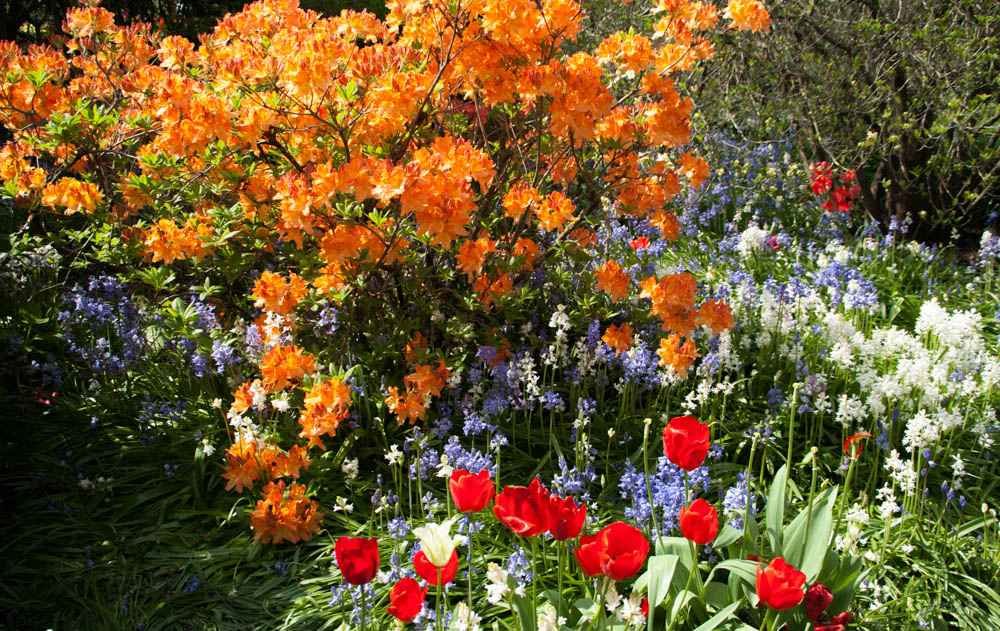
Ending winter’s slumber and gloom, spring signals the rebirt of blooming hues and lush plants.
Spring is the time to get back your gardening tools and start working in your backyard.
Along with edibles, your garden must include flowering plants that attract pollinators and fill your garden with colorful blooms.
As you take an evening walk in your garden, those flying butterflies dancing around and birds hoping from one branch, remind you why spring feels so magical.
But, if you’re planning to start early than your neighboring gardeners, then you should germinate seeds indoors and transplant seedlings when the night temperature is above 40F.
Spring truly sets the stage for beauty, color, and life in your outdoor space. And choosing flowers that thrive in these cool, refreshing months makes your garden come alive much earlier. Whether you prefer classic favorites or want to try something new this year, the right blooms can completely transform your backyard into a nature-filled retreat.
25 Best Flowers to Grow in Spring
To have a blooming display from early spring through warm summer in your garden, it’s recommended that you include mix of flowering plants.
Understanding plant needs is very crucial to grow these flowering plants sucessfully.
Below listed are most popular flowering plants that you can grow in spring.
1. Tulips

Tulips bring an immediate burst of color to spring gardens with their clean shapes and striking petals. They come in a wide range of hues—soft pastels, bold reds, purples, even stunning double varieties that look almost like peonies. Their elegant stems make them stand out whether planted in beds, borders, or colorful pots.
Although tulips often bloom strongest in their first year, they can return with decent vigor if given the right conditions. Many gardeners refresh their display by planting new bulbs each fall, ensuring full energy for spring flowering. Pre-chilled bulbs also work well in warmer climates with mild winters.
Rodents do find tulip bulbs delicious, so protective planting helps. Growing them in pots, wire baskets, or pairing with rodent-resistant plants like grape hyacinths is effective. Choose a sunny, well-drained area to enjoy their brightest blooms.
2. Daffodils
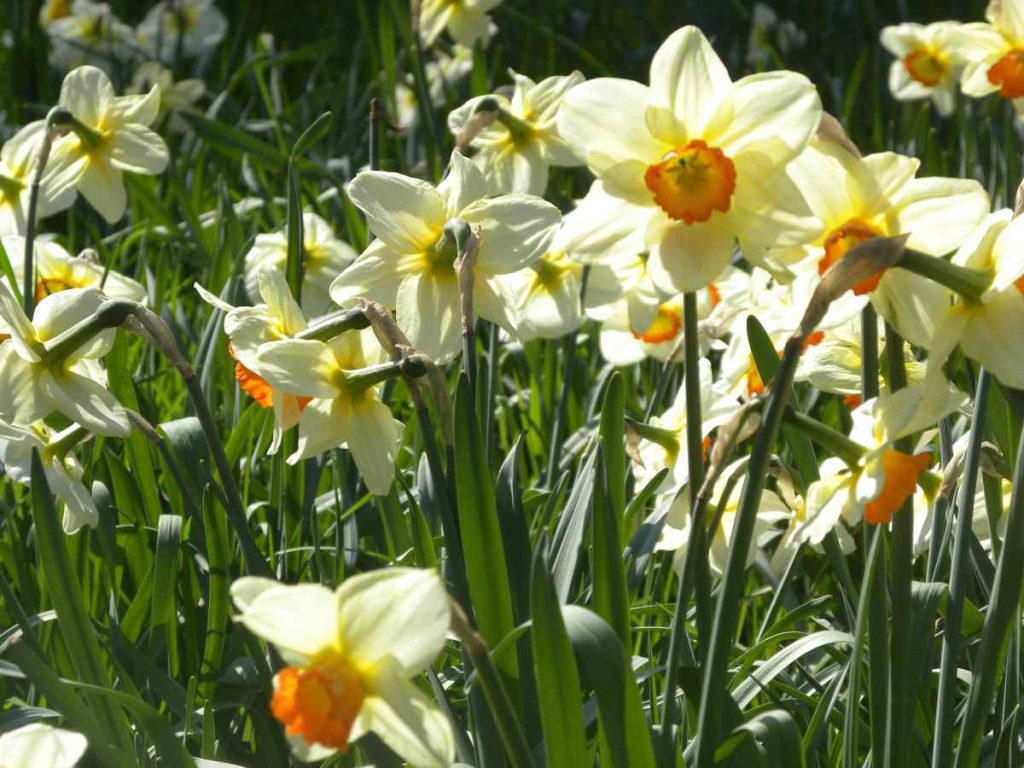
Daffodils brighten early spring days with their signature yellow or white trumpets, creating cheerful pockets of color even when the weather is still cool. Their uplifting blooms make them one of the first true signs that winter is fading. Whether miniature types or large-cupped classics, they always bring a welcoming charm.
These flowers are hardy perennials that naturalize beautifully, often multiplying into larger clumps each year. Once planted, they thrive with minimal attention and return reliably whenever spring arrives. Mixing varieties can extend the flowering season for weeks.
One of their best qualities is being unappetizing to deer, rabbits, and rodents. This makes them safer choices in wildlife-prone gardens. Plant daffodils in well-drained soil under full or partial sunlight and enjoy a nearly fuss-free spring display.
Also Read: 23 Best Perennials that Grow in Shade
3. Hyacinths

Hyacinths are impossible to ignore in spring thanks to their rich fragrance and dense clusters of star-shaped flowers. The strong scent drifts through the garden, making them perfect near walkways and entry points. With bold shades ranging from pink and purple to creamy white, they offer both color and perfume.
These spring bulbs bloom beautifully when planted in fall and allowed to chill through winter. They perform well in beds, borders, and containers, adding a luxurious touch to any arrangement. Their sturdy stems make them excellent cut flowers too.
Hyacinths prefer bright sun and well-drained soil to prevent bulb rot. Gardeners in warm regions often use pre-chilled bulbs for reliable blooms. With just basic care, hyacinths reward you each spring with fragrance-filled clusters.
4. Crocuses

Crocuses emerge like tiny jewels popping through the soil, often blooming even before the last frost melts. Their purple, yellow, and white cups create a charming carpeting effect, making early spring feel instantly alive. These little flowers might be small, but they make a big impact.
Crocus bulbs naturalize easily, spreading across lawns, beds, and woodland paths over time. They bloom early—sometimes as early as late winter—making them among the first garden highlights of the year. Planting several varieties can extend the early color display.
Their care needs are minimal, as crocuses handle cold and inconsistent spring weather well. They prefer full sun or partial shade and thrive in well-drained soil. Give them a dedicated patch and watch them multiply into cheerful clusters each spring.
5. Pansies
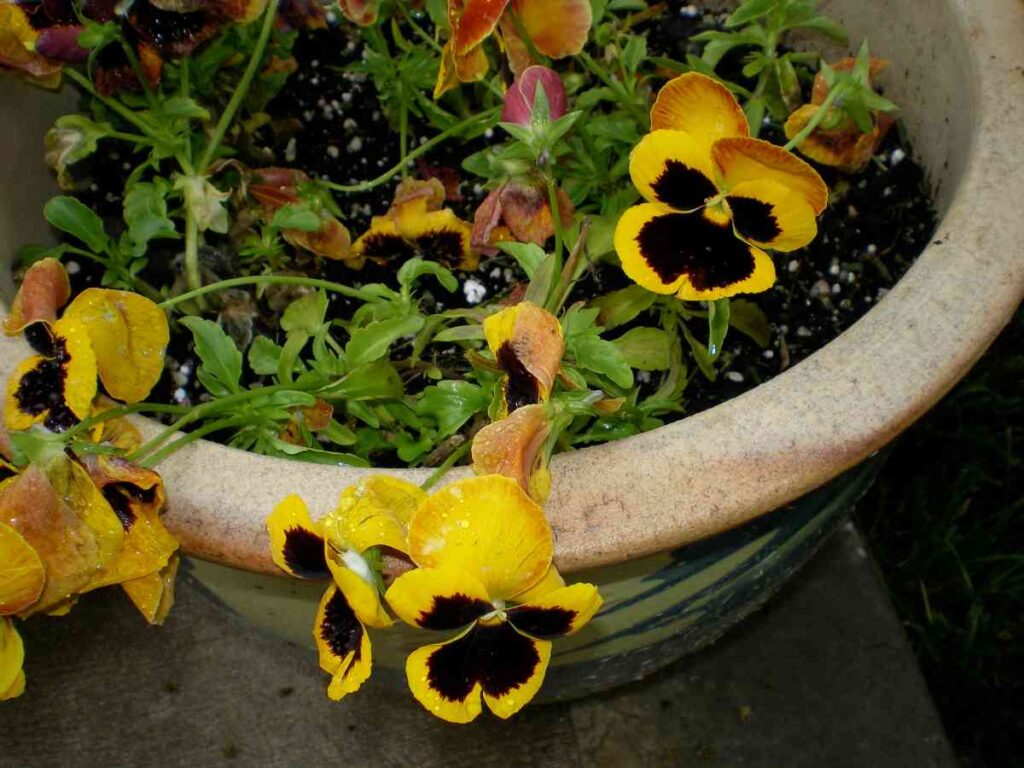
Pansies bring cheerful “faces” and vibrant color combinations to any early spring garden. Their playful patterns and bold hues brighten containers, borders, and baskets while the weather is still cool. Even a single pot of pansies feels full of life and charm.
These blooms thrive in chilly temperatures and perform beautifully from late winter into mid-spring. They’re tough enough to handle light frost and bounce back quickly. Gardeners often plant them in fall in mild climates for an even earlier spring show.
Pansies love partial to full sun and moist, well-drained soil. Regular deadheading keeps them blooming longer. Their versatility, hardiness, and nonstop color make them a must-have for welcoming the spring season.
Check this: How to Propagate Geraniums from Cuttings?
6. Violas

Violas offer delicate-looking blooms that are surprisingly tough in cool spring weather. Their smaller flowers come in an impressive range of colors, giving borders and containers a soft, charming glow. They blend beautifully with early bulbs like tulips and daffodils.
These plants bloom steadily for weeks, often outlasting pansies when temperatures fluctuate. They’re excellent choices for shady corners, pathways, and window boxes. Violas also self-seed gently, giving you pleasant surprises the following spring.
For best results, plant them in partial sun with moist, well-drained soil. Removing spent blooms encourages fresh waves of flowers. Whether used as fillers or focal points, violas bring long-lasting beauty to early spring displays.
7. Primroses
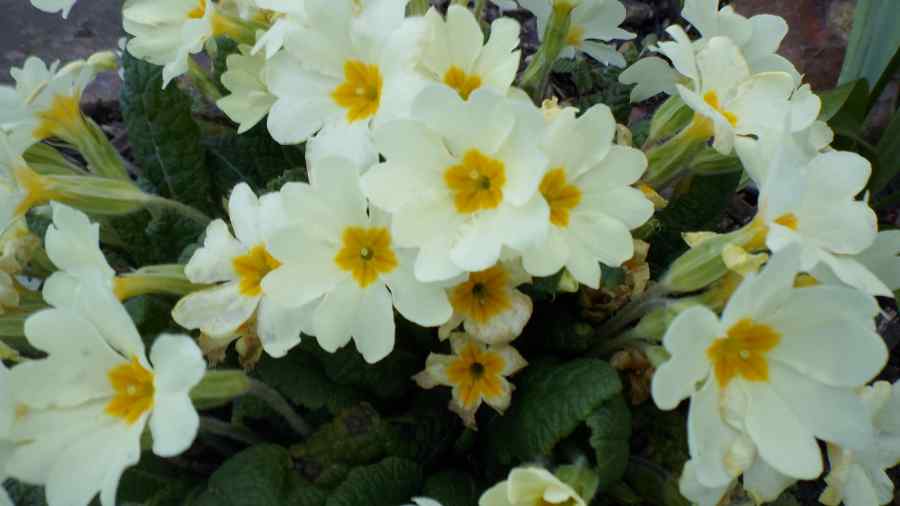
Primroses add instant cheer with their bold colors and low-growing clusters of blooms. From deep purples to sunny yellows and pure whites, their petals brighten even the dullest garden corners. They’re especially loved for thriving where many other plants struggle.
Blooming in early spring, primroses prefer cooler temperatures and moist, rich soil. They look gorgeous when planted around trees, borders, or shaded patios. Many varieties are perennials and return reliably each year.
Keep primroses shaded from harsh afternoon sun and ensure regular watering to keep their foliage lush. Mulching helps maintain moisture. With minimal care, they reward you with bright, long-lasting blooms each spring.
8. Snowdrops

Snowdrops are tiny yet magical spring flowers that peek through frost-covered soil, often blooming when winter is still lingering. Their graceful white bells symbolize new beginnings and bring subtle beauty to the coldest garden days.
These bulbs naturalize well, especially in woodland settings or beneath deciduous trees. They return faithfully every year, spreading slowly into beautiful drifts. Snowdrops bloom very early—sometimes even before crocuses.
They thrive in partial shade with moist, well-drained soil. Plant snowdrops “in the green” (right after blooming) for the best establishment. Their quiet charm makes them perfect for natural, serene garden designs.
9. Peonies

Peonies are spring garden royalty, producing large, romantic blooms with a fragrance that fills the whole yard. Their fluffy petals come in pastels, reds, and whites, making them irresistible focal points in any landscape.
Peonies are long-lived perennials that often thrive for decades in the same spot. They bloom in mid-to-late spring, depending on the variety. Once established, they require very little attention and become more impressive each year.
They prefer full sun and well-drained soil, with support for heavy-headed flowers. Avoid planting them too deep, as it affects blooming. With patience and proper placement, peonies reward gardeners with unforgettable spring beauty.
10. Ranunculus
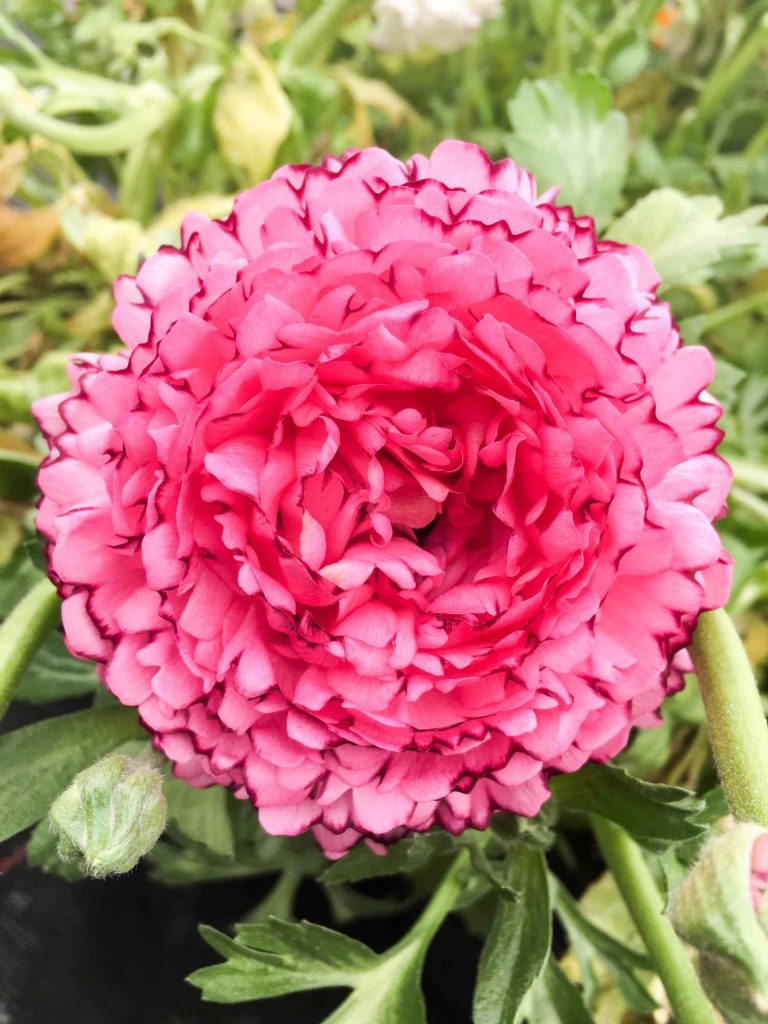
Ranunculus flowers look like they were crafted from layers of silk, giving gardens a luxurious, rose-like touch in spring. Their brilliant shades make them perfect for bouquets, borders, and spring weddings alike.
These plants grow from corms and bloom best in cool temperatures. When started indoors or planted in early spring, they reward you with generous blooms in mid-spring. Many gardeners grow them specifically for long-lasting cut flowers.
Ranunculus prefers full sun and well-drained soil. Soaking corms before planting helps faster sprouting. With consistent moisture and cool weather, these elegant blooms flourish beautifully.
11. Anemones
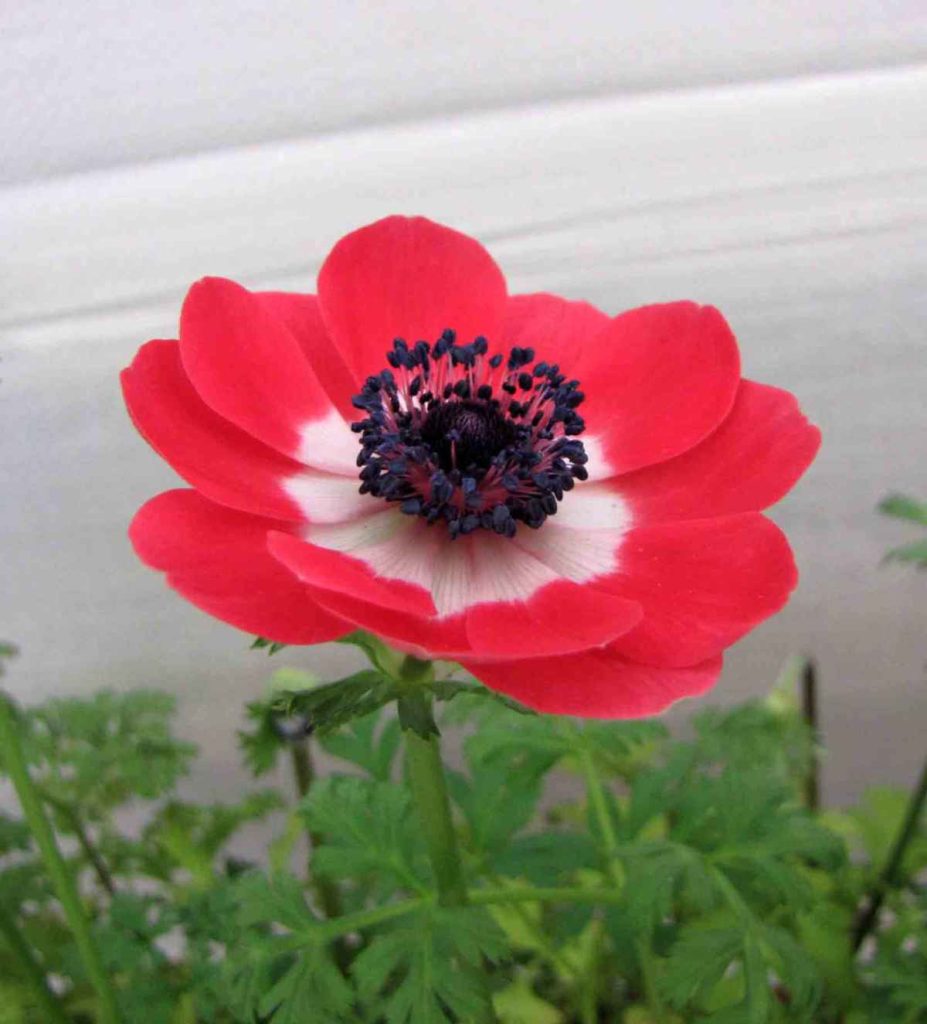
Anemones bring a whimsical, wind-swept charm to spring gardens with their poppy-like blooms. Their vivid colors stand out beautifully against early green foliage. They’re perfect for natural-looking beds or scattered in drifts.
Anemone tubers bloom in mid-to-late spring and return yearly when planted in the right spot. They’re equally at home in rock gardens, borders, or woodland edges. Their lightweight stems allow them to sway gracefully in spring breezes.
These flowers prefer full sun to partial shade and well-drained soil. Plant tubers more shallowly than other bulbs. Once established, they multiply gently and bring fresh beauty each spring.
12. Forget-Me-Nots

Forget-me-nots create dreamy carpets of tiny sky-blue blooms that glow beautifully in soft spring light. Their clouds of color pair especially well with daffodils and tulips for a magical woodland feel.
These biennials or short-lived perennials often self-seed freely. Once planted, they tend to establish natural colonies, offering reliable displays year after year. They’re perfect for shady borders or under deciduous trees.
Forget-me-nots enjoy partial shade and moist soil. Their ability to spread makes them great fillers for empty spring garden gaps. A light thinning helps maintain airflow and reduce mildew.
13. Lilies

Lilies elevate spring and early-summer gardens with their tall, graceful stems and boldly patterned blooms. They bring structure and elegance, especially when mixed with leafy perennials. Their fragrance and colors are unmatched.
Many early-blooming varieties begin in spring, extending color well into summer. Lilies grow from bulbs that return yearly and multiply slowly over time. Their height makes them excellent for the middle or back of beds.
They thrive in full sun with well-drained soil. Plant bulbs deeply to protect them from heat and wind. With regular watering and light mulching, lilies deliver stunning vertical beauty.
14. Bleeding Heart

Bleeding hearts add a charming, romantic touch with their heart-shaped blooms dangling from arching stems. Their soft pink and white colors stand out beautifully in shade gardens.
These perennials emerge early in spring and bloom generously before the heat sets in. Once established, they spread gently and return reliably each year. Their airy shape complements ferns and hostas.
Plant bleeding hearts in partial to full shade with moist, rich soil. They die back in summer heat, which is completely normal. With gentle care, they thrive and bring a cottage-garden feel.
15. Lupine

Lupines immediately catch the eye with their tall, spiky flower towers in blues, purples, pinks, and yellows. Their bold shapes add excitement and height to spring beds.
They bloom in late spring and thrive in cooler climates. Many varieties self-seed, creating natural-looking drifts over time. Lupines also enrich the soil by fixing nitrogen.
These plants do best in full sun with slightly acidic, well-drained soil. Avoid heavy clay. Regular deadheading encourages longer bloom time and healthier plants.
16. Columbine

Columbines bring delicate, nodding blooms with unique spurs that make them look like tiny woodland lanterns. They come in soft pastels and bold bi-colors that add charm to spring spaces.
These perennials bloom in mid-spring and attract hummingbirds instantly. They self-seed lightly, giving your garden a natural, effortless look. Their airy structure blends beautifully with ferns and shade-loving plants.
Columbines enjoy partial shade and well-drained soil. Allow some spent blooms to set seed for future flowers. They’re low-maintenance and work wonderfully in woodland-style gardens.
17. Sweet Peas

Sweet peas fill spring gardens with irresistible fragrance and romantic pastel shades. Their delicate petals and climbing habit make them favorite flowers for trellises and fences.
They thrive in cool spring temperatures and bloom generously when grown from early-sown seeds. Their stems make excellent cut flowers, and frequent picking encourages more blooms.
Plant sweet peas in full sun with rich soil. Provide support early so vines can climb naturally. Consistent watering helps them flourish until warm weather arrives.
18. Iris

Irises stand out with their ruffled petals, bold colors, and sword-shaped leaves. They bring structure and drama to spring gardens, blooming in rich purples, yellows, blues, and whites.
Bearded iris varieties bloom early to mid-spring and return year after year. Their rhizomes spread gradually, forming impressive clumps over time. Dividing every few years keeps blooms vigorous.
Irises need full sun and well-drained soil to prevent rot. Plant rhizomes shallowly so they receive light. With simple care, they reward you with iconic spring flowers.
19. Hellebores
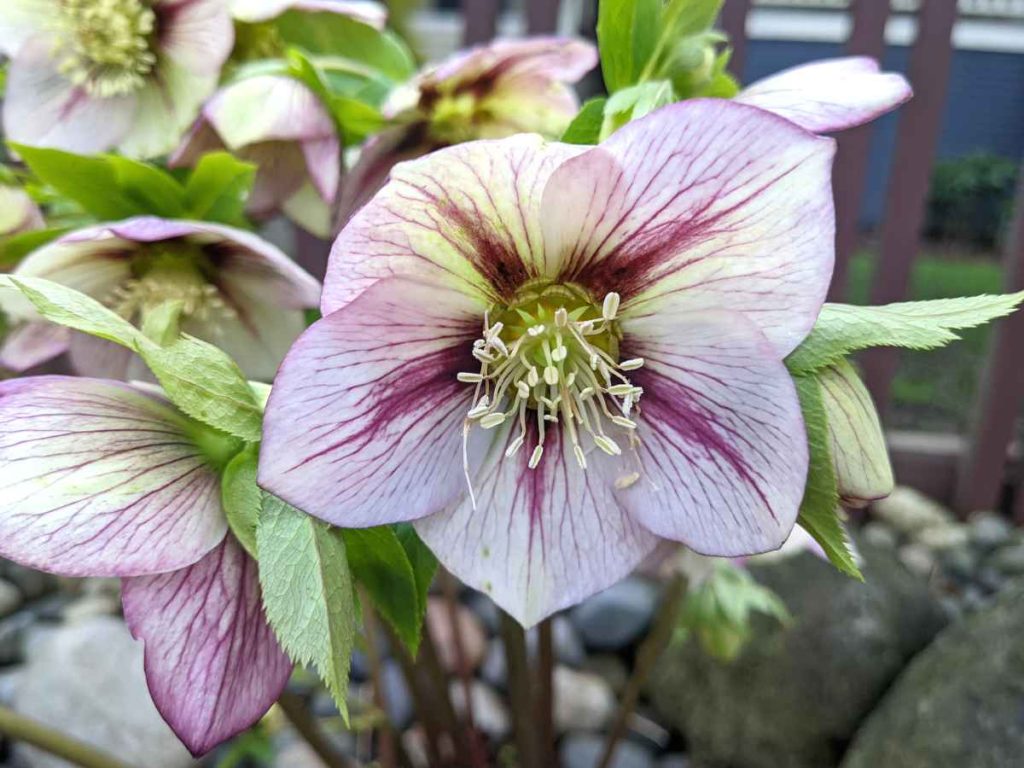
Hellebores, or Lenten roses, bloom from late winter into spring, often flowering when snow is still visible. Their downward-facing blossoms create a soft, elegant atmosphere.
These perennials thrive in shade and become long-term garden residents. Their leathery leaves remain attractive year-round. Hellebores are perfect for woodland areas and under shrubs.
Plant them in partial shade with rich, moist soil. Once established, they require very little care. Removing old foliage in late winter helps new blooms shine.
Also Read: What To Do With Hellebores When Finished Flowering?
20. Azalea
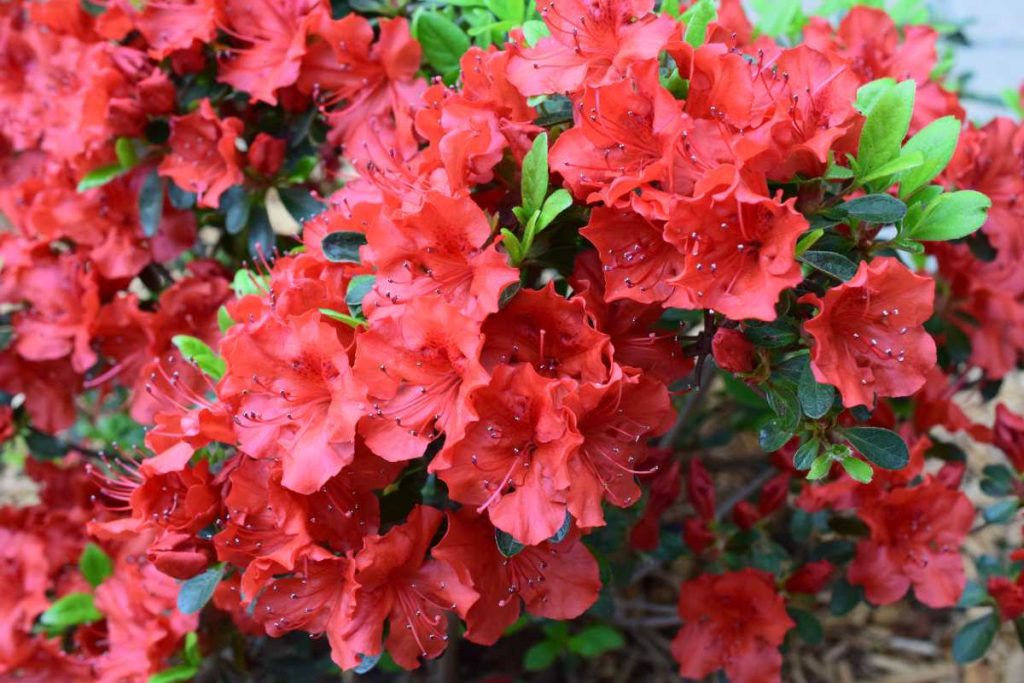
Azaleas burst into color during spring, covering shrubs in masses of bright blooms. Their vibrant pinks, reds, and whites transform landscapes instantly.
These evergreen or deciduous shrubs prefer cool spring weather and acidic soil. Their dense flowering attracts bees and hummingbirds, adding life to the garden.
Azaleas thrive in partial shade with moist, well-drained soil. Mulch helps maintain acidity. With proper watering, they deliver a striking spring display.
21. Calendula

Calendula brings cheerful orange and yellow blooms that brighten spring beds effortlessly. Their daisy-like flowers are full of personality and charm.
These annuals thrive in cool weather and bloom steadily from early spring. They’re also useful companion plants, helping deter certain pests around vegetables.
Calendula enjoys full sun and regular watering. Deadheading keeps blooms coming. Their resilience makes them one of the easiest spring flowers to grow.
22. Dianthus
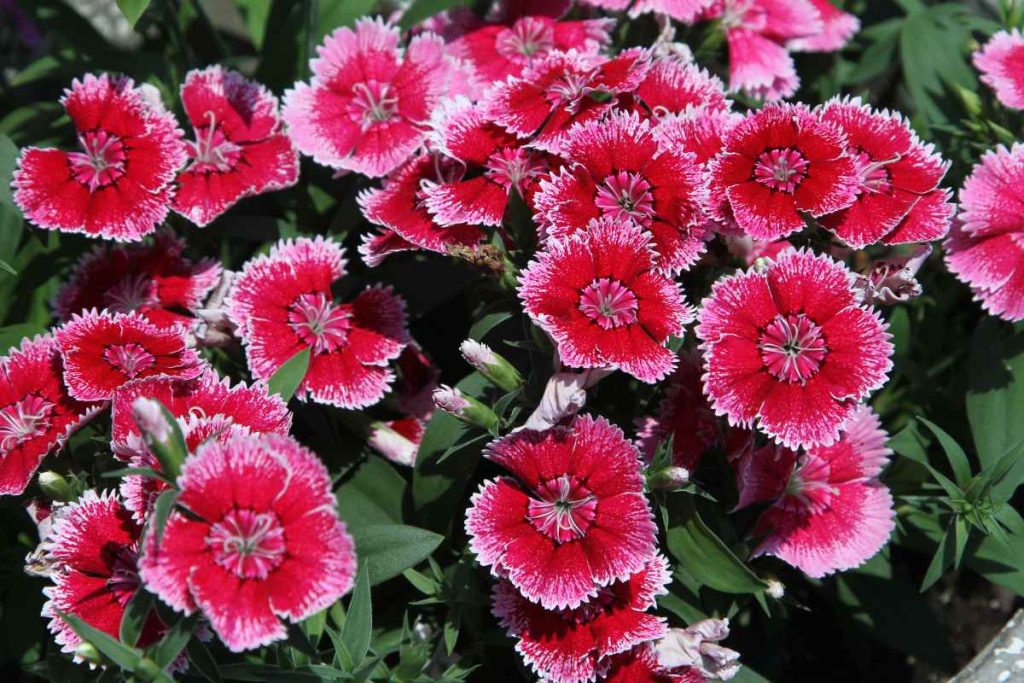
Dianthus adds spicy fragrance and frilly-edged flowers to spring gardens. Their reds, pinks, and whites bring a classic cottage feel to borders.
These plants bloom best in cool seasons and return as perennials in many regions. They stay compact, making them great for edging or rock gardens.
Dianthus prefers full sun and well-drained soil. Avoid overwatering to prevent crown rot. With good airflow, they reward you with long-lasting spring color.
23. Marigold

Marigolds brighten spring gardens with bold oranges and yellows that feel warm and festive. Their cheerful blooms work well in beds, borders, and pots.
These hardy annuals grow quickly and tolerate unpredictable spring weather. They also help repel certain pests, making them useful companion plants near vegetables.
Give marigolds full sun and well-drained soil. Removing spent blooms keeps them flowering longer. They’re reliable choices for gardeners of all skill levels.
24. Phlox

Phlox comes in creeping and upright forms, both offering beautiful clusters of spring color. Creeping phlox blankets slopes and borders with soft pastels.
These low-growing varieties bloom early in spring and thrive in full sun. Tall garden phlox arrives later, extending color into summer while attracting butterflies.
Phlox prefers sunny sites with well-drained soil. Occasional trimming keeps creeping types neat. Their versatility makes them spring garden essentials.
Also Read: How to Propagate Black-Eyed Susan?
25. Hollyhock

Hollyhocks bring cottage-garden beauty with their tall spires and large, saucer-shaped blooms. Their soft pastels and deep jewel tones add unforgettable height and charm to fences and borders.
Often grown as biennials, hollyhocks produce foliage the first year and towering flowers the next. Deadheading can extend bloom time, while leaving a few seeds helps them return naturally each spring.
They thrive in full sun with well-drained soil. Rust can be an issue, but good airflow and removing affected leaves help keep plants healthy. With simple care, hollyhocks add classic spring elegance.
Also Read: 17 Perennials that Bloom in Fall and Winter
Conclusion
With a little planning—starting seeds early, preparing your beds, and giving plants the right sun and soil—you can create a space that not only looks beautiful but also attracts butterflies, bees, and birds throughout the season.
Spring gardening isn’t just about filling your yard with color; it’s about bringing life, movement, and joy back after months of quiet.
No matter your experience level, these flowers make spring gardening exciting, rewarding, and full of possibility. Plant a few, plant many—either way, your garden will thank you with weeks of vibrant, fresh blooms.

Khaja Moinuddin, a computer science graduate, finds joy in gardening and homesteading. Join him on this blog as he shares his experiences in homesteading, gardening, and composting

