


You don’t have to wait until Spring to start your vegetable garden. Planting in February will gain you precious weeks during the growing season.
It is important to get the sowing right, else the seedlings will kneel and die.
As the temperature outside in most regions is still cold, you must be smart enough to choose your vegetable seeds.
Start with plants that don’t mind growing in cool temperatures.
While you can germinate them indoors and transplant seedlings when the outdoor temperature is favourable, I’d recommend directly sowing hardy, cool-season vegetables that can tolerate low temperatures and light frost without damage.
Crops such as spinach, lettuce, peas, radishes, carrots, onions, and beetroot grow well in cold soil and develop strong roots early in the season.
19 Vegetable Seeds to Plant in February
February might still feel cold, but it’s the perfect time to begin planting if you know what seeds to start in February.
Cool-season vegetables like spinach, lettuce, peas, carrots, radishes, onions, and beetroot grow well in lower temperatures and are easy to start early.
1. Spinach
Spinach seeds germinate best when the soil temperature is between 41°F to 59°F. They prefer cooler conditions for sprouting, which makes February a great time to plant them. You can expect to see seedlings appear within about 7–14 days with regular moisture.
Once established, spinach grows well in temperatures around 50°F to 68°F. It can handle light frost and even becomes sweeter after cold weather, making it one of the easiest and most dependable vegetable seeds to plant in February.
2. Lettuce
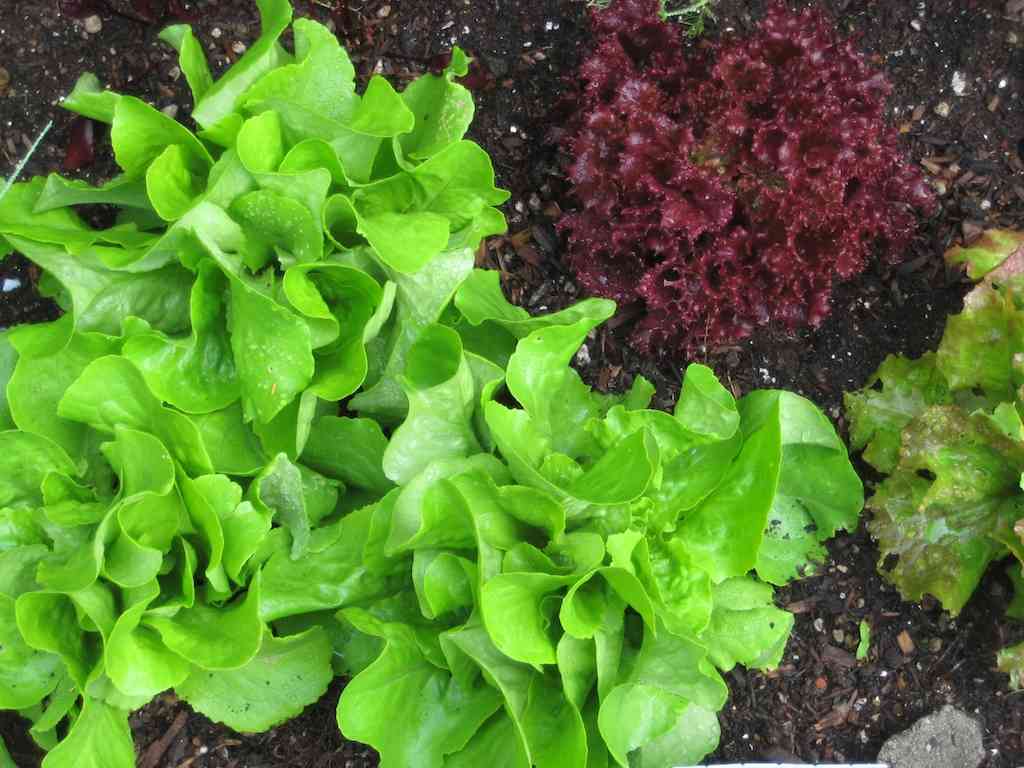
Lettuce loves cool weather and actually struggles when things get too warm. February is perfect because the soil is still chilly, which helps the seeds wake up and grow without stress.
Aim for soil temps around 40°F to 60°F for germination, and once the plants are up, they’re happiest in 50°F to 70°F weather. Keep them cool and they’ll stay leafy instead of rushing to flower.
Also Read: 9 Tips for Growing Vegetables in a Greenhouse
3. Peas
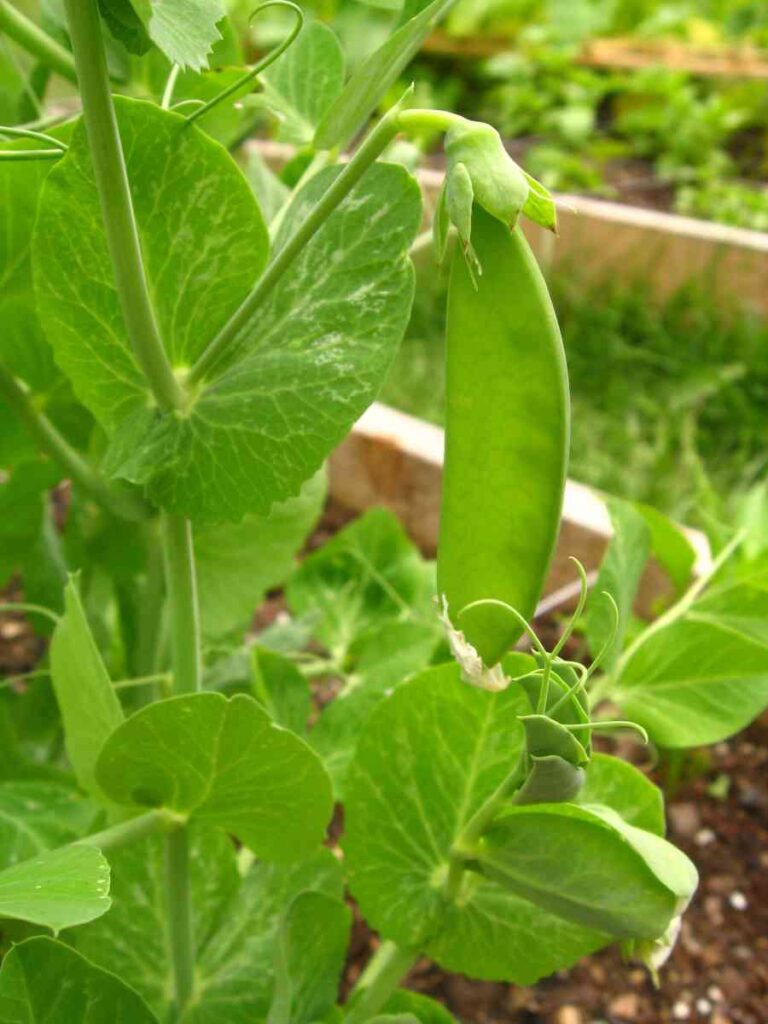
Peas are brave little plants that don’t mind getting started early. As soon as the ground isn’t frozen solid, you can plant them and let nature do the rest.
They sprout best at about 45°F to 65°F, and once growing, they enjoy temperatures between 55°F and 70°F. Cool air keeps them productive, while hot days usually mean their season is over.
4. Carrots
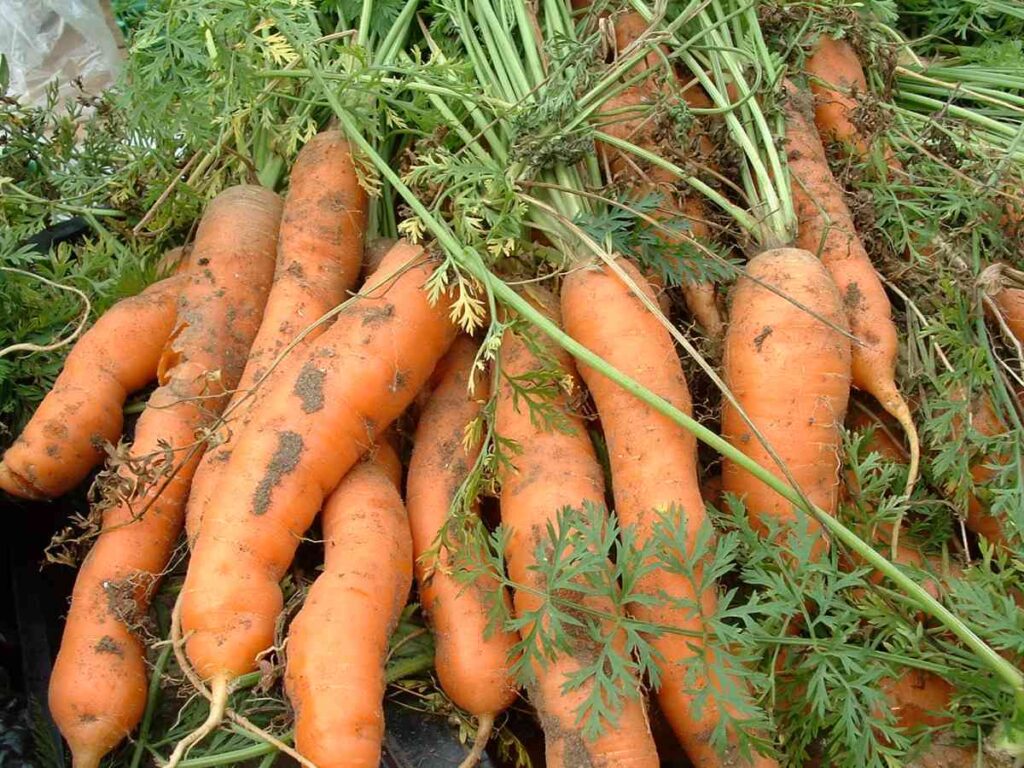
Carrots don’t rush into life, but they’re totally fine with cooler soil. February planting just means you’ll need a bit of patience before you see green tops popping up.
Their seeds germinate anywhere from 45°F to 75°F, and mature plants prefer 55°F to 75°F for steady growth. The bonus of cool weather? Sweeter, better-tasting carrots without the bitterness.
5. Radishes

If you want fast results, radishes are a fun February choice. Their seeds sprout quickly in soil temperatures between 45°F and 70°F, sometimes in just a few days.
Established radish plants grow best at 50°F to 65°F. Cooler conditions keep them crisp and mild, while too much heat can make them spicy and hollow.
6. Broccoli

Broccoli seeds like slightly cool but not freezing soil and germinate well at around 50°F to 75°F. Starting them in February gives the plants plenty of time to mature before hot weather.
Once growing, broccoli prefers temperatures between 60°F and 70°F. It handles light frost easily and produces better heads when grown in cool, steady conditions rather than summer heat.
7. Beetroot

As the days slowly grow brighter, beetroot seeds are ready to be tucked into the soil. These root vegetables thrive in cool weather and promise sweet, earthy harvests later in the season.
Sow them directly into loose, well-drained soil and keep the area evenly moist. Give them space to grow, and soon you’ll see sturdy green tops rising above the ground, hinting at the colorful roots forming below.
8. Cabbage
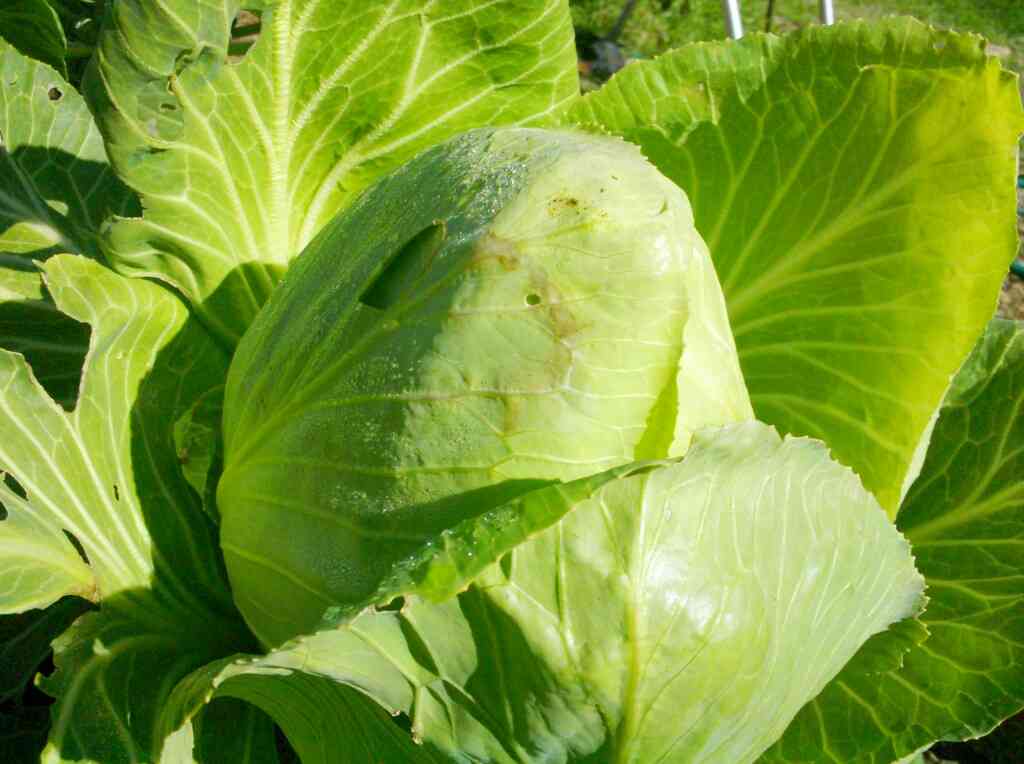
Late winter is a great moment to start cabbage seeds, setting the stage for firm, leafy heads in spring. This classic garden crop enjoys cool conditions and steady care.
Start seeds in trays or small pots with rich compost and place them in a bright, sheltered spot. Once they grow stronger, they can be moved outdoors where they’ll slowly build into full, healthy plants.
9. Kale
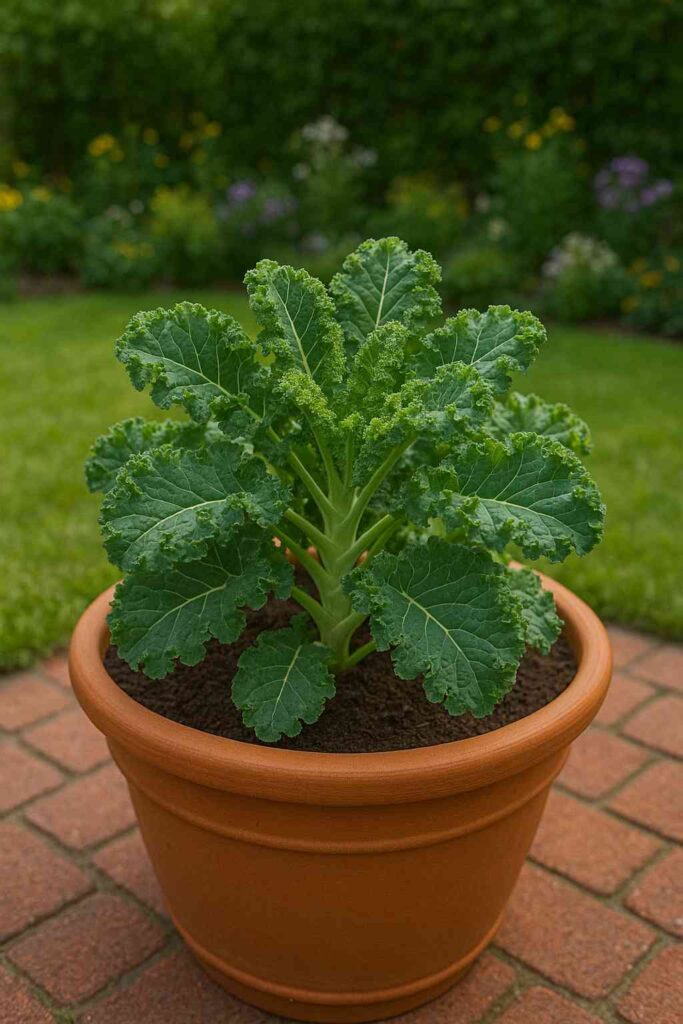
Kale is one of those vegetables that doesn’t mind chilly beginnings. Planting its seeds in February gives you a head start on a crop that’s both tough and nutritious.
Use containers or garden beds with good drainage and let them soak up as much light as possible. As they grow, their curly leaves will thicken and become sweeter with cool weather.
10. Cauliflower

Cauliflower seeds welcome an early start while temperatures are still mild. This slow-growing vegetable needs time to develop, and February planting gives it just that.
Sow the seeds in a protected area and keep the soil slightly moist but not soggy. With patience and regular care, strong plants will form and reward you with compact, creamy heads later on.
Also Read: 36 Vegetables You Can Plant in January for Spring
11. Swiss Chard

Swiss chard brings color and life to the garden even before spring fully arrives. Its bright stems and tender leaves grow well when started early in the season.
Plant the seeds in fertile soil and place them where they can catch soft sunlight each day. As the seedlings mature, they’ll provide a steady supply of fresh greens for months to come.
12. Onion

February is a quiet but perfect time to begin growing onions for a future kitchen harvest. These humble seeds slowly turn into strong plants that reward patience with bold flavor.
Press the seeds lightly into moist soil and place the container where it gets steady light. Keep watering gentle and consistent, and in a few weeks, thin green shoots will appear, showing that your onion crop is on its way.
13. Tomato
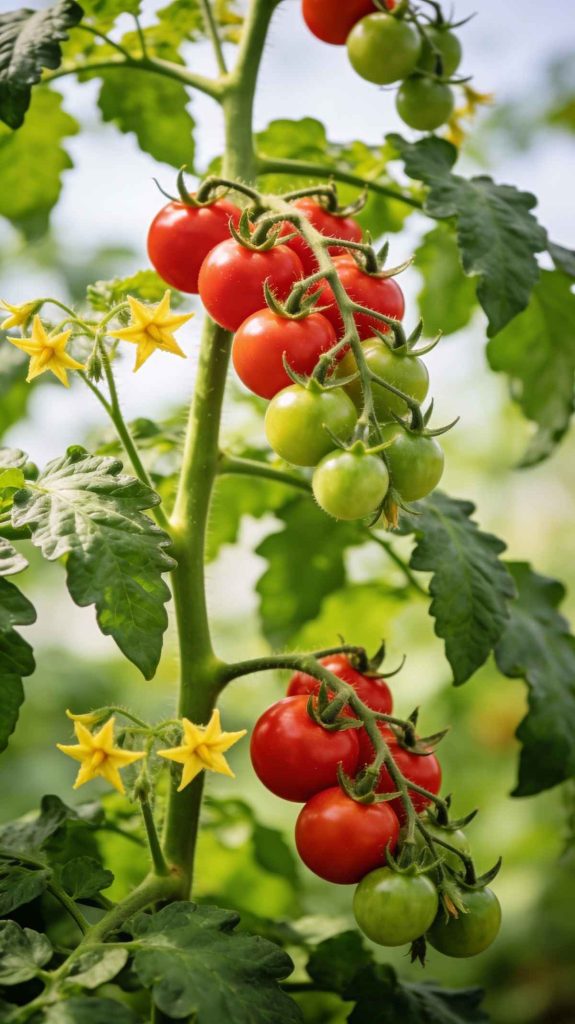
Even while winter lingers, tomato seeds can be started indoors to prepare for warmer days ahead. Their tiny beginnings promise juicy fruits later in the season.
Use small seed trays and warm soil to help them wake up faster. Set them near a sunny window and rotate the pots often so the seedlings grow straight and strong.
14. Celery
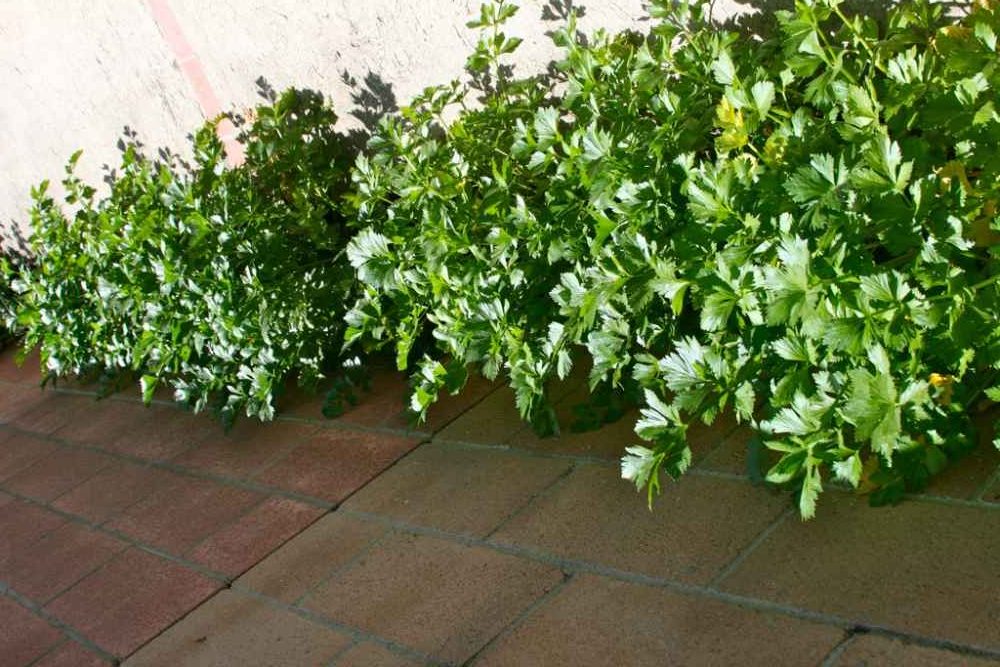
Celery seeds may be small, but they grow into tall, crunchy stalks with the right care. Starting them in February gives them enough time to develop slowly and steadily.
Scatter the seeds on top of damp soil and avoid covering them too deeply. Place them in a bright spot and keep the soil moist, and you’ll soon notice fine green sprouts forming.
Check this: 14 Forst Tolerant Vegetables to Extended Growing Season
15. Turnip

Turnips are quick growers that enjoy cool beginnings and steady progress. Planting them early helps produce tender roots before the heat of spring arrives.
Sow the seeds directly into loose soil and water them lightly every day. As they grow, their leafy tops will rise first, followed by round roots ready for harvest in just a few weeks.
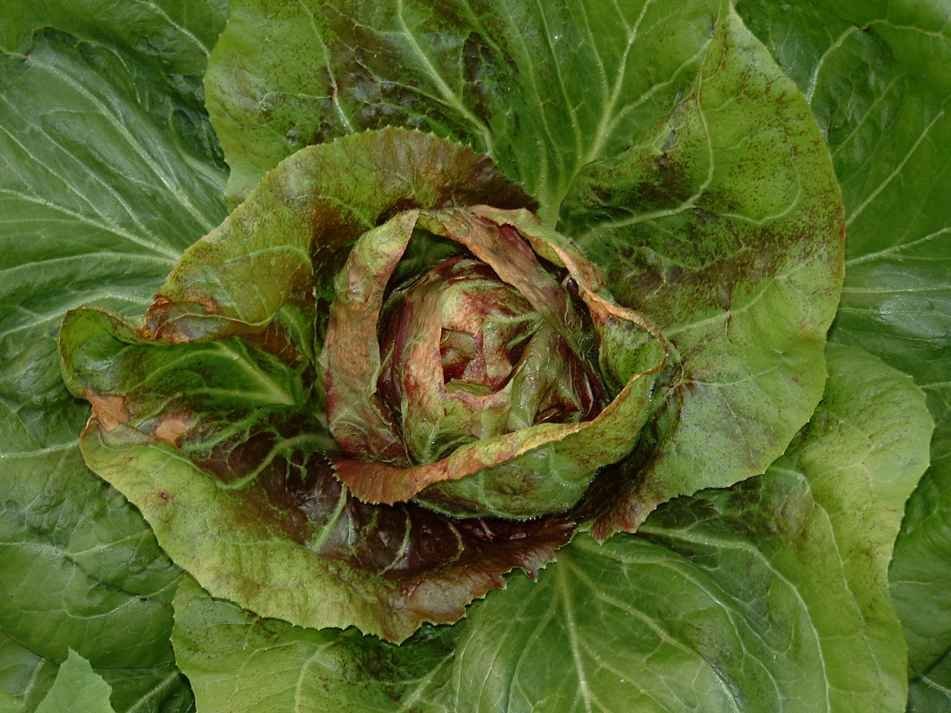
16. Radicchio
If you’re bored of the usual greens, radicchio is a fun one to try in February. It’s colorful, a little fancy-looking, and surprisingly easy to grow once you get it started.
Just drop the seeds into moist soil, give them some light, and don’t overthink it. They like cool weather and will slowly turn into bold purple leaves that make your garden (and salads) look way more interesting.
17. Parsley

Think of parsley as the quiet overachiever of the garden. It doesn’t rush, it doesn’t complain about the cold, and it just keeps growing little by little. February is a great time to give it a head start while everything else is still waking up.
Soak the seeds overnight, plant them in damp soil, and place the pot near a window with soft sunlight. In a short while, you’ll have fresh green leaves ready to snip whenever your cooking needs a lift.
18. Mustard Greens

If you want something fast and fearless, mustard greens are your answer. They love cool weather and pop up quickly, making February planting feel instantly rewarding.
Scatter the seeds over loose soil and water lightly. Within days, tiny leaves will show up, and soon you’ll be harvesting peppery greens that add a punch of flavor to salads and stir-fries.
19. Pak Choi (Bok Choy)

Pak choi is perfect for gardeners who like neat, compact plants with big personality. Starting it in February gives it time to grow strong before warmer days arrive.
Plant the seeds in small containers or directly in the bed and keep them evenly moist. As the leaves spread out, you’ll see tidy little heads forming, ready to be picked young and tender for soups and quick meals.
Seedling Care Tips for February Planting
Starting seeds in February feels exciting, but those tiny plants need a bit of extra care at first. Keep the soil lightly moist instead of soaking wet, and set your pots where they can catch as much daylight as possible.
If the sun is weak, a small grow light really helps and keeps the seedlings from stretching and falling over.
Temperature plays a bigger role than most people realize. Try to protect your young plants from cold drafts and sudden changes, especially during the night. I usually check mine every morning just to be sure the soil hasn’t dried out and they’re still standing tall and looking healthy.
And don’t be in a hurry to move them outside. Let them build some strength indoors before facing the cooler air. When the time is right, introduce them slowly by putting them outside for a short while each day. Trust me, a little patience now makes a huge difference later.
Also Read: 18 Vegetables to Plant in September
Conclusion
Starting your vegetable seeds in February is a smart way to get ahead of the growing season and enjoy earlier harvests. With the right seed choices, a little care, and some patience, your garden can grow strong even while the weather is still cool.

Khaja Moinuddin, a computer science graduate, finds joy in gardening and homesteading. Join him on this blog as he shares his experiences in homesteading, gardening, and composting

