


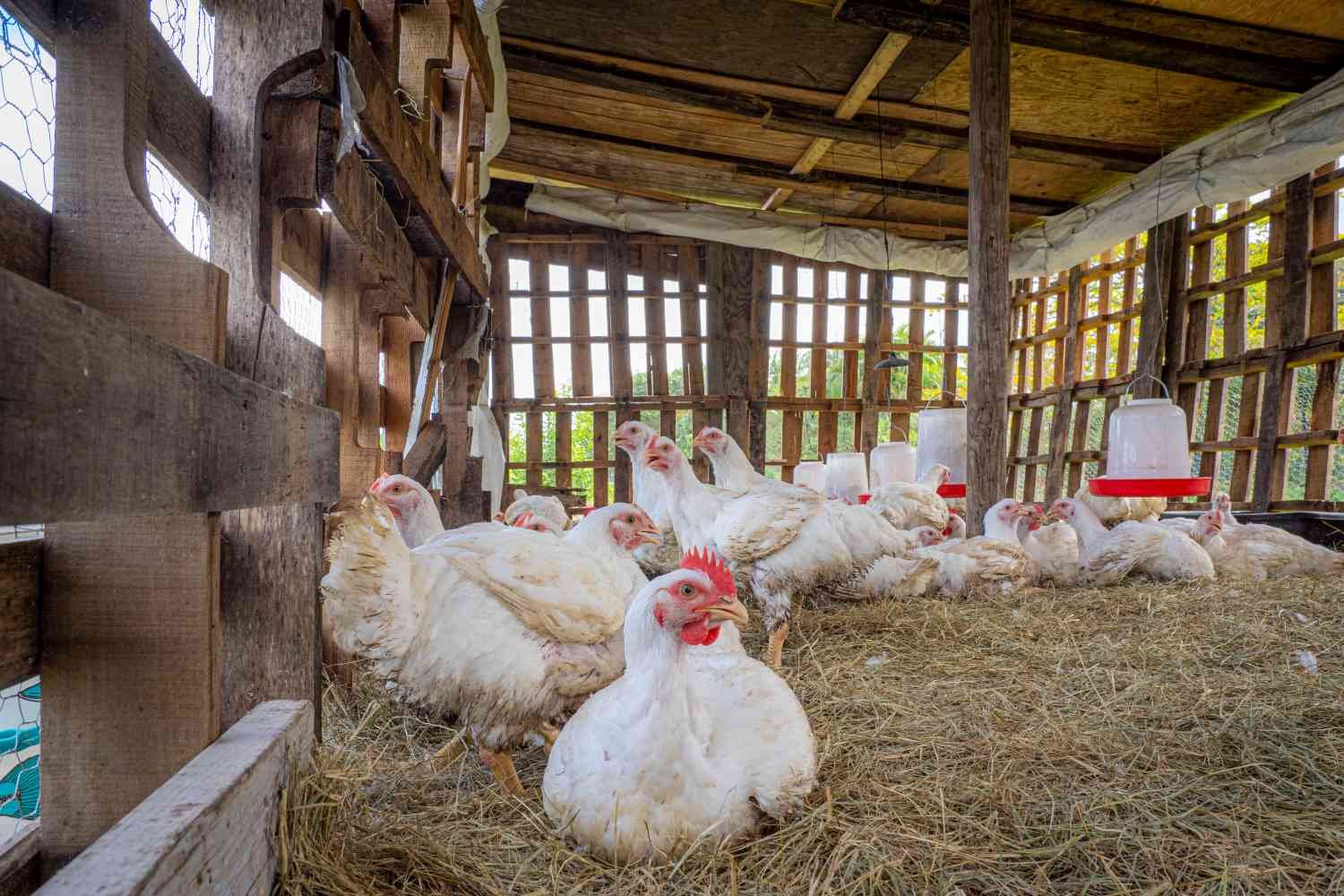
Getting chickens was one of the best decisions I ever made, but I’ll be honest — the price of ready-made coops nearly scared me off.
Many of them looked cute, yet they cost a small fortune and still didn’t seem big or sturdy enough. So I decided to build my own, and it turned out to be far easier (and cheaper) than I expected.
The truth is, hens aren’t picky about fancy designs. They care about having a dry place to sleep, good airflow, protection from predators, and comfortable spots to lay eggs.
Once those basics are covered, you can get creative and use whatever materials you can find — pallets, old doors, leftover fencing, even things like trampolines or playhouses.
I also love that DIY coops grow with you. You can start simple, learn what works, and upgrade later. Every improvement makes chicken keeping easier and more fun.
Below are low-budget chicken coop ideas that regular backyard keepers have used successfully.
Some are quick weekend builds, others are brilliant recycling projects, and all of them can save you a lot of money.
27 Low-Budget DIY Chicken Coop Ideas
Chickens don’t need anything fancy — just a solid roof, dry bedding, and protection from whatever’s lurking out there.
With some grit, a little creativity, and reused materials, you can build them a good home without spending much.
1. Pallet Wood Chicken Coop
Start by gathering a few sturdy pallets and deciding whether you want to use them whole or take them apart for boards. Stand them up to form the walls, brace the corners, then add a simple roof, a pop door, and hardware cloth anywhere predators might sneak in.
The best part? Pallets are usually free, which keeps your build super affordable. They’re strong, weather-tough, and perfect for creating a coop without buying loads of lumber.
It might not look fancy, but your hens won’t mind one bit. Add bedding, a couple of roosts, and a nesting area, and they’ll settle in like it’s home.
2. Old Shed Conversion

If you’ve got a shed sitting around full of forgotten tools and spider webs, you’re already holding prime chicken real estate. Clear it out, sweep it up, and imagine where the roosts and nest boxes could go.
Most sheds are sturdy, roofed, and built to handle weather, which saves a huge amount of effort. Instead of framing walls, you’re mainly adding chicken-friendly features like ventilation, perches, and a small pop door.
Another big win is space. Sheds usually give birds more room to move, which helps prevent pecking issues and keeps the flock calmer.
With a run attached outside, you’ll have a setup that feels professional without the professional price tag.
3. A-Frame Chicken Tractor

Want something simple, lightweight, and easy to build? An A-frame might be your best friend. The triangle shape uses less wood but stays strong, making it great for beginners.
Build two triangular ends, connect them with boards, then cover sections with wire and a bit of roofing. Add handles or small wheels so you can shift it around the yard.
Moving the coop regularly gives chickens fresh grass, new bugs to chase, and cleaner ground. It can also cut down on feed costs over time.
It’s practical, efficient, and kind of fun to use — like rotating pasture on a mini scale.
Also Read: How to Build a Door for Chicken Coop?
4. PVC Pipe Chicken Coop
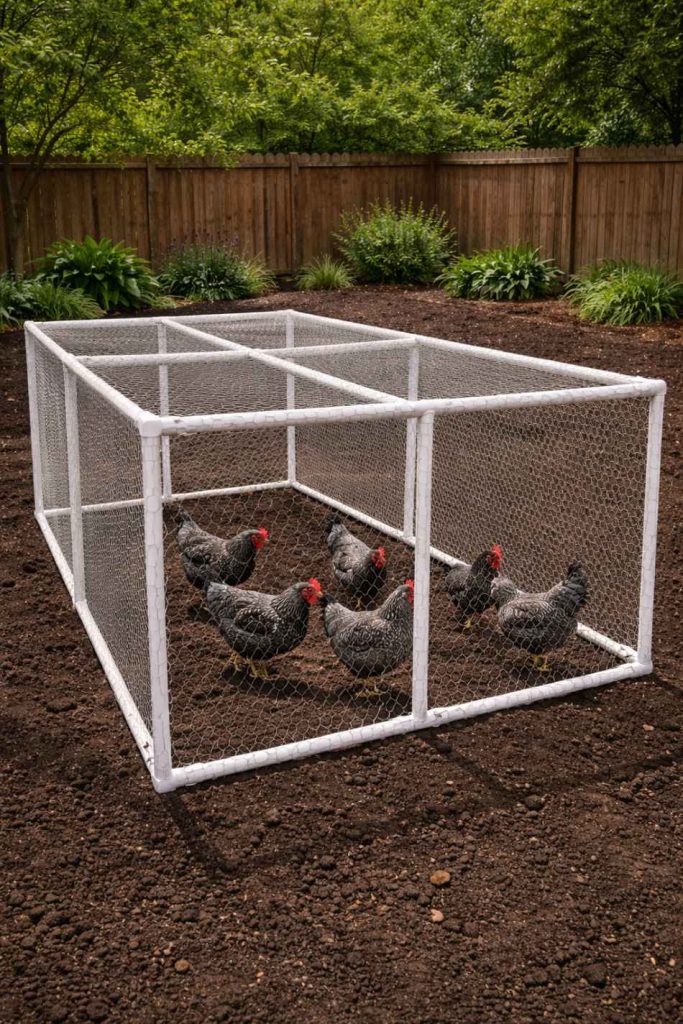
This one is perfect if you want fast, cheap, and beginner-proof. Grab some PVC pipes, connectors, and build a simple frame — boxy or hoop-shaped both work great.
Once the skeleton is up, wrap it with hardware cloth and secure a tarp or metal sheet on top for shade and rain protection. You’ll be surprised how quickly it comes together.
Because it’s lightweight, you can shift the coop without a wrestling match. That makes cleaning easier and gives your hens fresh ground more often.
It’s not fancy carpentry, but it’s practical, affordable, and gets the job done without stress.
5. Dog House Chicken Coop

Sometimes the easiest builds are hiding in plain sight. An old dog house can turn into a chicken shelter in an afternoon with just a few tweaks.
Raise it slightly off the ground if needed, toss in dry bedding, and install a perch across the inside. If you’re feeling handy, attach a nesting box to the outside wall to free up space.
These little houses are already built to handle outdoor weather, so you skip most of the hard work. Plus, they’re cozy, which chickens tend to love.
For a tiny backyard flock, it’s a simple, budget-friendly solution that works better than you might expect.
6. Trampoline Frame Chicken Coop

If there’s an old trampoline rusting away in the yard, here’s your chance to give it a second life. Remove the mat, keep the metal frame, and you’ve instantly got the outline for a big, airy chicken space.
Wrap the sides with hardware cloth and secure it tightly so nothing can push in or dig under. Most people place a smaller wooden shelter inside where the hens can roost and lay.
The circular shape gives birds plenty of room to wander, scratch, and flap around without feeling cramped. It’s especially nice for active flocks.
It’s a creative reuse, saves a pile of money, and turns backyard junk into something genuinely useful.
Check this: 19 DIY Movable Chicken Coop Plans
7. Reclaimed Door Chicken Coop

Using old doors is a smart way to create strong, ready-made walls without cutting tons of lumber. Since doors are already rectangular and solid, framing the structure becomes much quicker.
Stand the doors upright, fasten them at the corners, and reinforce with simple supports. Many even come with windows, which can help with natural light and ventilation.
This approach reduces waste, lowers material costs, and produces a sturdy coop that holds up well in bad weather.
With proper predator-proofing and a good roof, a door-built coop can last just as long as a traditional build.
8. Chicken Coop from Scrap Lumber

This is the build where you use what you’ve got and make it work. A few leftover boards from a fence, part of an old deck, maybe something your neighbor was tossing — suddenly you’re in business.
Nothing may match, and that’s part of the charm. Chickens aren’t judging your design skills; they just want shelter and safety.
Put your energy into strong wire, tight latches, and a roof that doesn’t leak. The rest can look as patchwork as it wants.
Funny enough, these thrown-together coops often become the toughest ones in the yard.
9. Plastic Barrel Chicken Coop

If you can get your hands on a large food-grade barrel, you’ve got the start of a tough, weatherproof mini coop. Lay it on its side or keep it upright, then cut out an entrance big enough for your hens.
Drill or cut a few ventilation openings near the top to keep fresh air moving. Toss in straw or pine shavings, and you’ve created a snug sleeping area in almost no time.
One of the biggest advantages here is durability. Plastic won’t rot, absorb moisture, or attract mites the way wood sometimes can.
These barrel shelters are especially handy inside a fenced run, giving birds a dry place to retreat when the weather turns rough.
Check this: How to Heat Chicken Coop without Electricity?
10. Tiny House Style Coop

Some folks want practical, others want practical and adorable. A tiny house coop lets you keep costs reasonable while still building something that looks special in the yard.
Use basic plywood or reclaimed boards for the frame, then add simple touches like a small window, shutters, or a cheerful paint color. You can keep the structure straightforward without going overboard on details.
Inside, stick to the essentials: roost bars, nesting spots, and good airflow. The fancy look is mostly for you — the chickens will be happy either way.
In the end, it’s a fun project that gives your flock a solid home and gives you bragging rights every time someone visits.
11. Lean-To Chicken Coop

A lean-to coop is one of those ideas that makes you wonder why you’d build any other way. You’re borrowing strength from something that already exists — a barn wall, garage, shed, or even a sturdy fence.
Because one side is done, you’ll use fewer posts, fewer boards, and way less time. Add two side walls, frame the front, and slope a roof so rain runs away from the structure. Simple and efficient.
It also tends to be warmer and more protected from wind, especially in colder months. Chickens appreciate that more than fancy paint.
For budget builders, this design hits the sweet spot between easy and reliable.
12. Hoop House Chicken Coop

If you like quick builds with big results, a hoop house setup is hard to beat. Bend cattle panels or flexible pipe into an arch, secure them to the ground, and suddenly you have a roomy frame.
Cover it with tarp, metal, or poly, and wrap the ends with hardware cloth. The curved roof sheds rain nicely and stands up well to rough weather.
Inside, you can keep things very basic — a small roosting shelter, feeders, and water. The birds get tons of space to move around.
It’s affordable, surprisingly strong, and goes up faster than most traditional coops.
13. Greenhouse Chicken Coop Combo

This is where gardening and chicken keeping shake hands. By sharing space, you can make better use of your backyard while giving your flock something interesting to explore.
Chickens help by eating bugs and adding natural fertilizer, and in cooler months they can even contribute a bit of warmth. Just be sure to block off plants you don’t want scratched up.
You don’t need a fancy structure for this to work. Even a simple partition inside an existing greenhouse can do the trick.
Done right, it becomes a productive little ecosystem that benefits both your birds and your crops.
Also Read: How to Clean and Disinfect the Chicken Coop?
14. Rabbit Hutch Conversion

Rabbit hutches already come with many features chicken keepers need, which makes them an easy starting point. They usually include framed walls, wire sections, and doors, so you’re not building from scratch.
To make it work for hens, replace or reinforce any weak flooring, then add a proper roost and a nesting area. You’ll also want to check that predators can’t reach through the wire or dig underneath.
This setup is best for a very small flock, but for beginners or limited spaces, it can be a practical and affordable option that requires minimal effort.
15. Playhouse Turned Chicken Coop

When children outgrow a backyard playhouse, it can quickly become prime poultry housing. These buildings are typically sturdy, weather resistant, and already designed to sit outdoors year-round.
A few adjustments make a big difference. Install ventilation openings, add roost bars, and create nesting boxes where toys once lived. The transformation is usually simpler than people expect.
You end up with a roomy, charming coop without the cost of new materials, and the structure often looks far better than many budget builds.
16. Milk Crate Nesting System
Instead of building complicated wooden nest boxes, many chicken keepers rely on milk crates. They’re strong, uniform, and incredibly easy to clean or replace.
Slide them into a frame, stack them along a wall, or secure them slightly off the ground. Add bedding, and the hens will claim them quickly.
This approach saves time, reduces lumber use, and makes egg collection straightforward. It’s a small change that can simplify your entire coop design.
17. Mobile Coop on Wheels

A coop that moves gives you flexibility that fixed structures can’t match. By adding wheels or placing the build on an old trailer base, you can shift the birds whenever the ground needs a break.
Fresh pasture helps with odor, flies, and parasite buildup. It also keeps chickens entertained as they explore new spots.
While the initial setup might take a bit more thought, the long-term benefits make daily management easier and healthier for the flock.
18. Fence Panel Chicken Coop
Fence panels can act as instant walls, saving hours of measuring and cutting. Stand them upright, secure the corners, and you’ll have the frame of a coop in no time.
Because they’re built to survive outdoors, they already have decent durability. You simply add a roof, predator-proof wire where needed, and a door.
This method is efficient, beginner friendly, and often cheaper than buying individual boards, especially if you find panels secondhand.
19. Tarp-Covered Frame Chicken Coop
Need something quick, affordable, and functional? A tarp-covered coop might be the fastest way to get birds under shelter. Build a simple wooden cube or rectangle, secure wire on the sides, then stretch a heavy-duty tarp across the top and part of the walls.
This design works especially well if you’re in a mild climate or need temporary housing while planning something bigger. The tarp keeps rain off, blocks harsh sun, and can be replaced cheaply if it wears out.
You can customize how enclosed it feels by adjusting how much of the frame you cover. More tarp means more wind protection; more wire means better airflow.
It’s not glamorous, but it’s practical and can be built in a weekend without draining your wallet.
Also Read: How to Build a Chicken Coop for 20 Chickens?
20. Closet or Cabinet Chicken Coop

Old wardrobes, armoires, or storage cabinets often have more life left in them than people realize. With a little modification, they can become compact but comfortable chicken homes.
Start by removing shelves or repositioning them into nesting areas. Cut ventilation openings, reinforce the back if needed, and make cleaning easier by adding a removable floor tray.
Because the structure is already built, you skip most of the heavy carpentry. It’s more about adapting than constructing.
For urban keepers or small spaces, this can be a clever, space-saving solution that feels surprisingly sturdy.
21. Shipping Crate Chicken Coop
Large shipping crates are built to carry heavy loads, which makes them excellent candidates for coop conversions. Many stores are happy to give them away just to avoid disposal.
Once you have one, the framework is mostly finished. Add a door, create openings for ventilation, and install roost bars and nesting spots inside.
Their thick wood offers good protection from wind and predators, and the boxy shape makes them easy to modify or expand later.
With a bit of effort, a simple crate can turn into a long-lasting coop at a fraction of retail prices.
22. Straw Bale Chicken Coop

If you live where straw or hay is easy to find, this method can be incredibly budget friendly. Instead of traditional walls, you stack bales like giant building blocks and create an enclosed shelter in a matter of hours.
The natural insulation is the real star here. Straw helps trap warmth in winter and can keep the interior surprisingly comfortable when temperatures drop. Chickens often appreciate the quieter, draft-free environment.
You’ll still need a solid roof and good ventilation, but the amount of lumber required is minimal. Over time, some bales may break down, yet they’re simple to replace.
It’s rustic, practical, and feels right at home on a homestead.
23. Minimalist Open-Air Coop
In warmer climates, heavy construction isn’t always necessary. Many keepers find that their birds spend most of their time outside anyway, so the focus shifts toward shade and safety rather than thick walls.
An open-air design usually includes a roof, strong wire boundaries, and a sheltered corner for roosting and laying. Airflow stays excellent, which helps reduce moisture and odor.
Because you’re building less, you’re also spending less. Materials go toward predator protection instead of decorative extras.
It’s a reminder that sometimes the simplest solution is more than enough.
24. Recycled Metal Chicken Coop

Leftover roofing sheets or metal panels can become extremely tough coop walls. When attached to a basic wooden frame, they create a structure that stands up well to weather, chewing pests, and time.
Metal is particularly useful in areas with heavy rain or snow because it doesn’t absorb moisture. It also tends to be harder for predators to damage compared to thinner materials.
You can mix metal with wood to balance cost and appearance, using reclaimed pieces wherever possible. Paint can help soften the industrial look if you prefer something more traditional.
Strong, long-lasting, and often sourced cheaply — it’s a practical builder’s choice.
25. Under-Deck Chicken Coop
Look at the space under a raised deck or porch and you might be staring at a ready-made roof. Instead of building a full structure from the ground up, you’re really just enclosing what’s already there.
Add framed sides, hardware cloth, and a secure door, and the job becomes far less intimidating. The overhead cover protects against rain and harsh sun without extra expense.
Chickens usually appreciate the natural shade, especially in summer. It can stay cooler there than in open yard setups.
For homeowners trying to save money and maximize unused space, this is a smart, efficient solution.
26. Tree-Supported Chicken Coop

Why set posts if nature already did it for you? Strong, well-placed trees can act as anchors for fencing, roofing, or even elevated roosting areas.
You might build small platforms between trunks or wrap the perimeter with wire to create a protected zone. The setting often feels more natural, and birds love scratching around roots and fallen leaves.
Because the environment provides part of the framework, material costs can drop significantly. You spend less on lumber and more on securing the boundaries.
It’s a creative approach that blends your coop into the landscape instead of forcing it to stand apart.
27. Basic Box Chicken Coop
At the end of the day, a chicken coop can be wonderfully simple. Four walls, a roof, ventilation, and safe places to roost and lay are really all that’s required.
A straightforward box design is easy to measure, easy to build, and easy to expand later. Beginners often find confidence in starting with something uncomplicated.
You can improve it over time by adding paint, a bigger run, or extra features once you understand your flock’s habits.
Plain doesn’t mean poor — it means practical, dependable, and built to work.
Conclusion
Building a chicken coop on a budget isn’t about cutting corners — it’s about putting your money where it matters most. As long as your hens have security, ventilation, and a dry place to rest, they’ll be perfectly content.
One of the best parts of going the DIY route is flexibility. You can start small, reuse what you have, and improve the setup as your flock grows or your experience increases.
Some of the most dependable coops come from simple ideas and secondhand materials. They may not win design awards, but they keep birds safe and egg baskets full.
In the end, a practical coop built with care will always beat an expensive one that doesn’t fit your needs.

Khaja Moinuddin, a computer science graduate, finds joy in gardening and homesteading. Join him on this blog as he shares his experiences in homesteading, gardening, and composting

