


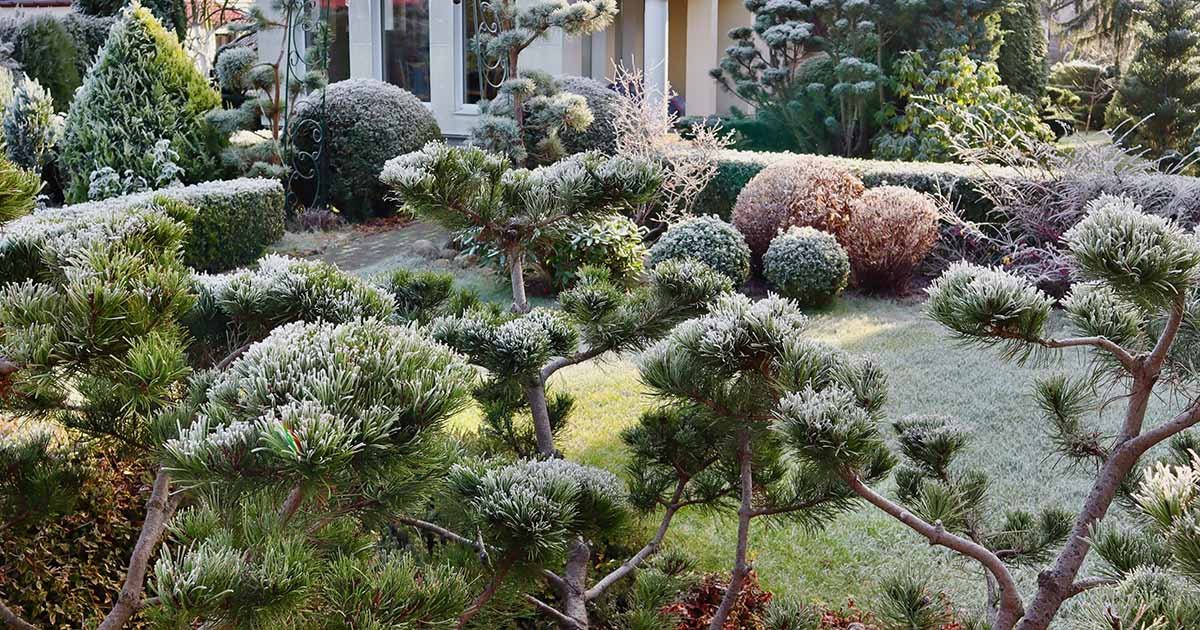


Evergreens provide structure, privacy, and color long after deciduous plants have dropped their leaves, but they can be vulnerable to winter stress.
Unlike deciduous plants, evergreen foliage continues to lose moisture throughout the cold months. When soil is frozen, roots can’t replace that water.
Combined with cold temperatures, drying winds, heavy snow, freeze–thaw cycles, and deicing salt, winter conditions can leave shrubs browned, scorched, or structurally damaged by spring.

We link to vendors to help you find relevant products. If you buy from one of our links, we may earn a commission.
Winter injury often appears as bronzed or dried foliage, crisp leaf margins, split bark, bent or splayed branches, or sections that fail to leaf out when temperatures rise in spring.
Some damage is cosmetic. More severe stress can weaken shrubs and increase susceptibility to pests and disease during the growing season.
Understanding what caused the damage helps you decide how to respond and how to prevent it next time.
Here’s what I’ll cover:
Managing Winter Damage in Evergreen Shrubs
Since winters tend to be harsh and chaotic – especially here in the Midwest – don’t be surprised if your evergreens experience more than one of the following types of damage simultaneously.
Cold Temperature Injury
Cold injury occurs when temperatures drop below what a particular evergreen can tolerate.
Shrubs grown outside their recommended hardiness range are especially vulnerable.
A common boxwood, for instance, won’t fare well if you place it in USDA Hardiness Zone 3.

When plant tissues freeze, the water inside cells expands, rupturing cell walls.
Floral and vegetative buds are often more susceptible than mature foliage, which is why new growth may suffer first.
Damage typically appears as blackened, wilted, or watersoaked tissue.
New shoots may turn limp and discolored, and evergreen branches often show bronzing or reddish-brown foliage a week or two after exposure.
Severe injury can cause dieback of entire stems.
Belowground roots aren’t immune to cold injury, either.
Although soil cools more slowly than air, roots are generally less cold-hardy than aboveground growth.
Shallow root systems, lack of mulch, and sudden extreme cold can lead to root injury or death.
Sometimes, it’s not even the exact degree of the chill that matters, but rather, the timing.
Gradual temperature declines in fall allow evergreens to acclimate to winter conditions.
Sudden early freezes can damage shrubs before they have had a chance to acclimate, while late spring frosts may injure plants that have already resumed active growth.

Repeated freeze-thaw cycles during winter further stress plant tissues.
When it comes to managing cold temperature injury, an ounce of prevention is worth a pound of cure.
Select evergreen shrubs that are suitably hardy for your region and transplant them either before bud break in early spring or prior to the onset of cold temperatures in late summer or fall.
Apply three to four inches of mulch over the root zone to moderate soil temperatures and conserve moisture.
If your shrubs are only marginally hardy for your area, be mindful of the microclimates formed in your garden.
Conditions such as heavy shade, harsh winds, and low elevations can lower the temperature beyond what a hardiness zone map indicates, and may put your specimens at risk.
Alternatively, utilizing protected areas such as courtyards or planting near walls can help shield your shrubs from harsh exposures.

Avoid late-season fertilization, which encourages tender new growth, and delay spring pruning until after the risk of hard frost has passed.
But suppose all that prep doesn’t go according to plan and your plantings are in jeopardy. Now what?
Container plants can be moved indoors or into a greenhouse when temperatures drop, while in-ground plantings can be covered with frost cloth or thermal plant blankets.
If you suspect injury, wait until spring growth resumes before assessing damage.
Gently scrape the bark of affected branches, green tissue beneath indicates living wood, while brown tissue suggests dieback.
In spring, prune dead branches back to the first healthy bud or lateral branch using clean tools. In many cases, shrubs will gradually fill in over one to two growing seasons.
If an entire plant fails to show signs of life by late spring, replacement may be the best option.
Replant with a species or cultivar better suited to your hardiness zone or position the new specimen in a more protected microclimate.
Winter Burn
Winter burn is a form of desiccation injury caused by moisture loss during winter.
Sunlight and wind strip away the plant’s moisture, while frozen soil hinders the uptake of water by the roots.
Poorly-developed, shallow root systems and low temperatures – especially following a warm and sunny day – can further exacerbate moisture problems.
Symptoms typically appear as browning, bronzing, or bleaching. In conifers, discoloration usually begins at the tips of needles or scales.
Broadleaf evergreens often show damage first along leaf margins.

Broadleaf species tend to be more susceptible than conifers. Their larger leaves lose moisture more readily and show injury more visibly.
A holly leaf, for example, is a much larger target for wind and sunlight than a slender pine needle.
As damage progresses, foliage may dry out and drop. In severe cases, entire branches may die back.
Although most shrubs recover with time, repeated or extreme winter burn can weaken plants and reduce overall vigor.
Wait until spring growth begins before removing damaged tissue. Once new growth appears, prune dead stems and branches back to healthy wood.
Use sanitized tools, and rely on a visual inspection or a bark scrape test to determine whether tissue is alive.
Some winter burn risk factors are out of our hands, such as a warm autumn delaying the onset of dormancy. But many forms of winter burn prevention are well within our control.
Site selection plays a major role in preventing winter burn. Choose hardy species suited to your climate and plant them in locations protected from prevailing winds and intense winter sun.
Maintain consistent soil moisture through fall until the ground freezes. A three- to four-inch layer of mulch helps insulate roots and reduce moisture loss.
Avoid late-season fertilization or premature pruning, both of which can stimulate tender growth vulnerable to dehydration.
In exposed areas, temporary windbreaks made of burlap or canvas can reduce moisture loss. Position screens on the side facing prevailing winter winds and secure them firmly with stakes.
Similar to those with cold temperature injury, any shrubs winter burned beyond repair should be removed after you’ve taken the time to give any still hanging on a chance to bounce back.
Replace them with tougher plantings, if you so desire, or choose future planting areas that are more protected.
Snow and Ice Breakage
Heavy snow and ice can place significant weight on evergreen branches.
As accumulation increases, stems may bend, split, or break under pressure. Even if branches don’t snap, prolonged bending can distort the plant’s natural shape and weaken its structure.

Ice is difficult to remove safely while temperatures remain below freezing, but fresh snowfall can be gently brushed off before it compacts.
Use an upward sweeping motion with a broom or lightweight snow shovel to lift snow away from branches rather than pushing down, which can cause breakage.
During extended snowfall, snow may need to be cleared periodically to prevent excessive buildup.
For taller shrubs, use a long-handled broom or lightweight tool to reach upper branches.
As always, do not climb ladders to perform yard work in unsafe conditions.

Proper structural pruning during spring or summer can reduce the risk of winter breakage.
Remove weak, crowded, or poorly attached branches so the shrub is better able to withstand heavy precipitation.
In regions prone to significant snowfall, loosely tying upright evergreens with soft twine before winter can help prevent splaying.
After winter, prune broken or hanging branches back to healthy wood. Clean cuts promote proper healing and reduce the risk of disease.
If structural damage is extensive, you may need to consult a certified arborist.
Herbivore Feeding Damage
Winter is often a lean time for many plant-munching mammals.
Once their preferred plants become scarce, herbivores such as deer and rabbits can turn to your evergreen shrubs for sustenance.

Repeated winter browsing can distort a shrub’s natural form. Heavy feeding that removes terminal buds or large sections of foliage may permanently alter its shape.
Physical barriers are the most reliable form of protection.
A line of deer fencing around your property and individual rabbit fencing around specimens you want to protect can provide the ultimate one-two punch of security.
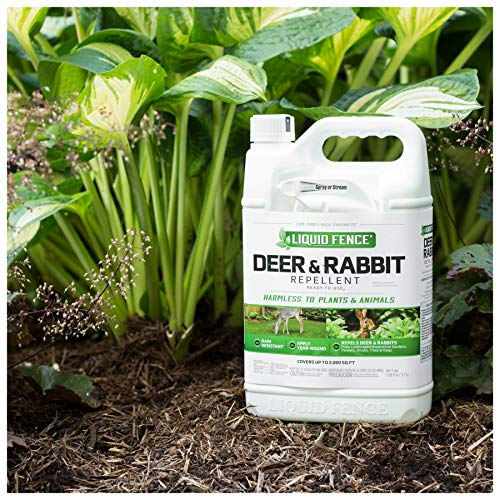
Liquid repellents may also help deter feeding. Apply to dry foliage when temperatures are above freezing, and reapply according to label instructions, especially after heavy precipitation.
Liquid Fence sells gallon-sized containers of liquid deer and rabbit repellent that are available on Amazon.
Wait until mid- to late spring to assess the full extent of damage. If browsed stems fail to produce new growth, prune them back to the first healthy, living node.
Most established shrubs will recover over time, though repeated winter browsing may require additional protection in future seasons.
Salt Injury
Deicing salts applied to sidewalks, driveways, and roadways can injure nearby evergreen shrubs.
When sodium chloride accumulates in the soil, it interferes with water uptake and disrupts the balance of essential nutrients.

High salt concentrations can damage roots directly, leading to spring and summer symptoms such as leaf browning, tip burn, stunted growth, and dieback.
Salt spray presents an additional risk. When slush or runoff contacts foliage, it can burn needles, leaves, twigs, and young stems.
Apply deicing products sparingly and take care to limit where they land. Direct runoff away from planting beds when possible.
Instead of using standard sodium chloride, you could improve traction with coarse sand or de-icing products that are safer for plants, such as calcium chloride or calcium magnesium acetate.
Physical barriers may also help protect shrubs growing near streets or heavily treated surfaces.
Burlap screens, plywood panels, or similar materials can shield foliage from salt spray during winter.
If salt exposure is suspected, deep watering in early spring can help leach accumulated salts from the root zone. Ensure soil drains well so flushed salts do not linger.
Prune damaged stems once new growth begins and the extent of injury is clear.
If you’re looking for less salt-susceptible plantings, check out our roundup of salt-tolerant evergreen shrubs!
Improper Holiday Lighting
Granted, this is the least concerning threat on the list.
Holiday lighting can cause minor but preventable damage to evergreen shrubs.

Lights intended for indoor use may generate excess heat or lack proper insulation against moisture.
When wrapped around living branches, they can scorch foliage or damage bark. Electrical faults, such as frayed wires or loose connections, also increase the risk of fire.
Always use lighting rated for outdoor use, along with extension cords and power sources designed to withstand winter conditions.
When installing lights, avoid wrapping them tightly around branches.
Constricting stems can interfere with growth and cause abrasion damage. Lightweight strands are best, particularly on young shrubs with flexible or delicate growth.
After the last spring frost, prune any branches that show signs of scorch, dieback, or mechanical injury.
Winter Is Coming…
Whether winter is just around the corner or several seasons away, it pays to “be prepared,” as the Boy Scouts are fond of saying.

With the tips offered here, you can help your evergreen shrubs to make it through the toughest season of the year, sans injury.
Winter injury, that is. A force majeure such as a lightning strike or shrub-shearing sleepwalk could still occur, I suppose…
Have remarks or questions to share? The comments section awaits.
To protect other plants in the garden from the damages of wintry weather, you’re sure to find these guides quite insightful:

