Happy Friday GPODers!
Unless you live in close proximately to a botanical garden, you might not consider it a winter destination. Outside of holiday light displays, most folks would reasonably want to plan their trip to a public garden for the peak season. However, those that make more frequent trips to these beautiful plant institutions know that there is far more to enjoy about winter in many public gardens than just yuletide cheer. For our digital production specialist, Lauritzen Gardens in Omaha, Nebraska last month, and the beautiful plants she enjoyed while there.
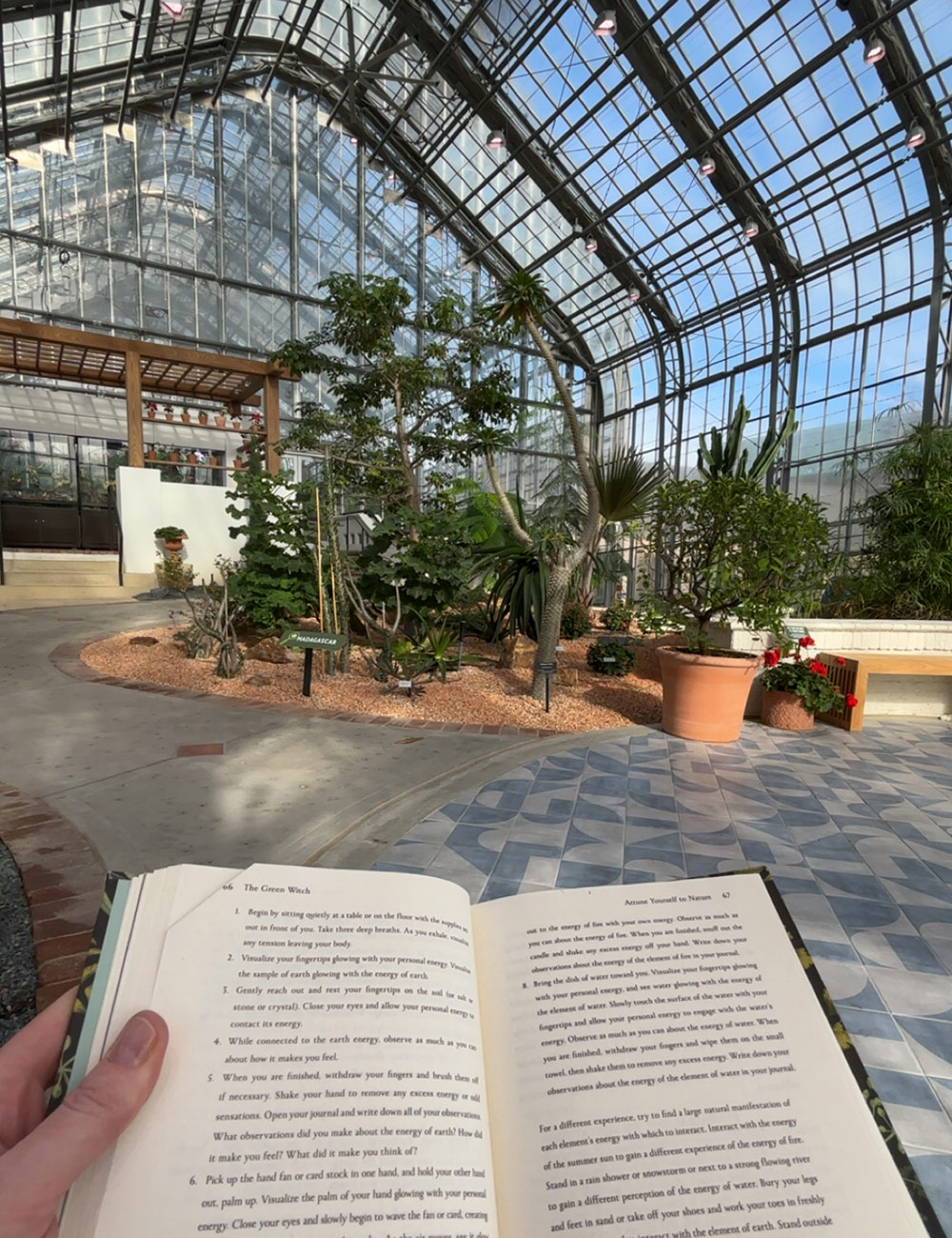
I enjoyed an afternoon visit in February and brought a book and my journal to enjoy the warmth and plants on a chilly winter day while I was in Omaha visiting. I was particularly captured by the foliage and textures/patterns on this day. I sat and enjoyed a book for a bit at one of the seating areas they had setup, and almost forgot it was winter for a minute! I was in the Mediterranean area of the gardens at first and then moved to the main area of the indoor garden that was a bit more tropical/humid. It was a perfect way to spend an afternoon!
They also had a traveling exhibit of sorts with giant wooden trolls! I don’t remember all the details. It was cold that day so I didn’t explore very far, but found one in the courtyard that was pretty impressive 🙂
For those in-the-know, winter can be one of the best times to visit a public garden. Although displays might be limited, the crowds will also be significantly lighter. Rather than being jostled from planting to planting, Katie is able to sit back and immerse herself in the scenery while getting lost in her book.
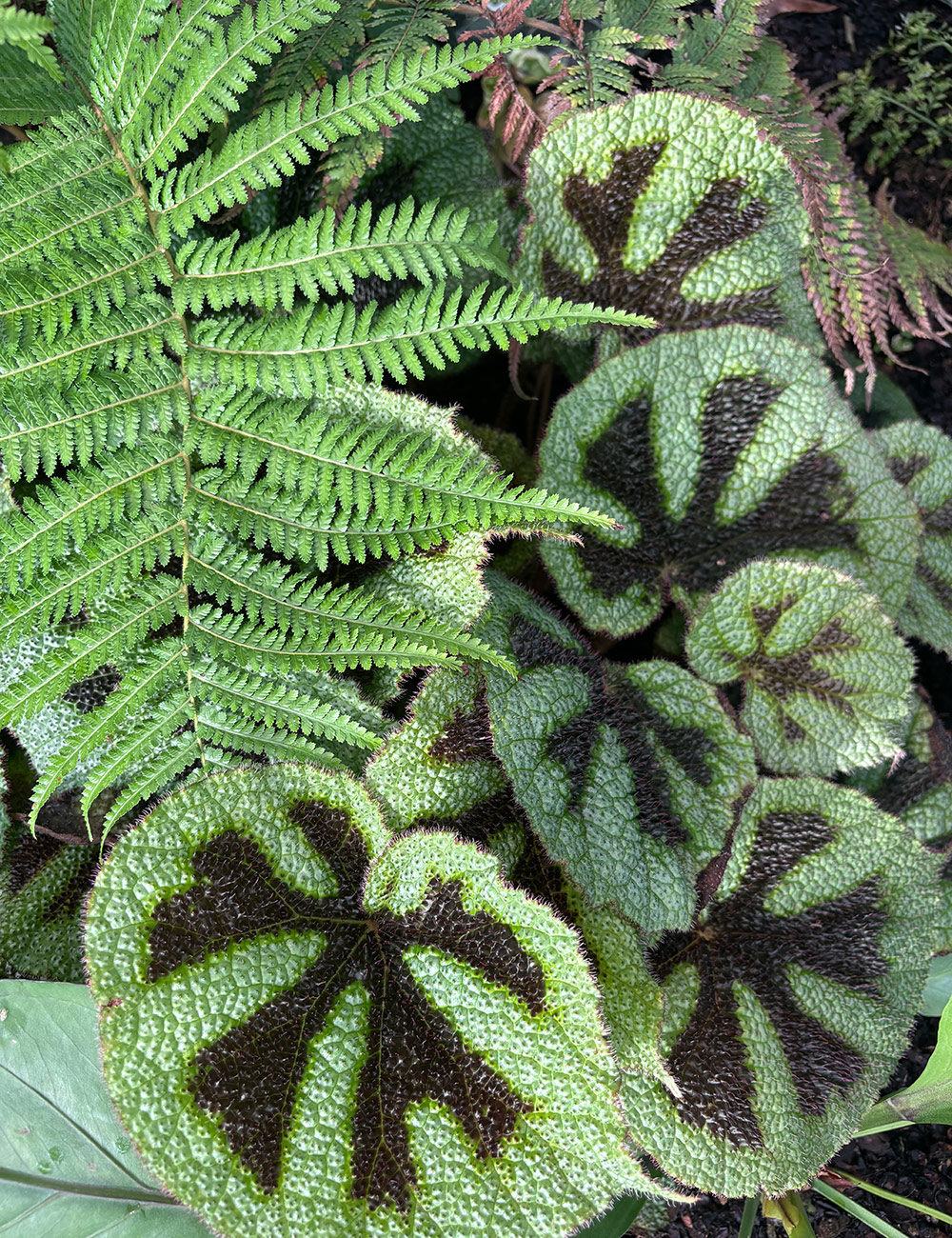 It also allows you the time and space to take in some of the smaller moments of magic that might be missed when trying to soak in every abundant peak-season display. This iron cross begonia (Begonia masoniana, Zones 11–12) and fern combo might not always turn heads, but it’s absolutely a striking pairing.
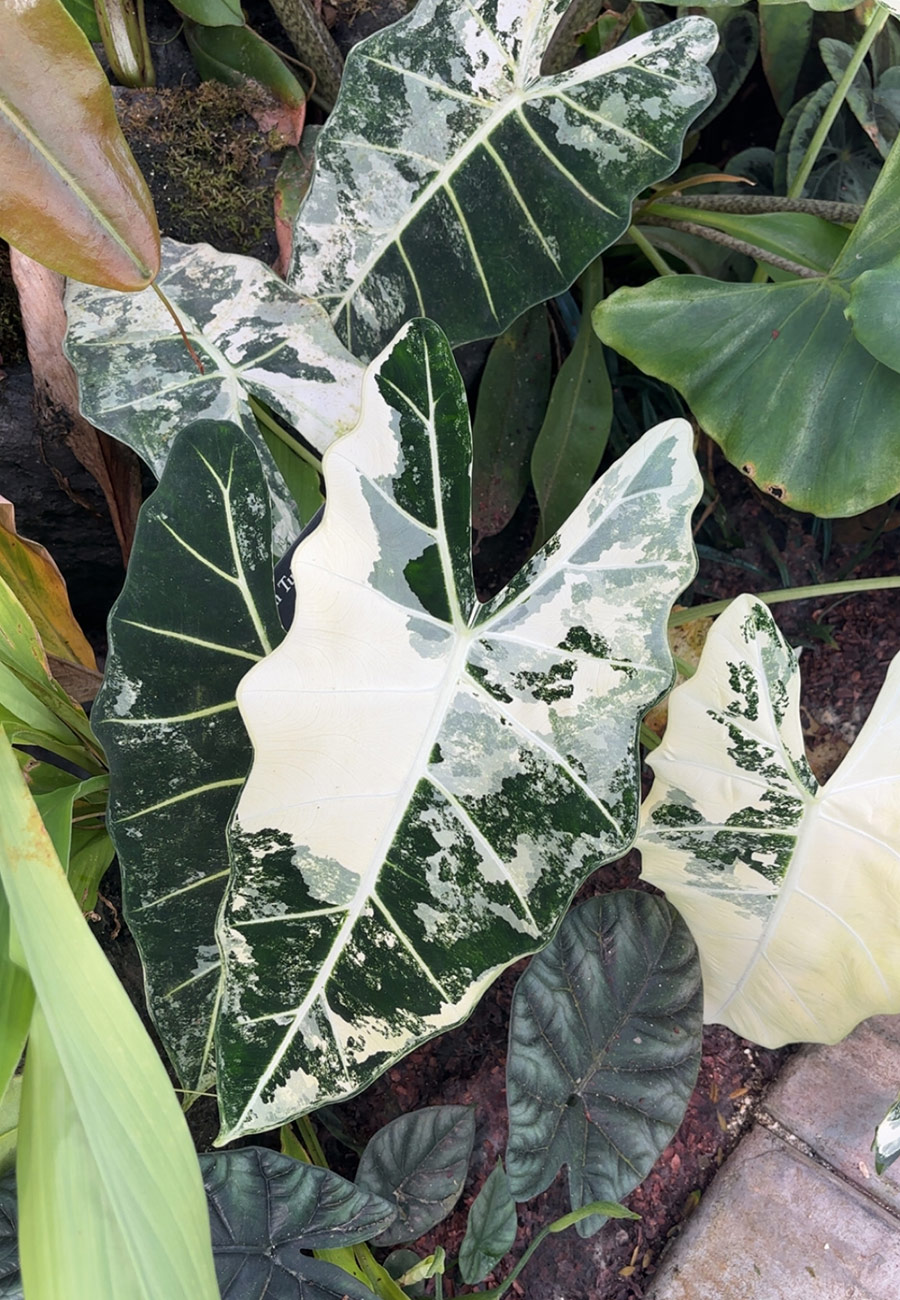 No matter the time of year, some plants always steal the spotlight. This variegated green velvet alocasia (Alocasia micholitziana variegata ‘Frydek’, Zones 10–12) is show-stopping as a houseplant and awe-inspiring at its mature size.
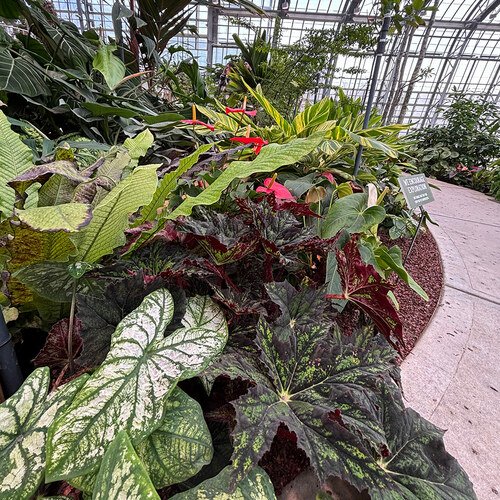
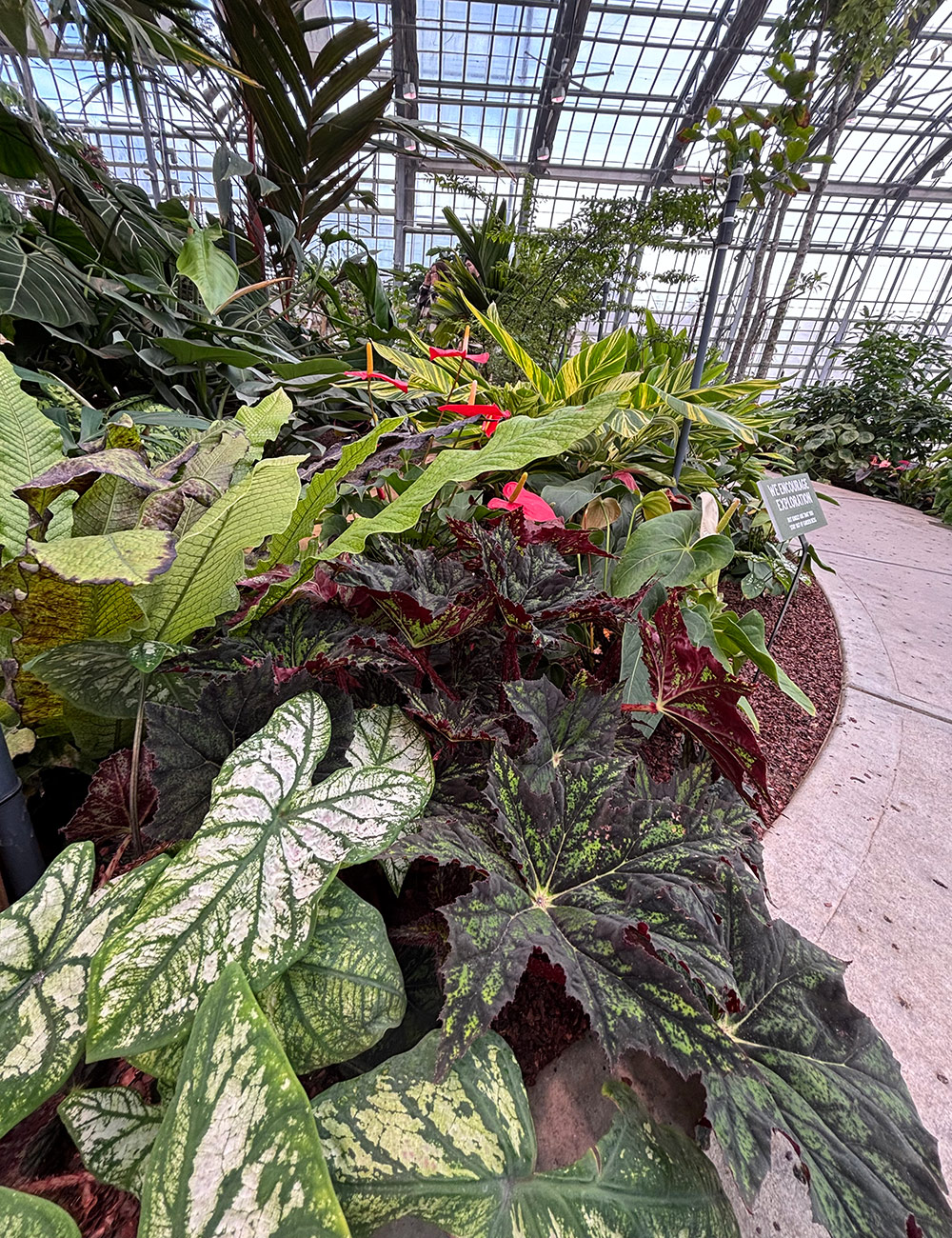 If you think color will be in short supply on a winter visit to a botanical garden, think again. Conservatories are a wealth of wonderful color all year round.
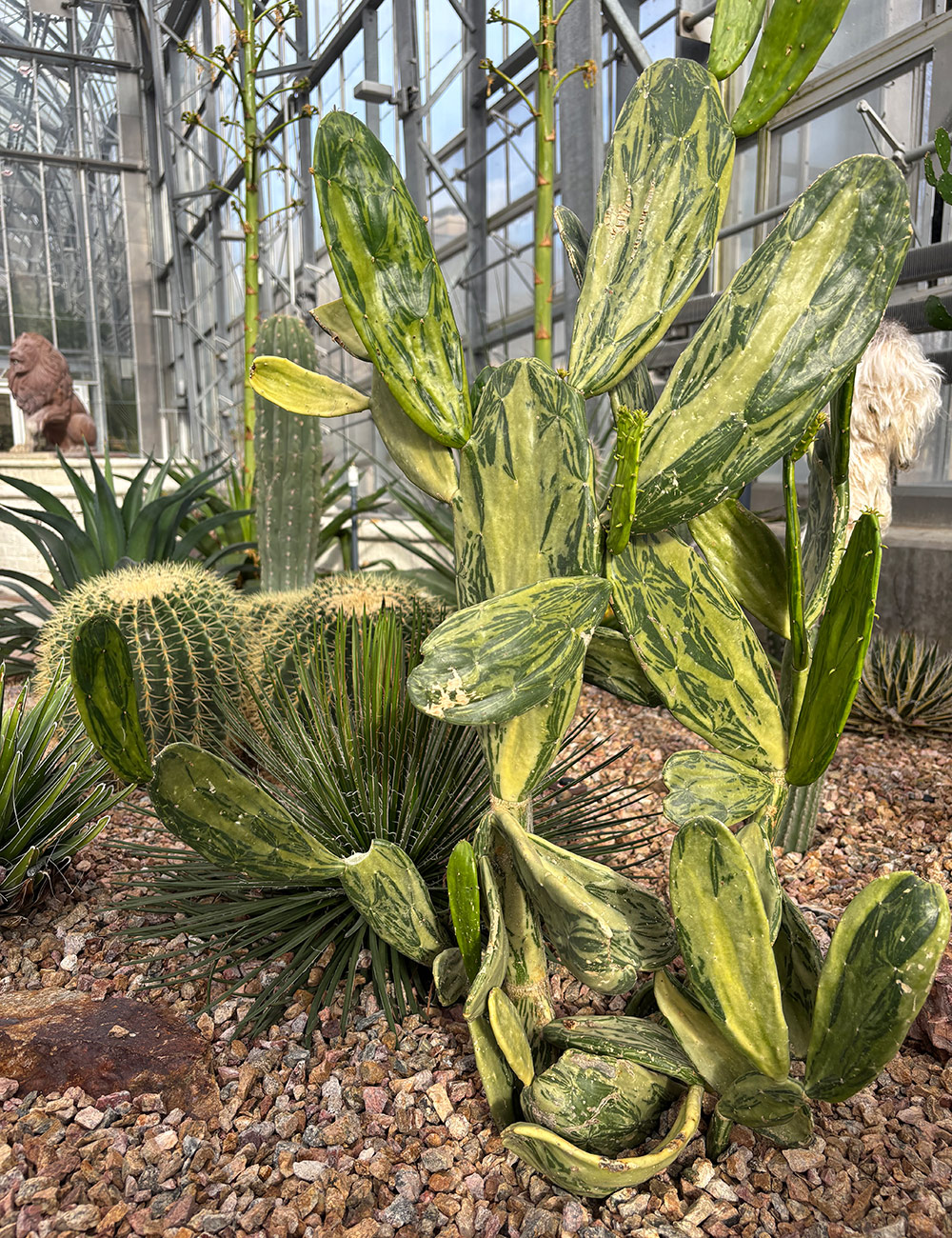 Tropical foliage has an established reputation for being flashy, but there are plenty of dry-climate plants that feature funky patterns and vibrant colors. The warm hand cactus (Opuntia cochenillifera f. variegata, Zones 10–12), a relative to the prickly pear with striking variegation, understandably caught Katie’s eye.
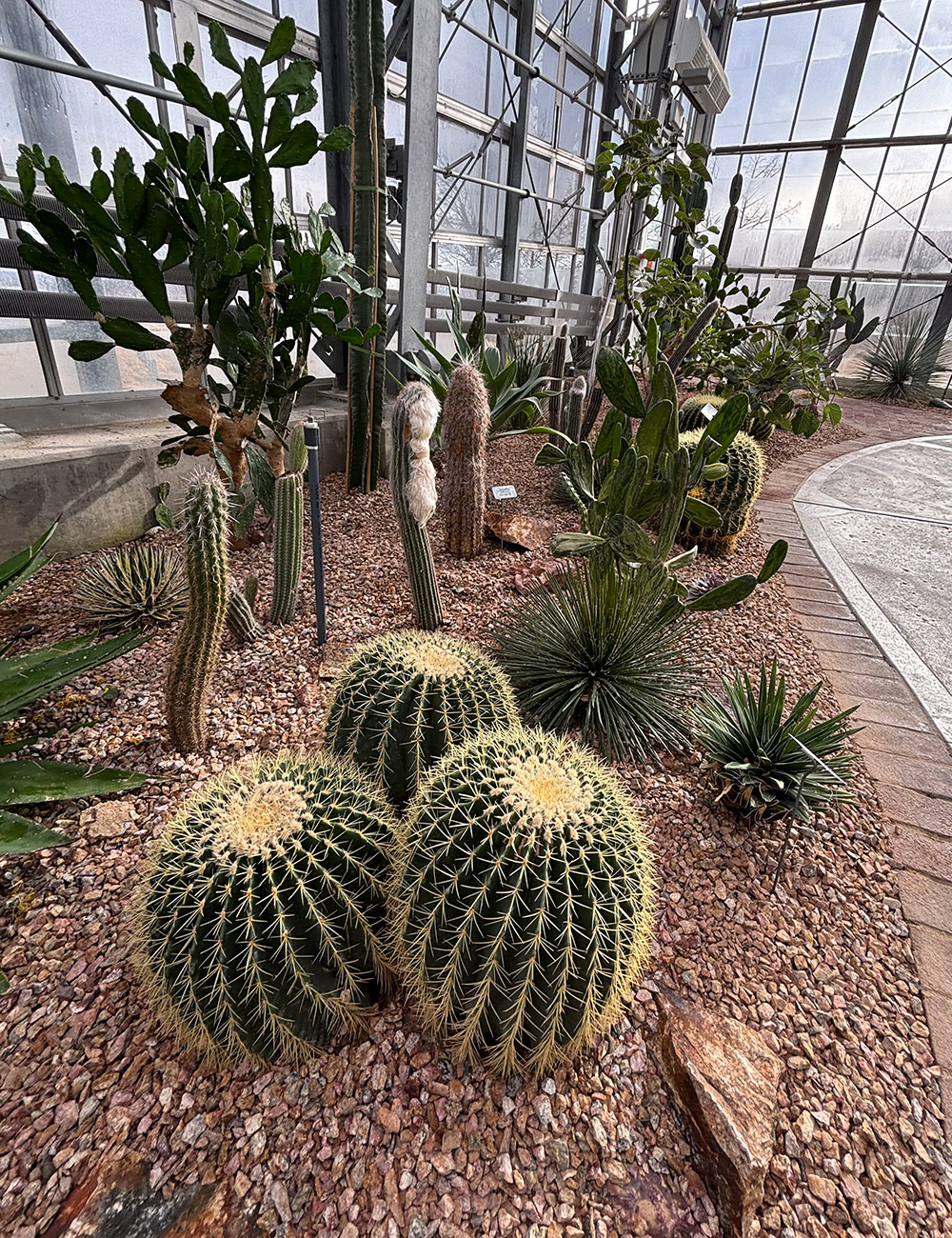 It is not as lush and abundant as the tropical plantings in the conservatory, but the Mediterranean showcases the many fascinating forms of succulents and cacti—from the perfect orbs of golden barrel cactus (Echinocactus grusonii, Zones 9–12) to the spiky mounds of yucca and agave.
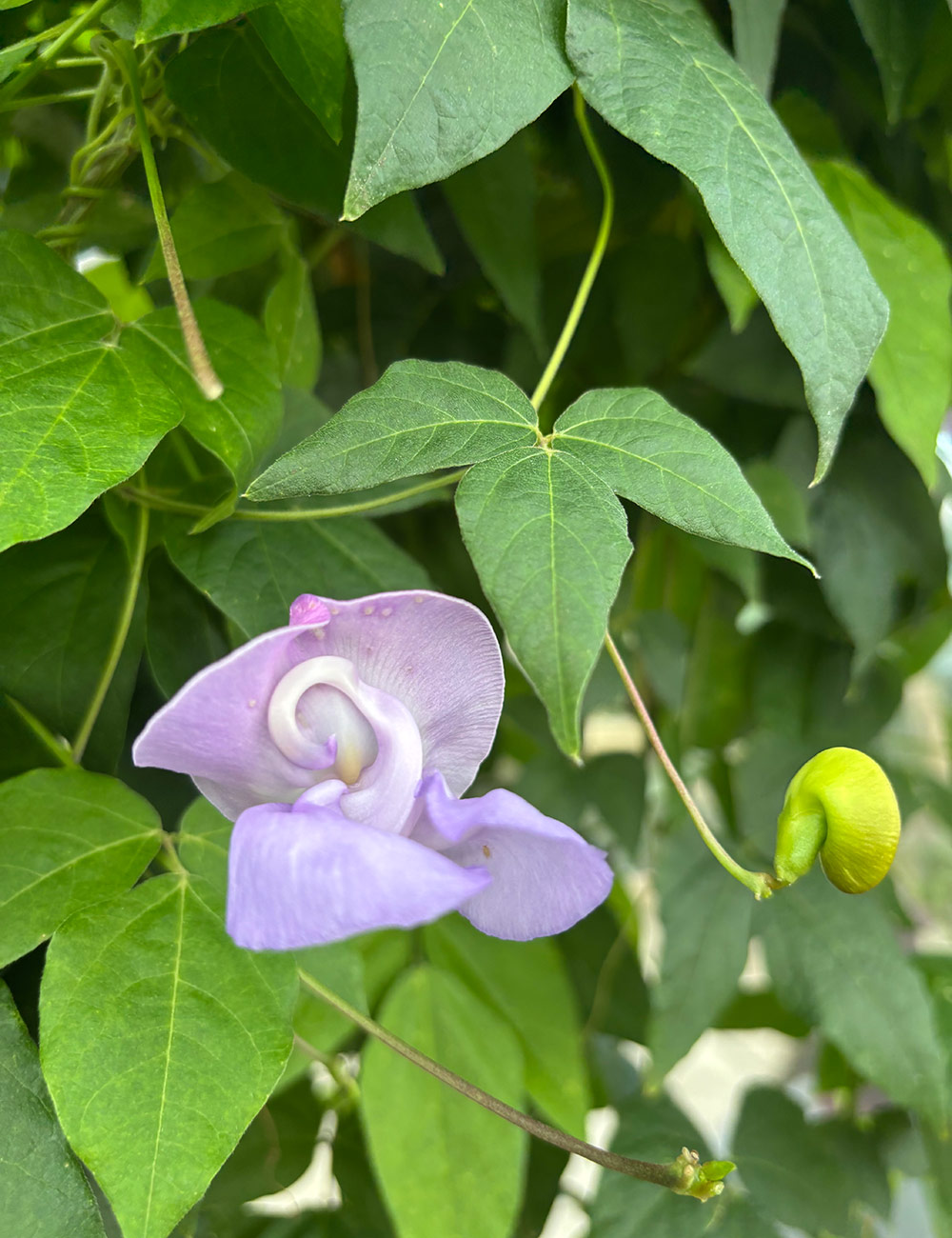 Of course, the conservatory is not only about foliage. Interesting and intriguing flowers, like the light purple swirls of snail vine (Vigna caracalla, Zones 9–11) are right at home in the hot, humid tropical garden.
 About one month ago, Beth Tucker shared photos from Thomas Dambo’s sculpture installation, Trolls: A Field Study, at The North Carolina Arboretum (Trolls at the North Carolina Arboretum), and it’s such a treat to see more of these wonderful works of art pop up across the country. The installation Katie saw at Lauritzen Gardens is titled TROLLS: Save the Humans, and features six activist Trolls that have come to teach humans how to rediscover nature and inspire humans to be good stewards of the earth.
I hope you enjoyed these beautiful photos of Lauritzen Gardens, Katie has more photos from another botanic garden she frequents that I will be sharing on the blog in the coming weeks.
And if you visited any public gardens this winter, we would love to see and share your photos. Follow the NEW directions below to submit your photos to Garden Photo of the Day!
We want to see YOUR garden!
Have photos to share? We’d love to see your garden, a particular collection of plants you love, or a wonderful garden you had the chance to visit!
To submit, fill out the Garden Photo of the Day Submission Form.
You can also send 5–10 photos to [email protected] along with some information about the plants in the pictures and where you took the photos. We’d love to hear where you are located, how long you’ve been gardening, successes you are proud of, failures you learned from, hopes for the future, favorite plants, or funny stories from your garden.
Do you receive the GPOD by email yet? Sign up here
Fine Gardening Recommended Products

SHOWA Atlas 370B Nitrile Palm Coating Gloves, Black, Medium (Pack of 12 Pairs)
Fine Gardening receives a commission for items purchased through links on this site, including Amazon Associates and other affiliate advertising programs.
Lightweight and close-fitting for excellent dexterity. Machine washable. Breathable back of hand to reduce perspiration. Designed for easy movement and continuous wear. Ideal for aerospace, assembly, automotive, construction, final fix, gardening, manufacturing, operating machinery, packaging, precision handling, tiling, warehousing.
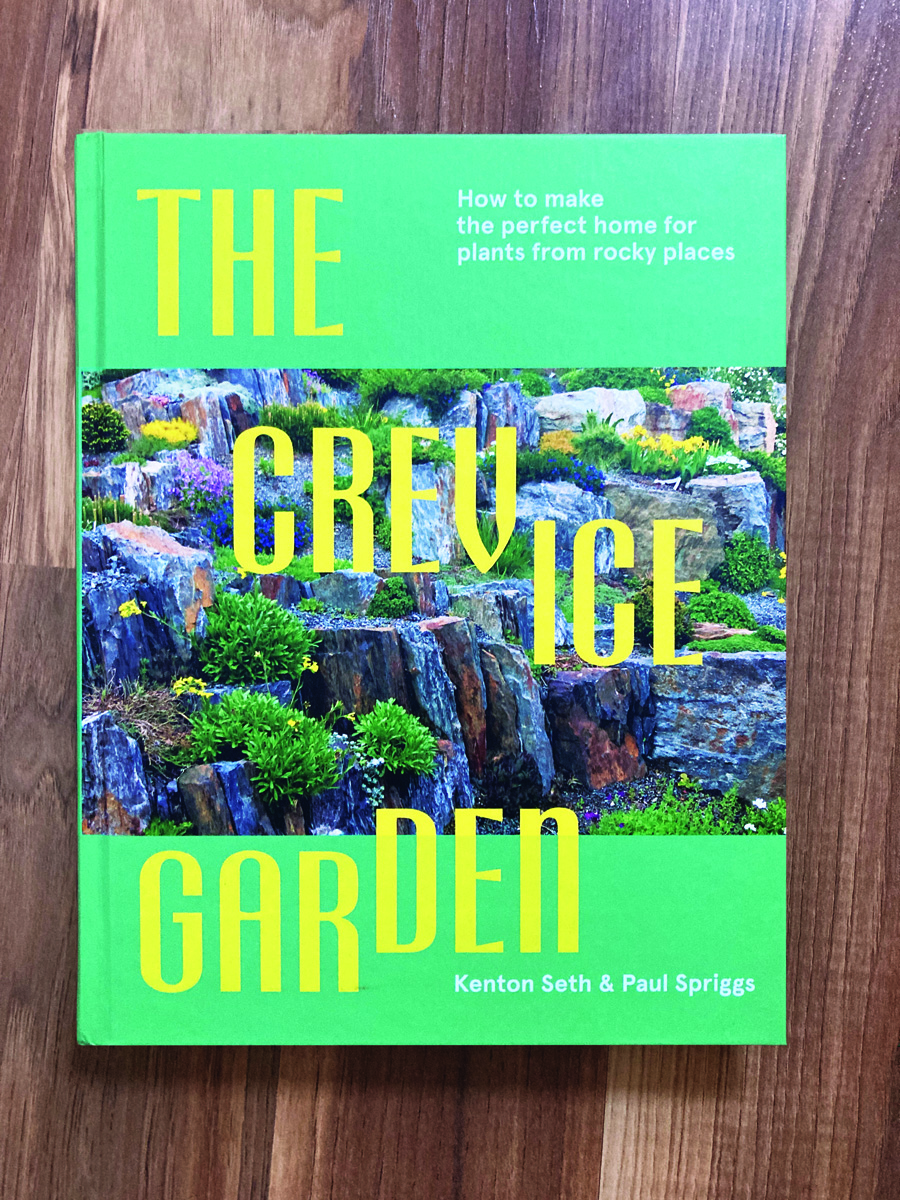
The Crevice Garden: How to make the perfect home for plants from rocky places
Fine Gardening receives a commission for items purchased through links on this site, including Amazon Associates and other affiliate advertising programs.
A crevice garden replicates the environmental conditions of mountain tops, deserts, coastlines, and other exposed or rocky places on earth. These striking garden features provide perfect conditions for the plants native to these far-off places, bringing the cultivation of these precious gems within everybody’s reach.
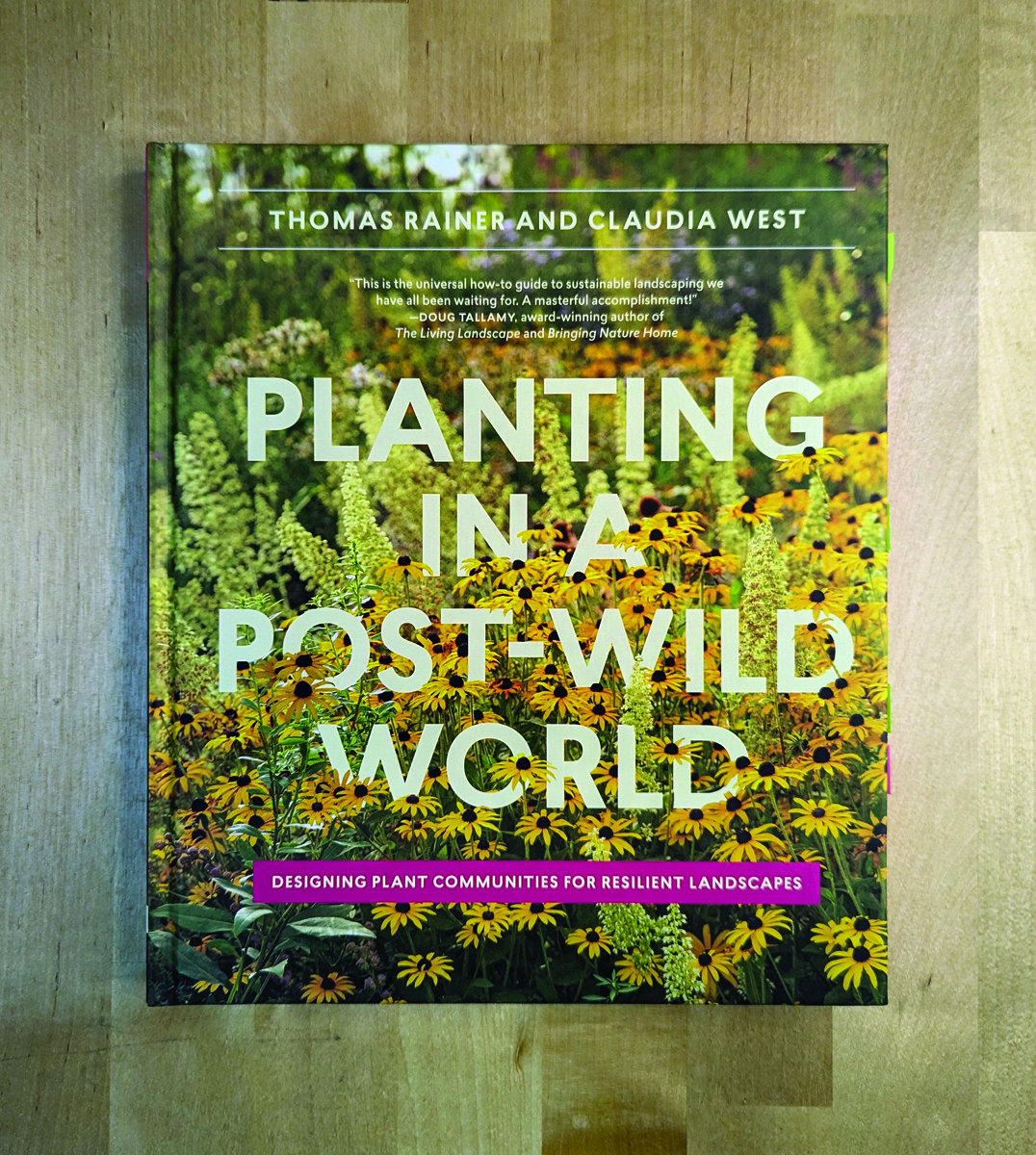
Planting in a Post-Wild World: Designing Plant Communities for Resilient Landscapes
Fine Gardening receives a commission for items purchased through links on this site, including Amazon Associates and other affiliate advertising programs.
Featuring gorgeous photography and advice for landscapers, Planting in a Post-Wild World by Thomas Rainer and Claudia West is dedicated to the idea of a new nature—a hybrid of both the wild and the cultivated—that can nourish in our cities and suburbs.