


Once cured, prep a tray filled with peat moss.
Set the bulbs in the tray – without them touching each other – and keep the tray in a similarly dark, cool place throughout the winter until it’s time to replant in spring.
Learn more about overwintering lilies here.
Propagation
Most cultivated and naturalized tiger lilies in North America are sterile triploids, so they rarely produce viable seed. But there are other reliable ways to propagate them.
From Offset Bulblets
This is one of the easiest ways to multiply established plants.
In spring, after all risk of frost has passed, lift mature plants from the soil. The mother bulb should have small offsets growing from it – like little mini bulbs.

You can also divide offsets when you lift bulbs for winter storage.
Detach the offsets that are larger than an inch in diameter. Pot these up into individual four- to six-inch containers or elsewhere in the garden.
Care for them as you would freshly-planted bulbs from the nursery.
From Bulb Scales
In fall, dig up some mature bulbs, and break off four to eight scales from the base of each bulb.
Insert the broken base end of each scale upright into a seed tray filled with moist sand. Cover the tray with a plastic bag, and store in a dark spot indoors at 65 to 70°F for six weeks.

Keep the sand damp. Eventually, bulblets will form. If any scale tissue remains that’s soft, discard it.
Take these bulblets and plant them in four- to six-inch pots filled with well-draining, moisture-retentive potting soil. Overwinter them in a cold frame or a frost-free spot in the garden.
Come spring, you can transplant them into the garden as discussed below.
Planting Bulbs
In spring, dig a hole for each bulb that’s two to three times deeper than the bulb’s diameter, and space the holes at least six inches apart.

Plant the bulbs with the basal end pointing downwards, backfill with soil and a sprinkle of bone meal to promote healthy roots.
Water in well.
Pests and Disease
Thankfully, tiger lilies are somewhat deer-resistant. But if they’re hungry enough, deer will eat just about anything.
If deer are a problem in your garden, a well-constructed deer fence can keep them out.
But if they’re munching on just a part of your garden, then some deer repellent will help to protect specific sections.
Rabbits typically nibble on stems and leaves closer to the ground, within the lower 20 inches.
If you already have a deer fence, reinforce the bottom two feet with one-inch wire mesh and bury it at least a foot deep to prevent tunneling.
Otherwise, rabbit repellent can help protect your plants.
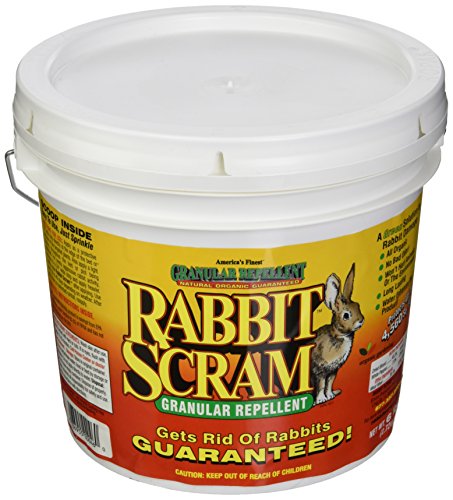
Eviro Pro offers pails of granular Rabbit Scram available via Amazon.
Voles, squirrels, and other small mammals may dig up bulbs and eat them. For tips on bulb protection, check out our guide to keeping rodents at bay.
Pests
Along with damaging plants by their feeding, insects can also vector disease.
Aphids
Aphids are sapsucking insects that extract vital fluids from plants, which can distort leaves and weaken the plant.
They also excrete honeydew as they feed, which can lead to black sooty mold.

Knock them off with a strong blast of water or treat with neem or horticultural oil.
You can find Bonide Neem Oil available at Arbico Organics.
Lily Leaf Beetles
Lilioceris lilii is an invasive beetle from Eurasia which does significant damage.
Adults are a quarter-inch long with bright red bodies and black appendages, while the slug-like larvae are a half-inch long with black heads and orange to yellowish bodies.

Both chew irregular holes in leaves, stems, and buds, but the larvae do the most damage.
Larvae feed in spring and early summer before pupating. Adults continue the assault through late summer into fall, and severe infestations can completely defoliate plants.

