


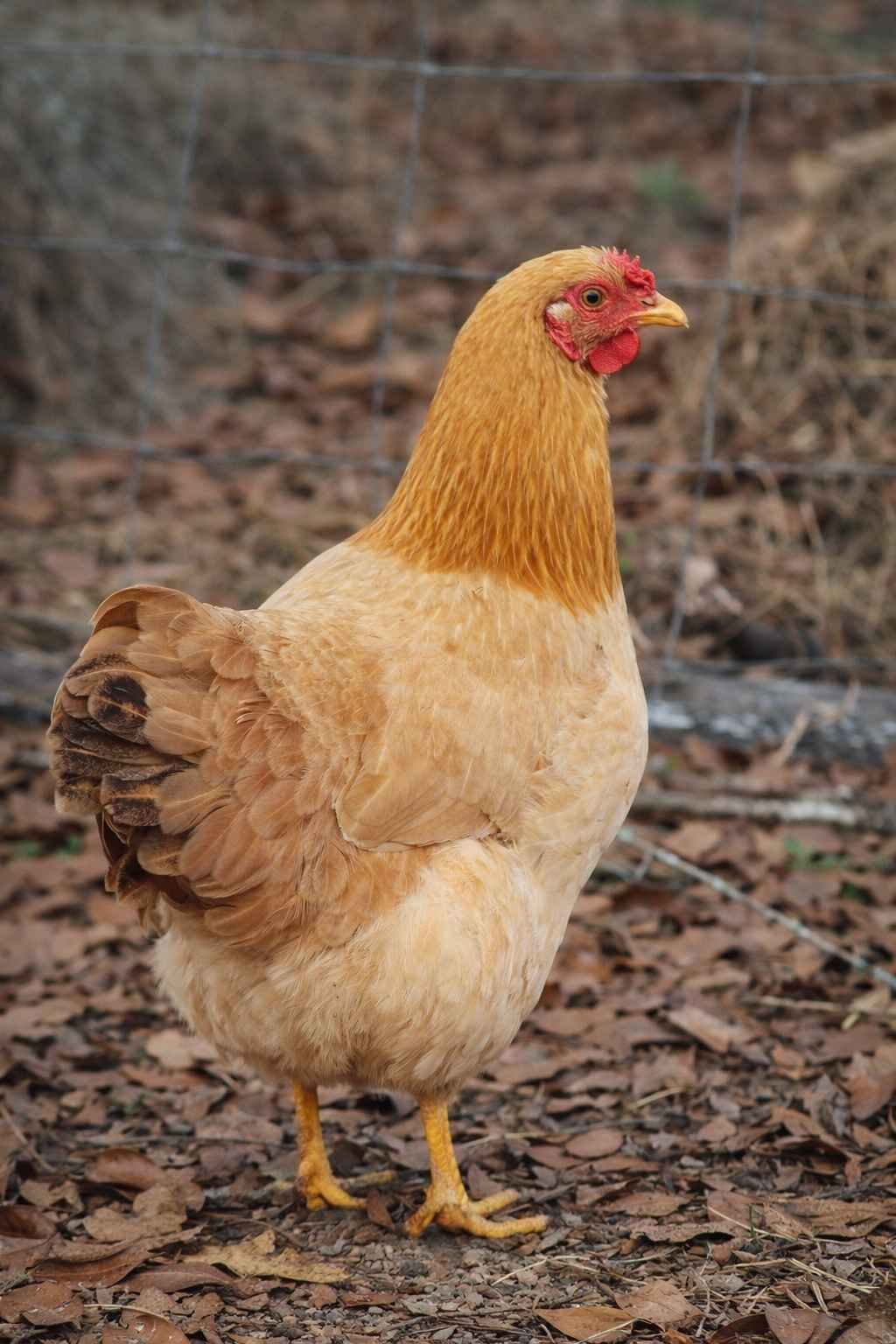
I never really thought much about chicken breeds in the beginning. I just assumed all chickens were pretty much the same.
In my mind, every chicken would lay eggs, and when they got older or bigger, I could use them for meat.
Simple, right? I didn’t pay attention to whether one breed laid more eggs than another or grew faster.
But then I watched a video of a chicken grower who was making really good money just by selling eggs.
That’s when it clicked for me. Not all chickens lay the same number of eggs, and choosing the right egg laying chicken breed really makes a big difference. Some birds are simply much better layers than others.
From that point on, I realized I needed a mixed flock—some strong egg laying chicken breeds and some good dual-purpose chickens.
What Makes a Chicken Good Egg-Laying Breed?
As a beginner you must first opt for easy to care and fun to have chickens that can easily fill your basket with eggs year round.
- A good egg-laying breed should produce a high number of eggs each year, ideally 200 to 250 eggs. That means you’ll have a steady supply instead of waiting around for the nest box to fill up.
- Strong laying breeds usually start producing eggs at around 18 weeks of age. The earlier they begin, the sooner you can enjoy fresh eggs and see a return on your time and feed investment.
- A reliable layer should produce medium to large-sized eggs. Bigger eggs are more useful in the kitchen and more attractive if you plan to sell them locally.
- Most good laying breeds produce white or brown eggs, which are the most common and widely accepted colors. While shell color doesn’t affect taste, it can influence customer preference if you’re selling eggs.
5 Best Egg Laying Chickens for Beginners
Before you pick any bird for your backyard, take a little time to do proper research.
As mentioned above, not all chickens are the same, and choosing the right chicken breed can make a big difference in how many eggs you actually get.
There are many different breeds available, and each one has its own strengths.
Some handle heat better, some do well in cold weather, and some are simply stronger egg producers.
You need to choose a breed that suits your local climate, your space, and your overall goal—whether that’s steady egg production, low maintenance, or a mix of both.
Check this: How to Care for Chickens in the Winter?
1. Australorps
Australorps are beautiful black chickens with shiny greenish feathers that glow in sunlight. They have a calm personality and look strong and well-balanced in size.
They are excellent egg layers and can give around 250 to 300 eggs per year. Many backyard keepers love them for their steady production.
The eggs are light brown in color and usually medium to large in size. The shells are smooth and strong.
Australorps usually start laying at about 5 to 6 months of age. They are hardy birds and handle different weather conditions quite well, which makes them great for beginners.
2. Rhode Island Reds
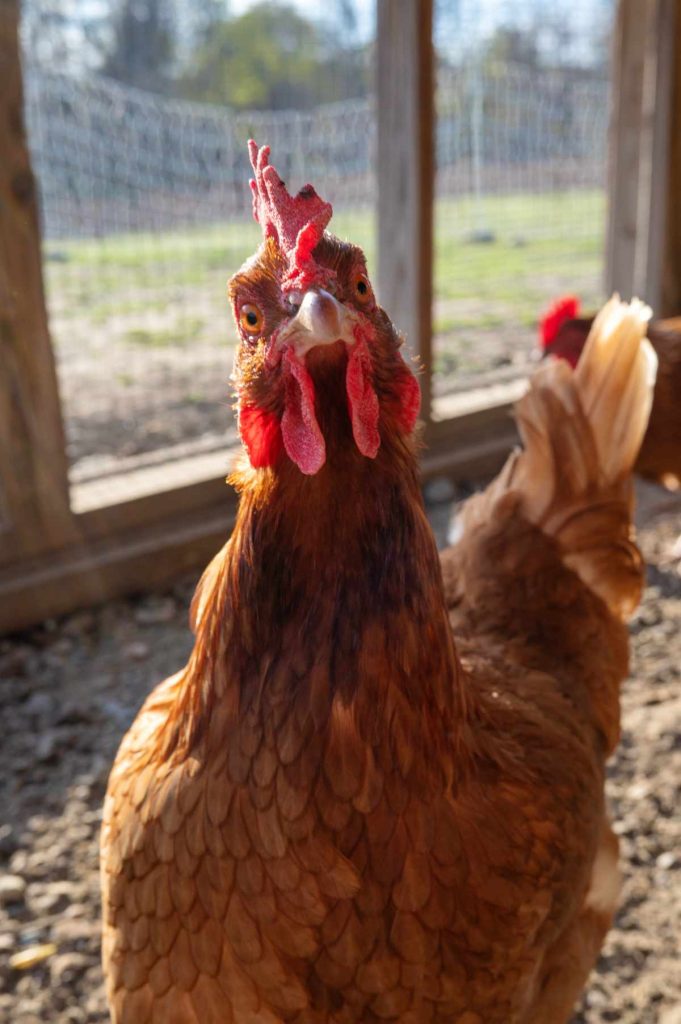
Rhode Island Reds are strong egg producers, laying around 250 to 300 eggs per year. If managed well, some hens can even lay more in their first year.
They produce medium to large brown eggs with strong shells. The egg size is consistent, which makes them great for regular home use or small egg sales.
These hens usually start laying at around 5 to 6 months of age. They mature fairly quickly and don’t take too long to begin production.
In terms of looks, they have deep reddish-brown feathers and a confident, upright posture. They are hardy birds that tolerate both heat and cold quite well, making them suitable for many climates. Their active nature also makes them good for free-range setups.
Also Read: Why Did My Chickens Stop Laying Eggs?
3. Buff Orpington
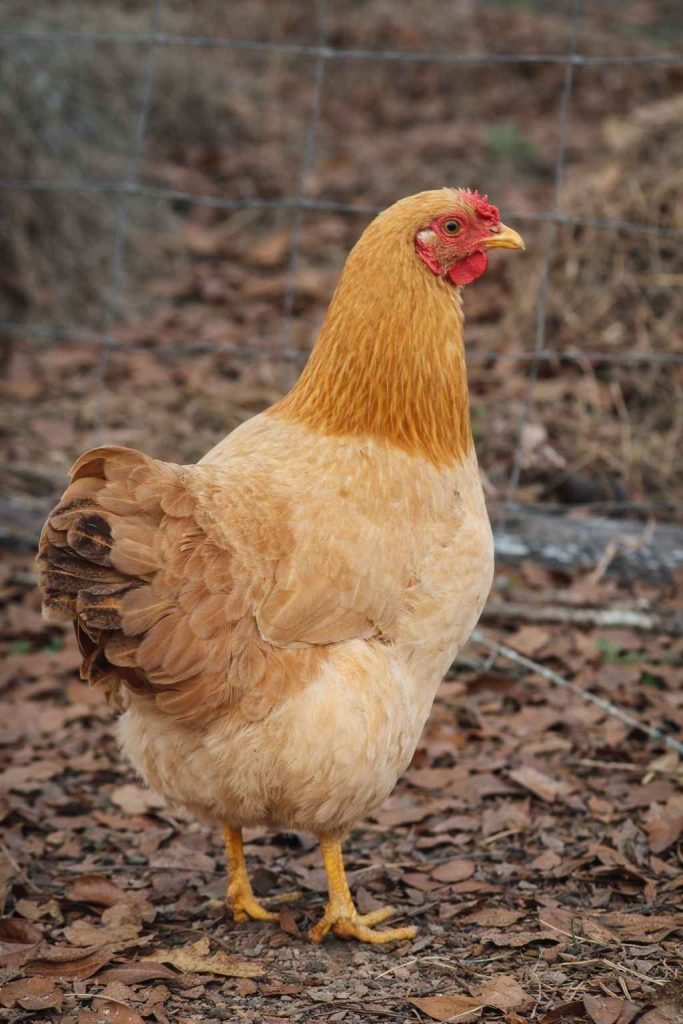
Usually, these hens start laying eggs around 5 to 6 months of age, depending on feed and care. Once they begin, they are known to lay steadily throughout the year.
Buff Orpington hens produce around 180 to 250 eggs annually. While they may not lay as many as some high-production breeds, they are still very reliable for backyard egg supply.
They lay light brown to cream-colored eggs that are medium to large in size. The eggs are well-shaped and consistent, making them perfect for home kitchens.
In appearance, they are large, fluffy birds with soft golden-buff feathers. Their gentle and friendly nature makes them especially good for beginners and families. They are also quite hardy and handle cold weather very well because of their thick feathers.
4. Plymouth Rock
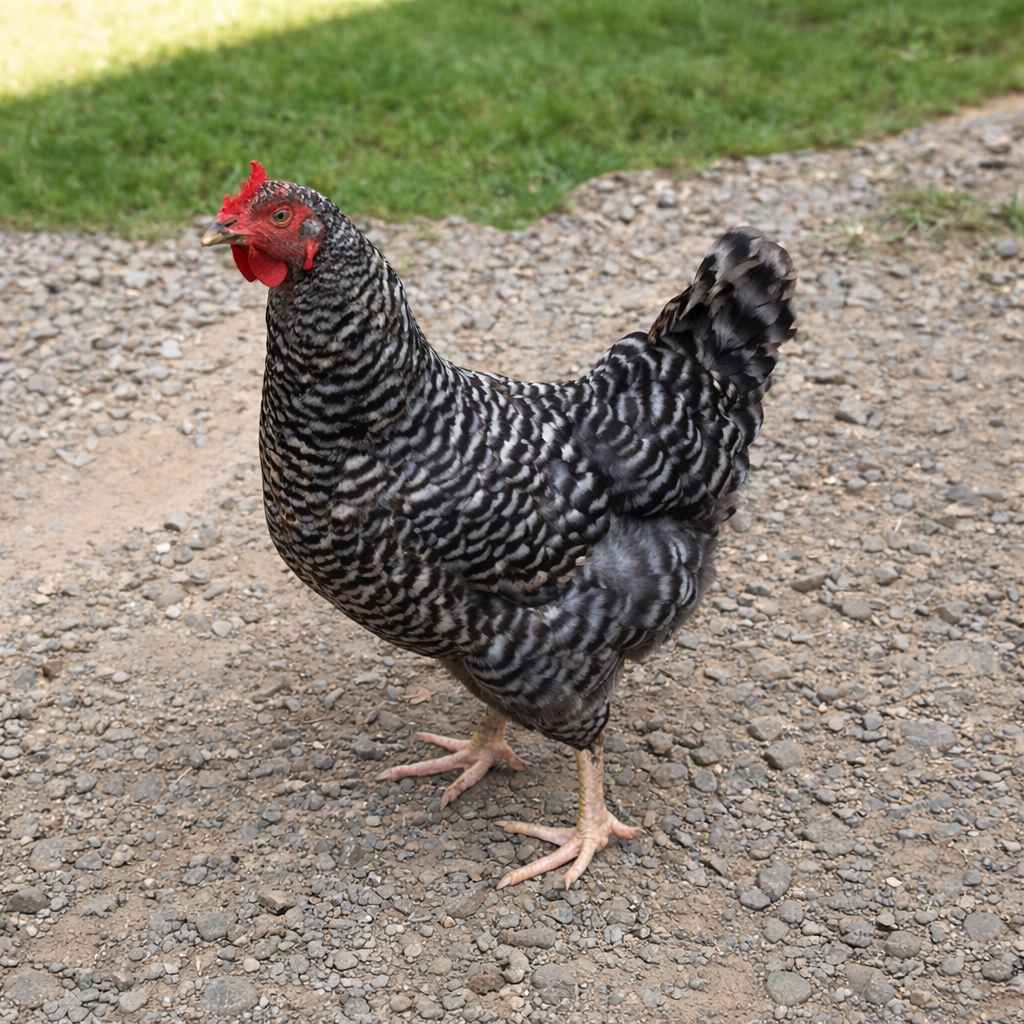
Most hens of this breed begin laying at about 5 to 6 months old. Once they start, they usually maintain a steady production if they’re well-fed and cared for.
Plymouth Rock hens produce around 200 to 280 eggs each year. They are known for being reliable layers, which makes them a safe choice for beginners.
The eggs are medium to large in size and brown in color. The shells are strong, and the egg size is perfect for regular household use.
They are medium to large birds with beautiful black-and-white barred feathers (in the barred type). Calm, friendly, and hardy, they adjust well to different climates and are easy to manage in both backyard coops and free-range systems.
Also Read: How Many Eggs Does a Chicken Lay Each Day?
5. White Leghorn
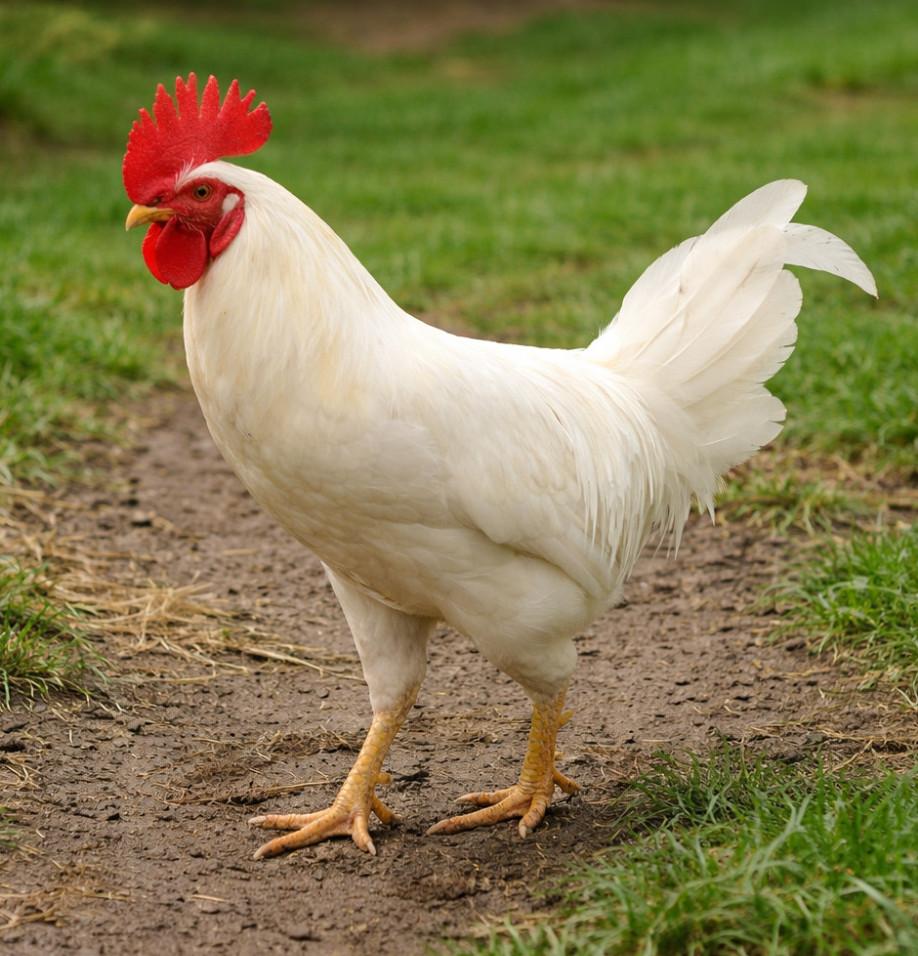
White Leghorns are one of the best egg laying chickens for high production. They can lay around 280 to 320 eggs per year, making them one of the top choices for steady egg supply.
They produce large white eggs with clean, smooth shells. The egg size is usually large, and production is very consistent during their peak laying years.
These hens usually start laying at about 4.5 to 5 months of age, which is slightly earlier than many other breeds. That means you don’t have to wait too long to see results.
In appearance, they are slim, active birds with bright white feathers and a large red comb. They are energetic and excellent foragers, but a bit more active compared to heavier backyard breeds.
Cold Tolerance of These Egg Laying Breeds
When it comes to handling cold weather, some of these breeds do much better than others. Buff Orpington, Australorp, and Plymouth Rock are known for their good cold tolerance.
They have heavier bodies and thicker feathering, which helps them stay warm during winter.
These breeds usually continue laying reasonably well even when temperatures drop, as long as they have a dry, draft-free coop.
Rhode Island Red also handles cold weather quite well. They are hardy birds and adapt to different climates without much trouble. Their strong body structure helps them stay active in winter conditions.
On the other hand, White Leghorn is slightly less cold-hardy compared to the heavier breeds. Because they are lighter and have large combs, they can be more prone to frostbite in very harsh winters.
With proper shelter and care, however, they can still do fine in moderately cold areas.
How to Stop a Broody Hen?
Broodiness happens when a hen wants to sit on eggs all day to hatch chicks. During this time, she stops laying eggs and stays in the nesting box for long hours.
She may puff up her feathers, make low growling sounds, and peck if you try to move her.
Breeds like Buff Orpington and Plymouth Rock tend to go broody more often than high-production breeds like White Leghorn.
If you do not want chicks, broodiness can reduce your egg production.
- A simple way to manage it is to remove the hen from the nest a few times a day and collect eggs quickly.
- This prevents her from sitting on them. Also, keep nesting boxes bright and well-ventilated, because dark and cozy spaces can encourage broodiness.
- In stronger cases, some keepers use a “broody breaker” method.
- Place the hen in a well-ventilated cage for a few days to cool her body, which usually stops broodiness and helps her return to laying within a week.
Feeding Tips to Increase Egg Production
I’ve learned that good egg production really starts with proper feeding. If hens don’t get the right nutrients, their laying slows down quickly.
So, you must always ensure a good quality layer feed with about 16–18% protein. That keeps their bodies strong and supports steady egg production.
- Calcium is equally important for strong eggshells.
- Crushed oyster shells or limestone can be offered separately so hens can eat as much as they need.
- Without enough calcium, eggs often have thin or weak shells.
- Clean, fresh water should always be available, as even short periods without water can reduce egg production.
Sometimes you may have to give small amounts of greens or kitchen scraps, but don’t let that replace their balanced feed.
Experts say that when hens receive proper, balanced nutrition, egg production becomes more regular, eggshells are stronger, and overall flock health improves significantly.
Check this: 70 Things Chickens Can Eat & 30 Food Items to Avoid
Best Hybrid Chicken Breeds for High Egg Production
Hybrid chickens are specially developed by crossing different breeds to improve egg production, early maturity, and feed efficiency.
These birds are often chosen by beginners and small farmers because they lay consistently and start producing eggs at a younger age compared to many pure breeds.
ISA Brown is one of the most popular hybrid layers worldwide. Under good care, they can produce 300 or even more brown eggs per year.
They usually begin laying at around 4.5 to 5 months of age.
These hens are calm, friendly, and adjust well to backyard systems, making them a strong choice for steady egg supply.
Golden Comet is another excellent hybrid known for reliable egg production. They typically lay around 250 to 300 brown eggs annually and also start laying early.
They are active but easy to manage, and they perform well in both small backyard coops and slightly larger setups.
Conclusion
Choosing the right egg laying chicken breed can make a big difference in your backyard setup.
Not all chickens produce the same number of eggs, and some are much more reliable than others.
Taking time to understand their laying capacity, temperament, and climate tolerance will help you build a productive flock from the start.
For beginners, it’s always better to choose hardy, consistent layers that are easy to manage. Breeds that handle your local weather well and start laying at a reasonable age will give you fewer problems and more eggs in the long run.

Khaja Moinuddin, a computer science graduate, finds joy in gardening and homesteading. Join him on this blog as he shares his experiences in homesteading, gardening, and composting

