


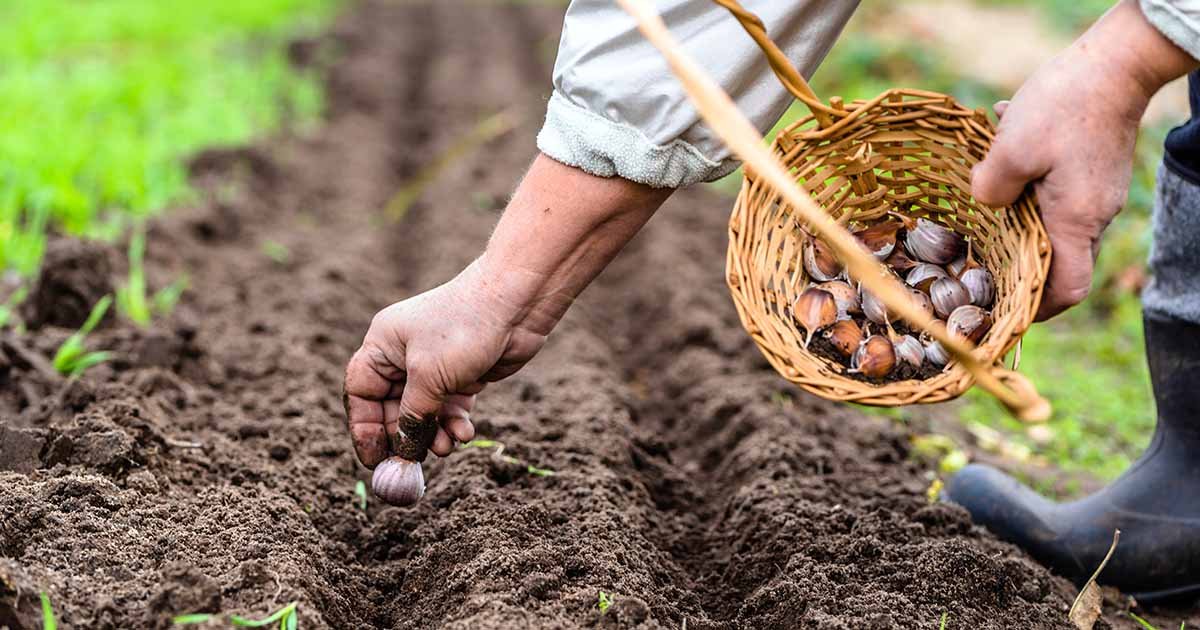
If the beautiful foliage and the crisp fresh air don’t lure you outside this fall, perhaps the enticement of a prolific autumn vegetable garden will do the trick.
Autumn is a wonderful time to plant a productive veggie garden – if you plan it right.
The changing seasons mean new conditions in the garden.
We link to vendors to help you find relevant products. If you buy from one of our links, we may earn a commission.
From sun exposure to soil prep, air and soil temperature requirements, and differences in the amount of rain during the cooler months, there are a few factors to consider.
Here’s everything we’ll go over in this article:
Are you ready? Time to get growing!
Check Your Sunlight
In fall, the sun shines at a lower angle in the sky.
Before you get busy with your fresh batch of autumn plants, make sure to take a good look at your beds or rows and make sure they will get enough light.
Many fall crops require full sun exposure, which is defined as at least six hours of sun a day.
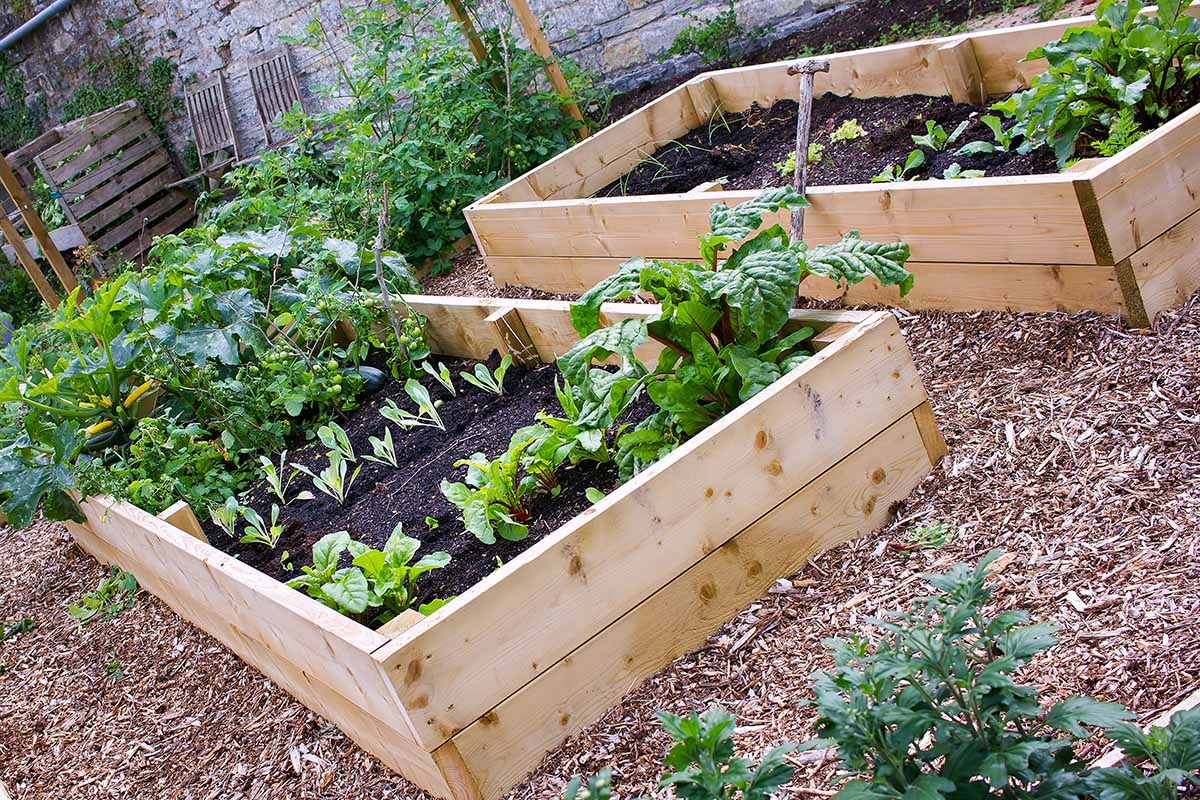
A plot or raised bed that was perfect for growing edible crops in the summertime may be less than ideal come autumn.
If they are at risk of being shaded out by trees, buildings, walls, or other tall structures that could block sunlight, consider planting in an alternate location, one that receives full sun at this time of year.
Container gardening is another option.
As long as containers aren’t too heavy, or if you have a wheeled cart or wheelbarrow to set them on, plants can be moved to follow the daylight as needed.
Make Your Beds
Do you still have vegetables that are producing? If they look happy, let them hang out.
If they look scrappy, maybe it is time to, well, scrap them. Some, such as kale, may improve in the cooler weather.
To prepare your soil for your new seeds or seedlings, loosen it up a bit and remove any weeds.
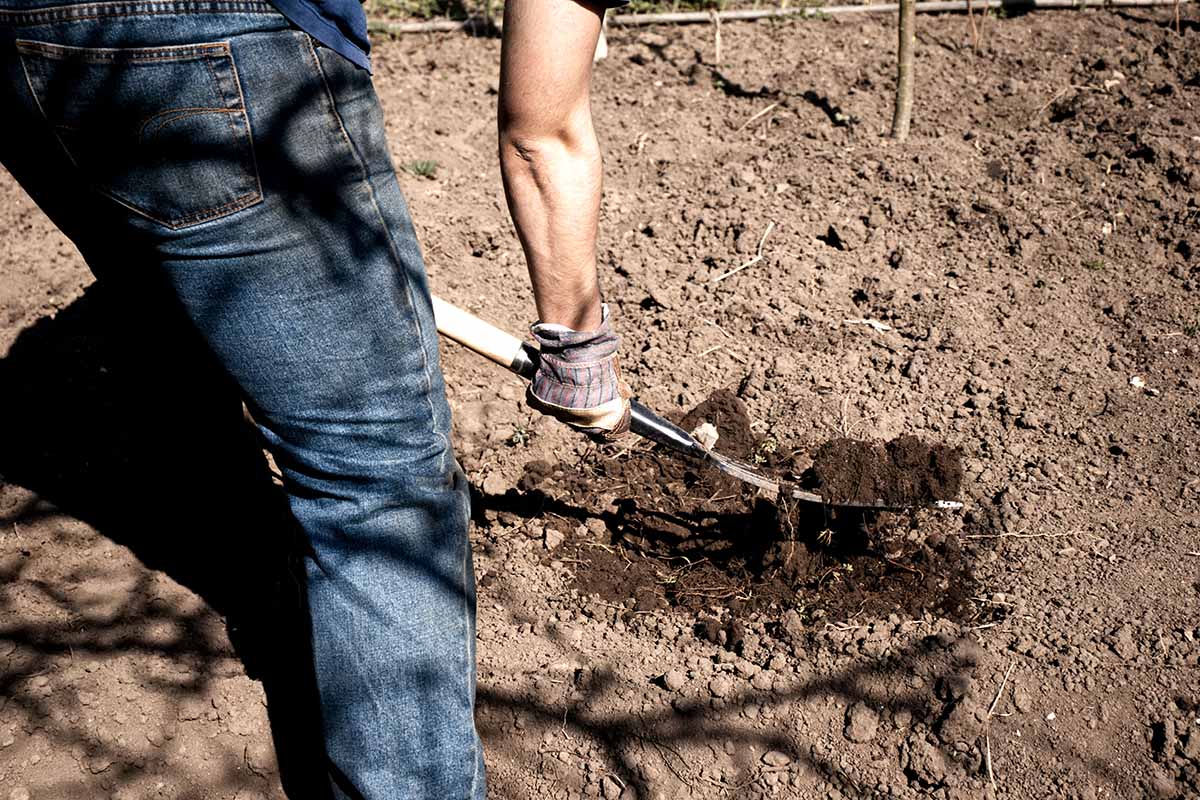
Work some compost in next. If your soil has been busy growing plants all summer, it will need a fresh infusion of organic material and nutrients to help your new plants grow.
Plan your plantings as you would for a spring or summer garden.
If you typically have a lot of rain at this time of year, you may want to provide more space between plants to promote air circulation.
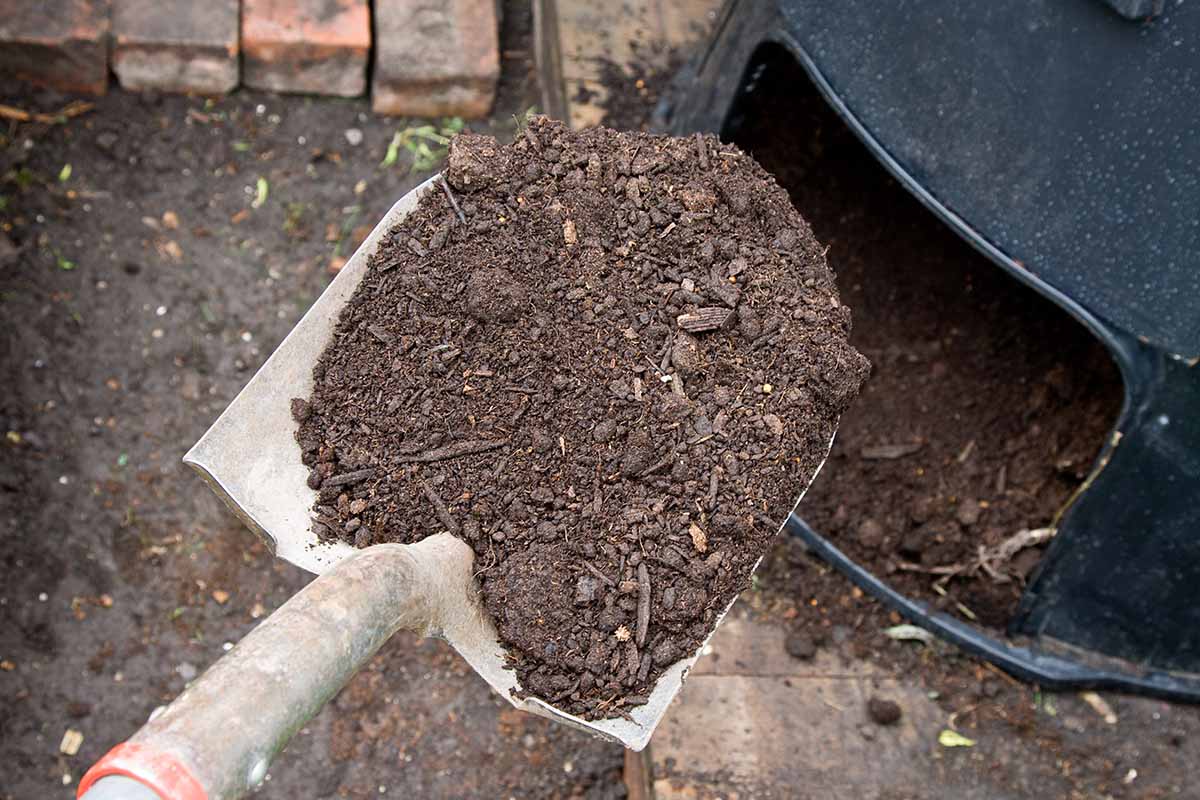
If your garden soil has decent drainage throughout the heavy rains of summer, you should be good to go in the fall.
On the other hand, if you notice runoff or water that’s pooling in new and unexpected places, these might not be the best spots for your fall crops.
Choose Your Crops Wisely
Determining which plants to include in your autumn vegetable garden will depend in large part on your palate – but this choice will also be determined by your climate.
This includes your thermometer’s highs and lows, as well as your soil temperature and day length.
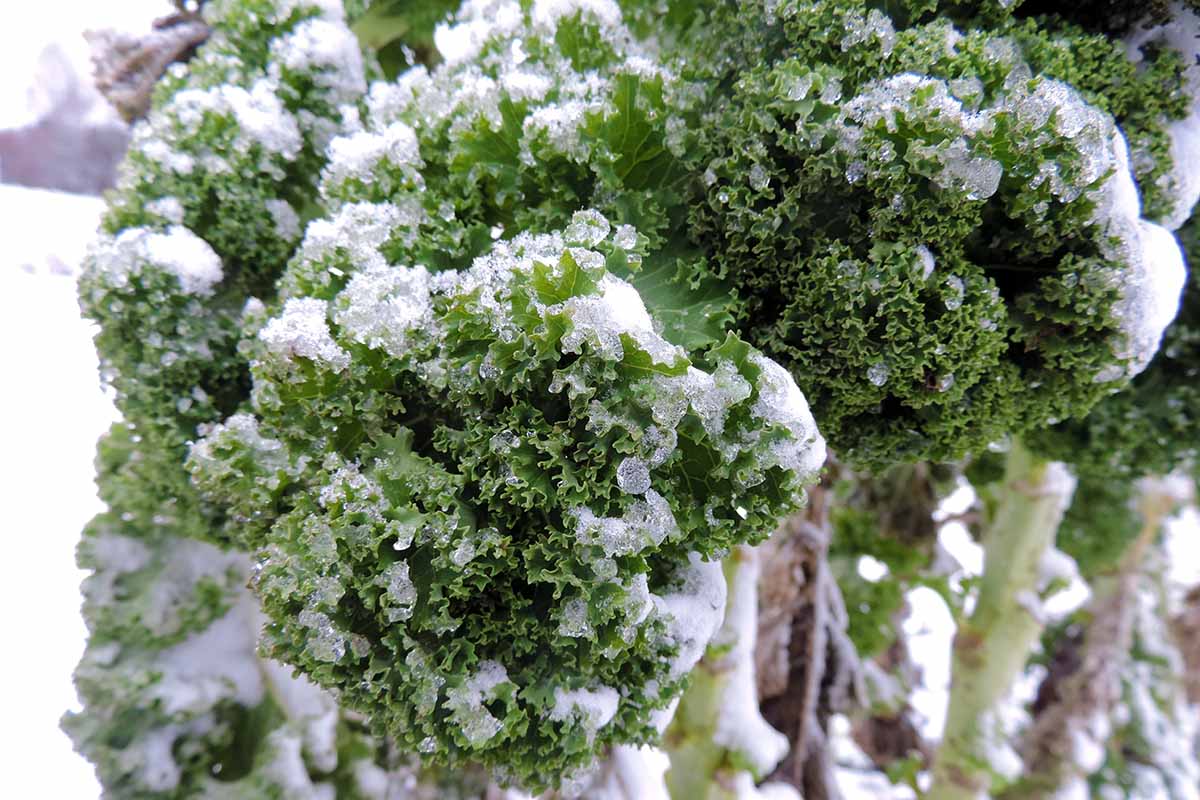
If you live in a location that has light frosts in the fall, you’ll probably want to stick to cool-weather crops that can survive, and even thrive, when temperatures hover around or below freezing.
Check out our guide on when to plant crops in autumn to make sure you plant your veggies with plenty of time to mature.
Gather Seeds and Plants
You might be able to purchase seedlings at this time of year, but more than likely, you will need to start them yourself.
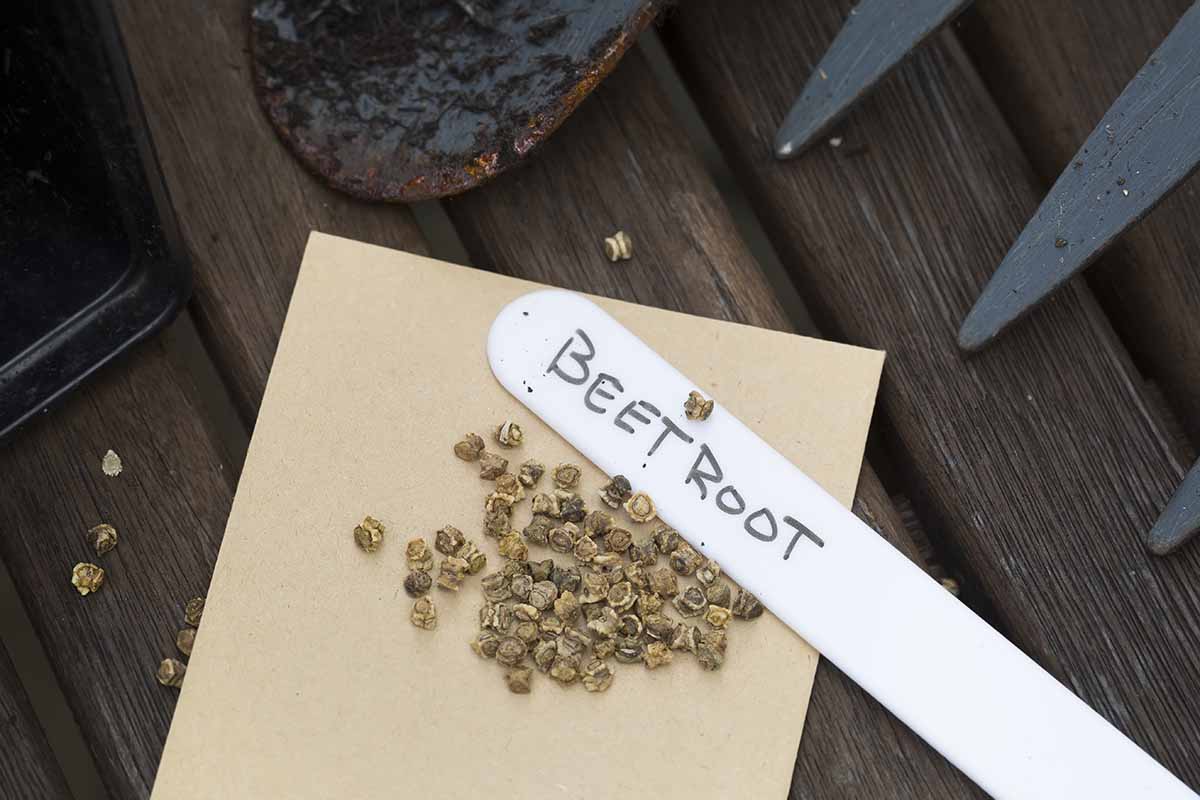
Make sure you start your seedlings early enough and follow our recommended best practices for starting annuals indoors from seed.
Buy new seeds from your favorite seed sellers, or use up what’s left in your seed packets from spring or summer plantings.
In addition to cold-loving brassicas, don’t forget that you can include potatoes and alliums in your fall garden, too.
Get Ready To Dig In
Finally, you’re ready to plant. We’ve got you covered if you need a quick primer on planting a vegetable garden!
Don’t forget, it’s sweater weather for your soil, too. Make sure you mulch around your plantings to keep the soil warm.
And if you aren’t getting regular autumn rains where you live, make sure to water.
Your garden won’t need as much water as it does in summer, since lower temps and indirect sun mean less evaporation, but it still needs an occasional drink.
If you’re not sure exactly how much water your plants are getting naturally, consider installing a rain gauge in your garden, and supplement with sprinklers or the garden hose accordingly.
Provide Protection
Cooler temperatures and occasional high winds mean some plants will benefit from a little extra protection.
Row covers and cold frames can come in handy to extend the gardening season into the fall, and if you have a greenhouse, this may be the perfect spot to place pots of tender seedlings.

