


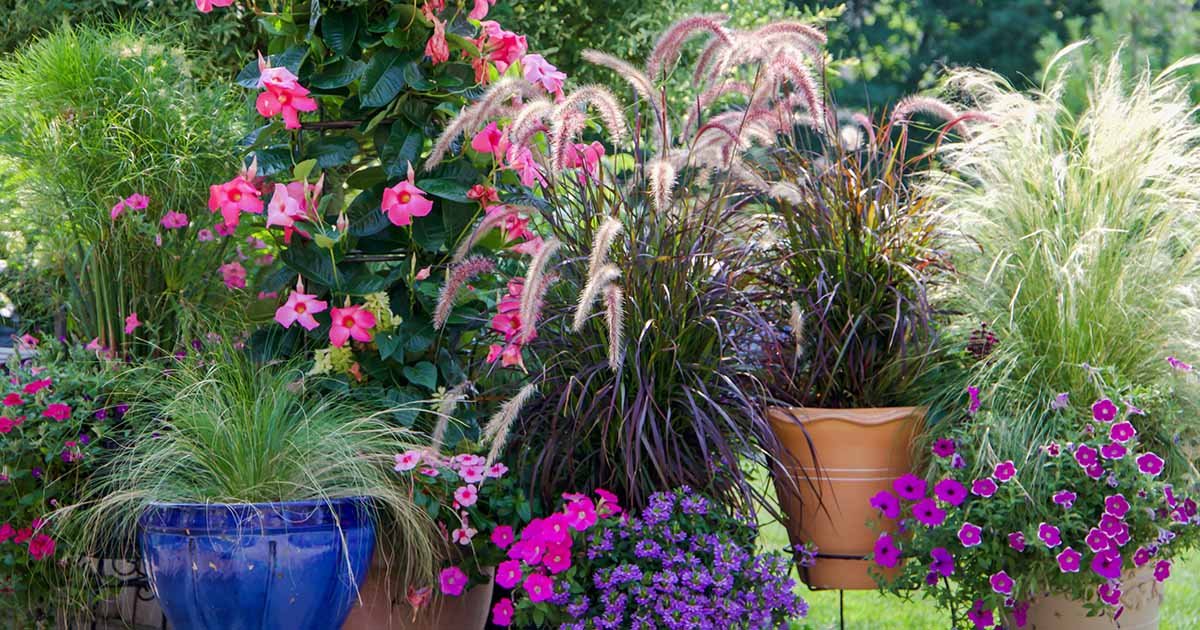
These include true members of the Poaceae family, like silver grass, plus many similar plants such as bamboo (Asparagaceae), sedge (Cyperaceae), and rushes (Juncaceae).
You can learn more about ornamental grasses here.
Choosing a Pot
The size of container you choose will depend on the type and expected mature size of the plant you wish to grow.
Pots and planters need to be deep and wide enough to accommodate root growth and foliage spread.
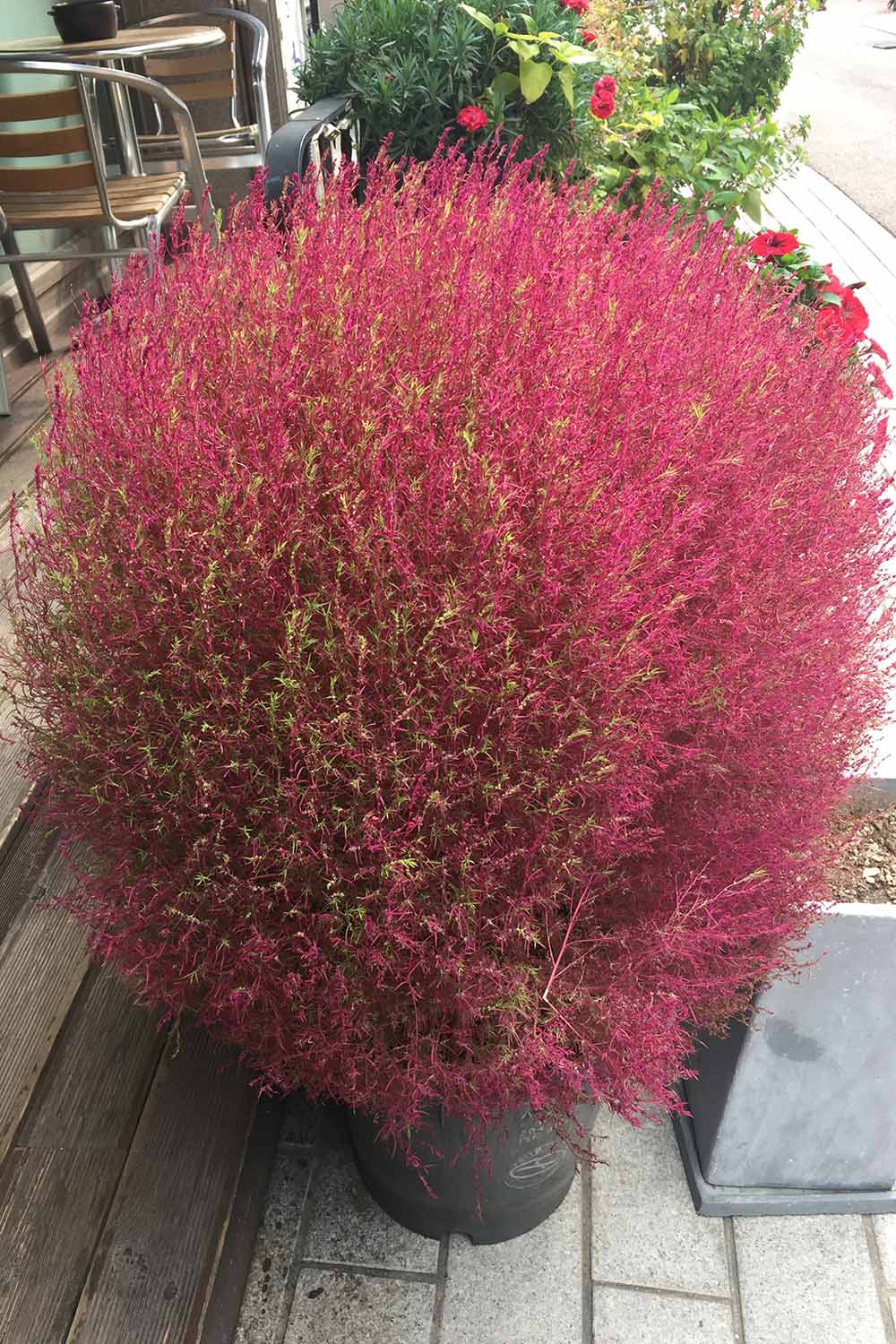
When planting single specimens, a loose rule of thumb is to use a container that’s approximately three-quarters of the plants’ expected mature height and spread.
For example, a pot with a depth and diameter of 12 inches would suit a cultivar with a height and width of around 16 inches.
For mixed plantings, increase the pot size as needed.
Pots can be made from materials such as glazed ceramic, plastic, resin, or terra cotta, and a saucer underneath is recommended to prevent water spilling onto decks and patios.
Ensure containers have adequate drainage holes to allow water to flow freely and prevent soggy soil.
Container Prep
To create the best growing conditions, avoid using garden soil which can tend to be too dense, compacting in the container and preventing proper drainage, which leads to a soggy, low-oxygen environment.

To mix your own potting medium, combine equal parts compost, topsoil, and a moisture retentive material such as coconut coir, peat moss, perlite, or vermiculite.
These materials hold moisture without becoming compacted or oversaturated.
To ensure the soil is well-draining, mix in some grit like granite chips or landscape sand.
Use about two cups of grit for a 12-by-12-inch pot, adding another half cup of grit for each two-inch increase in size.
Alternatively, you can use a well-draining commercial potting mix, like Tank’s-Pro Coco Potting Mix, available from Arbico Organics in 1.5 cubic feet bags.
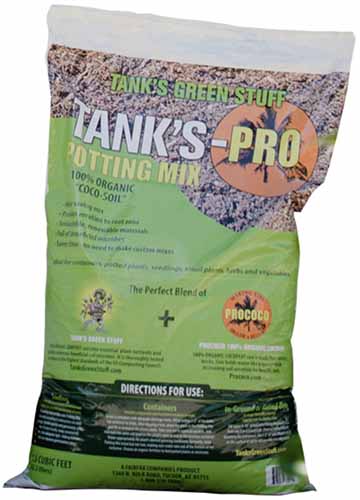
This product contains organic compost and coconut coir.
Before planting, add in some bone meal to promote healthy root growth, according to package instructions.
Planting
Spring and fall are the best times for planting most ornamental grasses.
However, fall plantings should be done early enough to ensure roots are well-established before freezing weather arrives – about eight weeks before the first frost date.

Use small, medium, or large varieties as single specimens in pots, and small- to medium-sized ones for mixed plantings to add color, height, and texture.
In mixed plantings, add grasses to the back or center as a backdrop or focal point, filling the remaining space with annuals or perennials.
Make sure you always choose filler plants that have the same growing requirements, in terms of light and water.

