


Species to Select
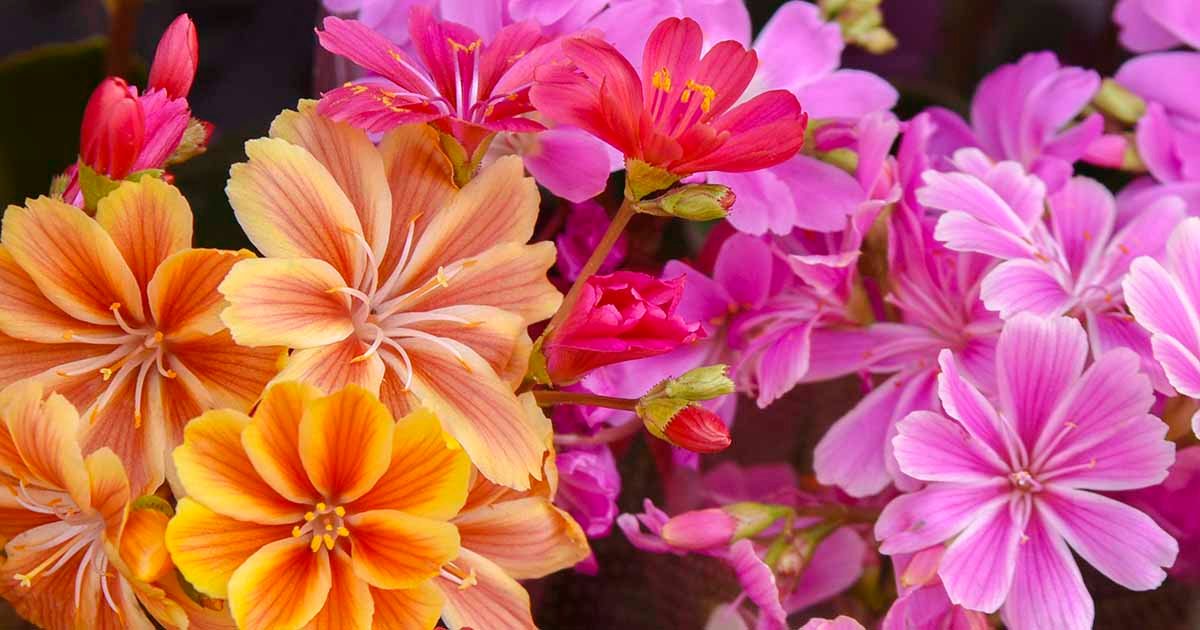
Chances are, you’ll only find cliff maids for sale, which makes choosing which species to plant pretty easy.
But some specialty nurseries will carry other species.
You might also be able to grab some offsets from wild plants, but be sure that you are harvesting in an area where it’s allowed, and be cautious only to take a few at a time.
Also, keep in mind that wild plants rarely survive well in cultivation.
Cliff Maids
Cliff maids (L. cotyledon) are evergreen, which means you can have a year-round display in Zones 3 to 9.
In the spring and early summer, the plants are smothered in heaps of colorful blossoms. This species produces pink, white, or orange flowers.
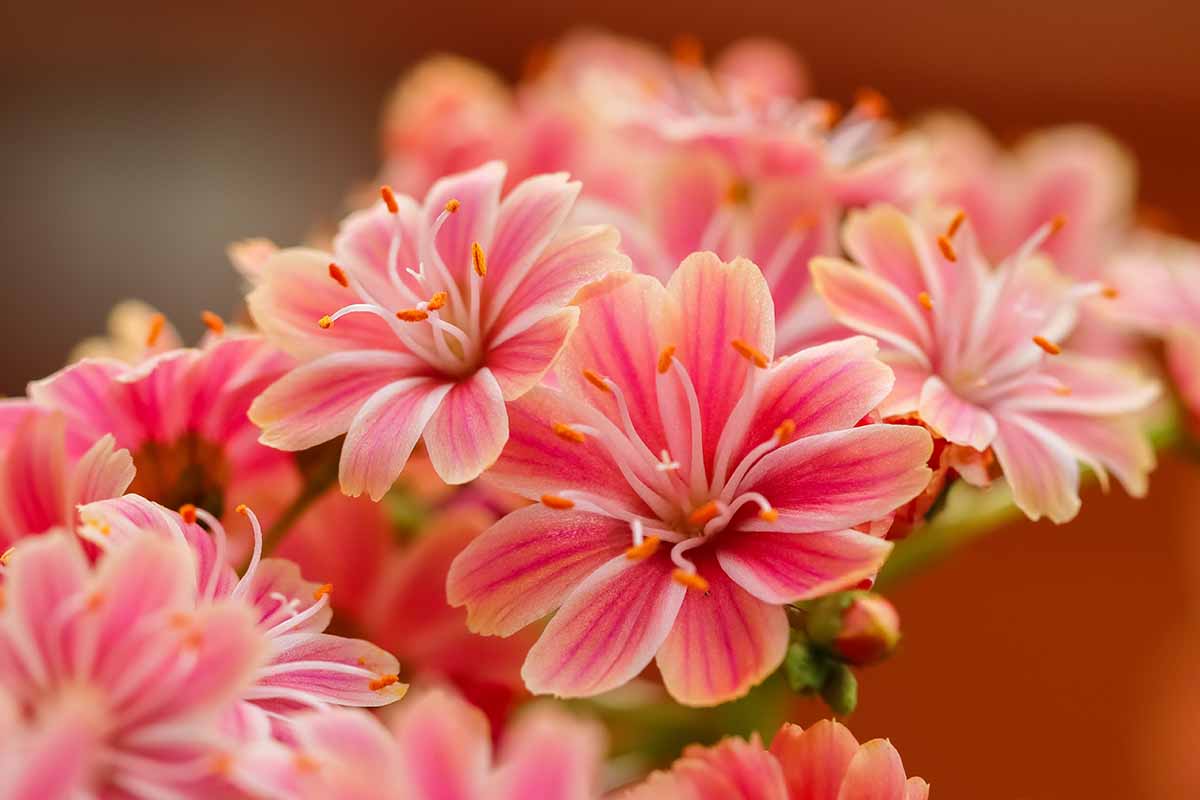
There is also a popular group of cultivated varieties known as the Sunset Group.
Plants from the Sunset Group flower for even longer and the blossoms are more vibrantly colored in hues like white, yellow, apricot, tangerine, pink, fuchsia, violet, and purple.
Both the species and the Sunset Group were awarded the Royal Horticultural Society’s Award of Garden Merit in 1993.
If you’re new to lewisia and you want something easy to grow, this is definitely the species to start with.
Bitterroot
L. rediviva is the state flower of Montana and while it’s rarely seen in cultivation, these days it’s gaining in popularity.
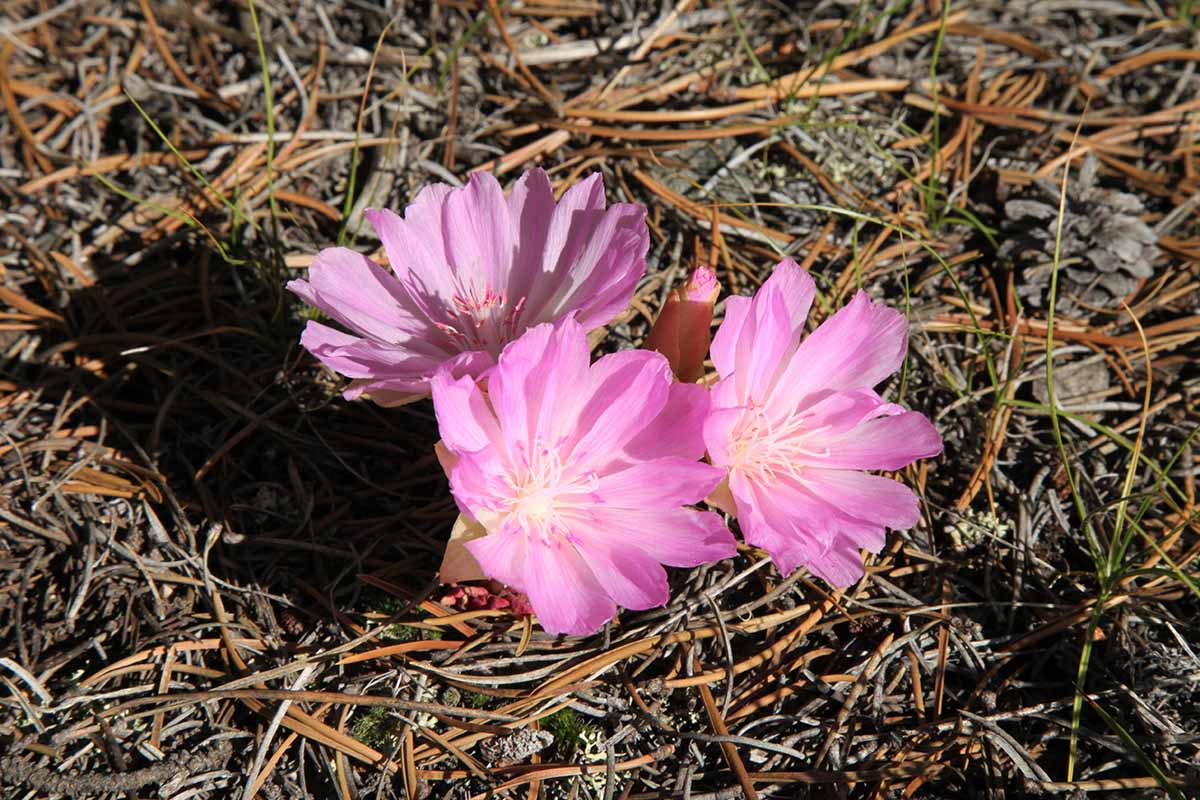
While this species isn’t quite as showy or adaptable as cliff maids, it’s a beautiful plant in its own right. In spring it produces pink or white flowers before going dormant in the summer months.
If you live in its indigenous range, consider growing this one since wild plants are disappearing, causing stress for the animals that rely on it.
It’s suitable for cultivation in Zones 3 to 9.
Columbian
I was hiking in Oregon when I first spotted this sweet little plant, known to botanists as L. columbiana.
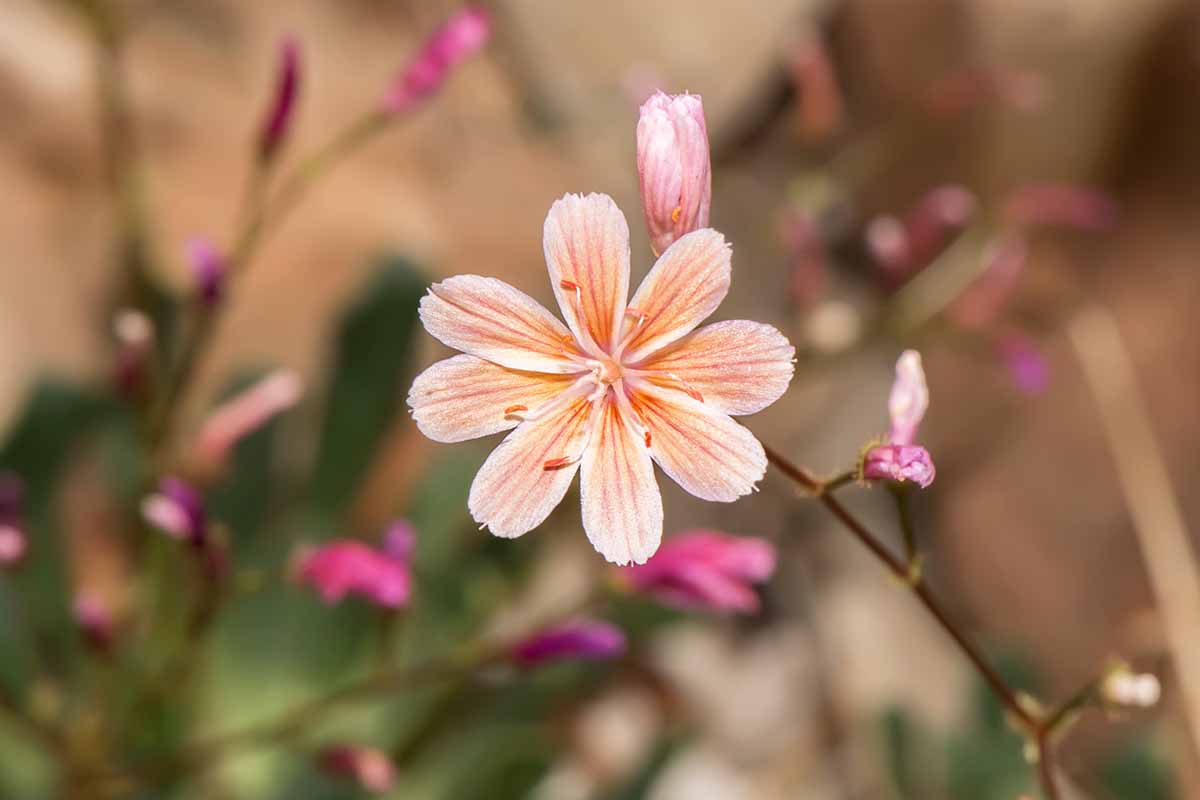
It’s not as bold and bright as cliff maids, with its narrow leaves and pink and white flowers held on long pink stems.
If you look closely, you will notice that the flowers are white with distinct pink lines running down the petals. This is an evergreen species, so it won’t go dormant in the summer.
There’s a natural variety (L. columbiana var. rupicola) that I long to get my hands on. It has lavender blossoms and bright magenta stripes.
Kellogg’s
When Kellogg’s lewisia (L. kelloggii) is in bloom, it can be hard to tell if the plant even has leaves.
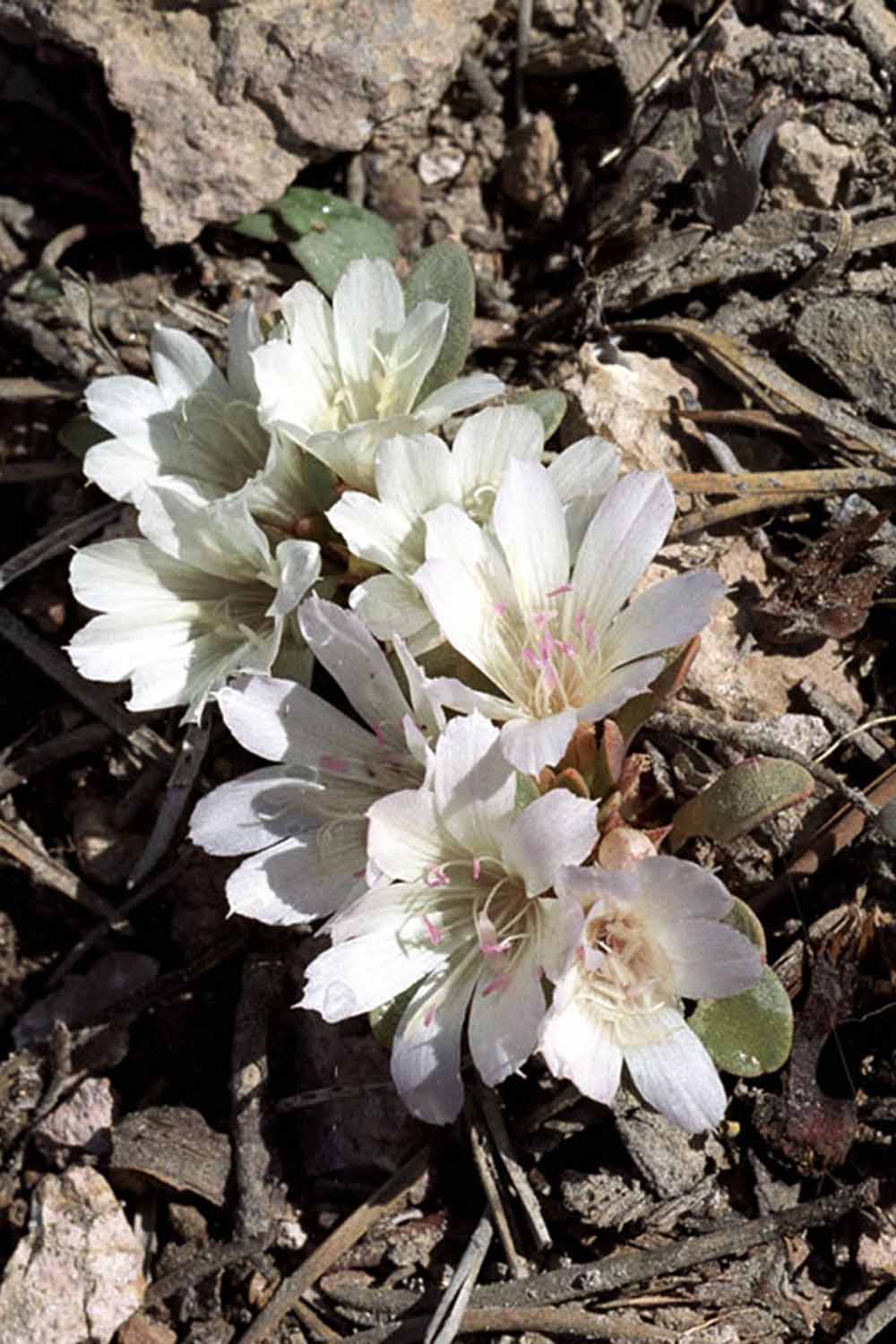
The clusters of white or pale pink blossoms appear on short stems that smother the rosette of spoon-shaped leaves underneath.
The leaves die back for the summer after the blossoms fade, but they’ll return in the fall for another round of growth.
Short-Sepal Bitterroot
Short-sepal bitterroot (L. brachycalyx) is a deciduous type that goes dormant in the summer.
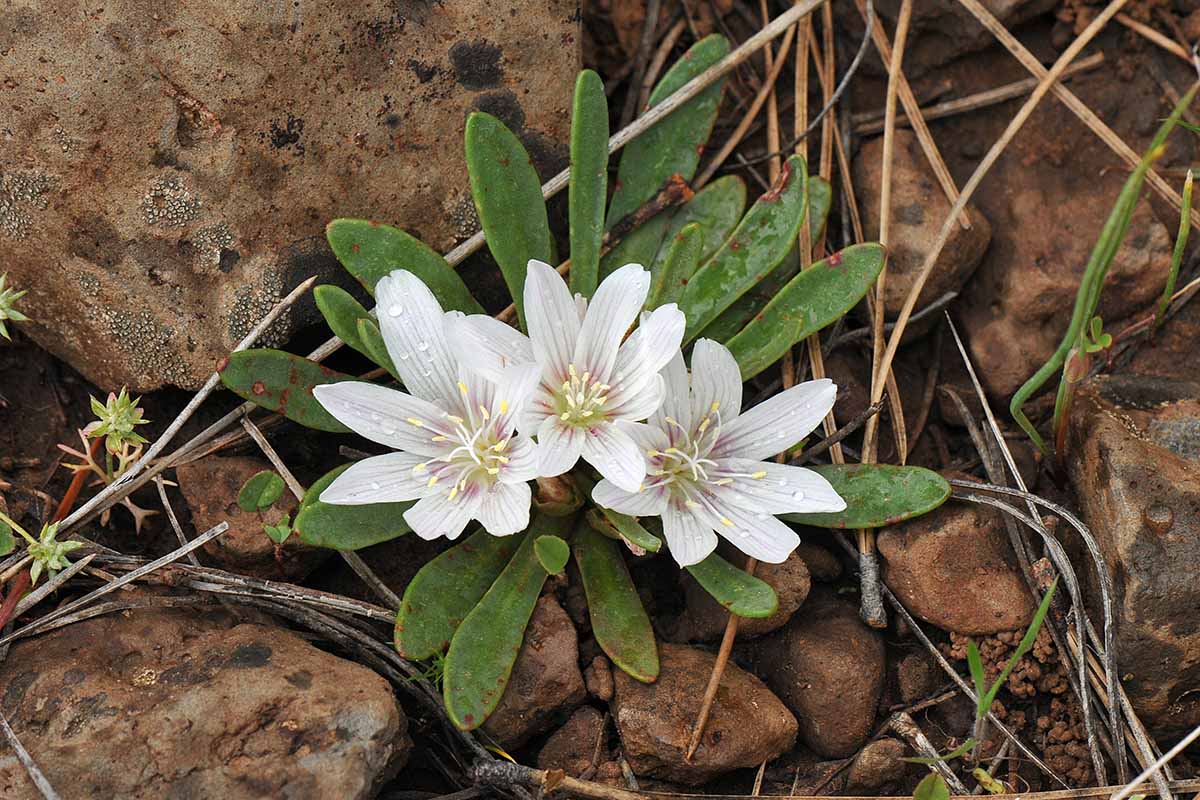
It has pink or white flowers with narrow succulent leaves. It’s resilient and reliable, which is part of the reason that this plant was awarded the Royal Horticultural Society’s Award of Garden Merit in 1993.
It grows indigenously throughout southwestern North America.
Propagation
There are two main methods for propagating lewisia, from seed and by dividing offsets.
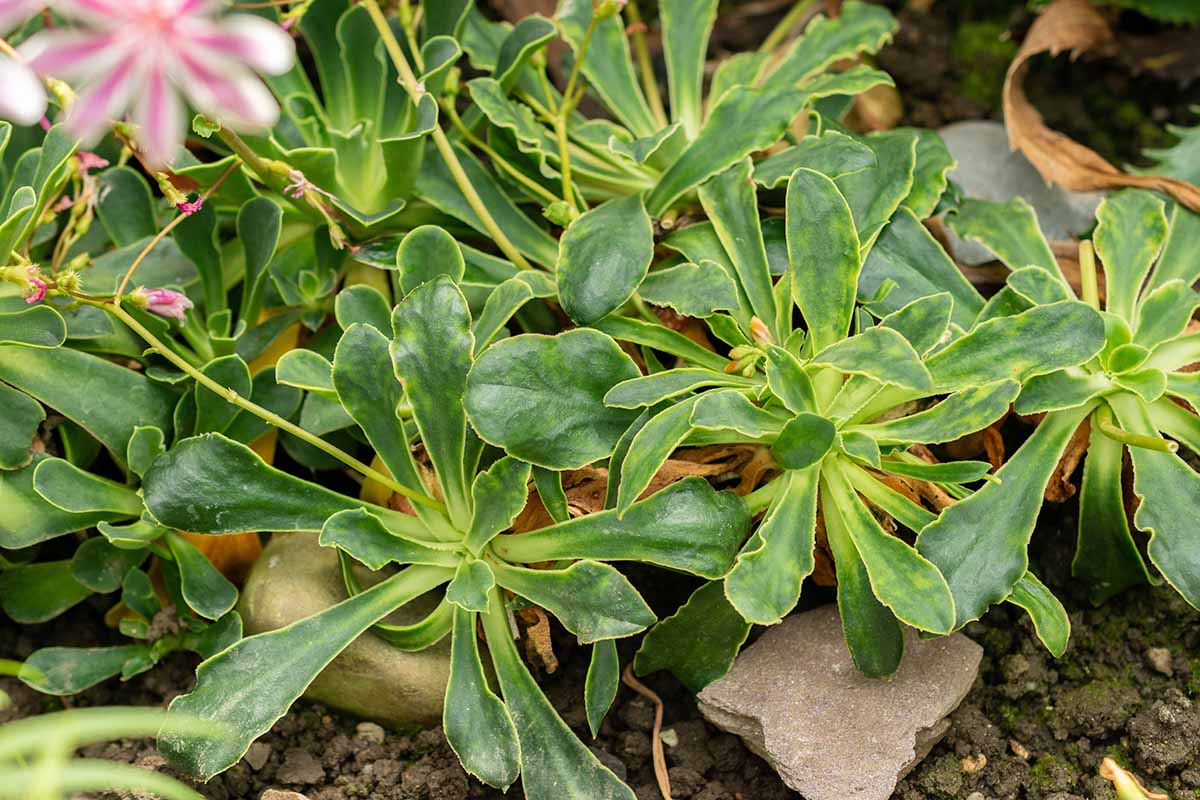
Seeds can be hard to come by, but some specialty nurseries may carry them. You’ll normally find potted starts rather than seeds.
From Seed
Since lewisia grows natively in sub-alpine regions, they typically experience cold winters. The seed needs a period of cold stratification for them to break dormancy and germinate.
When you have your seeds, you’ll need to recreate this.
Fill a bag or sealable container with moist sand and add the seeds.
Place the container and seeds into the refrigerator. They need to stay just above freezing and below 40°F for about six weeks.

