


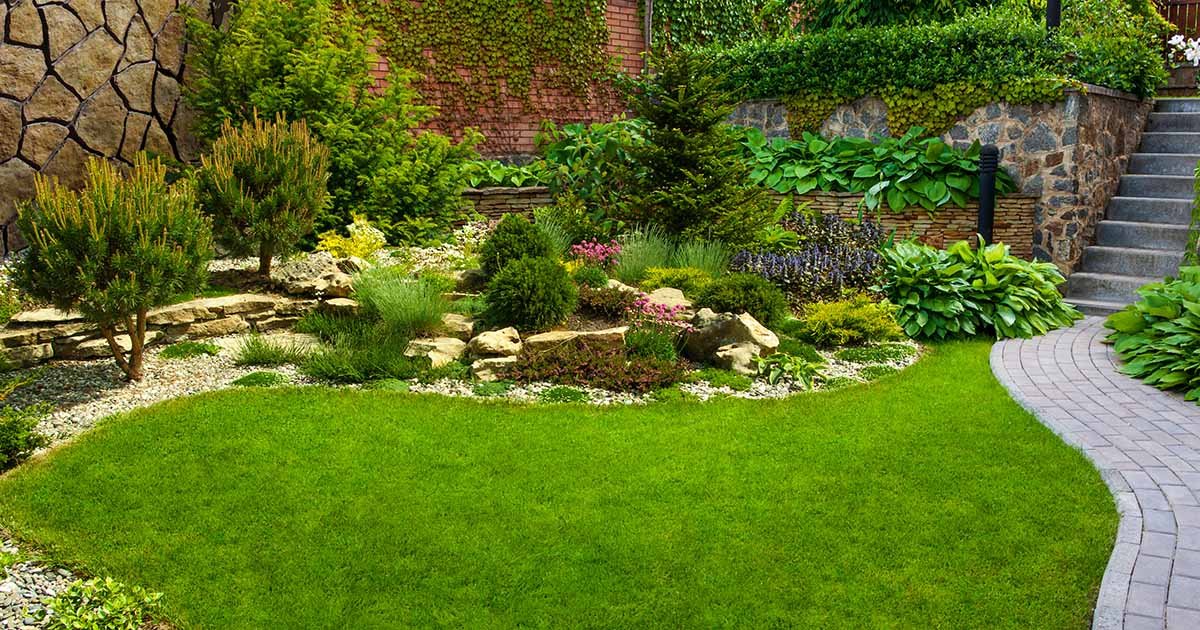
Whether you’re new to gardening or a veteran green thumb, growing your own plants can be one of life’s most rewarding experiences.
After all, the intentional cultivation of plants allowed our species to switch from hunting and gathering to farming and settling, which in turn led to human civilization.
Science, technology, medicine, writing, the arts, and everything else that we developed thanks to specialized labor and large populations, we owe it all to flora.
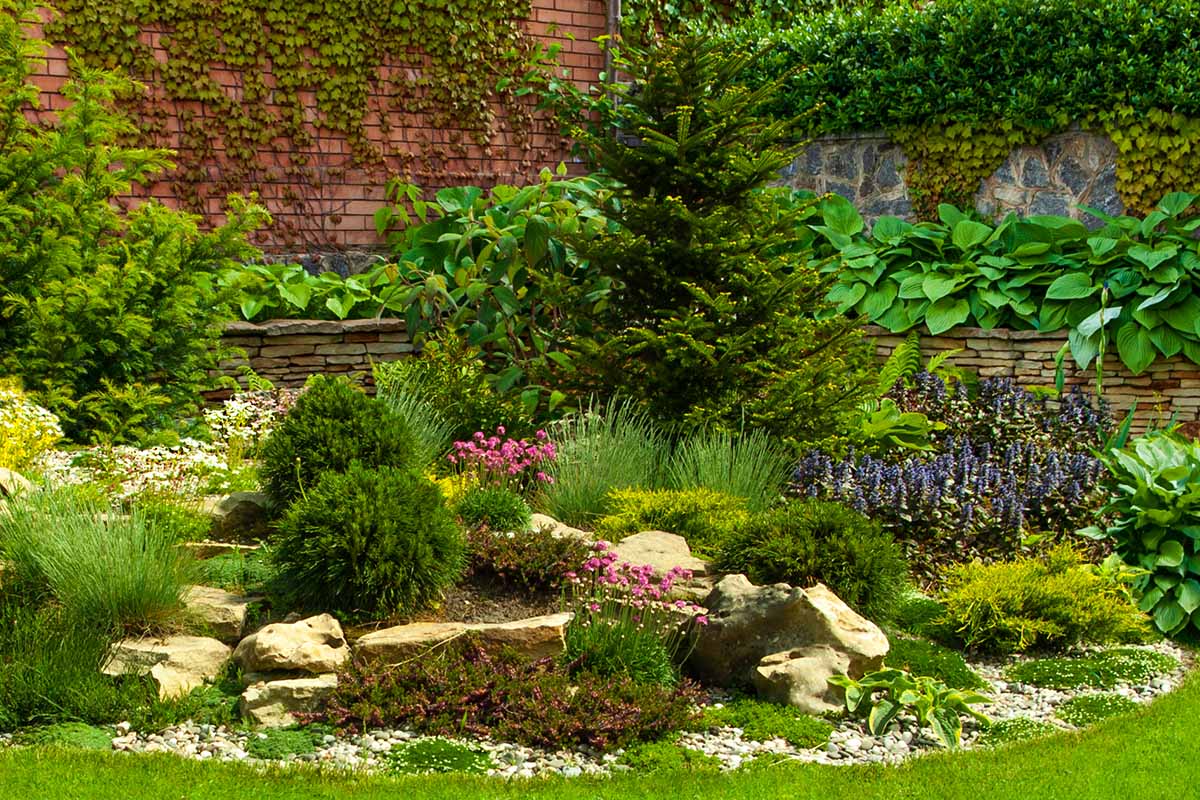
Without cultivated plants, modern-day life and the world as we now know it wouldn’t exist, for better or worse. Personally, I like to think it was a significant upgrade.
In short, to purposefully cultivate plants is to be human.
And however complicated it may seem to a layperson, growing and caring for these organisms is pretty simple, once you understand how it works.
This guide boils down plant parenting into 10 easily digestible lessons.
You’ll gain some solid know-how that you can use to grow pretty much any species you’d like, albeit with a little supplemental research.
Here’s a heads-up, though: you just might discover that this is your new favorite hobby. Make room in your schedule, budget, and thoughts accordingly.
Here’s the syllabus:
Growing Plants 101: Lessons for Success
Lesson 1: Plants Are Alive
Since they lack faces and (usually) don’t move, it’s easy to sometimes forget that plants are living things.
But just like people and animals, they start out as babies, grow into adults, reproduce, grow old, and eventually die. Their requirements for staying alive are also pretty similar to ours.
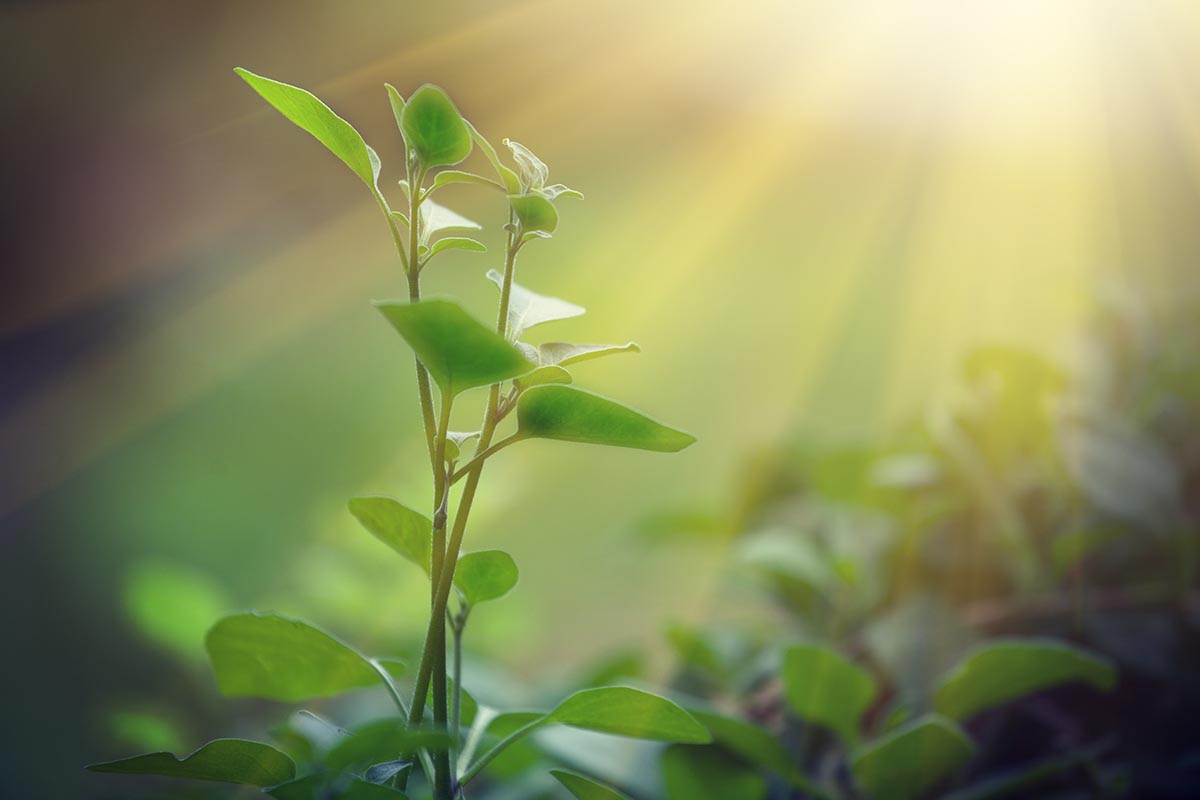
What do humans need to survive? Well, we need food, water, air, and protection, and we meet these needs by eating, drinking, breathing, and taking shelter.
In the modern day, we also wear clothes, nudists and streakers aside.
Plants also need these things, they just acquire them in different ways.
They make their own food from carbon dioxide, water, and sunlight in a process known as photosynthesis, they absorb water via osmosis, they take up oxygen via gaseous exchange, and they remain shielded from extreme temperatures, winds, and sunlight by growing in the right place.
By consciously remembering that these organisms are alive, you’ll be reminded of their needs, and you’ll also develop some serious empathy for them.
I recall a coworker of mine who was so protective of her garden specimens, she’d throw her soil knife at any hungry rabbits she saw.
Thankfully, her aim was never true, but her empathy was commendable.
Treat your plants right, and they’ll treat you right. Here are some benefits that you’ll receive from your botanical friends:
Increased Oxygen
Flora will take up carbon dioxide, turn it into energy for themselves, and release oxygen into the air.
Free Food
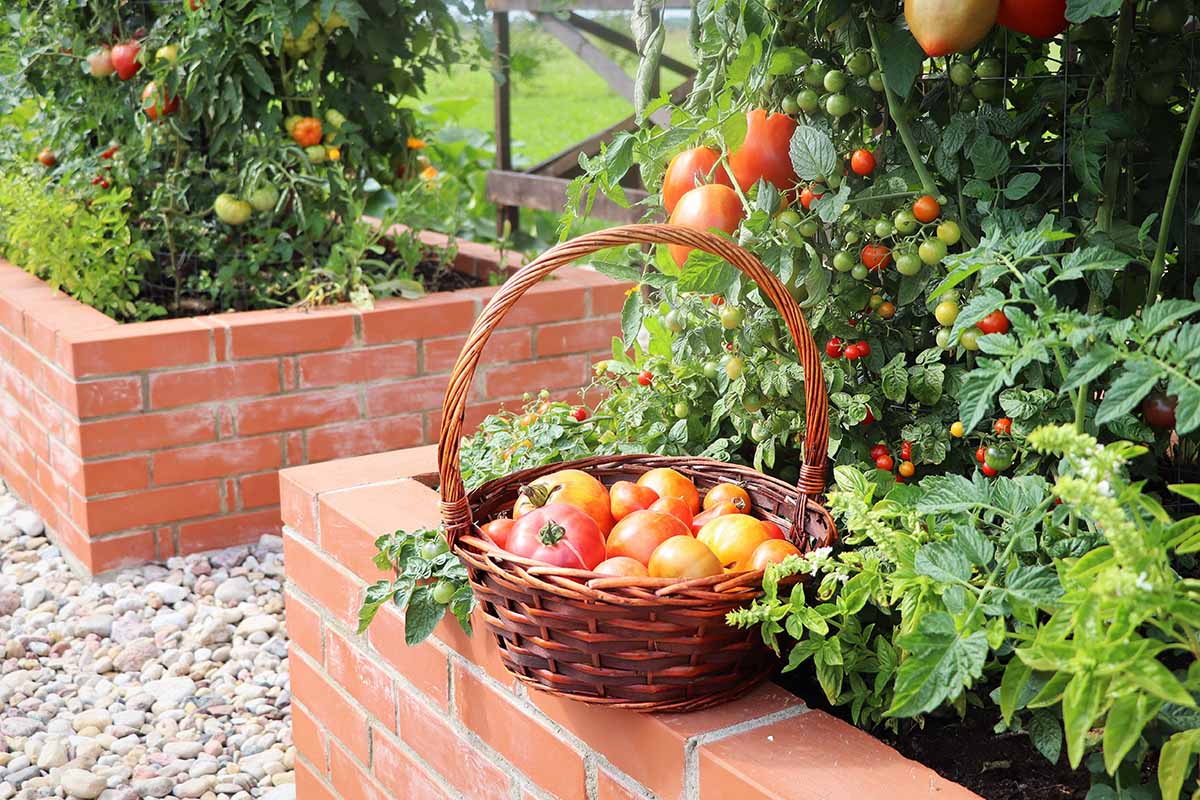
When you grow your own berries and other types of fruits, vegetables, and herbs while avoiding pesticides and artificial chemicals, you can end up with some really fabulous edibles.
Free Medicine
Some species are medicinal, and can be used like you would medicine from a store.
After all, many medicines are simply synthetic versions of what you’d find in nature.
Shade
Wide-spreading landscape trees come to mind. Along with protecting us from the elements, their canopies provide homes for many delightful insects, birds, and small mammals.
Tranquility
It goes without saying that a gorgeous landscape is quite peaceful, especially if it’s your own. In the garden, you can let your mind do some stress-free wandering for a bit.
Exercise
Walking, stooping, digging, and hauling in the garden are all fantastic physical activities.
And if you go at your own pace, you can enjoy gardening for many years, often well into old age.
I could go on. But I’m sure that you’re chompin’ at the bit for some plants right about now…
Lesson 2: Acquisition
There are three ways to acquire new plants. You can transplant established specimens, sow seeds, or propagate new plants from existing specimens.
I suppose you could also buy or inherit the land that they sit in, but I’m not qualified in telling you how – I myself own no real estate.
Transplanting is simply moving a grown plant from one growing site to another.
It’s the quickest and easiest way to end up with some ready-to-flaunt vegetation, and generally, spring and fall are the best times to do it.
You’ll want to give your transplants ample protection and TLC until they settle in and become established, i.e. grow enough roots to acquire the necessary resources in their new homes.
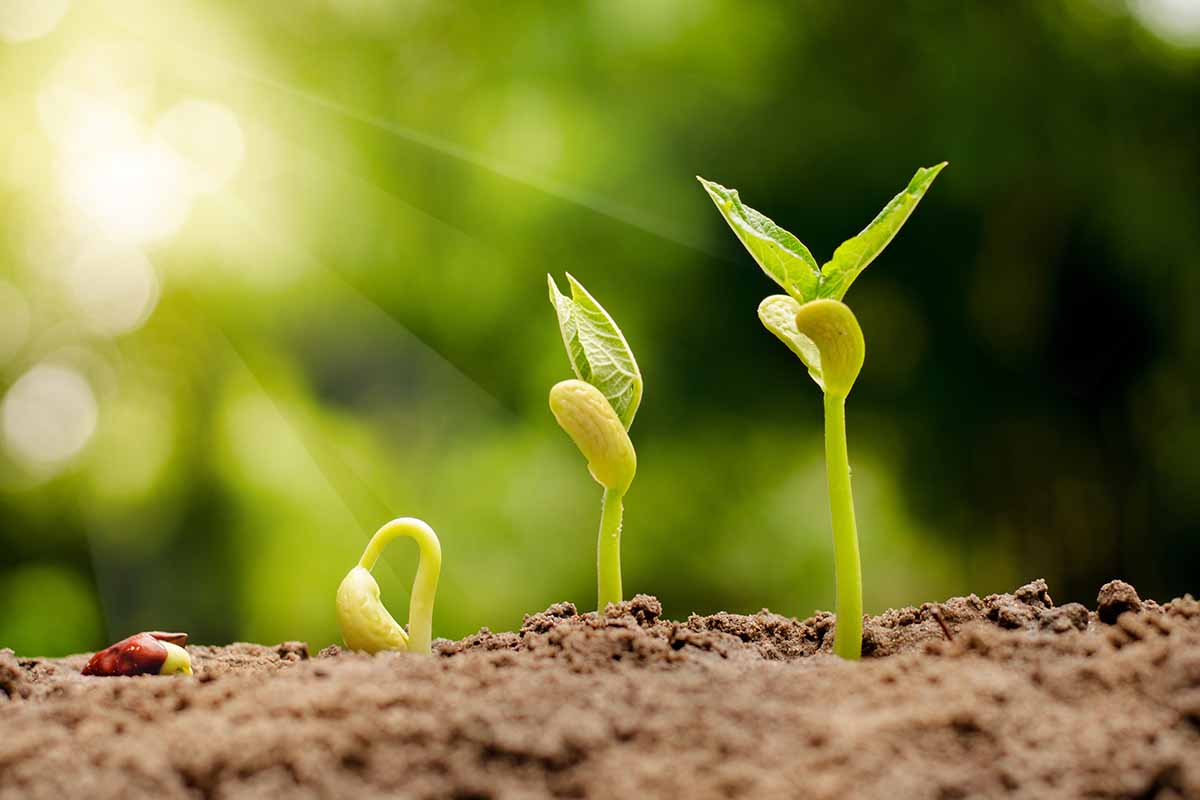
For seed sowing, harvested seeds are put in soil and cared for until they germinate.
Sometimes, seeds need pre-treatments such as physical scarring or exposure to extreme temperatures to be able to germinate.
After germination, the seedlings are cared for further until they reach transplanting size, if they need to be moved elsewhere. Otherwise, they’re nurtured until adulthood.

