


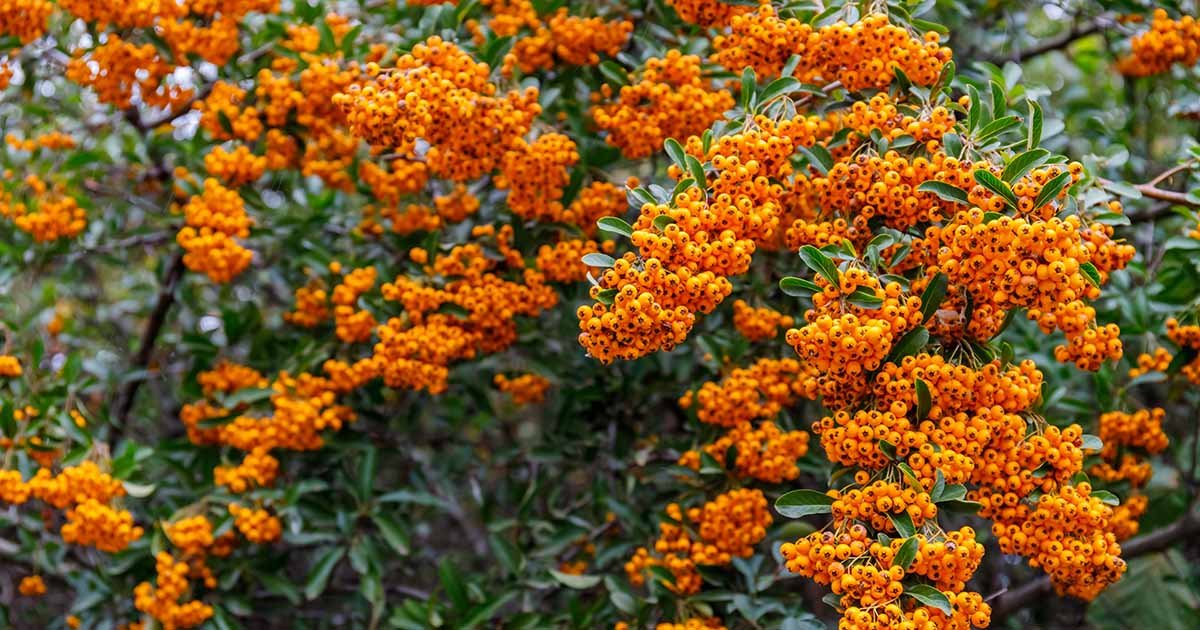
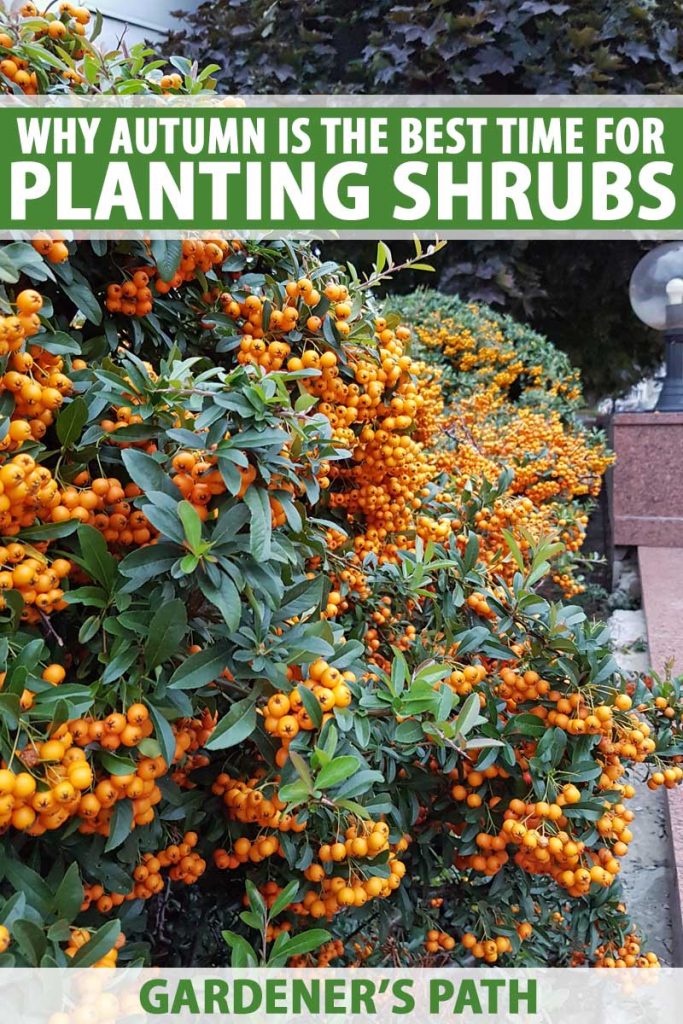
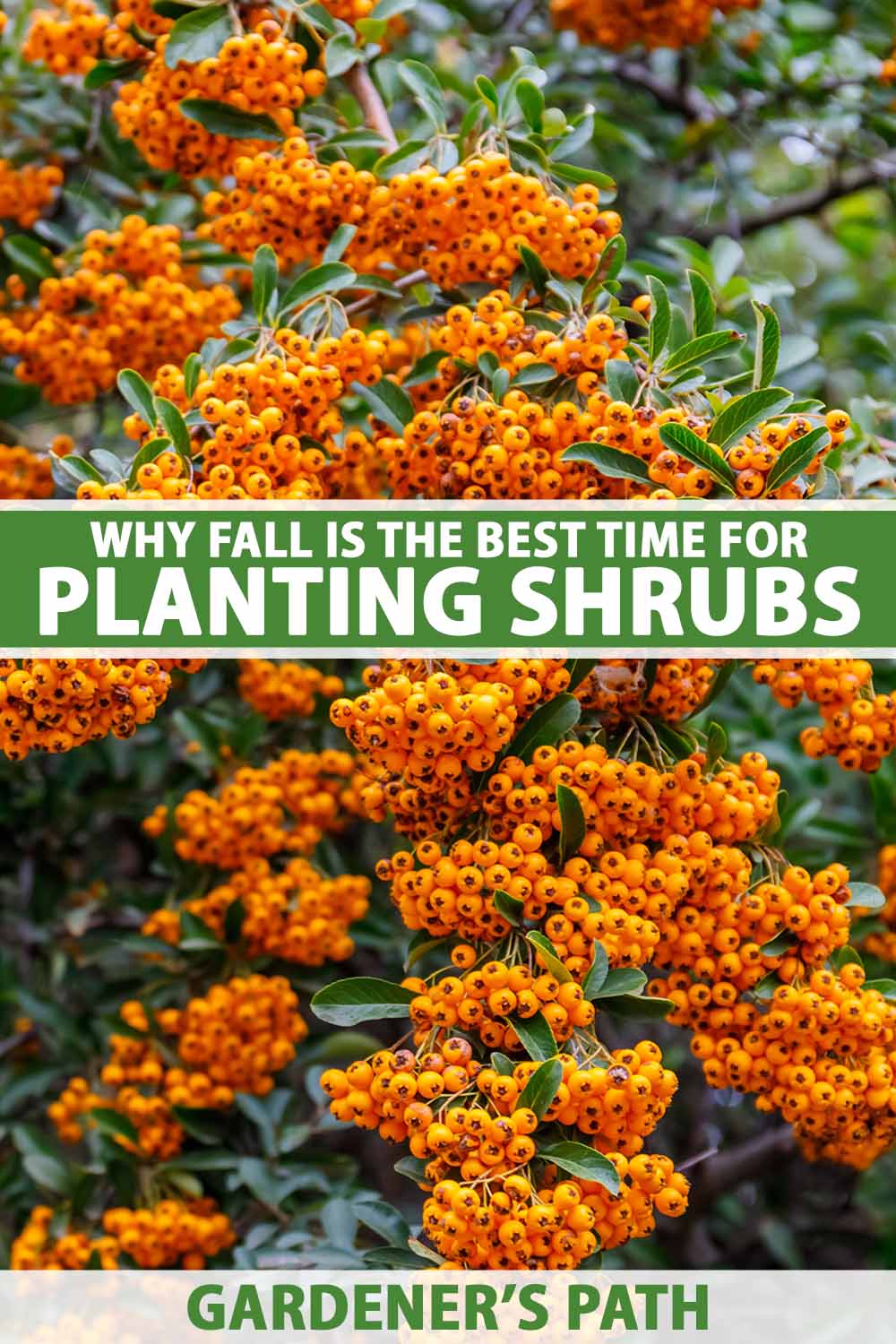
The cooler temperatures of fall are an invitation to leave the blast-chiller air conditioning behind, and step outside and enjoy that certain crispness that characterizes autumn.
And while you’re out there, why not install a few shrubs into your landscape?
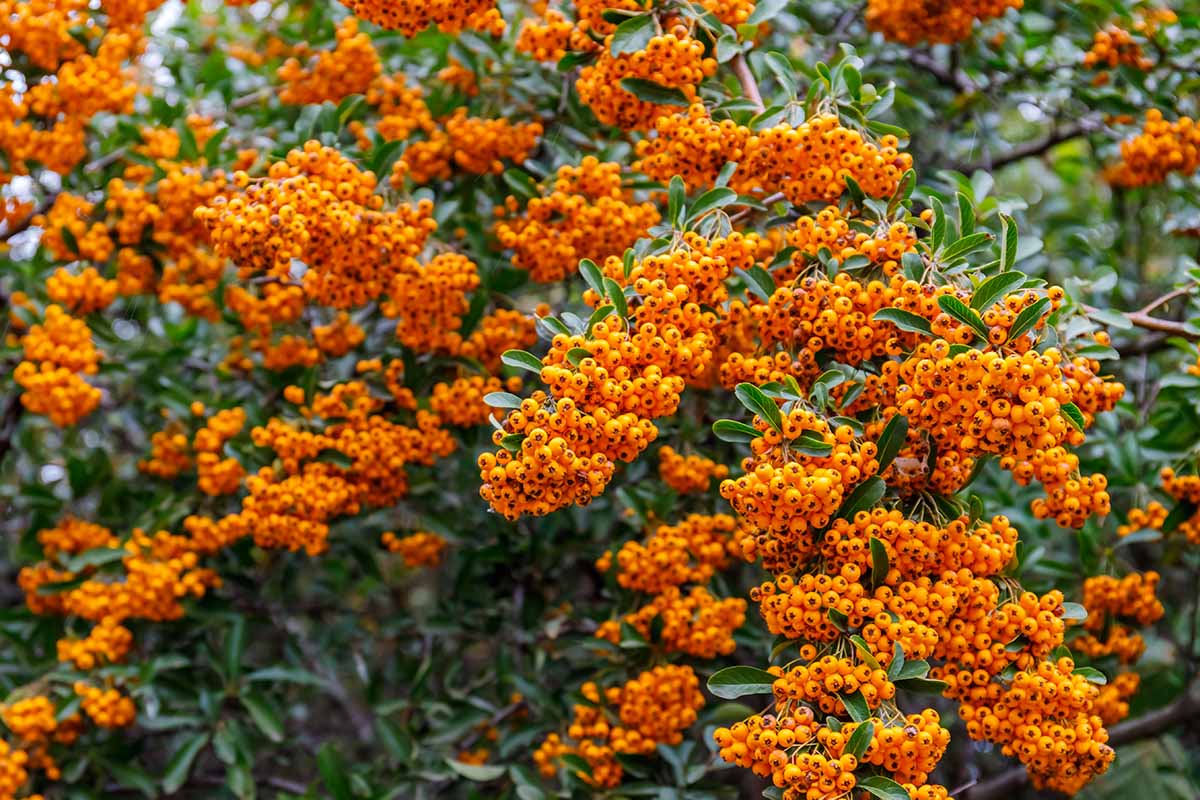
As with trees, autumn is generally considered to be the best time to plant ornamental bushes.
Let’s learn why you should plant in autumn, what “fall” really means, and how to plant woody plants!
Why Fall Is Best
For one thing, as we mentioned above, the weather is cooler but still tolerable in fall. Humidity is often lower, too.
Do you really want to be sweating buckets while digging holes in August? Me neither. So, to start with, fall is a comfortable and enjoyable time to be outdoors.
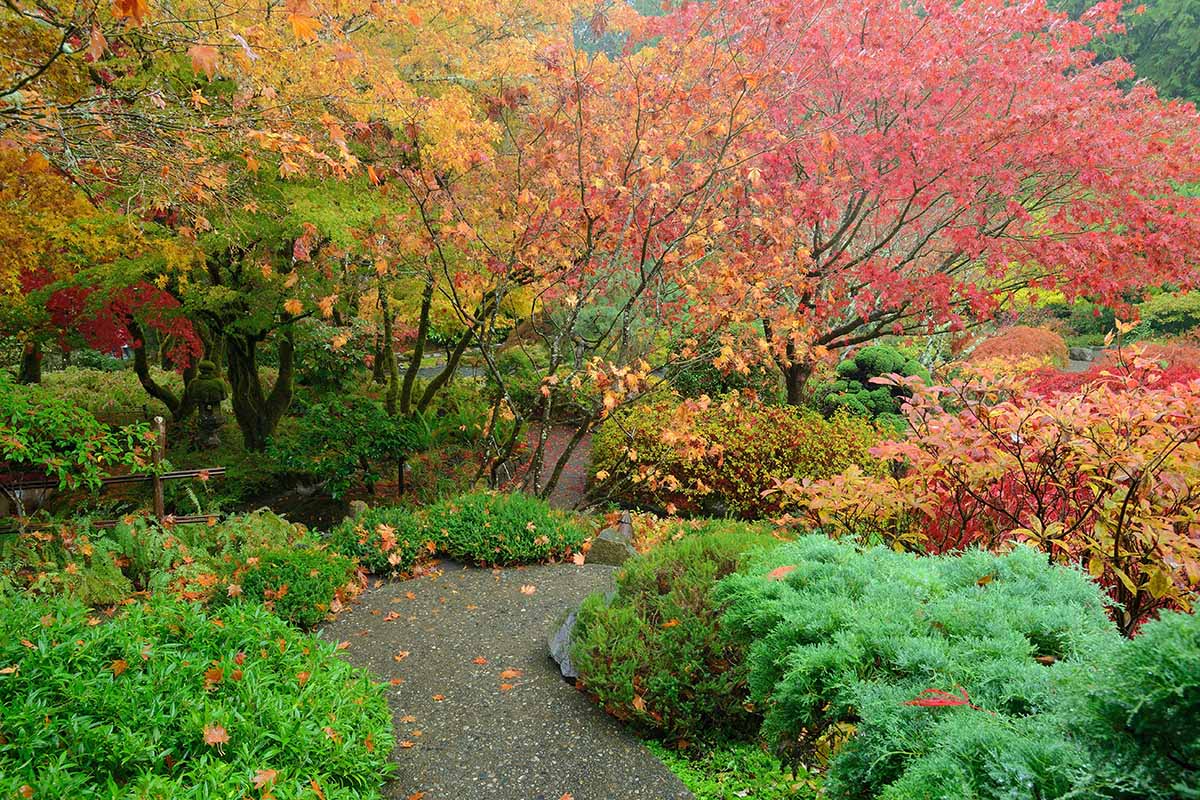
More importantly, however, planting shrubs in the fall allows the plants to establish an extensive root system before winter sets in.
In fall, the plants aren’t programmed to produce shoots or leaves, but in a newly planted situation, they’ll spend their energy developing roots, so come springtime, they’ll be able to draw plenty of resources for aboveground development.
Plants that get a head start on root development in the fall will be in better position for summer’s climatic challenges.
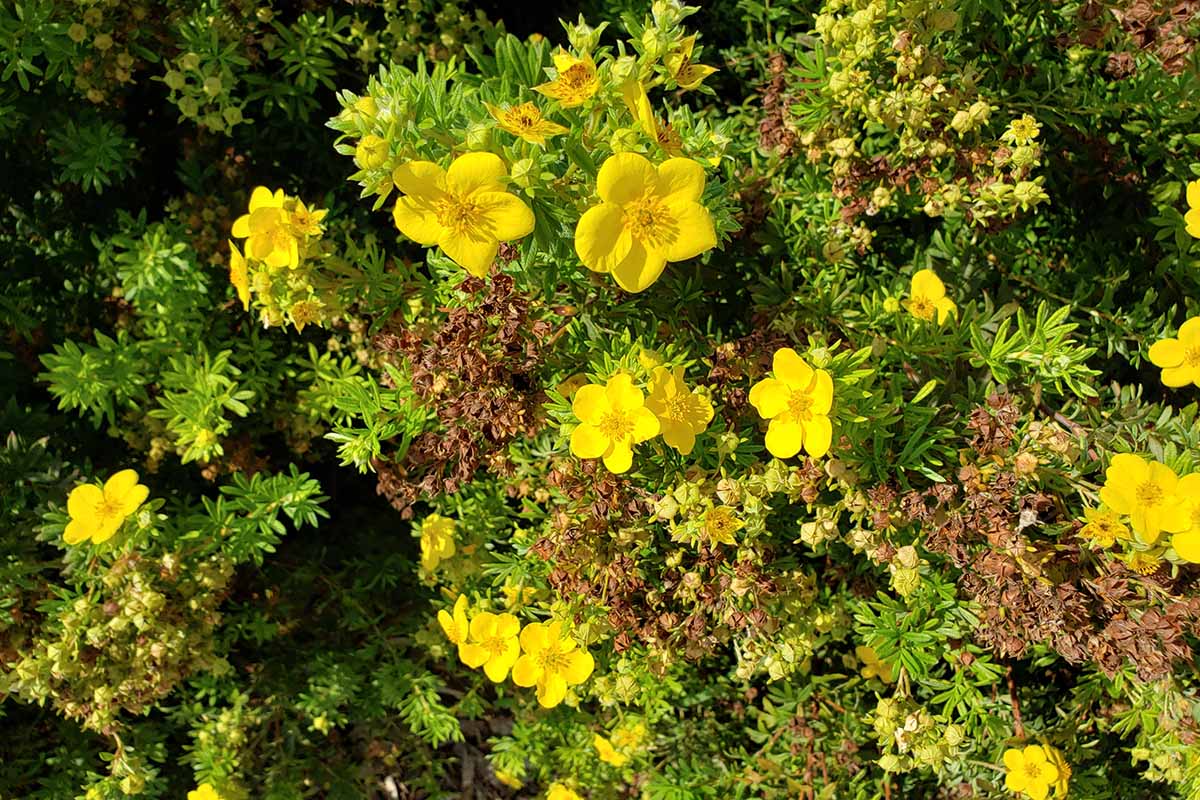
Another good reason to plant in the fall is that garden centers often put plant material on sale at this time of year. And who appreciates a bargain more than gardeners?
A no-duh caveat: If you’re hankering to plant a shrub that’s winter-tender in your area, then it’s best to wait until spring.
Check the Temperature
It’s important to take into consideration just when your “fall” is. Temperatures drop and humidity falls at different times in different parts of the country, of course.
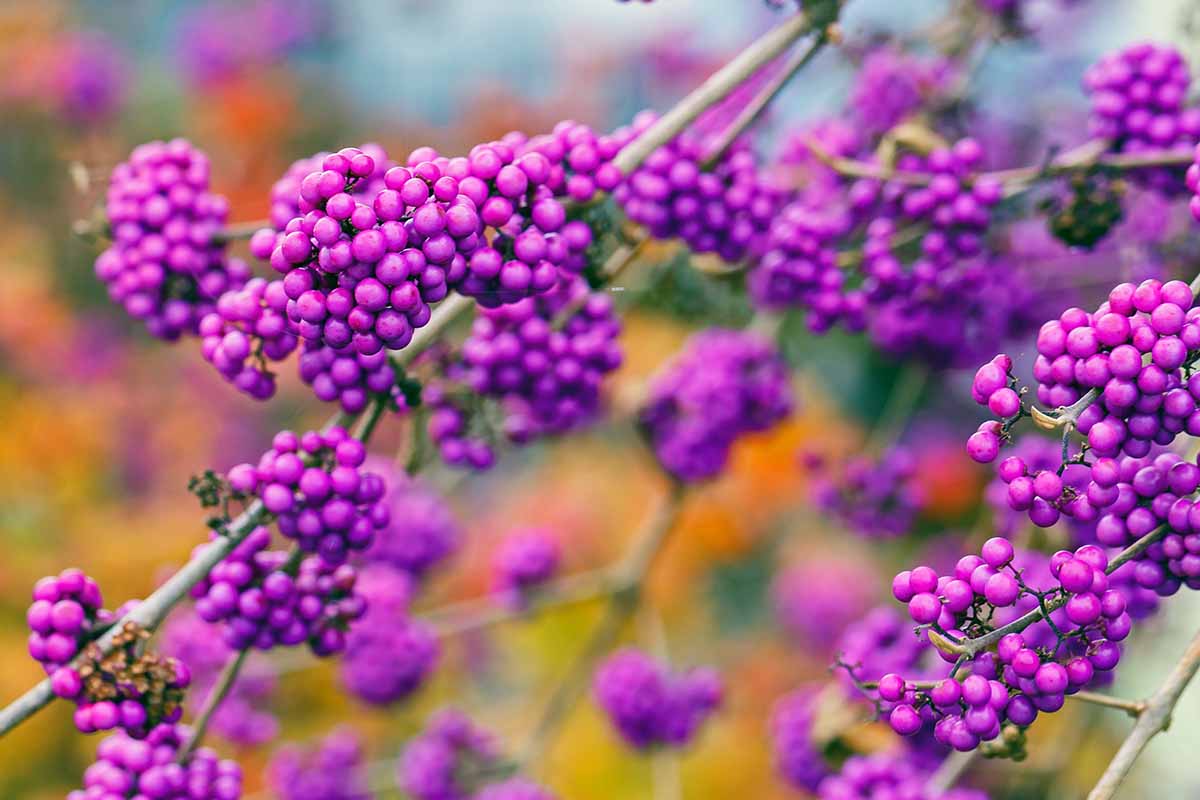
Just because the kids are back in school doesn’t necessarily mean it’s a good time to get out the shovel.
When temperatures have dropped and the forecast says they will remain lower for the foreseeable future, you should be safe to plant your shrubs.
As long as soil temperatures are in the 50s or even the 40s, you should be okay.
How to Plant Shrubs
If temperatures have lowered to a point where you can dig a hole without risking a coronary, it’s time to get started!
You’ve found some nice shrubs on sale, and they appear to be in good health – not too charred from summer’s heat.
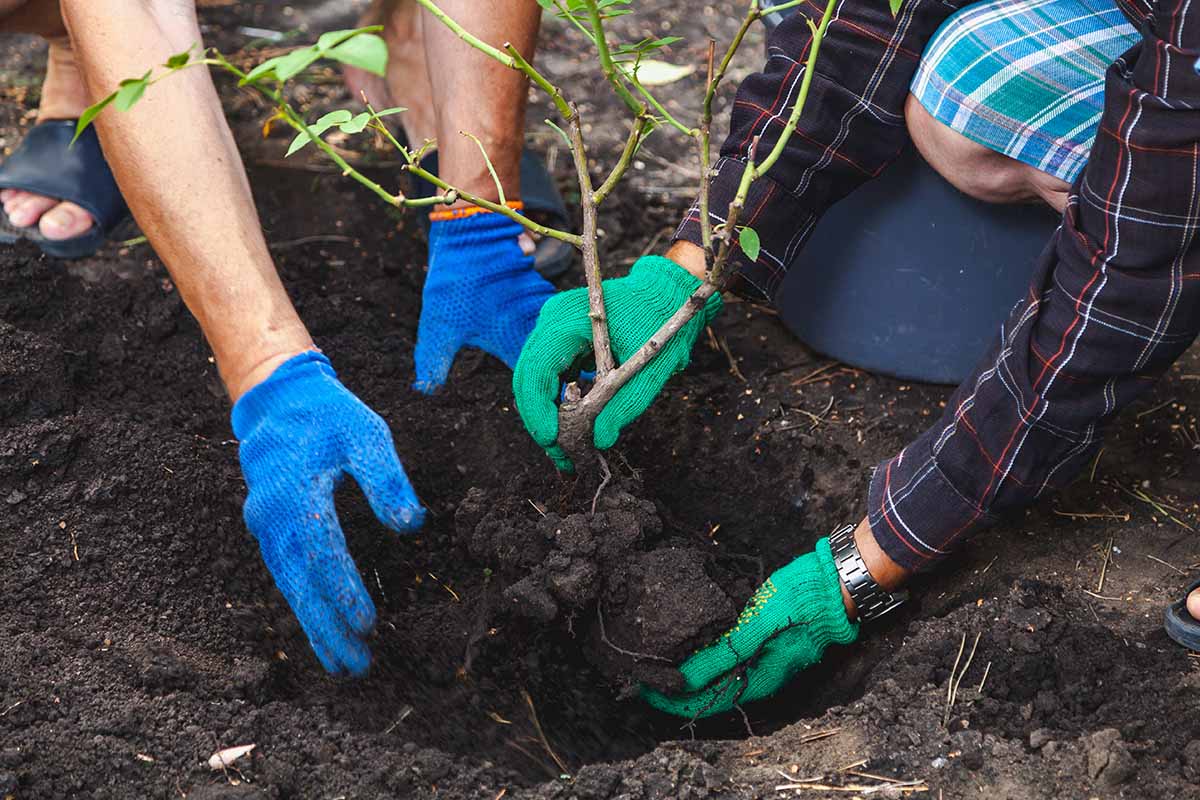
Dig a hole that is about a foot wider than the root ball, and about as deep as the root ball.
Cut any circling roots. Some experts say to cut an X into the bottom of the root ball to encourage new rooting.
Place the plant in the hole and backfill with dirt you removed from the hole, but do not pack the soil. You can press lightly to eliminate air pockets, but don’t compact the soil.
Don’t fertilize at this time. It may be appropriate to do so in the spring, but don’t do it in the fall as you don’t want to encourage new growth as you head into the winter months.
Water well, add more soil if necessary, and then add a thick layer of mulch.
Labor Now, Rewards Later
Fall shrub planting all but ensures no trips to the ER for heatstroke, and it all but ensures strong, healthy plants come springtime.
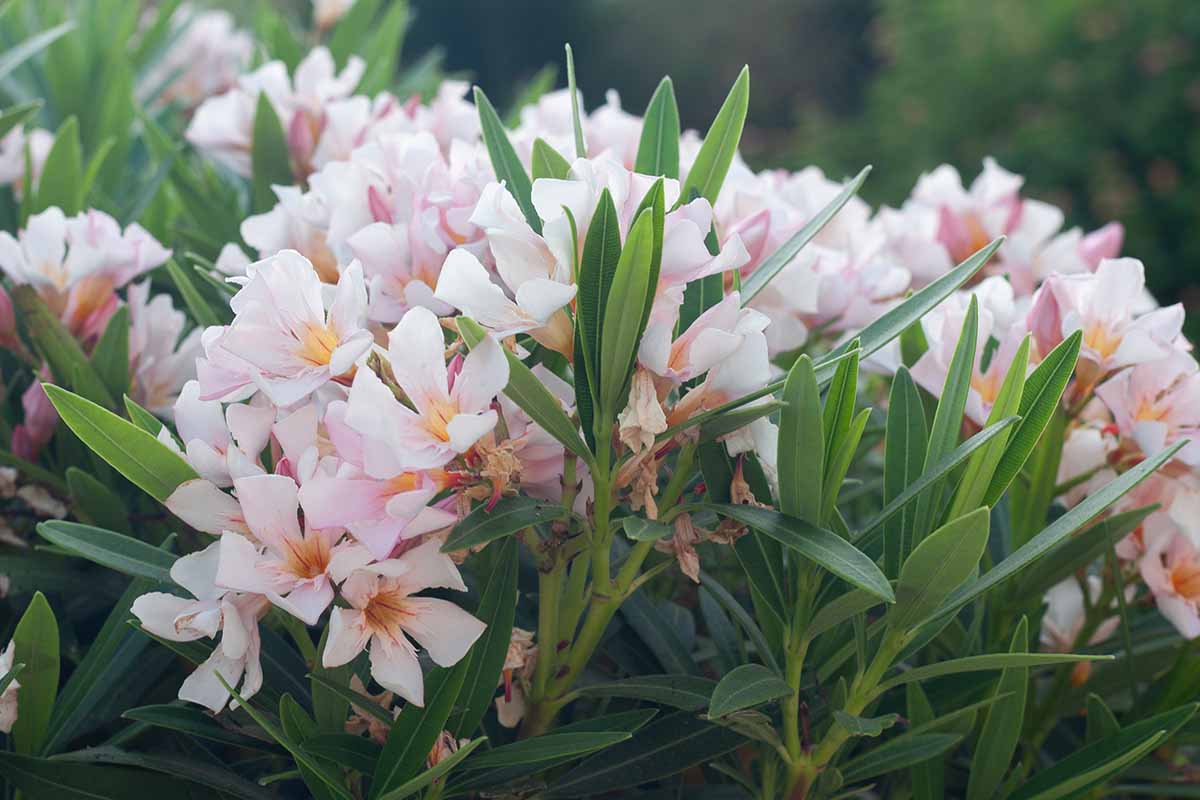
Plant in autumn and you’ll have well-established plants in spring that will be ready to put on plenty of new growth.
Do you plan ahead and plant in fall? Tell us your experiences in the comments section below.
And for more information about growing woody shrubs in your landscape, check out these guides next:

