


Don’t Despair about a Sudden Loss of Shade
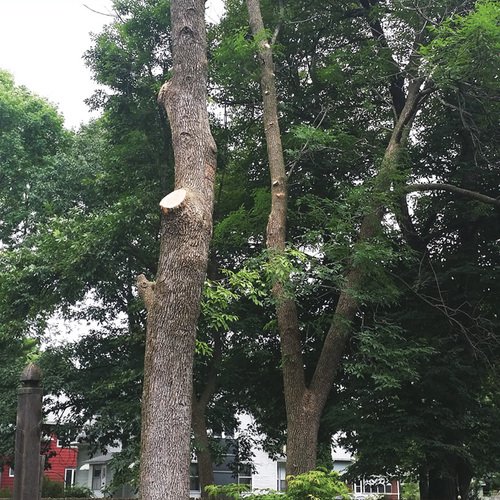
A few years ago, on a stormy June morning, I woke up to find that lightning had split one of two trees shading my small back garden. A large limb had dropped on the power lines and was visibly on fire. The power company responded immediately and took down most of that tree. Twelve hours of intense summer sun were now beating down on my shade plants, and it was only a matter of time before the scorching and desiccation would begin and death would follow. These are the steps I took that may be helpful to you if you face a similar circumstance.
Read more: Master the Art of Transplanting
Workers clear the debris after the lightening strike.
1. Make an action plan for each affected plant
Decide if it can stay in place with some protection until it adapts to the new light conditions or if it needs to be moved.
2. Dig and transplant as soon as possible
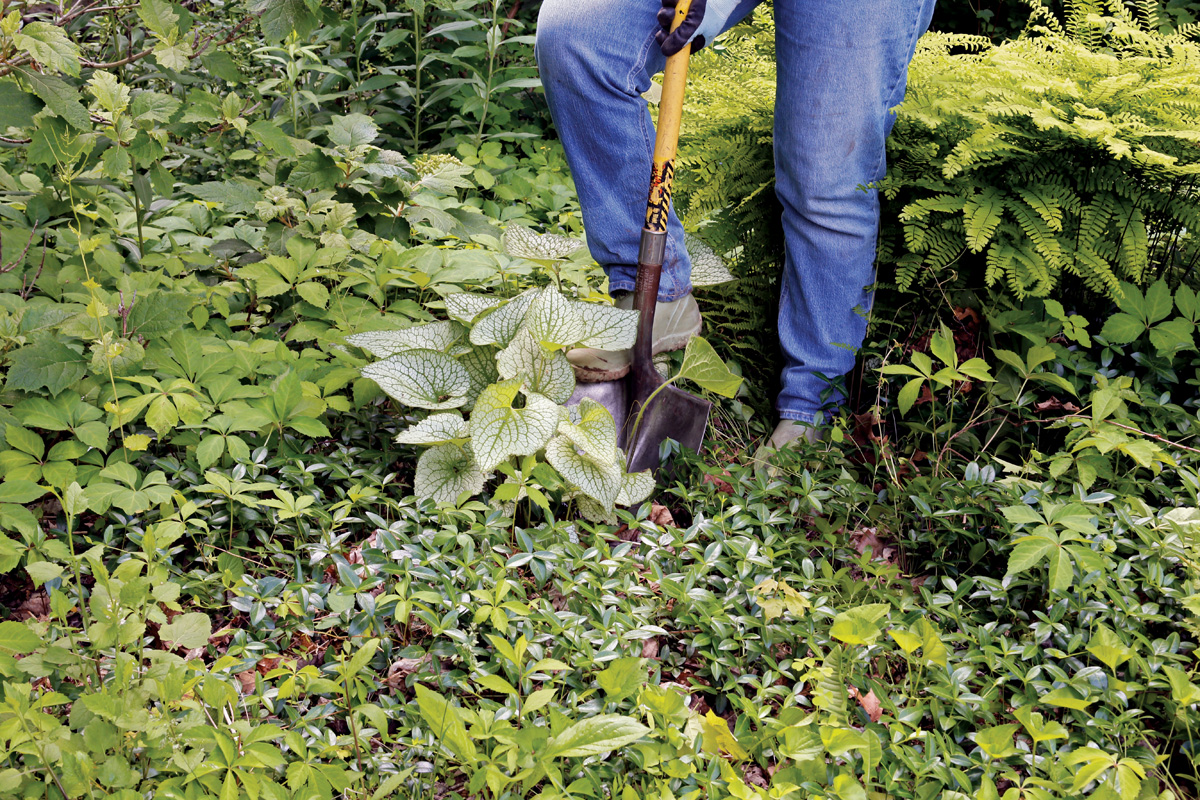
Ideally, plants should be moved to shadier sites before they endure any sun damage. Follow the standard post-transplanting procedures of daily observation and lots of watering. Do not fertilize; for plants that require it, wait until new roots have had a chance to grow. Do not cut back any vegetation, since photosynthesis generates the carbohydrates that the root system will need to reestablish successfully.
3. Pot up anything that can’t be transplanted right away
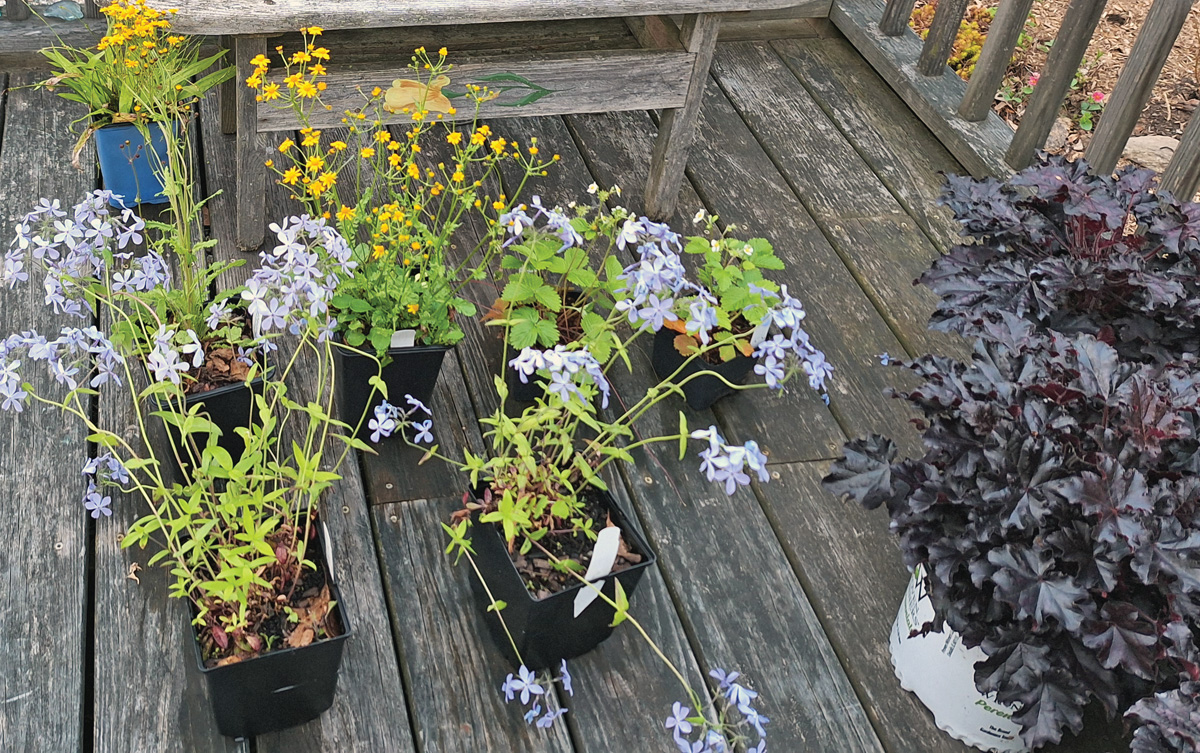
Find a place with existing shade, or cover an area with shade cloth or similar sun blockage. Check the plants daily for any potential issues and keep them well-watered. They can be transplanted later when space becomes available.
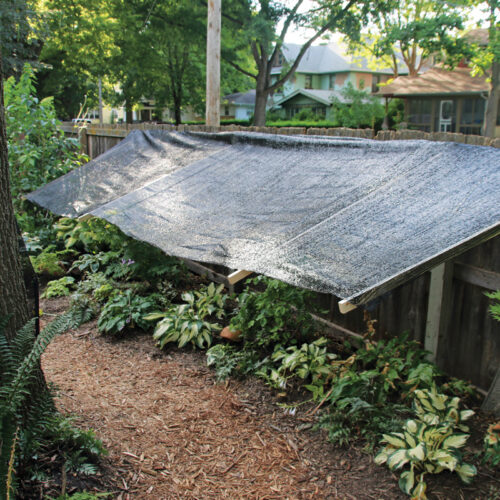
4. Create some shade
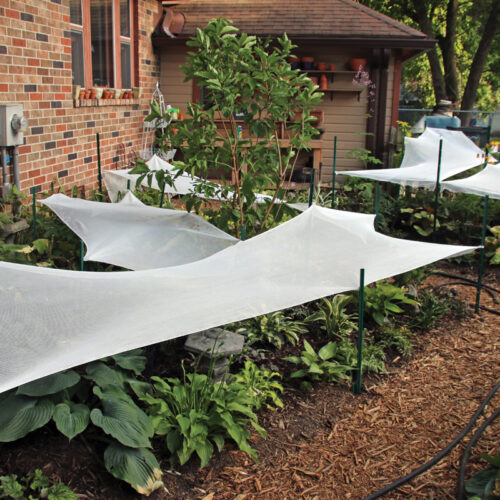
If plants must remain in place until you have the time to dig and transplant, create a shade-cloth ceiling or tent over the beds. There are different options identified by a percentage of shade value. For example, 80 percent shade cloth allows 20 percent of sunlight to filter through, while 60 percent allows 40 percent of sunlight to enter. In cooler seasons and regions, a lower percentage value of shade would be adequate, but in a hot climate, 80 percent shade might be needed. Keep in mind that your plants are still photosynthesizing, which is critical to recovery, so the goal isn’t to completely block sunlight.
Learn more: Understand Your Shade Conditions to Maximize Flowering Potential
| Take action ASAP |
Established plants will fare better than recent transplants, but don’t be lulled into thinking you have weeks to fix the issue. Once plants start scorching and desiccating, no amount of watering will fix what is happening, and it will be difficult, if not impossible, to reverse
the damage.
Ed Lyon is a retired professional horticulturist and gardener with 25 years of experience in the public garden field, most recently as director of Reiman Gardens at Iowa State University in Ames, Iowa.
Learn More:
Subscribe to Fine Gardening Magazine
Check Out Our Podcast, Super Cool Plants!
Watch Videos on Our YouTube Channel
Fine Gardening Recommended Products
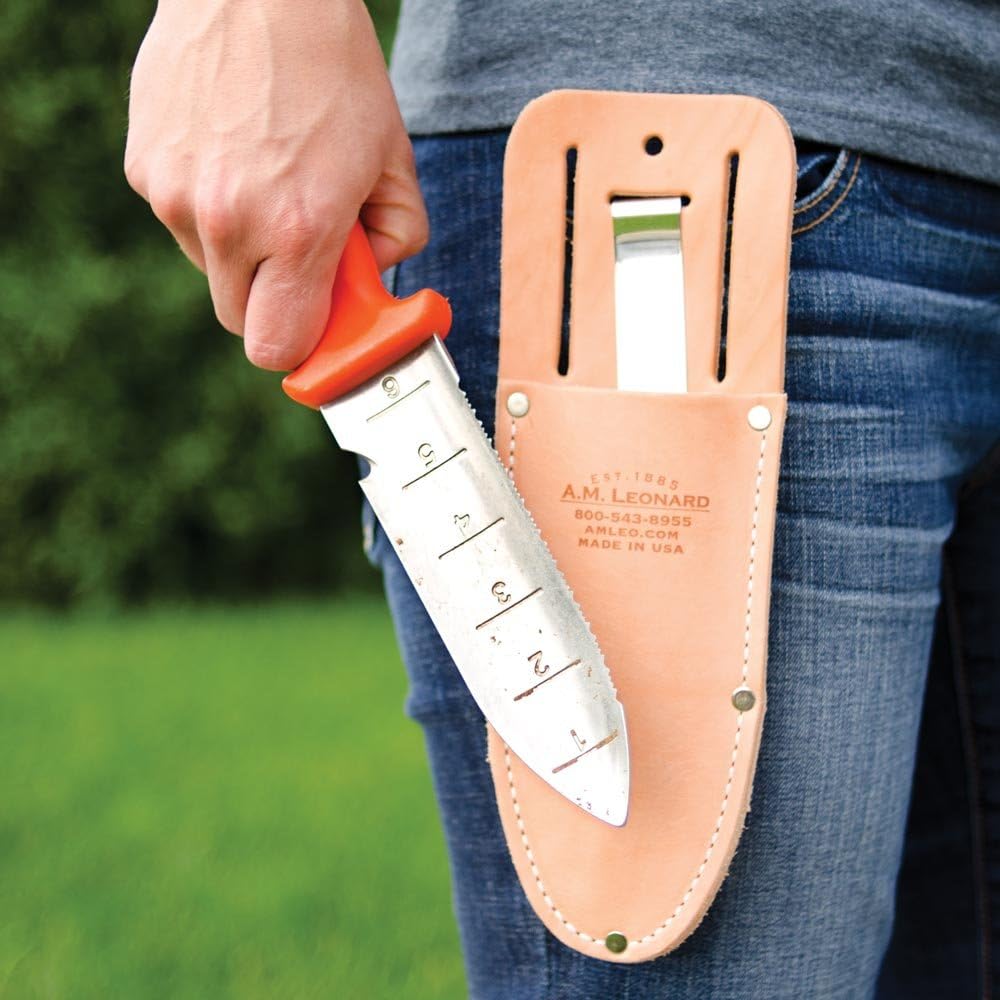
A.M. Leonard Deluxe Soil Knife & Leather Sheath Combo
Fine Gardening receives a commission for items purchased through links on this site, including Amazon Associates and other affiliate advertising programs.
MULTITASKING DUAL EDGES: a deep serrated edge and a tapered slicing edge ideal for tough or delicate cuts. DURABLE 6-inch stainless steel blade withstands 300 lbs of pressure. TWINE CUTTING NOTCH, DEPTH GAUGE MARKINGS & spear point – no need to switch tools when using this garden knife. LEATHER SHEATH: heavy duty, protective, clip on sheath to keep your knife convenient and secure. LIFETIME WARRANTY.

