


Four Plants Worth Adding to Your Northeast Garden
Joann Vieira gardens at The Trustees of Reservations in Massachusetts. Here she shares four of her top plant picks to grow in Northeast gardens. From the colorful and fragrant blossoms of Japanese spicebush to the glowing foliage of ‘Gold Bullion’ stinking hellebore, you’re sure to find a plant worth adding to your shopping list.
Read More: Fast-Growing Plants That Help Fill Gaps in Northeast Gardens
Japanese spicebush
- Name: Lindera obtusiloba
- Zones: 6–9
- Size: 10 to 15 feet tall and wide
- Conditions: Full sun to partial shade; fertile, moist, well-drained soil
- Native range: Eastern and southern Asia
The distinctly round buds of this shrub pop open in an explosion of eye-catching yellow pom-poms. These sweetly fragrant blossoms clothe the upright, arching branches in spring, prior to the emergence of the leaves. Flowering ahead of forsythia (Forsythia spp. and cvs., Zones 4–9), its bloom period overlaps with other highly prized spring plants, like edgeworthia (Edgeworthia chrysantha, Zones 7–10), at a time when color and fragrance are sorely needed. The later-unfurling leaves can reach 4 to 6 inches long and provide bold texture. Female plants produce small drupes that ripen from red to black in late summer if a male is nearby. A beautiful display unfolds again in fall as the sassafras-like foliage turns a bright yellow suffused with peach and pink.
‘April Mist’ rhododendron
- Name: Rhododendron ‘April Mist’
- Zones: 5–8
- Size: 3 to 5 feet tall and wide
- Conditions: Partial shade; fertile, evenly moist, well-drained soil
- Native range: Hybrid
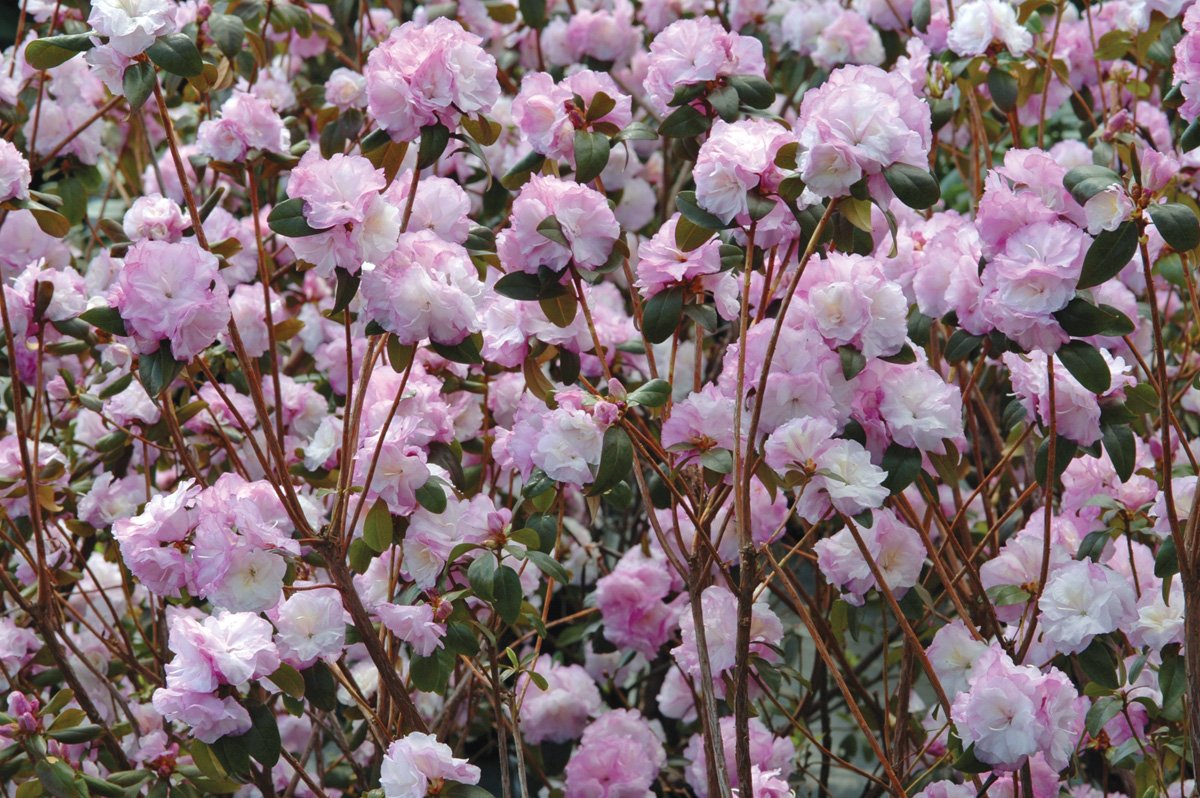
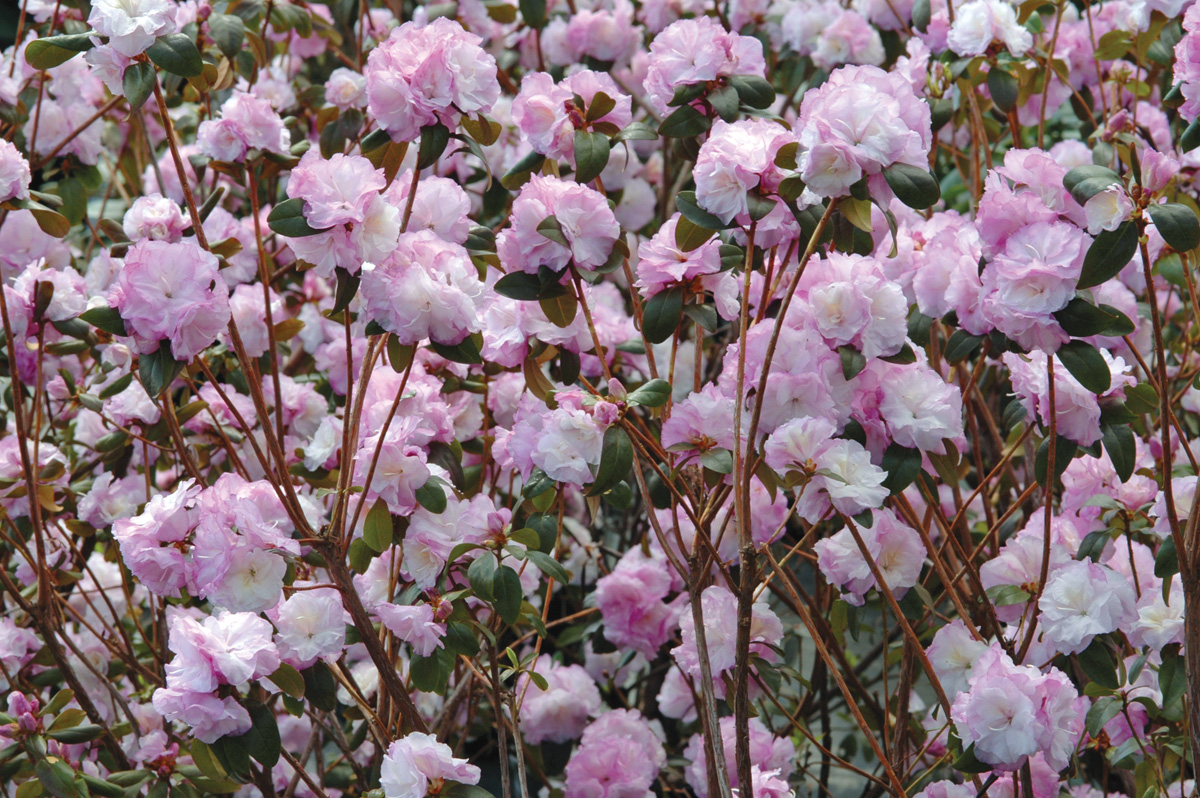
This early-blooming, double-flowered treasure was selected by the internationally renowned rhododendron breeder, Dr. Gustav Mehlquist. The 1½-inch-wide flowers are shaded in lavender and held like little bouquets over small evergreen leaves. Even in perfect conditions, this shrub will be a slow grower, but in time it will reach around 4 to 5 feet tall.
It is seldom found for sale, but I stumbled across it once on a visit to a nursery in Connecticut when it was in full bloom. I gazed at the plant lovingly, but my car was already loaded and my checkbook was feeling strained. So I moved on, congratulating myself on my fortitude. But I was not really victorious, as the image of this rhodie has stayed in my mind ever since.
‘Hussii’ Canadian hemlock
- Name: Tsuga canadensis ‘Hussii’
- Zones: 3–8
- Size: 20 to 40 feet tall and 15 to 30 feet wide
- Conditions: Partial to full shade; fertile, evenly moist, well-drained soil
- Native range: Eastern North America
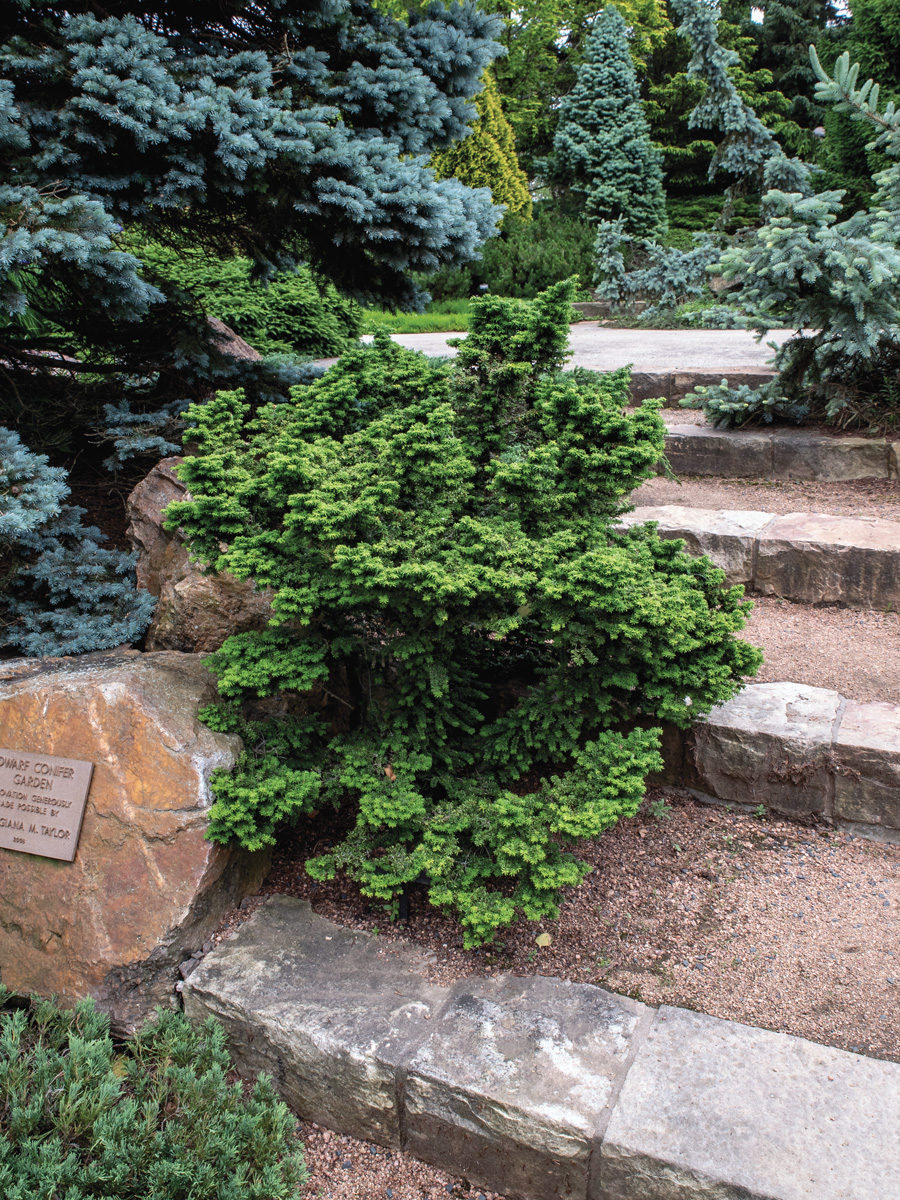
This cultivar was first found by noted plantsman and landscape architect John Francis Huss around the year 1900. ‘Hussii’ is a fantastic dwarf hemlock that I have long admired in its full maturity at over 60 years old in the gardens at Long Hill in Beverly, Massachusetts. Tufted and funky, it grows very slowly to 40 feet tall. It will reach about 5 feet tall in 10 years and around 20 feet tall in 40 years. Its short needles are held in tight bundles along ascending stems, making it dense when young but more open in maturity. It is sometimes used for bonsai or in rock gardens because it remains diminutive for so long. One of the chief advantages is that it can be grown in a reasonable amount of shade, where growth will slow down and its habit will be more open.
‘Gold Bullion’ stinking hellebore
- Name: Helleborus foetidus ‘Gold Bullion’
- Zones: 5a–9b
- Size: 15 to 24 inches tall and wide
- Conditions: Partial shade; fertile, rich, well-drained soil
- Native range: Asia Minor and central and
southern Europe
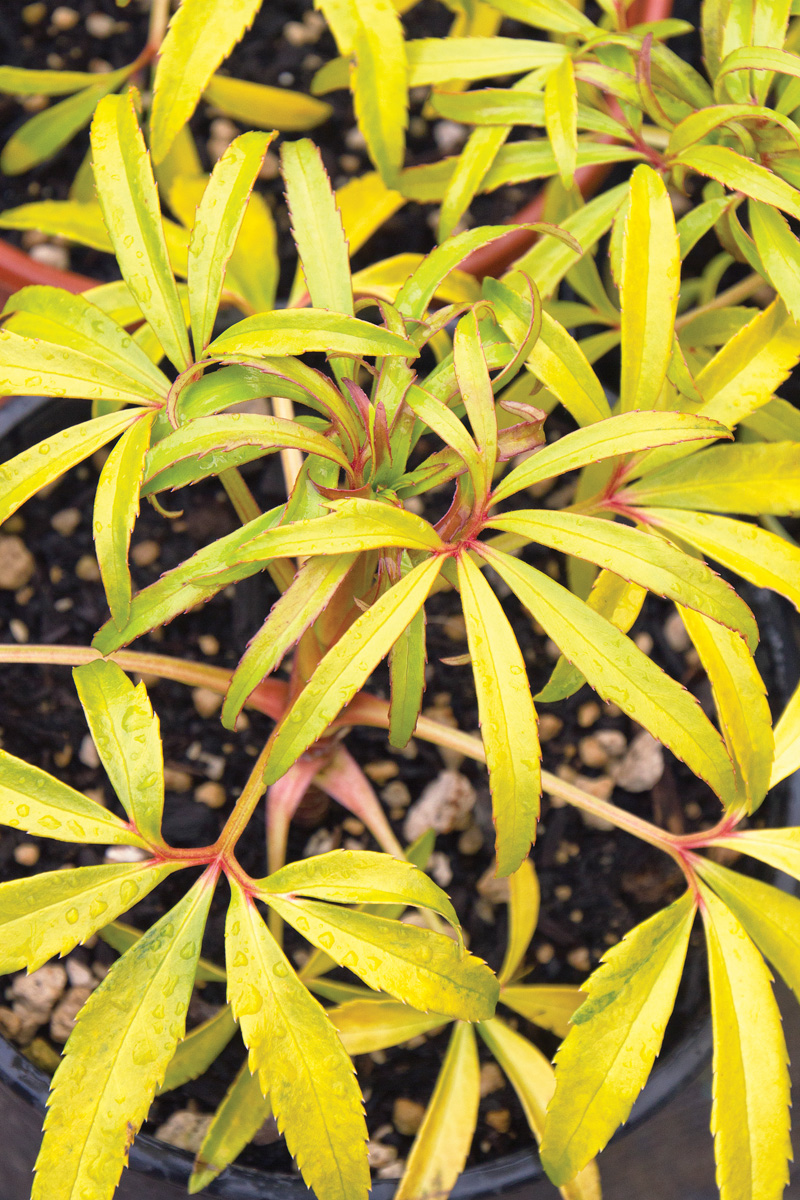
I adore plants with gold foliage, particularly those that can draw the eye in shady spaces. ‘Gold Bullion’ stinking hellebore has been on my shopping list for quite a while but can be hard to find. It is easy to grow in partial shade or dappled sun with well-drained, organic soil. It even holds up well to drought once fully established. The flowers top the deeply cleft, evergreen leaves in very early spring. The bell-like blooms have a hint of chartreuse but are generally pale green. They are held in loose clusters. Both stems and blossoms are highlighted with a splash of ruby red. New leaves are intensely yellow and fade to light green over the growing season. Allow the seeds to ripen and you might be rewarded with seedlings that come true to form.
Regional expert: Joann Vieira is the director of public gardens and horticulture at The Trustees of Reservations in Massachusetts.
See More:
Native Shrub Alternatives to Overused Plants in the Northeast
Watch Videos on Our YouTube Channel
Get All Access to Fine Gardening!
Fine Gardening Recommended Products
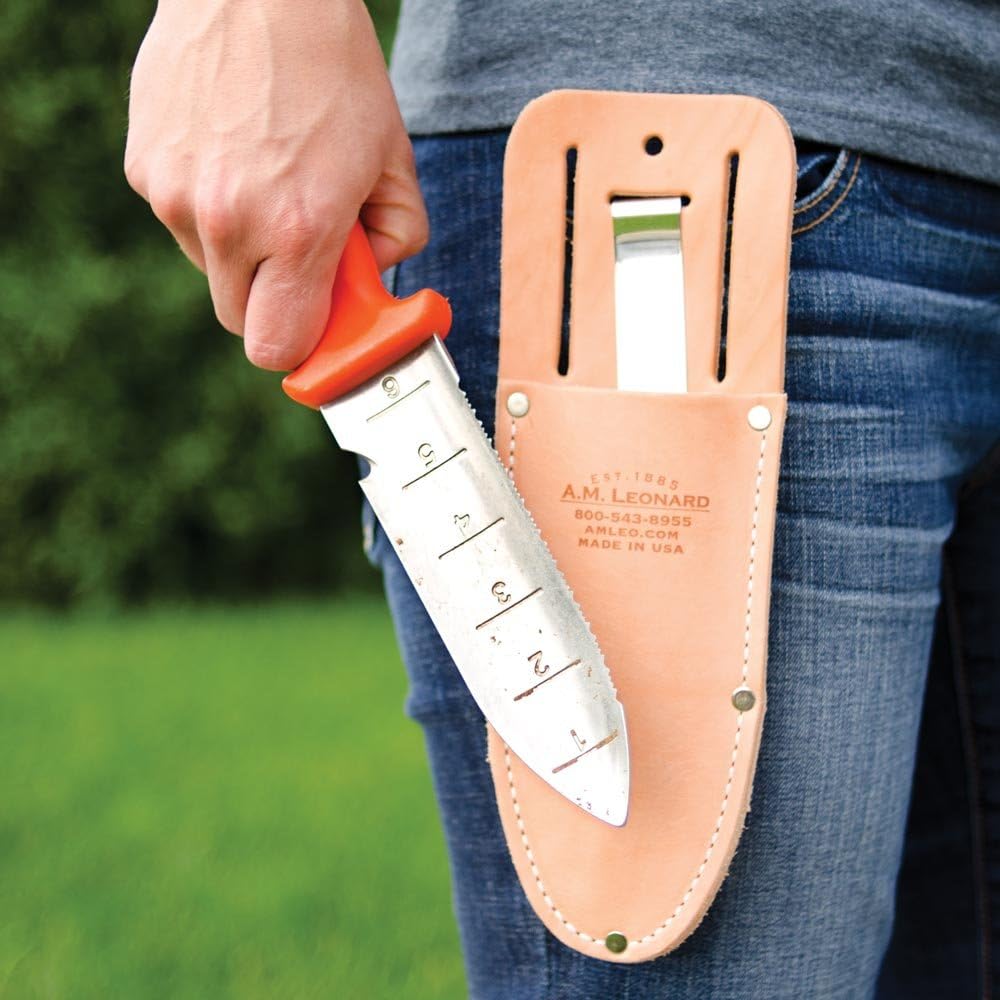
A.M. Leonard Deluxe Soil Knife & Leather Sheath Combo
Fine Gardening receives a commission for items purchased through links on this site, including Amazon Associates and other affiliate advertising programs.
MULTITASKING DUAL EDGES: a deep serrated edge and a tapered slicing edge ideal for tough or delicate cuts. DURABLE 6-inch stainless steel blade withstands 300 lbs of pressure. TWINE CUTTING NOTCH, DEPTH GAUGE MARKINGS & spear point – no need to switch tools when using this garden knife. LEATHER SHEATH: heavy duty, protective, clip on sheath to keep your knife convenient and secure. LIFETIME WARRANTY.

