Let’s talk about something I’ve been doing a deep dive on lately: A2 dairy. You may have heard it mentioned in passing, maybe during a conversation about food intolerance or inflammation. So what exactly makes A2 dairy stand out from your standard A1 dairy? Why should we even care about the difference? Is it just another health fad, or is there real scientific evidence behind it?
If you’ve ever had digestive issues after drinking cow’s milk or felt like your favorite dairy products just don’t sit right with you, you might want to read on. A2 dairy could be the game-changer you didn’t know you needed. And it might just be the solution to help your body feel more comfortable while still enjoying those creamy, delicious dairy delights.
A2 Milk and Dairy
Lately, I’ve been trying A2 dairy, specifically ultra-filtered A2 milk. This version of dairy milk has up to 50% more protein and 30% less sugar than other milk products.
In this post, I break down everything you need to know about A2 dairy and how it’s different from A1 dairy. We’ll also explore why A2 dairy is easier on the digestive system, why it has less sugar and more protein, and how it’s tied to less inflammation. Spoiler alert: If you’re someone who has struggled with bloating, tummy aches, or other digestive issues related to dairy, A2 dairy could be a fantastic option to help you get back to feeling your best.
A Quick Primer on Dairy Proteins
First, let’s start with the basics. Milk has several types of proteins, the two main ones being casein and whey. Casein accounts for about 80% of the protein in milk, and within casein, there are different varieties. The two most common ones (about 30% of milk’s proteins) are A1 beta-casein protein and A2 beta-casein.
A1 casein is the most common type found in the milk from most cows around the world, particularly in North America and Europe. This includes Holstein cattle.
A2 casein, on the other hand, is found in certain cow breeds, including Jersey, Guernsey, and some other heritage breeds. It’s less common than A1, but it’s been making waves in the wellness community for its potential health benefits.
So what’s the big deal with A2 versus A1? Why should we care about the differences between these two types of beta-casein proteins?
The Key Differences Between A2 and A1 Dairy
At first glance, you might assume that all milk is pretty much the same. It’s milk, right? What’s the difference? But here’s the thing: While both A1 and A2 milk may look and taste the same, the way our bodies process them is actually quite different. The primary distinction comes down to how the body digests the milk proteins.
A2 Dairy Is Easier to Digest
One of the biggest reasons A2 dairy is so appealing is that it can be easier to digest than A1 dairy. This difference is largely due to the way the proteins break down in your digestive system.
When you consume A1 dairy, the casein protein breaks down into a compound called BCM-7 (beta-casomorphin-7). This compound can cause some people to experience digestive discomfort, bloating, gas, and even diarrhea. For some people, BCM-7 is also linked to gut inflammation and could irritate conditions like IBS (Irritable Bowel Syndrome) or other digestive issues.
A2 dairy, on the other hand, doesn’t make BCM-7 when it’s digested. Because of this, it tends to be gentler on the stomach. Without BCM-7, this allows the digestive system to process A2 milk more smoothly. It’s also why many people find they don’t experience the same digestive discomfort with A2 dairy like they do with regular A1 milk.
So, if you’re someone who has had trouble with conventional dairy in the past—whether it’s bloating, discomfort, or gas—A2 dairy may be worth a try.
A2 Dairy and Less Inflammation
Let’s get into the science of inflammation for a second. We know that inflammation is one of those sneaky, silent culprits that can impact just about every aspect of your health. Inflammation plays a role in everything from gut health to your skin, your joints, and even your mental clarity. Chronic inflammation is tied to an array of conditions, including autoimmune diseases, heart disease, and digestive disorders.
It’s not that inflammation on its own is a bad thing; we need it in the short term for things like healing wounds. The issue is when it becomes chronic as a response to something irritating our body. Getting to the root cause of the health issue will also reduce the inflammation that comes with it.
A1 casein has been linked to higher levels of inflammation. As mentioned earlier, when we digest A1 milk, it breaks down into BCM-7, which can trigger inflammatory responses in the body. Some studies suggest BCM-7 might even cross the blood-brain barrier and influence the brain’s immune response. Not ideal, right?
A2 dairy, however, doesn’t make BCM-7, and some studies show it can cause less inflammation. As a result, it’s becoming a popular option for people who are sensitive to inflammation or have inflammatory conditions like arthritis, digestive issues, or even chronic skin problems.
A2 Dairy Has More Protein and Less Sugar
Now, let’s talk about the macronutrients—protein and sugar. As you’re probably aware, we all need protein for building muscle, tissue repair, and metabolic support. Protein is one of the most important nutrients for overall health, and A2 dairy gives you a protein boost without the sugar overload.
More Protein: A2 milk has more protein than A1 milk. While the difference may be small, every little bit helps when you’re trying to boost your protein intake. This is especially true if you’re following a high-protein diet or looking to build lean muscle. More protein means more muscle-building and satiety benefits—plus, it helps the body’s stress response, too. When the body is under stress, the right protein levels support muscle repair and recovery.
Less Sugar: A2 milk has slightly less sugar compared to regular A1 milk, which is another reason why it may be better for those looking to reduce their sugar intake. While milk isn’t typically a sugar-heavy beverage, cutting down on any unnecessary sugar is always a good idea for overall health, and A2 dairy helps you do just that.
The ultrafiltered A2 milk I’ve been trying has substantially more protein and less sugar than other milks. I’ve even been using it as a protein source and alternative to protein drinks while on the go.
How A2 Dairy Can Support Your Gut and Your Health
So we know A2 dairy is easier on the digestive system and might help with inflammation, but there’s more to it than just the surface-level benefits. For people with sensitive digestive systems, switching to A2 dairy could provide much-needed relief.
Many people with dairy intolerance (but not a true milk allergy) have trouble digesting the protein in regular A1 milk. As a result, they often experience symptoms like bloating, stomach cramps, or irregular bowel movements. A2 dairy can provide a gentler alternative that offers the same nutritional benefits of regular dairy, without all the discomfort.
A2 milk is also a great source of calcium, vitamin D, and healthy fats. Supporting your digestive system and offering high-quality nutrition can help promote overall gut health, support bone health, and aid in hormone balance.
Is A2 Dairy a Miracle Food?
With all the buzz surrounding A2 dairy, you might be wondering if this is some kind of miracle cure for everything from digestive issues to inflammation. A2 dairy is certainly a wonderful option for many people, especially those who have experienced discomfort with traditional dairy. However, it’s important to remember it’s not a “one-size-fits-all” solution.
A2 dairy is best used as part of a well-rounded, nutrient-dense diet. It can support your gut health and reduce inflammation, but it’s not going to solve all your problems if you’re not also taking care of other aspects of your health, like sleep, stress management, and hydration. It’s also worth noting that if you have a true milk allergy, A2 dairy won’t be an appropriate option for you, since it still has milk proteins.
More and more raw milk farmers are now offering A2 dairy as well. Raw milk is a live food rich in probiotics and nutrients that are destroyed during the pasteurization process. A2 raw milk is often easier to digest for those with lactose intolerance, since it naturally contains the digestive enzyme lactase (which is also destroyed during pasteurization). However, not everyone has access to a quality A2 raw milk source.
Why I Love A2 Dairy (And Why You Might Too)
Now that we’ve explored the science behind A2 dairy, let’s talk about why I love it and why you might want to try it. I’ve been trying ultrafiltered A2 milk from Pioneer Pastures for a few weeks, and I’ve noticed it’s much easier on my digestion compared to regular milk. It’s comforting to know I can enjoy my morning cup of coffee with a splash of creamy milk (without feeling bloated or gassy afterward). Plus, A2 dairy just feels like a more natural, wholesome choice.
Final Thoughts
So, there you have it, everything you need to know about A2 dairy and how it differs from the conventional A1 dairy. A2 milk is easier to digest, causes less inflammation, and provides more protein with less sugar. If you’ve had trouble with regular dairy or are just looking to improve your digestive health and overall well-being, it’s worth making the switch to A2.
But as with anything, the key is balance. A2 dairy is a wonderful option to consider, but it should be part of a holistic approach to health, including proper sleep, stress management, and a nutrient-dense diet.
Do you experience digestive issues with regular milk? Would you consider trying A2 milk? Leave a comment and let us know!
My husband and I are avid gardeners. We live in the middle of the woods, where we face many challenges, such as deer, rabbits, and deep shade. One challenge we never face, though, is the availability of mulch. In late winter after all the trees have dropped their leaves, we rake them into an empty spot in the yard. My husband then mows over them several times, shredding them into a fine leaf mold and litter. I then bucket up this gift of nature and mulch our many garden beds with it. This is easier and more economical—and has less of a carbon footprint—than purchasing volumes of bagged mulch from the big-box stores. And there is the added benefit of mulch renewal every year.
—Katherine Coker, McDonough, Georgia
2. Upcycle spice containers for the garden
Spice up your meal, then “spice” up your garden! Those spice containers that have an inside sifter cap with five or more holes can be repurposed for dispensing dry fertilizer or seeds in your garden.
—Donna Gilly, Kenmore, Washington
3. Don’t just toss those leaves
When I separate seedlings into individual pots, I take any disease-free leaves that may have fallen off the plants and place them at the bottom of a pot over the drainage hole to prevent any soil loss. These leaves eventually decompose and add their nutrients to a plant with the same nutritional requirements.
—Mary Crum, Bonita Springs, Florida
4. Take the necessary steps when planting
When putting a new plant in the ground, “step it in.” Carefully place your foot around the plant and give it your full weight, all the way around. Plants can’t eat or drink if soil is not fully contacting their roots.
When you’re down on the ground, don’t just plant. Instead, do everything you can within your reach—till the soil, weed, pick up debris, fertilize—and then move on to the next spot.
—Jeff Lightbody
6. Get ’em cheap, treat ’em with care
Buy shrubs and trees from big-box stores in early spring to take advantage of the lower cost. Often they are root-bound and grown close together, so their branches are short. I detangle their roots, put them into larger pots, and slowly prune them to encourage side growth. With the benefit of fertilizer, water, and sun over spring, summer, and early fall, their roots start growing outward, and their shapes are much improved. I then plant them in the ground in the fall.
—Kathleen Louise
7. Self-control at the nursery
Don’t overbuy from the nursery in one trip; only purchase what you can plant in the next week comfortably. You lose your creativity when forced to finish the chore.
—Patricia Anderson
Photos: courtesy of the contributors
We need your gardening tips!
Send your tips to [email protected] and please include high-resolution photos if possible. The prize for the winning tip is a one-year subscription to Fine Gardening with an All Access membership.
Fine Gardening Recommended Products
Long Handle EZ-Digger
Fine Gardening receives a commission for items purchased through links on this site, including Amazon Associates and other affiliate advertising programs.
An excellent tool for use in any vegetable or flower garden. Has a 54″ long hardwood handle. Hand-forged 7″ tapered, curved blade. This is a spade, trowel, weeder, cultivator, and more.
Dewit 3-Piece Tool Gift Set with 3-Tine Cultivator, Forged Trowel and Forged Hand Fork
Fine Gardening receives a commission for items purchased through links on this site, including Amazon Associates and other affiliate advertising programs.
Dimensions: 13.75″ L x 2.75″ W x 10.5″ H; 2.1 lbs. 3-piece gift set includes the DeWit 3-Tine Cultivator, Forged Trowel and Forged Hand Fork. Ideal for the avid gardener in your life or for yourself! Perfect for planting, digging, aerating, cultivating, and weeding.
Chapin International 10509 Upside-Down Trigger Sprayer
Fine Gardening receives a commission for items purchased through links on this site, including Amazon Associates and other affiliate advertising programs.
CLEAN & DISINFECT: made to handle disinfectants and mild bleach solutions. DESIGNED TO CLEAN: adjustable nozzle for fine to coarse spray. 32-OUNCE TANK: translucent, chemical-resistant poly. COMFORT: ergonomic handle and sprays upside down to reach awkward areas.
Residents of Marquette, a city in Michigan’s Upper Peninsula, gathered outside Planned Parenthood to celebrate and thank staffers as they finished the last day of patient care on April 23.
Bobby Anttila
hide caption
toggle caption
Bobby Anttila
On the last day of patient care at the Planned Parenthood clinic in Marquette, Mich., a port town on the shore of Lake Superior, dozens of people crowded into the parking lot and alley, holding pink homemade signs that read “Thank You!” and “Forever Grateful.”
“Oh my god,” physician assistant Anna Rink gasped, as she and three other Planned Parenthood employees finally walked outside. The crowd whooped and cheered. Then Rink addressed the gathering.
“Thank you for trusting us with your care,” Rink called out, her voice quavering. “And I’m not stopping here. I’m only going to make it better. I promise. I’m going to find a way.”
“We’re not done!” someone called out. “We’re not giving up!”
But Planned Parenthood of Michigan is giving up on four of its health centers in the state, citing financial challenges.
That includes the one in Marquette, the only clinic that provided abortion in the vast, sparsely populated Upper Peninsula. For the roughly 1,100 patients who visited the clinic each year for anything from cancer screenings to contraceptive implants, the next-closest Planned Parenthood will now be a nearly five-hour drive south.
It’s part of a growing trend: At least 17 clinics closed last year in states where abortion remains legal, and another 17 have closed in just the first five months of this year, according to data gathered by ineedana.com. That includes states that have become abortion destinations, like Illinois, and those where voters have enshrined broad reproductive rights into the state constitution, like Michigan.
Experts say the closures indicate that financial and operational challenges, rather than future legal bans, may be the biggest threats to abortion access in states whose laws still protect it.
“These states that we have touted as being really the best kind of versions of our vision for reproductive justice, they too struggle with problems,” said Erin Grant, a co-executive director of the Abortion Care Network, a national membership organization for independent clinics.
“It’s gotten more expensive to provide care, it’s gotten more dangerous to provide care, and it’s just gotten, frankly, harder to provide care, when you’re expected to be in the clinic and then on the statehouse steps, and also speaking to your representatives and trying to find somebody who will fix your roof or paint your walls who’s not going to insert their opinion about health care rights.”
But some abortion-rights supporters question whether leaders are prioritizing patient care for the most vulnerable populations. Planned Parenthood of Michigan isn’t cutting executive pay, even as it reduces staff by 10% and shuts down brick-and-mortar clinics in areas already facing health care shortages.
Hannah Harriman, a nurse with the Marquette County Health Department, previously worked for Planned Parenthood in Marquette for 12 years. Now that the Planned Parenthood clinic is closed, the county will offer family planning services 1½ days a week, but that won’t be enough, she says.
Victoria Tullila for KFF Health News
hide caption
toggle caption
Victoria Tullila for KFF Health News
“I wish I had been in the room so I could have fought for us and I could have fought for our community,” said Viktoria Koskenoja, an emergency medicine physician in the Upper Peninsula, who previously worked for Planned Parenthood in Marquette.
“I just have to hope that they did the math of trying to hurt as few people as possible and that’s how they made their decision. And we just weren’t part of the group that was going to be saved,” Koskenoja said.
Why clinics are closing now, three years after Roe was overturned
If a clinic could survive the fall of Roe v. Wade, “you would think that resilience could carry you forward,” said Brittany Fonteno, president and CEO of the National Abortion Federation.
But clinic operators say they face new financial strain, including rising costs, limited reimbursement rates and growing demand for telehealth services.
Clinics are also bracing for the Trump administration to again exclude them from Title X, the federal funding for low- and no-cost family planning services, as the previous Trump administration did in 2019.
Planned Parenthood of Michigan (PPMI) says the cuts are painful but necessary for the organization’s long-term sustainability.
The four clinics being closed are “our smallest health centers,” said Sarah Wallett, PPMI’s chief medical operating officer. While the thousands of patients those clinics served each year are important, she said, the clinics’ small size made them “the most difficult to operate.”
The clinics being closed had offered medication abortion, which is available in Michigan up until 11 weeks of pregnancy, but not procedural abortion.
Planned Parenthood of Greater New York is now selling its only Manhattan clinic, after closing four clinics elsewhere in the state last summer due to “compounding financial and political challenges.”
Planned Parenthood Association of Utah, where courts have blocked a near-total abortion ban and where abortion is currently legal until 18 weeks of pregnancy, announced it will close two centers in May.
This spring, the Trump administration began temporarily freezing funds to many clinics, including all Title X providers in California, Hawaii, Maine, Mississippi, Missouri, Montana and Utah, according to a KFF analysis.
While the current Title X freeze doesn’t yet include Planned Parenthood of Michigan, PPMI’s chief advocacy officer, Ashlea Phenicie, said it would amount to a loss of about $5.4 million annually, or 16% of its budget.
But Planned Parenthood of Michigan didn’t shut down any clinics the last time the Trump administration froze its Title X funding. Leaders said that’s because the funding was stopped for only about two years, from 2019 until 2021, when the Biden administration restored it.
“Now we’re faced with a longer period of time that we will be forced out of Title X, as opposed to the first administration,” said PPMI President and CEO Paula Thornton Greear.
At the same time, the rise of telehealth abortion has put “new pressures in the older-school, brick-and-mortar facilities,” said Caitlin Myers, a Middlebury College economics professor who maps brick-and-mortar abortion clinics across the United States.
Balancing cost and care
Until a few years ago, doctors could prescribe abortion pills only in person. Those restrictions were lifted during the pandemic, but it was the Dobbs decision in 2022 that really “accelerated expansions in telehealth,” Myers said. “Because it drew all this attention to models of providing abortion services.”
Suddenly, new online providers entered the field, advertising virtual consultations and pills shipped directly to your home. And plenty of patients who still have access to a brick-and-mortar clinic prefer that option. “Put more simply, it’s gotta change their business model,” she said.
A nurse practitioner works at a Planned Parenthood clinic in Fairview Heights, Ill., where she confers via teleconference with patients seeking medication abortions on Oct. 29, 2021. The two medications used in the process are mifepristone and misoprostol.
Jeff Roberson/AP Photo
hide caption
toggle caption
Jeff Roberson/AP Photo
Historically, about 28% of PPMI’s patients receive Medicaid benefits, according to Phenicie. And like many states, Michigan’s Medicaid program doesn’t cover abortion, leaving those patients to either pay out-of-pocket or rely on help from abortion funds, several of which have also been struggling financially.
“When patients can’t afford care, that means that they might not be showing up to clinics,” said Fonteno of the National Abortion Federation, which had to cut its monthly budget nearly in half last year, from covering up to 50% of an eligible patient’s costs to 30%.
“So seeing a sort of decline in patient volume, and then associated revenue, is definitely something that we’ve seen,” Fonteno said.
Meanwhile, more clinics and abortion funds say patients have delayed care because of those rising costs. According to a small November-December 2024 survey of providers and funds conducted by ineedana.com, “85% of clinics reported seeing an increase of clients delaying care due to lack of funding.”
One abortion fund said the number of patients who’ve had to delay care until their second trimester “has grown by over 60%” spanning six months in 2024.
The Planned Parenthood–Marquette Health Center closed in April, along with three other health centers in Michigan. Now, patients who need in-person care will need to drive almost five hours to the nearest Planned Parenthood clinic.
Victoria Tullila for KFF Health News
hide caption
toggle caption
Victoria Tullila for KFF Health News
Even when non-abortion services like birth control and cervical cancer screenings are covered by insurance, clinics aren’t always reimbursed for the full cost, Thornton Greear said.
“The reality is that insurance reimbursement rates across the board are low,” she said. “It’s been that way for a while. When you start looking at the costs to run a health care organization, from supply costs, etc., when you layer on these funding impacts, it creates a chasm that’s impossible to fill.”
Yet, unlike some independent clinics that have had to close, Planned Parenthood’s national federation brings in hundreds of millions of dollars a year, the majority of which is spent on policy and legal efforts rather than state-level medical services.
Asked whether Planned Parenthood’s national funding structure needs to change, PPMI CEO Thornton Greear said: “I think that it needs to be looked at, and what they’re able to do. And I know that that is actively happening.”
The gaps that telehealth can’t fill
When the Marquette clinic’s closure was announced, dozens of patients voiced their concerns in Google reviews, with several saying the clinic had “saved my life,” and describing how they’d been helped after an assault, or been able to get low-cost care when they couldn’t afford other options.
Planned Parenthood of Michigan responded to most comments with the same statement and pointed patients to telehealth in the clinic’s absence:
“Please know that closing health centers wasn’t a choice that was made lightly, but one forced upon us by the escalating attacks against sexual and reproductive health providers like Planned Parenthood. We are doing everything we can to protect as much access to care as possible. We know you’re sad and angry — we are, too.
“We know that telehealth cannot bridge every gap; however, the majority of the services PPMI provides will remain available via the Virtual Health Center and PP Direct, including medication abortion, birth control, HIV services, UTI treatment, emergency contraception, gender-affirming care, and yeast infection treatment. Learn more at ppmi.org/telehealth.”
PPMI’s virtual health center is already its most popular clinic, according to the organization, serving more than 10,000 patients a year. And PPMI plans to expand virtual appointments by 40%, including weekend and evening hours.
“For some rural communities, having access to telehealth has made significant changes in their health,” said Wallett, PPMI’s chief medical operating officer. “In telehealth, I can have an appointment in my car during lunch. I don’t have to take extra time off. I don’t have to drive there. I don’t have to find child care.”
Yet even as the number of clinics has dropped nationally, brick-and-mortar facilities still account for about 80% of clinician-provided abortions, according to the most recent #WeCount report looking at April-June 2024.
Hannah Harriman, a Marquette County Health Department nurse who previously spent 12 years working for Planned Parenthood of Marquette, is skeptical of any suggestion that telehealth can replace a rural brick-and-mortar clinic. “I say that those people have never spent any time in the U.P.,” she said, referring to the Upper Peninsula.
Some areas are “dark zones” for cell coverage, she said. And some residents “have to drive to McDonald’s to use their Wi-Fi. There are places here that don’t even have internet coverage. I mean, you can’t get it.”
Telehealth has its advantages, said Koskenoja, the emergency medicine physician who previously worked for Planned Parenthood in Marquette, “but for a lot of health problems, it’s just not a safe or realistic way to take care of people.”
She recently had a patient in the emergency room who was having a complication from a gynecological surgery. “She needed to see a gynecologist, and I called the local OB office,” Koskenoja said. “They told me they have 30 or 40 new referrals a month,” and simply don’t have enough clinicians to see all those patients. “So adding in the burden of all the patients that were being seen at Planned Parenthood is going to be impossible.”
Koskenoja, Harriman, and other local health care providers have been strategizing privately to figure out what to do next to help people access everything from Pap smears to IUDs. The local health department can provide Title X family planning services 1½ days a week, but that won’t be enough, Harriman said.
And there are a few private “providers in town that offer medication abortion to their patients only — very, very quietly,” Harriman said. But that won’t help patients who don’t have good insurance or are stuck on waitlists.
“It’s going to be a patchwork of trying to fill in those gaps,” Koskenoja said. “But we lost a very functional system for delivering this care to patients. And now, we’re just having to make it up as we go.”
Raising chickens in the backyard can be fascinating initially, but maintaining the optimal health of your chicks is where the real responsibility kicks in.
As fun and rewarding as it is to collect fresh eggs and watch your flock grow, it also means staying alert to common poultry diseases—like Marek’s disease—that can quietly impact your birds before you even notice anything is wrong.
Marek’s disease is one of the most serious threats to young chickens, and it’s often overlooked by new keepers until symptoms become severe.
In some cases, the bird may not show any signs until it dies. But, mostly you can notice symptoms like chicken limping, struggling to stand, or stretching one leg oddly. Your flock may also experience weight loss, droopy wings, or cloudy eyes.
Preventing the disease is the most effective way to combat Marek’s disease.
Though vaccinating won’t eliminate the virus entirely, but it significantly reduces its impact.
Also, maintain strict hygiene by keeping the coop clean, quarantining new birds, and limiting contact with outside flocks, as the virus lingers in dust and dander.
What is Marek’s Disease?
Marek’s disease is a viral infection that spreads quickly among chickens. It’s caused by a herpesvirus that targets young birds.
The virus often attacks the nerves, leading to paralysis in the legs, wings, or neck. In some cases, it also causes tumors in organs and tissues.
Marek’s virus multiplies in feather follicles and spreads through dander. Once inhaled, it enters the body and continues reproducing in immune cells.
Spotting Marek’s disease early can be tricky, as symptoms vary widely and often mimic other illnesses. Here’s a breakdown of the key warning signs to help you identify it before it spreads.
Marek’s disease shows up in many ways, from subtle changes to severe health issues. Recognizing the symptoms early is crucial to protecting your flock.
1. Paralysis and Lameness
Paralysis is a hallmark sign of Marek’s disease. It often starts with weakness in one leg or wing and progresses to full paralysis if left unchecked.
Chickens may drag their legs or be unable to stand properly—frequently seen with one leg stretched forward and the other backward, a classic “splits” posture. This happens when the virus damages the sciatic nerves, which control limb movement.
In severe cases, birds may struggle to reach food or water, leading to rapid decline.
2. Vision Problems
Marek’s can affect the eyes by causing a condition known as ocular Marek’s. The iris (colored part of the eye) may lose its normal color and become gray or cloudy. This change can make the pupil irregular in shape and affect how it responds to light.
As the disease progresses, birds may bump into objects or miss their food, indicating vision loss or complete blindness. One or both eyes can be affected.
3. Weight Loss and Weakness
Even if the chicken continues to eat, Marek’s disease can interfere with nutrient absorption and metabolism.
As a result, birds may steadily lose weight and muscle mass. This is often accompanied by general weakness, drooping wings, and a hunched posture.
Infected chickens may appear dull, inactive, and separate themselves from the rest of the flock—a common sign of distress or illness in poultry.
4. Skin and Feather Issues
Because Marek’s virus reproduces in feather follicles, some birds may show swelling or roughness around the base of feathers, especially on the back and thighs. The skin might feel thicker in certain areas or appear inflamed.
In some cases, feather growth is stunted, and feathers fall out more easily. While less dramatic than nerve or eye symptoms, these signs can be early indicators of infection.
5. Tumors in Internal Organs
Marek’s can lead to the development of lymphoid tumors inside the body—these are clusters of cancer-like cells that disrupt normal organ function.
These tumors commonly form in the liver, spleen, kidneys, lungs, and reproductive organs. Since they’re internal, you won’t notice them until a necropsy is performed.
However, outward signs like difficulty breathing, poor egg production, or sudden unexplained death may point to internal complications.
6. Immune System Suppression
One of the more dangerous effects of Marek’s is how it weakens the chicken’s immune system. Birds become more vulnerable to infections like coccidiosis, E. coli, or respiratory diseases.
Vaccinated birds may not show severe Marek’s symptoms, but they can still suffer from a weakened immune response.
In a flock, this means more frequent illness, longer recovery times, and increased mortality from otherwise manageable diseases.
Marek’s disease can kill a chicken within weeks to months after infection, depending on the bird’s age, immune strength, and the virus strain. In some cases, birds die suddenly, while others deteriorate gradually due to paralysis, tumors, or secondary infections.
The herpes virus enters the body through inhaled dust or dander, beginning replication. The incubation period usually lasts 2 to 6 weeks, though it can vary. During this time, chickens may appear healthy while the virus silently spreads through their immune system and nervous tissue.
Once symptoms appear, Marek’s disease progresses quickly or slowly. In younger chickens (6 to 30 weeks), paralysis, weakness, or weight loss can develop within days or weeks. In older birds, symptoms may appear gradually over weeks or months.
Factors influencing disease progression include the age at infection, virus strain, vaccination status, overall health, and the environment. Stress, overcrowding, and poor sanitation can speed up the disease’s progression.
Can Marek’s Disease Be Cured?
Marek’s disease cannot be cured once a chicken is infected, as it’s caused by a virus that attacks the nervous system and internal organs. While there are no treatments to eliminate the virus, supportive care can help manage symptoms.
Vaccination is the best prevention method, reducing the severity of symptoms but not stopping the virus. Infected birds often require euthanasia to prevent suffering, as the disease progresses irreversibly once symptoms appear.
Is Marek’s Disease Contagious to Other Chickens?
Yes, Marek’s disease is highly contagious among chickens. The virus spreads primarily through airborne dust and dander from infected birds, making it easy for healthy chickens to contract it.
Chickens can become infected by inhaling the virus particles or by coming into direct contact with contaminated surfaces or infected birds. Once a bird is infected, it can shed the virus and spread it to others, even before symptoms appear.
How to Prevent Marek’s Disease in Chickens?
1. Vaccination: The Key to Prevention
Vaccination is the most effective way to prevent Marek’s disease in chickens. Vaccinating chicks at day one helps protect them from developing severe symptoms if they are exposed to the virus.
While the vaccine doesn’t completely prevent infection, it significantly reduces the chances of the disease causing serious harm, such as paralysis or tumors. A vaccination schedule should be followed, and consulting with a veterinarian for the right vaccine is highly recommended.
2. Biosecurity: Minimize Exposure to the Virus
One of the most important prevention measures is limiting the exposure of your flock to the virus. Quarantining new birds for at least 30 days before introducing them into the flock can help prevent the spread of the disease.
In addition, limit contact with outside birds, especially those from unknown or possibly infected flocks. By maintaining strict biosecurity protocols, you can significantly reduce the chances of introducing Marek’s disease into your coop.
3. Good Coop Management
Proper coop management is essential in preventing Marek’s disease. Ensure your coop has proper ventilation to reduce dust and dander, which can carry the virus.
Keeping your coop clean by regularly changing bedding and sanitizing surfaces can also help minimize the risk of infection. A clean, dry environment reduces stress on chickens and improves their overall health, making them less susceptible to Marek’s disease.
4. Stress Reduction
Stress can weaken a chicken’s immune system, making them more vulnerable to diseases, including Marek’s. Providing ample space for your chickens to roam, and avoiding overcrowding, can help reduce stress levels.
Ensure that your chickens have access to clean water, nutritious food, and a comfortable environment. By minimizing stress, you are strengthening your flock’s immune system, helping them better fight off infections.
5. Genetic Resistance: Choosing Resistant Breeds
Certain chicken breeds have been found to have a higher resistance to Marek’s disease. Breeds like Rhode Island Reds, Leghorns, and Sussex are known to be more resilient against the virus.
When starting a new flock or replacing old birds, consider selecting breeds with a history of resistance to Marek’s. While they may not be completely immune, these breeds may be less likely to develop severe symptoms if infected.
Marek’s disease in chickens can be identified by symptoms such as paralysis, weakness, weight loss, and eye cloudiness. Infected birds may also exhibit lameness, and some can experience sudden death without prior warning.
To prevent Marek’s disease, vaccination is essential, especially for chicks at day one, to reduce the severity of symptoms. Additionally, maintaining strict biosecurity by quarantining new birds and limiting exposure to outside flocks helps prevent the spread of the virus.
Good coop management, including proper ventilation, cleanliness, and stress reduction, is crucial for keeping your chickens healthy. Choosing resistant breeds and providing a comfortable environment can further lower the risk of Marek’s disease in your flock.
Khaja Moinuddin, a computer science graduate, finds joy in gardening and homesteading. Join him on this blog as he shares his experiences in homesteading, gardening, and composting
When I get a craving, my go-to trick: A Honeycrisp apple
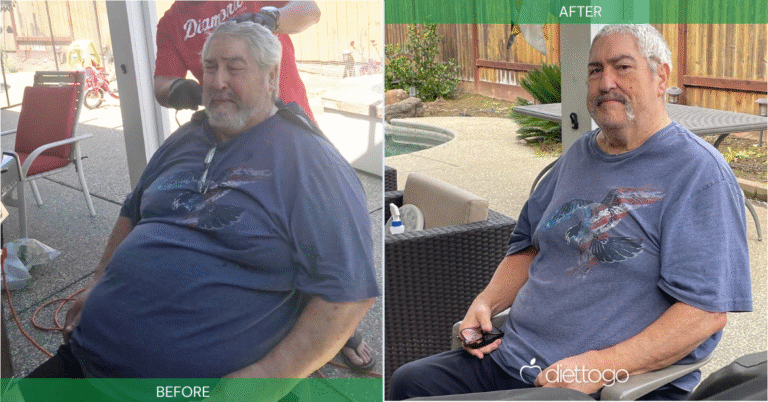
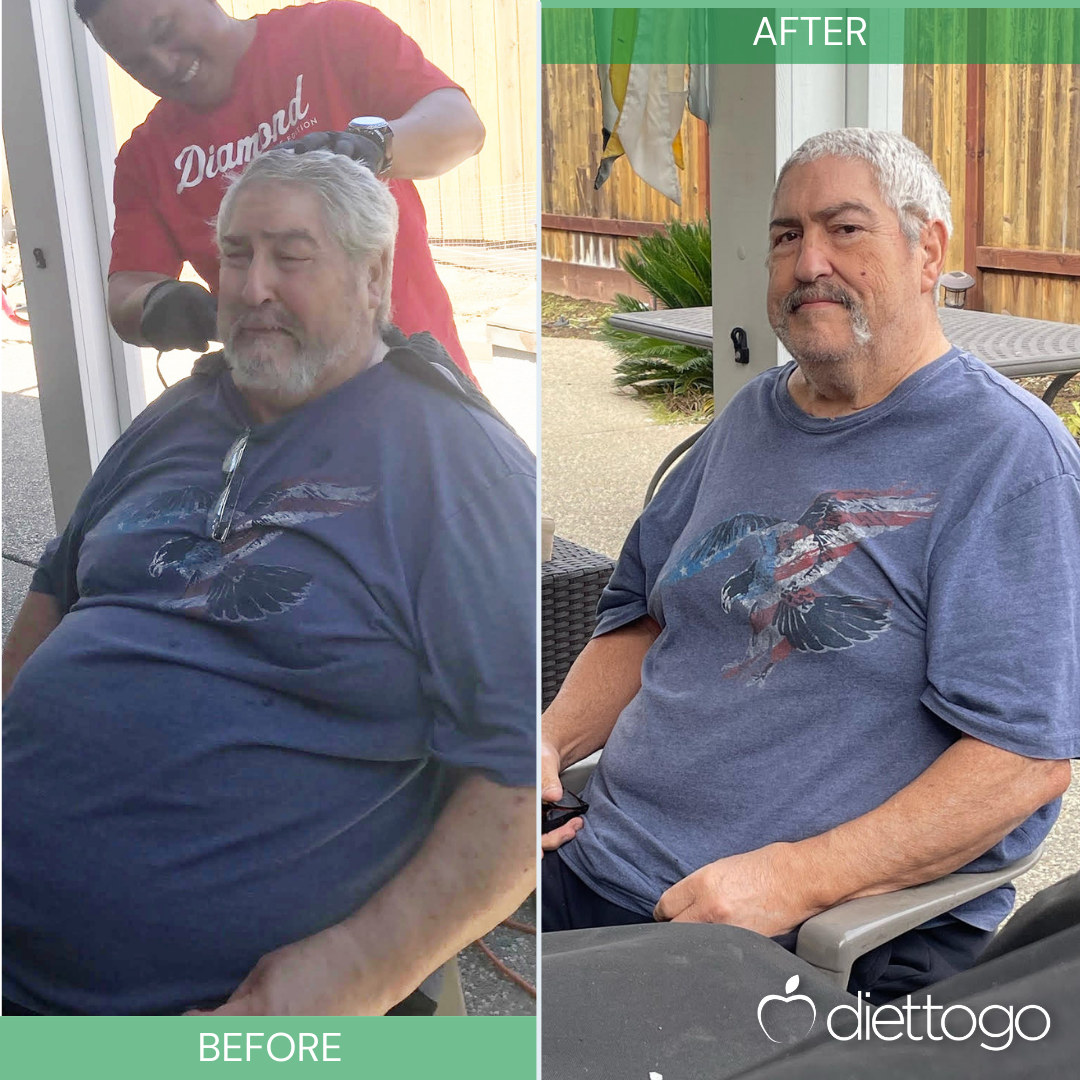
For many people, a medical scare is the catalyst for making a big life change. That was certainly the case for 73-year-old Rodney Arnold, a retired Sacramento code enforcement officer from Hawaii who has shed more than 100 pounds with Diet-to-Go.
“My hips are pretty much shot, and I found out I had to have hip surgery,” Rodney said, remembering a doctor’s visit in late 2022. “They wouldn’t touch me unless I lost a lot of weight and my BMI was 30.”
Rodney said that was the push he needed to commit to dropping to 250 from his then-current 360-pound weight — a change he needed to make to return to his former lifestyle that brought him the fulfillment he desired in his retirement.
‘I’d love to get back to it’
When Rodney retired in 2008, he and his wife spent time touring the western United States in their RV. He golfed. He swam. He played with his 10 grandchildren. He walked his dog. He wore his favorite Hawaiian shirts.
“Part of the problem is I can’t step without support,” he said. “I have to use the walker. Because of [that], we sold the motor home and stay in a home.”
Rodney added that his immobility severely limits his ability to enjoy any activities he loves.
“During summer, we have a pool,” he said. “Since I can’t put pressure on my leg all summer, I trod water for an hour daily. But in the winter, there’s no pool, no exercise, no way to work out.”
Having the hip surgery—something only possible if he lost weight—was vital for Rodney to return to the things he loves. However, Rodney said that not exercising or being able to move initially made his weight loss extremely challenging.
Rodney knew eating just 1,000 calories a day wasn’t sustainable. He and his wife, Donna, began researching weight-loss meal plans.*
“We came across Diet-to-Go, and the meal variety, their selection, really appealed to me. That’s why I chose it,” Rodney said.
Enjoying his wife’s delicious cooking and wine in large portions played a significant role in Rodney’s weight gain, so he said variety and taste were essential to ensuring a successful diet and weight loss plan.
“It was easier to let that go because Diet-to-Go food was so tasty,” he said.
‘The customer service is outstanding’
Rodney also found that Diet-to-Go’s customer service supported his goals.
“Everyone is so willing to accommodate your requests,” he said. When I wanted to switch two meals a day or when I got too many breakfasts, they said, ‘no problem,’ and fixed the issue,” he said.
Rodney added that the Diet-to-Go online portal makes it straightforward to substitute meals and understand his weekly nutrition.
“I’m minimally tech-savvy; I get myself into trouble if I get too into technology,” Rodney laughed. “[The portal]. speaks to the way Diet-to-Go is organized. It’s easy for an old person like me to use.”
‘Pain is a great motivator’
Rodney said one of the most significant things that’s kept him on track since he started with Diet-to-Go in November 2022 is the end goal of achieving the necessary BMI to make hip replacement surgery a reality.
“There wasn’t much doubt because of my goal,” he said. “I had to lose weight. I had to get my BMI down. Pain is a great motivator. ,” In March, he did just that.
“At first, I was very scared of my weight and realized that my BMI had to be 30 or below before surgery. But, I met that BMI,” Rodney said, adding that his surgery is now scheduled for May 2024.
Rodney said his physical therapist and other medical professionals have been amazed at his achievements.
“I went into different doctor’s appointments along the way, and they saw my weight loss and were very impressed, Rodney said.
The results are something he wholeheartedly credits to leveraging Diet-to-Go.
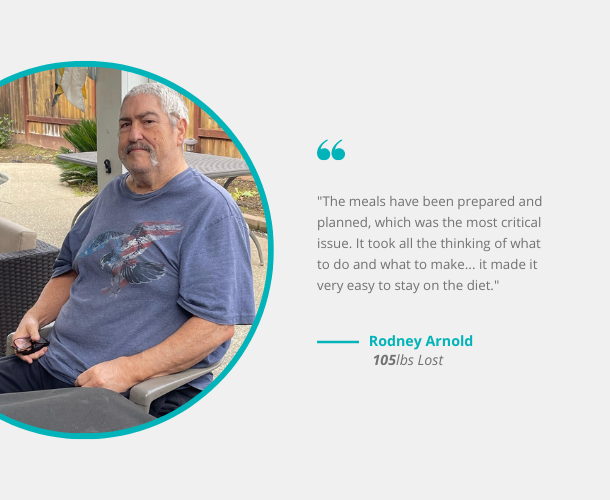
“The meals have been prepared and planned, which was the most critical issue,” Rodney said. “It took all the thinking of what to do and what to make out of the picture. You did all the prep, work [and] the meal planning, and it made it very easy to stay on the diet.”
‘I’m much more aware.’
Rodney plans on sticking with Diet-to-Go until he reaches his goal of 250 pounds and gets both hips replaced.
“After that, I can get more physically active and be able to burn calories for the food intake,”
Rodney said. “Having Diet-to-Go meals, I’m also much more aware of portion control [and] much more balanced. I’ve gotten used to having cauliflower [and] broccoli. I plan to be much more aware of those things.”
He’s enjoying little victories like fitting back into his favorite clothing for now.
“I was born in Hawaii. I’m a Hawaiin shirt, shorts, and flip-flops guy,” Rodney said. “I had to pack away my Aloha shirts for a while, but now I can wear many of them again. I missed that. I’m proud I get to wear those shirts that I’d thought I’d have to give up forever.”
Caitlin is the Diet-to-Go community manager and an avid runner. She is passionate about engaging with others online and maintaining a healthy, active lifestyle. She believes moderation is key, and people will have the most weight loss success if they engage in common-sense healthy eating and fitness.
A few years back, PN co-founder John Berardi, PhD, posted a shirtless photo of himself on his 47th birthday.
He called it his “anti-regress pic” and thanked 30 years of squats, deadlifts, presses, and chin-ups—among other exercises—for his chiseled six-pack, pumped chest, and bulging biceps.
The question many commenters posed:
“Are you on testosterone?”
Dr. Berardi explained in a follow-up post that while he wasn’t against testosterone replacement therapy (TRT) for people who needed it, he himself was not on this therapy, and his testosterone levels were boringly “normal.” He also offered some thought-provoking ideas about testosterone and aging.Dr. Berardi’s take is the opposite of what you generally hear, especially these days when…
The mainstream opinion seems to be that declining testosterone is a harbinger of aging, frailty, and impotence—not to mention a threat to masculinity.
Increasing numbers of middle-aged men are ditching traditional medical checkups for men’s-focused telehealth clinics that specialize in testosterone enhancement.1
Reddit communities have popped up solely to obsess over neuroscientist Andrew Huberman’s supplement recommendations for optimizing testosterone.
Media outlets pump out story after story about “testosterone boosting” foods to eat and “testosterone lowering” foods to avoid.
Whether you’re a coach who fields the “How do I optimize testosterone?” question from clients—or just a regular dude hoping to age well—it’s easy to feel overwhelmed and confused by the conflicting information.
Are declining testosterone levels normal?
Do testosterone-boosting supplement regimens actually work?
Who benefits from testosterone therapy—and who doesn’t?
In this story, we’ll explore those questions and more.
What is testosterone?
Secreted by the testes, testosterone is the sex hormone responsible for male sexual characteristics such as big muscles, deep voices, and hairy chests. It’s a chemical messenger that plays a key role in various processes throughout the body, including sperm production and bone density.
(In women, who also need testosterone to keep various processes humming, testosterone is secreted by the ovaries and adrenal glands. Their bodies just make much less of it; about 10 to 20 times less than men.)
Possibly because of its relationship with muscle growth and sex drive, a lot of cisgender men think of testosterone in binary terms, with lower testosterone being bad and higher testosterone being good.
However, it’s more accurate to think of the relationship between testosterone and health as a continuum that goes from too low (problematic) to too high (also problematic), with the healthy range falling between the two extremes, says Denise Asafu-Adjei, MD, MPH, urologist, men’s health expert, and assistant professor of urology at Loyola University Chicago-Stritch School of Medicine.
As the chart below shows, the dangers of extremely low testosterone are similar to the risks of extremely high amounts (typically only achievable with the use of anabolic steroids).
Problems associated with extremely LOW testosterone
Problems associated with extremely HIGH testosterone
Brittle bones
Reduced body and facial hair
Loss of muscle mass
Low libido (sex drive)
Shrunken testicles
Erectile dysfunction
Low sperm count
Gynecomastia (increased breast tissue)
Irritability
Poor concentration
Fatigue
Depression
Blood clots
Heart damage
High blood pressure
Shrunken testicles
Low sperm count
Enlarged prostate
Acne
Fluid retention
Increased appetite
Insomnia
Headaches
Irritability
Mood swings
Impaired judgment
Low testosterone vs. lower testosterone
Testosterone levels naturally ebb with age, with most men losing about 1 to 2 percent annually starting around age 40. By age 75, most men have 30 percent less of the hormone than they did at age 25.2
(Fun fact: Between ages 25 and 80, men can expect their testicles to shrink 15 percent.3)
However, age-related drops in testosterone are not the same thing as “low testosterone.”
Hypogonadism is the medical term for low testosterone levels, and it affects about 35 percent of men older than 45 and 30 to 50 percent of men who have obesity or type 2 diabetes, according to the Endocrine Society, one of the professional public health organizations that sets hypogonadism treatment guidelines.
Not only can overly low testosterone make you feel fatigued and do a serious number on your sex drive, but it can also harm your bone and cardiovascular health, says Dr. Asafu-Adjei.
“You need testosterone for good bone strength,” says Dr. Asafu-Adjei. “As you get older, you’re already dealing with weaker bones, so having lowered testosterone isn’t going to help.”
Alternatively, bringing levels up to normal seems to offer cardiovascular benefits, she says. (The big caveat here is up to normal—not far above it.)
The importance of referring out
What if you or your client have most of the hallmark symptoms of hypogonadism but still have blood levels of testosterone in the normal range?
“Many men over 30 who feel down or low energy will now automatically blame their testosterone,” says Dr. Asafu-Adjei. “Their symptoms might be related to testosterone, but they also could be related to not sleeping, stress, or some other factor.”
That’s why seeing a healthcare professional specializing in men’s health and testosterone management is so important.
Such a physician can screen you or your client for dozens of other problems (like stress and poor sleep) and conditions (like diabetes, obesity, or sleep apnea) that either mimic the symptoms of hypogonadism or interfere with the production or signaling of testosterone.
In other words, supplemental testosterone is the answer for some men with symptoms of hypogonadism, but not all of them. An extensive workup is required.
“There are overlapping symptoms with low testosterone as well as a lot of nuances around hormone treatment,” says Dr. Asafu-Adjei.
“For example, outside of your total testosterone, we also look at your testosterone-to-estrogen ratio and other related hormones. That’s why it’s so important to go to someone who knows what they’re doing. They’ll take a deeper dive to figure out the root of the problem.”
So, if you specialize in coaching middle-aged and older men, get a urologist or endocrinologist in your referral network.
Over 150,000 health & fitness professionals certified
Save $200 on the industry’s top nutrition certification
Help people improve their health and fitness—while making a great full-time or part-time living doing what you love.
Testosterone and aggression
Many people assume that, in high amounts, testosterone turns men into pushy, road-rage-fueled jerks. However, the association between the hormone and behavior is much more complex.4
As it turns out, both too much and too little testosterone can lead to irritability.
In addition, the link between testosterone and aggression depends a lot on someone’s personality, upbringing, context, social norms, and more.
For example, in one experiment, researchers asked forty young men to play a video game that involved accepting and rejecting offers from a proposer. If someone deemed the proposal too low, they could reject the offer and punish the person for making such a substandard ask. Alternatively, if they considered the offer beneficial, they could accept it as well as reward the person.5
Researchers injected some of the men with testosterone as they played the game.
As expected, players treated with the hormone were more likely to punish proposers, especially if they considered the offer unfair. However, if they perceived the offer as fair, they rewarded the proposer more generously.
The increased testosterone amplified aggression, but also generosity.
Some researchers refer to this phenomenon as “the male warrior hypothesis,” which holds that testosterone may function to help some men protect and cooperate with their “in group” (such as their family, friends, and coworkers) while simultaneously punishing anyone seen as an outsider.6
7 evidence-based ways to optimize testosterone… naturally
On the Internet, if you look for ways to boost testosterone through lifestyle, you’ll quickly become inundated with supplement recommendations and lists of T-boosting and T-harming foods.
However, research-supported ways to optimize testosterone generally center on the fundamental dietary and lifestyle measures you’ve long heard are good for you.
They include the following:
Testosterone optimizer #1: Make sure you’re eating enough.
Your body prioritizes thinking (your brain) and movement (your muscles) above sex (your reproductive organs).
Think about it this way: If there was a famine, the last thing you’d need is another mouth to feed.
So, when you chronically burn more calories than you consume, hormone levels generally drop. (This is true in both men and women.)
“A lot of men in their 20s and 30s come to me about their low testosterone levels and their low testosterone symptoms,” says Dr. Berardi. “These are mostly guys who prioritize exercise. They work out a lot and watch what they eat. In other words, they are men experiencing mid- to long-term negative energy balance.”
Dr. Berardi’s advice is often not what men expect.
If their eating and exercise routines suggest they’re in a chronic negative energy situation, he simply recommends they eat an extra healthy snack or two a day.
“In situations like this, adding a couple hundred extra calories of high-quality protein and carbohydrate often fixes everything,” he says.
Those added calories could come from a couple scoops of whey protein mixed in milk with a nut butter and banana sandwich on the side, he says.
Another favorite snack of Dr. Berardi’s: A bowl of steel-cut oats with protein powder, cacao powder, dates, raw nuts, and nut butter.
Keep in mind: Eating too much (and gaining fat) can also affect testosterone, as we’ll cover soon. Use our FREE nutrition calculator to ensure you’re consuming the right amount of calories and nutrients to support hormone production.
Testosterone optimizer #2: Prioritize sleep.
Testosterone production has its own circadian rhythm: It’s higher in the morning and lower at the end of the day.
As you sleep, levels rise again, peaking during your first segment of rapid eye movement. This may explain why various sleep disorders—including sleep apnea—are associated with testosterone deficiency.7
A handful of small studies have looked at what happens to hormone levels when men skimp on sleep.8 In one of these studies, participants slept just five hours a night for eight days, resulting in a 10 to 15 percent drop in daytime testosterone levels. 9
The right amount of sleep varies from one person to another. However, if you routinely get fewer than seven hours and wake feeling exhausted, it’s a good bet you’re not getting enough. If you wake unrefreshed or struggle to sleep soundly, our 14-day sleep plan can help.
Testosterone optimizer #3: Maintain healthy body fat levels.
Body fat secretes aromatase, an enzyme that can convert some testosterone into estrogen.
According to some research, men categorized as overweight or obese tend to have slightly higher levels of estrogen, as well as the stress hormone cortisol. 10 11
More research is needed to know whether these slightly higher estrogen levels are enough to contribute to hypogonadism.
In the meantime, however, a healthy body composition is vital for overall good health and may also help to optimize testosterone.
Keep in mind, as we said above, that too little body fat can also negatively affect testosterone levels. To ensure your body fat levels are in the optimal zone, use our FREE body fat calculator.
Testosterone optimizer #4: Get moving.
Regular exercise is associated with elevations in testosterone. It can also help you sleep more restfully and keep body fat in check.
Resistance training offers more of a testosterone boost than endurance exercise. (Two to three sessions a week is a great benchmark.)
However, endurance exercise can also help, providing you exercise at the right intensity, finds research. (That’s 30 minutes of rigorous activity, four to five times a week.12)
Overtraining without enough recovery can lead to the opposite effect though, potentially causing gains to plateau and suppressing testosterone.13
(See our FREE exercise library for 400+ expert how-to videos and a 14-day at-home workout program.)
Testosterone optimizer #5: Consume a well-rounded, healthy diet.
In addition to helping you avoid nutrient deficiencies that can drive down testosterone levels, a healthy diet protects your blood vessels.
That’s crucial for getting erections.
A study of 21,469 men found that those who consumed foods consistent with the Mediterranean diet had a lower risk of developing erectile dysfunction over ten years compared to men who didn’t follow the diet.14
“Mediterranean diets are also known to promote heart health,” says Dr. Asafu-Adjei.
The Mediterranean diet emphasizes fruit, vegetables, whole grains, nuts and legumes, and healthy fats from foods like olive oil, eggs, and fatty fish. It de-emphasizes red and processed meat, sugar-sweetened beverages, and sodium.
However, eating patterns that center on minimally processed whole foods likely offer the same benefits.
Many fruits, veggies, and other minimally processed whole foods are rich sources of flavonoids, a plant chemical that helps to improve blood flow and testosterone production.
(This visual eating guide can help you choose the best foods for your body.)
When you’re under stress, your body produces cortisol and other hormones that prepare you to fight, flee, or freeze. As these stress hormones flood your body, they suppress the production of reproductive hormones like testosterone.15
This high-cortisol, low-testosterone phenomenon is a likely consequence of millions of years of evolution.
Early humans who were more interested in mating than fleeing from sharp-clawed wild animals didn’t usually live long enough to pass their genes to the next generation.
However, not all short-term stressors dampen testosterone. Some can raise it temporarily, including exam stress or exercise.16
So, aim for the stress sweet spot where you feel energized and engaged with life but not so busy and harried that you have no time to relax, sleep, or enjoy life.
As a certified health coach, it’s out of your scope of practice to recommend supplements to treat a condition like hypogonadism.
In addition, the boost someone might get from a supplement pales in comparison to the six pieces of advice above, or to testosterone therapy.
With that important caveat out of the way…
There is a correlation between low zinc intake and low testosterone levels.17 18
However, to benefit from supplementation, someone must truly be deficient in the mineral. Simply topping off someone’s already adequate zinc stores likely won’t lead to a testosterone boost, and may even cause harm.
Checking for and treating a mineral deficiency requires the expertise of someone trained in medical nutrition therapy. If you lack this training, encourage clients with low testosterone to talk to their healthcare professionals about whether a zinc supplement might help.
Use the Deep Health lens
Let’s circle back to Dr. Berardi’s hypothesis, first mentioned at the beginning of this story:
Some evolutionary biologists have indeed theorized that men evolved to have higher testosterone levels when they’re younger (to encourage mating) and lower levels when they’re older (to encourage parenting).19
However, this is more of a theory than a certainty.
What we can say with certainty is this: There’s no one-size-fits-all protocol for healthy testosterone levels.
When testosterone drops after middle age, some men feel lousy.
Even when they do everything right in the lifestyle department—exercising, eating a healthy diet, sleeping enough, and so on—they’re unable to raise testosterone into the normal range. For these men, a healthcare professional, thorough evaluation, and, if warranted, testosterone therapy can be life-changing.
At the same time, plenty of other men continue to thrive well into (and past!) middle age.
Sure, they may be unable to pack on muscle like they used to. But, if they’re paying attention, suggests Dr. Berardi, they might notice other pluses. Maybe they’re more patient, nurturing, and empathetic, for example.
“Don’t get me wrong. I’d be very unhappy with an inappropriate or clinically significant lowering of my hormone levels,” says Dr. Berardi. “However, if I can stay in the normal range and symptom-free with good lifestyle practices, I don’t think I have too much to worry about.”
Dr. Berardi recently turned 50.
“I’m at this stage where I see an interesting fork in the road,” he said.
“Will I gracefully accept aging and see this as a new season—or will I fight against it? I could color my hair, do hair transplants, top up my T levels, and get Botox injections. Or I could accept that there will be some eventual decline and ask, ‘What am I getting in return?’”
You can help people build sustainable nutrition and lifestyle habits that will significantly improve their physical and mental health—while you make a great living doing what you love. We’ll show you how.
Nothing beats homegrown blueberries. Well, except for maybe one thing… more blueberries!
If you want to expand your berry patch – or get started growing blueberries – sure, you could go buy plants from a nursery, but why not try propagating your own bushes?
Doing your own propagation at home is so rewarding, not to mention cost effective. It’s worth a try.
We link to vendors to help you find relevant products. If you buy from one of our links, we may earn a commission.
In this article we will cover four propagation methods. Here’s the lineup:
Blueberry Propagation Methods
Whether you want to turn your existing plant into a row of productive bushes, or get started on your own berry patch, you can do so with one of these propagation methods.
Cuttings
Blueberries can be propagated via softwood or hardwood stem cuttings. Softwood cuttings are often the preferred commercial method, as they usually have better and quicker rooting success.
When taking cuttings, whether softwood or hardwood, always choose the strongest, healthiest mother plants and branches to harvest from.
To create a good propagation mixture that can be used for either type, combine equal parts of coarse sand, ground pine bark, and peat moss, or equal parts perlite and peat moss. Moisten before inserting the cuttings, but do not saturate the medium.
Make sure your container is at least four to five inches deep. You can use one-gallon containers or flats with deep cells.
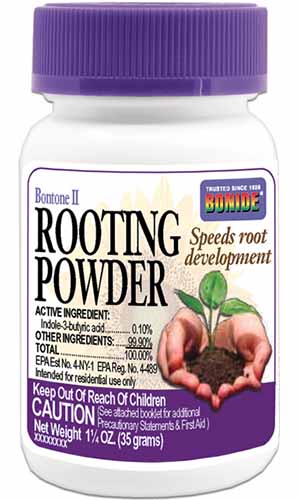
While neither hard or softwood cuttings need rooting hormone to root properly, dipping the ends in a product like Bontone II Rooting Powder, available at Arbico Organics, just before sticking them in their holes can help to improve and speed up rooting.
Now let’s jump straight into it, with the details for your selected type of wood.
Softwood Cuttings
Softwood cuttings are those taken from the top of the season’s current growth on the upper parts of the mother plant.
The leaves at the end of the stem (terminal leaves) should be half-grown to nearly mature, and stems should be flexible.
If you take cuttings too early, when the terminal leaves are super soft and stems are really flexible, the cuttings may wilt before they can root.
If you take softwood cuttings too late, when the terminal leaves are mature and the second flush of growth has already started, you may see poor rooting.
A happy medium between the two will result in the fastest, best root development, perhaps a bit closer to semi-hardwood than softwood, if you want to be technical.
Cuttings can be taken in the late spring, during the first flush of growth, or from the fall flush. Spring cuttings are typically much more successful.
If you’d rather take cuttings later in the year when you are less busy in the garden, you might want to take hardwood cuttings instead, covered below.
Collect cuttings early in the morning if possible. Use sharp, clean pruning shears or a knife. If you wish, you may disinfect your tools before beginning with a solution of one part household bleach to five parts water.
Cut four- to five-inch sections of stem. Remove the lower leaves, leaving three terminal leaves in place. Don’t allow them to dry out.
Keep them moist and cool during and after collection by dunking cuttings in a bucket of water, or folding them in wet burlap.
Poke individual holes in the center of the pot. Place the cuttings in the pre-prepared, moist medium to a depth of about half to two-thirds of the cutting length and firm the medium around the base.
Place in a low light area, whether indoors or in a greenhouse, where the temperature is around 70°F.
Keep the medium moist. Either mist regularly to manage humidity, or cover with plastic, propped up to keep it off the leaves. Remove the plastic to let the cuttings ventilate for 10 minutes twice a week.
It can be hard to know if you are watering enough or too much during propagation. Become a sleuth to find out!
You can check whether you’re on the right track regarding moisture by gently removing the cutting from the medium and having a peek at the cut end.
If the medium is perfectly moist and aerated, the cutting should be forming a white to cream-colored callus and may have small white roots sprouting from the callus by the third week. Be careful reinserting if little roots are starting and avoid removing the cuttings once roots are developing.
If you’ve been overwatering, the cuttings won’t have formed a callus and might be sprouting sparse, weak roots. The cutting also might begin turning brown from the cut end up.
Once roots are beginning to develop, the medium will start to dry out quicker. To make sure you are providing enough moisture, press a finger into the soil. If it comes back cool and moist, perfect! If the soil is warm and your finger is dry, you’ll need to add water.
Softwood stems should root within six to eight weeks. Gently tug on a cutting to check for resistance. Resistance equals roots!
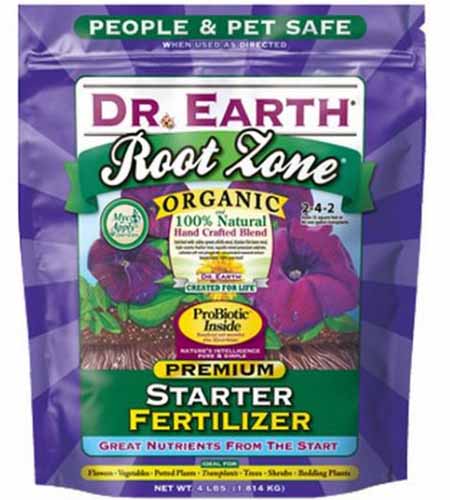
Once rooted, fertilize lightly with a complete fertilizer such as Dr. Earth Root Zone Organic and Natural Premium Starter Fertilizer, available at Nature Hills Nursery, at half the recommended rate, as young plants are salt-sensitive.
Continue to care for your cuttings by maintaining even moisture in the potting medium over the summer months.
In the fall, prepare the young plants for the transition from their indoor home to life outside by slowly and gradually hardening them off.
Place in an area with indirect sunlight for one hour, and add an hour of outside time each day until they can spend an entire day out.
Once hardened off, you can decide to transplant directly into their permanent positions, or into larger containers filled with milled pine bark. Many growers prefer to let their plants grow larger in containers outdoors before transplanting into the garden.
Repotting can also be done as soon as the plants are hardened off.
Mix a complete slow-release fertilizer, such as Down to Earth’s Acid Mix (4-3-6 NPK), available at Arbico Organics, into the new potting medium.
Water well after repotting and keep plants growing in containers in a protected spot over winter, such as a cold frame or against a south wall. Larger plants may respond better to transplanting.
If you decide to transplant directly into the garden, keep the pots near their future permanent positions until they can be transplanted, and be sure to transplant before the ground is frozen.
Mix a half cup of the Down to Earth’s Acid mix fertilizer into the backfill soil, and water well after transplanting.
Top dress both containers and in-ground plants with one or two more applications of fertilizer during the next growing season, or mix into the surface of the soil. Water in well.
Hardwood cuttings are taken during the dormant season and after a sufficient chilling period. Each cultivar requires a certain number of chill hours, so make sure this has been reached before taking cuttings.
I prefer to take cuttings in April, when many cultivars are finally finished chilling and temperatures are becoming ideal for rooting.
Using sharp, clean tools, cut 12 to 36-inch shoots (also known as whips) that are one-sixth of an inch in diameter, or about the thickness of a pencil.
Clip off an inch of the tip and discard it. Divide the whips into five- to six-inch sections. Cut the ends on an angle to help with insertion into the medium.
Look at which direction the buds on the stem are pointed; if they are pointed upwards you’ve got them oriented the right way.
Insert one stem into each pot filled with moist medium, about half to two-thirds of their length deep. Leave at least one shoot bud exposed and make sure each stem is placed into the medium right side up.
Firm the medium around the base of each. Set the pots outside in the shade to root, or in a greenhouse or cold frame covered with 40-70 percent shade cloth.
Bottom heat via a heat mat set at 68-70°F can help speed up rooting if you have the facilities. Make sure the area is well ventilated.
As long as the medium is kept moist, not wet, hardwood cuttings should form roots – eventually. Often, buds will break and leaves will form before they are even rooted! Keep a good eye on medium moisture during this stage, as they will die quickly if they dry out. Consider misting regularly.
Hardwood stems can take up to six months to root, so this method can be an exercise in patience. But in my experience, most of those taken in April will be rooted by mid July.
Once the cuttings are rooted – which you can check if you gently pull on the stem and feel resistance – apply a light dose of complete, diluted fertilizer with an NPK ratio of 15-30-4 or 13-36-13, or diammonium phosphate, every two weeks until the fall.
Leave the cuttings in their rooting location until the fall or early winter. Transplant into larger pots filled with milled pine bark, and let them grow for another year in the same location.
They should be strong and large enough to be planted in their permanent position by their second winter, before the ground has frozen.
Layering
Layering is a propagation method used as an alternative to taking cuttings. All you need is a flexible branch that will bend to ground level, moist soil, and some rooting hormone powder.
In the spring or fall, find a flexible young shoot, preferably on the outside of your plant. The stem needs to touch the ground at least a foot from the tip, so test the length by bending to the ground before making any cuts.
Once you have identified an appropriate stem, remove the leaves from the top 12-inch section, starting at the stem tip. Then cut a one- to two-inch-long slit in the leafless section of the stem, preferably through a leaf bud.
Sprinkle the cut with rooting hormone, such as Bontone II Rooting Powder.
Dig a shallow trench in the soil where the cut section reaches the ground, peg the shoot down and bury the cut with soil. The tip of the shoot must not be covered with soil.
Keep the buried shoot moist, but not waterlogged.
Within a year the buried section should have developed roots. The aboveground part of the plant should be green and putting on new growth, indicating that it has a good root system.
The new plant can be severed from the mother plant and either transplanted or potted up to grow on. As you would with other types of cuttings, to check for rooting, give it a gentle tug, or give it a wide berth and gently dig it up.
Either transplant to the garden or pot up to continue growing.
Seeds
You can either buy seeds or extract them from your own berries.
Extracting your own seeds is simple enough, but you need to realize that seeds from hybrid plants won’t result in plants with the exact same qualities as the parent.
If you want a specific variety or cultivar, it is best to purchase open-pollinated heirloom seeds, but these can be hard to find.
To extract your own seeds, start with seeds from blueberries that have been frozen for 90 days, either on the bush or in your freezer.
Add three-quarters of a cup of thawed berries to a blender, food grinder, or bowl, and add water until it is three-quarters full. Blend for 10-15 seconds, or mash completely, and set aside to let the seeds and pulp separate.
The seeds will sink, and the pulp will float. After 10 minutes, pour or scoop off the pulp and let it settle again. Repeat until most of the seeds have settled. Remove them from the water, and spread them out to dry on a paper towel.
Fill a three-inch-deep flat with moistened peat moss. Sprinkle the seeds evenly over top, or sow individually, spacing one inch apart. Cover with another thin layer of peat moss.
Cover the tray with newspaper and place in a warm 60-70°F location. Keep the medium moist but not wet.
Germination will take about a month. When the tiny seedlings start emerging, remove the newspaper and place in a sunny window or in your greenhouse to continue growing. Keep moist.
Once seedlings are two to three inches tall, remove each, being especially careful with the roots, and transplant them into their own little pots.
The pots should be two to three inches deep and filled with a mix of equal parts peat, sand, and potting soil. Water well after transplanting and keep in a sunny location indoors or in a greenhouse.
After two to three weeks, fertilize lightly with a complete liquid fertilizer.
Once all danger of frost has passed you can harden off your little blueberry plants and set them outside for the summer. Keep them well watered.
Transplant into the ground, or their own containers, in the late fall or in the spring of the following year.
Suckers
If you notice your bush is sending shoots up a few inches away from the crown of the plant, you can use these to vegetatively propagate new bushes as well.
Let these suckers grow for at least two seasons before dividing them from the mother plant in the late fall or winter before the ground is frozen. To do this, use a sharp shovel to separate off the root the sucker is growing from. Carefully dig eight to 12 inches deep around the sucker to remove the root structure and then rehome it.
Suckers usually have very small and underdeveloped root systems, and their tops will need to be trimmed harshly to even out the root-to-shoot ratio. Clip the shoots to the same length as the roots before transplanting, leaving at least two leaves in place.
You can plant suckers in their permanent position immediately as you would other transplants, or pot them up and let them grow for a season before transplanting.
Treat potted suckers as you would cuttings soon after rooting, by planting in a milled pine bark medium, keeping it moist, and placing in a sheltered location.
Can’t Get Enough of that Blue!
In the case of blueberries, more is always better.
Propagating your own blueberry plants is a fun, gratifying, and cost-effective way to go from owning a few plants to tending a full row of the blue-laden bushes.
Use cuttings, suckers, or layering to clone your best plants, or try seeds for the satisfaction of seeing tiny green sprouts emerging in your house or greenhouse.
Have you ever tried propagating your own blueberries? Tell us about your adventures in the comments section below!
Check out more of our helpful guides to growing blueberries next:
Summer has always been one of my favorite seasons. With an abundance of fresh produce at the farmer’s market, veggies in the garden, and summer family activities, it’s nearly perfect… Except for the bugs, poison ivy, and occasional sunburn!
Since we moved to the south years ago, I get to enjoy even more warm, summer weather. And with it comes even more mosquitoes.
Of course, homemade bug spray helps ward off most of the mosquitoes, and homemade sunscreen helps avoid the sunburn in the first place. Still, it seems that at some point, someone forgets one or the other and ends up with itchy, irritated skin.
I’m also one of those lucky people who happen to be a mosquito magnet. Even just a few minutes outside taking out the trash is usually enough to leave me with a few bites. Plus, I love spending time on walks with my weighted vest or soaking up midday sunshine on the lawn chair.
The solution?
Homemade Anti-Itch Spray
This anti-itch spray contains a mixture of potent natural remedies that help eliminate the itch immediately. I’ve tried it on mosquito bites, poison ivy, sunburn, chigger bites, and even stinging nettle burns with good results.
The secret ingredient is menthol crystals. I use these potent natural crystals in my pain relief lotion bars and my soothing shower melts for cold relief. Menthol is naturally cooling and soothing and is often used in salves, balms, mouthwashes, liniments, lozenges, and other remedies.
If you’ve ever sipped on peppermint tea and felt that cooling sensation on your tongue, that’s thanks to the menthol naturally found in mint. While I use mint essential oil in this cooling spray recipe, menthol crystals offer a more concentrated version. It really helps take the sting out of bug bites and irritated skin!
Just be sure to use gloves or a utensil when adding the menthol crystals to the rest of the ingredients. If you get residue on your hands and then touch your eyes (or other sensitive areas), it will burn!
Other Cooling Ingredients
I’ve also included aloe vera gel for its well known skin soothing properties. Apple cider vinegar is another staple ingredient here and is a surprising natural way to relieve inflamed skin. Lavender essential oil adds a slightly floral scent and has plenty of data backing up its anti-itch properties.
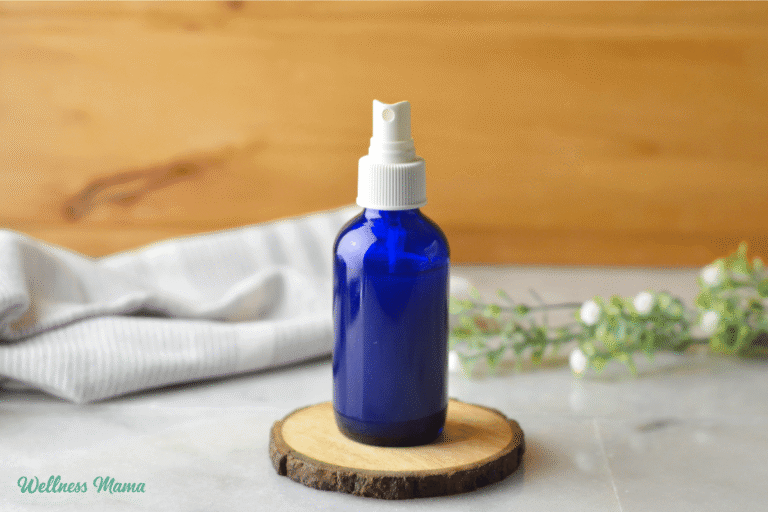
Lastly, you can add some calendula hydrosol too if you have some on hand. Hydrosols are a great way to add some extra skin pampering and last much longer than an herbal tea. I make this in a 4-ounce spray bottle, but you could easily double the recipe or cut it in half to fit your container size.
Cooling Anti-Itch Spray Recipe
This simple Anti-Itch Spray uses witch hazel, aloe vera gel, sea salt, menthol crystals, apple cider vinegar, and essential oils to stop the itch.
Prep Time5 minutesmins
Active Time10 minutesmins
Cooling Time10 minutesmins
Total Time25 minutesmins
Yield: 4ounces
Author: Katie Wells
In a small saucepan, heat the witch hazel over low heat until warm to the touch (about 130 degrees).
Add the salt and stir until dissolved.
Using tweezers or gloves, add the menthol crystals to the witch hazel and stir until dissolved. Avoid touching menthol with your hands, as it can sting eyes or other sensitive areas if you touch them afterward.
When the menthol is dissolved set the mixture aside to cool.
When it is cool, add the aloe vera gel, apple cider vinegar, hydrosol, and essential oils if using.
Carefully transfer the mixture to a spray bottle for use.
To use, spray and let dry on itchy skin. Store in a cool place or the refrigerator for up to a month.
If using the optional hydrosol, you can reduce the witch hazel by 1 TBSP if needed so the final product will fit into your container.
Use & Storage
Spray and let dry on itchy skin as needed. This will store for a few weeks at room temperature, but I prefer to keep it in the refrigerator. It lasts longer and feels extra cooling on itchy skin.
Other Natural Remedies for Itchy Skin
If you don’t have all the ingredients for this anti-itch spray on hand, here are some more natural methods to try:
Apply a bentonite clay and water paste onto itchy skin. I also use bentonite clay in my anti-itch cream (use it like calamine lotion).
Crush peppermint leaves and rub them on bug bites for a natural menthol effect.
Mix 1 teaspoon of baking soda and water for a soothing paste.
Jewelweed is a traditional remedy for itchy skin, especially poison ivy rashes. Don’t feel like foraging it yourself? You can get a jewelweed salve here.
While the spray is my first choice when it comes to soothing an itchy bug bite, I also like the Bug Bite Thing. Simply put the device on the bug bite and pull up to suction up the irritants!
Ever struggled with itchy skin? What worked for you?