
Self-Care / Feature Friday
Build a Simple Self-Care Basket With Things You Own
Put together a simple self-care basket with useful things you already own, a little comfort, and room for what helps you, without a shopping checklist.
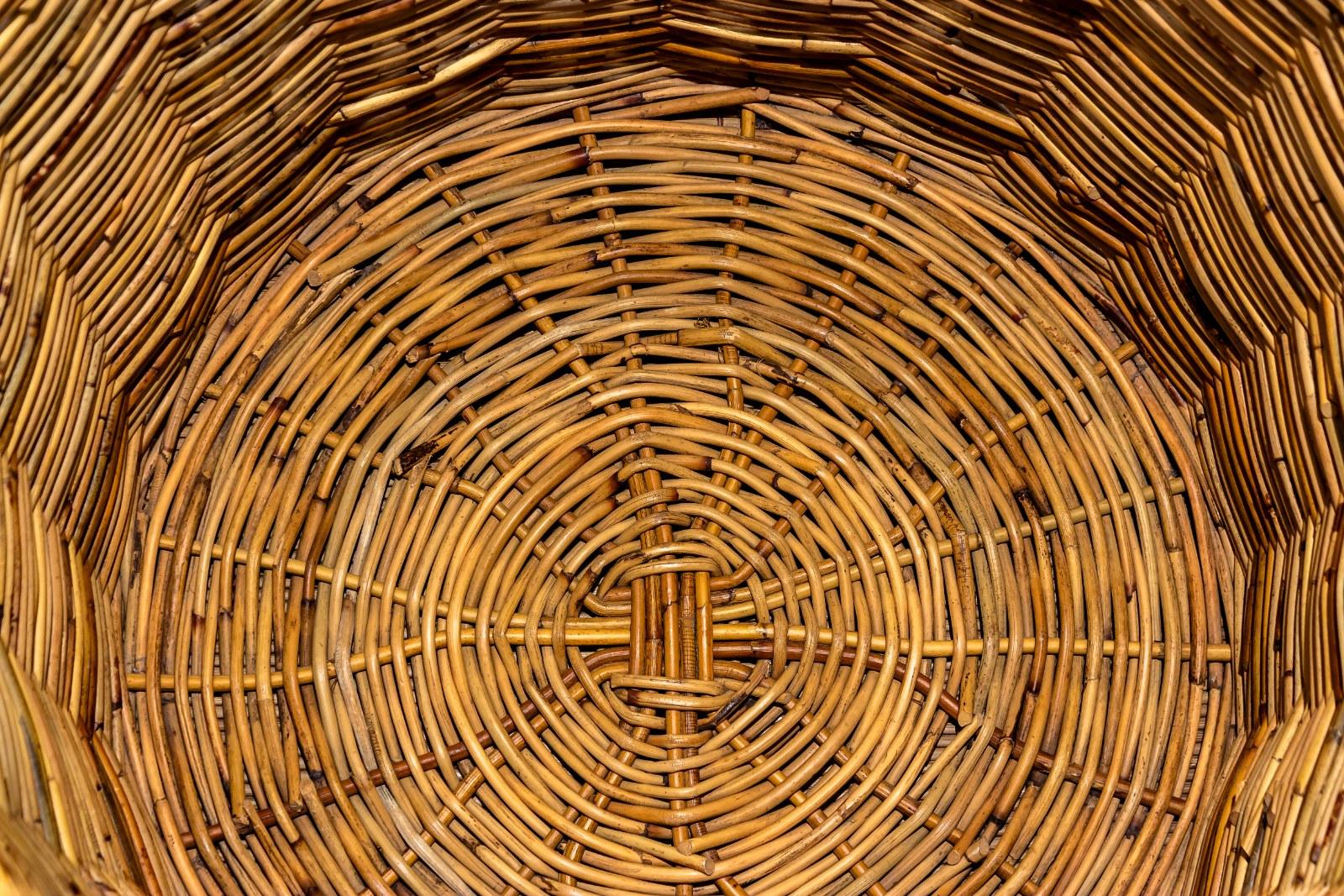
A simple self-care basket can hold a few familiar things you reach for when you want a quiet break: a book, something comfortable, and a small reminder of what you need. Start by gathering items you already own into a basket, box, or drawer. You don't need a shopping trip to make the idea useful.
For this Feature Friday, the resource is a practical arrangement rather than a product roundup. There are no affiliate links or branded recommendations here. Think of the basket as a convenient place for things you enjoy, not a kit that is supposed to fix a difficult day.
Decide when you'd actually reach for it
Picture one ordinary situation. Maybe you want something beside the sofa after work, a few quiet options during a weekend afternoon, or a bag that keeps your favorite activities together in a shared home.
Choose that situation before choosing the contents. A basket for reading beside a chair will look different from one you carry between rooms. You don't have to design for every possible mood.
The National Institute of Mental Health's self-care guidance recommends making room for relaxing activities you enjoy, including reading, music, and low-stress hobbies. It also notes that self-care is individual and can take some trial and error. That supports choosing familiar activities, rather than filling a container with things somebody else says you should find soothing.
Write one line if it helps: "This is for a quiet break after dinner." You can change the purpose later. For now, that sentence gives you a way to decide what belongs.
Start with a container that fits the space
Look for something you can reach, carry, and put away comfortably. A small box can work as well as a woven basket. So can a drawer beside your chair. If carrying things is inconvenient, choose a fixed shelf instead.
Check the available space before gathering objects. A container that blocks a walkway or needs to be moved every time you sit down isn't doing the job you intended. Keep it near the place where you plan to use it, without crowding that place.
If your home is shared, decide what you're comfortable leaving visible. A plain folder may be better for personal writing than an open notebook. You can keep some items elsewhere and put a reminder in the basket instead.
Don't worry about matching colors or filling it to the top. Empty space is useful when you want to find the thing underneath without unpacking everything else.
Pick something comfortable and something you enjoy
You might begin with a soft pair of socks or a familiar cloth you like to hold. Choose by your own preference, not by a claim that a certain fabric has special wellness properties. If an item feels unpleasant to you, it doesn't belong here just because it photographs well.
Next, choose one activity you already like. A paperback, a small sketchpad, or a puzzle book could fit. Pick something you can open without a long setup, especially if the basket is meant for a short break.
For music, you could include a note naming an album you enjoy or where you keep your headphones. The basket doesn't have to hold every item literally. A reminder can do the job when the object lives somewhere else.
A useful first collection might be just a book and your socks. Leave it there if that's enough. This isn't a game where each empty corner needs another purchase.
Add a practical note, not a pep talk
A small card can hold a reminder you would actually want to read. Try: "I can sit down before starting the dishes," or "The book is here if I want a few pages." Keep it specific and free of instructions about how you ought to feel.
You could also write down a person you'd like to contact when you want company. NIMH includes staying connected with supportive friends or family in its self-care guidance. That doesn't mean you must turn every quiet break into a conversation. It simply leaves another option nearby.
For a basket given to someone else, ask before adding personal messages or contact information. You may mean well, but the recipient should get to choose what feels welcome.
A note offering practical help can be more useful than a broad promise. "I can return your library books on Tuesday" says what is available. Avoid offering help you can't realistically follow through on.
Leave out the things that create more work
Set aside anything that needs complicated instructions, an account you don't want, or supplies you don't have. You can enjoy an activity and still decide it belongs somewhere other than this basket.
You don't need scented products, candles, supplements, or food to make the collection complete. This version doesn't depend on any of them. Familiar objects and a small activity are enough for the arrangement we're making.
Also leave out the guilt item: the book you're trying to make yourself finish, the craft you no longer enjoy, or the journal that feels like homework. Move it somewhere else without assigning a moral meaning to the decision.
If your quiet time is usually spent caring for somebody else, the basket may need to be much simpler. One reachable item might fit your life better than a collection that takes time to unpack and put away.
Try it once before adding anything
Use the basket during the situation you chose. Then notice the practical result. Could you find what you wanted? Was the activity easy to start? Did the basket help, or would the same items be better on a shelf?
Remove what went unused if it doesn't belong. You can keep a partly empty basket indefinitely. There isn't a required number of objects, and this isn't something you need to replenish on a schedule.
For other low-pressure ideas, browse self-care. If you'd rather work on how a break fits into your day than what it contains, explore small habit change.
Photo: W.carter, Inside of wicker laundry basket in Tuntorp, Brastad, CC BY 4.0. Resized and metadata removed.

One small step
Choose one thing you already enjoy using and place it beside the seat where you take a break. If you want a basket later, you can find one later. For today, make that one useful item easier to reach.
Sources
Questions readers ask
What belongs in a basic self-care basket?
Begin with a few familiar things that fit how you actually rest, such as a paperback, a soft cloth, and a note with a useful reminder. This article offers possibilities, not a required set or a treatment kit.
Do I need to buy a basket or special products?
No. Use a box, drawer, shelf, or bag you already have. The purpose is to keep useful items together and easy to reach. You can make the space work without purchasing a container or matching accessories.
Can I make a self-care basket for someone else?
Ask what they'd use before filling it. Choose familiar items, leave out anything they haven't asked for, and include a specific offer of practical help if appropriate. A basket shouldn't bring an obligation to use it or report back.