
Gardening for Wellness / Tend the Garden Tuesday
Start a Windowsill Herb Garden With One Simple Pot
Start a windowsill herb garden with one pot, a realistic light check, and a simple watering routine, without buying a whole indoor gardening setup.
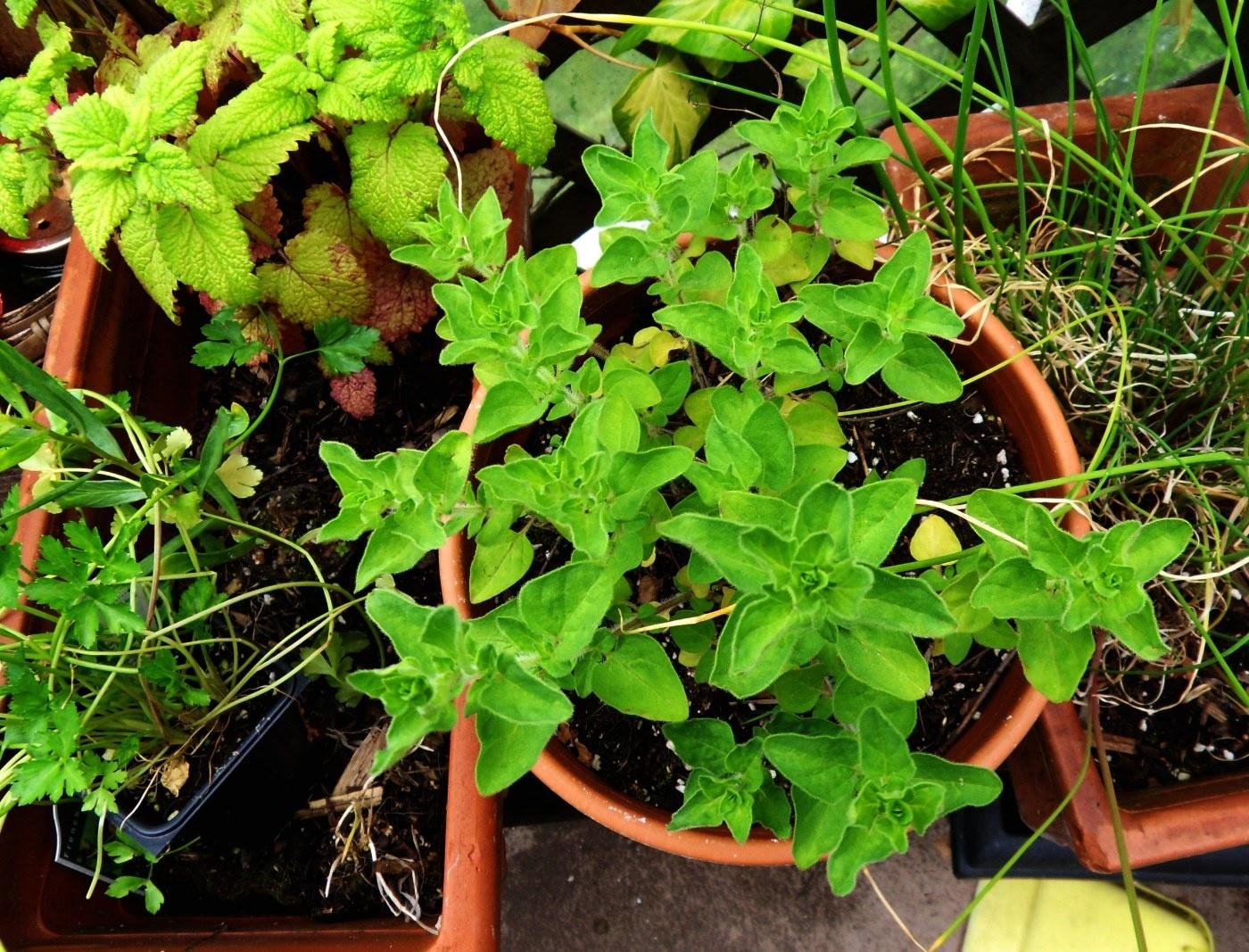
Start a windowsill herb garden with one herb you like to cook with, a pot that drains, and a window you've checked for direct sunlight. Before buying a matching row of pots, see whether your chosen spot can support one plant. That first pot is a complete beginner project, not an unfinished garden.
You can keep this practical. The aim is to learn what happens beside your particular window, in your particular home. A kitchen windowsill can be part of an ordinary day without becoming another corner you're supposed to make photograph-ready.
Check the window before choosing the herb
Spend a day noticing when sunlight actually reaches the intended spot. Write down the approximate periods of direct sun rather than relying on how bright the room looks. This is an observation exercise, not a light-meter test, but it gives you a better question to bring to a nursery.
University of Minnesota Extension's herb guide says most herbs need at least six hours of direct sunlight a day. It identifies south- or west-facing exposures as useful choices for strong light and notes that inadequate light can produce thin growth. A window isn't automatically enough just because it has space for a pot.
If your spot doesn't get that light, pause before purchasing several herbs. Extension also discusses artificial lighting for indoor herbs. You can ask a local gardening adviser what setup would suit the herb you're considering, or save this project for a better location. Buying nothing yet is a reasonable gardening decision.
Choose one herb you'll actually use
Look at the meals you already make. If you regularly wish you had fresh basil, start your questions there. If parsley is the herb you reach for, consider that instead. You don't need to pick whichever plant appears most often in pictures of indoor gardens.
For this first project, an established young plant may be a simpler shopping choice than assembling a seed-starting setup. That's a suggestion about keeping your shopping list short, not a claim that every purchased plant will be easy to grow.
Read the plant label before buying, and keep it. Ask about the plant's expected size, its light needs, and the container it will need as it grows. Extension recommends allowing for mature size rather than crowding herbs together. One plant in its own pot also lets you follow its individual instructions without guessing whether neighboring herbs want the same care.
Choose a culinary herb that's clearly identified. This article isn't a guide to identifying plants for eating, and it doesn't recommend medicinal uses for herbs.
Gather a short, useful supply list
You can begin with a pot, something to catch drainage, suitable container potting mix, and your herb. Check what you already own before making a shopping list. A collection of tools isn't required to observe one plant.
The Extension guide says herb containers must have drainage holes. If you like a decorative pot without a hole, keep the plant in a draining inner pot instead of planting straight into the outer container. Check the outer pot after watering so it doesn't become a hidden reservoir.
Extension also warns against soggy soil, especially indoors. Follow a reputable container-growing recommendation for the potting mix you choose rather than assuming heavy garden soil will suit an indoor pot. If you're unsure at the shop, describe your actual pot and ask for a mix intended for container plants.
Set the pot somewhere stable, with a saucer or tray that suits your surface. Leave room to lift it out for watering. You want to be able to check the plant without balancing it over your breakfast.
Settle the plant without turning it into a big project
Read any planting instructions that came with your herb. If it's staying in its nursery pot initially, check that the drainage openings aren't blocked and that the pot sits securely in its tray. If it needs repotting, follow the plant's instructions or ask the seller about an appropriate next container.
Put the label and your brief sunlight notes nearby. You can also jot down the date you brought the plant home. These notes are for remembering what you tried, not grading how quickly it grows.
Avoid adding several changes at once just because you feel eager to help. If you want fertilizer advice, Extension provides guidance for container herbs; use the relevant instructions and product label rather than improvising a stronger mixture. You don't need to turn the first afternoon into a full maintenance calendar.
Check the soil before reaching for water
Make looking at the plant the routine, rather than automatically watering it every day. University of Minnesota Extension advises checking indoor herb soil about half an inch below the surface and watering when it's dry there. The same guide cautions against keeping indoor soil constantly wet.
You might check the pot when you first enter the kitchen in the morning. Some mornings the useful action will be noticing that it doesn't need water. A routine can include deciding to leave something alone.
If you water at the sink, allow drainage before returning the pot to its place. Check the saucer or outer container afterward. Keep following the individual herb's care instructions, and ask an extension service for help if the plant changes in a way you can't explain.
A plant-care problem isn't evidence that you lack patience or a talent for gardening. It is a reason to look at the growing conditions and get more specific advice.
Leave room to learn before adding more
Give yourself time to see how the first pot fits your day. Do you notice it? Can you reach it easily? Does the window offer the light you expected? Those answers are more useful than filling every available inch of sill.
When you're ready for another project, explore gardening for wellness. If you like the idea of making this a small observation routine, our small habit change section offers another starting point. Neither requires you to become a person with a greenhouse.
Photo: Jennifer C., Herbs, CC BY 2.0. Cropped, resized and metadata removed.

One small step
Before buying a plant, put a note beside the window you have in mind. Tomorrow, record when direct sunlight reaches that spot. Let that observation guide your first herb choice.
Sources
Questions readers ask
Can I grow herbs on any windowsill?
Check the light before choosing a plant. University of Minnesota Extension says most herbs need at least six hours of direct sunlight daily. A window that looks bright to you may still need supplemental light for herbs.
Does my herb pot need drainage holes?
Yes. Extension recommends drainage holes for herb containers indoors and outdoors. You can place a draining nursery pot inside a decorative container, but check that water isn't left standing around the inner pot after watering.
Should I water my herbs every morning?
Use a soil check rather than an automatic daily pour. Extension advises watering indoor herbs when the soil is dry about half an inch down. Keep your chosen herb's individual care instructions with the pot as well.