The Food and Drug Administration is lifting stringent warnings on hormone therapy products prescribed for symptoms of menopause.
ProfessionalStudioImages/Getty Images
hide caption
toggle caption
ProfessionalStudioImages/Getty Images
The Food and Drug Administration says it is removing the black box safety warnings from all hormone therapy creams, pills and other treatments prescribed to ease the symptoms of menopause and perimenopause.
The prominent warnings said these therapies could raise the risks for some cancers, dementia, heart attacks and strokes.
“The FDA today is announcing that we are going to stop the fear machine steering women away from this life-changing, even lifesaving treatment,” FDA Commissioner Marty Makary said during a press conference Monday. “The FDA is taking action to remove the black box warnings from estrogen related products. This is based on a robust review of the latest scientific evidence.”
The label change will make estrogen products more accessible to perimenopausal women and improve their lives, said Dr. Steven Fleischman,president of the American College of Obstetrics and Gynecology, or ACOG, in a statement. “The updated labels will better allow patients and clinicians to engage in a shared decision-making process, without an unnecessary barrier, when it comes to treatment of menopausal symptoms.”
Though he added that the medical organization’s official guidance on estrogen therapy hasn’t changed because it has “long advised” its members to talk to patients about their unique risks.
The FDA convened an expert panel in July to discuss removing them from at least low-dose vaginal estrogen. The agency then opened a docket to solicit comments from the public and received nearly 3,000 by the Sept. 24 deadline.
In its formal comment, ACOG wrote that it has “long encouraged” the agency to reevaluate warning labels on low-dose estrogen products administered vaginally, but it considers those separate from systemic estrogen products that deliver the hormone throughout the body, such as pills and patches.
ACOG’s Fleischman said in Monday’s statement that, “like all medications, systemic estrogen products are not without risk, and their use should be based on an individualized conversation between patients and their clinicians.”
Doctors had gone back and forth about the risks versus benefits of hormone therapy for years. In 2002, researchers rang the alarm about them because a long-term study called the Women’s Health Initiative found that hormone therapy was associated with increased risk of cancer and stroke. Since then, additional research has shown those risks were overstated, and the therapy can instead reduce heart disease when prescribed earlier.
“Fifty million women since that study 23 years ago have been denied or never offered or talked out of the life changing lifesaving benefits of hormone replacement therapy – including my mom,” Makary said during the press conference Monday about the label changes.
Makary added doctors are often taught in medical school that menopause is mild and lasts a few years, but that’s wrong. “The symptoms occur in over 80% of women. They last, on average, eight years. And for many women, they are severe, even debilitating: mood swings, night sweats, weight gain, hot flashes, divorce.”
Although doctors have pushed to have the black box warnings removed, they say the special panel the FDA convened in July deviated from the usual process for making such changes and lacked the rigor of the usual approach.
“While we appreciate the FDA Expert Panel’s interest in reevaluating the label warnings on hormone therapy, a brief panel such as the two-hour July 17th Expert Panel should not be considered an adequate substitute for an advisory committee meeting,” ACOG wrote in its formal comment to the agency.
FDA advisory committees are made up of independent experts who evaluate scientific presentations, discuss and debate the evidence on a given topic and then vote on recommendations for the FDA. The agency doesn’t always follow its committees’ recommendations, but it usually does.
“Forgoing the advisory committee process runs counter to the Agency’s stated goal to increase transparency.” ACOG writes. “Therefore, ACOG urges the FDA to delve deeper into the benefits of low-dose vaginal estrogen for [genitourinary syndrome of menopause] and systemic estrogen therapy for vasomotor symptoms by convening separate advisory committee meetings, including opportunities for public engagement, before making decisions on possible labeling changes for these distinct menopausal hormone therapy options.”
Makary said during the press conference that the agency chose not to have an advisory committee meeting, “because [advisory committees] are bureaucratic, long, often conflicted and very expensive.” He said his FDA is doing more expert panels instead, which are less strict and can be more spontaneous but remain robust.
In an email to NPR, the agency shared several studies in support of its decision. The studies showed that these hormone therapies reduced the risk of Alzheimer’s disease, heart attack and hip fracture. The findings aren’t new, however, and were published between 1980 and 1996. The agency also cited an analysis of 30 studies from 1966 through 2003 that showed starting hormone replacement therapy earlier could save lives. It was published in 2004.
During the press conference, Makary held up a study he said was published in the medical journal Cancer from three years ago that showed a decrease in coronary heart disease among women using hormone replacement therapy.
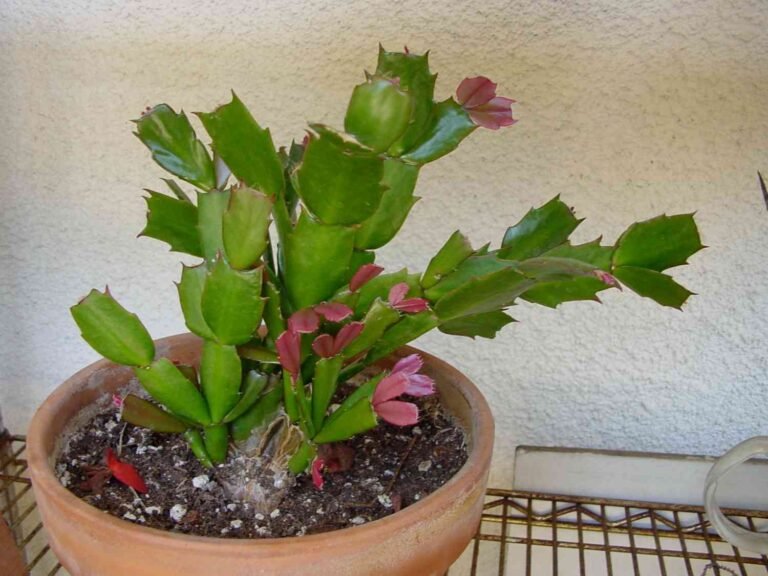
Christmas cactus is one of the low-maintenance indoor plants that bloom in between November to January.
But, is it possible to make them bloom indoors?
Yes, you must replicate their native habitat by regulating temperature, limiting light exposure and avoid overwatering to trick them to bloom.
Native to the tropical rainforests of Brazil, it thrives in unique conditions of cool temperatures, shorter days, and high humidity.
If you successfully mimic these conditions indoors, you can ensure your Christmas cactus plant blooms in time for Christmas—or even multiple times throughout the year.
In this write-up, we shall discuss about how to trick Christmas cactus to bloom several times a year and how to care the plant post blooming period.
How to Make a Christmas Cactus Bloom?
Christmas cacti naturally grow as an epiphyte with no leaves. Its stems are flattened and appear like leaf.
Flower buds appear from the growing tips of this flat leaf like stems.
As it is native to Brazilian rain forest, to force your Christmas cactus bloom involves understanding its natural triggers.
This indoor plant is photoperiodic, which means its blooming is influenced by the amount of light exposure and shade it gets. Even the temperature influence Christmas cactus flowering.
Let’s check on the steps on how to ensure your Christmas cactus produces a beautiful display of flowers.
1. Provide the Right Light Conditions
Unlike other flowering plants, Christmas cactus needs the right balance of light and shade to trigger blooming cycle. The reason it being a short-day plant, means flowering of Christmas cactus influence by uninterrupted darkness it gets.
Uninterrupted Darkness
In its natural habitat Christmas cactus experience shorter days and longer nights. To recreate this at your home, place the plant in a room that does not receive any light during the night. This room should remain consistently dark, as even a brief flicker of light can interrupt the plant’s flowering process.
From mid- to late fall (typically around late September or early October), ensure your Christmas cactus gets 12-14 hours of complete darkness every night.
Daylight Exposure
While darkness is essential, the Christmas cactus also needs proper daylight exposure during the day to photosynthesize and produce the energy required for flowering.
In homes with limited natural light, you can use artificial grow lights to supplement the plant’s needs during the day. Position the light 12-18 inches above the plant to mimic natural light conditions.
The reason this light cycle works lies in the Christmas cactus’s photoperiodism. This is a biological response to the length of light and darkness the plant experiences.
During extended periods of darkness, the plant produces hormones like florigen, which trigger bud formation. Without adequate darkness, the plant will prioritize foliage growth over flowering, resulting in a healthy but bloomless Christmas cactus.
2. Control Temperature to Make Christmas Cactus Bloom
Temperature control is another crucial factor in encouraging a Christmas cactus to bloom. In its natural habitat, the Christmas cactus experiences cooler temperatures as the days grow shorter, signaling that it’s time to flower. Replicating these conditions at home is essential for triggering bud development.
Cool Night Temperatures
To initiate blooming, expose the plant to cool nighttime temperatures of 50-55°F (10-13°C) for 6-8 weeks. This temperature range mimics the natural drop in temperature during the autumn months. Avoid temperatures below 50°F, as they can stress the plant and damage its foliage.
Moderate Day Temperatures
During the day, ensure the plant remains in a stable environment with temperatures around 60-65°F (16-18°C). Sudden fluctuations, such as drafts or heating vents, can disrupt the flowering process and cause bud drop.
Placement Tips
Place the plant near a draft-free window or in an unheated room to maintain cooler conditions. Avoid areas with direct exposure to heaters, fireplaces, or cold outdoor winds.
By maintaining consistent, cooler temperatures during the pre-bloom phase, you provide the Christmas cactus with the conditions it needs to form and sustain flower buds, resulting in a stunning holiday display.
3. Regulate Watering to Make Christmas Cactus Bloom
Proper watering plays a significant role in encouraging a Christmas cactus to bloom. This plant has unique watering needs that vary throughout its growth cycle. Striking the right balance between hydration and dryness is key to triggering and supporting flowering.
Water Moderately During the Pre-Bloom Phase
In the 6-8 weeks leading up to flowering (usually in fall), reduce watering to allow the soil to dry out slightly between waterings. This period of controlled moisture stress signals the plant to enter its flowering phase. Water only when the top inch of soil feels dry to the touch. Avoid letting the soil become completely dry, as this can stress the plant excessively.
Avoid Overwatering
Overwatering is a common mistake that can lead to root rot and hinder blooming. Ensure the pot has proper drainage, and never let the plant sit in standing water. Always empty the saucer after watering.
Resume Regular Watering During Budding
Once buds appear, gradually increase watering frequency to keep the soil evenly moist but not soggy. This helps support the developing flowers. Use lukewarm, chlorine-free water to avoid shocking the plant.
4. Fertilizing to Encourage Christmas Cactus Bloom
Fertilizing your Christmas cactus correctly is essential for promoting healthy blooms. Proper nutrients not only support flower development but also help the plant build the energy reserves needed for a vibrant display. Here’s how to fertilize your Christmas cactus effectively:
Use a Balanced Fertilizer During Growth
During the active growing season (spring and summer), feed your Christmas cactus with a balanced, water-soluble fertilizer, such as 10-10-10 or 20-20-20, once a month. This promotes overall plant health and prepares it for the blooming phase.
Switch to Bloom-Boosting Fertilizer in Fall
As fall approaches, transition to a fertilizer high in phosphorus, such as a 5-10-10 formulation, which encourages bud formation. Phosphorus is critical for flower development and should be applied every 2-4 weeks during the pre-bloom phase.
Stop Fertilizing When Buds Appear
Once buds start forming, discontinue feeding. Excessive nutrients at this stage can lead to bud drop or excessive foliage growth at the expense of blooms.
Avoid Over-Fertilizing
Over-fertilizing can burn the roots or create nutrient imbalances, which may prevent flowering. Always dilute the fertilizer to half the recommended strength.
5. Be Patient During Bud Formation
Once small buds form at the tips of the plant’s segmented leaves, it’s a sign your Christmas cactus is preparing to bloom. During this critical stage:
Avoid Disturbance: Do not move, rotate, or change the plant’s location. Any disturbance can cause the buds to drop.
Monitor Light and Water: Keep the plant in indirect light and maintain consistent moisture in the soil.
6. Pruning Christmas Cactus for Next Blooming Season
If your Christmas cactus is overgrown or leggy, pruning can encourage healthier growth and flowering.
Prune the plant after the blooming period, cutting back any elongated or unhealthy segments.
Use sharp, sterilized scissors to avoid introducing diseases.
Does Christmas Cactus Bloom More Than Once a Year?
Yes, a Christmas cactus can bloom more than once a year under the right conditions. While its primary blooming season is during the late fall or early winter, with proper care, this plant may produce a second or even third round of blooms.
However, achieving multiple bloom cycles requires careful attention to its environment and care routine.
Factors That Influence Multiple Blooms
Light and Darkness Cycles: The key to encouraging additional blooms lies in replicating the short-day conditions that trigger the initial flowering. After the first bloom cycle, you can initiate another by providing 12-14 hours of uninterrupted darkness every night for 6-8 weeks, coupled with bright, indirect light during the day.
Cool Temperatures: Maintaining cooler temperatures (50-55°F at night and 60-65°F during the day) after the initial bloom can help signal the plant to produce another round of buds.
Proper Fertilization: Resume a bloom-boosting fertilizer (high in phosphorus, such as 5-10-10) after the first blooms fade to encourage the plant to re-enter the flowering phase.
Adequate Rest Period: The plant needs a brief recovery period after each bloom cycle. During this time, reduce watering slightly but avoid letting the soil dry out completely.
Encouraging additional blooms can be challenging because it places significant energy demands on the plant. If the Christmas cactus is not healthy or hasn’t been adequately cared for during its growing season, it may struggle to bloom again.
How to Encourage Multiple Blooms?
To stimulate a second round of flowers:
Rest Period: After the initial bloom, allow the plant to rest by reducing watering and withholding fertilizer for about 4-6 weeks.
Repeat Bloom Triggers: Resume the cycle of shorter days and cooler temperatures to encourage a new blooming phase.
Healthy Growth: Ensure the plant is well-fed and healthy before initiating a second bloom. A stressed plant may not have the energy for multiple flowering cycles.
How to Care for Christmas Cactus After Flowering?
Caring for your Christmas cactus after it finishes blooming is essential to ensure its health and prepare it for future flowering. Post-bloom care involves providing the plant with the right environment and maintenance to recover from the energy-intensive blooming phase. Here’s a detailed guide:
1. Remove Spent Flowers
As the blooms fade and wilt, gently remove them by pinching them off at the base. This prevents the plant from expending energy on spent flowers and redirects it to recovery and growth.
2. Adjust Watering
After flowering, the Christmas cactus enters a resting phase where its water needs decrease.
Reduce Watering: Allow the top inch of soil to dry out between waterings, but do not let the soil dry completely.
Use Lukewarm Water: Always use lukewarm, chlorine-free water to avoid shocking the plant.
Overwatering during this period can lead to root rot, so be cautious about maintaining proper drainage.
3. Pause Fertilization
Stop fertilizing the plant for about 4-6 weeks after blooming. This resting period allows the plant to recover and prevents nutrient build-up, which could hinder its growth.
4. Provide the Right Light Conditions
During the post-bloom phase, place your Christmas cactus in an area with bright, indirect light.
Avoid direct sunlight, as it can scorch the leaves.
Ensure consistent light exposure without abrupt changes, as this helps the plant regain its strength.
5. Maintain Optimal Temperatures
Keep the plant in a stable environment with temperatures between 60-70°F (16-21°C). Avoid exposing it to drafts, heating vents, or cold windows. Sudden temperature changes can stress the plant.
6. Prune If Necessary
If the plant has grown leggy or unruly, you can prune it after the blooming period.
Use clean scissors to trim back overgrown stems at the segment joints.
This encourages bushier growth and creates more potential blooming points for the next cycle.
7. Repot If Needed
Repotting is not always necessary after every bloom but may be required if:
The plant has outgrown its pot.
The soil has compacted or drained poorly.
It has been 2-3 years since the last repotting. Use a well-draining soil mix designed for succulents or cacti, and choose a pot with drainage holes.
8. Resume Regular Care
After 4-6 weeks of rest, gradually return to regular care practices:
Increase watering slightly as the plant exits its dormant phase.
Resume monthly fertilization with a balanced fertilizer during the growing season (spring and summer).
To force your Christmas cactus to bloom you must have patience, attention to detail, and an understanding of its natural growth cycle.
Ensuring to provide the right balance of light, temperature, and care, you can enjoy a stunning floral display during the holiday season and even beyond.
With consistent post-bloom care, your Christmas cactus will remain healthy, vibrant, and ready to bloom year after year.
Khaja Moinuddin, a computer science graduate, finds joy in gardening and homesteading. Join him on this blog as he shares his experiences in homesteading, gardening, and composting
Make rich, savory turkey gravy from drippings with just a few simple ingredients. It’s smooth, flavorful, and perfect for proteins, mashed potatoes, and more.
Price: $26.99 - $25.64 (as of Nov 10, 2025 17:49:19 UTC – Details)
From the brand
At LEEKEY we are committed to providing YOU the high quality sport’s products, aims to create a simpler & more efficient exercise experience.
All of LEEKEY products are THICK, DURABLE, and ENVIRONMENTAL and BUILT TO LAST.
Hope LEEKEY will bring you surprises, happiness, and convenience. Enjoy a healthy life.
Thick, Durable & Built to Last
[Durable and Quality Pull-up Bands]: LEEKEY Resistance bands are made of natural rubber material, which is strong wear resistance and can withstand extreme tensile force. You can train without any worries of tear or wear [5 Resistance Bands Levels]: Pull up assist bands come in 5 resistance levels, and each color is different resistance. Green Band (8 – 15 lbs); Blue Band (15 – 35 lbs); Orange Band (25 – 65 lbs); Red Band (35 – 85 lbs); Purple (50-125lbs) [Good for Stretching and Resistance]: Our stretching bands work for anyone need stretching out those sore achy muscles after a workout and stiff ones for before the workout. You can use our resistance bands to stretch out before deadlifts and squats [Multi-Functional Resistance Bands]: These workout bands can used for multiple exercises, such as strength training, assisted pull-ups, basketball tension training, warm-ups etc [Your Personal Home Fitness Training]: You may add to your home gym. It will help assist in YOU pull-ups at home or use them for pull up and dip assist, stretching, and even adding some resistance to squats
Price: $49.99 - $26.99 (as of Nov 10, 2025 05:43:03 UTC – Details)
From the brand
“Equipro” is an innovative and dynamic brand dedicated to empowering individuals in their fitness journey. With a focus on quality and performance, Equipro symbolizes the perfect balance of elegance and strength. Designed to resonate with the modern, health-conscious woman. Embrace the Equipro lifestyle and elevate your workout experience.
How did we get our start?
Equipro was born out of a passion for fitness and a vision to bring a touch of elegance to the world of exercise.
What makes our products unique?
Our products stand out for their unparalleled combination of performance, quality, and design.
Why do we love what we do?
At Equipro, we are driven by the belief that fitness should be both empowering and enjoyable. We love what we do because we get to contribute to our customers’ journeys towards a healthier, more stylish lifestyle.
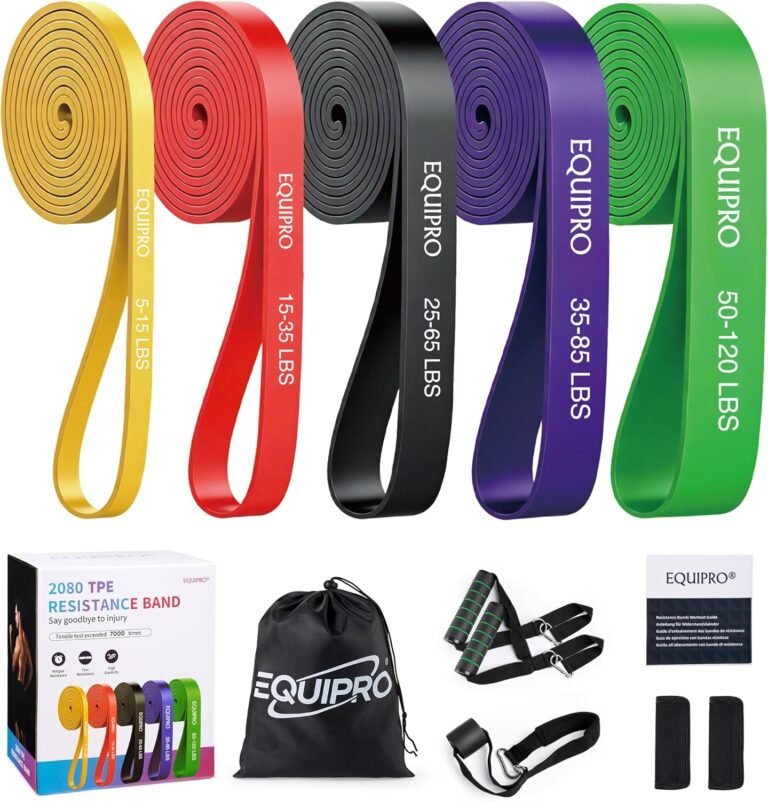
Complete Set for Convenience and Advanced Exercise: You’ll get 5 resistance bands, 2 protective sleeves, 1 door anchor, 2 handles, 1 instruction manual, and 1 storage bag. Protective sleeves and handles can protect your hands and get advance exercise. Everything you need for a safe and comprehensive workout is included. Suitable for Diverse Workouts: Equipro resistance bands enable effective training for arms, back, legs, and butt simultaneously with the mobility band. Exercise bands are perfect for body resistance training, physical therapy, and various exercises like learning pull ups, Pilates, mobility training, powerlifting, yoga, stretching. 5 Resistance Levels: Customize your exercise with our resistance bands in 5 colors and resistance levels for different purposes. Yellow band (5-15 lbs), red band (15-35 lbs), black band(25-65 lbs), purple band(35-85 lbs), green band(50-120 lbs). Great for All Fitness Levels: Engineered for both men and women, with workout intensities ranging from beginner-friendly to advanced. Whether you’re just starting out or a seasoned fitness enthusiast, these exercise bands offer the perfect challenge to maximize results and keep you progressing. Durable and Quality Workout Bands: Resistance bands are made of durable material, which is stronger and have a longer service life so that you can train without worries.
Some 3.5 million chickens, turkeys and ducks have had to be destroyed because of bird flu outbreaks in the last 30 days.
Matthew Hatcher/AFP via Getty Images
hide caption
toggle caption
Matthew Hatcher/AFP via Getty Images
As birds fly south for the winter, they’re carrying with them some unwelcome cargo: the H5N1 virus, or bird flu.
In the past 30 days, the virus has struck 66 poultry flocks, leading to the deaths of more than 3.5 million turkeys, chickens and ducks, a steep increase compared to the summer months. The virus can spread easily when infected wild birds mix with commercial or backyard flocks.
At the moment, states in the middle of the country are hardest hit. But scientists expect more outbreaks in other parts of the country, given bird migratory patterns.
If not taken seriously, the fallout could lead to more than high egg prices. Influenza researchers fear a replay of last year when, for the first time, the U.S. saw close to 70 human cases, including one death.
“Absolutely we’re going to see human infections, just like we did a year ago,” says Seema Lakdawala, a virologist at Emory University who studies bird flu. “Nothing has changed substantially to suggest otherwise.”
And though no human cases have been reported since early this year, scientists involved in tracking the virus say they don’t have good visibility into what’s happening in animals or humans. That’s because the federal government has scaled back on surveillance and communication.
“We’re not in a great position for monitoring things,” says Wendy Puryear, a virologist at Tufts University. “I’ve been deep in the weeds since it arrived here in the U.S., and I’m finding myself in a very uncomfortable place.”
Scaled back federal response
Puryear says a network of influenza researchers used to be in constant contact with their counterparts at federal health agencies about H5N1, mapping out research priorities and discussing changes in the virus.
But now, she says, “much of that infrastructure has been either completely closed down or significantly hampered,” under the Trump administration, due to cutbacks in staffing, early retirements and other policies.
In fact, Puryear recalls a recent meeting that consisted entirely of her colleagues announcing they’d had to halt their studies related to H5N1 in humans because of the administration’s funding cuts.
“It was a pretty depressing meeting,” she says. “Just one person after another was closing their doors.”
Another pressing issue: Data coming from the federally-run lab that does genetic sequencing of virus collected from infected animals has slowed to a trickle, something that was true even before the government shutdown, says Dr. Keith Poulsen, who runs the Wisconsin Veterinary Diagnostic Laboratory.
He says loss of staff at the U.S. Department of Agriculture — and the fact that communication with scientists needs to be “pre-approved” — has created obstacles, at a time when the threat of spillover from wildlife is increasing.
The shutdown has only exacerbated the situation.
For example, the network of veterinary labs that’s responsible for testing ceased its regular meetings because of the shutdown, Poulsen says.
“The shutdown just kind of pours gas on a smoldering fire and makes us vulnerable,” he says. “It’s a national security issue.”
The USDA told NPR on Friday that “there have been no changes to the critical services USDA provides to the American people” and that it has not stopped hiring for positions related to national security and public safety.
In a statement, a spokesperson for the Department of Health and Human Services said the Centers for Disease Control and Prevention’s influenza team was not affected by cutbacks and that response to urgent public health threats can continue during a shutdown.
A difficult virus to contain on farms
Based on reported data, cases in dairy herds appear to be relatively rare in recent months. A USDA program set up during the Biden administration to detect bird flu in dairy milk remains in place, as do rules that require cattle to be tested before they move across state lines.
But it’s unclear how much routine testing is actually being done in cattle — and some like Lakdawala speculate the reported decline in cases could be due to a lack of testing.
The business model for dairy farms relies on moving cattle between farms, and new research from Lakdawala’s team offers a sobering picture of why it’s so hard to stamp out the virus on a farm.
They found it’s pervasive — in the air of the milking parlor, all over the equipment, even in waste streams that sometimes get used to clean the housing facilities for the cattle.
Cows are “expelling it in their milk at such high levels,” including animals that may have few or no symptoms, she says. “There is so much virus in the environment, these cows are bombarded with it. Of course, they’re going to become infected.”
As far as scientists can tell, the strain of H5N1 that’s widely circulating has not seen the kind of mutations that would enable it to easily infect humans.
But Lakdawala says the conditions on farms with infected cattle are clearly a risk for workers who are essentially breathing in H5N1 particles that are aerosolized and remain infectious.
In Minnesota, which has seen about two dozen outbreaks on farms since mid-September, Karen Martin, an epidemiologist at that state’s department of health, says they are monitoring about 35 people who were exposed in case they develop symptoms. The department is in contact with key people in the CDC’s influenza division in case they need support.
“What concerns me is continuing to have the resources to respond to it. We’re holding it together right now,” she says.
A call for better testing of farm workers
Testing farm workers – the group at the highest risk of catching and spreading the virus – has been a problem since the beginning of the outbreak.
While some human cases have required hospitalization, most have been mild, often appearing as eye infections or other symptoms that are easily overlooked.
In a paper published last week, CDC scientists made a call for “robust data collection” of people with possible asymptomatic infections to better guide the public health response. One small study from last year found evidence of a past bird flu infection in 7% of dairy workers in Michigan and Colorado.
This kind of long-term research requires buy-in from farmers and their workers who are often undocumented. And that’s unlikely to happen now because of fears about the Trump administration’s immigration enforcement, says Bethany Boggess Alcaulter with the National Center for Farmworker Health.
“I think it’s definitely more intense than it was, and already there was a lot of reluctance to get tested,” she says.
When they were interviewing farm workers in California about bird flu this fall, she says many were too afraid to leave their homes. Their survey of several hundred workers in three states showed about 20% had symptoms at the same time animals on their farms were sick.
Most of those people said they were never tested.
Dr. Nirav Shah, who helped lead the bird flu response under President Biden, says it made sense for the CDC to downgrade its emergency response to bird flu earlier this year, but that should not have changed the work done to monitor the virus and respond on the ground.
“They are banking on the fact that there might not be anything, but that is a dangerous game to play when it comes to something like pandemic influenza,” he says.
During dormancy, usually in summer and fall, you’ll find that you only need to water about once a month. You may want to invest in a moisture meter to guide you.
Feed plants over the age of one year once a month during the growing season. Use a liquid houseplant food intended for succulents diluted to 50 percent.
Species to Select
The following species are samples of what the Haworthiagenus has to offer to the indoor succulent gardener:
Cathedral Window
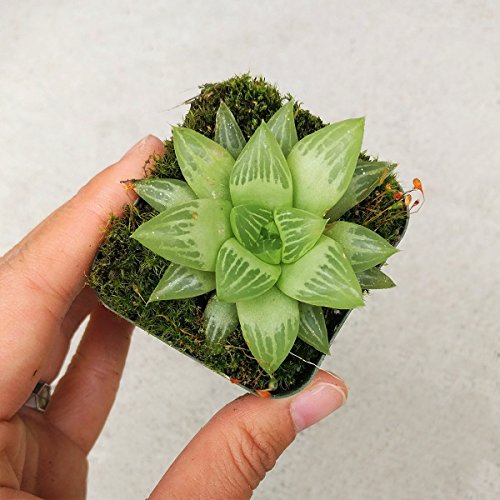
H. cymbiformis, commonly known as cathedral window haworthia, star window, or window, has smooth-leaved rosettes.
The striping and translucent characteristics of the rounded leaf tips are examples of “epidermal windows” that facilitate light absorption for photosynthesis.
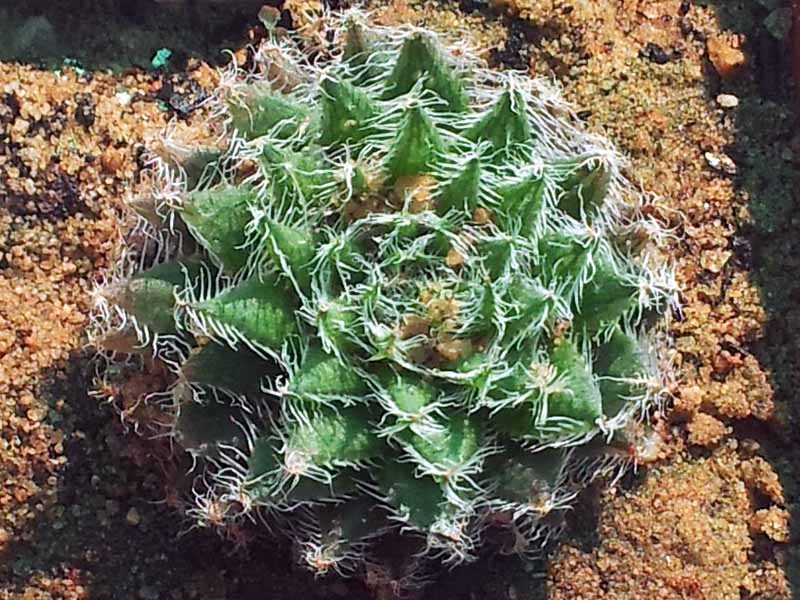
H. arachnoidea is known as spider-nest haworthia for its rounded mound of soft, translucent bristles. You may also find it listed as cobweb aloe or paper rose haworthia.
Photo by Abu Shawka, Wikimedia Commons, Public Domain.
A unique survival feature is the contraction of the foliage to conserve water in times of extreme heat and drought that causes the rosette to close up into a ball.
Its mature height is about two inches. Rosettes may spread from five to seven inches across.
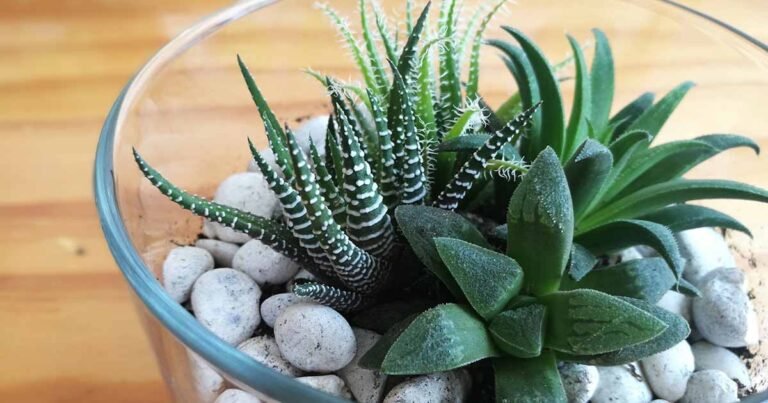
Zebra
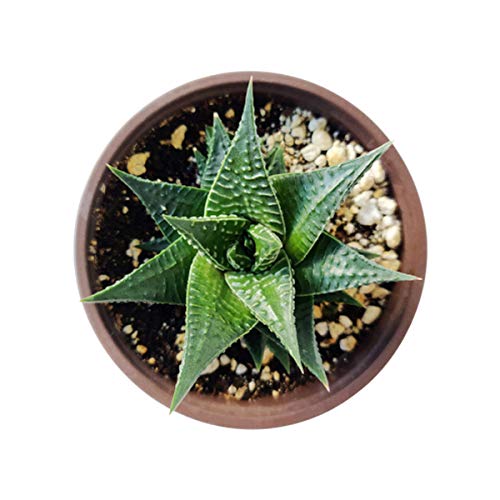
The zebra plant, Haworthiopsis attenuata, was classified as Haworthia until 2019.
Now it is Haworthiopsis, a separate genus for flora like Haworthia that have a thicker epidermis or outer leaf covering. But you’ll often still see these referred to as haworthias today nonetheless.
Although there are many other fascinating species, zebra may be the one most people associate with the word haworthia.
The features of this species include upright rosettes with white “tubercules” that allow for plant expansion and contraction during wet and dry periods.
Prolonged dehydration may lead to foliar desiccation, browning, and death.
If you underwater, a little wilting isn’t usually a problem, provided you soak the soil deeply once you detect the moisture stress.
Overwatering is likely to lead to rotting. Yellowing foliage is an indication of oversaturation.
The foliage may exhibit other signs of distress. Purple or red may be the result of exposure to direct sunlight or proximity to a grow light.
And finally, you may want to repot every three years or so. Whether your plant has outgrown its current container or not, it’s good to refresh depleted soil periodically.
Propagation
There are several ways to start your own haworthia collection.
Let’s look at each.
From Seed
If you have a plant, you can try to collect the tiny seeds from the pods that form after the flowers bloom.
Price: $35.00 (as of Nov 09, 2025 16:27:32 UTC – Details)
From the brand
Best Sellers
Sweat
Sculpt
Flow
Bala Booty Bands in Blush: The ultimate werk-out accessory, Booty Bands are designed for versatility. Includes 5 increasingly resistant latex bands and a nifty carrying case. How to Use: Work out anytime, anywhere and any way you please. Booty Bands are made to travel and easy to store. Designed for yoga, pilates, home workouts, strength training, mobility and rehabilitation. Made for Every Body: Bala is not reserved for the ultra-fit, the ultra-young, the ultra-anything. Bala is for you, whoever you are. Made of 100% latex. Product Dimensions: 12″ x 2” per band. Design-Led: Bala products are simple and portable by design. Our product assortment includes known accessories in fresh color pairings and never-before-seen equipment that fly in the face of common fitness tropes. Play is Here to Stay: At Bala, we believe beautiful, functional fitness equipment will change the way you move. Because we understand that your life includes exercise but is not exclusively defined by it.
Customers say
Customers find these resistance bands to be of good quality, comfortable, and sleek, with one customer noting they don’t roll or snap up their thighs. They appreciate the pouch size, with one mentioning it’s perfect for gym bags. The resistance levels receive mixed feedback, and durability is also mixed, with one customer noting they fray quickly.
Novo Nordisk agreed to lower the price for its obesity drug Wegovy in a deal with the Trump administration announced Thursday.
Dhiraj Singh/Bloomberg via Getty Images
hide caption
toggle caption
Dhiraj Singh/Bloomberg via Getty Images
People who rely on Medicare for their health insurance will soon be able to get blockbuster obesity and Type 2 diabetes drugs with $50 monthly copays under two new deals the Trump administration announced Thursday.
President Trump and his team announced the deals with Novo Nordisk, which makes Ozempic and Wegovy, and Eli Lilly, which makes Mounjaro and Zepbound, from the Oval Office.
The deals are part of a broader initiative the administration calls most-favored-nation drug pricing, which is an attempt to lower American drug prices, and get the same or lower prices as other developed countries.
“We believe these deals, within two years … based on our health improvements, we will be budget neutral,” said Dr. Mehmet Oz, who leads the Centers for Medicare and Medicaid Services, during the press conference. While access to the drugs would increase, their use would lower spending on other health services. “These drugs will not cost us money,” Oz said. “The American taxpayers will be getting their money back.”
The companies pledged to offer their blockbuster obesity and Type 2 diabetes drugs to Medicare and Medicaid programs for $245 a month, with copays for Medicare beneficiaries set at $50 a month starting in April. State Medicaid programs will have to opt in separately.
The programs already cover the companies’ drugs approved by the Food and Drug Administration for Type 2 diabetes, but under the deals they will also be covered for some patients who are overweight or obese.
There are some restrictions, according to senior officials who spoke to reporters on condition of anonymity before the White House announcement. The medicines will only be covered if patients have:
a body mass index over 27 and established prediabetes or cardiovascular disease;
a body mass index over 30 and uncontrolled hypertension, kidney disease or heart failure; or
a body mass index over 35.
“This is not about losing weight,” a senior administration official said during the briefing call. “It is about making America healthier. This is about preventing a stroke. This is about preventing heart attacks and disease. About preventing end stage renal disease.”
“Reducing the cost and leveraging the scale of Medicare and Medicaid to boost access to game-changing weight loss drugs is a transformative step in the battle against chronic disease and obesity,” said Dr. Bobby Mukkamala, president of the American Medical Association.
Like previous deals with Pfizer and AstraZeneca, the agreements with Novo Nordisk and Eli Lilly include lower prices in Medicaid, a pledge to launch new drugs in the U.S. at prices on par with other developed countries and discounted drugs for patients paying for them without insurance, which will be available through TrumpRx.gov.
The deals with Novo Nordisk and Eli Lilly also include a promise to offer starting doses of their upcoming obesity pills — if they receive FDA approval — at $149 a month for people on Medicare, Medicaid and using TrumpRx. Eli Lilly said in a press release that it had also applied for a voucher with the FDA, which could speed its review and approval.
The current medicines, given by injection, will be available through TrumpRx without insurance at an average of $350 a month — down from around $500, which is what the companies offer patients buying directly today. Those prices will drop to $245 over the next 24 months, the officials said.
Specifically, Eli Lilly says it will knock $50 dollars off its existing direct-to-consumer price for Zepbound, making it $299 a month for the starting dose and $449 for higher doses.
“I think the manufacturers were open to this partly for political reasons, but also it was just going to expand their patient population dramatically,” said Geoffrey Joyce, a health economist and director of health policy at the USC Schaeffer Center.
Also, in return for these commitments, the Eli Lilly and Novo Nordisk will get a three-year exemption from certain tariffs.
The White House unveiled its plan for TrumpRx and the first deal with Pfizer on Sept. 30. It also announced a deal with AstraZeneca on Oct. 10, and with EMD Serono on Oct. 16, though that deal only included EMD Serono’s fertility drugs, and not its cancer or multiple sclerosis drugs.
All the deals follow an executive order in May, and letters sent to 17 pharmaceutical companies over the summer to push them to lower prices voluntarily.
The TrumpRx website is expected to launch sometime in 2026, and would take consumers to pharmaceutical companies’ direct-to-consumer websites to fulfill orders.
The gray part of fall has arrived in New England, and most of the vibrant foliage around me has already fallen. Halloween is over, and this time of year can feel like a dull stretch before the excitement of the holiday season sets in. So I decided a hardy dose of color might be exactly what we need to bring us back to warmer and brighter days. Thankfully, I had a bunch of photos from Heidi Weirether’s amazing flower gardens in Redding, Connecticut, ready to share. We last saw Heidi’s garden back in September, when her borders and beds were still looking lush and lovely (September in Heidi’s Connecticut Garden). She had a few more photos from around that time, and today we get to enjoy another helping of color.
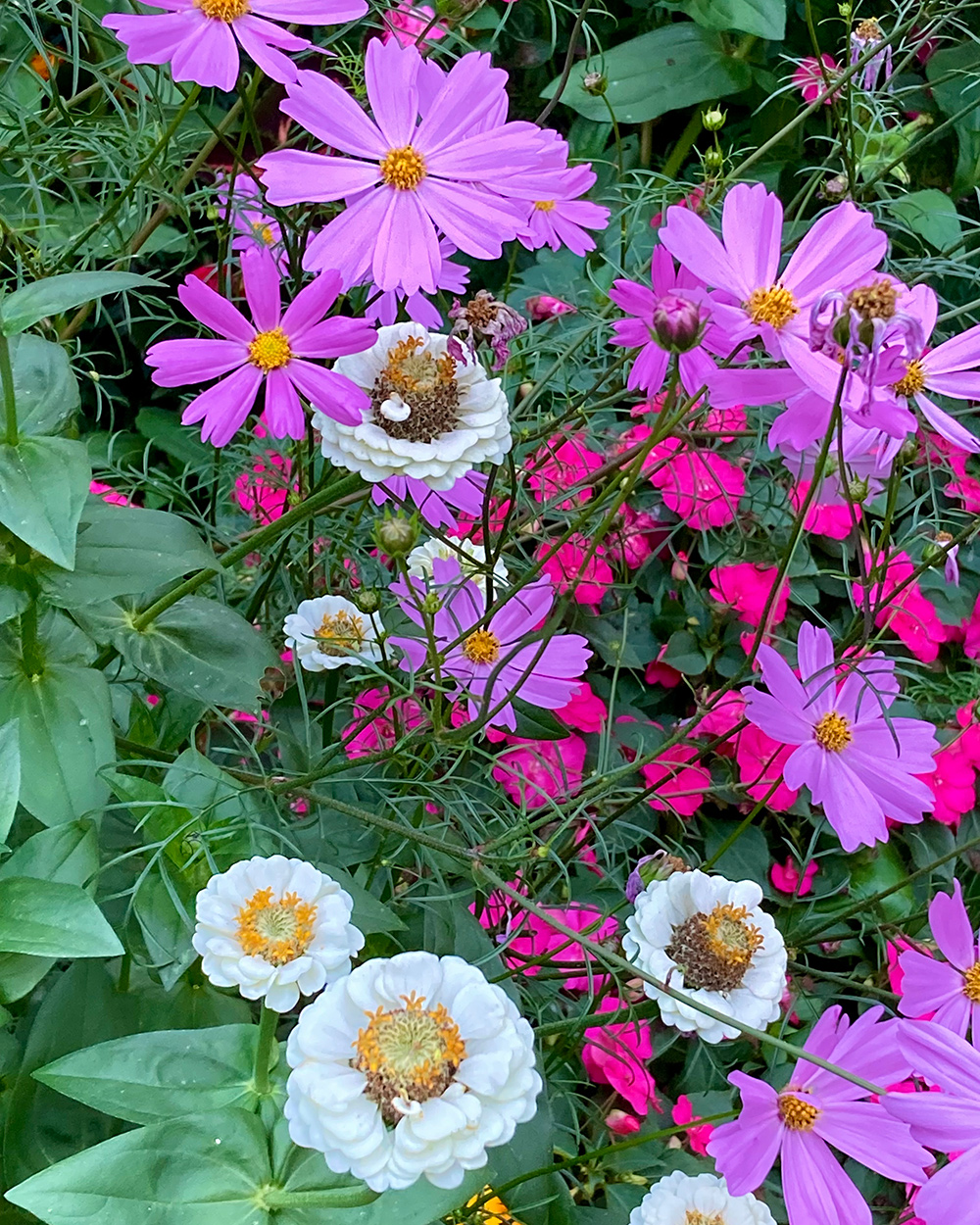
Heidi has awe-worthy borders full of fantastic perennials, but her patio garden mainly consists of incredible annual plant combinations. White zinnias and pink cosmos are heavenly against a backdrop of bright pink impatiens.
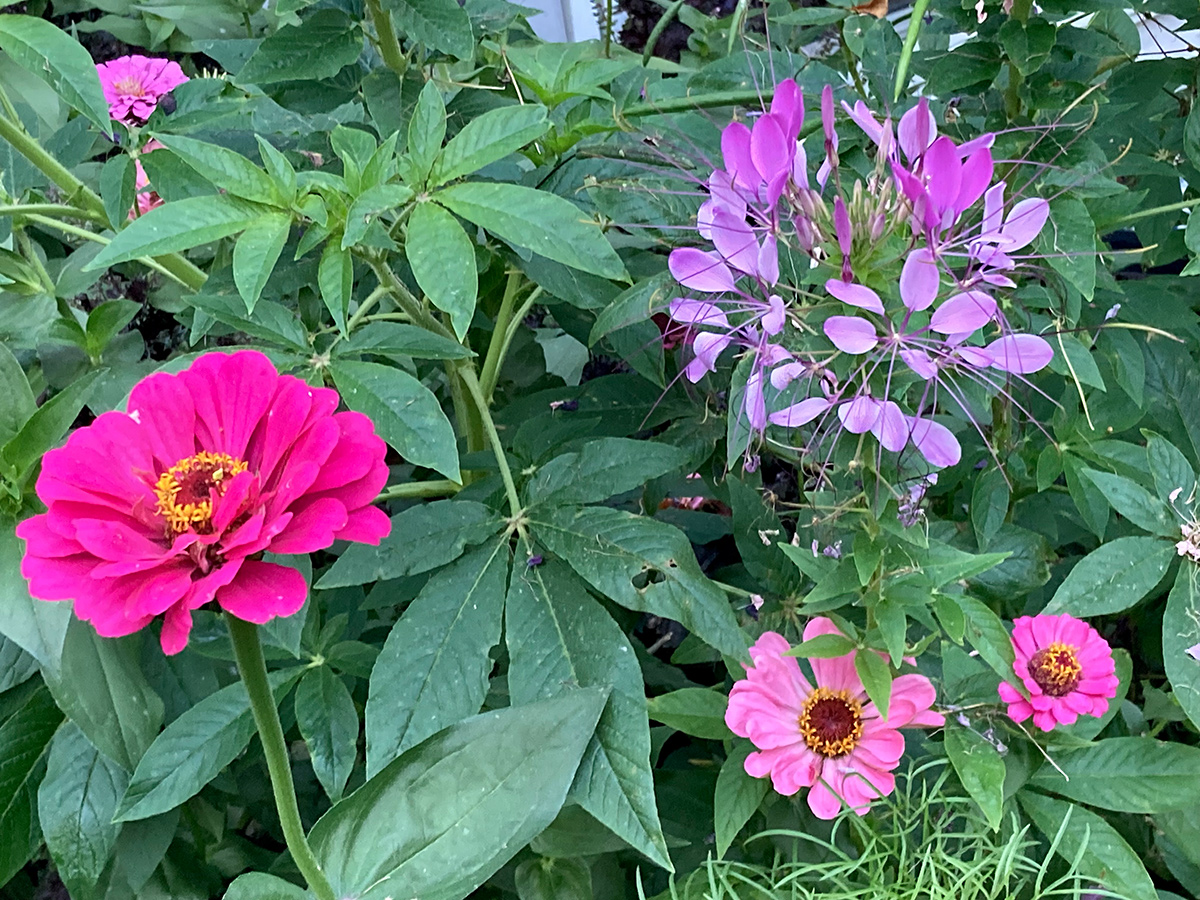
A white spider flower (Cleome spp., Zones 9–11 or as an annual) is really living up to its name and putting up a spectacular display of wispy blooms.
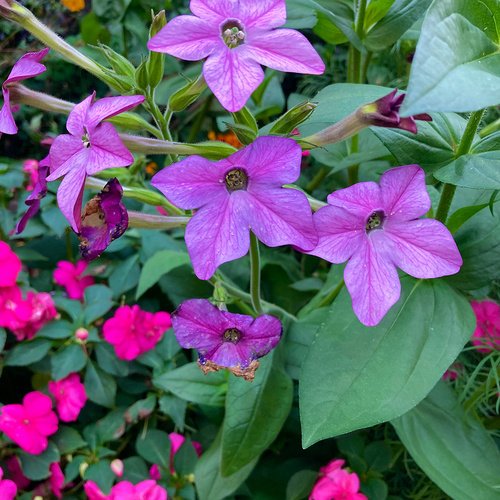
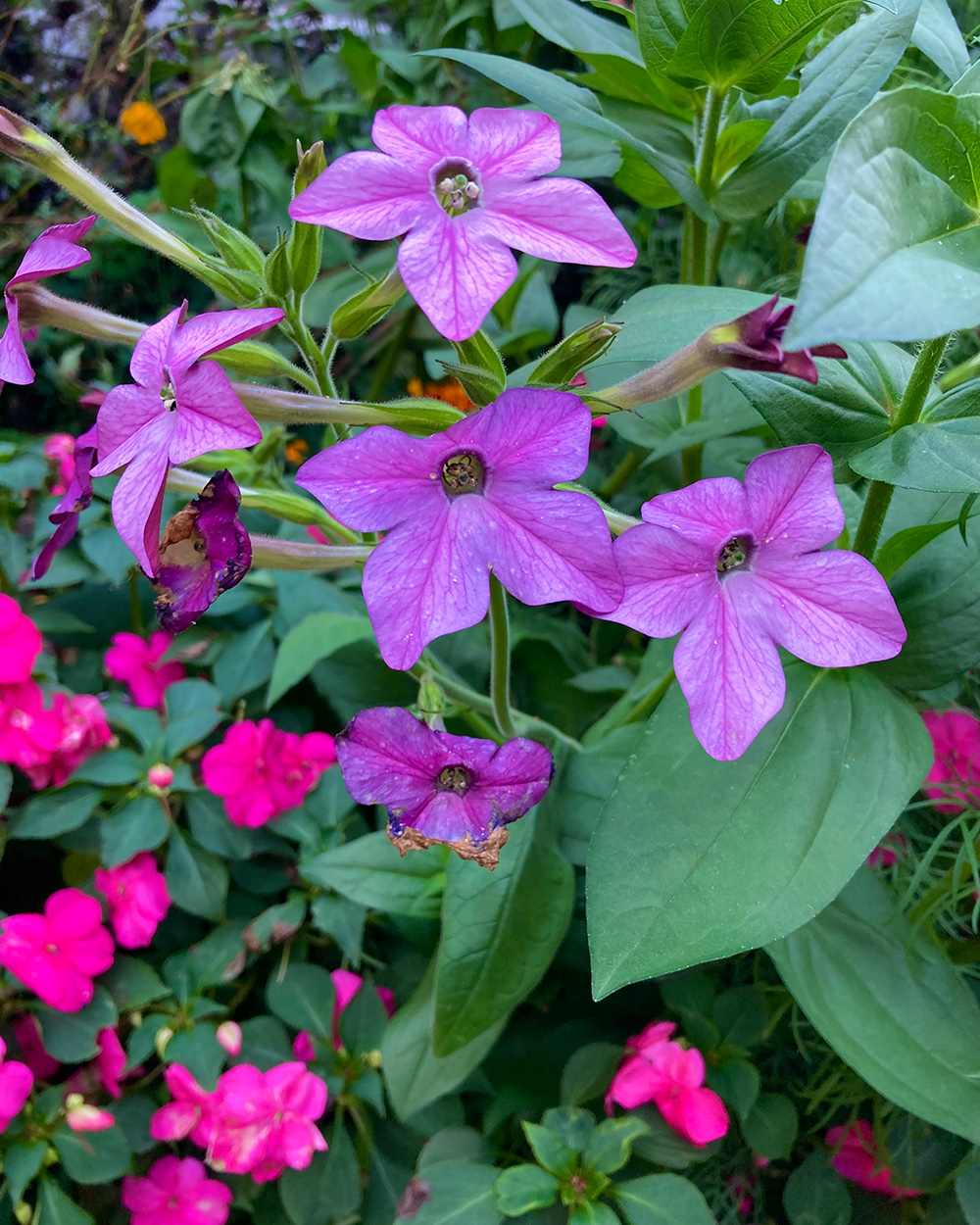
A long bloomer that will keep on performing into fall is flowering tobacco (Nicotianaspp., annual), which can be found in a wide range of colors. This lilac shade with pink veining fits right in with the rest of Heidi’s annual display.
If a specific color palette is what you’re going for, mixing and matching the same annuals in multiple colors is an easy way to make cohesive designs that are still exciting. Here, pink zinnias pair with pink cleome—both plants Heidi also has in white varieties.
It seems like every one of Heidi’s plantings is a smashing success. This red ivy geranium (Pelargonium peltatum, Zones 10–11 or as an annual) spilled right out of its container and is covered in bold blooms.
Lastly, a little bit of color from a different source: the always wonderful berries of Japanese beautyberry (Callicarpa dichotoma, Zones 5–8). I might get a little sentimental about spring and summer color this time of year, but there is still plenty to enjoy in the late season.
Thank you for continuing to share your gorgeous garden with us, Heidi! Whether we’re enjoying your plantings during the peak of summer or on a gray day in the late season, it’s always a delight to see your colorful designs.
As we head toward colder days, more gray skies, and inclement weather, Garden Photo of the Day can become a haven of color as we reminisce about our spring and summer gardens. The end of the year is a great time to reflect on the successes we had during the peak of the growing season, so consider sharing your 2025 garden highlights with the blog! Follow the directions below to submit photos via email, or send me a DM on Instagram: @agirlherdogandtheroad.
We want to see YOUR garden!
Have photos to share? We’d love to see your garden, a particular collection of plants you love, or a wonderful garden you had the chance to visit!
To submit, send 5–10 photos to [email protected] along with some information about the plants in the pictures and where you took the photos. We’d love to hear where you are located, how long you’ve been gardening, successes you are proud of, failures you learned from, hopes for the future, favorite plants, or funny stories from your garden.
Do you receive the GPOD by email yet? Sign up here
Fine Gardening Recommended Products
The Regenerative Landscaper: Design and Build Landscapes That Repair the Environment
Fine Gardening receives a commission for items purchased through links on this site, including Amazon Associates and other affiliate advertising programs.
2024 Nautilus Award Gold Medal Winner! This awe-inspiring guide weaves together permaculture design, food resiliency, climate adaptation, community organizing, and indigenous wisdom that you can implement in your own backyard.
XLUX Soil Moisture Meter
Fine Gardening receives a commission for items purchased through links on this site, including Amazon Associates and other affiliate advertising programs.
– Large and clear dial, including ten scales, plug and read
– Simply insert the moisture meter into soil and you’ll get the test result instantly
– Single probe, less hurts to the roots, doesn’t dig up too much soil after test
The Crevice Garden: How to make the perfect home for plants from rocky places
Fine Gardening receives a commission for items purchased through links on this site, including Amazon Associates and other affiliate advertising programs.
A crevice garden replicates the environmental conditions of mountain tops, deserts, coastlines, and other exposed or rocky places on earth. These striking garden features provide perfect conditions for the plants native to these far-off places, bringing the cultivation of these precious gems within everybody’s reach.