57.1 F
Klamath Falls
Saturday, May 2, 2026
Home Blog Page 155

The Foundation for Government Accountability aims to reshape state safety nets : Shots

0

Stewart Whitson, a senior director at the Foundation for Government Accountability, testified before Rep. Marjorie Taylor Greene’s DOGE subcommittee in Washington, D.C., on Feb. 12. The hearing was titled “The War on Waste.”

Al Drago/Getty Images


hide caption

toggle caption

Al Drago/Getty Images

PHOENIX — As an Arizona bill to block people from using government aid to buy soda headed to the governor’s desk in April, the nation’s top health official joined Arizona lawmakers in the state Capitol to celebrate its passage.

Health and Human Services Secretary Robert F. Kennedy Jr. said to applause that the legislation was just the start and that he wanted to prevent federal funding from paying for other unhealthy foods.

“We’re not going to do that overnight,” Kennedy said. “We’re going to do that in the next four years.”

Those words of caution proved prescient when Arizona’s Democratic governor, Katie Hobbs, vetoed the bill a week later. Nevertheless, state legislation to restrict what low-income people can buy using Supplemental Nutrition Assistance Program benefits is gaining momentum, boosted by Kennedy’s touting it as part of his “Make America Healthy Again” platform. At least 14 states have considered bills this year with similar SNAP restrictions on specific unhealthy foods such as candy, with Idaho and Utah passing such legislation as of mid-April.

Healthy food itself isn’t largely a partisan issue, and those who study nutrition tend to agree that reducing the amount of sugary food people eat is a good idea to avoid health consequences such as heart disease. But the question over the government’s role in deciding who can buy what has become political.

The organization largely behind SNAP restriction legislation is the Foundation for Government Accountability, a conservative policy think tank in Florida, and its affiliated lobbying arm, which has used the name Opportunity Solutions Project.

FGA has worked for more than a decade to reshape the nation’s public assistance programs. That includes SNAP, formerly known as food stamps, which federal data shows helps an average of 42 million people afford food each month. It also advocates for ways to cut Medicaid, the federal-state program that connects 71 million people to subsidized health care, including efforts in Idaho and Montana this year.

FGA’s proposals often seek to limit who taps into that aid and the help they receive. Those backing the group’s mission say the goal is to save tax dollars and help people lift themselves out of poverty. Critics argue that FGA’s proposals are a backdoor way to cut off aid to people who need it and that making healthy food and health care more affordable is a better fix.

Now, FGA sees more room for change under the Trump administration and the Kennedy-led health department, calling 2025 a “window of opportunity for major reform,” according to its latest annual report.

As the Arizona veto shows, opportunity isn’t a guarantee of success, reflecting the FGA’s history of policy hits and misses.

A vision for limiting government benefits

Tarren Bragdon, a former Maine legislator, founded FGA in 2011 to promote policies to “free millions from government dependency and open the doors for them to chase their own American Dream,” he said in a statement on FGA’s website. The main foundation started out as a staff of three with about $60,000 in the bank. As of 2023, it had a budget of more than $15 million and a team of roughly 64, according to the latest available tax documents, and that’s not counting the lobbying arm.

The foundation got early funding from a grant from the State Policy Network, which has long backed right-leaning think tanks with ties to conservative activists including brothers Charles and David Koch.

FGA declined several interview requests for this article.

In recent years, the nonprofit helped draft a 2017 Mississippi law, the Jackson Free Press found, which intensified eligibility checks for public aid that made it more difficult for some applicants to qualify. It successfully pushed a 2023 effort in Idaho to impose work requirements for food benefits that health care advocates said led some recipients to lose access.

The same year, the group helped pass SNAP restrictions affecting eligibility in Iowa. Since those restrictions have taken effect, the Food Bank of Iowa has seen a record number of people show up at its pantries amid rising grocery prices and a scaling back of COVID pandemic-era federal support, said Annette Hacker, a vice president at the nonprofit.

Part of the group’s strategy is to pass legislation state by state, with the idea that the crush of new laws will increase pressure on the federal government. For example, states can’t limit what food is purchased through SNAP without federal approval through a waiver process. And in the past, some of FGA’s efforts have stalled because states never got that approval.

U.S. Health Secretary Robert F. Kennedy Jr. is pictured beneath a large sign that reads "Food Distribution."

U.S. Health Secretary Robert F. Kennedy Jr. tours a food bank in Mesa, Ariz., on April 8, 2025. Arizona Gov. Katie Hobbs vetoed a law backed by Kennedy and FGA to keep SNAP benefits from being spent on soda.

Ross D. Franklin/AP


hide caption

toggle caption

Ross D. Franklin/AP

Kennedy’s agenda now echoes some of FGA’s key messages, and he has said states can expect approval of their waivers. Meanwhile, congressional leaders are eyeing nationwide Medicaid cuts and work requirements, which FGA considers among its major issues. The foundation also has a connection working inside the administration: Its former policy director, Sam Adolphsen, was tapped to advise President Donald Trump on domestic matters.

“We’re excited to fight from Topeka to Washington, D.C., as opposed to Washington, D.C., to Topeka,” Roy Lenardson, FGA’s state government affairs director, told Kansas lawmakers in February when testifying in support of SNAP legislation there.

Shaping state policies

In the states, FGA has become known as a conservative “thought leader,” said Brian Colby, vice president of public policy for Missouri Budget Project, a progressive nonprofit that provides analysis of state policy issues.

“Conservatives used to try to chop away at the federal budget,” Colby said. “These guys are doing it at the state level.”

In its 14 years, FGA has created a playbook to shape state policy discussions about public benefits behind the scenes. In Montana, retired Republican state legislator Cary Smith, who worked with FGA, said not all of the think tank’s ideas split along party lines.

“They offer a buffet of options,” he said. “Their agenda is making government accountable; it’s in the name.”

He said besides drafting legislation, FGA provides talking points and data to help policymakers support their arguments.

“They would go in and would say, ‘This is what Medicaid fraud is costing us,'” Smith said. “That would be the number you’d want to use in your bill.”

In January, FGA released a memo for states to “stop taxpayer-funded junk food.” In February, Stateline reported that Wyoming Republican state Rep. Jacob Wasserburger said the group asked him to sponsor a SNAP restriction bill. The state sponsor of similar legislation in Missouri has repeated at least one of FGA’s talking points, as reported by the Missouri Independent. In Arizona, Republican Rep. Leo Biasiucci, who sponsored the SNAP legislation there, told KFF Health News FGA was behind that bill as well.

Opponents of such bills argue the proposals are not as simple as they sound. Amid debate on a SNAP bill in Montana, Kiera Condon, with the Montana Food Bank Network, testified that the legislation would force grocery store workers to sort through what counts as soda or candy, “which could result in retailers not participating in SNAP at all.” State lawmakers tabled the Montana bill in April.

Montana legislators also easily passed a bill to extend the state’s Medicaid expansion program even after FGA began publishing a series of papers that asserted the program was “breaking” Montana’s budget. FGA had presented data saying most Montanans on the program don’t work, which state data refutes.

Ed Bolen, who leads food aid strategies at the left-leaning Center on Budget and Policy Priorities think tank, said FGA has a pattern of proposing technical changes to existing laws and “unworkable work requirements” that cause people to lose benefits.

The Kansas example

After working with policymakers in Kansas for a decade, FGA helped pass legislation that limited how long people can access cash assistance, added work requirements to SNAP, and banned the state from spending federal or state funds to promote public aid. Many of those changes came through 2015 legislation known as the “HOPE Act” drafted by FGA, The Washington Post reported.

Analysis from Kansas Appleseed, an advocacy organization for low-income Kansans, found the SNAP caseload sharply declined after the bill was enacted because of the new hurdles, dropping from 140,000 households in January 2014 to 90,000 as of January 2020.

“It’s death by a thousand cuts,” said Karen Siebert, an adviser for Harvesters, a community food bank network in Kansas and Missouri. “Some of these FGA proposals are such complex policies, it’s hard to argue against and to explain the ripple effects.”

In 2024, the foundation produced more than two dozen videos featuring state politicians from across the nation touting the organization’s goals and dozens of research papers arguing public benefits are wrecking state budgets. FGA also has its own polling team to produce data out of the states it’s working to influence.

The organization released a list of 14 states it labeled as “redder and better” places to exert more influence. That included Idaho, where the group has four registered lobbyists in the state Capitol.

In 2023, FGA helped present and successfully lobby for legislation there to require people receiving food aid to work at least 80 hours a month. The organization called the resulting law “landmark welfare reform” years in the making.

And this year, Idaho lawmakers passed more requirements for people enrolled in Medicaid who can work. FGA staffers worked with one of the co-sponsors of the legislation on a similar bill last year that failed, then again this year. A compromise bill passed with FGA’s backing, marking another victory for the foundation.

David Lehman, a lobbyist for the Idaho Association of Community Providers, which represents health organizations that have opposed FGA bills, said Idaho illustrates how FGA works with sympathetic lawmakers in conservative states to gain more ground.

“They’re pushing an already rolling rock downhill,” he said.

KFF Health News is a national newsroom that produces in-depth journalism about health issues and is one of the core operating programs at KFF — the independent source for health policy research, polling, and journalism.

Does Composting Attract Rats: How to Keep Rats Out?

Composting is pretty good, as it recycles leftovers and provides nutrient rich fertilizer.

Everything is fine until you see a rat crawling over the compost. Just the thought of them rummaging around your garden is enough to make your skin crawl.

What’s worse is that, there are probably more.

Rats are considered highly intelligent and opportunistic creatures. If your compost heap is offering them free buffet then what will stop them.

Once they’ve found a food source and a cozy nesting spot, they’re hard to evict. That’s why it’s super important to address the issue early.

Left unchecked, a rat infestation can spread beyond your compost—into sheds, garages, even your home.

Not only do they damage property, but they also carry diseases. So yeah, this isn’t just a gross inconvenience. It’s a real health concern.

But don’t let this scare you off composting altogether! You can absolutely keep compost and a rat-free yard—if you know what attracts them and how to keep them out.

Why Does Compost Attract Rats?

The short answer: food and shelter. Rats are scavengers, and compost piles—especially when loaded with food scraps—are like a 24-hour all-you-can-eat buffet.

  • Food scraps: Especially things like bread, grains, fruit peels, or meat (if you’re composting that), are irresistible to rats.
  • Warmth: A decomposing compost pile generates heat. To a rat, that’s a cozy little condo in the middle of winter.
  • Shelter: A loose, open compost pile gives them places to tunnel and hide from predators.

Even if you’re careful with what you add, smells from a poorly managed pile can still drift far enough to invite curious critters. And once they find it, they don’t just take a bite and leave—they settle in.

Check this: Bokashi Composting: An Ultimate Step-by-Step Guide

How to Keep Rats Out of Your Compost?

So, you’ve got compost, and you’re not willing to give it up. Good! Composting is awesome—let’s just make sure the rats don’t think so too. Here are five solid ways to keep them away for good.

1. Use a Sealed or Enclosed Compost Bin

This one’s a game-changer. Open-air compost heaps might be easy to start, but they’re also a neon sign for rats.

  • Choose a bin with a lid and solid sides, preferably made of durable plastic or metal. Rats can chew through thin wood or flimsy plastic, but heavy-duty bins make things much harder.
  • Ensure the lid fits securely and isn’t easily knocked loose by wind or curious paws.
  • Some people place their bins on concrete or raised platforms for added protection.

If you prefer a turning system, go for a tumbler composter. These are fully enclosed and off the ground—rats can’t dig into what they can’t reach.

2. Avoid Adding Meat, Dairy, or Cooked Food

Here’s the thing: rats love protein and fat. So when you throw in leftover spaghetti or that half-eaten cheeseburger, you’re basically leaving them a gourmet meal.

  • Stick to plant-based scraps like vegetable peels, coffee grounds, tea bags, and eggshells (rinsed).
  • Avoid even small amounts of meat, bones, dairy, oily foods, or anything heavily seasoned or processed.
  • Even compost-friendly items like bananas or melons can become an issue if not properly buried or balanced.

If you must compost all food scraps, consider indoor Bokashi bins or green cone digesters, which are pest-proof alternatives.

3. Turn Your Pile Regularly

Lazy compost piles become rodent nests. Active ones? Not so much.

  • Turning your pile every few days disrupts burrows, keeps the pile hot, and speeds up decomposition.
  • A hot compost pile (above 130°F or 55°C) is not just great for breaking down scraps—it also deters most pests.
  • If you’re using a static bin, just use a pitchfork or compost aerator to stir things up.

Bonus: turning helps reduce smell and adds oxygen, which improves the overall health of your compost.

4. Create a Rodent-Proof Base

If your compost bin sits directly on the soil, rats can tunnel right in from below.

  • Line the bottom with hardware cloth (¼-inch mesh), metal screen, or even an old baking tray with drainage holes.
  • Weigh it down with stones or bricks to make it impenetrable.
  • Avoid placing bins directly next to fences, dense shrubs, or woodpiles—these offer cover and entry points.

Even if you’ve never had rats before, this small step can save you a major headache down the road.

5. Set Up Natural Deterrents

Sometimes it helps to let nature fight back.

  • Peppermint oil is a strong-smelling, natural repellent—soak cotton balls and place them around the base of your bin.
  • Used cat litter, though gross, gives off predator pheromones. Sprinkle it in a perimeter ring (but not inside the bin).
  • Chili powder, vinegar spray, or even ultrasonic devices can also create an invisible boundary.

Keep in mind: natural repellents need to be reapplied regularly, especially after rain.

Also Read: How to Make Compost at Home Using Kitchen Waste?

Composting Tips to Prevent Rats in the First Place

Let’s be honest—chasing rats after they’ve already discovered your compost is way more work than just preventing them from showing up in the first place.

Prevention is where the real power lies. If you set your compost up the right way from day one, you’ll make it incredibly unappealing to any wandering rodent.

Think of it like setting house rules before the party starts—no food on the floor, no open access, no shady corners to hang out in.

Rats are opportunists, not fighters. If your compost isn’t worth the trouble, they’ll move on.

Here’s how to get ahead of the problem before it even starts.

Keep the Right Balance of Greens and Browns

Maintaining the correct mix of compost materials isn’t just for the sake of good decomposition—it also helps keep smells in check and makes the pile less attractive to rats.

  • Greens are your nitrogen-rich materials (like fruit peels, veggie scraps, coffee grounds), and browns are carbon-rich (think dried leaves, shredded newspaper, cardboard).
  • The ideal compost pile has two parts browns to one part greens.
  • Too many greens can make your pile slimy and stinky—exactly what rats are sniffing for. Browns help balance the moisture and reduce odors.

Bonus tip: Dry materials also help prevent mold and keep the structure loose enough for good airflow, which speeds up composting and discourages burrowing.

Never Let Food Sit on Top

Rats have a great sense of smell and will beeline toward exposed food scraps like they’re starring in a scavenger hunt.

  • Always bury fresh food scraps at least 6 to 8 inches into the pile.
  • After every addition, cover the surface with browns—like sawdust, dried leaves, or soil—to act as a smell barrier.
  • Think of this like hiding your snacks from nosy roommates: out of sight, out of mind.

Compost with the Bokashi Method (Indoors)

If outdoor composting is attracting too many pests—or you just want something neater—indoor methods like Bokashi or vermicomposting are smart alternatives.

Bokashi uses beneficial microbes in a sealed bin to break down all types of food waste, including meat and dairy. It doesn’t smell, and since it’s fully enclosed, rats won’t be interested.

Vermicomposting, on the other hand, uses worms to process food scraps in a tidy bin that fits easily under your sink.

Keeping the area around your compost clean is just as important as what’s inside. Don’t leave fallen fruit, birdseed, or pet food nearby—these are bonus treats for rodents.

Clear out overgrown plants, sweep regularly, and keep your bin away from fences or sheds where rats might nest. If you’ve had rat issues before, scrub the area with vinegar or bleach to remove scent trails and discourage them from returning.

Lastly, make your compost pile less inviting with a few smart tweaks. Line the base of your bin with ¼-inch hardware cloth to stop tunneling, and weigh it down with bricks or stones.

Avoid overwatering—wet compost piles smell more and are easier for rats to dig through. Turn your compost regularly to introduce oxygen, speed up decomposition, and keep it too hot and active for pests to settle in.

Also Read: How to Build a Compost Bin with Pallets?

Conclusion

Yes, compost can attract rats—but it doesn’t have to. With the right setup, you can enjoy all the benefits of composting without inviting pests.

Stick to sealed bins, avoid food scraps that lure rodents, and keep the area clean. Already got a rat problem? Don’t worry. You’ve got the tools to handle it and compost with confidence.

How to Combine Ozempic or Wegovy with a Healthy Lifestyle for Lasting Weight Loss

by Caitlin H,

Jul 8, 2024

Combine-Ozempic-or-Wegovy-with-Healthy-Lifestyle-Lasting-Weight-Loss

You’ve probably heard of weight loss drugs like Wegovy or Ozempic, which are popular with celebrities like Oprah. Manufacturers tout their effectiveness in helping people who have struggled to lose weight shed unwanted pounds.

Studies back these claims, finding that most users lose 15-20% of their body weight while taking these drugs. The active ingredient in these drugs, semaglutide, works by helping users more easily control their appetite, slowing the rate at which the stomach empties, and decreasing the desire to eat high-calorie, indulgent foods.

This last method is especially helpful in boosting the likelihood of sticking with a healthy eating plan, which is critical to ensure the weight stays off in the long run.

Talk to your doctor if you’re considering trying a weight loss plan that includes drugs with semaglutide. As most experts will tell you, the drugs can help with weight loss initially, but many people will gain the weight back when they stop taking them. That’s why combining them with a lifestyle plan that includes healthy eating and fitness is critical. Here are some tips to do that.


Start with the right mindset.


With proven weight loss drugs like Wegovy and Ozempic hitting the mainstream, it’s easy to believe that the magic bullet everyone’s been hoping for has become a reality.

Here’s the thing: Prescription weight loss injections and drugs are extremely expensive, often costing more than $1,000 a month. That means they may not be accessible for long-term use.

If you and your doctor decide they’re right for you, approach it as a stepping stone to making the necessary lifestyle changes for lasting weight loss.

Doing that involves taking time to think about your motivations for losing weight. You may even want to write them out. Consider the following questions:


  • Why am I motivated to lose weight?
  • What challenges have I faced, and how can I overcome them?
  • How do my diet and eating habits affect my ability to find success?
  • What am I willing to change and why?
  • Who is my support network, and how can I leverage my relationships effectively?
  • What other support do I need, and how do I implement it?


Analyzing the reasons behind your need to lose weight and how you can achieve your goals is one of the best first steps you can take.


Write out SMART goals.


Writing out a plan of action using SMART goals is the next step to effectively using semaglutide drugs as a stepping stone. SMART goals are goals that are:


  • Specific
  • Measurable
  • Achievable
  • Relevant
  • Timebound


An example is: “I will use Ozempic to help me lose 20 pounds by Oct. 31. During that time, I will walk 30 minutes each day while paying close attention to my portion size and writing down my daily caloric intake.” An initial goal like this can give you the knowledge to continue your healthy journey long after stopping weight loss injections.


Eat healthy, nutritional food.


One thing you’ll likely find pretty early on is that weight loss drugs with semaglutide make it easier for you to enjoy smaller portion sizes and eliminate junk food.

Combining weight loss drugs with a healthy diet is also vital. Diet-to-Go’s meal plans are an excellent choice as they include delicious, nutritionally balanced meals that you just heat and eat.

Meal plans include:


  • Balance and Balance-Diabetes: Calorie- and portion-controlled for individuals looking to lose weight and maintain their blood sugar levels
  • Keto-Carb30: Carb-restricted with only 30 net carbs per day
  • Vegetarian: Heart-healthy with protein sources from dairy, eggs, beans and some soy
  • Mediterranean: Rich in whole foods like vegetables, fruits, nuts, beans, grains, fish, and lean meats


Plus, you can continue Diet-to-Go long after Ozempic or Wegovy, creating a smoother transition into an organic, healthy lifestyle.


Incorporate fitness into your daily routine.


Semaglutide can kickstart weight loss, and fitness can make it a consistent part of your daily life. Exercise burns excess calories while boosting mood and strengthening your cardiovascular system and muscles.

A study published in The Lancet found that weight loss drug users who consistently exercised after quitting the medication were more likely to keep the weight off than those who didn’t.

Use your time on prescription weight loss drugs to include fitness in your daily routine. Try different activities to find something you enjoy, then put it into your schedule or calendar, just like a work meeting or doctor’s appointment. Treat it as such until it becomes a habit.


Bottom Line


Leveraging prescription drugs like Ozempic or Wegovy can be helpful for many people who’ve struggled to lose weight on their own in the past. However, the drugs can be extremely costly, making it challenging to continue using them long-term.

Avoid joining those who regained their lost weight by creating lifestyle changes rooted in mindset, goal-setting, healthy eating, and fitness.


————————————————————————————


Author: Caitlin H

Diet-to-Go Community Manager

Caitlin is the Diet-to-Go community manager and an avid runner. She is passionate about engaging with others online and maintaining a healthy, active lifestyle. She believes moderation is key, and people will have the most weight loss success if they engage in common-sense healthy eating and fitness.


Green Goddess Bowl – Bites of Wellness


Green goddess grain bowls are easy to make, packed with flavor, satisfying and ready in just 20 minutes from start to finish. This green goddess bowl recipe is perfect for lunch or dinner and can even be made for meal prep.

If you love quick and easy weeknight meals like this, you have to try my sweet potato black bean bowls or blackened shrimp bowls, both are ready in under 20 minutes and so flavorful.

This post contains affiliate links. As an amazon associate I earn from qualifying purchases. Click here to read my policy and more about affiliate links.

Green Goddess Bowl Highlights

  • Easy to make
  • Ready in 20 minutes
  • Packed with flavor
  • Great for meal prep
  • Versatile
Ingredients to make green goddess bowls on a marble countertop.

Ingredient spotlight

  • Roasted red pepper – this is one of my go-to ingredients for quick cooking meals, it adds so much flavor and doesn’t require any cooking! If you have a lot of bell peppers on hand, I recommend using your air fryer to make roasted peppers at home.
  • Green goddess dressing – to make this recipe as easy as possible, I’m using a jarred green goddess dressing. If you have a favorite recipe, you could also make this from scratch.

How to make green goddess grain bowls

Make the grains: Rinse the quinoa then add it to the instant pot with water. Cook for 1 minute high pressure, let pressure naturally release for 5-10 minutes then manually release. When quinoa is done cooking, fluff with fork.

Cook the zucchini: Slice zucchini, cook in a hot pan over medium heat, adding salt, garlic powder and italian seasoning. Cook 5-7 minutes until start to brown.

Prep the chickpeas: Drain and rinse the chickpeas.

Assemble the bowls: Add quinoa, zucchini, chickpeas roasted red peppers, avocado and top with green goddess dressing.

Green Goddess bowl with quinoa, avocado, chickpeas, zucchini and roasted red peppers in a bowl.Green Goddess bowl with quinoa, avocado, chickpeas, zucchini and roasted red peppers in a bowl.

Time saving tip

To make this even quicker, use frozen quinoa or use shelf stable quinoa packs (that reheat in the microwave in just 90 seconds). My favorite is the quinoa mix packs from Thrive Market or these microwave quinoa packs from Whole Foods.

Goddess bowl variations

  • Other veggies: Add broccoli, peas (fresh or frozen), bell peppers, onion, yellow squash, mushrooms to saute with zucchini
  • Swap chickpeas for white beans (to keep it vegan) or add shredded chicken, air fryer salmon bites or cooked shrimp
  • Herby addition: add fresh herbs like basil, parsley or dill for even more fresh flavor
  • Potatoes: Add roasted potatoes or sweet potatoes to make this even more filling
  • Hummus: you can add some hummus to make this even more filling and to add a creamy texture (if making these for meal prep, wait to add the hummus until after reheating).
  • Change the dressing: use whatever dressing you have on hand that you love. Some other great options would be creamy cilantro and tahini dressing, tahini balsamic dressing, Italian, Greek, or basil dressing.
Green Goddess Bowl ingredients all stirred together in a white bowl. Fork resting in the bowl.Green Goddess Bowl ingredients all stirred together in a white bowl. Fork resting in the bowl.

Common questions

Can you make this for meal prep?

Yes! This green goddess bowl is perfect for meal prep. You can prep the quinoa, cook the zucchini and assemble the bowls (minus the avocado and green goddess dressing). When you are ready to eat, you can eat cold, at room temperature or warmed up. Add chopped avocado and pour dressing over top before enjoying.

Substitutions

  • Quinoa – swap for rice, cauliflower rice, or orzo
  • Zucchini – swap for your favorite vegetable
  • Chickpeas – swap for white beans or your favorite protein
  • Roasted red pepper – omit or use tomatoes
  • Green Goddess Dressing – use Italian, Greek or Creamy Basil Dressing

Storing leftovers

Fridge: Store leftovers in the fridge for up to 4 days in an airtight container. I recommend waiting to cut the avocado until right before serving and wait to add dressing until right before serving if you plan on heating this up when eating leftovers.

Green Goddess Bowl topped with avocado, chickpeas and zucchini in a white bowl, avocado in the background.Green Goddess Bowl topped with avocado, chickpeas and zucchini in a white bowl, avocado in the background.

If you love quinoa bowls, you should try

★ Did you make this recipe? Please give it a star rating below!

  • inse the quinoa then add it to the instant pot with water. Cook for 1 minute high pressure, let pressure naturally release for 5-10 minutes then manually release. When quinoa is done cooking, fluff with fork.

  • Slice zucchini, cook in a hot pan over medium heat, adding salt, garlic powder and italian seasoning. Cook 5-7 minutes until start to brown.

  • Drain and rinse the chickpeas., chop the roasted red peppers.

  • Assemble the bowls by adding quinoa, zucchini, chickpeas roasted red peppers, avocado and top with green goddess dressing.

Top tips
  • Don’t have an instant pot? You can cook quinoa on the stove (same measurements). Bring quinoa to a boil, then cover and let cook 15 minutes on low heat.
  • You can use pre-cooked quinoa or rice (you can usually find it frozen or you can freeze it yourself in advance). There are also some great shelf stable quinoa packs (I love the quinoa mix blend from Thrive Market) that is ready in 60 seconds.

Nutrition Information

Nutrition Facts

Amount per Serving

Where does nutrition info come from? Nutrition facts are provided as a courtesy, sourced from the USDA Food Database.

Let others know by rating and leaving a comment below!

Trump Administration Asks Court to Dismiss Abortion Pill Case

0

The Trump administration asked a federal judge on Monday to dismiss a lawsuit that seeks to sharply restrict access to the abortion pill mifepristone — taking the same position as the Biden administration in a closely watched case that has major implications for abortion access.

The court filing by the Justice Department is striking, given that President Trump and a number of officials in his administration have forcefully opposed abortion rights. Mr. Trump often boasts that he appointed three of the Supreme Court justices who voted in 2022 to overturn Roe v. Wade, which had guaranteed the national right to abortion. And so far in his second term, his administration has taken steps to curtail programs that support reproductive health.

The filing is the first time the Trump administration has weighed in on the lawsuit, which seeks to reverse numerous regulatory changes that the Food and Drug Administration made over the past decade that greatly expanded access to mifepristone.

The Trump administration’s request makes no mention of the merits of the case, which have not yet been considered by the courts. Rather, echoing the argument that the Biden administration made shortly before Mr. Trump took office, the court filing asserts that the case does not meet the legal standard to be heard in the federal district court in which it was filed.

The case was filed by the conservative attorneys general of three states — Missouri, Idaho, and Kansas — before Judge Matthew J. Kacsmaryk of the U.S. District Court for the Northern District of Texas, a Trump appointee who strongly opposes abortion.

“The states do not dispute that their claims have no connection to the Northern District of Texas,” the Justice Department lawyers wrote in the filing.

“Regardless of the merits of the states’ claims, the states cannot proceed in this court,” they concluded, adding that the complaint “should be dismissed or transferred for lack of venue.”

Mary Ziegler, a law professor and abortion law expert at the University of California, Davis, said that the Trump administration’s support of the Biden administration’s earlier request to dismiss the case “is surprising, but I think the best way to read it is that they’re just buying time to figure out what to do about mifepristone.”

She said the filing “avoids saying anything on the substance at all,” which, she suggested, allows the Trump administration to delay telegraphing its views on mifepristone and to control whether and when it takes action to restrict the drug.

Mr. Trump’s political calculus on abortion has changed since his first term. Although Republicans prevailed in the 2024 elections, so did abortion rights, with ballot measures to protect abortion access winning in several conservative states, including Missouri. Voters in Kansas, one of the other plaintiffs in the case, endorsed abortion rights in 2022, a year when Democrats made strong gains in Congress partly because of a backlash against Republicans over abortion. During the presidential campaign, Mr. Trump tried to adjust to the changing political winds on the issue, sometimes taking positions that frustrated social conservatives.

Ms. Ziegler said Monday’s court filing might reflect a desire to be politically cautious on abortion, possibly until the 2026 midterm elections.

“I think he thinks that doing anything bold on mifepristone could backfire politically,” she said. “But he has a lot of anti-abortion voters who are not only hoping that he will do something on mifepristone but are still expecting that he will.”

“There hasn’t been a merits ruling in this case yet,” she added, “so I think the strategy of sort of avoiding the merits and kicking the can down the road is working well for Trump at the moment, but it’s sort of unclear whether it’s sustainable.”

The next step in the case will be for Judge Kacsmaryk to decide whether to dismiss it or allow it to proceed.

If the lawsuit succeeded, it could have wide-ranging impact on access to abortion in the United States, where abortion pills now account for nearly two-thirds of pregnancy terminations.

Among the F.D.A. measures the lawsuit seeks to reverse is a provision that removed the requirement that patients visit prescribers in person to obtain mifepristone. Reinstating the in-person requirement would halt the fast-growing practice of prescribing abortion pills through telemedicine and mailing them to patients, including those in states with abortion bans.

“Removing the in-person dispensing protections enabled a 50-state mail-order abortion drug economy,” the attorneys general wrote in their complaint. The lawsuit also seeks to reverse the agency’s approval of generic mifepristone, now the most widely used form of the drug; the ability for nurse practitioners and other health providers who are not doctors to prescribe mifepristone; and the ability for retail pharmacies, like CVS and Walgreens, to dispense the medication.

And it asks for new F.D.A. restrictions on mifepristone, including to outlaw the medication for anyone under 18.

The lawsuit argues that actions by the F.D.A. that expanded access to mifepristone have allowed women to obtain abortion pills despite state abortion bans or restrictions. Because of this, it says, health systems in states where abortion is limited or outlawed are required to treat patients who visit emergency rooms for follow-up care or abortion complications, costing the states money. It also claims that such states have been harmed because the “loss of fetal life and potential births” reduces the “potential population of each state.”

The lawsuit also contends that the F.D.A. violated the Comstock Act, a rarely enforced anti-vice law from 1873 that prohibits mailing items “intended for the prevention of conception or procuring of abortion.” A 2022 opinion by the Justice Department said that the law should not be interpreted to criminalize the mailing of abortion pills in most cases. Mr. Trump’s Justice Department has not rescinded or changed that opinion.

The case was initially filed in November 2022 by a consortium of anti-abortion doctors and groups and made its way to the Supreme Court. But in a unanimous ruling in June, the justices threw out the case, saying that the plaintiffs did not have standing to sue because they couldn’t show they had been harmed by the F.D.A.’s decisions on mifepristone.

A few months later, the three attorneys general revived the lawsuit and filed an amended complaint in the same court in Texas before Judge Kacsmaryk. In the first iteration of the case, Judge Kacsmaryk issued rulings that stridently criticized the F.D.A. and adopted much of the terminology used by anti-abortion activists.

Abortion pills are prescribed up to 12 weeks into pregnancy in the United States. Women in states with abortion bans have increasingly sought abortion pills through telemedicine providers.

Currently, 19 states have bans or restrictions stricter than the standard set by Roe v. Wade. In states that support abortion rights, telemedicine abortion providers have expanded, and a number of states have passed shield laws that protect doctors and other health providers who prescribe and send abortion pills to patients in states with bans or restrictions.

The typical medication abortion regimen involves mifepristone, which blocks a hormone needed for pregnancy development, followed 24 to 48 hours later by misoprostol, which causes contractions similar to those during a miscarriage.

Mifepristone was approved for abortion 25 years ago. Misoprostol, which has long been widely available for several medical conditions, can terminate a pregnancy on its own, but the lawsuit does not seek any restrictions on misoprostol. Decades of research has found the pills to be safe, and serious complications rare.

In January, shortly before Mr. Trump took office, the Biden Justice Department filed a motion to dismiss the lawsuit, citing several reasons, including that the Texas court was the wrong venue. The motion also said that the three states had not shown that they had been concretely harmed by the F.D.A.’s mifepristone regulations and that the states had not taken required steps to first seek the regulatory rollback through F.D.A.’s administrative channels.

The Trump administration’s court filing cites the same reasons. “The states also contend that F.D.A.’s actions have made it easier for individuals ‘to evade state laws,’” the brief said.

“But even assuming that were true,” it said, “the mere fact that someone might violate state law” does not on its own injure a state government in a way that meets the legal standard to sue.

Trump administration officials have previously said little about whether they intend to roll back access to mifepristone. Last month, the F.D.A. commissioner, Dr. Martin A. Makary, said during an interview at a journalism conference that he had “no plans to take action on mifepristone.” But he also said that “there is an ongoing set of data that is coming into F.D.A. on mifepristone.”

“So if the data suggests something or tells us that there’s a real signal, then I — we can’t promise we’re not going to act on that data that we have not yet seen,” he added.

In addition to the F.D.A., the two manufacturers of mifepristone are defendants in the case. Danco Laboratories, which makes Mifeprex, the branded version of the drug, requested to be added to the case soon after the original filing in 2022. GenBioPro, which makes generic mifepristone, became a party last month after it requested to be added in anticipation that the Trump administration might not fully support the F.D.A.’s actions regarding the medication.

19 of the Best Agastache Varieties to Grow at Home

In a perfect world, all of the plants in my garden would be easy to care for, fragrant, colorful, attractive to wildlife, and edible.

I realize that’s a tall order and that most plants will fall short on one or more of those criteria. Not agastache (Agastache spp.), though. It fits all my requirements and more.

On top of all that, the blooms last for months, and the plant returns year after year in Zones 4 to 10.

A close up horizontal image of purple anise hyssop flowers growing en masse in the garden.

We link to vendors to help you find relevant products. If you buy from one of our links, we may earn a commission.

When you’re convinced you need to grow agastache in your garden, the hard part begins: deciding which type to settle on.

If you need a reminder about how to grow agastache, read our anise hyssop growing guide.

Whether you want a tall plant with sunset-like hues, a short cutie with vibrant purple flowers, or a plant to make tea and use to season dishes, you have many options.

We’re going to talk about 19 superb agastache varieties, from modern hybrids to classic native species. Here’s the list:

19 of the Best Agastache Varieties

1. Anise Hyssop

Anise hyssop (Agastache foeniculum) is perhaps the most well-known species in the genus.

A close up horizontal image of purple anise hyssop growing in the garden pictured in evening sunshine on a soft focus background.A close up horizontal image of purple anise hyssop growing in the garden pictured in evening sunshine on a soft focus background.

It’s a popular herb that is used medicinally and appreciated for its licorice-anise flavor. But the plants are highly ornamental and attract pollinators from far and wide.

Since it is native to parts of North America, it can also be a beneficial plant to support local native insect populations.

It’s a short-lived perennial that is hardy in Zones 3 to 8 and grows up to four feet tall and three feet wide with stalks of white to blue-purple flowers.

A close up of a packet of anise hyssop seeds with text to the left of the frame and a hand-drawn illustration to the right.A close up of a packet of anise hyssop seeds with text to the left of the frame and a hand-drawn illustration to the right.

Anise Hyssop

I’m particularly enamored with anise hyssop when it’s paired with other natives like purple coneflowers, milkweed, and coreopsis.

You can find anise hyssop seeds available at Botanical Interests.

2. Arizona Sun

‘Arizona Sun’ is a glorious Agastache hybrid that features stellar yellow blossoms on a petite little plant that only grows to about 10 inches tall and wide in Zones 6 to 9.

It starts shining in early summer and the blooms last until late fall.

In warmer climates, like Zones 8 and up, it might even stay evergreen, adding its gray-green foliage to the winter landscape.

A close up square image of 'Arizona Sun' agastache growing in the garden. To the bottom right of the frame is a white circular logo with text.A close up square image of 'Arizona Sun' agastache growing in the garden. To the bottom right of the frame is a white circular logo with text.

‘Arizona Sun’

For a cheerful plant as warming to the soul as a bright Arizona day, purchase 25, 100, or 500 seeds at True Leaf Market.

3. Blue Boa

This gorgeous hybrid has violet-blue blossoms held by burgundy calyxes on tall plants that grow up to 40 inches tall and 24 inches wide.

It grows happily in Zones 5b to 8, a somewhat more limited range than many others on this list, but if you’re one of the lucky people in the right climate, consider ‘Blue Boa.’

Part of what makes it so special are the huge flowers, which can be up to an inch in diameter.

It was rated as one of the top plants in the Colorado State University Perennial Trials in 2014 and I can see why.

A close up of the deep purple flowers of 'Blue Boa' agastache growing in the garden.A close up of the deep purple flowers of 'Blue Boa' agastache growing in the garden.

‘Blue Boa’

‘Blue Boa’ blooms for months and months, providing food for hummingbirds, bees, and butterflies.

You can pick up a live plant at Burpee.

4. Blue Fortune

‘Blue Fortune’ produces long stalks of lavender blossoms and leaves that are medium green on top and silvery underneath.

At three feet tall and two feet wide, it’s big enough to be stately but not so large that it takes over the garden.

This plant is a hybrid between A. rugosa and A. foeniculum selected in 2004 by Gert Fortgens of the Arboretum Trompenberg in Rotterdam, Netherlands.

A close up of the light purple flowers of 'Blue Fortune' agastache growing in the garden.A close up of the light purple flowers of 'Blue Fortune' agastache growing in the garden.

‘Blue Fortune’

‘Blue Fortune’ nabbed the 2004 Great Plant Picks award from the Elisabeth Miller Botanical Garden. You can find plants available at Burpee.

5. Giant Mexican

Giant mexican agastache (A. mexicana) is not the easiest to grow, nor is it the showiest if you’re in the market for a bold ornamental.

This species produces highly fragrant, lemon-scented foliage. The large leaves are popularly made into tea or used to flavor foods.

A close up of the hot pink flowers of Mexican giant hyssop growing in the garden pictured on a soft focus background.A close up of the hot pink flowers of Mexican giant hyssop growing in the garden pictured on a soft focus background.

The plant quickly grows to about three or four feet tall and one to two feet wide, and is topped with petite purple spikes. It’s hardy in Zones 6 to 10.

There are a handful of cultivars out there, and many are quite glorious.

If you have your heart set on having Mexican agastache in the garden but you also really want an ornamental, look for cultivars in the Summerlong™ series, which are more compact and floriferous than the species.

Vegan Baked Oatmeal with Peanut Butter

Breakfast for the week is prepped in just 10 minutes! This vegan baked oatmeal is super easy to make and baked in just 35 minutes. Made with rolled oats, chia seeds, cinnamon, peanut butter, and maple syrup, this oatmeal is packed with flavor. Easily customizable to add in your fruit or topping of choice (chocolate chips, anyone?)

Why I like this recipe!

A week’s worth of breakfast prepped in just in 10 minutes! Need I say more?!

That’s right – this healthy baked oatmeal comes together in just 10 minutes. Prep it on a Sunday, pop it in the oven on a Monday morning, and you’ve got 6 servings breakfast for the week ahead!

And if you’ve been around here for a while, you know I love a baked oatmeal like my Apple Pie Baked Oatmeal and Peanut Butter Baked Oatmeal.

I also love this recipe because it’s so easily customizable. This make ahead vegan oatmeal is the base recipe that is delicious on its own but then you can get creative with the mix-ins and toppings based on what you’ve got in your fridge and pantry (keep scrolling for more ideas!)

As a registered dietitian, I choose breakfasts that are going to make me feel full and satisfied – this dairy free baked oatmeal with peanut butter will do just that, especially if you add some fruit for extra fiber and extra nuts / nut butter for more fat and protein.

The perfect vegan make-ahead breakfast! Baked in just 35 minutes.

Ingredients You’ll Need

ingredients for vegan baked oatmeal laid on marble surface with black text overlay for eachingredients for vegan baked oatmeal laid on marble surface with black text overlay for each

Notes on ingredients:

cinnamon: adds warmth and depth to flavors.

vanilla: enhances the sweetness of existing sugars.

peanut butter: A pantry staple! It adds a creaminess and nuttiness that will have your tastebuds wanting more.

almond milk: A dairy free alternative that gives this dish a mild nutty flavor and adds moisture. This can be swapped for cow’s milk or a different dairy-free alternative.

salt: enhances the flavors.

chia seeds: acts as a vegan binding agent in lieu of eggs.

maple syrup – Adds a sweet richness.

baking powder – helps the oatmeal rise in the oven and contributes to the light, fluffy texture. 

rolled oats – I like using rolled oats in baked oatmeal since they retain their texture well with baking. If you want to make a gluten-free version, be sure to grab certified gluten-free rolled oats.

Oats are nutritious!

As a registered dietitian, I LOVE oats! Not only are they filling and satisfying, these tiny little grains are a nutrition powerhouse!

Oats are complex carbohydrates that are rich in many vitamins and minerals including manganese, phosphorous, copper, B vitamins, iron, selenium, magnesium, and zinc.

These whole grains are high in soluble fiber and have been linked to many health benefits like lowering cholesterol, reducing the risk of hypertension, diabetes, and cardiovascular disease, and promoting a healthy gastrointestinal tract.

How To Make Vegan Baked Oatmeal

  1. Prepare baking dish. Grease a 11×7 baking dish and preheat oven to 350 degrees F.
  2. Make chia egg replacement: In a large bowl, whisk 1 tablespoon of chia seeds with 2 1/2 tablespoons water and let rest for 5 minutes.
  3. Combine wet ingredients. Whisk in peanut butter, egg, maple syrup, vanilla, and almond milk until combined.
  4. Stir in dry ingredients. Add rolled oats, cinnamon, baking powder and salt, and stir until combined.
  5. Fold in any fruit: Fold in any add ins you may be using.
  6. Add to baking dish. Pour mixture into prepared baking dish.
  7. Bake and serve. Bake until center of oatmeal is just set, about 35-40 minutes. Allow oatmeal to cool for at least 10-15 minutes on a wire rack before serving.

Equipment You’ll Need

(affiliate links – if you make a purchase I receive a small commission)

Baking Dish

Mixing Bowl

Expert Tips!

Customize by adding toppings of choice like more peanut butter, coconut flakes, fresh fruit, chocolate chips, etc. You can add these on top or fold into the mixture before baking.

Here are some ideas for mix-ins:

  1. Apple Cinnamon – add 1 cup chopped apples and increase cinnamon to 1 tablespoon.
  2. Banana Bread – add 1 cup sliced or mashed banana and 1/2 cup toasted walnuts
  3. Almond Joy – add 1/4 cup coconut flakes and 1/4 cup chocolate chips. Substitute peanut butter for almond butter.
  4. Strawberries and cream – add 1 cup sliced strawberries and dollop of yogurt, nondairy yogurt alternative, or coconut whipped cream on top.

Storage and Preparation

Leftovers can be stored in an airtight container in the refrigerator for up to 4 days. Reheat in microwave for 1-2 minutes with a little splash of almond milk or milk of choice.

Baked oatmeal is also freezer-friendly. To store in the freezer, bake as directed and let cool completely. I recommend cutting it into squares and placing the portions in an airtight container. If you want to take an extra step, you could wrap each portion in plastic wrap before putting it in the container.

Store in the freezer for up to 3 months. Let defrost in the refrigerator overnight and you can pop it right on a microwave safe dish, add a splash of almond milk, and microwave for about 1-2 minutes. 

Recipes that Pair Well

Pomegranate Smoothie

Wild Blueberry Turmeric Zinger Smoothie

Lavender Latte

Baked vegan oatmeal topped with raspberries and coconut flakes in white ceramic baking dish on cooling rack. Baked vegan oatmeal topped with raspberries and coconut flakes in white ceramic baking dish on cooling rack.

For more baked oatmeal inspiration, check out my oatmeal recipes below!

Chocolate Baked Oatmeal

Peanut Butter Baked Oatmeal

Apple Pie Baked Oatmeal

Peach Baked Oatmeal

Gingerbread Baked Oatmeal

If you like this recipe, please be sure to comment and give it a 5 star rating below. If you make it, share it on Instagram and tag me @karalydonrd and I’ll re-share it with my followers! If you want to save this recipe for later, be sure to pin it on Pinterest!

Don’t ever miss a recipe! Sign up to receive my monthly newsletter with a round-up of recipes from the previous month and get my FREE guide when you sign upRediscover the Joy in Eating: 5 Simple Steps to Stop Stressing Over Food + Enjoy Every Bite


Print

clock clock iconcutlery cutlery iconflag flag iconfolder folder iconinstagram instagram iconpinterest pinterest iconfacebook facebook iconprint print iconsquares squares iconheart heart iconheart solid heart solid icon

Description

Breakfast for the week is prepped in just 10 minutes! This vegan baked oatmeal is super easy to make and is ready to come out of the oven in just 35 minutes. Made with rolled oats, chia seeds, cinnamon, peanut butter, and maple syrup, this oatmeal is packed with flavor. Easily customizable to add in your fruit or topping of choice (chocolate chips, anyone?)


  • Vegan butter or coconut oil for greasing pan
  • 1 tablespoon chia seeds
  • 1/3 cup maple syrup
  • 2 teaspoons vanilla
  • 2 tablespoons peanut butter
  • 2 cups unsweetened almond milk (or nondairy milk alternative of choice)
  • 2 cups rolled oats
  • 1 teaspoon baking powder
  • 2 teaspoons cinnamon
  • 1/2 teaspoon salt
  • Optional: 1 cup fruit of choice (raspberries, blueberries, sliced strawberries, chopped apples, etc.)


  1. Preheat oven to 350 degrees F. Grease a 11×7 baking dish with vegan butter or coconut oil.
  2. To make a chia egg replacement, add chia to a small bowl and add 2 1/2 tablespoons water. Mix until incorporated and let sit until gels and thickens, about 5 minutes.
  3. In a large bowl, add maple syrup, vanilla, peanut butter, almond milk and chia egg, and whisk until combined.
  4. Add rolled oats, baking powder, cinnamon and salt and stir until combined.
  5. Fold in any fruit, if using.
  6. Transfer mixture to greased baking dish and bake until set, about 35-40 minutes.
  7. Let cool on a wire rack for at least 10 minutes before serving.

Notes

  1. Add toppings of choice like more peanut butter, coconut flakes, fresh fruit, chocolate chips, etc.

  • Prep Time: 10 minutes
  • Cook Time: 35 minutes
  • Category: Breakfast
  • Method: Bake
  • Cuisine: American

Vegan Wellington with Oven-Roasted Carrots

This vegan Wellington is filled with braised lentils, finely chopped walnuts, and a beautiful orange center of tender, oven-roasted carrots. It’s a show-stopping centerpiece for holiday meals, gatherings, and special occasions—and it’s incredibly wholesome, also.

The vegan Wellington that I’m sharing today is a true centerpiece for your celebratory table.

Yes, we all have festive sides that are plant-based already, or they easily could be. And I know that a lot of people feel as though side dishes are the real highlight of holiday meals.

I’m not sure that I agree.

I love a heaping helping of mashed potatoes, a scoop of creamed spinach, or a side bowl of salad as part of a special dinner.

But I also like being able to serve a main dish that feels undoubtedly like the star of the show.

Vegan Wellington is such a dish. It’s also delicious, full of nutrient-rich ingredients, and fun to assemble.

How this recipe came to be

Years ago, I ate at a restaurant in New York City that had a (non-vegan) carrot Wellington on the menu. I thought to myself that it was a great idea for a “fancy” plant-based entrée, and I made a note to myself to try a homemade version sometime.

Years went by, and I conquered a lot of other elaborate or complex recipes. I baked bread, pie, and even puff pastry.

Yet I remained a little intimidated by the idea of a Wellington, until I finally gave it a try this fall. I realized that I’d been silly to avoid it for so long!

First, there’s no requirement to use homemade puff pastry when making a Wellington at home. The frozen puff pastry from Pepperidge Farm, Pillsbury, Sweet Loren’s, and Dufour Plant-Based are all vegan and can be used for the outer shell.

Constructing the Wellington is a little involved, as you’ll see. But if you approach it patiently and treat it as a (delicious) project, it’s also really rewarding.

I learned one critical thing in my homemade vegan Wellington experiments: overnight chilling time is essential.

If you put freshly roasted vegetables and hot lentils into a sheet of puff pastry, it’ll soften or melt on the spot. Puff pastry should be cold when it goes into the oven.

So, be sure to account for an overnight chill as you plan this meal.

A wholesome and beautiful cross-section

My carrot Wellington isn’t only filled with carrots. There are also braised lentils and walnuts involved.

These ingredients give the Wellington its structure and shape, and they lend plant-protein and healthful fats to the recipe. They increase its nutritional balance and help to make it a more filling vegan main dish.

You’ll braise, or simmer the lentils in liquid, in order to cook them. After they’re cooked, you’ll pulse them in a food processor with toasted lentils.

Some lentils will remain whole, others will be broken down. The processed mixture will hold the carrots in the center of the Wellington.

Speaking of that, you’ll roast the carrots in two parts. First transfer them to the oven with a foil or parchment cover, to steam-cook and tenderize them. Then, roast the carrots uncovered, so that they start to brown and become glazed in appearance.

The two-step roasting process helps to ensure that the carrots don’t start burning before they’re fully tender.

Let’s go through the steps, one by one.

How to make vegan Wellington

Before you start cooking the Wellington ingredients or thinking about assembly, devote a moment or two to planning.

You’ll need to give the lentil filling and the roasted carrots an overnight chill, so that they’re nice and cold when you construct the Wellington. It’s also important to thaw the puff pastry sheet about one hour before you use it (follow the manufacturer’s instructions).

When I make the recipe, I generally prepare the carrots and lentil filling on one day, then assemble and bake the following day. Splitting the process into steps makes the whole thing feel doable.

Step 1: Preheat the oven and toast your walnuts

Begin by preheating your oven and oven-toasting the walnuts that go into the Wellington filling. Toasting the nuts this way deepens their flavor.

Step 2: Roast your carrots

Once you’ve toasted and removed the walnuts, turn to roasting your whole carrots.

It’s not hard to roast whole carrots if they’re small. The problem with bigger ones is that it takes them quite a while to become fully tender. Often their exteriors start to burn before the interiors are cooked through.

In order to avoid this, I use a two-step roasting method for the Wellington.

First, you’ll wrap the carrots tightly in foil or parchment paper, like a sealed little package. It’s the same method that I use for my oven roasted beets, and it’s a form of par-cooking.

Unlike the beets, the carrots will get unwrapped and seasoned midway through cooking, and you’ll finish roasting them uncovered. They should be very tender and have an almost glazed appearance when you’re finished.

Roasted carrots are resting on a parchment-lined baking sheet.Roasted carrots are resting on a parchment-lined baking sheet.
The whole roasted carrots will be very tender after they come out of the oven. Thanks to seasonings and a touch of maple syrup, they’ll have a mildly glazed appearance.

Step 3: Cook the lentils

You’ll braise, or simmer-cook, the lentils with broth and a mixture of carrots, onion, celery, and herbs. This seasons them nicely.

An overhead image of a silver pot, which is being used to cook a batch of lentils.An overhead image of a silver pot, which is being used to cook a batch of lentils.
Simmering the lentils with onions, carrots, and celery, along with herbs and broth, ensures that they’re well-seasoned before they go into the Wellington.

I like to use French lentils in this recipe, personally. I love this type of lentil and always have some on hand for my hearty vegan French lentil soup or French lentil Niçoise.

However, it’s fine to substitute black lentils, pardina (Spanish) lentils, or regular brown or green lentils in the recipe. If you use brown or green, they’ll need less cooking time than French (20-25 minutes rather than 35).

Step 4: Overnight chill

Once the lentils and carrots are cooked, transfer them to airtight storage containers and give them an overnight chill.

If you’d like to make the entire recipe in a single day, you can start early and chill both components for a minimum of four hours, or until cold.

Step 5: Pulse the lentils and walnuts together

On the following day (or at least four hours later), you can pull the lentils from the fridge. Transfer them to a food processor fitted with the S blade and pulse them together with the toasted walnuts.

You’ll end up with a somewhat crumbly mixture; the lentils will be partially broken down, and the walnuts will help with binding.

Step 6: Assemble your vegan Wellington

The fun of assembly begins!

Note that you’ll need to defrost your puff pastry about one hour before you assemble the Wellington, so plan accordingly. You should also preheat your oven to 400°F / 200°C.

Store-bought puff pastry is usually sold in either a single 14- or 15-ounce (400-425g) sheet or a package of two 8.5 ounce / 240g sheets.

The recipe card, below, will give instructions for both options. Essentially, if you have two sheets at home, you’ll roll them out together so that they merge into a bigger sheet.

Either way, you’ll roll the puff pastry out and arrange a layer of the lentil/walnut mixture along the long side.

Top this layer with a nice, stacked layer of carrots. I do two layers and alternate their direction, so that they can be as evenly arranged as possible.

A sheet of puff pastry is being filled with whole roasted, bright orange carrots.A sheet of puff pastry is being filled with whole roasted, bright orange carrots.
Alternating the direction of the carrots as you arrange them will help you to keep them in a roughly rectangular shape.

Once you’ve got a nice stack of carrots, you can cover them with the remaining half of the lentil mixture. Try to pat it down around the sides of the carrots, too, so that they’re fully enveloped.

Next, you’ll wrap one side of the puff pastry around your filling ingredients. It should impartially cover the top layer of lentils.

Roll the whole Wellington up sideways, so that you surround the column of fillings with puff pastry. When you finish, trim any excess pastry and seal the long edge.

Finish by trimming and tucking the pastry on the short ends of the Wellington. Finally, cut a few diagonal lines on the top of the Wellington to vent as it cooks, and brush the top with aquafaba.

Step 7: Bake

Transfer the vegan Wellington to your oven and bake it for 40-45 minutes.

A vegan Wellington has just been baked and is a golden brown color. It rests on a parchment-lined baking sheet.A vegan Wellington has just been baked and is a golden brown color. It rests on a parchment-lined baking sheet.
Brush the Wellington once halfway through baking with additional aquafaba. It will be a deep golden shade of brown and nicely puffed after baking.

I like to brush the top of the Wellington once again with aquafaba halfway through it’s baking time. This gives it a nice, subtle glaze.

After baking, the Wellington will be a beautiful golden brown and the pastry will have puffed up.

I recommend waiting at least twenty minutes before slicing and serving your Wellington. Alternatively, you can transfer it to the fridge and store it for up to five days, or you can freeze it for up to six weeks.

A vegan Wellington has been prepared with carrots and lentils at the center. Two slices of the puff-pastry-wrapped Wellington are arranged on a small, round white plate.A vegan Wellington has been prepared with carrots and lentils at the center. Two slices of the puff-pastry-wrapped Wellington are arranged on a small, round white plate.

What to pair with your vegan Wellington

The Wellington will play nicely with so many veggie side dishes. Its earthy flavors and hearty consistency work well with a fresh green salad.

Try my favorite butter lettuce side salad, Brussels sprout kale salad, or cauliflower pomegranate salad. Or, pair it with your own favorite every day salad for freshness and crunch.

It’s also nice to serve the recipe with shaved or roasted Brussels sprouts, some simple steamed broccolini, or green beans with Dijon vinaigrette.

If you’d like to add a leafy green component, but you’re not in the mood for salad, it would be really pretty to serve the vegan Wellington slices over a bed of steamed kale or lightly sautéed spinach.

No matter how you present the dish, it’s sure to impress!

A vegan Wellington has been prepared with carrots and lentils at the center. Two slices of the puff-pastry-wrapped Wellington are arranged on a small, round white plate.

Vegan Wellington with Oven-Roasted Carrots, Lentils, and Walnuts

Author – Gena Hamshaw

Prep Time: 1 hour 20 minutes

Cook Time: 45 minutes

Chilling time 8 hours

Yields: 6 servings

Oven-glazed carrots:

  • 1 pound carrots, trimmed and peeled (455g)
  • 1 tablespoon avocado oil
  • 1 tablespoon maple syrup
  • Salt
  • Freshly ground black pepper

Braised lentil and walnut crumble:

  • 3/4 cup walnut halves and pieces (85g)
  • 1 tablespoon olive oil
  • 1 white or yellow onion, diced
  • 2 medium carrots, trimmed, peeled, and diced
  • 2 medium stalks celery, trimmed and diced
  • 3 cloves garlic, minced
  • 3/4 cup French lentils (150g)
  • 1 bay leaf
  • 2 teaspoons fresh thyme leaves (substitute 1 teaspoon dried thyme)
  • 2 teaspoons chopped fresh rosemary leaves (substitute 1 teaspoon dried rosemary)
  • 2 1/4 cups vegan chicken-style or vegetable broth (530ml)

Wellington assembly:

  • 1 14- or 15-ounce sheet vegan puff pastry, or two 8.5-ounce sheets, thawed for 40-60 minutes prior to assembly (according to package instructions) (One 400-425g sheet or two 240g sheets)
  • 3 tablespoons aquafaba (drained liquid from a can of chickpeas)

Toast the walnuts and roast the carrots:

  • Preheat the oven to 400°F/200°C.

  • Line a baking sheet with parchment. Place the walnuts onto the sheet and transfer them to the oven for 5 minutes, to toast them. Immediately remove the walnuts from the sheet and set them aside to cool; allow the baking sheet to cool enough to be touched again.

  • Line the baking sheet with foil. Place the carrots onto the sheet and place another sheet of foil on top of them. Wrap the carrots up with the foil, creating a tight envelope for them. Transfer them to the oven and roast for 20 minutes (for thinner carrots) or 25 minutes (for thicker carrots). Remove the top layer of foil. The carrots will be tender already.

  • Drizzle the carrots with the avocado oil and maple syrup, then season them well with salt and pepper. Return them to the oven for 10 minutes, or until they’re browning gently and have a glazed appearance. They will be tender all the way through. Remove the carrots from the oven and set them aside.

Cook the lentils

  • Heat the olive oil in a large, deep, lidded skillet or heavy-bottomed pot over medium heat. Add the onion, carrots, and celery. Sauté these vegetables for 5-6 minutes, stirring often, until the onion is translucent and the carrots are just tender. Add the lentils, bay leaf, herbs, and broth to the skillet or pot. Bring the mixture to a simmer, then cover and turn the heat to low. Simmer the lentils for 35 minutes, or until all the broth has been absorbed and the lentils are fully tender.

Overnight chill

  • Transfer both the carrots and the lentils to airtight storage containers with lids and refrigerate them overnight. Transfer the toasted walnuts to a mason jar (or another small container) and store them at room temperature overnight, or for a minimum of four hours.

Prepare the braised lentil walnut crumble

  • On the following day: place the walnuts into a food processor fitted with the S blade. Pulse them a few times to break them down. Then, add the lentil mixture to the processor. Continue pulsing for about 20 seconds. You should have a lentil and walnut mixture that’s a bit crumbly and the lentils should be partially broken down, though many whole lentils should remain. The mixture will hold together relatively well if you apply pressure to it.

Assemble and bake the Wellington

  • Preheat the oven to 400°/200°C once again. Be sure to thaw your pastry as directed.

  • If using a 14- or 15-ounce / 400-425g sheet of pastry: lay the pastry onto a large sheet of parchment and dust the top with flour. Use a floured rolling pin to roll the pastry sheet out so that it’s about 13-inches by 15-inches / 36cm by 38cm, or as close to this as possible. If using two 8.5-ounce / 240g sheets, place them side-by-side with the long edges joining. Roll the sheet gently, helping to seal the two sheets together and creating one larger rectangle that’s about 18” by 12”; you’ll end up trimming away some extra pastry at the end, which you can freeze for future use or reserve for a homemade dessert.

  • Arrange half of the lentil mixture along the long side of the sheet, about 6 inches / 15cm away from the long edge of the sheet. The lentil mixture should be arranged in a layer that’s about 10-inches by 3 ½ inches (25cm by 9cm) and about ¾-inch / 2cm high.

  • Arrange the carrots on top of this bed of lentils, alternating the direction that the carrots face, so that they end up in two even (or even-ish) layers. It doesn’t have to be perfect, but you want the carrots to stay in place; you may not use every single carrot. Gently arrange the remaining lentils on top of them, patting the lentil mixture down so that it stays put as a top layer.

  • Brush the long edge of the sheet (next to the lentils) with the aquafaba. Tuck this edge up over the top of the lentil mixture. Holding it firmly in place, roll the whole log of lentils and carrots over, to wrap up your Wellington. When you finish rolling, the lentil layer that was on bottom of the carrots will now be on top, and the puff pastry will surround the whole Wellington. Trim away excess pastry on the long side of the Wellington, then be sure to seal the long edge by pinching and pressing it together.

  • Next, fold the middle of the short sides into the center of the Wellington. Trim away the bottom flap and tuck the top flap over the side of the Wellington, pinching as you go to help secure it. Repeat on the other side. Brush the entire Wellington with aquafaba. Cut a few diagonal slits along the top, which will allow steam to escape and create a nice visual effect.

  • Transfer the Wellington to the oven. Bake for40-45 minutes, or until it’s a deep golden brown and nicely puffed all over. Midway through baking, brush more aquafaba all over the Wellington.

  • Wait 20 minutes before storing the Wellington or slicing and serving. Enjoy! Leftover slices can be stored for up to five days in the fridge or frozen for up to six weeks.

Yes, it’s a long one, but I hope that the length of the recipe won’t scare you off.

We have the whole year round for 30-minute recipes and easy weeknight meals. Special occasions are exactly that, and it’s a real pleasure when food on the table is as unique and special as the day itself.

I hope that the vegan Wellington will bring festivity to your table at a moment worth celebrating!

xo

Managing Mental and Emotional Health

0

Reviewed by Brian St. Pierre, MS, RD and Helen Kollias, PhD


It’s like my thoughts were under a pile of garbage.

On a Friday night, as my husband and I tried to figure out where to eat, a typical conversation would go like this:

Me: Do you want to go to that restaurant?

Him: What restaurant?

Me: I can’t think of the name. We’ve eaten there before. It’s that place with the peanut shells on the floor? It’s next to… You know… It’s on that road where we used to take the dog to the vet. Do you know the one I’m talking about??

It was as if certain details got lost in a pile of sludge in the deep recesses of my brain. Then, hours later, the details would escape, and I’d shout into an empty room…

“Texas Roadhouse!”

Sludginess with proper nouns is typical for people who are middle-aged and beyond.

However, what seemed to be happening to me, increasingly in my late 40s and early 50s, felt far from typical.

Not only could I never seem to spit out the names of various restaurants or people or books or movies or so many other things, but my brain was also pooping out during the workday.

I’d sit in front of my computer screen, stare at a document, and will myself to do something constructive with my fingertips. Everything seemed hazy, like those first few moments in the morning when you’re awake enough to turn off the alarm but too sleepy to do basic math.

I had my good moments, usually in the morning, when I attempted to pack eight hours of writing into the two or three hours I possessed mental clarity.

On my worst days, however, I awoke with a haze I never managed to shake. Work was a non-starter. Nor did I have enough bandwidth to read, or do much of anything, really.

I sought medical advice.

Three healthcare professionals recommended antidepressants. I tried one, and felt even worse. I tried another. I tried yet another at a higher dose. Still, I felt like a zombie. Another professional gave me a sleeping pill. It left me feeling even more drugged.

Someone tested my thyroid. There was nothing wrong with it. Nor was I anemic. I tried supplements, mushroom coffee, and just about any product with the word “think” somewhere on its label.

Finally, after nearly two years of seeing a revolving door of doctors, I made an appointment with a gynecologist for my yearly exam. I mentioned vaginal dryness. That information triggered her to ask a string of questions that had nothing to do with my undercarriage. How was my sleep? Mood? Energy levels? Was I experiencing hot flashes? How about brain fog?

“Funny you should mention brain fog,” I said in my usual hazy monotone. “I feel like I’m barely alive.”

By the end of the visit, I understood that I’d likely never had depression.

What I “had” was menopause.

My gynecologist sent me home with prescriptions for estradiol and progesterone.

Within days, it was as if someone had flipped a switch.

I could think again. I could type words again. I could follow conversations. I could work past noon.

And, for the first time in years, I could sleep more than two hours without waking.


Over 150,000 health & fitness professionals certified

Save $200 on the industry’s top nutrition certification

Help people improve their health and fitness—while making a great full-time or part-time living doing what you love.

Now, menopause isn’t a medical condition.

Nor is it a disease.

Instead, like puberty, it’s a life stage—a transitional moment to be precise.

Once you’ve gone 12 consecutive months without a period, you’ve reached menopause. And from that moment onwards, you’re officially “postmenopausal.”

As women approach this transitional moment, hormone levels fluctuate and fall, triggering dozens of symptoms. Weight gain and reduced sex drive get a lot of attention.

However, during and after menopause, roughly 40 percent of women report increased irritability, mood swings, anxiety, fatigue, and trouble concentrating, according to the American College of Obstetricians and Gynecologists.1 2 As the following image shows, it’s also one of the most vulnerable times in a woman’s life to develop depression,3 particularly if they’ve struggled in the past with it before.

Graph shows men and women's risk of depression across the lifespan. While men's risk remains relatively stable across adulthood (and also lower than women's risk overall), women's risk peaks around the perimenopausal years, before declining around age 50.

Before starting hormones, I often found myself sobbing for no reason. Other times, the world’s stimuli felt too… stimulating.

Normal everyday sounds—like the buzz of traffic or people at the mall—literally hurt. I was jumpy and irritable and felt anxious about situations that had never bothered me in the past, such as driving over bridges or through construction.

It’s not completely clear what drives these cognitive and emotional symptoms.

Fluctuating hormone levels likely play a role, as do typical age-related changes in the brain.

In addition, during this stage of life, women often deal with several issues that siphon cognitive capacity faster than a thirsty vampire drains a carotid.

During their 40s and 50s, for example, many women have reached the peak of their careers, with responsibilities that follow them home and keep them up at night. They may also be parenting angst-filled teens, caring for aging parents, adjusting to an empty nest, questioning their marriage, or trying to wrap their bank account around the latest statement from the college bursar or hospital billing department.

However, one of the lesser-known and talked about triggers for cognitive discontent has nothing to do with aging or life stress and everything to do with that hallmark menopausal symptom: the hot flash.

Anatomy of a hot flash

Hot flashes, which happen during the day, and night sweats, which occur at night, fall under the category of vasomotor symptoms. (The word “vasomotor” refers to the constriction or dilation of blood vessels which, in turn, can influence everything from blood pressure to sweating.)

During a hot flash or night sweat, norepinephrine and cortisol levels rise. Blood vessels dilate in an attempt to shed heat. Blood pressure and heart rate increase.

Depending on the severity of the hot flash, your skin might redden as sensations of warmth spread through your face, neck, and chest.

You might sweat, experience heart palpitations, or feel anxious, tired, or faint.4

It’s not entirely clear why hot flashes crop up around menopause.

According to one theory, falling estrogen levels affect the hypothalamus, the area of the brain involved in temperature regulation. The brain’s internal thermostat gets wonky and occasionally thinks your body is too hot or cold (when it’s not).

How vasomotor symptoms change the brain

For many years, experts thought of vasomotor symptoms as mere inconveniences or sources of embarrassment.

(To be honest, so did I. During all of those fruitless visits to various healthcare professionals, it never occurred to me to mention them.)

However, an increasing body of research has revealed that hot flashes may do more than make us uncomfortable or force us to change our sheets in the middle of the night.

They may also affect our blood vessels and brains—and not for the better.5 For this reason, an increasing number of experts now consider vasomotor symptoms to be a treatable medical condition.6 7 8

Hot flashes and brain lesions

In one study, researchers asked 226 women to wear monitors that tracked when they were experiencing a hot flash. The women also underwent magnetic resonance imaging (MRI), filled out sleep diaries, and wore smartwatches that recorded how often they woke at night.9

As researchers looked at the brain images obtained from women who experienced the most hot flashes, they noticed an abundance of patchy areas called whole-brain white matter intensities.

These lesions were once thought of as a typical consequence of aging. However, neuroscientists now believe that the presence of whole-brain white matter intensities is predictive of future cognitive decline.

People with an abundance of these brain lesions are twice as likely to get diagnosed with dementia and three times as likely to have a future stroke.10

The blood vessel connection

It’s thought that the increased presence of whole-brain white matter intensities may stem, in part, from changes taking place in the blood vessels that feed the brain.

A three-year study of 492 women supports that theory. It determined that women who experienced frequent hot flashes also tended to experience unhealthy changes in their blood vessels, such as an inability to dilate to accommodate increased blood flow.11

Other research has linked frequent hot flashes with increases in the following:

  • Thickening in the carotid arteries that supply blood to the brain, face, and neck12
  • Body fat
  • Total and LDL cholesterol
  • Insulin resistance13 14 15 16

The sleep connection

In addition to directly affecting the blood vessels, frequent hot flashes may also affect the brain by disturbing sleep.17

Interestingly, many women don’t necessarily know that hot flashes are disturbing their sleep.

They may instead—as I did—assume they have insomnia or sleep apnea.

That’s because night sweats aren’t always sweaty.

By the time a surge in cortisol and norepinephrine jolts a woman awake, the hotness of the flash may have dissipated. So, it can feel as if she’s repeatedly waking, over and over and over again, for no discernable reason.

These frequent awakenings may interfere with the brain’s ability to consolidate memories, metabolize toxins, and store all the names, dates, and facts one encounters daily.

It can also lead to lost connectivity in the hippocampus, a part of the brain that’s important for learning and memory.

Sleep loss also means the amygdala, a part of the brain involved in emotion, becomes more reactive, causing people to feel more easily stressed, anxious, irritable, frustrated, or enraged.18 19

All of these brain changes can set in after just days to a week of lost sleep. So, imagine what happens when you’ve been waking over and over again—for years.

Why it can be hard to get help

To diagnose depression, healthcare professionals use a tool called the Patient Health Questionnaire (PHQ-9) depression scale. If you check off four of the nine symptoms on the scale, you’re considered depressed.

However, four of the symptoms on the checklist also overlap with the symptoms of menopause-related sleep deprivation:

  • Little interest or pleasure in doing things
  • Trouble falling or staying asleep
  • Feeling tired or having little energy
  • Trouble concentrating on things, such as reading the newspaper or watching television

Check off those four items, and you might be diagnosed with depression, even if what’s really ailing you is the battle with sleep you’ve been waging since you turned 47.

A lack of menopause-specific training

Another problem: On surveys, 80 percent of medical residents admit they feel “barely comfortable” talking about menopause.20 In addition, few residency programs—including ob-gyn residency programs—offer training in it.21

Given the above, it’s no wonder so many healthcare professionals never think to ask about hot flashes or sleep disturbances when people like me show up complaining of fatigue, lack of gumption, and an inability to focus.

In addition, even when it’s clear that vasomotor symptoms are leading to cognitive and emotional symptoms, many healthcare professionals still shy away from prescribing menopausal hormone therapy (also called hormone replacement therapy, or HRT), often telling women that supplemental hormones are “not safe” or “too risky.”

These professionals are practicing what Michigan-based menopause-trained gynecologist Jerrold H. Weinberg, MD, calls “defensive medicine.”

“It’s one of the first reflexes doctors have when they recommend a treatment,” says Dr. Weinberg. “They worry they’re going to get sued.”

What the research actually says about hormone therapy

These worries are based on research done several decades ago that linked the use of certain types of hormones with a slightly increased risk of developing breast cancer or stroke.22

However, according to more recent research, that small increased risk seems to depend on several other factors, such as age, dose, the type of hormonal preparation, and the duration of hormone use.23 24

As long as you’re younger than 60 and have been postmenopausal for fewer than 10 years, many experts now say the benefits outweigh the risks for women with moderate to severe menopausal symptoms.25

It’s also counterbalanced by health benefits such as reduced risk of developing Alzheimer’s disease or osteoporosis, says Dr. Weinberg, who confirms the health benefits of menopause hormone therapy far outweigh the risks for most women.

Because some antidepressants can lift mood, improve sleep, and reduce hot flashes, some healthcare professionals turn to them instead of menopause hormone therapy. As with any medicine, antidepressants have their own list of side effects. However, for someone practicing defensive medicine, they often seem like a safer bet, says Dr. Weinberg.26 27 28

How to advocate for your health

If you or your client are on what seems like a never-ending quest to find a healthcare professional who understands menopause, use the following advice from Dr. Weinberg and Helen Kollias, PhD, an expert on physiology and molecular biology and science advisor at Precision Nutrition and Girls Gone Strong.

▶ Seek care from a menopause-trained health professional.

Usually, these professionals list this training and interest in their bio. For example, they might list “menopause” as an area of focus.

You can also search this database for practitioners who have earned a certification from the Menopause Society.

▶ Document your symptoms.

Write them down. That way, if you feel foggy or nervous during your appointment, you can lean on your notes.

This information can also help you judge whether MHT or another medicine is working. Based on your symptom data, you and your healthcare professional may decide to switch to a different medicine or change your dose.

Consider tracking:

  • How often you get hot flashes
  • The number of hours in a typical day you find yourself battling brain fog
  • How often you experience fatigue, anxiety, rage, or some other symptom
  • How often you wake up at night

▶ Be as specific as you can during your appointment.

Saying something like “I don’t sleep well,” is less likely to get you the right kind of help than saying, “During the past seven days, I’ve only gotten four uninterrupted hours once. I wake, on average, five times a night. On a typical night, my longest stretch of sleep is three hours.”

If you use a smartwatch, come ready to fire up your health app, so your healthcare professional can see the data.

▶ Talk about the pros and cons of treatment.

There’s a concept in medicine known as “shared decision-making.” Part of that process involves frank discussions about the benefits and risks of a given treatment. Then, patients and clinicians work together to make decisions based on those benefits and risks.

Many healthcare networks encourage clinicians to use shared decision-making, as it seems to reduce patient complaints as well as malpractice lawsuits.29 30

For this reason, shared decision-making can help shift a healthcare professional out of the “defensive medicine” mindset.

You might ask questions like:

  • “I’m interested in seeing if menopausal hormone therapy might be helpful. Could we discuss if I’m a good candidate?”
  • “I’ve read that menopausal hormone therapy could slightly increase my risk of breast cancer. Could you help me understand my personal breast cancer risk based on my family history, age, body weight, and lifestyle?”
  • “Osteoporosis runs in my family, as does dementia. I’ve heard that menopausal hormone therapy might help to reduce the risk for both, in addition to helping me sleep. Could you help me weigh the pros and cons?”

How to improve mental and emotional health during menopause: 9 lifestyle strategies

The lifestyle habits that improve mental and emotional health during menopause aren’t terribly different from the lifestyle habits that improve overall health—for any person, at any stage of life.

Other than avoiding caffeine, alcohol, and spicy or hot foods, there’s no special diet for people with vasomotor symptoms. (And by the way, tofu and other soy products don’t seem to help with vasomotor symptoms as much as once thought30—though they’re still nutritious.)
Strategy #1: Lean into fundamental health strategies.

Healthy behaviors don’t necessarily change during middle age.

Nutrition, physical activity, stress management, sleep, social connectedness, and a sense of purpose matter just as much during the menopausal transition as they do when we’re younger. However, these fundamentals are even more important to dial in as life progresses.

So consider:

  • Are you setting aside enough time for sleep and rest?
  • Are you physically active?
  • Are you eating a diet that’s mostly minimally processed and full of brightly colored produce, healthy fats, lean protein, fibrous vegetables, and legumes?
  • Do you regularly connect with other humans in ways that help you buffer stress and feel supported?
  • Do you find ways to experience awe, joy, curiosity, peace, and purpose?

If you answered “no” to some or all of those questions, consider why that is. What’s stopping you? How might you remove barriers or shore up support to make those fundamentals easier?

Strategy #2: Experiment with creatine.

In addition to helping to blunt age- and hormone-related losses in muscle and bone mass, creatine may also help bolster mood and brain function while reducing mental fatigue.

It also seems to counter some of the negative effects of sleep deprivation. 32 33 Research shows a daily dose of 5 to 7 grams of creatine monohydrate is effective.

Strategy #3: Get regular about light exposure.

In addition to helping you feel alert, sunlight helps to set the internal clock in your brain that makes you sleepy at night and spunky in the morning. Morning and late afternoon light exposure seem particularly potent.

In a study of 103 people, exposure to morning sunlight predicted better sleep quality the following night. When people spent time outdoors in the mornings, they fell asleep more quickly, slept longer, and experienced fewer awakenings the following evening.34

Sunlight may also improve mood and concentration.35

Strategy #4: Go easier at the gym.

If you’re already worn out, long, intense exercise sessions will likely make you feel worse.

For one, injuries crop up much more easily at middle age than during our 20s and 30s. In addition, it takes longer to recover between sessions.36

String too many overly zealous workouts too close together, and you’ll not only likely start to feel achy but also more irritable, tense, and tired.

However, much like a cold shower, short bursts of exercise may help you to feel alert during the day.

If you’re falling asleep at your desk, encourage yourself to take short movement breaks such as a 5- or 10-minute walk outdoors or a quick set of pushups or squats.

In addition, you may find gentle exercise—such as yoga or stretching—helps you relax before bed. Just don’t make it too intense, or you’ll trigger a release of adrenaline.

Whenever you exercise, tune into how your body feels, especially after a particularly bad night of sleep.

We’re not saying you should never exercise vigorously or try to beat your lifting PRs. However, depending on your sleep and recovery, you might want to pare things back, especially if you’ve traditionally hit the gym hard.

You can still do intense sessions—just balance them out with more moderate sessions, as well as proportionate recovery.

Depending on how you feel, you might decide to go all out, as usual.

However, you might also decide to do a zone 2 training session instead of an intense run. Or, if you’re resistance training, you might still do your planned session, but reduce the number of sets, reps, or volume lifted.

Strategy #5: Investigate Cognitive Behavior Therapy for Insomnia (CBT-I).

This research-based therapy for insomnia can help you develop skills and mental reframes that encourage sound sleep.

For example, a CBT-I therapist will help you develop the skill of getting up at the same time every day, regardless of how badly you slept (or didn’t sleep) the night before.

(Read more: Three CBT-I skills that can transform how you sleep.)
Strategy #6: Get real about stress.

You may not have the energy (or desire) to do everything you did when you were younger. (When you were 36, your daily checklist defied time and space.)
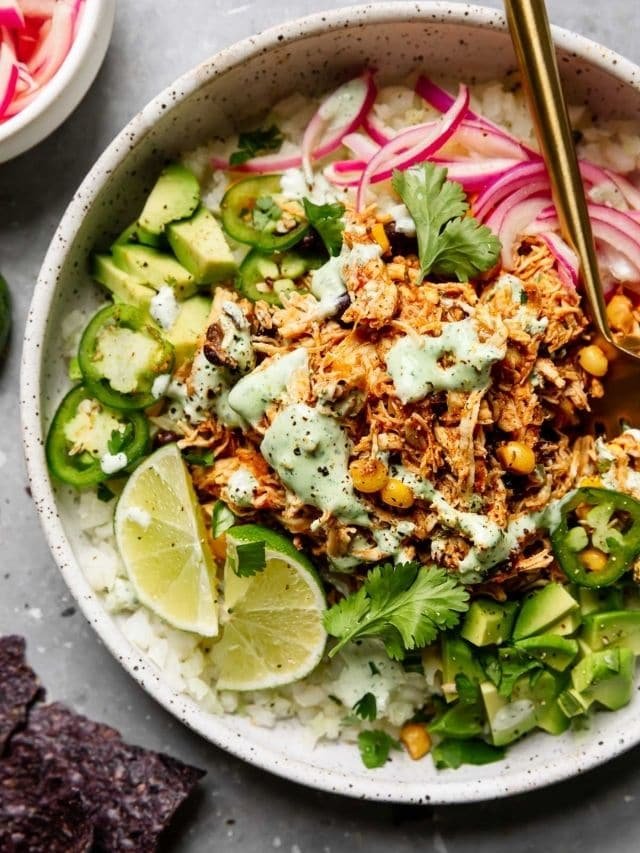
As a result, you might benefit from looking critically at your current responsibilities to see which ones you can shrink or downsize. For several days, track how you spend your time and bandwidth. Then, analyze your data.

Ask yourself:

  • Is this how you truly want to spend your time and energy?
  • Does your current schedule allow you to rest, recover, and tend to your own needs? Or, do you spend nearly all of your time and energy caring for and providing for others?
  • What changes could you make to prioritize rest and recovery?

If you’re a coach, use the Wheel of Stress Assessment to help clients identify different dimensions of their life that might be draining their mental and emotional capacity. (When you know specifically where your stress is coming from, you have a better chance of resolving it.)

If it’s demands from other people that prevent you from prioritizing self-care and recovery, you might like to read: How saying “no” can seriously change your life.

Strategy #7: Experiment with cooling technology.

You might find you sleep better and experience fewer night sweats if you sleep in a cooler environment.

Try turning down the thermostat a couple of degrees, using a fan, or investing in an electric cooling mattress pad.

Strategy #8: Take frequent breaks.

When you feel the fog take over your brain, it’s not likely you’ll be doing “your best work” anyway.

So, for a block of time—say, 20 minutes—permit yourself to do nothing. You might:

  • Relax with a cold beverage
  • Cuddle with a pet
  • Gaze out a window
  • Sit outdoors while listening to the birds
  • Call a friend

If you need a quick “refresh,” you can also try a 5-minute mind-body scan.

Get your body into a comfortable position. For example, you might use the yoga “legs up the wall” pose or lie down and place a pillow under your knees.

Then, close your eyes and bring your attention to physical sensations in your body. Start at your head, and work your way down to your toes.

Don’t judge or rush to change anything. Just observe, like a scientist. You can also scan your mind, for example, by noticing thoughts.

When you’ve completed the scan, consider:

  • What are you feeling physically?
  • What are you feeling emotionally?
  • What are you thinking?

You don’t have to “do” anything with the information you uncover, just notice.

Strategy #9: Follow a diet that promotes healthy circulation.

The foods that protect the blood vessels around your heart can also protect the blood vessels in your brain.

For example, both the MIND and Mediterranean diets are associated with a reduced risk of Alzheimer’s disease and depression.37 38 These eating patterns are rich in vegetables, fruit, whole grains, olives, beans, fish, and other minimally-processed whole foods.

In addition, nitrate-rich foods like beets and dark, leafy greens may help to dilate blood vessels, temporarily improving memory by helping more blood to reach the brain.39 40

(For more on how our diet can support brain function and emotional regulation, read: Nutrition and mental health: What (and how) to eat)

The upside of menopause

It’s frustrating when you feel like you can’t do it all.

Believe me. I know.

However, this stage of life presents a hidden opportunity, forcing you to re-evaluate what’s most important.

Before going on hormones, as my ability to type coherent words and phrases diminished, I was forced to ask an important question:

Do I really need to be doing this?

It was more of an existential question than a career-related one, and it allowed me to reassess how I wanted to spend my limited mental resources.

Given that I was self-employed, I didn’t actually need to be working eight hours a day. That was a gift, wasn’t it?

Maybe I also didn’t need to cook dinner six nights out of seven. Maybe the recipes I chose could be simplified, too.

Finally, maybe saying “no” a lot more often and without regret would allow me to continue to say yes to the things that mattered most.

Things like visiting my aging parents.

And picking up the phone whenever my kid called from college.

Or meeting a friend for a meandering walk around town.

Thanks to the hormones and life tweaks, I now have energy again. I’m also clear-headed most of the time. However, I still tend to end my work day around 3 p.m.

Why?

Because I can, and I want to.

References

Click here to view the information sources referenced in this article.

Lizzi’s Springtime in Walla Walla

Happy Monday GPODers!

There are many gardens we’ve been enjoying on the blog for years now, and it’s always incredible to see the transformations that occur from season to season and year to year. Some of these gardens are relatively new, like this colorful paradise Lizzi Gualtieri has created in Walla Walla, Washington, which can make the transformations even more evident and exciting. Lizzi first shared her garden in 2022 after only being at the property for two and a half years (Lizzi’s Walla Walla Garden). Since then, we’ve gotten a two-year update and were treated to a tour of the front yard vegetable garden built in 2020 (Walla Walla Backyard Two Years Later, and Lizzi’s Front Yard Veggie Garden in Washington). Today she is back to share her vibrant garden in spring as it continues to grow and evolve.

After a very mild winter, we’ve had a beautiful spring show this year in Walla Walla, Washington (zone 7a). I wish I could attach fragrances to the photos because stepping out my back door I smell the wistaria, laurel, lilac and daphne in one glorious scent! The garden is only 4 years old but some of the flowering trees and shrubs were here when we moved in. There’s always something new going in and grass going away! I’m hoping this year that the backyard will feel more established and a little more like a green sanctuary.

The bright orangey-pink azalea was one of the existing shrubs so I don’t know its variety.

brunnera with silver leaves and light blue flowersThe ‘Alexandria’ brunnera (Brunnera ‘Alexandria’, Zones 4–9) is new this year with a hosta and ostrich fern (Matteuccia struthiopteris, Zones 3–7) behind it.

silver foliage plant next to a purple foliage plantNorthern Exposure™ Purple heuchera (Heuchera x ‘TNHEUNEP’, Zones 3–10) and lamium line the edge of a created dry stream bed that is currently full of crabapple blossoms.

a mix of diverse foliage plants‘Quicksilver’ hebe (Hebe pimeleoides ‘Quicksilver’, Zones 7–9) is marginal here but I have it planted in a relatively protected area with the ‘Golden Mop’ cypress (Chamaecyparis pisifera ‘Golden Mop’, Zones 4–8). Black mondo grass (Ophiopogon planiscapus ‘Nigrescens’, Zones 5–10) and giant ‘Ambassador’ alliums (Allium ‘Ambassador’, Zones 4–8) are also in the photo.

backyard garden with lots of colorful foliage plantsAnother view of the backyard with a dwarf blue spruce in the foreground. I love the variegated iris (Iris pallida ‘Variegata’, Zones 3–9) for their foliage and the amazing scent of their flowers. Behind them is a quince tree that despite its small size is covered in blossoms and will hopefully produce about a half a dozen large quince in the fall. The weeping white pine (Pinus strobus ‘Pendula’, Zones 3–8) in the back is an investment for the future.

shrub with spires of fluffy white flowersThe Schipka cherry laurel (Prunus laurocerasus ‘Schipkaensis’, Zones 6–9) is another plant that can be marginal if not planted in a protected spot but it’s great for screening between houses. It’s planted in front of an ancient white lilac (Syringa vulgaris var. alba, Zones 3–7).

bright red and orange foliage in front of weeping cherry treeThis photo doesn’t really do justice to the brilliant color of our giant red beech tree. The leaves emerge in spring an intense flaming orange and darken to burgundy by summertime. There is a weeping cherry and another ancient purple lilac in the foreground.

close up of purple flowers on arborThe wistaria draping over the back gate was here when we moved in so I don’t know its variety. It puts on its big show in spring before leafing out, but blooms continually until fall with shorter blossom clusters.

purple flowers in the middle of chartreuse foliage plantThe labrador violets (Viola labradorica, Zones 3–8) and the creeping jenny (Lysimachia nummularia, Zones 4–8) were travelers in a potted Japanese maple that we brought with us when we moved here a little over 5 years ago. They’ve since naturalized all over the shady portion of the yard and I just love the color combination.

Thank you so much for sharing another incredible garden update, Lizzi! It has been amazing to witness the evolution of your space in the few short years you’ve been contributing. I hope we get to enjoy your beautiful garden as it continues to transform!

How is your garden transforming this year? Are you enjoying the normal growth that occurs during this season of change, or has your landscape been completely reshaped by fall planting? Let us know in the comments below, or consider sharing your spring photos with the Garden Photo of the DayFollow the directions below to submit photos via email, or send me a DM on Instagram: @agirlherdogandtheroad.


We want to see YOUR garden!

Have photos to share? We’d love to see your garden, a particular collection of plants you love, or a wonderful garden you had the chance to visit!

To submit, send 5–10 photos to [email protected] along with some information about the plants in the pictures and where you took the photos. We’d love to hear where you are located, how long you’ve been gardening, successes you are proud of, failures you learned from, hopes for the future, favorite plants, or funny stories from your garden.

Have a mobile phone? Tag your photos on Facebook, Instagram or Twitter with #FineGardening!

Do you receive the GPOD by email yet? Sign up here