Experts think this is partly thanks to cognitive reserve: Basically, the more brain power you’ve built up over the years, the more you can stand to lose before you experience impairment. Researchers still don’t agree on how to measure cognitive reserve, but one theory is that better connections between different brain regions corresponds with more cognitive reserve.
To build up these connections, you need to stimulate your brain, said Dr. Joel Salinas, a neurologist at NYU Langone Health and the founder and chief medical officer of the telehealth platform Isaac Health. To do that, try an activity that is “challenging enough that it requires some effort but not so challenging that you don’t want to do it anymore,” he said.
Speaking a second language has been shown to be good for cognition, as has playing a musical instrument, visiting a museum and doing handicrafts like knitting or quilting. Reading is considered a mentally stimulating hobby, and experts say you’ll get an even bigger benefit if you join a book club to make it social. Listen to a podcast to learn something new, or, better yet, attend a lecture in person at a local college or community center, said Dr. Zaldy Tan, the director of the Memory and Healthy Aging Program at Cedars-Sinai. That adds a social component, plus the extra challenge of having to navigate your way there, he said.
A fewstudies have found that playing board games like chess can be good for your brain; the same goes for doing crossword puzzles. It’s possible that other types of puzzles, like those you find in brain teaser books or from New York Times Games, can also offer a cognitive benefit.
But there’s a catch: To get the best brain workout, the activity should not only be challenging but also new. If you do “Wordle every day, it’s like well, then you’re very, very good at Wordle, and the Wordle part of your brain has grown to be fantastic,” said Dr. Linda Selwa, a clinical professor of neurology at the University of Michigan Medical School. “But the rest of your mind might still need work.”
So play a game you’re not used to playing, Dr. Selwa said. “The novelty seems to be what’s driving brain remodeling and growth.”
Today, we want you to push yourself out of your cognitive comfort zone. Check out an online lecture or visit a museum with your challenge partner. Or try your hand at a new game, below. Share what novel thing you did today in the comments, and I’ll see you tomorrow for Day 5.
When you’re planning your garden, you have to know how much space to give to each plant.
Sure, the seed packets usually recommend how far apart to grow, but how deep will the roots reach?
Is my raised bed deep enough? What about the leaves? Will they grow so tall that they shade the neighbors?
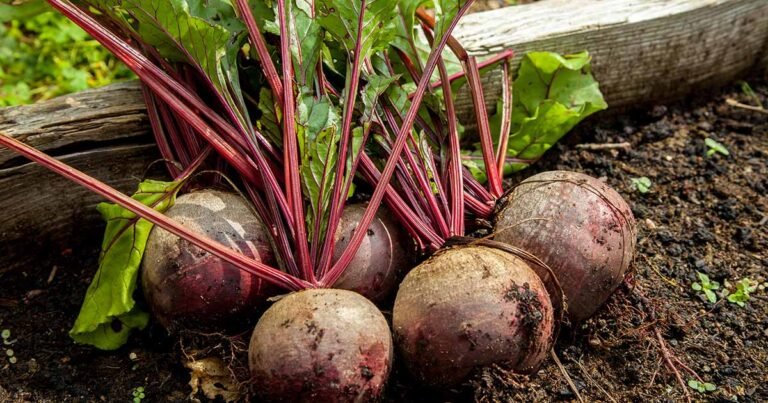
Beets (Beta vulgaris) are typically considered a fairly small crop, but as with many things in life, there are exceptions.
Big, giant, huge exceptions. They can actually grow quite large. Or super small. Totally confused?
We link to vendors to help you find relevant products. If you buy from one of our links, we may earn a commission.
Most table beets are similar in size, but sugar beets and mangelwurzel can be massive.
And there are some table beets that can be downright petite. And then there are the leaves aboveground.
So, if you’re interested in learning about beet sizes in all their varying glory, stick around. We’re going to cover the following:
Beet Root Sizes
So, how big can beets be? I know it’s the most frustrating answer, but “it depends.” Let’s look at the details:
For most home gardeners growing standard varieties, you can expect roots to reach one to three inches in diameter and two to three inches long for round varieties.
The leafy tops typically grow 12 to 18 inches tall with a spread of six to eight inches wide. But as you’ll see, there’s quite a range depending on variety and growing conditions.
Sugar beets and mangel are, by far, the largest of the beet family.
The Guinness Book of World Records states that the heaviest sugar beet weighed in at 52 pounds 14 ounces, though growers have reportedly grown larger ones without having been certified by Guinness.
Some accounts claim the largest ever at 156 pounds! That’s larger than many adult humans!
The longest variety, including the spindly taproot and not just the main part, was reportedly recorded at 322 inches. That’s longer than four mattresses laid end to end.
Mangelwurzel regularly grows up to 40 pounds and six feet long. I’ve had them grow nearly that large myself, so it’s not an unusual occurrence.
The bottom line is that beets are capable of growing exceptionally large.
But let’s talk about the average size in the garden, particularly for gardeners growing table beets. While these can grow pretty large as well, most of them are more of a medium size.
The long-time favorite ‘Detroit Dark Red’ grows to about three inches in diameter.
By the way, if you want to grow this particular cultivar, the roots are super dark red and deeply flavorful. I always end up coming back to it.
Okay, so that covers the root, but what about the leafy tops? How big these grow also depends on the cultivar.
Generally, you can assume the larger the root, the larger the leaves will be, but that’s not always the case.
Let’s go back to chunky ‘Bull’s Blood.’ The leaves on the mature plant can grow up to 18 inches tall. At the same time, petite ‘Early Wonder’ has greens about the same size.
With the exception of larger sugar and mangelwurzel greens, which can grow up to two feet tall, expect most greens to be about 16 to 18 inches tall at maturity.
You can influence this a bit by fostering green growth at the expense of root growth through careful fertilizer applications and pruning.
Now that you know how big beets can get, let’s talk about how much room they actually need to reach those sizes.
Most table beets need eight to 12 inches of loose, friable soil depth for proper development.
If you’re growing in raised beds, aim for at least 10 inches of depth to give them adequate room to expand underground.
Cylindrical varieties like ‘Cylindra’ appreciate the extra depth even more.
Your planting density is one of the easiest ways to control final size. If you want to harvest baby beets for pickling, plant them two inches apart.
For medium-sized roots perfect for roasting, stick with three to four inches. And if you’re going for those impressive, large roots, give them a full five to six inches of space in all directions.
The mature foliage spreads six to eight inches wide, so keep this canopy spread in mind when planning rows.
As a practical example, a standard four-by-four raised bed can comfortably hold 16 to 25 beet plants depending on whether you’re growing compact varieties or larger ones.
If you are growing beets in containers, choose pots at least 10 to 12 inches deep and eight to 10 inches in diameter for individual plants.
How to Influence Growth
To encourage root growth, give the plant what these vegetables need to be happy, like full sun, consistent water, and a bit of food. You can learn more about how to grow beets here.
As mentioned above, give them adequate spacing for the size you want.
Make sure the soil is super loose and rock-free. I grow my beets in raised beds to maximize the size, since I have heavy clay soil.
But if you haven’t been cursed by the soil fairies with heavy clay like I have, you can loosen up your soil adequately using lots of well-rotted compost.
Actually, even if you do have heavy clay, you can loosen it up with well-rotted compost, but plan to do so every year to maintain the looseness, since once the fairies curse you, the curse never lifts.
If you really want to encourage growth and go for super big ones, you’ve got to discourage the plant from focusing on the tops.
To do this, prune back the tops a bit to thin them out. You want to remove about a third to a half of the tops by cutting them down at the base.
Then, feed with bone meal. This encourages root growth rather than leaf growth.
Arbico Organics carries Down to Earth bat guano in four ounce, two pound or 10 pound compostable containers.
Either way, feed right around the time you first plant and then again a month later.
Grow Big, Beefy Beets and Greens
Whether you’re after heaps of greens or piles of roots, or maybe you’re just curious about what to expect when growing these plants, I hope we were able to shed some light on the subject.
Let me know how big your beets are in the comments section below!
Price: $49.00 (as of Jan 09, 2026 17:40:34 UTC – Details)
SuperKnit is our signature knit band, engineered for versatile comfort and style. From the gym, to work, to your evening plans, this band is fit for any moment. Includes a Band, Hook, Clasp, and Fast Link slider that makes swapping bands easier than ever. Compatible with WHOOP One, WHOOP Peak, and WHOOP Life— membership not included. This is not compatible with WHOOP 4.0 OUR SIGNATURE KNIT BAND – SuperKnit is designed to keep up with your busy schedule—from your high-intensity workouts to your evening plans. DESIGNED FOR ULTIMATE COMFORT – SuperKnit is made with an ultra-soft backing and microfilament yarn that moves with you. With a completely adjustable band, you can easily tighten or loosen SuperKnit to find your perfect fit. SWITCH UP YOUR STYLE – With our widest color selection and premium stainless steel components, match your SuperKnit to your personal style—made easy with Fast Link technology. BUILT TO LAST – SuperKnit is engineered with premium materials, so that you can stay secure, comfortable, and stylish for years to come. OPTION FOR ECG COMPATIBILITY – With a WHOOP Life membership, choose a SuperKnit band to take on-demand ECG readings.* This band is not compatible with the WHOOP 4.0
I’ve been known for my unconventional skincare methods. They often involve herbs or essential oils and sometimes rubbing ice or even mud on my face. There are so many plants in nature that provide a wide variety of skin benefits. This herbal face steam is a great way to get some of those benefits!
I’ve done steams before, mainly for congestion or upper respiratory support. An herbal face steam makes for a wonderful all natural facial. It’s really simple to do and doesn’t require any fancy equipment.
You can even pick and choose which herbs you want to use. Just use one, or use a combination of whatever you have on hand that will work.
The Best Herbs For a Face Steam
There are lots of different plants that work well in a face steam and you probably already have some in your pantry. Feel free to mix and match from this list or use something completely different. Just be sure it’s not something that will irritate your skin.
Here are some of my favorite herbs to use in herbal face steams.
Rose petals – Rose has long been used for glowing, more youthful skin. The fragrant petals also have potent aromatherapy benefits that soothe heartache. A 2015 study noted rose helped improve skin elasticity, moisture, and reduced wrinkles.
Lavender flowers – Soothing and calming to skin, lavender is a skincare favorite. It’s naturally anti-inflammatory and helps repair damaged skin.
Mint leaves – Refreshing and invigorating, hot mint relaxes arteries and stimulates circulation for faster healing. It’s also a rich source of vitamins and minerals that thirsty skin craves!
Calendula flowers – Anti-inflammatory, anti-microbial, calendula has a wide and long history of use for healing wounds and damaged skin.
Chamomile – The flowers and leaves have a floral, apple-like scent that’s calming and relaxing. It has the same effect on skin and is great for soothing irritation and damaged skin.
Comfrey – This plant is another favorite of mine for skincare. Both the flowers and leaves are very efficient at healing damaged skin and even bone. It stimulates tissue repair and cell proliferation.
Echinacea – People use the flowers or leaves topically for a variety of skin complaints, including damaged skin, eczema, varicose veins. Echinacea is anti-inflammatory, antibacterial, and anti-viral so it’s also helpful for acne.
Helichrysum – This herb has cheery yellow flowers with potent skin benefits. It’s drying, warm, and astringent, so pair it with a demulcent herb like violet or marshmallow if you have really dry skin. A 2020 study looked at a nightcream that contained helichrysum and found it significantly improved wrinkles, hyperpigmentation, and UV spots
Horsetail – A wonder herb that is full of micronutrients, including silica for more resilient skin. It’s also anti-inflammatory and anti-microbial and is traditionally used for improving wrinkles, acne, and moisturizing the skin.
Lemon – Not just for lemonade, lemon has so many uses for skin too. The juice is high in vitamin C and acids, while the peel has volatile essential oils that uplift the mood and brightens dull and damaged skin. A 2013 study found lemon juice was even more effective for acne than the conventional option tested.
How to Do an Herbal Face Steam
I prefer to use herbs that are more gentle on the skin and don’t have strong volatile oils that can irritate my skin or eyes. Cinnamon and oregano come to mind!
You might have seen some of the face steamer machines in stores or online. Companies usually use plastic to make facial steamers, so you’re getting steam heated in plastic directly on your pores. A pot on the stove isn’t as fancy, but sometimes simpler is better (and cheaper!).
You also can’t add herbs into the face steamer tank or it can cause damage. Again, another win for doing it the old fashioned way.
Step by Step Face Steam Directions
Simply place the herbs you’re using in a pot of very hot, filtered or distilled water. Be sure it’s not boiling hard or you could burn yourself.
Turn the stove off and/or move the pot to a countertop. Drape a towel over your head and lean over the steam.
You want to be close enough for the steam to wash over your face, but not so close you get a steam burn.
If you’re looking for a more specific recipe, here’s one to start with.
Rejuvenating Herbal Face Steam
A relaxing way to open pores, moisturize skin, and improve blemishes and signs of aging.
Prep Time3 minutesmins
Steam Time10 minutesmins
Total Time13 minutesmins
Yield: 1face steam
Author: Katie Wells
Place the water, lemon, and herbs in a clean pot and gently bring it to a boil with the lid on. This helps preserve more of the volatile oils.
Turn the heat off and lean over the pot with your eyes closed. Be sure not to get too close or you’ll get a steam burn! I’ve found that as the water cools I’ll edge closer. You can also drape a towel over your head to trap more of the steam in.
Once the pot is done steaming, compost your herbal face steam.
The herbs I used here can be mixed and matched with any skincare friendly herbs. Just aim for about 1/3 cup of herbs total.
You can save some time and mix the herbs up in bulk for later. Just add 1/4 cup of each (or however much you want) and store in a large glass jar. Scoop out 1/3 cup when you’re ready to use. Then you’ll just need to add the freshly sliced lemon and water to make your face steam!
What are some of your favorite herbs to use for skincare? Have you done a steam before? Leave a comment and let us know!
After the holiday hustle, many of us are looking forward to some downtime and cozy nights at home. However, the winter months are also the perfect time to plan travels for later in the season, and Sue Webel (@musabasjoosue) in Canton, Connecticut has given us the perfect dose of inspiration. She is sharing highlights from last year’s Garden Fling, an annual event that brings together gardeners who actively share on social media. Circle back to Part 1, if you missed it yesterday, or keep scrolling to see more of Sue’s sensational highlights.
Pictures are from The Garden Fling which was held this year in Memphis in June. I believe the hardiness zone is 8a. The Garden Fling is an annual garden communicators event open to anyone who has a public social media account devoted to gardening. For more information you can visit the website or any of the associated social media accounts. The majority of these photos were taken in private gardens. The 2026 Fling will be held in July in Buffalo, NY.
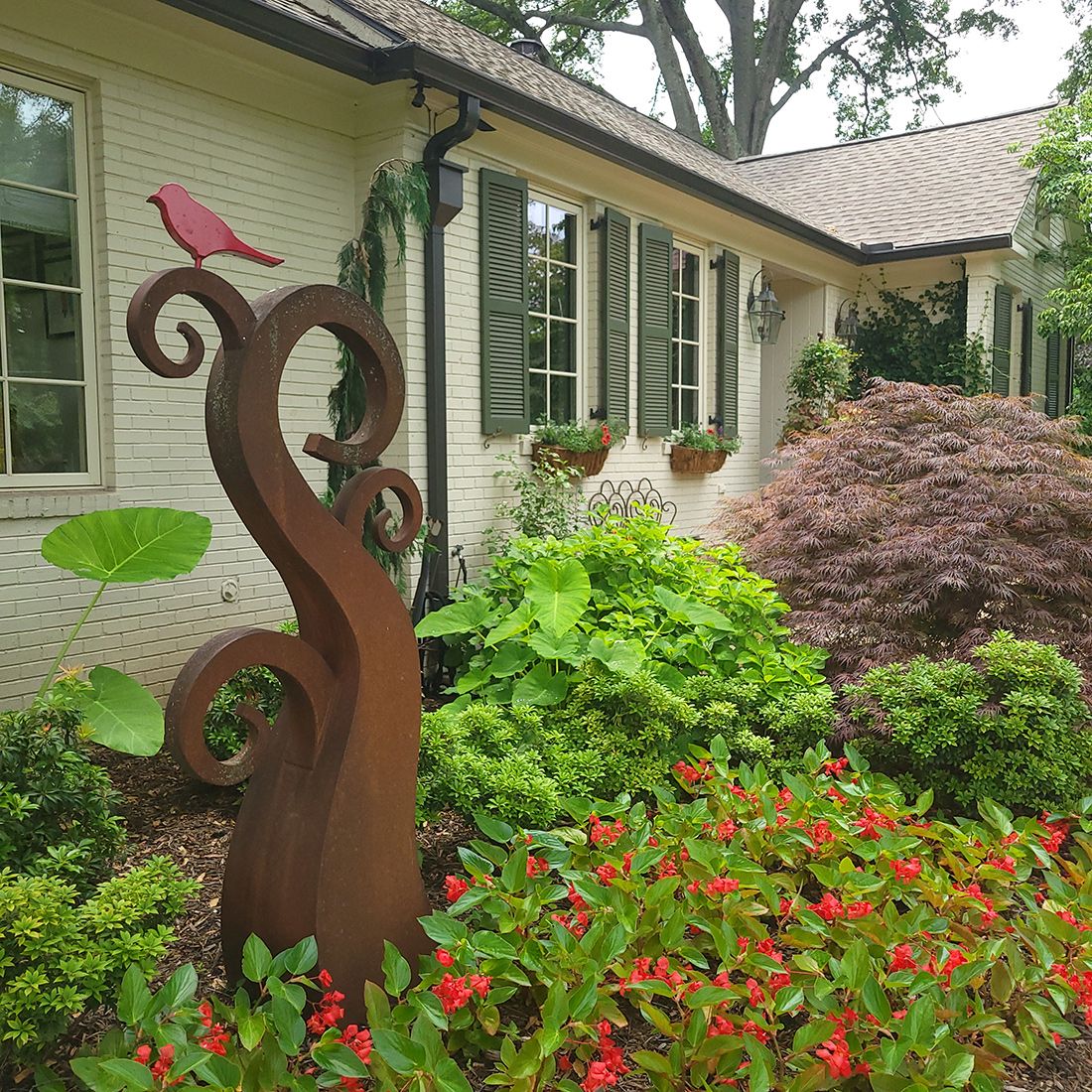
I believe this sculpture is by Dale Rogers, an artist in Haverhill, Massachusetts.
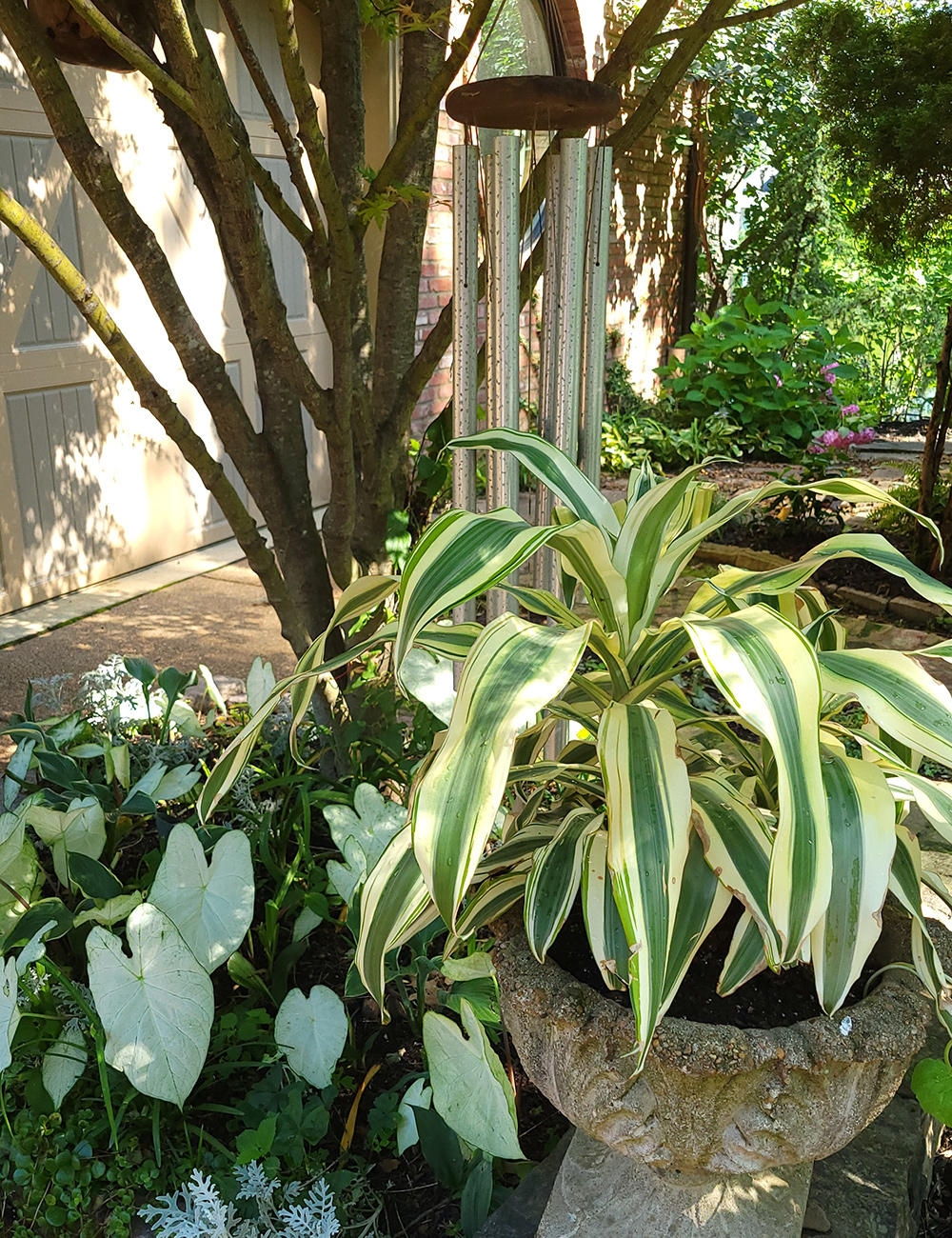
It should come as no surprise that the gardens on this Garden Fling tour were full of fabulous, tropical foliage plants. Here, a ‘White Aspen’ dracaena (Dracaena ‘White Aspen’, Zones 10–12) in a large concrete pot plays off nicely with ‘Florida Moonlight’ caladium (Caladium ‘Florida Moonlight’, Zones 8–11) planted below.
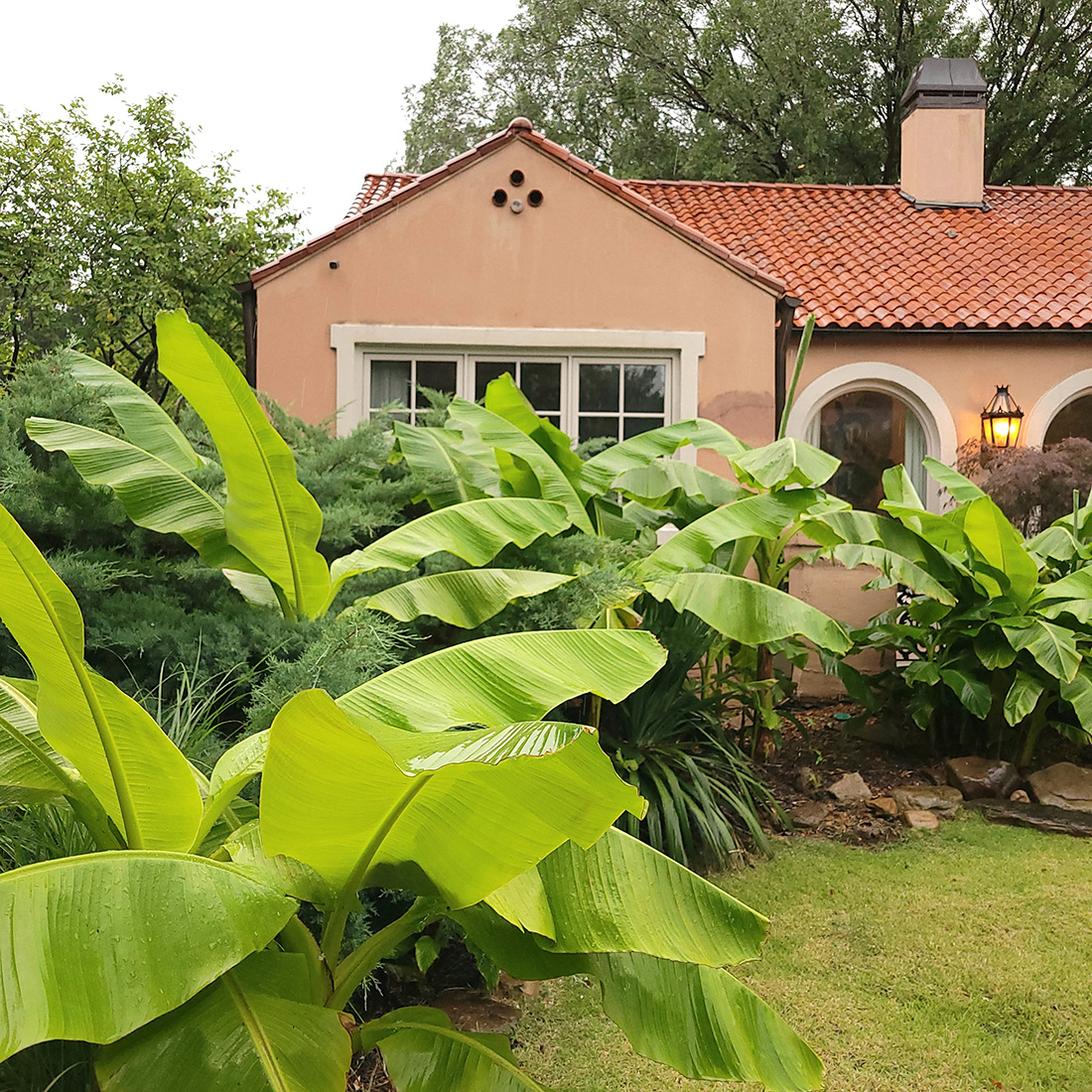
Several hardy bananas (Musa basjoo, Zones 5–10) make this border vibrant and verdant.
A unique waterfall and pond was the focal point of this garden.
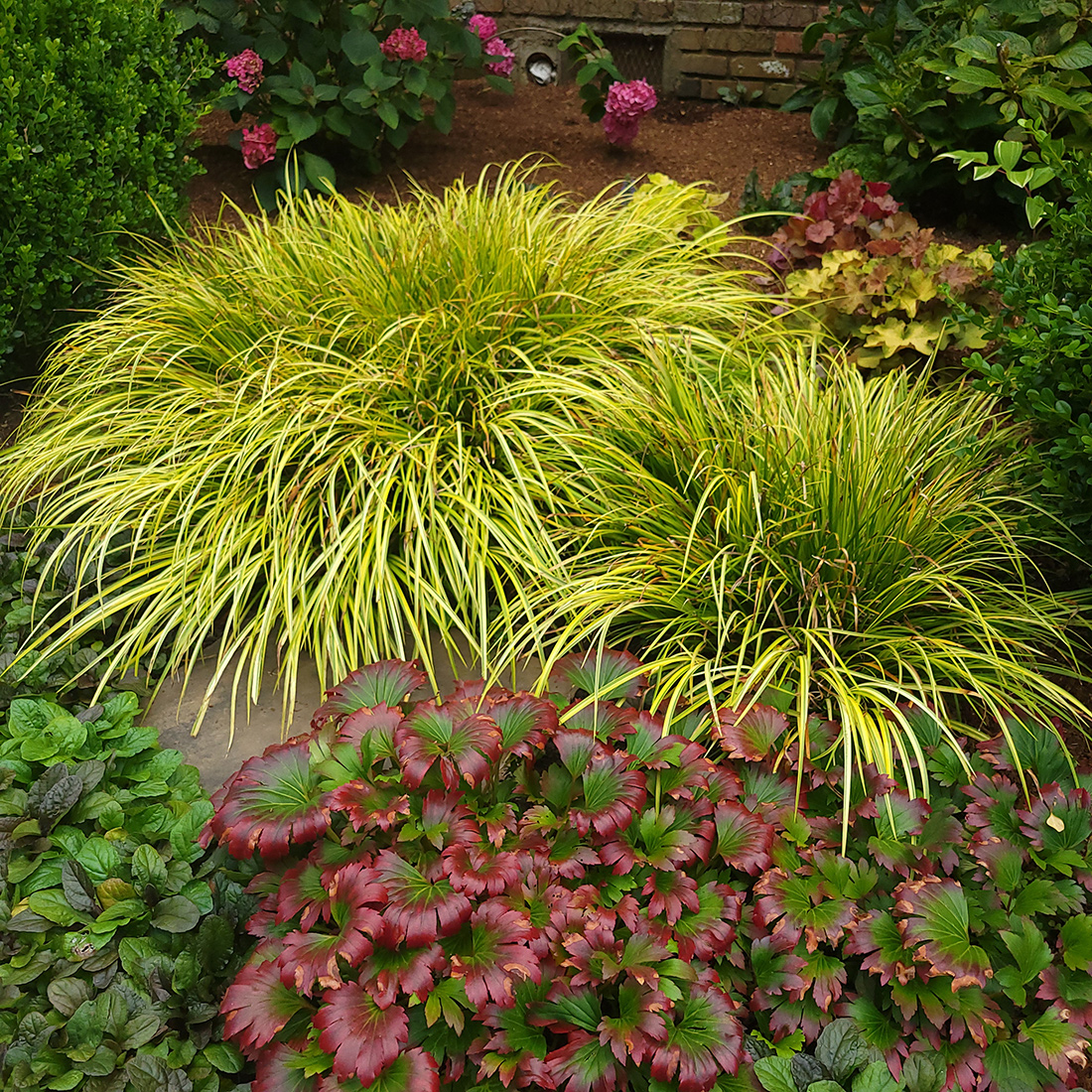
I have never seen mukdenia (Mukdenia rossii ‘Karasuba’, Zones 4–8) grown this well!
This infinity edge lap pool was elevated over the back garden at the far end.
What a creative way to recycle empty wine bottles.
This unique art deco home and garden is listed as a historically important property in Memphis.
Many sculptures were located throughout the garden and beautiful pool area.
Thank you so much for sharing these gorgeous photos with us, Sue! Winter is a great time to gather inspiration for the garden season to come, but it’s also the perfect time to gather inspiration for garden travels. Your submission has been the perfect encouragement to buy those tickets, book that flight, or schedule that tour.
Did you visit any gardens last year? Near or far, we would love to see the public and private gardens you had the opportunity to tour in 2025. Follow the NEW directions below to submit your photos to Garden Photo of the Day!
We want to see YOUR garden!
Have photos to share? We’d love to see your garden, a particular collection of plants you love, or a wonderful garden you had the chance to visit!
You can also send 5–10 photos to [email protected] along with some information about the plants in the pictures and where you took the photos. We’d love to hear where you are located, how long you’ve been gardening, successes you are proud of, failures you learned from, hopes for the future, favorite plants, or funny stories from your garden.
Do you receive the GPOD by email yet? Sign up here
Fine Gardening receives a commission for items purchased through links on this site, including Amazon Associates and other affiliate advertising programs.
STUNNING BIRDBATH: Quality birdbath is sure to attract feathered friends and create a charismatic ambiance for your garden, patio, deck, yard, or other outdoor space. SHALLOW SHAPE: Shallow and wide bowl assures that multiple small birds can drink and bathe safely at the same time
BEAUTIFUL DESIGN: Luxurious and antique styling adds a touch of elegance to your garden or yard. DURABLE CONSTRUCTION: Polypropylene material resists rust and damage from the elements while the sturdy base prevents the birdbath from tipping over. IDEAL SIZE: Birdbath measures 20″ L x 20″W x 28″H, the perfect size for your yard, and includes a one-year manufacturer’s warranty from date of purchase.
Niteangel Natural Wooden Insect Hotel, Garden Insect House for Ladybugs, lacewings, Butterfly, Bee, Bug
Fine Gardening receives a commission for items purchased through links on this site, including Amazon Associates and other affiliate advertising programs.
The insect nest box provide a safe environment where garden creatures can shelter, hibernate and lay their eggs, the insect house can also keep insects from entering your warm room. The insect hotel makes it easy to find and observe fascinating creatures. the butterfly, bees and ladybugs can use this product as habitat. Dry wood and Bamboo can be home to many insects such as ladybirds and lacewings which eat aphids and help keep your plants pest-free. the insect hotel improve the growth of plants in your yard by attracting beneficial insects. The iron design on the top can keep the insect house from rainwater. Let the insect house have a longer useful life and make the insects more comfortable. If you only have a balcony or yard, the hanging garden shelter is ideal as it provides a choice of suitable habitats in a small area.
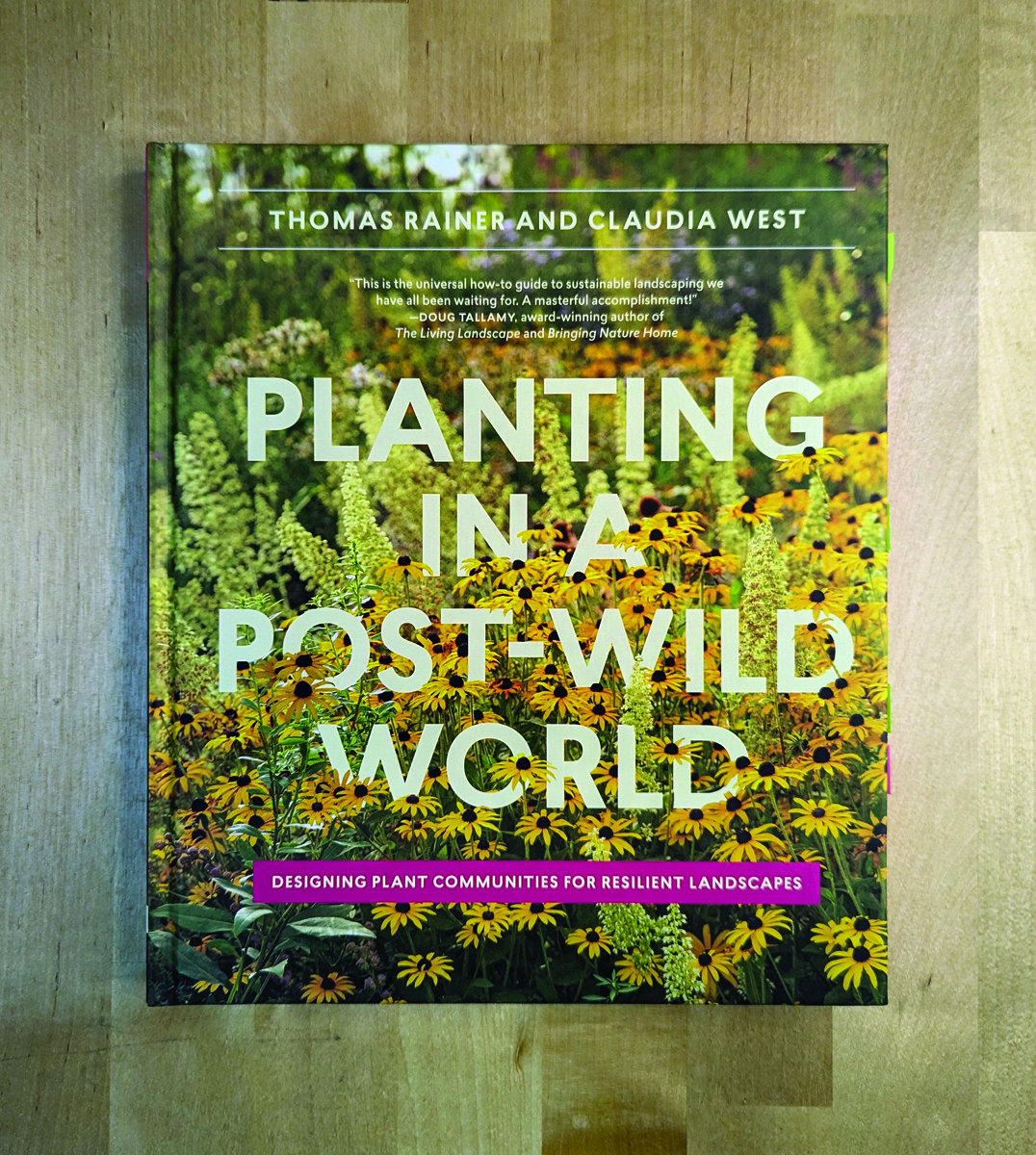
Planting in a Post-Wild World: Designing Plant Communities for Resilient Landscapes
Fine Gardening receives a commission for items purchased through links on this site, including Amazon Associates and other affiliate advertising programs.
Featuring gorgeous photography and advice for landscapers, Planting in a Post-Wild World by Thomas Rainer and Claudia West is dedicated to the idea of a new nature—a hybrid of both the wild and the cultivated—that can nourish in our cities and suburbs.
This chicken tortilla soup is packed with flavor and simple, whole-food ingredients. It’s easy to make on the stovetop and perfect for cozy weeknight dinners. Don’t skip the crispy tortilla strips on top, which make this soup unlike any other.
Price: $199.99 (as of Jan 09, 2026 05:38:39 UTC – Details)
Discreet, Smart, and Designed for Life Polar Loop redefines what a fitness wearable can be. With no screen to distract you, it helps you focus on your health and wellbeing. This ultra-lightweight, screenless tracker offers 24/7 heart rate monitoring, advanced sleep analysis, daily activity tracking, and automatic training detection – all backed by Polar’s decades of expertise in sports science and biosensing. All the Insights, None of the Noise Connects seamlessly to the Polar Flow™ app to give you personalized feedback and guidance. Full access. 100% free. No subscriptions. No hidden costs. Just pure science-based coaching and health tracking at your fingertips. Built for Your Lifestyle From sleep to sweat, Polar Loop fits effortlessly into your life. Its sleek design and customizable colors make it ideal for those who want style and substance. With up to 8 days of battery life, water resistance (WR30), and USB-C charging, it’s engineered for real-life performance. Live in Sync With Your Body Polar’s unique features like Nightly Recharge™, SleepWise™, and Automatic Training Detection help you understand your circadian rhythm, train smarter, and recover better—without lifting a finger. [Smarter Tracking, No Distractions] 24/7 heart rate, activity, sleep & recovery tracking, and automatic training detection—all in a smart, silent, screen-free band so you can stay focused [Lightweight & Discreet] Just 29g with a small, soft, screenless design, Polar Loop is built for comfort and minimalism. Wear it 24/7, day and night – forget it’s even there. [No Subscription Needed] No monthly fees. No locked features. Get full access to the Polar Flow app for detailed sleep, recovery, and training insights from day one. [Science-Backed Sleep & Recovery] Improve your rest with advanced sleep tracking, Nightly Recharge, and SleepWise features that help you recover smarter and feel your best. Long Battery Life, Tech You Can Trust Up to 8 days battery and seamless Bluetooth 5.1 connectivity. Built with Polar’s trusted Precision Prime sensor technology for accurate heart rate tracking – even during workouts and sleep.
Lonny and Teyon Fritzler stand outside their childhood home on the Crow Indian Reservation in Lodge Grass, Mont. The house has sat empty for years since both men left town to recover from their meth addictions.
Katheryn Houghton/KFF Health News
hide caption
toggle caption
Katheryn Houghton/KFF Health News
LODGE GRASS, Mont. — Brothers Lonny and Teyon Fritzler walked amid the tall grass and cottonwood trees surrounding their boarded-up childhood home near the Little Bighorn River and daydreamed about ways to rebuild.
The rolling prairie outside the single-story clapboard home is where Lonny learned from their grandfather how to break horses. It’s where Teyon learned from their grandmother how to harvest buffalo berries. It’s also where they watched their father get addicted to meth.
Teyon, now 34, began using the drug at 15 with their dad. Lonny, 41, started after college, which he said was partly due to the stress of caring for their grandfather with dementia. Their own addictions to meth persisted for years, outlasting the lives of both their father and grandfather.
It took leaving their home in Lodge Grass, a town of about 500 people on the Crow Indian Reservation, to recover. Here, methamphetamine use is widespread.
The brothers stayed with an aunt in Oklahoma as they learned to live without meth. Their family property has sat empty for years — the horse corral’s beams are broken and its roof caved in, the garage tilts, and the house needs extensive repairs.
The remains of a building a few blocks away from the main street of Lodge Grass, Mont.
Katheryn Houghton/KFF Health News
hide caption
toggle caption
Katheryn Houghton/KFF Health News
Such crumbling structures are common in this Native American community, hammered by the effects of meth addiction. Lonny said some homes in disrepair would cost too much to fix. It’s typical for multiple generations to crowd under one roof, sometimes for cultural reasons but also due to the area’s housing shortage.
“We have broken-down houses, a burnt one over here, a lot of houses that are not livable,” Lonny said as he described the few neighboring homes.
Signs of recovery
In Lodge Grass, an estimated 60% of the residents age 14 and older struggle with drug or alcohol addictions, according to a local survey contracted by Mountain Shadow Association, a local, Native-led nonprofit. For many in the community, the buildings in disrepair are symbols of that struggle.
But signs of renewal are emerging. In recent years, the town has torn down more than two dozen abandoned buildings. Now, for the first time in decades, new businesses are going up and have become new symbols — those of the town’s effort to recover from the effects of meth.
One of those new buildings, a day care center, arrived in October 2024. A parade of people followed a truck that carried the small, wooden building through town as it was delivered. It replaced a formerly abandoned home that had tested positive for traces of meth.
“People were crying,” said Megkian Doyle, who heads Mountain Shadow Association, which opened the center. “It was the first time that you could see new and tangible things that pulled into town.”
Megkian Doyle heads the Mountain Shadow Association, a nonprofit that is bringing new community buildings and hope to the reservation town of Lodge Grass.
Katheryn Houghton/KFF Health News
hide caption
toggle caption
Katheryn Houghton/KFF Health News
The nonprofit is also behind the town’s latest construction project: a place where families together can heal from addiction. The plan is to build an entire campus in town that provides mental health resources, housing for kids whose parents need treatment elsewhere, and additional, separate housing for families working to live without drugs and alcohol.
Years off from completion, it’s common to see locals stop by to watch the progress.
“There is a ground-level swell of hope that’s starting to come up around your ankles,” Doyle said.
Two of the builders on that project are Lonny and Teyon Fritzler. They see the work as a chance to help rebuild their community within the Apsáalooke Nation, also known as the Crow Tribe.
“When I got into construction work, I actually thought God was punishing me,” Lonny said. “But now, coming back, building these walls, I’m like, ‘Wow. This is ours now.'”
Teyon Fritzler installs paneling on a future therapeutic foster home. He sees the work as a chance to rebuild his community, which is within the Apsáalooke Nation, also known as the Crow Tribe.
Katheryn Houghton/KFF Health News
hide caption
toggle caption
Katheryn Houghton/KFF Health News
Meth ‘Never Left’
Meth use is a long-standing public health epidemic throughout the U.S. and a growing contributor to the nation’s overdose crisis. The drug has been devastating in Indian Country, a term that encompasses tribal jurisdictions and certain areas with Native American populations.
“Meth has never left our communities,” said A.C. Locklear, CEO of the National Indian Health Board, a nonprofit that works to improve health in Indian Country.
LeeAnn Bruised Head, a recently retired public health adviser with the U.S. Public Health Service Commissioned Corps, said that despite the challenges, tribal nations have developed strong survival skills drawing from their traditions. For example, Crow people have held onto their nation’s language; neighbors are often family, or considered such; and many tribal members rely on their clans to mentor children, who eventually become mentors themselves for the next generation.
LeeAnn Bruised Head stands before the hillside near her childhood home on the Crow Indian Reservation, where she grew up riding horses.
Katheryn Houghton/KFF Health News
hide caption
toggle caption
Katheryn Houghton/KFF Health News
“The strength here, the support here,” said Bruised Head, who is part of the Crow Tribe. “You can’t get that anywhere else.”
Signs of Rebuilding
On a fall day, Quincy Dabney greeted people arriving for lunch at the Lodge Grass drop-in center. The center recently opened in a former church as a place where people can come for help to stay sober or for a free meal. Dabney volunteers at the center. He’s also the town’s mayor.
Dabney helped organize community cleanup days starting in 2017, during which people picked up trash in yards and alongside roads. The focus eventually shifted to tearing down empty, condemned houses, which Dabney said had become spots to sell, distribute, and use meth, often during the day as children played nearby.
“There was nothing stopping it here,” Dabney said. The problem hasn’t disappeared, though. In 2024, officials broke up a multistate trafficking operation based on the Crow reservation that distributed drugs to other Montana reservations. It was one example of how drug traffickers have targeted tribal nations as sales and distribution hubs.
A few blocks from where Dabney spoke stood the remains of a stone building where someone had spray-painted “Stop Meth” on its roofless walls. Still, there are signs of change, he said.
Dabney pointed across the street to a field where a trailer had sat empty for years before the town removed it. The town was halfway through tearing down another home in disrepair on the next block. Another house on the same street was being cleaned up for an incoming renter: a new mental health worker at the drop-in center.
Just down the road, work was underway on the new campus for addiction recovery, called Kaala’s Village. Kaala means “grandmother” in Crow.
The site’s first building going up is a therapeutic foster home. Plans include housing to gradually reunite families, a community garden, and a place to hold ceremonies. Doyle said the goal is that, eventually, residents can help build their own small homes, working with experienced builders trained to provide mental health support.
She said one of the most important aspects of this work “is that we finish it.”
Kaala’s Village will eventually be an entire campus to offer services and support to families recovering from addiction. The first building going up is the therapeutic foster home the Fritzler brothers are helping to build.
Katheryn Houghton/KFF Health News
hide caption
toggle caption
Katheryn Houghton/KFF Health News
Tribal citizens and organizations have said the political chaos of Trump’s first year back in office shows the problem with relying on federal programs. It underscores the need for more grassroots efforts, like what’s unfolding in Lodge Grass. But a reliable system to fund those efforts still doesn’t exist. Last year’s federal grant and program cuts also fueled competition for philanthropic dollars.
Kaala’s Village is expected to cost $5 million. The association is building in phases as money comes in. Doyle said the group hopes to open the foster home by spring 2026, and family housing the following year. The site is a few minutes’ drive from Lonny and Teyon’s childhood home. In addition to building the new facility’s walls, they’re getting training to offer mental health support. Eventually, they hope to work alongside people who come home to Kaala’s Village. As for their own home, they hope to restore it — one room at a time.
“Just piece by piece,” Lonny said. “We’ve got to do something. We’ve got these young ones watching.”
KFF Health News is a national newsroom that produces in-depth journalism about health issues and is one of the core operating programs at KFF.
Having homegrown veggies on your dinner table brings a kind of happiness, the sense of accomplishment and that little spark of pride knowing you grew them can’t be compared to anything in the world.
That’s exactly why seeds, seedlings, and even bags of soil feel extra special to every gardener — they’re not just supplies, they’re the beginning of something you’ll love watching grow.
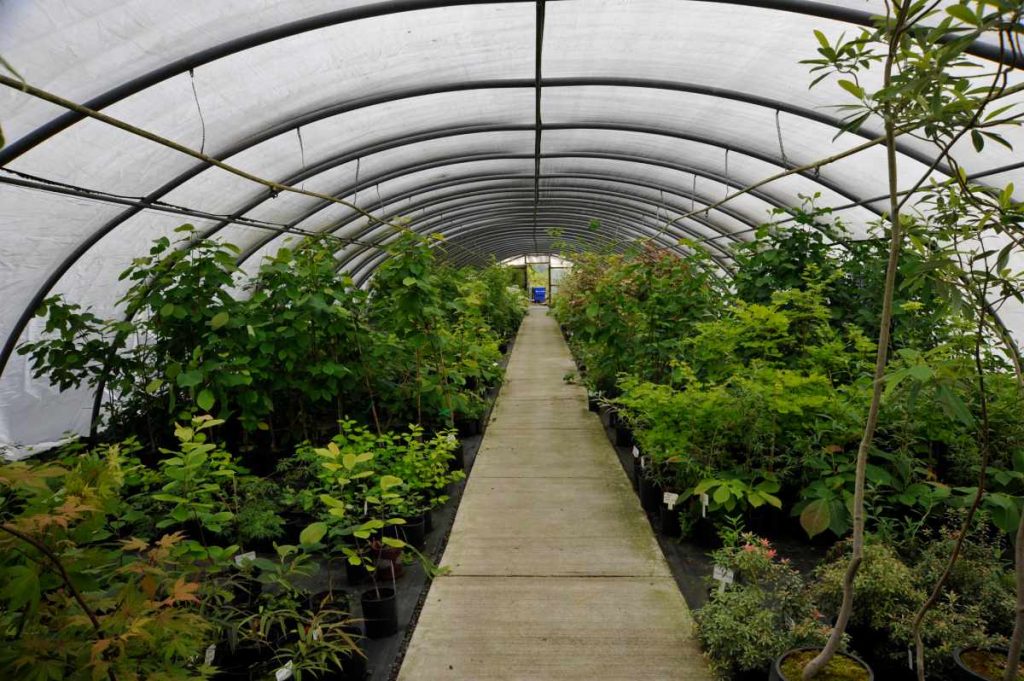
As plants heavily rely on climate, growing your veggies in a greenhouse can extend the growing season and avoid extreme weather conditions.
Starting simple is the key to success in greenhouse gardening. Unlike outdoor gardening, you have to get equipment, build your greenhouse and regularly monitor plant requirements.
What You Need to Start a Simple DIY Greenhouse?
To start growing vegetables in a greenhouse you need to have a simple frame made of PVC pipes, wood, or old windows.
You’ll also need a clear plastic cover, a few shelves or crates, seed trays, and basic tools like a thermometer, watering can, and a small fan for airflow.
If your greenhouse doesn’t get enough natural sunlight, adding an inexpensive grow light helps keep your plants happy.
With these easy, budget-friendly items, you can build a functional little greenhouse right at home.
Best Time to Start Growing Vegetables in a Greenhouse
Late winter to early spring is the best time to grow vegetables in a greenhouse, as the outdoor temperatures are still too cold for young plants, but the greenhouse stays warm enough to give your seeds a comfortable head start.
You can also make great use of your greenhouse in the fall. Cool-season veggies like lettuce, spinach, and radishes thrive when the weather begins to drop, letting you enjoy fresh produce long after the main garden slows down.
In many climates, a simple greenhouse setup can stretch your growing season by weeks, sometimes even months. It protects young seedlings from frost and gives them a strong start before moving them outdoors.
If your greenhouse is heated or well-insulated, you’re not limited by the seasons at all. With steady temperatures and decent light, you can keep herbs, leafy greens, and hardy veggies growing almost any time of year.
9 Tips for Growing Vegetables in a Greenhouse
Greenhouse gardening is all about controlling temperature, light, and airflow, and even a small mistake in these areas can throw your plants off balance.
When any one of these factors goes wrong, your veggies can quickly suffer, making it crucial to get the basics right from the start.
1. Keep the Temperature Stable
Temperature is the backbone of successful greenhouse gardening. When the space gets too hot or too cold, your vegetables react immediately—wilting, stalling, or dropping leaves.
Greenhouses naturally trap heat, so things warm up fast on sunny days. Cracking open vents or windows helps release that built-up heat and keeps plants comfortable.
For chilly nights, consider adding thermal mass like water barrels, bricks, or stones. They absorb warmth during the day and release it slowly overnight, helping maintain a steady climate without relying too heavily on heaters.
2. Give Your Plants Enough Light
Light is fuel for vegetables, and in a greenhouse, you get to control how much they receive. Place the structure in a sunny spot, ideally south-facing, so your plants enjoy the strongest daylight possible.
Over time, dust, algae, or pollen can settle on the plastic or glass and block light, so give the panels a quick wash occasionally to keep things bright inside.
During winter or cloudy weeks, natural light may not be enough. That’s when a simple grow light comes in handy—especially for seedlings and leafy greens that need extra support.
Plants inside a greenhouse don’t face strong winds or blazing sun, which means they don’t dry out as quickly as outdoor plants.
Before watering, stick your finger into the soil and check for moisture. If it feels slightly damp, wait another day. Consistently soggy soil leads to root rot, fungus, and slow growth.
Try watering early in the morning. This gives any splashed water on leaves enough time to dry during the day, keeping fungal problems at bay.
4. Ventilate for Healthy Airflow
Good airflow is essential in a greenhouse. Without it, humidity rises, and diseases like mildew find a perfect place to spread.
A simple daily routine of opening doors or roof vents helps your plants breathe better. It also prevents that heavy, stale air that builds up in closed spaces.
Adding a small oscillating fan can make a world of difference. It moves air evenly throughout the greenhouse and keeps hot spots from forming.
5. Feed Your Plants Regularly
Vegetables grow vigorously under greenhouse conditions, which means they use up nutrients much faster.
A steady feeding routine—whether compost tea, organic fertilizer, or a balanced plant food—keeps them lush and productive.
If you’re growing in containers, nutrients wash out sooner than garden soil. Make sure to fertilize lightly but consistently to keep everything thriving.
6. Use Raised Beds or Containers
Raised beds and containers warm up faster in early spring and drain better, both of which are big advantages inside a greenhouse.
They also let you control soil mix, ensuring rich, well-drained growing conditions perfect for veggies.
Plus, organizing your greenhouse becomes easier. Beds can sit along the sides, while containers fill gaps or move around as needed to maximize space.
7. Choose Veggies That Love Greenhouses
Some vegetables are practically made for greenhouse growing.
Tomatoes, cucumbers, peppers, basil, lettuce, spinach, and herbs love the controlled warmth and reward you with bigger, healthier harvests.
Mix quick producers like lettuce with slower crops like tomatoes. This helps you use your greenhouse space wisely and enjoy a steady supply of fresh vegetables.
8. Watch for Pests—even in a Greenhouse
Even though a greenhouse is enclosed, pests are sneaky. They can enter through vents, tiny gaps, or even hitch a ride on new plants or soil.
Take a few seconds each day to scan leaves—especially the undersides—for aphids, whiteflies, or tiny black fungus gnats.
Use sticky traps to monitor pest levels. Natural sprays like neem oil or insecticidal soap help keep infestations under control without harming your plants.
9. Keep the Inside Organized
An organized greenhouse works better, feels better, and even looks better.
Use shelves for pots, hooks for tools, and trays to catch water mess. When everything has a place, your gardening routine becomes faster and far less stressful.
A neat layout also improves airflow and reduces clutter, making it harder for pests and diseases to hide. Plus, you’ll enjoy spending time in your greenhouse when it’s tidy and welcoming.
Tomatoes absolutely love the warmth of a greenhouse, making them one of the easiest and most productive crops to grow. They thrive at temperatures between 70–80°F with plenty of sunlight and consistent watering.
They need good airflow, support stakes or cages, and regular pruning to keep plants healthy and fruiting well through spring, summer, and even fall.
2. Cucumbers
Cucumbers grow beautifully in greenhouse conditions because they enjoy warm, humid environments. Ideally, keep temperatures between 65–75°F with evenly moist soil.
They require vertical trellising to climb and plenty of airflow to prevent mildew. Plant them in spring or early summer for the best harvests.
3. Bell Peppers
Greenhouses offer peppers the stable warmth they need, with ideal temperatures around 70–85°F during the day. They love bright light and slow, deep watering.
Peppers need slightly humid conditions and nutrient-rich soil. Start them in late winter or early spring for continuous production into fall.
4. Lettuce
Lettuce thrives in cooler greenhouse zones, preferring temperatures between 50–70°F. It grows quickly and doesn’t need too much light compared to warm-season veggies.
It requires consistent moisture and partial shade during hotter months. Grow lettuce easily in spring, fall, and winter inside your greenhouse.
5. Spinach
Spinach loves greenhouse protection because it dislikes harsh sun and fluctuating weather. It prefers temperatures around 45–65°F with moist, rich soil.
This leafy green bolts in heat, so give it shade during warm spells. It grows best in late winter, early spring, and fall.
6. Basil
Basil thrives when warm and sheltered, making a greenhouse perfect for keeping it leafy and fragrant. It enjoys 70–80°F and plenty of sunlight.
This herb needs well-drained soil, regular harvesting, and protection from cold drafts. Start basil in spring and enjoy continuous harvests through summer.
7. Carrots
Carrots grow well in greenhouses when planted in deep, loose, stone-free soil. They prefer cooler temperatures around 55–70°F, especially while germinating.
They require consistent moisture and gentle thinning to prevent overcrowding. Plant carrots in early spring or fall for sweet, crisp roots.
8. Zucchini
Zucchini grows fast and vigorously inside a greenhouse because it enjoys warmth and humidity. Keep temperatures around 70–85°F and water deeply at the base.
Give the plant plenty of space and ventilation to avoid powdery mildew. It performs best when planted in late spring or early summer.
9. Green Beans
Bush and pole beans both love warm greenhouse temperatures between 70–80°F and full sun exposure. They grow quickly and produce generous yields.
Pole beans need sturdy trellises, while bush types require rich soil and steady watering. Plant beans in spring or early summer for continuous picking.
10. Radishes
Radishes mature quickly and do extremely well in greenhouse conditions. They prefer 50–70°F, making them perfect for cooler months.
They need loose soil and regular watering to avoid splitting. Grow radishes in spring, fall, or even winter for constant crunchy harvests.
Growing vegetables in a greenhouse opens up a whole new world of possibilities for gardeners.
With the right conditions and a little extra care, you can enjoy fresher, healthier harvests no matter the season. From heat-loving tomatoes to cool-weather greens, each veggie finds its perfect spot inside this protected space.
Once you understand what each plant needs, a greenhouse becomes more than just a structure—it becomes your most reliable growing partner all year long.
Khaja Moinuddin, a computer science graduate, finds joy in gardening and homesteading. Join him on this blog as he shares his experiences in homesteading, gardening, and composting