Small Habit Change / Wellness Wisdom Wednesday
How to Drink More Water Without Making It a Daily Chore
Make drinking water easier with a glass you like, a useful place to keep it, and gentle reminders that fit your day, without turning sips into a test.
A note on health topics
This article is general information, not medical or mental health advice. Talk with a qualified professional about your own situation. Read our health disclaimer.
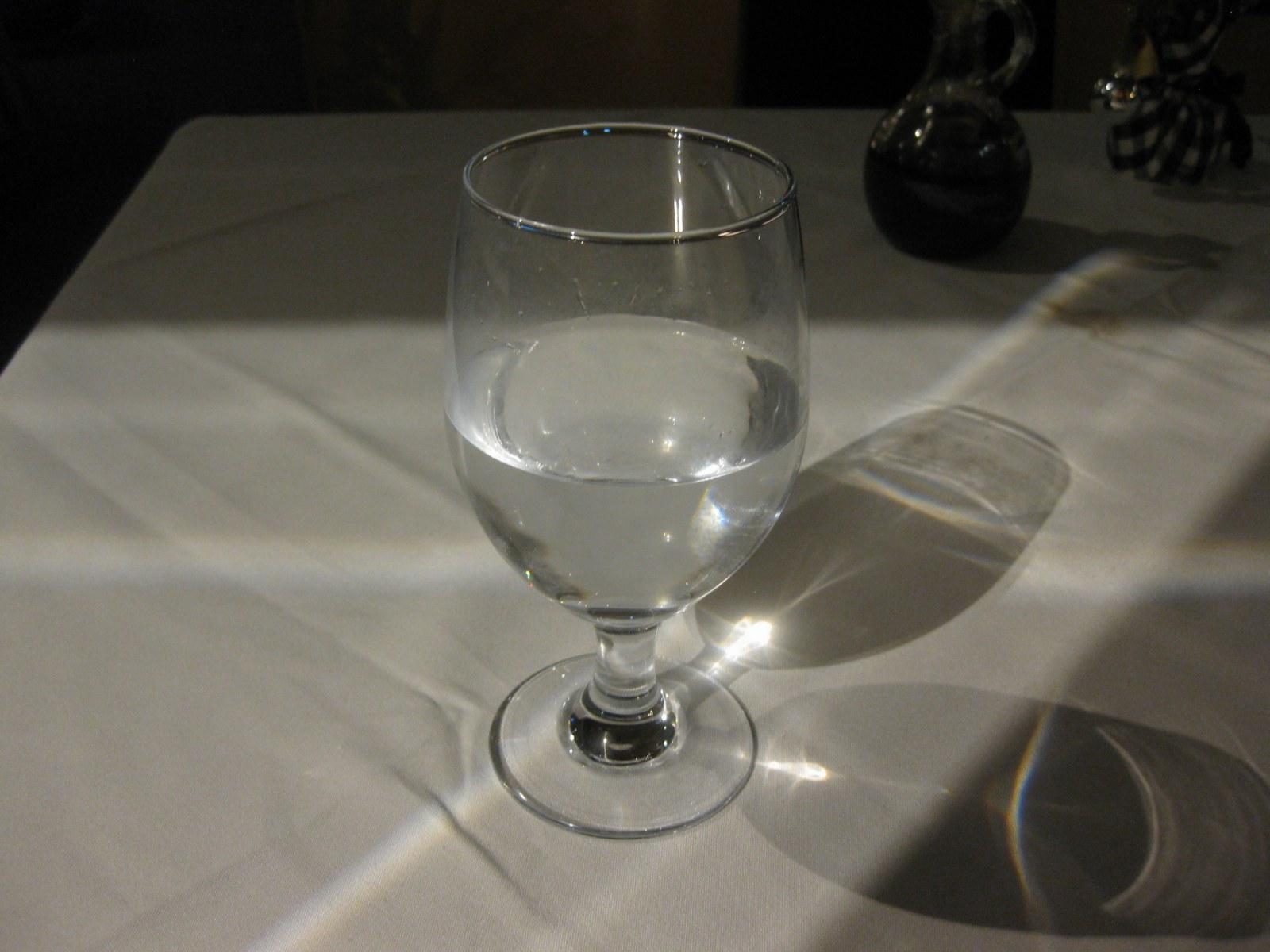
To drink water more regularly, make it easy to reach and pleasant enough to choose: put a glass beside a meal, use a bottle that fits your bag, or try the temperature you prefer. Start with one situation where you often want a drink but don't have one nearby. You don't need a giant bottle or an hourly scoreboard.
This is a routine-building guide, not a personalized fluid prescription. If you've been given specific advice about how much to drink, follow that advice and talk to your doctor or a licensed professional before changing it. The suggestions below are about access and reminders, not overriding your individual needs.
Start by noticing the inconvenient moment
Think back through a normal day. Where does getting a drink become awkward? Perhaps your glass stays downstairs while you work upstairs, you leave home without a bottle, or you're halfway through lunch before you remember that you wanted water.
Choose one moment to work on. Don't assume that forgetting once means you need reminders from breakfast until bedtime. You might simply need a glass near the place you eat.
The NHS guidance on water, drinks, and hydration recommends drinking regularly through the day. A practical way to explore that advice is to remove one small obstacle at a time. The location of your glass is a planning choice, not a health intervention with a guaranteed result.
You could write a short observation such as, "I usually want a drink after my commute, but the bottle is still in my bag." That gives you something specific to change tomorrow.
Choose the container you will actually use
Try what you already own first. A mug can hold water. So can the ordinary glass beside the dish rack. A reusable bottle may be helpful when you're moving between places, but you don't need a special purchase to begin.
Check the practical details. Can you open the lid comfortably? Does the bottle fit where you need it? If a full container is heavy or awkward, would a smaller one be easier to carry and refill? These questions are more useful than choosing by somebody else's ideal desk setup.
Pick a place that's easy to reach and appropriate for the space. Keep drinks away from electrical equipment, and follow the rules of your workplace or shared room. If water can't stay at your station, decide when and where you can access it instead.
The aim is a usable arrangement. If you don't like carrying a bottle, building your whole plan around carrying one is likely to be frustrating.
Let preference be part of the plan
Try a small glass at the temperature you prefer. You might like chilled water, room-temperature water, or sparkling water. There is no prize here for choosing the option you enjoy least.
If plain water doesn't appeal, the NHS suggests sparkling water or adding lemon or lime. It also says that lower-fat milk and lower-sugar drinks, including tea and coffee, count toward daily fluid intake. Some fluid comes from food as well. You don't need to erase those sources when thinking about your day.
Keep your experiment simple. Try one option before stocking up on several flavorings or accessories. You might discover that a different temperature is enough, or that water is more appealing alongside lunch than on its own.
This isn't a reason to make claims about "detoxing," clearer skin, or instant energy. The purpose of the experiment is to find a drink you can comfortably include in your routine, not to promise a visible change in your body.
Use one ordinary moment as a reminder
Choose an event that already happens in your day. You might put a glass out when you set the table, refill a bottle while packing your bag, or check whether you want a drink when you return from an errand.
The reminder should offer an opportunity, not order you to finish a fixed amount. "Put water on the table" is different from "drink this entire bottle before the meeting ends." For this exercise, focus on making the choice available.
If an alarm helps, use one that you can realistically respond to. If alarms feel like a crowd of tiny managers, try a visible container instead. There isn't one correct reminder system.
You can explore other modest routine ideas in small habit change. Choose an approach that fits the places you actually spend time, including days away from your usual schedule.
Keep general guidance separate from a personal target
You may have seen a universal daily water number on a bottle or social post. The NHS describes its cups-or-glasses recommendation as a guide and notes that fluid needs change with circumstances such as heat and sustained physical activity. A printed target isn't a personal assessment.
That distinction matters when building a habit. More isn't a score to keep increasing, and finishing a container isn't proof that you've met your individual needs. This article doesn't set a volume for you to reach or a deadline for reaching it.
If you want help working out an appropriate amount for your situation, talk to your doctor or a licensed professional. You can still make practical changes, such as keeping your usual drink accessible, without treating generic advice as an instruction tailored to you.
Adjust the setup instead of criticizing yourself
After a few ordinary days, ask what worked. Was the glass within reach? Did you remember to fill it? Did the bottle leak in your bag? Those are useful details, not evidence about your discipline.
Change the part that caused friction. Move the glass, switch the lid, or choose another moment. If the plan was easy at home but awkward at work, you can have two different arrangements rather than forcing one solution everywhere.
For a wider view of practical comfort, our self-care section leaves room for routines that aren't measured. You don't have to record every sip to make your day a little easier.
One small step
At your next meal, put a glass of water within reach when you set out your food. Let it be an available choice, without a finishing deadline or a number to beat.
Sources
Questions readers ask
Do drinks other than plain water count?
Yes. The NHS includes lower-fat milk and lower-sugar drinks, including tea and coffee, in daily fluid intake, and says food supplies some fluid too. You don't need to think of every drink except plain water as a failed attempt.
What can I try if I dislike plain water?
The NHS suggests options such as sparkling water or adding lemon or lime. For your own routine, try one change at a time, including a different temperature or glass, rather than buying a cupboard full of supplies.
Do I need a large bottle with hour markers?
No particular bottle is required for the routine here. Choose a glass or bottle you can comfortably use and refill. The point is to make a drink available, not to turn printed markers into an individual fluid prescription.