
Mental Wellness / Soothing Saturday
How Time Outside May Help Your Mood (Even a Few Minutes)
A short walk or porch sit can be a gentle place to start. Learn what nature research suggests, without turning outside time into homework.
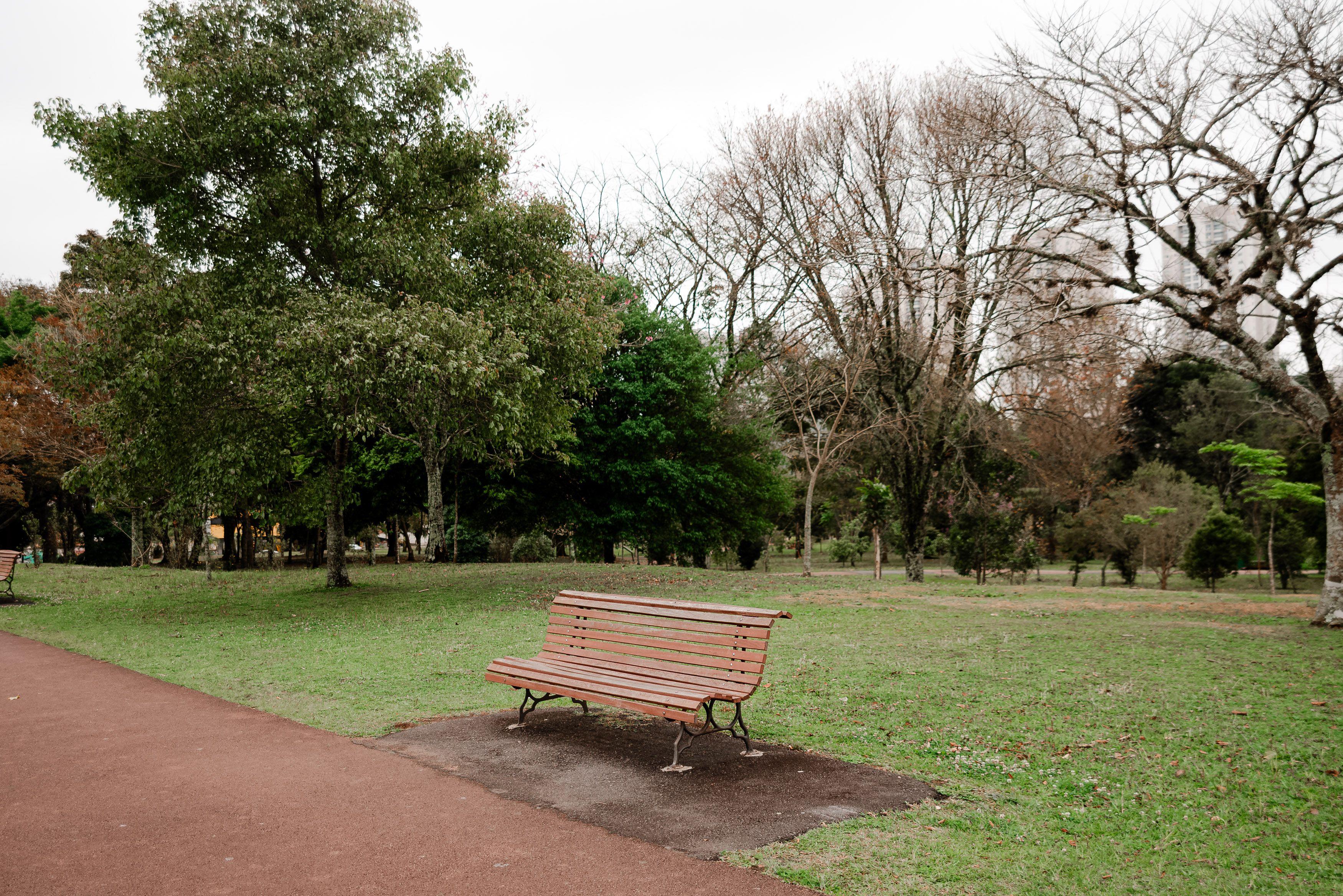
You do not need a trailhead, a free Saturday or a personality built around hiking poles. If you have been feeling low or stuck indoors, a few minutes outside can be a gentle place to start.
Try a short walk, a seat on the porch or a few minutes with the plant by your door. None of these has to fix your day to be worth trying. The point is a small break, not another thing to achieve.
What does research suggest about nature and mood?
Time in nature may help with mood and stress. An American Psychological Association article reviewing the research describes links with better mood, lower stress and improved attention. Nature does not have to mean wilderness. Urban green spaces are part of the picture too.
Researchers have proposed several explanations. Natural surroundings may help ease the stress response, or give your attention a rest. Those are explanations being studied, not a guarantee that you will feel different after every outing.
The National Institute of Mental Health, or NIMH, includes time in nature among relaxing activities you might make room for. It also recommends regular movement, and notes that shorter periods of exercise can add up. Walking is one option. You do not have to turn every outdoor break into a workout.
Where does the two-hours-a-week idea come from?
A 2019 study in Scientific Reports used survey data from 19,806 adults in England. It compared estimated time spent visiting natural places during the previous week with people's own ratings of their health and well-being.
People with at least 120 minutes of weekly nature visits had higher odds of reporting good health and high well-being than people who reported no visits. The pattern was similar whether they reached that total in one longer visit or several shorter ones.
That is encouraging, and it has clear limits:
- This was an observational survey. It could show a link, not prove that nature caused people to feel better.
- The outcomes were general health and life satisfaction, not a measure of how someone's mood changed after a walk.
- In the main adjusted analysis, totals below 120 minutes did not show the same statistically clear association. That does not prove a short visit has no value.
- The survey counted recreational visits to places such as parks, woods and beaches. It specifically excluded time in people's own gardens.
Two hours can be a flexible idea to work toward, if it suits you. It is not a prescription, and it is not a weekly pass mark. A porch sit or a few minutes with a plant can still be where you start. Those are practical ideas. This survey did not measure them.
Is a few minutes still worth trying?
A few minutes is a practical starting point, not a scientifically established dose. It lets you try something manageable without committing to a long outing.
Choose what fits your energy, and what you can reach today:
- Walk or roll along a nearby path with trees.
- Sit on a bench where you can see a patch of green.
- Check an outdoor plant, or spend a few minutes in the garden.
- Sit on the porch and notice one sound, or the shape of a branch.
You do not have to feel calmer on cue. If nothing changes, that is information, not a failure. You can try a different place, a different time or a different kind of support.
You also do not need to count every minute. If a short outing feels too small to count, why small wins matter is a gentle way to notice the effort itself.
How can you make room for outside time in colder months?
Shorter days can make this harder to fit in. NIMH's guide to winter mood changes suggests going outside in sunlight as one possible step for mild, recent symptoms that do not stop you from managing daily life. It also advises talking with a health care provider if those steps do not help, or if symptoms worsen.
Keep the plan small, and match it to the weather:
- Use a daylight break if your schedule allows, rather than saving the outing for after dark.
- Pair a brief visit with something you already do, such as a lunch break.
- Choose a nearby, accessible place, so travel is not part of the task.
- Dress for the conditions. Skip the outing if ice, dangerous cold or poor visibility makes it unsafe.
On a stay-inside day, you might look at a tree through the window, or tend a windowsill herb plant. Think of that as another kind of pause, not the same thing as the outdoor visits in the study. There is no need to make up missed minutes.
When is it time to ask for more support?
Outdoor time is not a replacement for mental health care. You do not need to try harder at walking before you deserve support.
NIMH advises seeking professional help for severe or distressing symptoms lasting two weeks or more. These can include changes in sleep or appetite, trouble concentrating, losing interest in things you normally enjoy, or struggling with everyday tasks.
If this sounds familiar, talk to your doctor or a licensed professional. You can also reach out sooner if you are concerned, or if you are feeling worse. The two-week guidance is not an instruction to wait.
It's okay to not be okay. A small outdoor habit can sit alongside professional support. It does not stand in for it.
One small step for today
If conditions are safe, spend five minutes outside somewhere you can reach. Sit, walk or check a plant, and notice one thing around you. If going out is not safe or possible, take that pause by a window instead. That is enough for today.
Sources
- American Psychological Association: Nurtured by nature
- White and colleagues, 2019: Weekly nature visits, health and well-being (free full text at PubMed Central)
- National Institute of Mental Health: Caring for Your Mental Health
- National Institute of Mental Health: Seasonal Affective Disorder, More Than the Winter Blues
Questions readers ask
Do I need a hike or a forest?
No. Nature research includes urban green spaces, such as parks, as well as woods and beaches. Try a nearby tree-lined path or a seat with a garden view. A porch sit is a manageable starting idea, not a promise of the same benefits measured in a study.
Do I need two hours outside each week?
Two hours is a research finding, not a requirement. A 2019 survey in England linked at least 120 minutes of weekly nature visits with better reported health and well-being. It did not prove cause and effect or establish a minimum everyone needs.
Can I split nature time into shorter visits?
Yes. In the 2019 survey, the association looked similar whether people reached two hours through one longer visit or several shorter ones. The survey did not establish that a single five-minute visit improves mood.
What if it is too cold or dark to go outside?
Try a short daylight visit when conditions are safe. If cold, ice or poor visibility makes going out unsafe, stay in. Looking out at a tree or checking a houseplant can be an alternative pause, though it is not equivalent to the outdoor visits in the survey.
When should I talk to a doctor or a licensed professional?
Seek help for severe or distressing symptoms lasting two weeks or more, including loss of interest, changes in sleep or appetite, or difficulty managing daily tasks. You can reach out sooner if you are worried or getting worse. Outdoor time is not a replacement for care.