
Self-Care / Feature Friday
How to Have a Slow Weekend Morning When Life Is Busy
You do not need an empty house or a free morning. Try three unhurried sips of your usual drink, with room for interruptions.
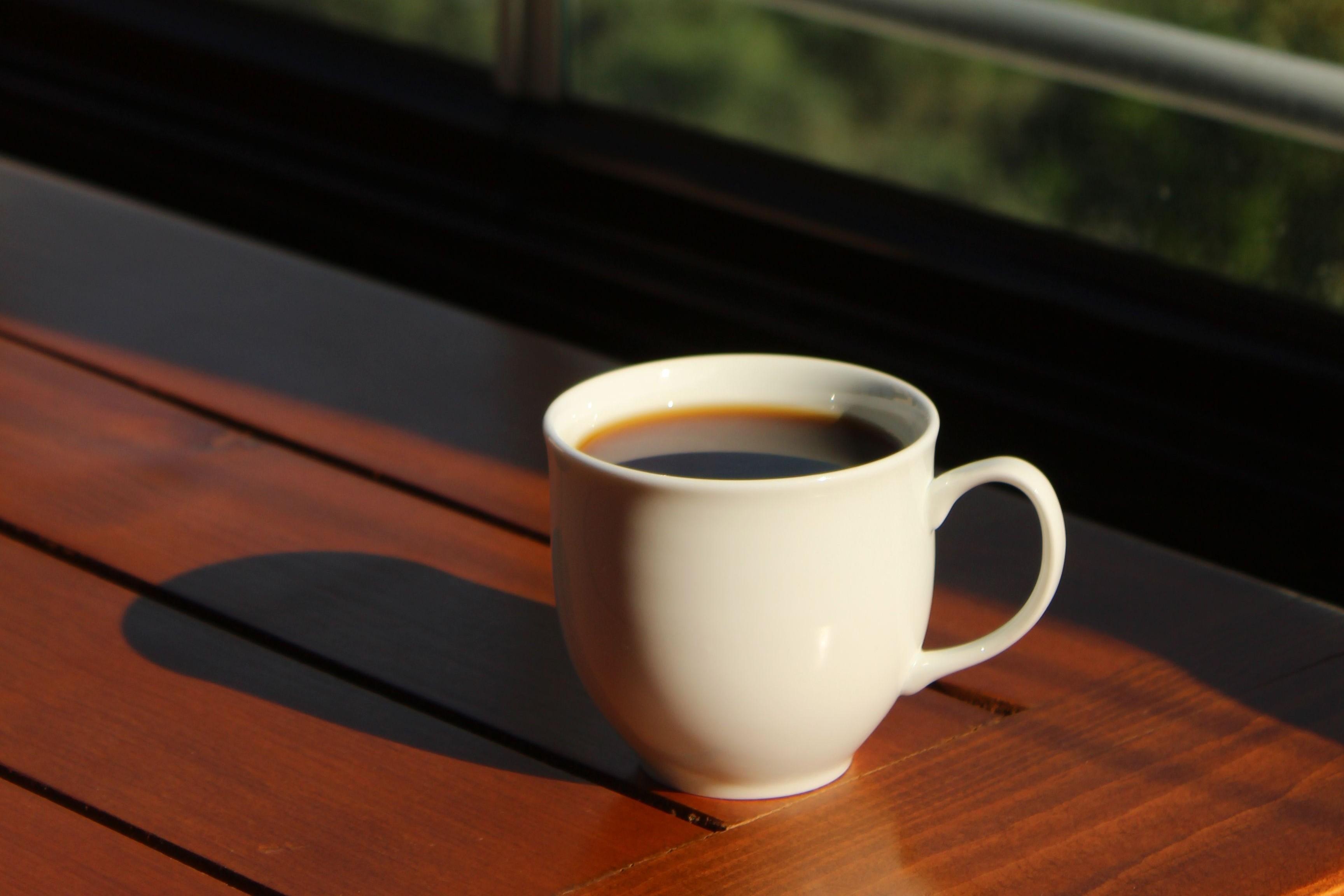
A slow weekend morning does not have to mean sleeping late, making a special breakfast, or convincing everyone in the house to whisper. You can try a smaller version: a few unhurried sips of the drink you were going to have anyway.
The rest of the morning can stay busy. You are not applying for a new personality. You are giving one familiar moment a little room.
What can slow look like in a full morning?
Here, slow means doing one thing without trying to finish the next thing at the same time. It might be five minutes at the kitchen table. It might be one sip before you pack a bag.
No special cup or empty calendar is required. If a child needs you or the dog needs to go out, tend to that. An interrupted pause is not a failed one.
You also do not need to get up earlier to fit this in. The idea is to use a moment you already have, not borrow it from sleep.
What can you do with your first drink?
Try this as an invitation, not another morning checklist:
- Pour your usual drink. Water counts. If it is hot, let it reach a comfortable drinking temperature first.
- Choose somewhere convenient and safe, such as the table or a spot at the counter. A window is nice, but not essential.
- If you do not need your phone, put it out of reach for a moment. If you need to stay available, leave it nearby.
- With one sip, notice the temperature. With the next, notice the taste or smell. Then notice something around you: a leaf outside, the color of the wall, or a nearby sound.
After that, the drink can go back to being a drink.
This borrows from mindfulness: paying attention to present sensations and surroundings. Noticing everyday sights, sounds, smells, and tastes is one way to practice. Your thoughts do not have to disappear. If your mind wanders to the shopping list, you can gently return to a detail in front of you.
Three sips or five minutes is a suggested starting point, not a tested formula or a promise that you will feel calmer. Make it shorter if you like. Skip it if it is not useful.
Do you have to sleep in?
No. A slower pace and a later wake time are different things. You can try this whenever your morning starts.
Enough sleep matters, too. Adequate sleep can support mood and help reduce stress. Recommended sleep amounts are at least seven hours a night for adults ages 18 to 60, seven to nine hours for ages 61 to 64, and seven to eight hours for adults 65 and older. Aim for consistent bedtimes and wake times, too.
Sleeping longer on days off may signal that you are not getting enough sleep during the week. Extra sleep may help you feel better, but a later sleep schedule can also disrupt your usual sleep rhythm.
That is not a reason to trade needed rest for a morning ritual. Keep this pause small enough to fit around your sleep needs and responsibilities. If you regularly struggle to sleep or still feel tired despite getting enough sleep, talk to your doctor or a licensed professional.
If you would rather start in the evening, the ten-minute evening wind-down offers another small routine to consider.
What if there is no quiet, or the pause feels wrong?
A quiet house is not a requirement. You can notice your drink while conversation continues around you. You can also decide that this morning is not the morning for it.
Some people find mindfulness unhelpful, and some feel worse. If focusing on the moment feels unpleasant, stop. You do not need to push through discomfort to complete a self-care tip. Choose an ordinary activity instead, without making yourself pay special attention to it. If the discomfort persists or concerns you, talk to your doctor or a licensed professional.
If having a few familiar items nearby appeals more than an exercise, a simple self-care basket is another option. There is no need to shop for a slower morning.
It's okay to not be okay. A few unhurried sips do not have to fix a hard week to be worth trying, and you are allowed to prefer something else.
One small step
With your next drink today, leave one sip unhurried. Notice its taste before you move on. That can be the whole experiment.
Sources
- Mindfulness, NHS: everyday sensory awareness, wandering thoughts, and why mindfulness is not right for everyone.
- About Sleep, CDC: sleep recommendations by age, mood and stress, consistent sleep schedules, and when to seek help.
- How Much Sleep Is Enough, National Heart, Lung, and Blood Institute: weekend catch-up sleep and changes to sleep rhythm.
Questions readers ask
How can I have a slow morning if the house is already busy?
Try a brief pause during something you already do, such as having your first drink. Sit at the table or pause at the counter when it is safe to do so. You can notice a taste or a nearby sound without making the house quiet.
Do I have to sleep in for the morning to feel slow?
No. This suggestion is about doing one thing without rushing, not waking later or earlier. Keep enough time for sleep. Aim for consistent bedtimes and wake times, and at least seven hours of sleep if you are between 18 and 60.
What if paying attention to the moment makes me uncomfortable?
You can stop. Mindfulness is not helpful for everyone and can make some people feel worse. Choose an ordinary activity instead, without turning it into an attention exercise. If the discomfort persists or concerns you, talk to your doctor or a licensed professional.
What should I notice, and does the drink have to be coffee?
Use your usual drink, including water. Once it is a comfortable temperature, try noticing its temperature, then its taste or smell, then something nearby. Three sips or five minutes is simply a suggested starting point, not a proven amount you need.