
Gardening for Wellness / Wellness Wisdom Wednesday
Why Time With Plants Can Feel Calming: What Research Suggests
Time with plants may offer a calming pause. Here is what research suggests, what it cannot tell us, and a small step to try.
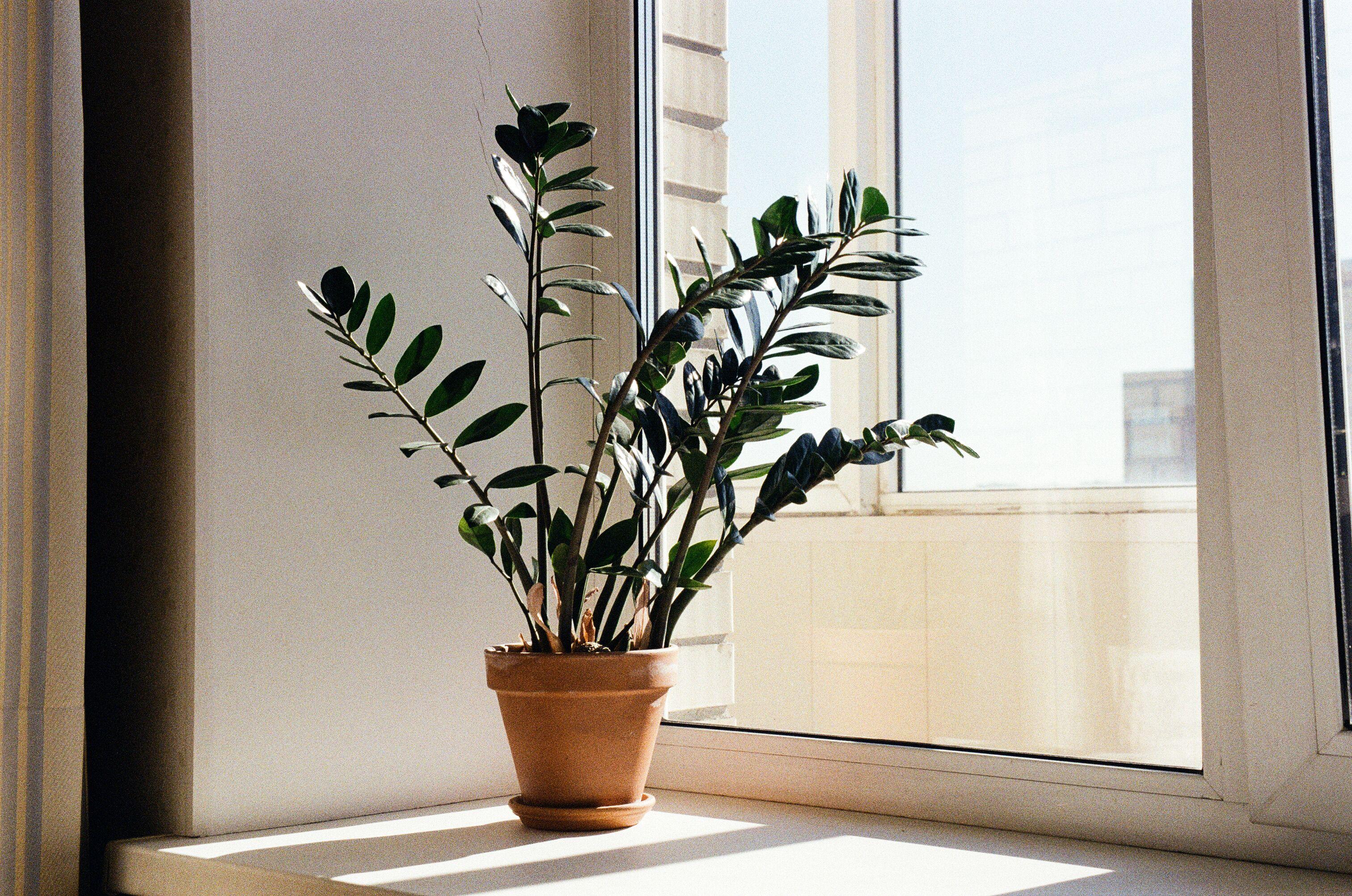
A plant by the window can be an invitation to pause. No notification, no reply needed. Just a leaf doing its thing.
Research offers some support for the idea that time with plants may feel calming. The useful answer is not that everyone needs a garden. It is that a little contact with plants could be worth trying if it appeals to you, without turning it into another wellness assignment.
What did a short plant task show?
In a 2015 experiment, 24 healthy young men completed two tasks on different days: repotting an indoor plant and working on a computer. Each task lasted 15 minutes.
They reported feeling more comfortable and relaxed after repotting than after computer work. Their diastolic blood pressure, the lower number in a blood pressure reading, was also lower after the plant task than after the computer task.
The heart measurements were less straightforward. One measure the researchers used to assess stress showed no significant difference when averaged across the full session. A difference appeared only when they compared the last three minutes.
That is an interesting clue, not a health promise. The study was small, involved only healthy young men and compared repotting with computer work, not with simply resting. It cannot tell us whether repotting would feel better than another quiet break, or whether any difference would last.
What does the wider research suggest?
A 2017 review combined 22 gardening studies reported in 21 papers. It found an overall positive pattern across measures that included stress, mood, life satisfaction and quality of life.
The studies covered different people and activities, including everyday gardening and structured gardening programs. They also used different ways to measure health and wellbeing. The authors found evidence of publication bias, meaning studies with clearer positive findings may have been more likely to appear in journals. The overall positive result remained after a statistical adjustment for that bias.
A 2022 review focused on indoor plants. It included 42 papers, but each pooled analysis of a particular outcome used only two or three studies. The pooled findings suggested lower diastolic blood pressure with plants present, while results for attention and some other measures were not statistically clear. Study quality and differences between studies limited the conclusions.
Taken together, these findings suggest possible benefits, not a reliable recipe for relaxation. Caring for a garden, repotting a houseplant and looking at leaves are different experiences. Evidence about one does not automatically establish the effects of the others.
Why might plants help?
Researchers have proposed several explanations for gardening's possible benefits: contact with nature, physical activity and opportunities to connect with other people. The gardening review discusses these as possible pathways, not as settled answers.
That distinction matters. A gardening session may involve movement, company and time outdoors as well as plants. It is hard to separate those ingredients and say which one made the difference.
You do not have to solve that puzzle to enjoy a plant. Liking the leaves is a complete reason.
What if you do not have a garden?
You can keep the experiment small. Look at a houseplant, sit near a plant by the window or notice a tree on a route you already take. These are invitations to pause, not activities with a proven calming dose.
If caring for something sounds enjoyable, our guide to starting a windowsill herb garden with one simple pot is a practical place to begin. Buying a plant is optional. You do not need to take on plant care to enjoy the view.
If plants feel messy, boring or like another responsibility, that is useful information too. A study's average result is not an instruction about what you should enjoy.
What should you not expect?
These studies do not establish plants as a treatment for anxiety, depression or high blood pressure. A pleasant pause is not a substitute for care. If stress or low mood persists or disrupts daily life, talk to your doctor or a licensed professional.
Nor do the studies establish an ideal number of plants or a specific number of minutes for you. There is no need to fill your home with pots or measure whether you are relaxing correctly.
One small step
Today, spend three unhurried minutes looking at a plant you can already see, indoors or outside. Notice one leaf's shape or color. Three minutes is simply a manageable starting point, not a research prescription. When you finish, ask whether you would like to do it again, without grading how calm you feel.
Sources
- Lee and colleagues, 2015, Journal of Physiological Anthropology: a small experiment comparing indoor plant repotting with computer work
- Soga, Gaston and Yamaura, 2017, Preventive Medicine Reports: a meta-analysis of gardening and health
- Han, Ruan and Liao, 2022, International Journal of Environmental Research and Public Health: a systematic review and meta-analyses of indoor plants and human functions
Questions readers ask
Do I have to garden to spend time with plants?
No. You can simply look at a plant you already have or one along a familiar walk. Research includes both gardening activities and indoor settings with plants, but it does not establish that every kind of contact has the same effect.
Can a few minutes with a plant lower my stress?
It may feel calming, but there is no promise. One small experiment found that young men felt more relaxed after 15 minutes of repotting than after computer work. That does not establish how you will feel after a shorter pause.
Why might gardening feel calming?
Researchers suggest that contact with nature, movement and social connection may contribute to gardening's benefits. These are possible explanations, not proof that a plant alone causes relaxation.
What if plants feel like another chore?
You can skip the gardening. Looking at a plant without taking care of it is an option, and choosing something else is fine too. If stress or low mood persists or disrupts daily life, talk to your doctor or a licensed professional.