
A research project run by the Department of Veterans Affairs that analyzes genetic data has led to medical breakthroughs. Yet critical steps to keep the research going are stalled out.
Billy Schuerman/Virginian Pilot/Tribune News Service/Getty Images
hide caption
toggle caption
Billy Schuerman/Virginian Pilot/Tribune News Service/Getty Images
One of the world’s biggest genetic databases comprises DNA data donated over the years by more than a million retired military service members. It’s part of a project run by the Department of Veterans Affairs.
The initiative, dubbed the Million Veteran Program, is a “crown jewel of the country,” said David Shulkin, a physician who served as VA secretary during the first Trump administration.
Data from the project has contributed to research on the genetics of anxiety and peripheral artery disease, for instance, and has resulted in hundreds of published papers. Researchers say the repository has the potential to help answer health questions not only specific to veterans — like who is most vulnerable to post-service mental health issues, or why they seem more prone to cancer — but also relevant to the nation as a whole.
“When the VA does research, it helps veterans, but it helps all Americans,” Shulkin said in an interview.

Researchers now say they fear the program is in limbo, jeopardizing the years of work it took to gather the veterans’ genetic data and other information, like surveys and blood samples.
“There’s sort of this cone of silence,” said Amy Justice, a Yale epidemiologist with a VA appointment as a staff physician. “We’ve got to make sure this survives.”
Genetic data is enormously complex, and analyzing it requires vast computing power that VA doesn’t possess. Instead, it has relied on a partnership with the Energy Department, which provides its supercomputers for research purposes.
In late April, VA Secretary Doug Collins disclosed to Sen. Richard Blumenthal, the top Democrat on the Senate Veterans’ Affairs Committee, that agreements authorizing use of the computers for the genomics project remained unsigned, with some expiring in September, according to materials shared with KFF Health News by congressional Democrats.
Spokespeople for the two agencies did not reply to multiple requests for comment. Other current and former employees within the agencies — who asked not to be identified, for fear of reprisal from the Trump administration — said they don’t know whether the critical agreements will be renewed.
One researcher called computing “a key ingredient” to major advances in health research, such as the discovery of new drugs.
The agreement with the Energy Department “should be extended for the next 10 years,” the researcher said.
The uncertainty has caused “incremental” damage, Justice said, pointing to some Million Veteran Program grants that have lapsed. As the year progresses, she predicted, “people are going to be feeling it a lot.”
Because of their military experience, maintaining veterans’ health poses different challenges compared with caring for civilians. The program’s examinations of genetic and clinical data allow researchers to investigate questions that have bedeviled veterans for years. As examples, Shulkin cited “how we might be able to better diagnose earlier and start thinking about effective treatments for these toxic exposures” — such as to burn pits used to dispose of trash at military outposts overseas — as well as predispositions to post-traumatic stress disorder.
“The rest of the research community isn’t likely to focus specifically” on veterans, he said. The VA community, however, has delivered discoveries of importance to the world: Three VA researchers have won Nobel Prizes, and the agency created the first pacemaker. Its efforts also helped ignite the boom in GLP-1 weight loss drugs.
Yet turbulence has been felt throughout VA’s research enterprise. Like other government scientific agencies, it’s been buffeted by layoffs, contract cuts, and canceled research.
“There are planned trials that have not started, there are ongoing trials that have been stopped, and there are trials that have fallen apart due to staff layoffs — yes or no?” said Sen. Patty Murray, D-Wash., pressing Collins in a May hearing of the Senate Veterans’ Affairs Committee.
The agency, which has a budget of roughly $1 billion for its research arm this fiscal year, has slashed infrastructure that supports scientific inquiry, according to documents shared with KFF Health News by Senate Democrats on the Veterans’ Affairs Committee. It has canceled at least 37 research-related contracts, including for genomic sequencing and for library and biostatistics services. The department has separately canceled four contracts for cancer registries for veterans, creating potential gaps in the nation’s statistics.
Job worries also consume many scientists at the VA.
According to agency estimates in May, about 4,000 of its workers are on term limits, with contracts that expire after certain periods. Many of these individuals worked not only for the VA’s research groups but also with clinical teams or local medical centers.
When the new leaders first entered the agency, they instituted a hiring freeze, current and former VA researchers told KFF Health News. That prevented the agency’s research offices from renewing contracts for their scientists and support staff, which in previous years had frequently been a pro forma step. Some of those individuals who had been around for decades haven’t been rehired, one former researcher told KFF Health News.
The freeze and the uncertainty around it led to people simply departing the agency, a current VA researcher said.
The losses, the individual said, include some people who “had years of experience and expertise that can’t be replaced.”
Preserving jobs — or some jobs — has been a congressional focus. In May, after inquiries from Sen. Jerry Moran, the Republican who chairs the Veterans’ Affairs Committee, about staffing for agency research and the Million Veteran Program, Collins wrote in a letter that he was extending the terms of research employees for 90 days and developing exemptions to the hiring freeze for the genomics project and other research initiatives.
Holding jobs is one thing — doing them is another. In June, at the annual research meeting of AcademyHealth — an organization of researchers, policymakers, and others who study how U.S. health care is delivered — some VA researchers were unable to deliver a presentation touching on psychedelics and mental health disparities and another on discrimination against LGBTQ+ patients, Aaron Carroll, the organization’s president, told KFF Health News.
At that conference, reflecting a trend across the federal government, researchers from the Centers for Medicare & Medicaid Services and the Agency for Healthcare Research and Quality also dropped out of presenting. “This drop in federal participation is deeply concerning, not only for our community of researchers and practitioners but for the public, who rely on transparency, collaboration, and evidence-based policy grounded in rigorous science,” Carroll said.
KFF Health News is a national newsroom that produces in-depth journalism about health issues and is one of the core operating programs at KFF.
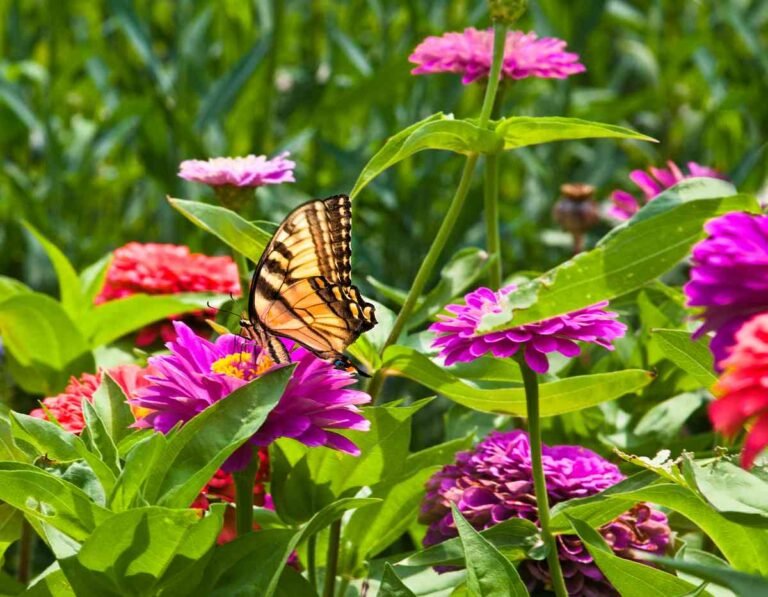
Prominent for their vibrant and long-lasting blooms, Zinnias are annual flowering plants that can be propagated through cuttings or you can grow them from seeds.
While both ways of propagation are simple and easy, growing zinnias from cuttings can save lots of time.
Apart from improving aesthetics, zinnias attract pollinators to your garden and these daisy-like flowers are extensively used as cut flowers.
You can grow zinnias in containers or use them to decorate garden borders.
In this write-up, I’ll share how to propagate zinnias from cuttings and seeds. Before that let’s first learn about this annual flowering plant.

Zinnias are sun-loving plants that thrive with minimal care, making them a favorite among both beginner and seasoned gardeners.
However, to ensure healthy growth and vibrant blooms, it’s important to understand the basic growing conditions these cheerful flowers need.
1. Sunlight
Zinnias flourish in full sunlight. They need at least 6 to 8 hours of direct sun each day. The more sun they receive, the more vigorously they grow and the more profusely they bloom. In shaded areas, they may become leggy and produce fewer flowers.
2. Soil
Well-draining soil is crucial for zinnias. They prefer loamy or sandy soil enriched with organic matter. The soil pH should ideally range between 5.5 and 7.5. Poor drainage can lead to root rot and fungal diseases.
3. Watering
Zinnias are relatively drought-tolerant once established, but they do best with consistent moisture. Water the plants at the base early in the day to avoid wet foliage, which can attract powdery mildew. Avoid overwatering; allow the top inch of soil to dry out between watering.
4. Temperature
These plants love warm weather and are sensitive to frost. The ideal temperature range for growing zinnias is 70°F to 85°F. Avoid planting them too early in the season; wait until after the last frost date in your region.
5. Fertilizer
While zinnias aren’t heavy feeders, they benefit from a light application of balanced fertilizer (e.g., 10-10-10 NPK) once every 4–6 weeks during the growing season. Over-fertilizing can result in lush foliage with fewer blooms.
Check this: 8 Lilies that Bloom all Summer
6. Spacing
Proper spacing ensures good air circulation and reduces the risk of diseases. Depending on the variety, space plants 6 to 18 inches apart. Dwarf varieties can be planted closer together, while taller types need more room to spread.
7. Pests and Diseases
Zinnias are generally hardy but can be prone to aphids, spider mites, and whiteflies. Powdery mildew is a common fungal issue, especially in humid conditions or when plants are overcrowded. Regular inspection and removing affected leaves can help maintain plant health.

Propagating zinnias is a rewarding process that allows gardeners to multiply their favourite varieties, save on plant costs, and enjoy continuous blooms throughout the growing season.
Whether you want to fill your garden beds or share plants with friends, propagation is a simple and efficient way to expand your zinnia collection.
There are two common methods to propagate zinnias: from seeds and by stem cuttings.
Both methods are easy, even for beginners, and each has its own set of advantages.

Growing zinnias from seeds is one of the easiest and most cost-effective ways to enjoy these vibrant blooms.
Zinnia seeds germinate quickly, making them a great choice for gardeners who want fast results with minimal fuss.
Here’s a step-by-step guide to help you grow healthy zinnias from seeds:
Start by selecting the zinnia variety you want to grow. Zinnias come in many colors, heights, and bloom types—ranging from dwarf to tall varieties and single to double flowers. Choose seeds based on your garden’s layout and desired color palette.
If you want to get a head start on the growing season, you can sow zinnia seeds indoors about 4–6 weeks before the last expected frost.
Zinnias are also ideal for direct sowing once the danger of frost has passed and the soil has warmed.
Once the seedlings grow about 2–3 inches tall, thin them to maintain proper spacing based on the variety:
Zinnias typically start blooming 6 to 8 weeks after sowing. Regulardeadheading (removing spent flowers) encourages the plants to produce even more blooms throughout the season.
Although zinnias are traditionally grown from seeds, propagating them through stem cuttings offers a faster and equally reliable way to grow new plants.
This technique is especially useful when you want to preserve the exact traits of a particular zinnia—such as flower color, size, or petal shape.
Since zinnias are hybrids or cultivars in many cases, seed-grown plants may not be true to type, whereas cuttings provide genetic clones of the parent plant.
Propagation by cuttings is also ideal for mid-to-late season expansion, when mature zinnias are already blooming and you want to make more without waiting for seeds to germinate and mature.
With proper care, stem cuttings can root in as little as one to two weeks, and you’ll enjoy new flowering plants within a short time.
Below is a step-by-step guide to successfully propagate zinnias from cuttings:
1. Choose a Healthy Parent Plant
To ensure successful propagation, start with a robust, disease-free zinnia plant. A good cutting comes from a stem that is:
Cuttings taken from a healthy plant root faster and establish more easily. You can take multiple cuttings from a single zinnia plant if it is large and vigorous enough.
2. Taking the Cutting
Use sterilized garden scissors or pruning shears to snip a stem:
Pro tip: Always make clean, diagonal cuts to increase the surface area for rooting and prevent rotting.
Also Read: 13 Annual Flowers that Bloom All Summer
3. Prepare for Rooting
Once you have your cutting:
There are two methods to root your zinnia cutting—in water or in soil. Both work well; choose the method that suits your setup.
Also Read: How to Propagate Hibiscus From Cuttings?
4. Method 1: Rooting in Water
Water propagation is simple and allows you to monitor root development:
Tip: Avoid placing cuttings in direct sunlight, as the heat can cause wilting before roots develop.
5. Method 2: Rooting in Soil
Soil propagation is closer to natural conditions and allows the roots to develop in their future growing medium:
To test for rooting, gently tug the cutting—resistance means roots have formed.
6. Transplanting Rooted Cuttings
Once the roots are well-developed (whether from water or soil), your zinnia cutting is ready to be moved into its permanent home:
Hardening off involves gradually exposing the plant to outdoor conditions over a week. Start by placing the plant outside for a few hours in partial shade and increase sun exposure gradually.
Transplant the cutting into a sunny garden bed or container, spacing it based on its mature size—typically 6–18 inches apart depending on the variety.
Also Read: How to Grow Blanket Flower?
Proper care after transplanting is crucial to help zinnias settle in and start growing vigorously. The following tips will ensure healthy plants and a garden full of blooms.
Watering
Water thoroughly right after transplanting to help the roots settle. Keep the soil evenly moist for the first 1–2 weeks.
Let the top inch of soil dry between waterings once established. Always water at the base to avoid wetting the leaves.
Sunlight
Zinnias need full sun, at least 6 to 8 hours daily, for healthy growth and flowering. Ensure they are not shaded by other plants or structures.
Gradually introduce indoor-grown or shaded cuttings to direct sun. Sudden exposure can cause wilting or sunburn.
Mulching
Apply a light layer of organic mulch around each plant. Mulch helps retain moisture and suppress weeds naturally.
Avoid placing mulch directly against the stem to prevent rot and fungal issues.
Fertilizing
Wait two weeks after transplanting before feeding the plants. This gives roots time to establish.
Use a balanced, slow-release fertilizer or diluted liquid feed every 4–6 weeks for steady growth and blooms.
Pinching and Deadheading
Pinch back the top of young plants when they reach 6–8 inches. This encourages bushier, fuller growth.
Deadhead faded flowers regularly to keep zinnias blooming continuously through the season.
Pest and Disease Management
Watch for pests like aphids, spider mites, and whiteflies. Neem oil or insecticidal soap can control most infestations.
To prevent powdery mildew, space plants properly and water only at the base in the morning.
Staking (For Tall Varieties)
Tall zinnia varieties may need staking to stay upright. Use bamboo sticks or garden stakes early for support.
Tie stems loosely with twine to avoid damage during windy or rainy weather.
Monitor Growth
Zinnias usually start blooming within 3–4 weeks after transplanting. Keep an eye on overall plant health and adjust care as needed.
Consistent watering, sun exposure, and light feeding will keep them thriving until the first frost.
Also Read: Can Marigold and Zinnias Grow Together?
Propagating zinnias—whether from seeds or cuttings—is a simple and rewarding way to multiply these vibrant, pollinator-friendly flowers in your garden.
Seeds offer variety and abundance, while cuttings provide a faster route to blooming plants that stay true to their parent.
With minimal tools and care, you can enjoy a season-long display of colorful blooms. Whether you’re filling garden beds, brightening containers, or sharing with fellow gardeners, propagating zinnias ensures beauty and satisfaction from start to finish.

Khaja Moinuddin, a computer science graduate, finds joy in gardening and homesteading. Join him on this blog as he shares his experiences in homesteading, gardening, and composting
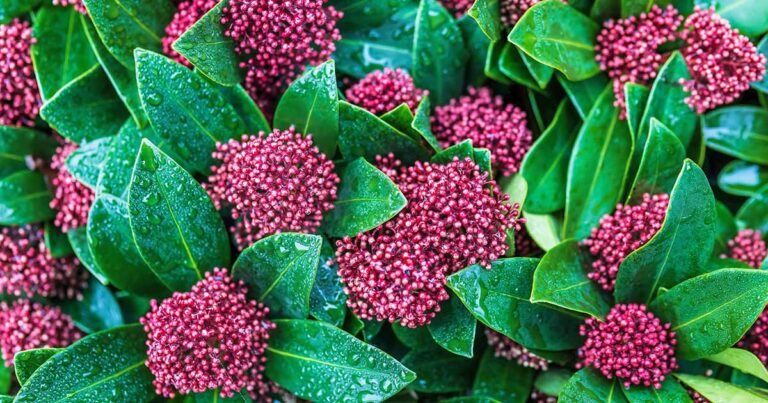
Ornamental flowering Japanese skimmia, Skimmia japonica, is a broadleaf evergreen in the Rutaceae or citrus family native to parts of northeast Asia, including Japan and Taiwan.
It is suited to cultivation in USDA Hardiness Zones 6 to 8.
This species is dioecious, meaning plants are either male or female, though there are some self-fertile subspecies and cultivars.

We link to vendors to help you find relevant products. If you buy from one of our links, we may earn a commission.
S. japonica subsp. reevesiana is a naturally hermaphroditic subspecies that produces both male and female flowers and can set fruit without the need for a separate pollinator.
Mature specimens typically reach three to four feet tall and four to five feet wide, with female plants tending to spread the most.
In spring, all types produce upright terminal panicles of white flowers. Male flowers are generally the largest and most fragrant.
Hermaphroditic varieties and pollinated females showcase bright red, berry-like drupes from autumn through the winter.
Males display colorful green, pink, or red buds during that time. Note that while ornamental, the fruits are toxic and should not be consumed.
S. japonica is a low-maintenance shrub that makes an ideal container plant flanking an entrance or accenting a patio.
Compact and slow-growing, it’s ideal for use as an accent in a mixed border, massed in foundation plantings, a mid-level filler beneath deciduous trees, and in mixed shrub groupings.
Common name(s): Japanese skimmia
Plant type: Broadleaf evergreen woody shrub
Hardiness (USDA Zone): 6-8
Native to: Northeast Asia, including Japan and Taiwan
Bloom time / season: Spring, winter interest buds or drupes
Exposure: Partial shade, dappled sunlight
Soil type: Organically-rich, well-draining
Soil pH: 5.0-7.4, slightly acidic to neutral
Time to maturity: 5-7 years
Mature size: 3-4 feet tall by 4-5 feet wide (depending on cultivar)
Best uses: Border, containers, foundation, hedge, mass plant, mixed shrub grouping, understory filler
Order: Sapindales
Family: Rutaceae
Genus: Skimmia
Species: Japonica
The evergreen foliage consists of leathery, lanceolate leaves, typically three to five inches long and varies from solid deep green to variegated forms with creamy or yellow margins, depending on the cultivar.
They are arranged alternately along the stems and tend to be concentrated toward the tips of the branches, giving the plant a bushy, compact appearance.
When bruised, the leaves emit a citrus-like aroma, a trait shared with other members of the citrus family.
You’ll need to ensure that there is one male plant for every six females to support fruit production, unless you grow hermaphroditic types.

If you enjoy evergreens indoors in the winter, the berry-bearing branches make attractive additions to seasonal arrangements, especially when you break a leaf and release its citrusy perfume.
Or, you may try your hand at creating a bonsai specimen.
Japanese skimmia is a slow-growing, mounding shrub that tolerates roadside pollution and full shade, although it may grow leggy in very low light placements.

In their native habitat, skimmia shrubs grow in sun-dappled woodlands with moist soil. These temperate regions have distinct seasons, high summer humidity, and significant rainfall.
Landscapes in Zone 6 to 8 that replicate these conditions will provide the best environment for healthy growth.
Partial shade locations are ideal, such as beneath deciduous trees where the skimmia plants will receive dappled light throughout the day.
In deeper shade, growth tends to become leggy and foliage sparse.
Skimmia thrives in organically rich, well-draining soil with a slightly acidic to neutral pH of between 5.0 and 7.4.
Keep the soil consistently moist during the first growing season to support root development as the shrubs become established.
About an inch of water per week, including rainfall, is usually sufficient.
When established, supplemental water is generally unnecessary unless there is a prolonged drought.
Apply a two-inch layer of mulch in spring after the last frost to help retain moisture and regulate soil temperature.
To increase soil fertility over time, choose an organic amendment, like chopped leaves. Keep mulch a few inches away from the base of the stems to prevent rot.
If the soil is rich in organic matter, additional feeding is generally unnecessary. Avoid over-fertilizing, which can lead to weak, spindly growth.
If you want to grow skimmia in a container, choose a pot that is at least 12 to 16 inches wide and deep, with drainage holes at the bottom.
Unglazed clay or stone containers work well, as they allow for air circulation and help prevent soggy roots.

Use a loose, water-retentive potting mix rich in organic matter. Place the container in a spot that receives morning sun and afternoon shade or consistent dappled light throughout the day.
Water regularly to maintain evenly moist soil, especially in warm weather, as containers dry out faster than garden beds.
In colder climates, pots may need protection from deep freezes to avoid root damage. Wrap the container with insulating material or move it to a sheltered location in winter.
Refresh the top few inches of soil each spring and repot every three to four years or when the plant becomes root bound.
Cultivars are widely available in the United Kingdom and are becoming more common in the United States.
In addition to online sources, you may be able purchase shrubs through local specialty nurseries.
Here are several attractive options to consider:
‘Godrie’s Dwarf’ is a compact male cultivar. During the winter months, it forms clusters of white flower buds tinged with green.
As spring approaches, the buds deepen to red-tinged pink before opening into masses of soft pink blossoms.

Plants remain tidy and petite with mature dimensions of 12 to 36 inches tall and wide.
The compact stature is perfect for part-shade borders and patio pots. This cultivar is an excellent pollinator companion to female skimmias.
Unlike the typically dioecious male or female shrubs, dwarf S. japonica subsp. reevesiana, aka Reeve’s skimmia, is a self-fertile hermaphrodite.
It produces abundant white flowers, bold red drupes, and lush green foliage.

Mature dimensions are 18 to 24 inches tall and 24 to 36 inches wide, making it an excellent choice for container gardening or small garden spaces.
Reeve’s skimmia is available from Nature Hills Nursery.
‘Rubella’ is a dwarf male cultivar with reddish-green leaves and deep red buds in the fall and winter. Panicles of creamy white flowers grace the branches in spring.

Plants reach about 30 inches tall and wide at maturity, forming a dense, rounded shape well suited to foundations and understory placements.
You won’t have to devote much time to maintaining your skimmia shrubs. However, when you handle the plants be sure to wear gloves to avoid contact with the sap, as it can irritate the skin.
Regular pruning is typically not necessary but if you need to provide some shape, wait until after flowering to make your cuts.

Use clean shears to remove dead or pest-damaged branches at their point of origin and selectively trim any wayward branches that detract from the naturally rounded contours.
As discussed, apply a layer of mulch in the spring to help retain moisture and enrich the soil.
Refresh the mulch in late fall as needed, no deeper than three inches, for winter insulation in colder regions.
In exposed locations, consider wrapping plants in burlap to shield them from harsh winter winds.
To propagate, you can take cuttings from existing shrubs or purchase potted specimens from the nursery for transplanting.
You can take semi-hardwood cuttings in late summer, when the new growth has begun to mature but is still pliable.
Here’s how:
Transplant to the landscape the following spring after all danger of frost has passed.
To transplant a rooted cutting or nursery shrub, note its depth in the original container.
Prepare the planting site by loosening the soil to a depth equal to that of the container and at least twice as wide.
Conduct a soil test to determine its fertility. Amend with aged organic matter, such as compost or humus, as needed.
Remove the plant from its pot and set it in the hole so that the crown, where the roots and stems meet, sits slightly above ground level.
Tamp the soil firmly to hold the plant upright, then water in well.
Maintain even moisture during the first year. After establishment, shrubs are drought-tolerant.
Japanese skimmia is not prone to pests or pathogens.
If conditions are hot and especially dry, you may encounter aphids, scale, or spider mites.

These sapsucking insects disfigure foliage with their chewing mouthparts, causing foliage to wilt, yellow, or drop prematurely. Severe infestations can lead to stunted growth and reduced vigor.
Use a sharp spray of water from the hose to dislodge and destroy as many pests as possible. Remove and dispose of severely damaged foliage.
Treat affected plants with neem oil. Provide supplemental water during extended periods of prolonged heat or drought to keep plants healthy and less vulnerable to pest pressure.
While not typically prone to disease problems, root and crown rot may occur in poorly draining soils.
Root rot is caused by water molds like Phytophthora and Pythium, or by fungal pathogens such as Fusarium.
Symptoms include wilting and yellowing foliage, and rotting roots.
Powdery mildew and leaf spot may also appear in damp, humid conditions. Ensure good drainage, avoid overhead watering, and remove affected foliage to limit the spread.
Japanese skimmia is a low-maintenance, water-wise choice for gardeners in Zones 6 to 8.
The texture of the leathery foliage, color of the long-lasting buds and fruits, and fragrant blossom clusters offer year-round interest in-ground or in decorative containers.

Where will you showcase this ornamental evergreen in your outdoor living space? Do you grow S. japonica? Please share your tips in the comments section below!
If you found this article informative and want to read about more ornamental fruiting shrubs, we recommend the following:

Consumers can still get hit with surprise bills from ground ambulance rides, as protection from such charges wasn’t covered in the federal No Surprises act.
PBNJ Productions/Tetra images RF/Getty Images
hide caption
toggle caption
PBNJ Productions/Tetra images RF/Getty Images
Nicole Silva’s 4-year-old daughter was headed to a relative’s house near the southern Colorado town of La Jara when a vehicle T-boned the car she was riding in. A cascade of ambulance rides ensued — a ground ambulance to a local hospital, an air ambulance to Denver, and another ground ambulance to Children’s Hospital Colorado.
Silva’s daughter was on Medicaid, which was supposed to cover the cost of the ambulances. But one of the three ambulance companies, Northglenn Ambulance, a public company since acquired by a private one, sent Silva’s bill to a debt collector. It was for $2,181.60, which grew to more than $3,000 with court fees and interest, court records show.
The preschool teacher couldn’t pay, and the collector garnished Silva’s wages. “It put us so behind on bills — our house payment, electric, phone bills, food for the kids,” said Silva, whose daughter recovered fully from the 2015 crash. “It took away from everything.”
Some state legislators are looking to curb bills like the one she received — surprise bills for ground ambulance rides.
When an ambulance company charges more than an insurer is willing to pay, patients can be left with a big bill they probably had no choice in.
States are trying to fill a gap left by the federal No Surprises Act, which covers air ambulances but not ground services, including ambulances that travel by road and water. This year, Utah and North Dakota joined 18 other states that have passed protections against surprise billing for such rides.
Those protections often include setting a minimum for insurers to pay out if someone they cover needs a ride. But the sticking point is where to set that bar. Legislation in Colorado and Montana stalled this year because policymakers worried that forcing insurers to pay more would lead to higher health coverage costs for everyone.
Surprise ambulance bills are one piece of a health care system that systematically saddles Americans with medical debt, straining their finances, preventing them from accessing care, and increasing racial disparities, as KFF Health News has reported.
“If people are hesitating to call the ambulance because they’re worried about putting a huge financial burden on their family, it means we’re going to get stroke victims who don’t get to the hospital on time,” said Patricia Kelmar, who directs health care campaigns at PIRG, a national consumer advocacy group. “It means that person who’s worried it might be a heart attack won’t call.”
The No Surprises Act, signed into law by President Donald Trump in 2020, says that for most emergency services, patients can be billed for out-of-network care only for the same amount they would have been billed if it were in-network. Like doctors or hospitals, ambulance companies can contract with insurers, making them in-network. Those that don’t remain out-of-network.
But unlike when making an appointment with a doctor or planning a surgery, a patient generally can’t choose the ambulance company that will respond to their 911 call. This means they can get hit with large out-of-network bills.
Federal lawmakers punted on including ground ambulances, in part because of the variety of business models — from private companies to volunteer fire departments — and a lack of data on how much rides cost.
Instead, Congress created an advisory committee that issued recommendations last year. Its overarching conclusion — that patients shouldn’t be stuck in the crossfire between providers and payers — was not controversial or partisan. In Colorado, a measure aimed at expanding protections from surprise ambulance bills got a unanimous thumbs-up in both legislative chambers.
Colorado had previously passed a law protecting people from surprise bills from private ambulance companies. This new measure was aimed at providing similar protections against bills from public ambulance services and for transfers between hospitals.
“We knew it had bipartisan support, but there are some people that vote no on everything,” said a pleasantly surprised Karen McCormick, a Democratic state representative.
A less pleasant surprise came later, when Gov. Jared Polis, who is also a Democrat, vetoed it, citing the fear of rising premiums.
States can do only so much on this issue, because state laws apply only to state-regulated health plans. That leaves out a lot of workers. According to a 2024 national survey by KFF, a health information nonprofit that includes KFF Health News, 63% of people who work for private employers and get health insurance through their jobs have self-funded plans, which aren’t state-regulated.
“It’s why we need a federal ambulance protection law, even if we passed 50 state laws,” Kelmar said.
According to data from the Colorado secretary of state’s office, the only lobbying groups registered as “opposing” the bill were Anthem and UnitedHealth Group, plus UnitedHealth subsidiaries Optum and UnitedHealthcare.
As soon as the legislative session ended in May, Kevin McFatridge, executive director of the Colorado Association of Health Plans, a trade group representing health insurance companies in the state, sent a letter to the governor requesting a veto, with an estimate that the legislation would result in premiums rising 0.4%.
The Colorado bill said local governments — such as cities, counties, or special districts — would set rates.
“We are in a much better place by not having local entities set their own rates,” McFatridge told KFF Health News. “That’s almost like the fox managing the henhouse.”
Jack Hoadley, an emeritus research professor with Georgetown University’s McCourt School of Public Policy, said it isn’t clear whether state laws approved elsewhere are raising premiums, or if so by how much. Hoadley said Washington state is expected to come out with an impact analysis of its law in a couple of years.
The national trade association for insurance companies, AHIP, declined to provide a comment for this article. Instead, AHIP forwarded letters that its leaders submitted to lawmakers in Ohio, West Virginia, and North Dakota this year opposing measures in each state to set base ambulance rates. AHIP leadership described the proposals as inflated, government-mandated pricing that would reduce insurers’ chance to negotiate fair prices. Ultimately, the association warned, the proposed minimums would increase health care costs.
In Montana, legislators were considering a minimum reimbursement for ground ambulances of 400% of what Medicare pays, or at a set local rate if one exists. The proposal was sponsored by two Republicans and backed by ambulance companies. Health insurers successfully lobbied against it, arguing that the price was too steep.
Sarah Clerget, a lobbyist representing AHIP, told Montana lawmakers in a legislative hearing that it’s already hard to get ambulance companies to go in-network with insurers, “because folks are going to need ambulance care regardless of whether their insurance company will cover it.” She said the state’s proposal would leave those paying for health coverage with the burden of the new price.
“None of us like our insurance rates to move,” Republican state Sen. Mark Noland said during a legislative meeting as a committee tabled the bill. He equated the proposed minimum to a mandate that could lead to people having to pay more for health coverage for an important but nonetheless niche service.
Colorado’s governor was similarly focused on premiums. Polis said in his veto letter that the legislation would have raised premiums between 73 cents and $2.15 per member per month.
“I agree that filling this gap in enforcement is crucial to saving people money on health care,” he wrote. “However, those cost savings are outweighed in my view by the premium increases.”
Isabel Cruz, policy director at the Colorado Consumer Health Initiative, which supported the bill, said that even if premiums did rise, Coloradans might be OK with the change. After all, she said, they’d be trading the threat of a big ambulance bill for the price of half a cup of coffee per month.
KFF Health News is a national newsroom that produces in-depth journalism about health issues and is one of the core operating programs at KFF.

Happy Monday, GPODers!
Last year we were introduced to Dot Lenahan’s new garden in Broomall, Pennsylvania (Dot’s Three-Year-Old Garden). While the garden only had a few years of growth at the time, it was already looking lush and lively. Less than a year later, Dot’s plantings continue to evolve and expand. And despite some challenging weather in March, April, and May, her landscape was still able to pull off an incredible floral display in June.
Hello from Dot’s Garden in Broomall, Pennsylvania, outside of Philadelphia. I don’t think I can remember a more challenging spring; March and April were consistently cold, while May was one of the rainiest in the Northeast. We are finally at the end of a heat wave after a storm that spawned tornado-like winds and loss of power. Despite all of this, roses and clematis bloomed and filled the air with fragrance.
First up is the beautiful bell-shaped bloom of an Ada Moon clematis (Clematis ‘Ada Moon’, Zones 4–11).
 The much larger blooms of a Vancouver™ Danielle clematis (Clematis ‘Danielle’, Zones 4–9) climb up both sides of one of Dot’s many arbors, and pair beautifully with the yellow glass birdbath placed in the center and bright purple irises in the lower right corner.
 One of my fairy statues landing in Sally clematis (Clematis ‘Sally’, Zones 4–11)
 A pink hollyhock still blooming after being munched upon
 A photo by my grandson, as roses reach upward
 A beautiful pink rose that filled the garden with fragrance
 Princess Charlene de Monaco (Rosa ‘Meidysouk’, Zones 5–10) has long been a favorite among rose lovers. Their ruffled blooms, packed with hundreds of petals, will blow you away once you get close, but their sweet scent is what will draw you in from across the garden.
 Lastly, more arbors getting completely consumed by James Galway climbing roses (Rosa ‘AUScrystal’, Zones 4–11) and Betty Corning clematis (Clematis ‘Betty Corning’, Zones 4–9): it’s a perfect pairing of the two plants that put on standout performances for Dot this spring.
Thank you so much for this update on your garden, Dot! It’s inspiring to see how much growth and beauty you’ve cultivated in a short time, and I hope you continue sharing your garden’s evolution with the blog.
Gardens new and old are always welcome on Garden Photo of the Day! As Dot’s garden demonstrates, you don’t have to tend a space for decades to create something spectacular and worthy of our admiration. Whether you’ve been working on your garden for a few decades, a few years, or a few months, consider sharing photos with the blog! Follow the directions below to submit photos via email, or send me a DM on Instagram: @agirlherdogandtheroad.
Have photos to share? We’d love to see your garden, a particular collection of plants you love, or a wonderful garden you had the chance to visit!
To submit, send 5–10 photos to [email protected] along with some information about the plants in the pictures and where you took the photos. We’d love to hear where you are located, how long you’ve been gardening, successes you are proud of, failures you learned from, hopes for the future, favorite plants, or funny stories from your garden.
Have a mobile phone? Tag your photos on Facebook, Instagram or Twitter with #FineGardening!
Do you receive the GPOD by email yet? Sign up here
Fine Gardening Recommended Products
Lee Valley Garden Obelisks
Fine Gardening receives a commission for items purchased through links on this site, including Amazon Associates and other affiliate advertising programs.
Sturdy yet lightweight, these obelisks provide ample support for climbing plants while being easy to install and move. The medium obelisk stands 68 1/2″ high overall with a diameter of about 9 1/2″, compact enough for smaller containers indoors or out. The large size stands 86 1/2″ high with a diameter of 15 3/4″, ideal for larger outdoor spaces and containers.
Alpine Corporation 28″ Tall Outdoor Birdbath with Scrollwork Decoration Yard Statue
Fine Gardening receives a commission for items purchased through links on this site, including Amazon Associates and other affiliate advertising programs.
STUNNING BIRDBATH: Quality birdbath is sure to attract feathered friends and create a charismatic ambiance for your garden, patio, deck, yard, or other outdoor space. SHALLOW SHAPE: Shallow and wide bowl assures that multiple small birds can drink and bathe safely at the same time
BEAUTIFUL DESIGN: Luxurious and antique styling adds a touch of elegance to your garden or yard. DURABLE CONSTRUCTION: Polypropylene material resists rust and damage from the elements while the sturdy base prevents the birdbath from tipping over. IDEAL SIZE: Birdbath measures 20″ L x 20″W x 28″H, the perfect size for your yard, and includes a one-year manufacturer’s warranty from date of purchase.
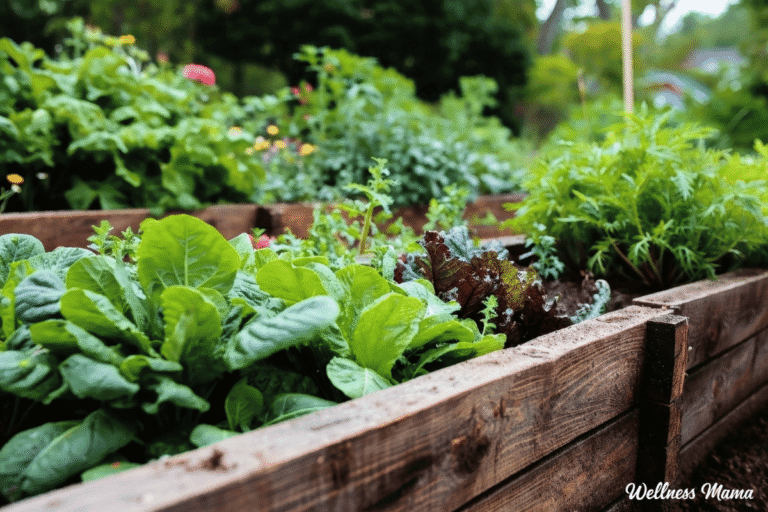
I love getting my hands in the dirt every chance I can get. Whether it’s weeding in the morning while soaking in the sunshine, or destressing after a rough day. I’ve learned a lot over the years and have continued to make changes in my vegetable gardens as I’ve grown. One of these helpful strategies has been succession planting.
If you’ve ever wished your harvests would last longer or you could get more food from the same amount of garden space, this technique is worth learning. Succession planting can help stretch your growing season and minimize waste. Plus, it can make gardening more enjoyable, not more stressful.
Whether you’re a home gardener with a few raised beds or you’re planting a larger homestead garden, succession planting is a great strategy. It works across hardiness zones and adapts beautifully to both traditional and container gardening. It also lets you enjoy more of your favorite veggies, from quick growers like radishes to more space-demanding crops like cucumbers and bush beans.
Succession planting is a gardening method that involves sowing or transplanting crops one after the other, instead of all at once. Instead of planting all your lettuce, bush beans, or arugula on the same day and watching them mature at the same time, you stagger planting dates. This helps you enjoy a continuous harvest throughout the growing season.
It’s like having a planting calendar that keeps your garden beds in action from early spring to late summer (and beyond). The key is to match your sowing schedule with your climate, frost dates, and days to maturity. If you’re not sure how long each veggie takes to grow, check the back of its seed packet.
Succession planning helps you more effectively use your garden space. It’s also easier to time your crops for the best quality, taste, and nutritional value.
We all know that person (or have been that person!) with a mountain of zucchini to use or give away. And if you’ve ever watched a whole row of lettuce bolt at once, you know the struggle of harvesting everything at the same time. Succession planting helps prevent both having too much or too little produce by spacing things out. But there are more strategic reasons to incorporate this method into your garden planning.
By consistently sowing seeds or replanting transplants, you use your space more efficiently. When one crop finishes, you direct sow the next. It’s like keeping your garden on a productive cycle that lasts all season long. This approach also provides a safety net for missed germination or unpredictable pests. If one planting doesn’t take off, you have another coming soon.
If you don’t already know your area’s USDA Hardiness Zone, that’s important to know before starting. You want to see when your last frost date is at the beginning of the growing season, and the first frost date at the end. This way you can time when different plants or seeds need to go in the ground.
By matching planting times to crop needs, you can grow heat-tolerant veggies like summer squash and cucumbers in early and mid-summer. Once fall is around the corner, then shift to cool season crops like beets, radishes, and swiss chard. Depending on your area, you can even extend the growing season with these fall garden tips.
No more eating radishes three times a day or giving away baskets of bush beans. By sowing smaller amounts at different intervals, you get more manageable harvests spread out over time. This not only helps in the kitchen but also reduces food waste and the stress of sudden, massive harvests. You can also still use succession planting even if you do want a bunch of one crop at once for food preservation.
Rotating brassicas, greens, and legumes through the same bed keeps your soil balanced and can interrupt pest cycles. Frequent replanting encourages diverse root systems, which in turn fosters better soil biology and nutrient cycling. Plus, many fall crops like turnips, kohlrabi, and cauliflower get better after a light frost.
Thankfully, you don’t need anything fancier to get started than a little research and a pen and paper! A notebook, some seed packets, and knowing your local frost dates will get you started. Here are the main things to keep in mind:
Your planting calendar will depend heavily on your region’s frost dates. Early spring is usually a great time to direct sow fast-growing cool weather crops like spinach, radishes, and arugula. By the time those are harvested, you can follow up with warm season crops like bush beans, eggplant, tomatoes, or cucumbers. You can even use trellises to create a vertical garden for more space.
By mid-summer, it’s time to look ahead to fall crops. Start seeds indoors or direct seed things like beets, Swiss chard, cilantro, and brassicas. Depending on your zone, you’ll usually want to start these in early August. Just be sure they have enough time to mature before the first frost.
Keep an eye on your planting dates, and always factor in the days to maturity. A good rule of thumb is to add about 10–14 days for fall crops to account for slower growth as daylight shortens.
If you have raised beds, succession planting is even easier. Their well-drained soil warms faster in spring and is easier to replant between crops. Some home gardeners even prep several mini-beds within larger raised beds for specific sowing intervals. This allows a more efficient use of space and reduces competition between different plantings.
Some crops work better than others for succession planting. In general, you want plants with shorter days to maturity and the ability to tolerate either cool or hot weather, depending on the season. Crops with fast germination or heat tolerance tend to do well with succession planting.
Be sure to check the seed packet or company website for each variety you grow. The days to maturity will help you count backward from your average first frost. You want to make sure it has enough time to mature for harvest! If it’s snowing in November, then there’s no sense in planting cucumbers in October.
If you’re direct seeding outdoors, be sure the soil temperature isn’t too high or too low. Different seeds germinate best within certain temperature ranges. This resource offers a great guide for keeping an eye on the temperature as you’re seed starting.
If you’re ready to get started, here are a few things to help the process.
Succession planting can seem a little overwhelming at first if you’re not used to planting this way. The key is to plan ahead so you’re not always wondering what to do next and when! It’s a great way to have fresh veggies all season long. Plus, it’s good for the soil health and makes harvesting less overwhelming.
This approach can be both a practical and rewarding way to enjoy a continuous harvest throughout the growing season!
Have you ever done any succession planting before? How do you plan your garden? Leave a comment and let us know!
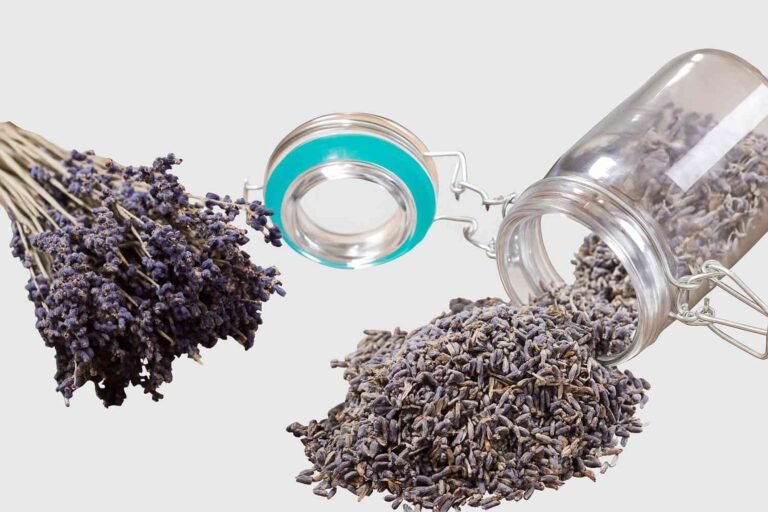
Having a lavender plant in your backyard not just attract pollinators, but it effectively avoids pests.
Prominent for its visual appeal, lavender has immense uses in aromatherapy.
Nothing can relax your mind, like floral scent of lavender does.
Though it blooms during summer, you can enjoy the harvest throughout the year, if you know how to dry fresh lavender efficiently.
By drying fresh lavender you can preserve its fragrance, colour and natural oils in it. And you don’t have to worry about mold or decaying.
To be efficiently dry lavender, it is essential to harvest lavender in the right way.
Harvest lavender stems just before the buds fully open, as this is when the oils are most potent.
Gather them into small bundles, tie them with string or rubber bands, and hang them upside down in a dry, dark, and well-ventilated area. This method helps retain both color and scent, and it typically takes about two weeks for the lavender to dry completely.
Air drying is the most traditional and effective, especially for large bunches. If you’re short on time, you can use a dehydrator set to a low temperature (around 95–104F) which dries the buds quickly without damaging the oils.
Another option is oven drying: spread the flowers on a baking tray and heat on the lowest setting, leaving the door slightly open to let moisture escape. However, this method requires close monitoring to prevent overheating or losing fragrance.
Let’s dive deep into when and how to harvest lavender, the best methods for drying it, and clever ways to use it after drying.
Also Read: 19 Best Lavender Companion Plants to Grow in Garden

Harvesting at the right time makes all the difference in fragrance, color, and oil content.
The best time to harvest is when about 40–50% of the buds on each stem have opened. The flowers are at their most fragrant just before they go into full bloom, which is when the essential oil content is at its peak.
What to Watch For:
Best Time of Day:
If you’re unsure, do a simple snap test: pick a stem, crush a bud between your fingers, and if it releases a strong lavender scent, it’s ready.
Harvesting is more than just cutting—how you do it affects the plant’s regrowth and the drying process.
Leave a few flowering stems on the plant for bees and other pollinators if you’re not harvesting the entire shrub.
Also Read: How to Propagate Lavender Plant From Cuttings?
Once you’ve got your fresh lavender bundles, prepping them properly ensures a clean, mold-free drying process.
Here’s what to do:
If you plan to collect the flower buds after drying (for sachets, teas, or cooking), don’t tie the bundles too close to the flowers, as this can crush them.
There are a few effective methods to dry lavender, and the one you choose depends on your available space, tools, and timeline.
What’s the Best Method?
Air-drying is hands-down the most recommended method because it:
But we’ll also cover quicker options like dehydrating and tray drying, which come in handy when space or weather doesn’t cooperate.

Air-drying is the most traditional and widely used method for preserving lavender. It’s simple, cost-free, and works especially well if you have a good-sized harvest and some patience. This method allows lavender to dry naturally, keeping most of its fragrance and vibrant color intact when done properly.
Air-drying might take a little longer, but it’s low-effort and perfect for those who want a natural, fuss-free way to preserve fresh lavender.
Check this: 12 Common Lavender Plant Growing Mistakes to Avoid
Using a dehydrator is one of the quickest and most efficient ways to dry lavender while preserving its fragrance and color. It’s especially helpful if you live in a humid climate or want to avoid waiting weeks for air drying.
This method helps you quickly preserve lavender’s calming fragrance and lovely purple hue for long-term use.
Tray or flat drying is a simple and natural way to dry lavender without the need for special equipment.
It works well if you have a small harvest and want to preserve the flowers’ scent and color gently. This method is great for those living in dry climates or with access to a warm, well-ventilated space indoors.
Tray drying is cost-free, low-maintenance, and a great way to dry lavender if you’re not in a rush and prefer a natural approach.
Also Read: How to Grow Celosia?

Once your lavender is dry, it’s time to store it so it lasts as long as possible (typically 1–3 years depending on use).
Tips for Long-Lasting Lavender:
If you’re separating buds from the stems:
For added fragrance, refresh dried lavender by adding a drop or two of lavender essential oil to the container.
Now that you’ve got a batch of beautifully dried lavender, here are some creative ways to put it to use.
Home Fragrance:
Crafts and Decor:
Culinary Uses:
Note: Only use organic, chemical-free lavender for cooking or drinking.
Natural Remedies and Bath Products:
You’ll know lavender is fully dry when:
If it’s still a bit flexible or smells “green,” let it dry longer.

Drying fresh lavender is more than just a way to preserve a plant—it’s a way to capture the essence of summer and enjoy its beauty and fragrance all year long.
Whether you’re decorating your home, creating calming crafts, or blending your own teas, dried lavender adds charm, serenity, and usefulness to your everyday life.
With just a little care in harvesting and drying, you’ll have beautifully preserved lavender ready for any project—or peaceful moment—you choose.
Khaja Moinuddin, a computer science graduate, finds joy in gardening and homesteading. Join him on this blog as he shares his experiences in homesteading, gardening, and composting

The high number of U.S. measles cases this year has been fueled by a Texas outbreak. Three people have died.
Jan Sonnenmair/Getty Images
hide caption
toggle caption
Jan Sonnenmair/Getty Images
The U.S. has reported 1,288 measles cases this year — the highest number in 33 years, according to the latest figures from the Centers for Disease Control and Prevention. The last time the U.S. saw more measles cases was in 1992, eight years before the disease was declared eliminated in the country.
“We’re seeing a lot more measles transmission than we are used to,” says Caitlin Rivers. She’s the director of the Center for Outbreak Response Innovation at Johns Hopkins University, which has its own measles dashboard.

“Measles is one of the most infectious diseases known to humans. And more importantly, it’s preventable. And so we really hate to see this resurgence of a preventable virus,” Rivers says.
Since the start of the year, measles cases have been confirmed by more than three dozen states plus the District of Columbia. The largest outbreak by far is in Texas. The state has reported 753 measles cases this year. Across the U.S., 155 people have been hospitalized, and three people have died.
And while the Texas outbreak has slowed significantly, across the country, Rivers says the U.S. is now seeing more cases on a weekly basis than in previous years.

The Texas outbreak started in January. At one point, Rivers says, the state was reporting 15 to 20 new cases of measles per day, raising fears that, if the outbreak continued the U.S. would lose its “elimination” status, which is a technical term in public health that means the disease has not had a constant transmission for a 12-month period or longer. She says that’s less likely to happen now, given that the state is only reporting a handful of cases per week.
But that doesn’t mean it won’t happen in the near future, says Dr. Adam Ratner, a pediatric infectious disease physician in New York City and the author of Booster Shots, a history of the fight against measles.
“We are in great danger of losing our measles elimination status, if not this year, then almost certainly in the coming years,” he says.
Ratner points to kindergarten vaccination rates, which have been falling nationwide for years and are currently at 92.7%. In some communities, vaccination rates are much lower, creating pockets of opportunity for measles to spread. The CDC says a 95% vaccination rate threshold is needed to protect communities against measles outbreaks.
“What we’re seeing now is, as vaccine hesitancy has grown, particularly during and after the COVID pandemic, those outbreaks are becoming more frequent and larger,” Ratner says.
The measles milestone comes the same week that some of the nation’s leading medical associations sued Health Secretary Robert F. Kennedy Jr., charging him with what they characterize as an effort to undermine trust in vaccines among the American public.
In a statement to NPR, Health and Human Services Department spokesperson Andrew Nixon said, “CDC continues to recommend MMR vaccines as the best way to protect against measles. The decision to vaccinate is a personal one.” He added that the CDC continues to provide vaccines to communities dealing with outbreaks as requested.

Before widespread vaccination eliminated the disease in the U.S., pretty much everyone got measles in childhood. And between 400 to 500 children used to die from the disease each year. It can also cause permanent disabilities — the disease is still a leading cause of blindness worldwide.
This year, Rivers says, 1 in 8 cases in the U.S. have resulted in hospitalization.
“So although many people think of measles as a mild illness and for the most part it is, it can also cause severe illness,” Rivers says. “That’s an important reminder for parents who are on the fence that this virus is definitely something that’s worth preventing.”

Welcome to Well Rooted Wellness, your transformative journey towards holistic wellness and personal growth. We are an online learning platform that believes in the power of interconnectedness between the mind, body, and environment. Our mission is to empower individuals like you to lead fulfilling lives by nurturing these essential connections.
Contact us: contact@yoursite.com
© Copyright - wrwofficial.com - 2025