43.3 F
Klamath Falls
Saturday, March 14, 2026
Home Blog Page 125

A Peek into My Wellness-Driven Routine

0

While I won’t claim an award for organization or minimalism with my nightstand… it is a carefully curated hub of tools and essentials. They support my health, improve my sleep, and set the tone for a productive day ahead. I also mentioned in my habit-stacking podcast and post that the nightstand is also a great place to put visual reminders of healthy habits since it’s the first thing I see in the morning. 

Let me walk you through everything on my nightstand and explain why it’s there.

1. Quart-Sized Mason Jar With Salt

First things first: hydration. On my nightstand, you’ll find a quart-sized mason jar filled with water and a teaspoon of high-quality mineral salt dissolved in it. Why? Because rehydrating first thing in the morning is non-negotiable for me. Overnight, we lose water through respiration and sweat, leaving our bodies dehydrated. Adding a pinch of salt to water provides essential electrolytes, helping to:

  • Replenish hydration levels
  • Support adrenal function
  • Balance blood pressure
  • Kickstart digestion

Sometimes, I mix it up by dissolving the salt directly in my mouth before drinking plain water. Either way, this small morning ritual has a big impact on my energy levels and overall well-being. Lately, I’ve been using these microplastic-free salts. Check out these posts and this podcast for more about why I love salt! 

2. Morning and Evening Supplements

A good night’s sleep is only half the battle; what you do in the morning matters just as much. I keep my go-to supplements on my nightstand to ensure I never miss them. Here’s what I’m taking and why:

  • Magnesium Breakthrough: I take magnesium in the morning because I’m an inverse modulator, but many people find it’s more effective at night. Magnesium is essential for hundreds of processes in the body. It supports muscle function, reduces stress, and promotes energy production. It’s also fantastic for balancing hormones and improving sleep quality.
  • PectaSol: This modified citrus pectin is my go-to for gentle detoxification. It binds to heavy metals and toxins in the body, helping to eliminate them safely. I’ve found this helpful in my autoimmune recovery journey and take it regularly now to keep inflammation in check. 
  • MassZymes: A digestive enzyme supplement that aids in breaking down proteins and improving gut health. It’s especially helpful if you’ve indulged in a heavy meal the night before. I take this in the morning and evening on an empty stomach, but also sometimes take it with meals to improve digestion. It works differently when taken with or without food, so I mix it up and often do both. 
  • Just Thrive Probiotics: A healthy gut is the foundation of wellness, and probiotics help maintain that balance by supporting digestion and immunity. I also take this with or without food at different times. 
  • Neural RX from Wizard Sciences: This one is a game-changer for brain health. It supports cognitive function, mental clarity, and focus. I typically take this in the morning for an energy boost. Sometimes I take it at night and typically have vivid dreams when I do. 

It looks a little cluttered, but having these on my nightstand helps me remember to take them and I’m a lot more consistent this way. I like glass jars like these that help them look better. You’ll find the same jars on my kitchen table with other supplements that the kids and I take during the day. 

3. Essential Oils for Better Sleep

Sleep is sacred in my house, and Vibrant Blue Essential Oils are my secret weapon. I’ve curated a collection of blends specifically for relaxation and sleep from my friend Jody at Vibrant Blue:

  • Parasympathetic: Calms the nervous system and promotes deep relaxation.
  • Fascia Release: I’ve been focusing on lymph and fascia lately and love this one for gentle movement and mobility before sleep. 
  • Lymph: A powerful mix of oils designed to support the lymphatic system. I love this in combination with having my feet up on the wall and lying on an acupressure mat at night. 

I apply these oils to my wrists, neck, and the bottoms of my feet before bed, and the difference in my sleep quality is remarkable.

4. Detox Support: CytoDetox and Carbon Cleanse

I also keep CytoDetox and True Carbon Cleanse here. I’ll often take Cytodetox in the morning and evening and True Carbon Cleanse at night, along with Pectasol and Masszymes. These are designed to. 

  • Support cellular detoxification
  • Bind to environmental toxins
  • Promote overall energy levels and battle inflammation

Taking these regularly helps me feel energized and clear-headed.

5. Be Serene for Stress Relief

Modern life can be overwhelming, so I’ve made it a priority to manage stress effectively. Be Serene is a blend of adaptogenic herbs and natural compounds that helps:

  • Reduce stress
  • Promote relaxation
  • Balance mood

It’s my go-to when I need to unwind at the end of a long day.

6. Blue Light Blocking Orange Glasses

Let’s talk about light hygiene. My orange-tinted blue light blocking glasses are essential for reducing exposure to artificial blue light in the evenings. Blue light can suppress melatonin production, making it harder to fall asleep. By wearing these glasses, I:

  • Protect my circadian rhythm
  • Improve my sleep quality
  • Reduce eye strain

I also try to switch to lower and red/amber lighting in our whole house at night and avoid screens and bright lights as much as possible after dark. 

7. Books I’m Currently Reading and My Journal

Reading is part of my wind-down routine, and I always have a few books on my nightstand. Right now, I’m diving into titles on personal growth, health, and wellness. My Kindle also lives here for digital books.

Currently I’m reading or re-reading: Awareness by Anthony de Mello, Man’s Search for Meaning, The Reclaimed Woman by Kelly Brogan, Braiding Sweetgrass on the recommendation from a friend, The Four Agreements, and Power vs. Force by David Hawkins. 

Alongside my books is my journal and my planner, where I:

  • Reflect on the day
  • Jot down gratitude lists
  • Plan for tomorrow

This simple practice keeps me grounded and focused.

8. Daylight Computer

Speaking of avoiding blue light at night… this has been a game changer. 

Yes, I have a dedicated computer for nighttime use, though this is quickly becoming my daily use computer as well. This Daylight computer is designed with low EMF emissions and zero blue light, making it ideal for reading or writing in the evening without disrupting my sleep cycle. It’s a lifesaver for late-night inspiration sessions. It can integrate most apps and I use it for listening to audiobooks and podcasts, working on writing in Google Docs, taking notes, digital journaling, listening to music, and more! 

9. Mouth Tape

Mouth tape might sound odd, but it’s a game-changer for breathing. By gently taping my mouth shut at night, I ensure I breathe through my nose, which:

  • Improves oxygen intake
  • Reduces snoring
  • Enhances sleep quality

It’s a small tweak with big benefits.

10. Sound Machine and Blackout Shades

Creating the perfect sleep environment is non-negotiable. My sound machine produces calming white noise to drown out distractions, while my 100% blackout shades ensure complete darkness. These have been a game changer and can make my room completely dark even in the afternoon. I keep the remote for the shades on my nightstand for easy access.

11. Charger for My Oura Ring

My Oura Ring is my favorite wearable for tracking sleep, activity, and recovery. Its charger has a permanent spot on my nightstand so it’s always ready to go.

12. Face Roller and Gua Sha Tools

Skin care is self-care, and these tools help me de-puff and relax before bed. The gentle massage improves circulation and lymphatic drainage, leaving my skin glowing. I use the rollers from here and these gua sha tools and face cupping tools.

13. Silk Bonnet and Sleep Scrunchie

Protecting my hair while I sleep is a priority. My silk bonnet and scrunchie prevent breakage and keep my hair smooth and tangle-free.

14. Lamp with a Red Light Bulb

Finally, my nightstand features a lamp with a red light bulb. Red light doesn’t interfere with melatonin production, making it the perfect choice for bedtime reading or relaxing.

The Takeaway

My nightstand isn’t just a collection of random items; it’s a wellness powerhouse. Each item serves a purpose, supporting my health, improving my sleep, and helping me wake up refreshed and ready to tackle the day. Whether you’re looking to upgrade your sleep environment, enhance your morning routine, or simply find new ways to prioritize wellness, I hope this peek into my nightstand inspires you to create your own health-focused haven. Sweet dreams!

What do you keep on your nightstand? Leave a comment and let us know!

Episode 181: Plants You Can’t Kill

When plants are done in by pests, diseases, or bad weather, it is hard not to take it personally. But on the positive side, each plant that shuffles off this mortal coil does offer an opportunity to add something newer and better to our garden. In this episode, Danielle, Carol, and expert guest Kielian DeWitt talk about some of the most reliable cultivars that have stood the test of time under tough conditions. Perhaps one of these choices will be just right for filling a gap that has recently opened up in your garden.

Expert: Kielian DeWitt lives and gardens in Montana’s Bitterroot Valley. Check out an article about her garden here: Garden Design that Doesn’t Limit Your Color Palette 


Danielle’s Picks: Plants You Cant Kill

  • Sweet fern (Comptonia peregrina, Zones 2-6)
  • ‘Biokovo’ hardy geranium (Geranium x cantabrigiense ‘Biokovo’, Zones 5-8)
  • Crimson Fans® mukdenia (Mukdenia rossii ‘Karasuba’, Zones 4-8)
  • ‘Limelight’ panicle hydrangea (Hydrangea paniculata ‘Limelight’, Zones 3-9)
Sweetfern
Biokovo geranium
Biokovo geranium
Crimson Fans mukdenia
Limelight hydrangea
‘Limelight’ panicle hydrangea

Carol’s Picks: Plants You Cant Kill

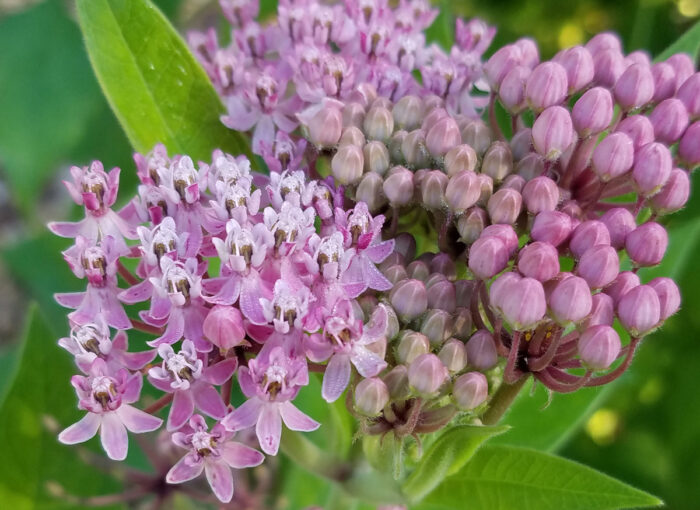
  • Swamp milkweed (Asclepias incarnata, Zones 3-9)
  • Black Lace® elderberry (Sambucus nigra ‘Eva’, Zones 4-7)
  • American cranberrybush viburnum (Viburnum trilobum, Zones 2-7)
  • ‘Shenandoah’ switchgrass (Panicum virgatum ‘Shenandoah’, Zones 5-9)
Swamp milkweed
Swamp milkweed
Sambucus Black Lace
Sambucus Black Lace
American cranberrybush viburnum
‘Shenandoah’ switchgrass

Expert Guest Kielian DeWitt’s Picks: Plants You Can’t Kill

  • ‘Sweet Emotion’ abelia (Abelia mosanensis, Zones 4-8)
  • Golden oregano (Origanum vulgare ‘Aureum’,  Zones 4-9)
  • Purple foxglove (Digitalis purpurea, Zones 4-9)
  • Culver’s root (Veronicastrum virginicum, Zones 3-8)
  • ‘Pink Lemonade’ baptisia (Baptisia ‘Pink Lemonade’, Zones 4-9)
‘Sweet Emotion’ abelia, photo courtesy of Kielian DeWitt
Golden oregano, photo courtesy of Kielian DeWitt
Purple foxglove, photo courtesy of Kielian DeWitt
Culver’s root, photo courtesy of Kielian DeWitt
Pink Lemonade baptisia, photo courtesy of Kielian DeWitt

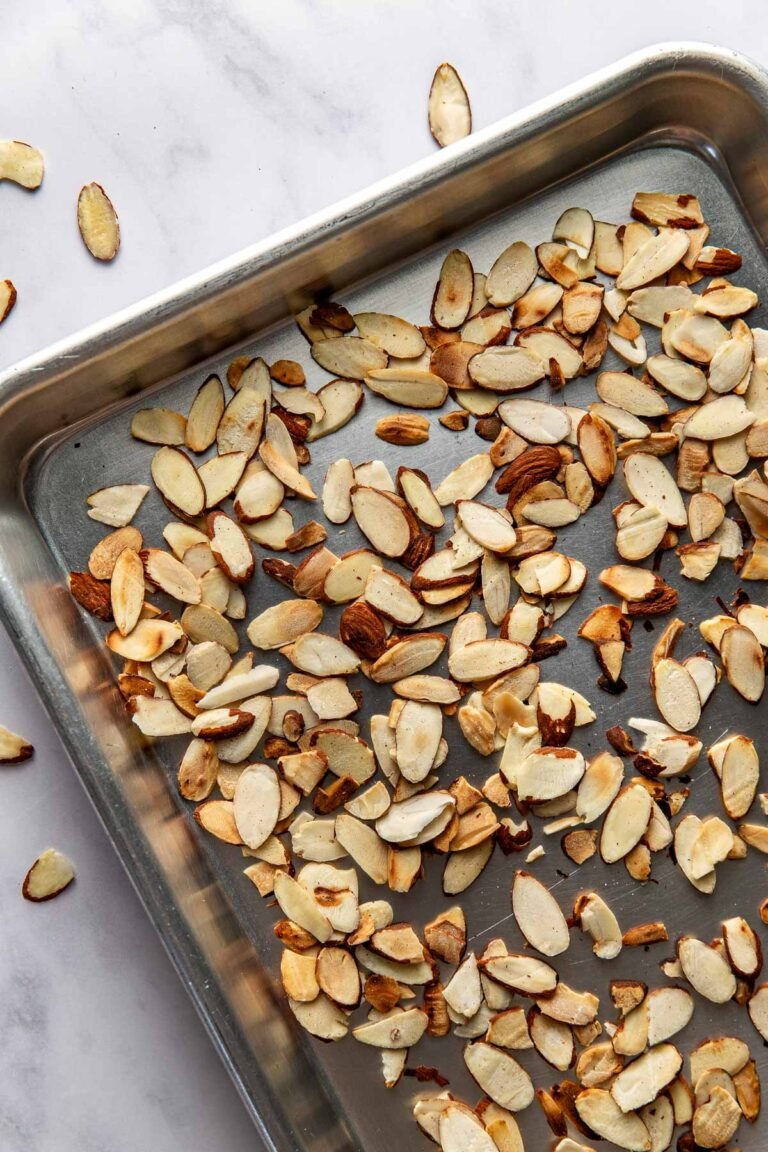
How to Toast Almonds (2 Methods)


How to Toast Almonds (2 Methods)


Privacy & Cookies Policy

COVID boosters will be updated for next fall and winter : Shots

0

Advisers to the Food and Drug Administration met Thursday to recommend a formula for COVID-19 vaccines for the 2025-2026 season.

Sarah Silbiger/Getty Images


hide caption

toggle caption

Sarah Silbiger/Getty Images

The companies that make COVID-19 vaccines should update the shots again to target a variant closer to the strains currently on the rise, a committee of independent advisers to the Food and Drug Administration unanimously recommended Thursday.

Moderna, Pfizer/BioNTech and Novavax should target strains related to the JN.1 variant with their vaccines for next fall and winter because that strain is closer to the new variants of the virus that are circulating, the advisers voted after a day-long meeting.

The recommendation came after the companies presented data that shows that vaccines based on viruses related to JN.1 strains produce strong protection against the latest versions of the virus, such as LP.8.1, which has become dominant in the U.S.

The current Moderna and Pfizer/BioNTech’s mRNA vaccines target the KP.2 strain. Novavax’s shot targets a JN.1 strain.

The committee was uncertain about which particular JN.1 subvariant would be the best pick because it isn’t known which strain may be dominant by the fall. The FDA will now work with the companies to make a final decision, officials said.

The advisory panel’s vote is consistent with the World Health Organization’s recommendation for the next set of vaccines.

The decision underscores the state of the evolution of the virus, which has now essentially become endemic in the U.S. and other countries. The virus continues to produce new subvariants of omicron instead of evolving into dramatically different strains that would pose a greater risk.

Changes in the FDA approval process

The recommendation comes two days after the FDA announced a new approach to COVID vaccines that would likely restrict access to the shots. While many questions remain about the new strategy, a change in strains would not appear to make a difference in how the FDA approves the next vaccines.

The new strategy would continue the current vaccine approval process for people ages 65 and older and younger people with health problems that put them at high risk for serious complications from the virus. Those health problems include obesity, heart disease, cancer, inactivity and other risk factors. That regulatory approach relies on information about how the immune system responds to the vaccines.

But the FDA will now require vaccine manufacturers to conduct large, costly additional studies to evaluate the safety and effectiveness of the vaccines for children and younger healthy adults by comparing them to a harmless injection of saline. Those trials would look at differences in health outcomes, such as developing COVID.

That’s a major change from the current approach, which recommends and approves the vaccines for almost everyone based on the more easily obtained immune system studies.

FDA officials say the change was prompted by the widespread immunity to the virus that people have developed because of repeated infections and vaccinations. This acquired immunity has contributed to a significant drop in serious illness and death from COVID. The FDA estimates 100 million to 200 million Americans would be eligible for COVID vaccines under the new approach.

Some independent experts are welcoming the change. Others, however, worry the move would make it harder for many people who still want the vaccine to get it. That would include parents who want to vaccinate very young children and those who want to reduce their risk for mild or moderate illness, long COVID and the risk of spreading the virus to other people, such as older relatives.

FDA officials say the steps will bring the U.S. in line with the approach that other high-income countries take towards the vaccines and are necessary to restore trust in the vaccines.

Even though COVID is still claiming more lives than the flu, most U.S. adults have declined to get vaccinated against COVID in recent years and even fewer parents have opted to vaccinate their children. Children tend to be far less likely to get seriously ill from COVID, but the disease can still be serious for them, especially very young children.

How to Keep Chickens Cool in Hot Weather?

Chickens are quite versatile and can handle many challenges like stress, but they aren’t equipped to deal with extreme temperatures.

If you live in a subtropical region, you’ll need to take extra steps to keep your feathered friends cool. Beyond providing shade, it’s essential to rethink their food and water intake to help them stay comfortable and healthy during hot weather.

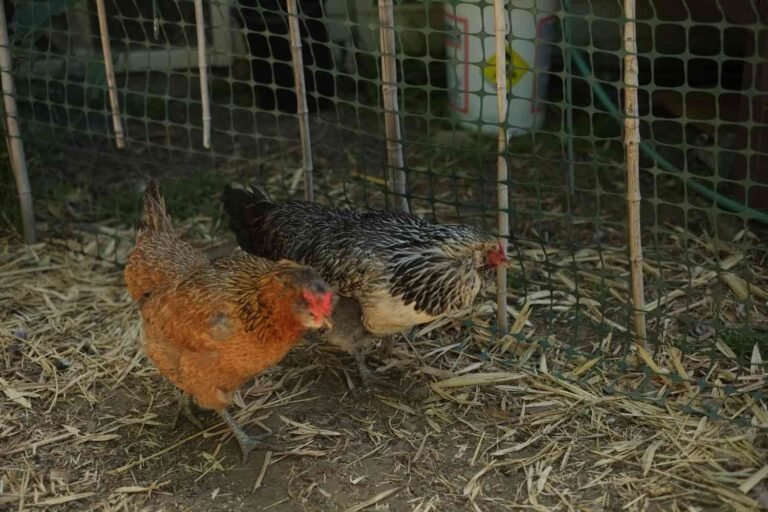
During hot spells, you’ll often see flocks looking lethargic, holding their wings away from their bodies, and seeking out the coolest spots they can find. This is a clear sign that your flock is struggling, and it’s time to intervene.

Providing extra ventilation in the coop, installing fans, or even freezing water bottles and placing them around the run can offer some much-needed relief.

Another critical aspect is hydration. Chickens drink far more water in the heat, and if their water source gets too warm or runs dry, it can quickly turn into a health emergency.

Make sure they have access to cool, clean water throughout the day. Consider adding electrolytes to their water during heat-waves to replenish essential minerals.

As for food, avoid heavy or high-protein treats that generate more internal heat during digestion—stick to water-rich snacks like watermelon, cucumber, or frozen peas to help keep them refreshed.

How Hot is Too Hot for Chickens?

As humans, we express ourselves when the heat cranks up—we complain, sweat, and seek shade.

But chickens suffer quietly, and if you’re not paying attention, the signs of heat stress can sneak up fast. Watch for heavy panting, limp wings, and fewer eggs in the nesting box.

If it’s pushing 100°F (38°C), don’t wait—get those fans going, toss them some cold treats, and do whatever it takes to help them chill out.

How to Keep Chickens Cool in Hot Weather?

Whether you’re dealing with a sudden heat-wave or a long, hot season, keeping your flock comfortable is key to their health, happiness, and steady egg production.

Let’s look at some simple, effective ways to beat the heat in your chicken coop.

1. Provide Cool, Clean Water

Water is the most essential element for keeping chickens safe during extreme heat. Just like humans, chickens rely on hydration to regulate their body temperature. When the weather is hot, they can lose a significant amount of water through panting and evaporation from their combs and wattles.

If clean water isn’t available at all times, chickens can quickly become dehydrated, which may lead to heat exhaustion, shock, or even death. It’s especially important during heatwaves to check waterers multiple times a day, as the water can become warm or dirty fast, making it less appealing for birds to drink.

What to do:

Immediately move the chicken to a shaded or cool area. Offer clean, cool (not icy) water—lukewarm to cool is best to avoid shocking their system.

You can gently dip the beak into the water to encourage drinking if the chicken is weak. Adding electrolytes or poultry-specific vitamin supplements to the water can help replace lost minerals and speed up recovery. Avoid forcing water, as this can lead to choking.

Also Read: 70 Things Chickens Can Eat & 30 Food Items to Avoid

2. Check the Coop Airflow

Proper ventilation in the chicken coop is crucial for preventing heat buildup, especially during hot summer days. Chickens release a lot of body heat, and in a poorly ventilated space, temperatures can quickly rise to dangerous levels.

Without enough airflow, the heat and ammonia from droppings can create a stifling environment that increases the risk of heat stress, respiratory problems, and overall discomfort for your flock.

What to do:

Inspect the coop during the hottest part of the day. Make sure vents are open and unblocked. Ideally, install vents near the roof to let hot air escape.

Use mesh-covered windows or openings to allow fresh air in while keeping predators out. If airflow is still poor, add a safe fan or consider temporary open-air runs during peak heat.

Also Read: Why Have My Chickens Stopped Laying Eggs in Summer?

3. Check the Coop Flooring

The coop floor can trap heat, especially if it’s made of materials like concrete or has poor drainage.

During hot weather, this retained heat can radiate upward, making the coop even warmer. Wet or soiled bedding can also produce ammonia and raise humidity, adding to the stress on your chickens.

What to do:

Keep bedding clean and dry. Use light-colored materials like pine shavings that reflect heat and stay cooler.

In extreme heat, consider lifting up sections of bedding to allow airflow underneath or replacing it entirely. Adding a layer of sand can also help regulate temperature and improve drainage.

4. Prime with Heat Stress Supplements

When chickens are under heat stress, they lose vital electrolytes and minerals through panting and reduced food intake.

Supplementing their diet during hot periods can boost their resilience and support faster recovery if they do overheat.

What to do:

Add poultry-specific electrolyte or vitamin supplements to their water during heatwaves or in the days leading up to hot weather.

These supplements support hydration, energy, and recovery. For long-term care, offer foods high in water content (like watermelon or cucumber in moderation) as cool treats.

5. Let Your Chickens Free Range

Allowing chickens to free range gives them the opportunity to find shade, dust bathe, and regulate their own temperature more naturally.

In a confined coop, they can quickly overheat, but outdoors, they can spread out and access cooler ground.

What to do:

Open the coop and let the chickens roam during the cooler parts of the day—early morning or late afternoon.

Make sure they have access to shaded areas, such as under trees, tarps, or shaded structures. Always ensure the area is predator-safe and has easy access back to their water source.

Check this: How to Deworm Chickens Naturally?

6. Easy Access to Water

Even if you provide water, it doesn’t help if the chickens can’t easily get to it. In hot weather, water containers can get knocked over, run dry, or be placed in areas too hot to approach. This can cause dehydration even when water is technically available.

What to do:

Place multiple water stations around the coop and free-range area so chickens don’t have to compete or walk far. Use shaded spots to keep water cool and prevent algae buildup.

Consider using wide, shallow pans for weak or small birds. Check and refill frequently throughout the day.

7. Ensure Low Nesting Boxes and Perches

High roosts or nesting boxes trap heat higher up in the coop, which can be dangerous in hot weather. Chickens roosting too high may also be less able to escape to cooler areas when they’re already stressed by heat.

What to do:

Temporarily lower perches and nesting boxes closer to the ground, where it’s naturally cooler. Use bricks or wooden blocks to create sturdy, low resting areas.

Avoid crowding—ensure there’s plenty of space so each chicken can spread out while resting.

How to Provide Shade for Chickens?

Shade is one of the most effective ways to help your chickens stay cool during hot weather. Chickens don’t sweat—they rely on panting, finding cool surfaces, and staying in shaded areas to manage their body temperature.

Without adequate shade, they’re exposed to direct sunlight, which can quickly lead to heat exhaustion or heatstroke.

Providing reliable, cool shade throughout the day helps your flock regulate their temperature naturally and reduces overall stress.

Also Read: How to Make a Chicken Dust Bath?

1. Use Natural Shade

Planting trees or large shrubs around the chicken run is one of the best long-term solutions. Trees like mulberry, oak, or fruit trees not only offer shade but also provide additional benefits like dropped fruit or leaves for foraging. The dappled shade from trees allows airflow while blocking harsh sun rays.

Tip: If your run is already under a tree, make sure the canopy is dense enough. Add low-growing bushes for extra ground-level cover.

2. Erect Shade Cloth or Tarps

Shade cloth or UV-resistant tarps are an easy and flexible way to create shade. You can attach them to the sides or roof of the run using zip ties, clips, or rope. Go for light-colored or reflective materials—they block sunlight without trapping heat underneath like dark tarps can.

Tip: Angle the cloth to allow airflow and cover the west side of the coop/run to block the most intense afternoon sun.

3. Build a Shade Shelter

A simple wooden frame with a metal or polycarbonate roof can provide long-lasting shade. These structures work especially well in open runs or free-range areas where natural shade is limited. Ensure the roof is sloped to prevent water pooling and allow heat to escape.

Tip: Leave the sides open or use wire mesh for ventilation. Add a sand or dirt floor underneath for cool dust-bathing.

4. Repurpose Old Items

Old patio umbrellas, folding tents, wooden pallets, or even beach cabanas can be reused as temporary shade. These are great for creating movable shaded spots that can be adjusted throughout the day.

Tip: Make sure these items are secured against wind and don’t have any sharp or dangerous edges.

5. Shade Inside the Coop

If your chickens spend part of the day in the coop, ensure there are cool, shaded spots inside too. Cover windows with shade mesh or hang damp burlap sacks that provide cooling through evaporation.

Tip: Always maintain airflow. Don’t block ventilation openings while shading.

Conclusion

Keeping chickens cool during hot weather isn’t just about comfort—it’s about survival. Chickens are especially vulnerable to heat stress, and without proper care, high temperatures can quickly lead to dehydration, illness, or even death.

By providing clean, cool water, improving coop ventilation, using heat-reducing supplements, and allowing access to shade and free-ranging space, you can protect your flock from the worst effects of extreme heat.

Simple adjustments—like lowering perches, cleaning coop floors, and ensuring water is always within easy reach—go a long way in preventing heat-related problems. With a little extra attention and planning, your chickens can stay healthy, happy, and productive all summer long.

Food Cravings? Manage Them With an Intuitive Approach

by Caitlin H,

May 13, 2024

Food Cravings

Food cravings are a part of life.

Whether you find your mind wandering to how nice it would be to enjoy a favorite baked good or feel an insatiable need for a childhood staple, cravings are real.

For some people, they’re harmless. But for others, they can quickly get out of hand, leading to overeating and excess calories that derail weight loss plans and make achieving goals pretty darn impossible.

Let’s dive deeper into food cravings — their causes, how analyzing them may help us explore ourselves on a deeper level, and how to manage them.


What Causes Food Cravings?


Food cravings are caused by various factors — sometimes physical, and sometimes mental. They can even signal an underlying medical condition, so it’s best not to ignore them.


Sleep Deprivation: Not getting enough sleep can disrupt your hormone balance, making it more challenging to regulate hunger and fullness.

Lack of Nutrients: If you’re not getting filling nutrients like protein and fiber, you may experience cravings even if you’re taking in recommended daily calories.

Hunger and Fullness Hormone Disruption: Certain people may have an imbalance of leptin and ghrelin, causing them to experience food cravings more often than others.

Lack of Hydration: Drinking enough water and other healthy fluids is essential to staving off cravings.

Pregnancy: Pregnant women often experience hormonal changes that influence taste and smell, causing more intense cravings.

Exercise: Believe it or not, increasing your level of exercise may help reduce food cravings. On the flip side, not exercising may cause a spike in cravings.


Stress and Anxiety: Constant worrying and feeling stretched thin tends to cause stress levels to spike, which in turn increases your cortisol production. Studies have linked higher levels of cortisol to binge-eating behaviors.

Your State of Mind: For some, feeling down or sad can trigger cravings. For others, feeling happy and exuberant can do the same.

Mental Context: Your mind may associate certain foods with specific situations, such as a corn dog at a fair. The next time the situation arises, you may find yourself craving the food you’ve already associated with it.

Personality: Some studies have linked food addiction and cravings to certain personality types, such as those who are more impulsive or those who have traits associated with addictive personalities.


An Intuitive Approach


It can feel tempting to take a restrictive approach to managing cravings, but that’s unlikely to work in the long run. Instead, taking an intuitive approach by analyzing what’s behind your cravings can ultimately lead to long-term successful outcomes, rather than trying to restrict yourself constantly.

Here are some concrete steps you can take to do just that.


Whenever a craving arises, pause and sit with the sensation, trying to understand what’s going on in your day that led to it. Focus on the five senses:


  • Where is the feeling in your body?
  • What sensations, memories, or mental images are you experiencing?
  • Where is the craving coming from?


Taking time to explore your triggers is the best first step to deciding whether you need this food or can go without it.


Next, ask yourself if you can take another approach to deal with the craving rather than giving in to it. Examples include:


  • Drinking water
  • Going for a walk
  • Calling a family member or friend
  • Napping
  • Taking a bath
  • Reading a book


Replacing the thought of food with an experience may make the craving less intense.


There was a time when your body naturally told you when you were full, and you stopped eating. As we grow up, some of us lose that ability and instead allow our food addiction to take the steering wheel.

Instead, focus on your belly’s sensations: Is it full? Empty? Does it feel warm? Cold? Think about it and anything that comes to mind — there are no wrong answers here.

As you focus on it, take some deep breaths for a few minutes and feel whether you want to eat the food you’re craving. Whether you do or don’t, it’s fine.

These steps help you listen to your body and trust it’s working for you.


The more you practice the two steps above each time you get a craving, the better you’ll be able to recognize your body’s natural cues.

Recognizing your body’s natural cues allows you to block out the constant clutter and messaging society throws out, instead getting in touch with your unique triggers and desires.


Cravings are natural for everyone, but if you’ve associated them with unhealthy eating habits or feeling sick in the past, it can lead to being afraid you’ll lose control whenever they arrive.

Instead, embrace them. Recognize they will be a part of your life and may indicate a need or allow you to learn about yourself.


Taking all the steps above can set you up for success in seeing if there’s something else you can try to mitigate the craving instead.

This is extremely personal for everyone and can be any number of things, such as love, acceptance, friendship, rest, intimacy, and more.


The Bottom Line


Ultimately, taking the time to ask what’s going on and slowing down to explore the cravings on a deeper level is a powerful way to learn about yourself and take the steps necessary to manage those cravings for life.


————————————————————————————


Author: Caitlin H

Diet-to-Go Community Manager

Caitlin is the Diet-to-Go community manager and an avid runner. She is passionate about engaging with others online and maintaining a healthy, active lifestyle. She believes moderation is key, and people will have the most weight loss success if they engage in common-sense healthy eating and fitness.


Moisturizing Tallow Lip Balm

0

Dry lips are something I think about more in the winter, but they happen in the summer too. Especially when you live in a really hot climate or sweat a lot (like I do). This lip balm recipe features healthy tallow for a natural way to pamper your lips!

What is Tallow?

Some of the latest health trends have featured vegan and plant-based ingredients. And while there are some really good plant-based skincare ingredients, animal based ones can be a nutritional powerhouse. If those ingredients come from pasture-raised, free-range, and otherwise healthy animals that is.

Tallow is making a comeback and getting it’s time in the limelight. This ancient, animal based fat comes from cows, but you can also render fat from pigs (lard), and other animals. Sheep tallow is also supposed to be really good, but I used beef tallow in this lip balm.

Tallow is naturally high in the fatty acids palmitate, stearate, and oleate. Our skin’s top layers are largely composed of lipids (fats), and this barrier needs to be protected to avoid skin damage. Since tallow is an animal fat it has the unique ability to interact with our skin’s lipids. A meta-analysis also found that tallow may increase the fatty acid composition in our skin, plus it hydrates and moisturizes.

Altogether this makes tallow a great option for protecting and moisturizing our lips. You can read more about tallow’s benefits here.

Other Lip Nourishing Ingredients

Tallow on it’s own will work just fine, but it is temperature sensitive. It also doesn’t travel too well in a lip balm container. I’ve added beeswax to this recipe to add some more firmness and provide even more of a protective barrier on skin. You can make this with half tallow and half beeswax, but I also wanted to add a liquid carrier oil.

I used apricot oil, but any liquid carrier oil will work. Olive oil, avocado oil, jojoba oil, macadamia nut oil, and sweet almond oil are all good options.

And lastly, I used some essential oils to give it a nice scent. Be sure to use ones that are safe for lips to avoid any irritation or photosensitivity. The last thing you want is to slather on some lime flavored lip balm before a day at the beach and get a nasty lip sunburn! Here’s a list of some essential oils that are safe to use on the lips (as long as they’re diluted).

  • Sweet orange
  • Lavender
  • Rose
  • Frankincense
  • Grapefruit
  • Patchouli
  • Peppermint
  • Geranium
  • Tangerine

You can also mix and match to create your own scent! The recommended maximum dilution ratio for lips is often (but not always) 4 to 5 percent. This recipes uses the essential oils at 2%, but you can change the amount (or omit) if desired. You can find high quality essential oils here.

Moisturizing Tallow Lip Balm

This lip balm glides on smooth to nourish and hydrate lips. Customize the scent with your favorite essential oils!

Prep Time3 minutes

Active Time10 minutes

Cooling Time1 hour

Total Time1 hour 13 minutes

Yield: 1.5 ounces

Author: Katie Wells

  • Add the beeswax, tallow, and liquid oil into a small glass bowl or the top of a double boiler.

  • Fill the bottom pot with several inches of water and place the bowl or other pot on top.

  • Bring the water to a low boil over medium heat. Stir the ingredients as they melt.

  • Once melted add the essential oil.

  • Immediately pour the mixture into the lip balm containers and let cool until room temperature.

If your tallow is very soft at room temperature, you may need to add more beeswax to get a firmer consistency.

How Many Lip Balms Does This Make?

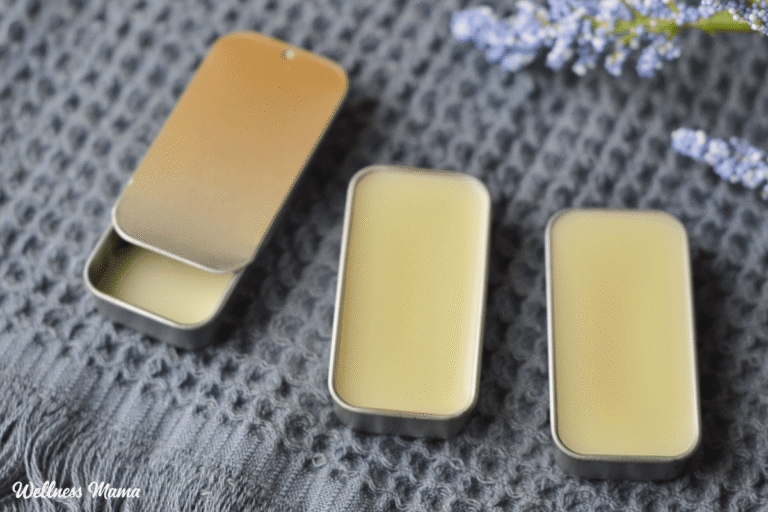
Typical lip balm tubes hold just a little less than 1 teaspoon. This recipe will fill about 10 lip balm tubes, but you can increase or decrease the amount as desired. I used metal lip slide tins and this recipe yielded 5 of those.

More Lip Recipes

If you’re on a roll and feel like making more DIY lip recipes, here are a few of my favorites.

Are you a lip balm fan? What are some of your favorite flavors or scents to use? Leave a comment and let us know!

Picking Blackberries: How and When to Harvest

It’s best to pick the fruit in the early morning when the temperature is cool and the berries are plump with moisture. During the fruiting season, you’ll want to go out to pick at least once a week until the fruit is depleted for the season.

How to Harvest

Unless you’re growing a thornless variety, you’ll need a pair of good garden gloves to pick these. Things will get prickly!

The berries should come right off the plant when they’re plucked. Unlike raspberries, the core of the berry should remain intact when you harvest, rather than being left behind on the plant.

A close up vertical image of a child picking blackberries from a bush.

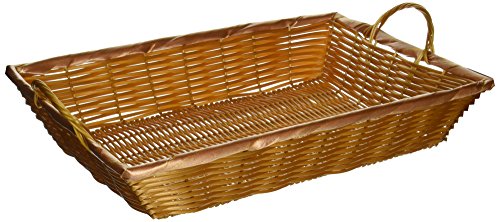
When harvesting, lay the berries gently in a flat-bottomed basket or shallow container – this will keep them from being bruised under the weight of other berries, and will help prolong the storage life of your fruit.

Something like this 16-inch woven basket by Winco that’s available on Amazon will do nicely. The fruits are very delicate and damage easily, so handle with care.

Winco Woven Basket

While you’re harvesting, remember to reward yourself for your hard work with a few fresh berries. They are so tasty right off the cane!

Storing and Preservation

Here’s the bad news: this fruit is highly perishable and needs to be enjoyed or preserved within three to six days after harvesting. Refrain from washing your berries until you are ready to eat or cook them, to prevent rot.

Refrigeration

You’ll want to place your fresh berries in the refrigerator in a shallow container until you’re ready to use them.

Cover your container with either a paper towel or plastic wrap with holes for ventilation.

Freezing

There is a special technique used to freeze and store blackberries. In fact, you can use this technique to freeze your blueberries too.

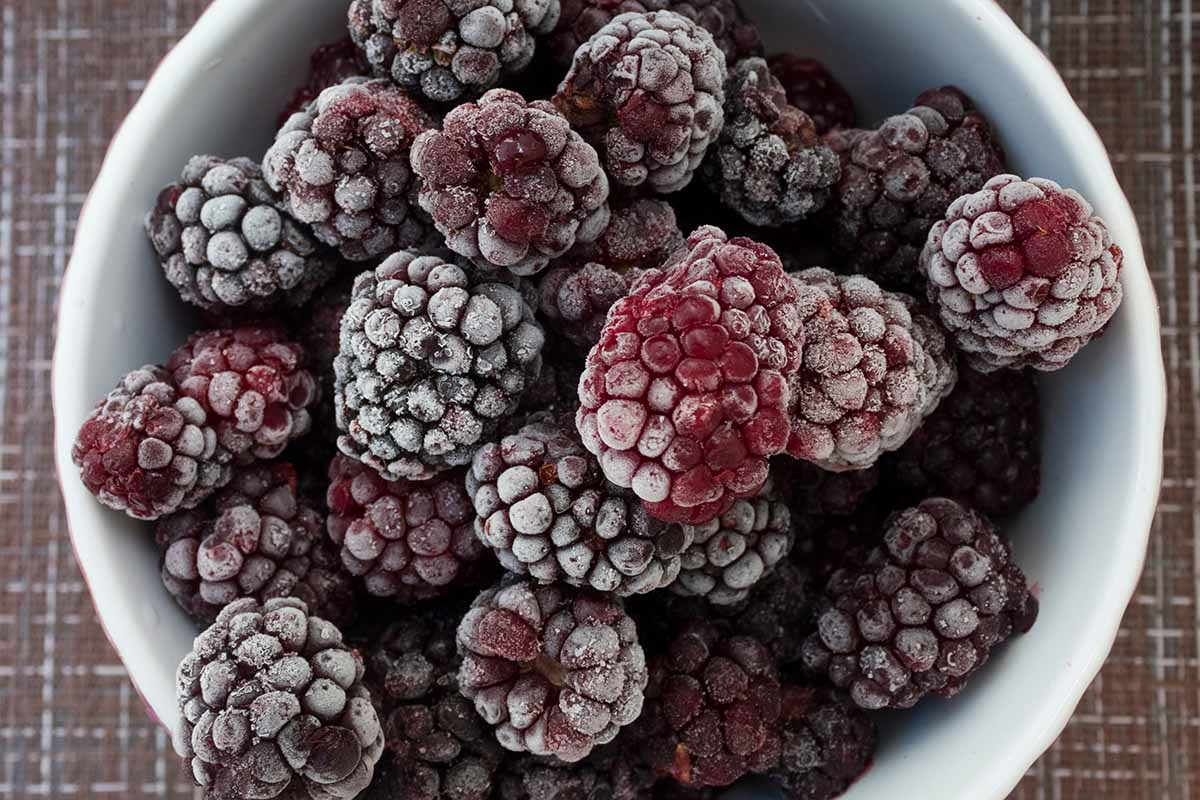
A close up horizontal image of a white bowl filled with frozen berries.A close up horizontal image of a white bowl filled with frozen berries.

Following these steps will help to keep them from forming a solid ball of frozen fruit in your freezer:

  1. Rinse and let them dry completely.
  2. Grab a cookie sheet, and simply spread your berries across it in a single layer.
  3. Place your cookie sheet in the freezer to freeze the berries individually – this makes it easier to take out only what you need in the future.
  4. Once they’re fully frozen, transfer to zip-top freezer bags, label, and store.

You can keep frozen berries for up to one year!

When thawed, the texture will be slightly mushy. Using the freezing method for storage is great for making recipes like pies, dessert casseroles, or smoothies.

You might also enjoy the selection of blackberry recipes that are available on our sister site, Foodal.

Canning

Canning is my absolute favorite way to preserve acidic fruits. If done correctly, canning your blackberries will give you delicious flavor for up to one year.

A close up horizontal image of glass canning jars and lids set on a wooden surface.A close up horizontal image of glass canning jars and lids set on a wooden surface.

This fruit holds up surprisingly well to canning and can be used in baking, or as a topping for your morning cereal or yogurt.

Cold Noodle Salad Recipe With Peanut Sauce


Cold Noodle Salad Recipe With Peanut Sauce


Privacy & Cookies Policy

PSA tests to screen for prostate cancer. What age makes sense to get one? : Shots

0

A blood test called a PSA can help screen men for prostate cancer but it can also lead to unnecessary treatment.

miodrag ignjatovic/E+/Getty Images


hide caption

toggle caption

miodrag ignjatovic/E+/Getty Images

News that former President Joseph Biden has advanced prostate cancer has revived long-standing questions about the benefits versus the harms of a blood test that screens for the most commonly diagnosed cancer among men in the U.S.

Prostate-specific antigen, or PSA, screening tests are an imperfect tool for detecting prostate cancer, doctors and public health experts say.

Part of the problem is identifying and treating aggressive cancers like Biden’s while not unnecessarily treating men with slow-growing cancers unlikely to sicken them. Autopsies found the disease to be so widespread that more than one-third of white men and half of Black men in their 70s had prostate cancers that would never do any harm.

“PSA testing alone leaves a lot to be desired as a cancer screening test,” said radiation oncologist Dr. Brent Rose, an associate professor at the University of California, San Diego, School of Medicine.

The test measures the level of PSA, a protein produced by normal as well as malignant prostate gland cells, in the blood. Elevated PSA can be a marker for cancer. It also can signal a false positive or an inactive cancer, triggering a painful biopsy, and leading to overtreatment with punishing side effects, including impotence, incontinence and bowel dysfunction.

“PSA screening is beneficial,” Rose said. “There are risks, though, and so it is a personal decision whether or not to do PSA screening.”

The key is to target and treat aggressive cancers while waiting and watching cancers that might never become troublesome, Rose and other oncologists told NPR. Physicians have been walking this tightrope since they began regularly using PSA tests to screen for prostate cancer in healthy men in the 1990s. There is no other test that effectively screens for prostate cancer — the second deadliest cancer for American men, oncologists said.

A history of conflicting guidance

Attempts to balance the possible harms against the number of lives saved have led to two decades of fluctuating – and confusing – public health guidelines on PSA screening. In 2012, the U.S. Preventive Services Task Force advised against any screening, only to issue a watered-down recommendation in 2018 that men ages 55 to 69 discuss screening with their health care providers. Various physicians’ groups offer conflicting guidance for this age group.

In its advice to older men, however, the U.S. Preventive Services Task Force has been somewhat more consistent. In 2008, the independent panel of national experts recommended men 75 and older not be screened, and since 2018, the panel has advised against screening men 70 and older.

Biden, 82, apparently followed the guidance. He last had a PSA screening test in 2014, when he was 71 or 72 years old, a spokesman said.

For men between the ages of 55 and 69, the task force recommends talking to their health care providers about their preferences before deciding whether to get a PSA test. It classifies the recommendation as Grade C, which means it offers only a small benefit and insurers may not cover it.

Finding the time to have a conversation about a topic as complicated as the value of prostate-cancer screening can be challenging for most primary-care physicians, oncologists interviewed for this story said. And while some men might welcome what’s called “shared decision-making,” others find it agonizing. Still, the only advice for men for now is to talk the issue over carefully with their doctors.

The case for the PSA test

Dr. Alicia Morgans, a genitourinary medical oncologist at the Dana-Farber Cancer Institute in Boston, recognizes the problem and hopes that the task force will address it in new guidelines, which it is currently drafting. In August, she met with the volunteer panel in her role as chair of the medical advisory board for the advocacy group Zero Prostate Cancer.

Morgans believes the current guidance was based on a flawed clinical trial. It concluded that men screened with PSA tests were no less likely to die of prostate cancer than men assigned to a group that was not screened. But the results were muddied because nearly 90% of the men in the control group had at least one PSA test before or during the trial, she said.

Morgans would like to see the recommendation beefed up so more men get screened for prostate cancer and Black men and men with a family history, who are more vulnerable get screened earlier.

“I take care of people who have very advanced prostate cancer, as well as some people who have curable prostate cancer,” she said, “so my perspective is really skewed by the fact that I really want to make that diagnosis when things are curable.”

So does Dr. Matthew Cooperberg, a urologic oncologist and a professor at the University of California, San Francisco. He has pushed to rename early-stage prostate cancer in part to ease the stress of a cancer diagnosis. One possible name, “acinar neoplasm,” describes an abnormal growth but one lacking the potential to spread or kill. Cooperberg also advocates monitoring men with elevated PSAs before rushing to biopsy their prostates.

“Men should get PSA testing in midlife with the goal of finding aggressive prostate cancer,” he said. “If we find low-grade disease along the way, whether or not we call it cancer, we should not treat it. We just monitor it with active surveillance. If we do that, we can erase this cancer.”

A new approach to prostate cancer screening emerges

Dr. Tyler Seibert, a radiation oncologist and associate professor at the University of California, San Diego, is not as optimistic about eliminating prostate cancer. But he too is dedicated to finding ways to identify the bad prostate cancers and treating only them.

When doctors first began doing PSA screening tests, he said, “there was a flawed assumption that was implicit that if you find any kind of prostate cancer, you must treat that kind of prostate cancer aggressively,” he said. “Many of them would never have harmed the patient.”

A new era in prostate-cancer screening has arrived, Seibert believes. Today, instead of men immediately having their prostates biopsied when they get an elevated PSA test, he and an increasing number of prostate-cancer specialists recommend first getting an MRI and, when possible, watching and waiting.

“For these patients with low-risk prostate cancer, we have really strong evidence that we can follow them closely, and they basically can just carry on with their life,” he said.

Not everyone is comfortable with getting periodic blood tests to see if their PSA might be rising and they might indeed need cancer treatment, Seibert acknowledged. But most of his patients do become comfortable with the protocol, he said.

“Every time you get that blood test, you’re kind of a little bit nervous,” he said. “If you can tolerate that, and you don’t think that it’s going to be causing you too much anxiety, then screening makes a lot of sense.”

Ronnie Cohen is freelance health journalist based in the San Francisco Bay Area.