

Price: $119.90
(as of Feb 16, 2026 08:12:22 UTC – Details)
Thank you for viewing Serious Steel Resistance Bands. Please use our information and images above to select the best band for your fitness and exercise needs. Still not sure which band is best for you? Email us at Serious Steel Fitness and we will do our best to help you select the right size. Using bands for PULL-UPS? These bands are going to give you that extra amount of assistance to get you started completing pull-ups or will help you get that extra repetition you have been looking for. Using bands for RESISTANCE TRAINING? Serious Steel bands are easy to take anywhere for a workout anytime. With six different resistance levels, you are sure to find the ideal band for your exercise needs. Bands help stimulate and optimize your muscles with eccentric and concentric tension that is always changing. The kinetic energy generated using bands helps stimulate and strengthen the stabilizing muscles that are necessary for healthy joint function. Give the bands a try. If you are not happy with the product, don’t’ worry. We offer a 60-DAY RETURN POLICY. All orders come with a FREE Pull-up and Starter Band e-Guide*
Sale is for our Complete Band Set (6 bands) – This set includes: #0 (2 lb. – 15 lb.), #1 (5 lb. – 35 lb.), #2 (10 lb. – 50 lb), #3 (25 lb. – 80 lb.), #4 (50 lb. – 120 lb.), & #5 (60 lb. – 150 lb.) bands.
Bands #0, #1, #2, #3 is best for general conditioning, rehabilitation, stretching, jumping, speed training, aerobics, and for lifters as assistance for the upper body to increase the resistance for bicep and triceps. Either band is great for beginners and light weightlifters.
Large bands (#4, #5) are usually used for obtaining maximum resistance with squats, deadlifts, leg presses and shrugs. All bands can be used to safely increase the intensity of a workout without adding additional weights to a bar. For the stronger lifter, they will add considerable resistance to bicep and tricep exercises. Bands #3 & #4 can be used by stronger benchers, and with exercises involving the lower body, calves, quads, hamstring and glutes.
Six sizes of bands for any use for any exercise. #0 Band 2.5 mm. 2-15 lbs, #1 Band 1/2″ x 4.5mm (5-35 lbs.), #2 Band 13/16″ x 4.5 mm (10-50 lbs.), #3 Band 1.125″ x 4.5 mm (25-80 lbs.), #4 Band 1.75″ x 4.5 mm (50-120 lbs.), #5 Band 2.5″ x 4.5 mm (60-150 lbs.)
Bands are 100% Natural Latex and are over 99.9% free of soluble proteins (latex allergens). If you have a sensitivity to latex, purchase and use this product with caution. Does not include colored storage rubber bands.
Serious Steel 41″ Assisted Pull-up Band, Heavy Duty Resistance Band Sets, Stretching, Powerlifting, Resistance Training and Pull Up Assistance Bands

How to Identify and Manage 11 Common Bean Diseases
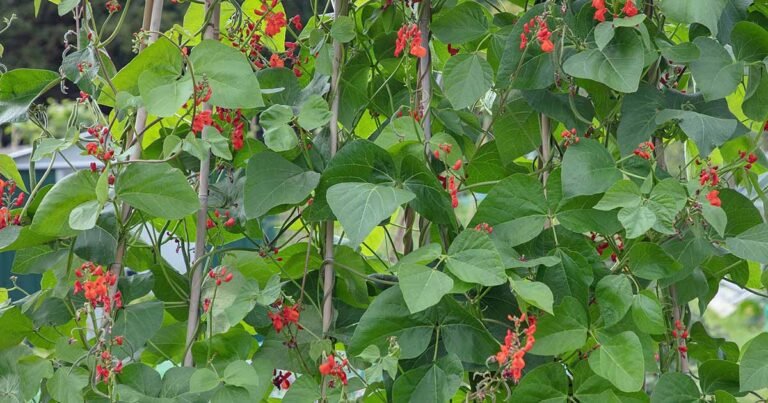
4. Bacterial Brown Spot
Bacterial brown spot, caused by Pseudomonas syringae pv. syringae, thrives in warm, wet weather between 80 and 85°F.
The bacteria survive in crop residue, weeds, and contaminated seed, spreading via splashing rain and wind.

Infected beans develop small, circular brown lesions surrounded by yellow tissue. The centers often fall out, creating a shot-hole appearance.
Pods develop water-soaked spots that turn brown and sunken, sometimes causing the pod to twist or bend.
Use certified disease-free seed and rotate beans with non-legumes for two to three years. Bury crop debris after harvest and control nearby weeds.
For infected crops, you can salvage your yields by using copper-based bactericides 40 days after the plants emerge, then additional applications every seven to 10 days.
5. Bean Rust
Bean rust, caused by the fungus Uromyces appendiculatus, produces raised, reddish-brown pustules surrounded by yellow halos on leaves and pods.
The pustules contain powdery spores that give infected bean foliage a rusty appearance. Severe infections cause leaves to die and drop, significantly reducing yields.

The fungus overwinters in plant debris and spreads by wind. It thrives in moderate temperatures between 68 and 77°F with high humidity or moisture.
Rotate beans with non-leguminous crops and remove debris immediately after harvest.
Remove volunteers and avoid overhead watering that keeps leaves wet for extended periods. Grow resistant varieties when available.
For severe infections, apply fungicides before the disease spreads throughout the garden.
6. Black Root Rot
Caused by the fungus Thielaviopsis basicola (syn. Berkeleyomyces spp.), black root rot affects a wide variety of flora. The pathogen produces spores that persist in soil for several years.
Spores germinate in wet conditions at temperatures between 55 and 70°F, particularly when the soil pH is neutral to alkaline.

Roots develop elongated red lesions that turn black as spores form.
Entire roots can turn black, and infected bean plants become chlorotic, stunted, and wilted. Leaves may drop and may collapse.
Black root rot is tough to control, so prevention is much more effective than management.
Fungicides can be used at the first sign of disease, and insect vectors such as fungus gnats and shore flies should be controlled.
If any crops become diseased, they should be removed and destroyed.
7. Bean Mosaic Virus
Bean common mosaic virus (BCMV) and bean common mosaic necrosis virus (BCMNV) spread through infected seed and aphid vectors. BCMV is more common than BCMNV.

BCMV causes stunted growth, reduced yields, and distorted leaves with mosaic patterns of light green, dark green, and yellow patches.
Plants with the dominant I resistance gene are protected from BCMV but become hypersensitive to BCMNV.
When these resistant varieties encounter BCMNV, they develop small reddish-brown spots on shoots, followed by tissue death that spreads through leaves and stems, eventually killing the entire plant.
Plants without the I gene infected with BCMV simply develop standard mosaic symptoms.
Use certified, disease-free seed and grow resistant varieties. Control aphids to reduce virus spread. Remove and destroy infected plants immediately.
8. Damping Off
Caused by pathogens such as Pythium, Rhizoctonia, and Thielaviopsis, damping off is a disease that severely weakens seedlings.
They develop water-soaked lesions, rot, and collapse. The soil-borne pathogens are primarily an active threat in cool, wet weather.
Manual for Pharmacy Technicians, 5th Edition

Price: $55.04
(as of Feb 15, 2026 20:10:54 UTC – Details)
The role of pharmacy technicians is rapidly expanding, and demand for well-trained technicians has never been higher!
Technicians are assuming more responsibilities and are taking on greater leadership roles. Quality training material is increasingly important for new technicians entering the field, and current technicians looking to advance.
Look no further than the new 5th edition of the best-selling Manual for Pharmacy Technicians to master the practical skills and gain the foundational knowledge all technicians need to be successful.
Complete your technician training with these resources:
Workbook for the Manual for Pharmacy TechniciansPharmacy Technician Certification Review and Practice Exam
Publisher : American Society of Health-System Pharmacists
Publication date : May 14, 2019
Edition : 5th
Language : English
Print length : 720 pages
ISBN-10 : 1585285013
ISBN-13 : 978-1585285013
Item Weight : 3.75 pounds
Dimensions : 11 x 8.5 x 1 inches
Best Sellers Rank: #354,421 in Books (See Top 100 in Books) #26 in Pharmacy (Books) #55 in Pharmacies #1,244 in Basic Medical Sciences
Customer Reviews: 4.7 4.7 out of 5 stars (110) var dpAcrHasRegisteredArcLinkClickAction; P.when(‘A’, ‘ready’).execute(function(A) { if (dpAcrHasRegisteredArcLinkClickAction !== true) { dpAcrHasRegisteredArcLinkClickAction = true; A.declarative( ‘acrLink-click-metrics’, ‘click’, { “allowLinkDefault”: true }, function (event) { if (window.ue) { ue.count(“acrLinkClickCount”, (ue.count(“acrLinkClickCount”) || 0) + 1); } } ); } }); P.when(‘A’, ‘cf’).execute(function(A) { A.declarative(‘acrStarsLink-click-metrics’, ‘click’, { “allowLinkDefault” : true }, function(event){ if(window.ue) { ue.count(“acrStarsLinkWithPopoverClickCount”, (ue.count(“acrStarsLinkWithPopoverClickCount”) || 0) + 1); } }); });
The Price of Health: The Modern Pharmaceutical Enterprise and the Betrayal of a History of Care

Price: $28.95 - $23.24
(as of Feb 15, 2026 08:08:11 UTC – Details)
From “pharma bros” to everday household budgets, just how did the pharmaceutical industry betray its own history—and how can it return to its tradition of care?
It’s an unfortunate and life-threatening fact: one in five Americans has skipped vital prescriptions simply because of the cost. These choices are being made even though we have reached a point in the conveyance of medical options where cancers can be cured and sight restored for those blinded by rare genetic disorders. How, in this time of such advancements, did we reach a point, where people cannot afford the very things that could save their lives?
As the COVID-19 global pandemic has pointed out, we need the leadership of scientists, researchers, public health officials and lawmakers alike to guide us through not only in times of a global health crisis, but also during far more mundane times. For the first time in decades, people from all walks of life face the same need for medicine. It is time to discuss the tough questions about drug pricing in an open, honest and, hopefully, transparent manner.
But first we must understand how we, as a society, got here. Medicines are arguably the most highly regulated—and cost-inflated—products in the United States. The discovery, development, manufacturing and distribution of medicines is carried out by an ever more complex and crowded set of industries, each playing a part in a larger “pharmaceutical enterprise” seeking to maximize profits. But this was not always the case.
The Price of Health is the reveals the story of how the pharmaceutical enterprise took shape and led to the present crisis. The reputation of the pharmaceutical industry is suffering from self-inflicted wounds and its continued viability, indeed survival, is increasingly questioned. Yet the drug makers do not shoulder all the blame or responsibility for the current price crisis. Deeply researched, The Price of Health gives us hope as to how we can still right the ship, even amidst the roiling storm of a global pandemic.
How have medicines have been made and distributed to consumers throughout the years? What sea of changes that have contributed to rising costs? Some individuals, actions, and systems will be familiar, others may surprise. Yet the combined implications of these actions for will be surprising and at times shocking to both industry professionals and average Americans alike.
Like so much else in human history, the history of the pharmaceutical enterprise is populated mostly by well-intended and even noble individuals and organizations. Each contributed to the formation or maintenance of structures meant to improve the quality and quantity of life through the development and distribution of medicines. And yet systems originally created to do good have often been subverted in ways contrary to the motivations of their creators. Only by understanding this disconnect can we better tackle the underlying problems of the industry head on, preventing foreseeable, and thus avoidable, medical calamities to come.
Publisher : Pegasus Books
Publication date : April 6, 2021
Language : English
Print length : 336 pages
ISBN-10 : 1643136801
ISBN-13 : 978-1643136806
Item Weight : 1.2 pounds
Dimensions : 6 x 1.4 x 9 inches
Best Sellers Rank: #757,668 in Books (See Top 100 in Books) #72 in Pharmaceutical & Biotechnology Industry (Books) #282 in Pharmacies #403 in Public Health Administration
Customer Reviews: 4.7 4.7 out of 5 stars (9) var dpAcrHasRegisteredArcLinkClickAction; P.when(‘A’, ‘ready’).execute(function(A) { if (dpAcrHasRegisteredArcLinkClickAction !== true) { dpAcrHasRegisteredArcLinkClickAction = true; A.declarative( ‘acrLink-click-metrics’, ‘click’, { “allowLinkDefault”: true }, function (event) { if (window.ue) { ue.count(“acrLinkClickCount”, (ue.count(“acrLinkClickCount”) || 0) + 1); } } ); } }); P.when(‘A’, ‘cf’).execute(function(A) { A.declarative(‘acrStarsLink-click-metrics’, ‘click’, { “allowLinkDefault” : true }, function(event){ if(window.ue) { ue.count(“acrStarsLinkWithPopoverClickCount”, (ue.count(“acrStarsLinkWithPopoverClickCount”) || 0) + 1); } }); });
Identifying and Managing Emerald Ash Borers in the Mountain West
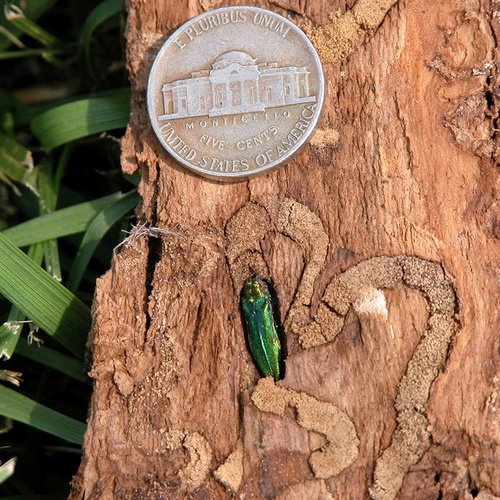
Here in the West, the ash (Fraxinus spp.) has long been a first-choice tree due to its dependable constitution. Today, ash comprise between 20 and 25% of the urban canopy by square foot in Fort Collins, where I live and garden. The arrival of the emerald ash borer (EAB) is certain to change that. An invasive pest, the beetle’s young feed on the living layers beneath the bark of ash trees, girdling the trees and cutting off the flow of water and nutrients between their roots and canopies. Perhaps the most concerning aspect of the spread of this pest is the mortality rate for trees it infests; nearly 100% of the ash typically used in the West are dead within several years of infestation. In large part that’s because the ash we use widely, including green ash (Fraxinus pennsylvanica, Zones 3–9) and white ash (F. americana, Zones 3–9) have no natural defenses against the pest, which evolved feeding on species of Asian ash that do bear natural resistance.
How EAB is spreading west
EAB has been gradually working its way across the country for the last 20 or so years since it arrived in the Upper Midwest in the early 2000s, likely as a hitchhiker in shipped wood or pallets. The weak-flying adults are a primary means of its spread there, where a patchwork of woods rich in ash trees provides the ideal conditions for this pest to cover a lot of ground. In the West, the nearly treeless Great Plains stopped its spread for years. As far as the beetle is concerned, the West itself is more or less an archipelago of treed towns separated by unnavigable food deserts. The pest is more likely to arrive in ash wood products and firewood bundles moved from one town to another. Sadly, for us, this means that though EAB won’t spread far on its own in the West, its presence in your city is only one firewood bundle away.

So far in the West, the EAB has established itself up and down the Colorado Front Range Urban corridor, the Grand Junction, (Colorado) area, and in the Portland, Oregon, area. For a detailed map of its spread by APHIS/the USDA, see here: EAB Infestation Map. The brilliant metallic-green adult beetles typically only fly a half mile or less from their host tree, meaning that if left to its own devices, the pest takes years to make its way across a city after establishment.
EAB was first detected in my region in Boulder, Colorado, in 2013 and took around seven years to cover the 60 miles to Fort Collins, likely in firewood driven between the two cities. It then took five years to cover the final three and a half miles to my street, more likely by natural flight. Finally, last summer, my shady and relatively pleasant three-block walk to the grocery store was turned into an overheated slog through what suddenly felt like a concrete jungle after around half a dozen mature ash were cut down along the route due to EAB infestations. The trees had looked just fine the summer prior, though it’s likely the pest had been in the trees for more than a year.
Symptoms of an EAB invasion

Obvious symptoms on the trees were similar to but more extreme than symptoms caused by other borers:
- Branch or twig dieback
- Reduced vigor
- Leafing out late in spring (some with tiny leaves)
- Patchy to widespread dieback in tree canopies
- Exit holes in the bark (especially up and down the trunk) where the beetles emerge after maturing
There are two signs to look out for that distinguish the EAB from other ash borers in the region, like the native and not especially harmful lilac/ash borer:
- Exit holes will have a distinctive “D” shape (⅛-inch diameter, flat on one side, and otherwise rounded)
- Widespread twig death that occurs over the entire canopy simultaneously; it can be gradual or sudden
Lilac/ash borer is already widespread across our region. It routinely causes minor or moderate twig and branch dieback on mature ash and leaves round O-shaped exit holes. It rarely causes the severe, widespread canopy damage seen with EAB and is more harmful to stressed trees. EAB successfully invades and kills virtually all American ash, even healthy, mature specimens.
Extreme weather events, like cold snaps or drought, can also cause canopy death in ash, but typically in such cases the damage is self-limiting rather than worsening with time. There also isn’t the profusion of growth from the interior of the tree crown that is associated with borers. If you see trees in your area that show damage consistent with EAB’s feeding, check in with your local county extension office. If it is in your yard, consult with a professional arborist for a diagnosis.
EAB Management
Treatment

So far, the only effective treatment for EAB is systemic insecticides. In the cases of mature specimen ash, sentimental trees, or those that provide significant benefit for your home (like a shade tree on the west side of your house), their use is often warranted. That being said, treatments aren’t cheap if done professionally, do carry some harm to nontarget insects, and must be carried out on a rolling, three-year basis to remain effective. While some smaller ash can be treated by the homeowner, I personally wouldn’t do so. The insecticide is typically applied as a soil drench, carrying greater risks to both the applicator and environment. Also, it is less effective than professional trunk injections so must be done more frequently.
Removal
In the case of young trees, those with less value to your property, or those that could be done without, removal is typically a more sustainable option—both environmentally and fiscally. Removing trees killed by this pest is often more expensive than removing healthy ones, due to dead and dying wood becoming brittle and the need to properly chip or dispose of infested wood—therefore, early removal can save money.
Replacement

If treating sounds unappealing but removal would be detrimental to your property, consider shadow planting a replacement tree. The concept is to use your mature tree as a shelter for an establishing sapling; once the mature tree starts to fail and is removed, the sapling will be fully established and grow in more quickly than one planted in full sun after the ash is removed. To do this, find a suitable replacement tree and plant the sapling far enough from your ash tree’s trunk so that removal will remain safe and as easy as possible when the time comes. A 15-foot distance between the two is a good minimum.
If removal and replacement or shadow planting is on the table, below is a quick list of shade trees adapted to our region that can make good ash replacements; all are durable and adaptable, each with its own strengths and weaknesses:
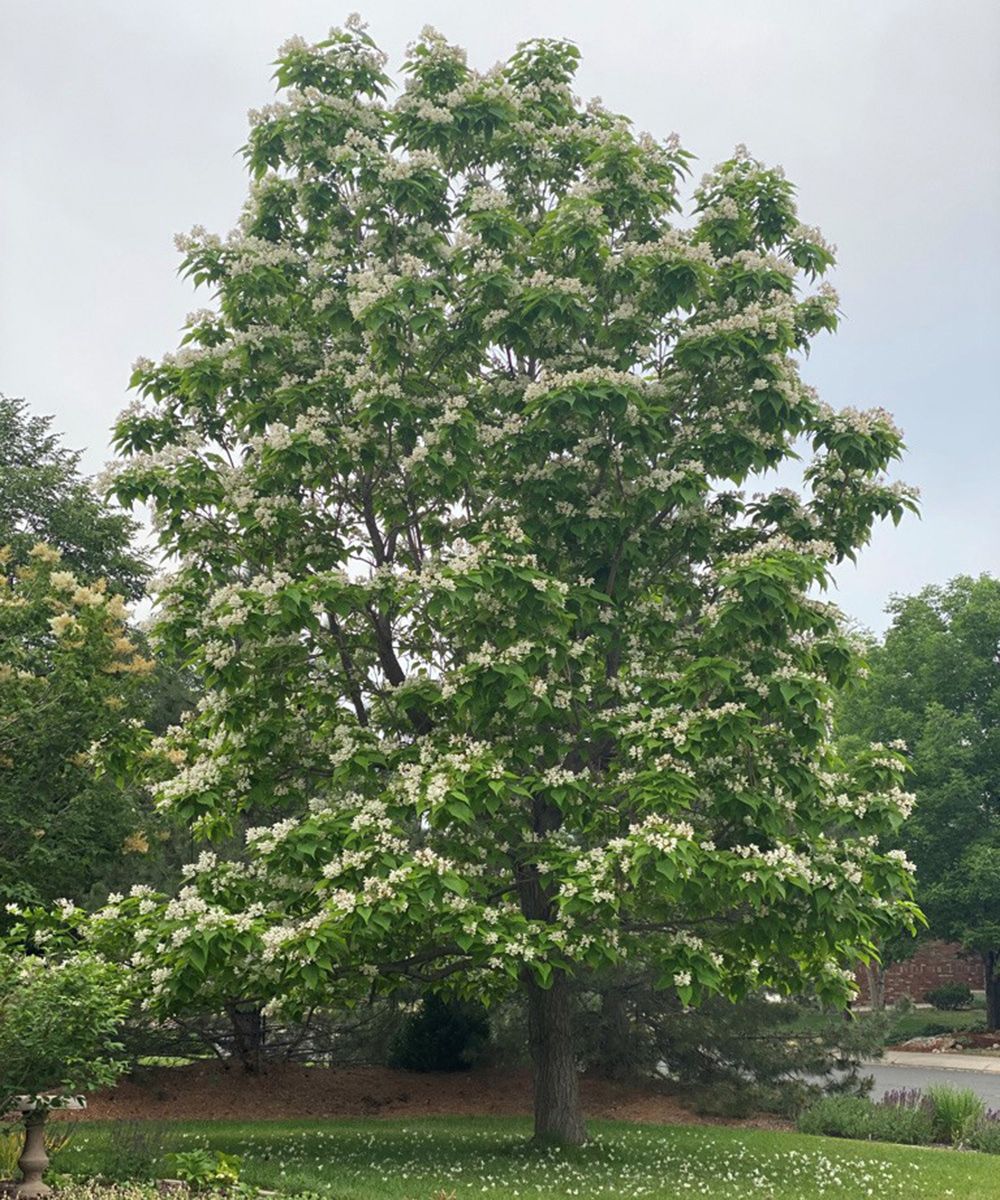
- Northern catalpa (Catalpa speciosa, Zones 4–8) is an easygoing and unique-looking shade tree with massive leaves, handsome clusters of throated white flowers in early summer, and unusual, foot-long, bean-pod-like seedpods.
- Netleaf hackberry (Celtis reticulata, Zones 4–9) is a superb wildlife tree, very adaptable, and quite drought tolerant. It is a “no frills” option that is among the toughest and best for wildlife on this list.
- Ginkgo (Ginkgo biloba, Zones 3–8) has a unique leaf and form, good fall color, and a shape that is usually narrower than other options on this list.
- Honey locust (Gleditsia triacanthos, Zones 3–8) is adaptable and drought tolerant, and has good fall color. There are some problems with canker in locales where these trees are stressed by extreme heat or drought on the Colorado Front Range in recent years.
- Kentucky coffeetree (Gymnocladus dioicus, Zones 3–8) is adaptable and drought tolerant, but some forms drop large seedpods. Look for seedless (male) types, like Espresso™.
- Plains cottonwood (Populus deltoides, Zones 3–9) is an adaptable and drought-tolerant wildlife tree, though only suitable for large lots and away from buildings due to brittle, rot-prone wood. However, resulting holes and snarls make great homes for birds and critters.
- Gambel oak (Quercus gambelii, Zones 4–8) is adaptable, drought tolerant, and has a huge variety of growth habits ranging from running shrubs to single-trunk trees. Look for those known to retain tree form, like Gila Monster™.

- Bur oak (Q. macrocarpa, Zones 3–8) is a particularly large tree that is adaptable and drought tolerant once established.
- Chinkapin oak (Q. muehlenbergii, Zones 5–7) is adaptable and drought tolerant, with some forms featuring deep, rusty red fall color.
- Shumard’s oak (Q. shumardii, Zones 5–9) is adaptable and handsome but not quite as drought tolerant as other oaks mentioned.
- Japanese pagoda/scholar tree (Styphnolobium japonicum, Zones 4–8) is an unusual summer-flowering tree (hanging clusters of cream blooms) with elegant, compound leaves that give an airy feel but can be messy due to dropped pods in summer.
- Bald cypress (Taxodium distichum, Zones 4–9) is a deciduous conifer that is more drought tolerant and adaptable than its origins in swamps may suggest but still loves soils of moderate or greater moisture. It has proven itself attractive and dependable in irrigated landscapes around Fort Collins and some other parts of the Colorado Front Range. Consider it worth trying but not entirely proven in other areas in the West.
- David elm (Ulmus davidiana, Zones 5–8) is a particularly tough elm resistant to both Dutch elm disease and elm scale (the cause of the sticky coating and black, sooty mold on everything below some elms). This tree is quite adaptable and reliable with irrigation and attains a great size.
Final thoughts
While emerald ash borer is already proving catastrophic for some places in the West, it may not reach others for years. So, having an ash in your yard now doesn’t necessarily require action if the pest hasn’t arrived in your area. If you’re in a situation like mine, with active infestations in your area and an ash-heavy tree canopy, action is warranted sooner than later. Currently, I counsel friends and family in my area to remove or shadow plant under most ash in advance of infestation, saving and professionally treating those of unique value (shade for home, sentimental, or otherwise), and replacing those removed with a lesser-used but reliable shade tree. At least an opportunity to grow a new-to-you tree is a small silver lining. With time, it’s likely that the West will replant its urban canopies to avoid more damage by these beetles. It is also possible the ash will return to our canopies, thanks to genetic work by plant breeders and scientists alike, similar to the increasingly likely return of the American chestnut (Castanea dentata, Zones 4–8) through comparable means after the chestnut blight epidemic.
Learn more about managing tree pests and diseases:
Discuss this article or ask gardening questions with a regional gardening expert on the Gardening Answers forum.
And for more Mountain West regional reports, click here.
Bryan Fischer lives and gardens at the intersection of the Great Plains and the Rockies. He is a horticulturist and the curator of plant collections for a local botanic garden.
Fine Gardening Recommended Products

Corona AG 4930 Long Straight Snip, Tempered Steel
Fine Gardening receives a commission for items purchased through links on this site, including Amazon Associates and other affiliate advertising programs.
Long, straight, pointed blade for a wide range of applications. Fully heat-treated steel blades for strength. Blades, spring, and handle coated to prevent rust. Unobtrusive leather strap lock.

Spear & Jackson 4930FZ Razorsharp Telescopic Tree Pruner
Fine Gardening receives a commission for items purchased through links on this site, including Amazon Associates and other affiliate advertising programs.
Telescopic tree pruner with SK5 carbon steel blade which stays sharper for longer. Variable length telescopic handle extends up to 92 Inch (2340mm). Lopper for cutting branches up to 1.2″ (30mm). 13 inch (330mm) saw is ideal for cutting thicker branches. Supplied with a long cord and pull-action handle. Part of the Razorsharp Advantage collection, the obvious choice for gardeners who demand and expect precise, powerful performance. “Grow Your Own” Great British Growing 2020 Award Winners.
Appreciation Gifts for Pharmacy Technicians, National Pharmacy Technician Day Gifts, Gifts for Pharmacy Healthcare Workers, Pharmacies Team Desk Decor Sign Plaque VA33

Price: $14.86 - $9.99
(as of Feb 14, 2026 20:06:36 UTC – Details)
Product description


Features pharmacy-related words highlighting precision, focus, and healthcare service.
Great for celebrating National Pharmacy Technician Day or team appreciation moments.
Combines an acrylic front and distressed wooden base for professional display.
Compact and clean: Measuring 4.9 x 4.2 x 0.4 inches, great for shelves, counters or desktops.
Encourages workplace recognition and enhances pharmacy counter décor.
19 Herbs to Plant in Spring – Best Picks for Beginners
For me, gardening is about creating an ecosystem in your backyard that works with nature, not against it—healthy soil, thriving plants, and space for beneficial insects to do their thing.
As the spring is around the corner, it’s time to get your gardening arsenal ready to plant ornamentals, veggies and herbs.
While perennials attract beneficial pollinators, veggies turn your space into a source of fresh food, and herbs add fragrance, flavor, and even natural pest control.
You can grow herbs almost anywhere, but the magic happens when you slip them between flowers and veggies.
The strong aroma of some herbs can help deter pests. At the same time, their flowers attract pollinators and beneficial insects, which means your garden begins to support and protect itself in the most natural way.
In this write-up I’ll share a list of herbs that you can grow in spring.
Why is Spring the best time to plant herbs?
Spring provides the perfect environment for seed germination. The warm soil, longer days, and steady moisture give young seedlings a comfortable place to get started.
Instead of battling tough weather, herbs can put their energy into growing strong roots and plenty of leafy growth.
By the time summer rolls in, they’re settled, tougher, and ready for you to harvest again and again.
Starting in spring really does make the whole season feel easier and more rewarding.
19 Best Herbs to Plant in Spring
You can grow them in pots, raised beds or along the path ways, they are beginner friendly, don’t ask for much space, and reward you quickly with flavor, fragrance, and flowers for pollinators.
Plant them now, and you’ll be harvesting fresh snips sooner than you think.
1. Basil
Basil is a warm-loving herb, and spring is the perfect time to plant it once frost is no longer a risk. As the days get brighter and temperatures rise, it begins to grow quickly. Place it somewhere that gets plenty of sunlight and protection from strong winds, and it will reward you with lots of fresh leaves.
Basil grows best in soil that is rich and drains well. Adding compost before planting helps the plant get a strong start. The roots like moisture, but they do not like sitting in wet, heavy soil.
Water your basil regularly so the soil stays slightly damp, especially when the weather gets warmer. Pinch off the tips to help the plant grow fuller and produce more leaves. If you allow a few flowers to grow, they can attract bees while you still harvest plenty for cooking.
2. Mint

Mint is one of the easiest herbs you can grow, and it quickly fills the air with a fresh, cool scent. Plant it in spring and it will settle in fast, sending up new leaves almost right away. It grows happily in beds, but many gardeners prefer containers because it loves to spread.
This herb does well in ordinary garden soil as long as it drains reasonably well. You don’t need anything fancy. A bit of compost mixed in at planting time will help it grow thicker and greener.
Mint likes steady moisture, so water when the top of the soil starts to feel dry. Trim it often to keep the plant bushy and prevent it from getting too tall or leggy. The more you cut, the more it grows, which means plenty for teas, cooking, and garnishes.
3. Thyme

Think of thyme as the low-maintenance friend in the garden. Plant it in spring, give it sunshine, and it mostly takes care of itself. It stays small, smells wonderful when you brush past it, and works beautifully along edges or in rock gardens.
- Weather: Likes mild spring temperatures and lots of sun.
- Soil: Must drain well; sandy or slightly dry soil is perfect.
- Water: Light watering is enough. Too much can harm the roots.
Once it’s growing, snip what you need for cooking and let some flowers appear for the bees.
Also Read: 27 Herbs to Feed Chickens to Keep them Healthy
4. Parsley

Parsley grows best in the cool, mild weather of spring. It enjoys a spot with full sun or light shade and appreciates temperatures that are not too hot. These comfortable conditions help the plant produce steady, healthy leaf growth.
This herb prefers soil that stays slightly moist but not waterlogged. Mixing in compost at planting time will help it grow fuller and stronger over the season.
Water when the top of the soil feels dry. When harvesting, cut the outer stems first and let the center continue to grow. Regular picking encourages the plant to keep making new leaves.
5. Cilantro

Cilantro prefers the cool weather of spring and grows best before temperatures become too hot. Give it a sunny spot or light shade, and it will grow quickly and produce plenty of fresh leaves.
It likes soil that drains well but still holds some moisture. Mixing compost into the bed before planting will help the plant stay healthy and leafy.
Water whenever the top of the soil begins to dry. Harvest by cutting the outer leaves first. If the weather gets hot, the plant may flower and go to seed faster.
6. Rosemary

Rosemary enjoys mild spring weather and loves a bright, sunny location. It is a hardy herb that can handle dry air and will slowly grow into a strong, woody plant.
This herb needs soil that drains very well. Heavy or wet soil can damage the roots, so adding sand or planting in raised beds or pots often works best.
Water lightly and allow the soil to dry a bit between watering. Once the plant is established, you can snip sprigs whenever you need them. Regular trimming helps keep it neat and encourages new growth.
7. Chives

Chives are a hardy perennial herb that performs very well when planted in spring. They tolerate cool temperatures and resume active growth as soon as the soil begins to warm.
A location with full sun will produce the strongest plants, though partial shade is also acceptable.
They prefer fertile, well-drained soil enriched with organic matter. Consistent moisture supports tender leaf production, but the roots should never remain in standing water.
Regular cutting promotes continuous new growth. If allowed to bloom, the purple flowers are highly attractive to pollinators.
8. Dill

Dill is a fast-growing annual herb that establishes quickly in the mild conditions of spring.
It grows best in full sun and cooler temperatures, which help delay early flowering. Because of its height, a sheltered position can prevent stems from bending in strong winds.
The plant thrives in loose, well-draining soil. Overly rich soil may lead to weak stems, so moderate fertility is ideal.
Water regularly while seedlings are young, then reduce frequency as plants mature. Harvest leaves as needed, or allow the plant to flower to attract beneficial insects.
Also Read: 15 Herbs that You Can Grow in Water
9. Oregano

Oregano is a hardy perennial that establishes reliably when planted in spring. Mild temperatures allow roots to develop before the stress of summer heat. For the best flavor and dense growth, place it in a location that receives full sun.
It performs best in well-drained soil and does not require high fertility. Excess nutrients can reduce leaf intensity. Water moderately, allowing the surface to dry slightly between sessions. Regular trimming encourages branching, and flowering stems are valuable for pollinators.
10. Sage

Sage benefits from spring planting because cooler conditions help young plants develop sturdy structure and deep roots. A sunny site with good airflow supports healthy foliage and reduces disease problems.
The plant prefers lighter, well-draining soil and is sensitive to prolonged wetness. Water when the soil becomes dry rather than on a fixed schedule. Harvest leaves frequently and prune lightly to maintain shape and stimulate fresh growth.
11. Lemon balm

Plant lemon balm in spring and it won’t waste any time settling in. As the days warm, fresh green leaves begin to appear, each carrying a light citrus scent that makes brushing past the plant a small pleasure. It’s one of those herbs that quietly fills space and makes the garden feel alive.
Give it sun or partial shade and soil that drains well. Keep the ground lightly moist, trim it often, and it will keep producing soft, fragrant growth for months.
12. Fennel

Fennel steps into the spring garden with quick, feathery growth that soon starts to rise above nearby plants. Its airy leaves sway in the breeze, and before long, beneficial insects begin to visit. It brings movement, height, and a slightly sweet aroma to the space.
Plant it in a sunny spot with loose, well-drained soil. Water regularly while it is young, and harvest leaves or allow it to flower to welcome even more pollinators.
13. Chamomile

Chamomile is one of those gentle herbs that makes a garden feel calm the moment it starts to bloom. Plant it in spring and soon you’ll see cheerful, daisy-like flowers bobbing above soft foliage. It doesn’t just look pretty — it invites helpful insects and hints at cozy cups of tea in your future.
Give it a sunny spot and soil that drains well. Water when the ground feels dry, and pick flowers regularly to keep new ones coming.
14. Tarragon

Tarragon may not shout for attention, but once it’s in the garden, you’ll be glad it’s there. Spring planting gives it time to settle in and produce slender, flavorful leaves that chefs swear by. It brings quiet elegance and a slightly sweet aroma to beds and containers.
Plant it where it can enjoy plenty of sun and good drainage. Water moderately and trim sprigs often to encourage fresh, tender growth.
Check this: What to Plant in October – 21 Veggies, Herbs & Flowers
15. Bay laurel

Choose a sunny, sheltered spot and bay laurel will feel right at home. It can grow into a handsome shrub over time, and many gardeners like keeping it in a pot so it’s easy to move and manage. Planting in spring helps it settle before the weather turns extreme.
Use well-draining soil and avoid letting the roots stay wet. Water when the top layer dries out, and snip leaves as needed for cooking. Occasional trimming keeps the plant neat and encourages fresh growth.
16. Marjoram
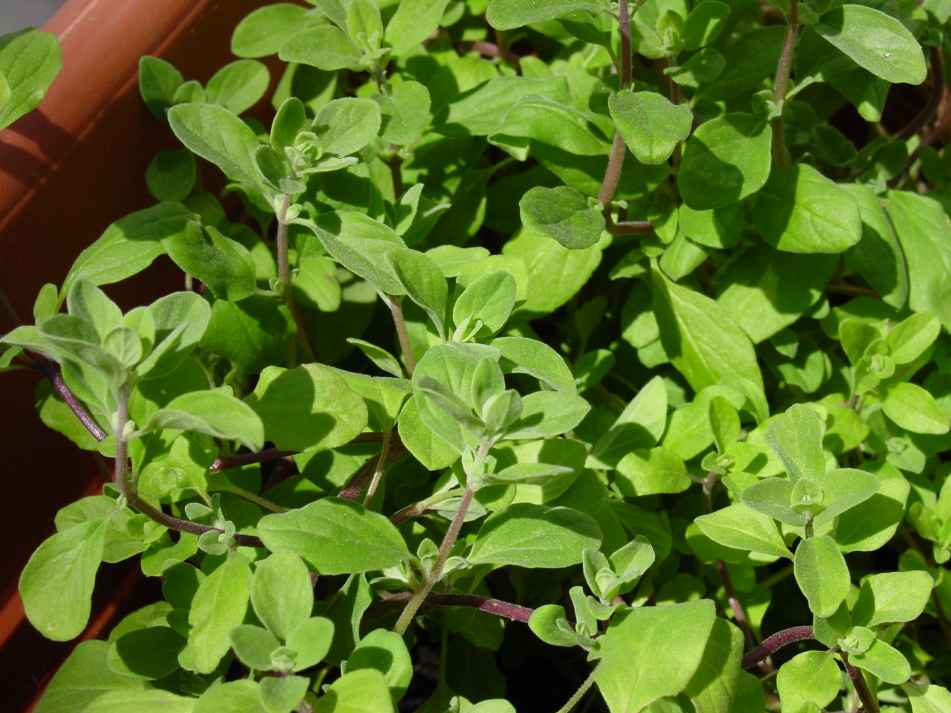
Give marjoram a warm, sunny place in the garden and it will happily spread into a soft, leafy mound. It’s perfect along borders, in raised beds, or tucked between vegetables. A spring start lets it grow steadily before summer heat arrives.
It prefers light, well-drained soil and doesn’t need heavy feeding. Water moderately, letting the surface dry a bit between sessions. Trim often, and you’ll keep getting tender, flavorful sprigs.
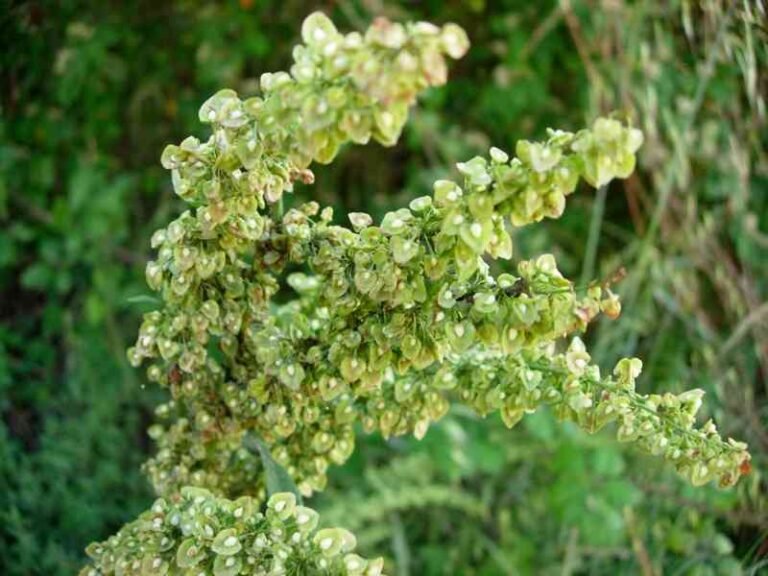
17. Sorrel

Plant sorrel in spring in a spot that gets sun or light shade. Give each plant a little room so the leaves can spread and grow comfortably. It settles in quickly once temperatures are cool and pleasant.
Sorrel prefers soil that drains well but stays slightly moist. Water when the surface begins to dry, and harvest the outer leaves first. Picking often encourages new growth, and younger leaves usually taste best.
18. Stevia

Plant stevia in late spring when days are warm and frost is no longer a concern. Choose a sunny location, either in the ground or in containers, where the plant can receive plenty of light.
It grows best in well-draining soil. Water regularly but avoid keeping the roots too wet. Pinch the tips from time to time to make the plant fuller and to increase leaf production.
19. Lavender

Lavender is one of the most renowned herbs in the garden, loved for its calming scent and beautiful purple blooms. Plant it in spring in a bright, sunny spot with plenty of open air, and it will slowly grow into a tough, reliable plant.
Lavender needs soil that drains very well. Sandy or slightly dry ground works better than rich, wet soil. Water lightly and let the soil dry between watering. Once established, it becomes quite drought tolerant.
Trim after flowering to keep the plant neat and encourage fresh growth. The blooms smell wonderful and are excellent for attracting bees and other pollinators.
Conclusion
Planting herbs in spring is one of the easiest ways to build a garden that looks good, tastes good, and works with nature. With mild temperatures and longer days, young plants establish faster and reward you with steady growth throughout the season.
Whether you tuck them between vegetables, line them along pathways, or grow them in containers near the kitchen, herbs bring fragrance, flavor, and life to every corner.
Add in their ability to welcome pollinators and help reduce pest problems, and they quickly become some of the hardest-working plants in your space.
Start small or plant them all — either way, your spring garden will thank you with fresh harvests and a healthier, more balanced backyard.

Khaja Moinuddin, a computer science graduate, finds joy in gardening and homesteading. Join him on this blog as he shares his experiences in homesteading, gardening, and composting
Happy National Pharmacy Week 2025 Banner – 70.87 x 45.3 Inch Polyester Banner for Pharmacy Week Decorations, Pharmacists Care Beyond Medications, Health Champions, Pharmacy Technician Appreciation, Medical Staff Celebration

Price: $9.99
(as of Feb 14, 2026 08:06:04 UTC – Details)
Celebrate National Pharmacy Week
National Pharmacy Week is the perfect time to honor the incredible work that pharmacists, pharmacy technicians, and medical staff do every day. This year’s theme, “Pharmacists: Care Beyond Medications, Health Champions”, emphasizes the crucial role pharmacists play in patient care and their dedication to health and wellness beyond simply dispensing medications. Our Happy National Pharmacy Week Banner is the perfect decoration for any pharmacy, hospital, clinic, or medical office to celebrate the contributions of pharmacists and their impact on the healthcare system.
Show Appreciation for Pharmacists and Pharmacy Technicians
Pharmacists are often the unsung heroes of the healthcare world, offering expert advice on medication management, educating patients, and ensuring proper care beyond medications. Our National Pharmacy Week banner is designed to showcase the theme of “Care Beyond Medications”, making it a thoughtful addition to any pharmacy technician appreciation event. Whether you’re hosting a hospital event, celebrating medical staff, or simply looking to decorate your pharmacy, this banner will highlight the essential role pharmacists play in supporting patient care and promoting overall health.
Durable, High-Quality Material for Lasting Use
Made from premium polyester, this National Pharmacy Week banner is built to last. It’s weather-resistant, making it perfect for both indoor and outdoor use. Whether you are displaying it inside a pharmacy, hospital, or clinic, or hanging it outside for a larger Pharmacy Week celebration, it will stay vibrant and strong for years to come. This banner is not only a beautiful decoration but also a long-lasting investment in honoring the contributions of pharmacists and medical staff.
Perfect Size for Any Pharmacy or Medical Facility
Measuring 70.87 x 45.3 inches, this National Pharmacy Week banner is the perfect size to make a statement without overwhelming your space. Whether you’re hanging it in a pharmacy, hospital, clinic, or during a Pharmacy Week celebration, it will fit beautifully in any setting. The size ensures that it stands out and draws attention to the important theme of health champions and the work pharmacists do to support patient health.
Easy to Hang for Quick Setup
With pre-punched holes for easy hanging, our National Pharmacy Week banner is designed to be simple and hassle-free to set up. Whether you’re hanging it in your pharmacy, hospital, or clinic, or using it to decorate for a Pharmacy Week event, the setup process is quick and easy. This banner allows you to focus on the celebration and recognition of pharmacists and pharmacy technicians instead of worrying about complicated decorations.
Celebrate the Role of Pharmacists in Patient Care
Pharmacists are vital in guiding patients through their medication journeys, ensuring proper medication use, and improving health outcomes. National Pharmacy Week is a time to reflect on how pharmacists go above and beyond their daily duties to help people live healthier lives. Our Happy National Pharmacy Week Banner is an excellent way to celebrate health champions in pharmacies, hospitals, and clinics across the country. It’s a symbol of appreciation for the essential work that pharmacists do, making this banner the perfect addition to any Pharmacy Week celebration.
Key Features:
Size: 70.87 x 45.3 inches—ideal for pharmacy, clinic, or hospital events.
Material: Made from durable polyester, weather-resistant, and designed for indoor and outdoor use.
Easy Setup: Pre-punched holes for easy hanging in pharmacies, medical facilities, and hospital spaces.
Perfect for National Pharmacy Week Celebrations: Celebrate health champions and the contributions of pharmacists with this vibrant banner.
Celebrate National Pharmacy Week with Pride. National Pharmacy Week is a time to recognize the incredible contributions of pharmacists, pharmacy technicians, and medical staff. Our Happy National Pharmacy Week Banner is the perfect decoration to highlight this year’s theme, “Pharmacists: Care Beyond Medications, Health Champions.” Whether displayed in a hospital pharmacy, clinic, or community pharmacy, this banner adds color and meaning to your celebration, honoring the professionals who go above and beyond for patient care.
Show Appreciation for Pharmacists and Pharmacy Technicians. Pharmacists are more than medication experts—they are health champions who provide guidance, education, and support for patients. With our pharmacy banner, you can create the perfect atmosphere for a pharmacy technician appreciation event or a medical staff recognition celebration. The bold design of this pharmacy week decoration helps remind everyone of the vital role pharmacists play in improving health outcomes in every clinic, hospital, and pharmacy setting.
Durable Banner for Long-Lasting Use. Crafted from premium polyester, this National Pharmacy Week banner is built to last. The 70.87 x 45.3-inch size makes it large enough to stand out in pharmacies, hospitals, and medical clinics, while the weather-resistant fabric ensures it can be used indoors or outdoors. Whether you’re hosting a pharmacy staff event or decorating a hospital pharmacy entrance, this banner will stay vibrant throughout the week and beyond.
Easy to Hang and Perfect for Any Event. Our pharmacist appreciation banner is designed with convenience in mind. With pre-punched holes, it’s quick and easy to set up in a pharmacy, clinic, or hospital classroom. Lightweight yet durable, this pharmacy week decoration helps you prepare for celebrations without any hassle. It’s a simple way to bring the theme of care beyond medications into your space while showing gratitude for pharmacists and medical staff.
Celebrate Health Champions in Your Community. Pharmacists and pharmacy technicians truly embody the theme of “Care Beyond Medications.” They work tirelessly as health champions, ensuring patient safety and wellness. This National Pharmacy Week decoration is more than just a banner—it’s a symbol of appreciation for those who dedicate their lives to caring for others. Whether you’re organizing a pharmacy appreciation event or a medical staff recognition ceremony, this banner is the perfect way to honor the heart of healthcare.
A Guide To The Diabetic Diet
 Learn what a diabetic diet is, which foods to eat and avoid, and tips on how to manage blood sugar levels. Includes a 1-day sample meal plan.
Health Communication for Health Care Professionals: An Applied Approach

Price: $110.00 - $50.46
(as of Feb 13, 2026 20:05:14 UTC – Details)
Promotes an interdisciplinary approach to the study of health communication
According to the Joint Commission, over 75% of all serious medical errors in this country result from miscommunication. Based in these adverse realities and the author philosophy that communication is a clinical skill integral to effective health care delivery, this comprehensive text addresses thetheories and abilities needed by all health care providers. The only text written specifically for students of nursing, medicine, physical therapy,pharmacy, dentistry, physician assistants and opticians, this book incorporates recommendations for specific multimedia, suggestions for class discussion and interactive case studies to provide a rich and multi-perspective learning experience for gaining optimal expertise in effective health communication
The author underscores the importance of developing and maintaining successful relationships with patients, peers, and colleagues as a cornerstone ofeffective health care outcomes. With an emphasis on interactive learning, the text utilizescommunication theories to analyze verbal and non-verbalbehaviors in diverse health care contexts and assess which are more effective and why. Summaries at the end of each chapter discuss health communicationoutcomes. Chapters cover interpersonal and gendered communication, provider-patient communication, intercultural communication, organizationalcommunication, team communication, malpractice, palliative care, end-of-life communication, and many other topics.
Key Features:
Fosters a patient-centered, interdisciplinary, multidimensional learning experience for health care students Recommends experiential learning using videos, films, and related discussion exercises Presents case study role-plays Provides companion case study resource to enhance learning objectives
Publisher : Springer Publishing Company
Publication date : August 29, 2016
Edition : First Edition
Language : English
Print length : 296 pages
ISBN-10 : 0826124410
ISBN-13 : 978-0826124418
Item Weight : 1.15 pounds
Dimensions : 7 x 0.67 x 10 inches
Best Sellers Rank: #1,327,955 in Books (See Top 100 in Books) #61 in Nursing Issues, Trends & Roles (Books) #331 in Pathology Clinical Chemistry (Books) #458 in Social Work (Books)
Customer Reviews: 4.3 4.3 out of 5 stars (46) var dpAcrHasRegisteredArcLinkClickAction; P.when(‘A’, ‘ready’).execute(function(A) { if (dpAcrHasRegisteredArcLinkClickAction !== true) { dpAcrHasRegisteredArcLinkClickAction = true; A.declarative( ‘acrLink-click-metrics’, ‘click’, { “allowLinkDefault”: true }, function (event) { if (window.ue) { ue.count(“acrLinkClickCount”, (ue.count(“acrLinkClickCount”) || 0) + 1); } } ); } }); P.when(‘A’, ‘cf’).execute(function(A) { A.declarative(‘acrStarsLink-click-metrics’, ‘click’, { “allowLinkDefault” : true }, function(event){ if(window.ue) { ue.count(“acrStarsLinkWithPopoverClickCount”, (ue.count(“acrStarsLinkWithPopoverClickCount”) || 0) + 1); } }); });