
The CDC’s Advisory Committee on Immunization Practice will have five additional members when it convenes Thursday in Atlanta.
Ben Hendren/Bloomberg via Getty Images
hide caption
toggle caption
Ben Hendren/Bloomberg via Getty Images
Just days before vaccine advisers to the Centers for Disease Control and Prevention meet to weigh who should get COVID vaccines this season, Health Secretary Robert F. Kennedy Jr. has selected five more members to the committee he purged of Biden administration appointees in June.
The new members of the influential Advisory Committee on Immunization Practices are:
“The new ACIP members bring a wealth of real-world public health experience to the job of making immunization recommendations,” said Jim O’Neill, Deputy Secretary of Health and Human Services and Acting Director of the CDC in a media statement. “We are grateful for their service in helping restore the public confidence in vaccines that was lost during the Biden era.”

The advisory group – now numbering 12 members – makes recommendations that help determine which vaccines are offered free through the Vaccines for Children program, and what health insurers typically cover. They also influence state and local laws around vaccine requirements.
The appointments expand the committee just before it meets this week in Atlanta. On Thursday and Friday, the members will be considering policies such as who should get the fall COVID-19 booster shot, and whether all babies should get the hepatitis B vaccine at birth.
The new members were among seven that appeared on a list that was first reported by the “Inside Medicine” newsletter on Sept. 3. Two others who were named then — Dr. Joseph Fraiman, an emergency medical physician, and Dr. John Gaitanis, a pediatric neurologist at Hasbro Children’s Hospital in Rhode Island — were not appointed to the committee by HHS.
NPR reached out to each of the new members of the committee earlier this month, when their names first appeared in media reports. Only one responded.
Dr. Raymond Pollak, a semi-retired transplant surgeon, was still in the midst of the vetting process on Sept. 5. “I think I’d be an ideal choice for a committee like this,” he told NPR. “I have expertise in clinical trial management and ethics, and my background in transplant biology allows me to understand the science of what is being proposed.”
Pollak says he had not paid much attention to ACIP before he joined the committee, but he sees having non-vaccine experts on the panel as a plus. “I think it’s a value to have broad representation of the community at large, both with and without the necessary expertise in order to formulate policy that makes sense to everybody,” he says.
And while Pollack considers COVID vaccines “safe to administer and provided a benefit in that it kept down the severity of the illness and prevented hospitalization,” he says the vaccine rollout was “poorly managed,” contributing to hysteria and conspiracy theories that the government covered up harms and injuries related to the vaccine. “The notion that the government tried to ‘cover it up’ is false,” Pollak says. “All of the information on adverse effects is readily available in the medical literature. The problem is it tends to stay within the profession and doesn’t get disseminated widely amongst the public.”
The new members join the seven others Kennedy named to the panel in June, replacements he handpicked after firing all 17 of the panel’s previously seated members. The replacements, who met for the first time at the CDC in June, include Dr. Robert Malone, who has spread misinformation about COVID and opposed vaccine mandates, and Retsef Levi, an MIT professor of operations management who gained prominence during the pandemic for criticizing COVID vaccines.
The members Kennedy fired had been chosen for their medical expertise and understanding of vaccine policy, and had been formally vetted to ensure that they would not directly financially benefit from any ACIP votes. They had been serving in overlapping rotations over several years to ensure continuity of expertise and process.

“There are large gaps in the new ACIP’s composition in terms of their missing expertise on vaccinology, their missing expertise on primary care, their missing expertise on cost effectiveness and clinical trials,” says Noel Brewer, a former ACIP member who had served on the committee for a year before being dismissed by Kennedy in June. “These are folks who fundamentally do not understand vaccines in a deep way. I wouldn’t take medical advice from them, and I certainly don’t think they should be setting policy for the United States.”
Since Kennedy overhauled the panel, the ACIP has seen major changes to how it operates, for instance voting to effectively ban flu vaccines with the mercury-containing preservative thimerosal in their June meeting. The change was based on debunked claims without new scientific evidence of harms. This move, among others, has led top medical organizations and public health groups to question the integrity of the group’s advice.
“Misinformation, politicization of commonsense public health efforts, and sudden changes to federal vaccine guidance is creating mass confusion and diminishing trust in public health. As we head into another fall season sure to be marked by cases of flu, Covid-19, and RSV as well as the alarming reappearance of measles and pertussis, the stakes could not be higher,” the presidents of five professional medical groups, including the American Academy of Pediatrics and the American College of Physicians wrote, in a June op-ed in Stat News.
Many state vaccine laws are tied to ACIP guidance. Some states led by Democratic governors are starting to reduce their reliance on the committee over concerns that future recommendations may be based on “ideology and not science,” says Dennis Worsham, health secretary for the Washington State Department of Health, which has formed a vaccine policy alliance with California, Oregon and Hawaii.
Rob Stein contributed to this report

Hardneck varieties require a period of vernalization (winter cold exposure) at temperatures of 40 to 45°F for a period of six to 12 weeks.

This occurs naturally for fall-planted bulbs in areas with cold winters.
But in regions with mild winters, you can create a false winter chill in the refrigerator, which provides the temperatures and humidity needed for germination and growth.
Place them in a loosely closed paper bag in the fridge for a period of six to 12 weeks before planting.
The Glazed Purple Stripes are a small family known for the lovely coloring of their luminous wrappers, a shimmering pearly purple with the occasional touch of gold. Clove wrappers range from copper and gold to deep purple.
The stocky cloves are excellent for roasting with rich, woodsy flavors and a mild to moderate heat, which also make them a good choice for raw eating.
Plants do best in areas with cold winters, and are strong bolters. Remove the scapes to maximize size.

Bulbs hold six to 12 generous cloves and have a storage life of five to eight months. Popular varieties include ‘Oregon,’ ‘Purple Glazer,’ ‘Red Rezan.’
Seedstock bulbs of ‘Purple Glazer’ are available at Burpee.
Marbled Purple Stripes have large, somewhat squat bulbs with beautiful white wrappers generously adorned with purple blotches, splashes, and stripes, and cloves of deep purple to white.
This is another superb choice for roasting or sauteing with sweetly smooth, spicy flavors when cooked, and a fiery heat when raw.
Plants are noted for their consistent size and overall performance, producing six to eight extra-plump cloves per head, with a shelf life of six to seven months. Remove scapes for maximum size.
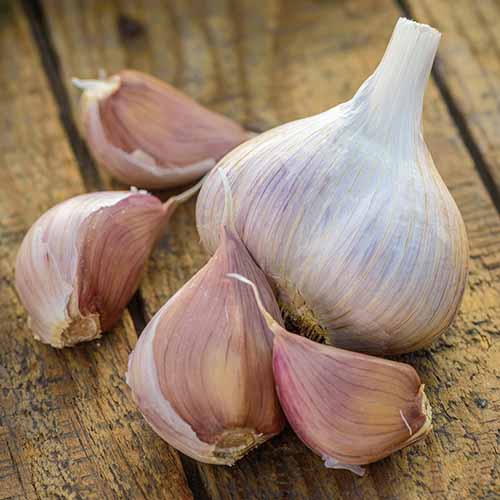
‘Bogatyr,’ ‘Metechi,’ and ‘Siberian’ are popular Marbled Purple Stripe varieties.
Bulbs of ‘Metechi’ are available at Burpee.
Porcelains are beautiful bulbs with uniform, milky white wrappers with the odd splash of purple, and cloves of light purple, tan, or white.
With an earthy, light spiciness and mild to moderate heat, the complex flavors hold up well in cooking.
The robust bulbs consistently produce four to eight large cloves, and scapes should be removed to maximize size. Storage life is up to eight months.

‘Georgian Crystal,’ ‘Music,’ and ‘Romanian Red’ are well-known Porcelain varieties.
‘Music’ seedstock bulbs are available at Burpee.
Thought to be the ancient common relative of all the garlic families, Purple Stripes feature thick, easy-to-peel wrappers of creamy white with purple stripes or splotches, and beautiful magenta to gold cloves.

With a medium heat, the flavor is strong, complex, and notably garlicky, and builds with age.
A star for cooking, Purple Stripe is a premier garlic for baking, with flavors so sweet it’s also the variety most often used to flavor ice cream!
Bulbs produce eight to 16 crescent-shaped cloves, and have a storage life of six to seven months.
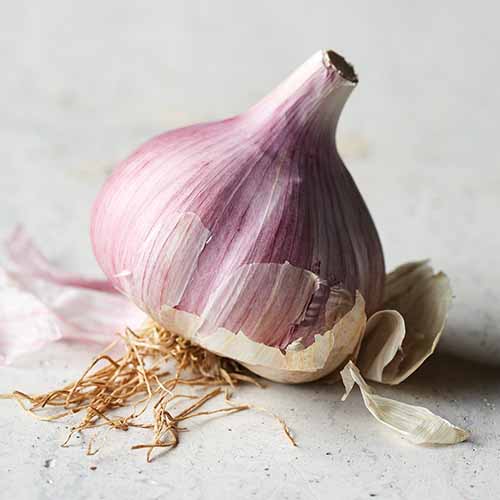
‘Chesnok Red,’ ‘Persian Star,’ and ‘Tibetan’ are a few popular cultivars.
Bulbs of ‘Chesnok Red’ are available at Burpee.
Rocamboles are large and handsome, with milky white to pinkish or purple wrappers, and attractive toffee to magenta-colored cloves.
Beloved for their exceptional taste – deep, buttery-sweet, and earthy – Rocamboles are often the first choice for chefs and garlic aficionados.
However, they can be a bit demanding to grow, and must have cold winters and well-draining soil.
The generous bulbs contain eight to 12 cloves, and scapes should be removed to maximize size.

‘German Red,’ ‘Amish,’ and ‘Ukrainian’ are well-known cultivars.
‘German Red’ bulbs are available from Burpee.
Even though they look like softnecks with wide, floppy leaves, weakly bolting hardnecks can produce soft-stemmed scapes, although not always, and are genetically classified as hardnecks.
Unlike true hardnecks, the pliable foliage is easy to braid for storage. And should scapes form, removal isn’t necessary to improve size.
The Asiatics have wide, floppy leaves and produce well-formed bulbs with thick, white wrappers handsomely colored with purple or toffee.

Cloves are also attractive with sturdy wrappers of dark purple or tan.
Flavors have a spicy, sweet earthiness, and a heat intensity of medium to fiery hot that mellows with cooking.

Happy Monday GPODers!
Today’s submission comes from Bonnie Phipps in Boulder, Colorado and she’s reminding us to stop and smell the flowers. Last we heard from Bonnie, she shared the process of building an incredible flower garden from a space once overwhelmed by overgrown junipers (Check out that submission: The Birth of Bonnie’s Flower Garden). While her Colorado garden has a focus on foliage (See other areas of Bonnie’s garden here: The North Side of Bonnie’s Colorful Colorado Garden and November in Colorado), this new area of color has clearly been a source of inspiration as today’s post is all about blooms.
Hello everyone,
I’m mostly a foliage gardener since most of my zone 4-5 Colorado garden is shady. About 4 or 5 years ago, I removed 3 old and overgrown buffalo junipers (Juniperus sabina ‘Buffalo’, Zones 3–7) in the only area of my yard that has a limited amount of not-quite-full sun. I designed a “Flower Garden” there and have been experimenting with various flowering plants that might be able to live there—some work and some don’t. I love the way my Flower Garden changes almost weekly. It’s quite exciting seeing the flowers emerge throughout the growing season, and I love photographing them. Most of these flowers are from my garden, but three are from my neighbors.
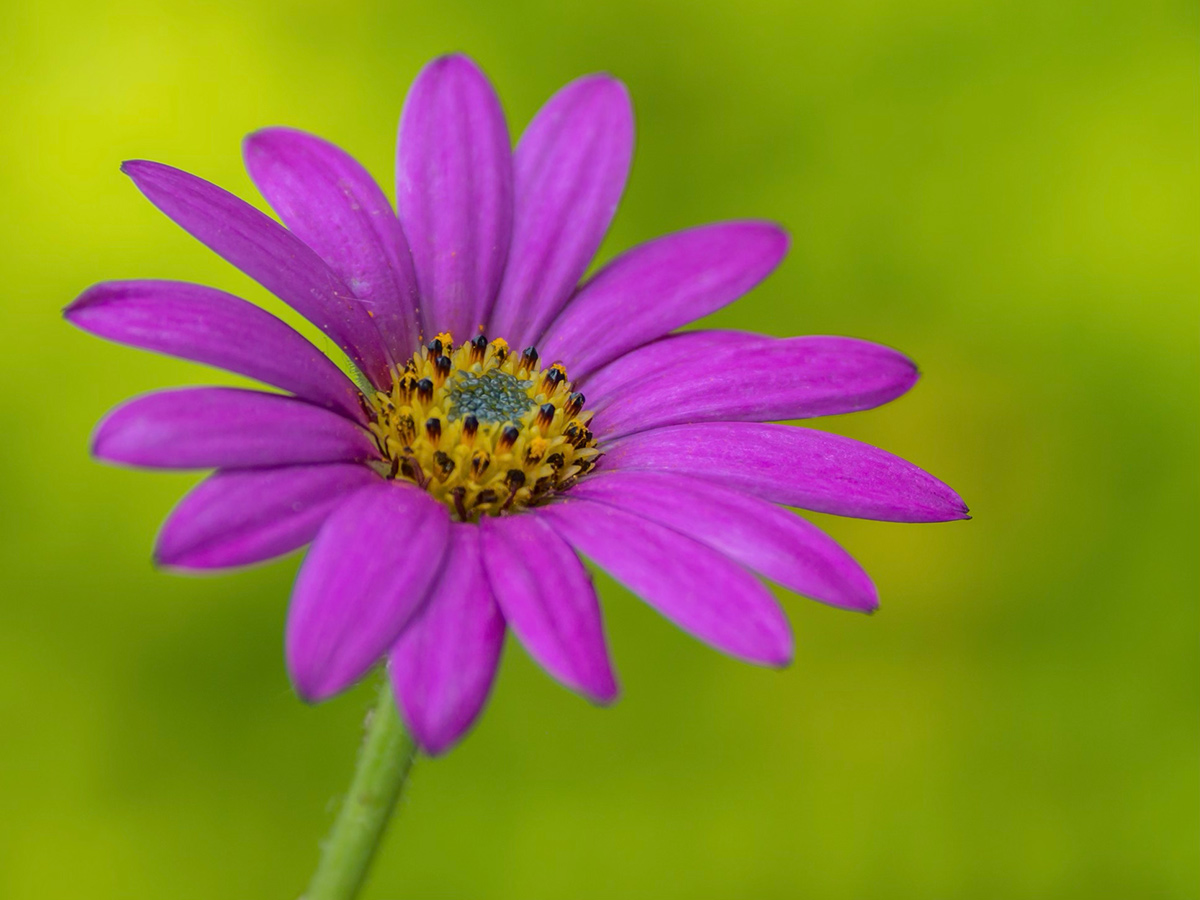
This is a Purple Mountain sun daisy (Osteospermum barberiae var. compactum ‘P005S’, Zones 5–9), growing out of golden creeping jenny (Lysimachia nummularia ‘Aurea’, Zones 3–8). The flower’s foliage is flat to the ground, and out of it comes these 8-ish inch stems with this perky small flower.
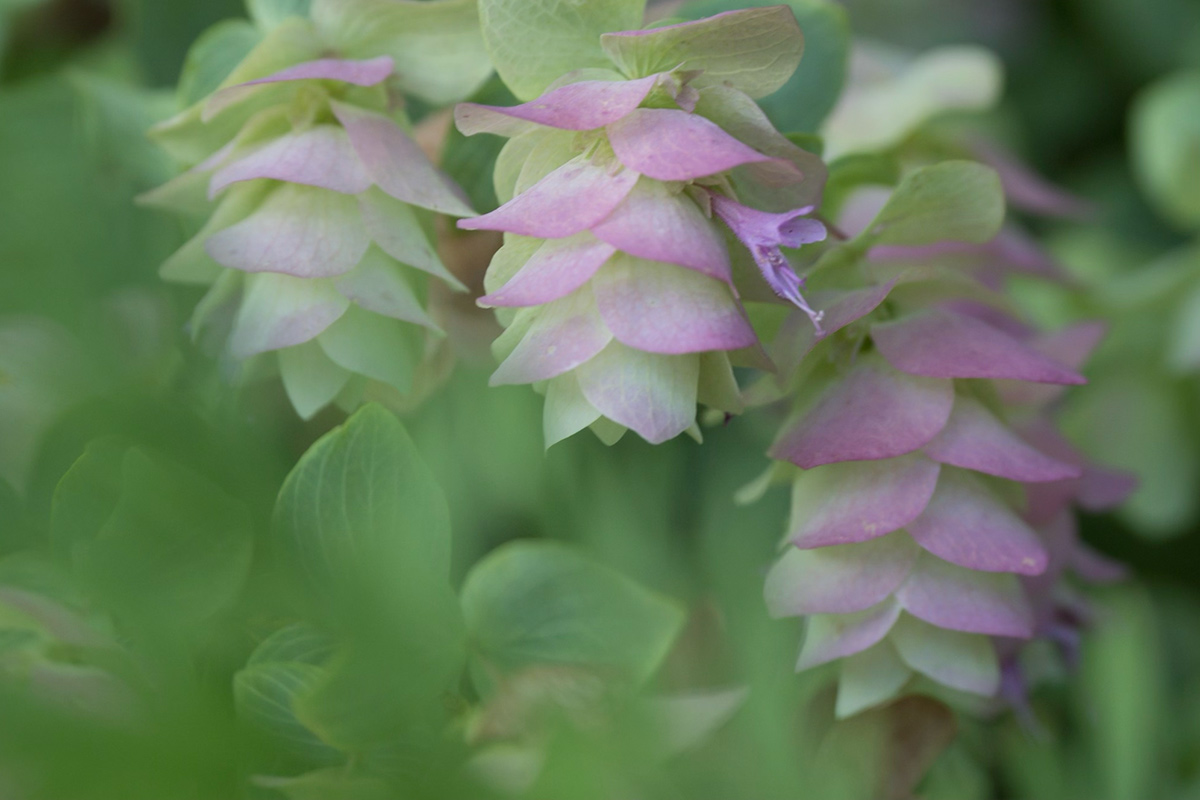
Hopflower oregano (Origanum libanoticum, Zones 5–9) makes an intricate ground cover.
 I took a ton of photos of my Oriental poppies (Papaver orientale, Zones 3–7) in their prime, as well as when they were declining. They are so interesting looking, especially the center.
 This flower was in a sidewalk strip just around the corner. It was in a whole field of the same flower.
 A budding rose from my neighbor’s garden.
 My Prima™ ‘Ginger’ coneflowers (Echinacea ‘TNECHPG’, Zones 4–9). They grow to a height of 20″ or less and bloom for a long time.
 I have so many Japanese anemone’s (Anemone hupehensis, Zones 4–8) which, if I’m not careful, will take over the garden.
 A big sunflower from that same sidewalk strip.
 A globeflower (Trollius chinensis ‘Golden Queen’, Zones 3–7) from my garden.
 My Magnus coneflower (Echinacea purpurea ‘Magnus’, Zones 3–8) looks like it’s in a painting when I use my Lensbaby lens.
Thank you so much for sharing your beautiful photography with us, Bonnie! It’s incredible to see these gorgeous blooms through your artful eye, and it’s wonderful hearing the joy your flower garden brings you.
What flowers caused you to go in for a closer look this summer? Is there a plant you check on every day to admire fresh blooms? Did a newer plant finally flower for the first time this year? If you have some bloom beauty shots, we would love to see them! Follow the directions below to submit photos via email, or send me a DM on Instagram: @agirlherdogandtheroad.
Have photos to share? We’d love to see your garden, a particular collection of plants you love, or a wonderful garden you had the chance to visit!
To submit, send 5–10 photos to [email protected] along with some information about the plants in the pictures and where you took the photos. We’d love to hear where you are located, how long you’ve been gardening, successes you are proud of, failures you learned from, hopes for the future, favorite plants, or funny stories from your garden.
Have a mobile phone? Tag your photos on Facebook, Instagram, or Twitter with #FineGardening!
Do you receive the GPOD by email yet? Sign up here
Fine Gardening Recommended Products
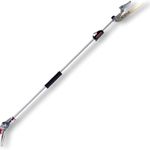
ARS Telescoping Long Reach Pruner
Fine Gardening receives a commission for items purchased through links on this site, including Amazon Associates and other affiliate advertising programs.
Telescopes from 4 to 7′. Cut and Hold (160) Blades. Drop forged blades for unsurpassed long lasting sharpness. Lightweight, 2.3 lbs., for continued use. Perfectly balanced for easy pruning.

The Regenerative Landscaper: Design and Build Landscapes That Repair the Environment
Fine Gardening receives a commission for items purchased through links on this site, including Amazon Associates and other affiliate advertising programs.
2024 Nautilus Award Gold Medal Winner! This awe-inspiring guide weaves together permaculture design, food resiliency, climate adaptation, community organizing, and indigenous wisdom that you can implement in your own backyard.
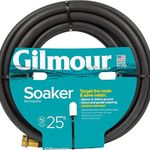
Gilmour 5/8″ x 25′ Round Weeper Soaker Hose
Fine Gardening receives a commission for items purchased through links on this site, including Amazon Associates and other affiliate advertising programs.
Lightweight garden hose is made of 100% recycled vinyl for clog resistant, consistent soaking in the garden or around foundations. Can be installed above or below ground to efficiently deliver water directly to plant roots. Can be linked with other hoses to create your own DIY garden drip irrigation system, and is flexible for easy storage and space saving.

Pavel Muravev/iStockphoto/Getty Images
Frances Daniels, a Baltimore mother of three, read the Trump administration’s 20-page report called “Make Our Children Healthy Again,” and noticed some notable words were missing from it: “Smoking” and “nicotine.”
The word “tobacco” is mentioned once in the document, in a reference to the Bureau of Alcohol, Tobacco and Firearms.
“I was horrified,” Daniels says. “It never once mentioned substance usage. Specifically: nicotine.”

That was of grave concern to Daniels, because nicotine and the chemicals vaped with it, hooked and nearly killed one of her children three years ago. Her child spent six brutal weeks in the hospital with EVALI, a lung injury caused by e-cigarette use. “They had about six tubes in their lungs at one point, draining fluid out — three on each side with machines on either side of the bed.”
Health Secretary Robert F. Kennedy Jr. says the strategy is “mobilizing every part of government to confront the childhood chronic disease epidemic.” The administration’s list of recommendations in its report calls for public-service campaigns about the risks of alcohol, controlled substances, and vaping. It also recommends continued crack downs on illegally imported vapes, and it announced a $86 million seizure of e-cigarettes last week.
NPR has reached out to the Department of Health and Human Services for comment.

The report’s prescriptions sound too weak to Meredith Berkman, co-founder of Parents Against Vaping E-cigarettes. She says it contrasts with President Trump’s stance in 2019, when she met with him.
“He was in the Rose Garden and in the Oval Office, talking about youth vaping,” she says of his emphasis on prevention, during his first term. “The fact there is not a greater emphasis put on tobacco and nicotine, which is harming youth — it’s very, very surprising.”
Tobacco use remains the top cause of preventable death in the US.
That’s why Brian King — an epidemiologist and former head of the Food and Drug Administration’s Center for Tobacco Products — says omissions of smoking, tobacco and other nicotine products make no sense. “Something to combat chronic disease without tobacco control is like attempting a triathlon without a bicycle — you are destined for failure before leaving the starting line,” King says.
King, now executive vice president at the Center for Tobacco-Free Kids, says the administration’s stated support for public awareness and greater enforcement run counter to its recent actions. “In the same breath, the administration has eliminated the very unit that conducts that work at FDA,” he says. He also notes the Trump administration eliminated the Office of Smoking and Health at the Centers for Disease Control and Prevention, which funded state tobacco control programs — some of which King says are in the process of shutting down.
Such programs are credited with dramatic reductions in smoking — and more recently vaping — among teens.
Earlier this year, the Trump administration also withdrew plans to ban menthol-flavored cigarettes, despite the fact that flavored tobacco and nicotine are known to be a major draw for young people, says Priya Fielding-Singh, director of policy at the Global Food Institute at George Washington University. “An educational campaign isn’t a compelling substitute for enacting tobacco regulation to keep these products out of the hands of kids and teens,” Fielding-Singh said in a statement.

Nevertheless, smoking and vaping are falling out of favor with adolescents, and Penn State public health professor Jonathan Foulds says therefore young people today are at far less risk — especially compared to the many other public-health threats they face. “Nicotine itself is not very high on the list of public health priorities for kids,” Foulds says.
Nicotine is, of course, addictive and affects heart health. But Foulds says not all forms of nicotine are the same. Oral nicotine pouches like Zyn, for example, and even vaping, may be preferable to cigarette use, he says. “It’s much less harmful than smoking,” even if it’s not harmless, he says. “We shouldn’t exaggerate the risk of it; we should be glad that they’re not smoking.”
Foulds says so far there’s scant evidence that many people who start vaping in adolescence take up smoking later in life.
But in Frances Daniels’ experience, it all goes hand in hand. “Nicotine is harmful, as well as the process of vaping — they’re both harmful,” she says.
Her child recovered and quit nicotine, she says. But she continues warning others about the risks.

Edible ground cover plants can benefit your garden in two ways, they improve aesthetics on your landscape while also giving you something delicious to consume.
These plants play crucial role in permaculture, apart from filling empty space, ground cover plants supress weed growth, avoid soil erosion and hold moisture.
And if you choose edible plants, they will serve you with nutritious feed and acts like a living mulch.
To be a successful gardener, you must grow more diversifying plants that supports your ecosystem.
Unlike veggies that often need regular inspection, these low-maintenance edible ground covers don’t demand daily upkeep.
There are enough plants that can be grown as edible groundcovers, that can improve garden appearance and feed you.
Creeping thyme and oregano make fragrant, hardy mats you can snip for cooking. Strawberries are a classic choice, giving you sweet fruit while covering bare soil.
Nasturtiums spread quickly with colorful, edible flowers and peppery leaves.
For leafy plants, try miner’s lettuce or creeping Jenny (edible varieties).
Soil Protection and Erosion Control
Groundcovers act like a natural blanket for your garden. They hug the soil, keeping it from being washed away by rain or blown off by wind. Their roots weave through the ground, holding everything in place—especially handy if you’ve got slopes or areas that take a beating during storms.
Natural Weed Suppression
Tired of pulling weeds? Groundcovers can help. Once they spread, they form a thick carpet that blocks sunlight from reaching weed seeds. That means fewer weeds popping up, less competition for nutrients, and way less time spent weeding or using chemicals.
Water Conservation and Moisture Retention
Groundcovers are like living mulch. They shade the soil, cut down on evaporation, and help keep things cool and moist—even when the weather is scorching. This not only saves water but also keeps your plants happier during dry spells.
Boosting Biodiversity
These plants aren’t just for looks—they bring life to your garden. Many groundcovers bloom, drawing in pollinators like bees and butterflies, while also giving shelter to helpful insects and small critters. In turn, that adds balance to your garden’s ecosystem and even helps with natural pest control.
Year-Round Beauty with Less Work
Most groundcovers keep their good looks all year long. They add color and texture, soften the edges of paths and walls, and generally make your garden more inviting. Best part? Once they’re settled, they don’t ask for much—perfect if you want a beautiful garden without constant upkeep.
Instead of growing only ground covers, you can plant edible groundcover plants that do multitasking, like improving soil health, supressing weeds and on top of that serving you with fresh herbs and greens.

Strawberries are the ultimate edible ground cover, giving you a carpet of shiny leaves and sweet berries. They look just as good as they taste in the garden.
They spread quickly with runners, filling bare soil and helping prevent weeds. Once planted, they’ll keep producing year after year with little effort.
Whether in beds, borders, or containers, strawberries thrive almost anywhere. They’re a low-maintenance plant that rewards you with plenty of treats.

Creeping thyme is a tough, aromatic ground cover that stays low and spreads beautifully. It’s often used between stepping stones because it can handle light foot traffic.
The leaves are edible and full of flavor, perfect for seasoning meats, soups, or roasted veggies. It’s also a favorite for bees and pollinators.
Low-water and easygoing, creeping thyme thrives in poor soils and sunny spots. Once it settles in, you can almost forget about it.

Oregano grows into a lush green mat, making it one of the easiest edible covers to grow. It’s tough, perennial, and keeps coming back stronger.
It’s one of the most useful herbs in the kitchen, especially for pizzas, sauces, and Mediterranean recipes. Fresh or dried, the flavor is amazing.
Hardy and drought-tolerant, oregano doesn’t ask for much. Give it sun and space to spread, and it’ll thrive year after year.

Nasturtiums bring life to your garden with their round leaves and bright, cheerful flowers. They spread easily, trailing over edges and filling bare patches.
Everything above ground is edible—the flowers, leaves, and seeds. They add a peppery punch to salads and a pop of color to your meals.
They’re also great companion plants, attracting pollinators while deterring pests. A perfect mix of beauty, flavor, and usefulness.

Mint is a fast-spreading ground cover with a refreshing scent. Its runners fill space quickly, covering soil and reducing weeds.
It’s incredibly versatile in the kitchen—perfect for teas, desserts, cocktails, or savory dishes. Fresh mint is always good to have on hand.
Since it can take over, it’s best to grow mint in containers or give it its own space. Managed well, it’s a garden essential.
Check this: 27 Fall Garden Ideas to Refresh Your Outdoor Space

Chives make a pretty and practical ground cover with their thin, grass-like leaves and purple globe-shaped flowers. They spread in small clumps, filling garden edges with greenery.
The leaves have a mild onion flavor and are perfect for garnishing soups, salads, or scrambled eggs. Even the flowers are edible and look stunning in dishes.
Chives are hardy, easy to grow, and come back year after year. They’re low-maintenance and fit perfectly into herb gardens or borders.

Creeping Jenny forms a dense mat of golden-green leaves that brighten shady spots. Some varieties are edible, adding mild greens to your kitchen.
It grows quickly, covering soil and preventing weeds while keeping moisture locked in. Its trailing habit also looks great in hanging baskets.
This plant thrives in both sun and part shade, making it super versatile. With its beauty and usefulness, it’s a solid ground cover choice.

Sweet potatoes aren’t just for their tasty tubers—their vines make a lush edible ground cover. The heart-shaped leaves create a thick, green blanket.
The leaves themselves are edible and can be cooked like spinach, giving you two harvests from one plant. The tubers are a bonus later in the season.
They spread quickly, suppress weeds, and love warm weather. If you’ve got space, sweet potatoes are a fun and productive choice.

Miner’s lettuce is a cool-season green that makes a soft, low-growing cover. Its round, tender leaves have a mild, fresh flavor.
It grows best in spring or fall, giving you plenty of edible greens without much work. You can harvest leaves regularly for salads or sautés.
This plant thrives in part shade and cooler temps, making it perfect for filling gaps when other crops slow down.

Wintergreen is a slow-spreading ground cover with shiny leaves and bright red berries. Both leaves and berries are edible with a refreshing, minty taste.
It’s a great choice for shady areas where other edibles struggle. Plus, it adds year-round beauty with evergreen foliage.
Wintergreen is low-maintenance once established and brings unique flavor and charm to the garden. It’s a little slower to grow but worth the wait.

Wild garlic spreads into a lush green carpet with broad leaves and star-shaped white flowers. It’s both beautiful and useful in the kitchen.
The leaves, flowers, and bulbs are all edible, with a mild garlic flavor that’s great in pestos, soups, or salads.
It thrives in shady, damp areas where other plants may struggle. Once it settles in, it returns year after year with little care.

Lamb’s lettuce is a soft, low-growing green that forms tidy rosettes. It makes a simple but effective edible ground cover.
The leaves are mild and nutty, perfect for fresh salads or as a garnish. They’re tender, easy to harvest, and packed with nutrients.
This plant prefers cooler weather, so it’s ideal for spring or fall gardens. It self-seeds easily, keeping your patch going season after season.

Clover is a classic ground cover that doubles as food and soil-builder. It forms dense mats with small leaves and pretty flowers.
Both the leaves and flowers are edible, and clover also fixes nitrogen in the soil, enriching your garden naturally.
It’s tough, low-maintenance, and grows almost anywhere, from lawns to garden beds. Clover really earns its place in a permaculture setup.

Purslane is a fast-spreading edible green with succulent leaves that love the sun. It naturally pops up in many gardens as a “weed.”
The leaves are crisp, lemony, and full of omega-3s—great in salads, stir-fries, or as a crunchy snack.
It thrives in poor, dry soils and needs almost no attention. Instead of pulling it out, let purslane cover your garden and feed you.

Sorrel forms a leafy ground cover with a tangy, lemon-like flavor. Its bright green leaves add zing to soups, salads, and sauces.
It’s a perennial that comes back year after year, often one of the first greens to appear in spring.
Sorrel is easy to grow, thrives in sun or part shade, and needs little care. It’s a refreshing and useful addition to any edible garden.

Ground plum is a native North American plant that stays low to the ground and produces small edible pods. It’s hardy and well-suited for wild-style gardens.
The pods taste a bit like peas and can be eaten fresh or cooked. Native people have long used it as a food source.
It thrives in dry, sunny spots and helps improve soil health as a legume. A unique and practical choice for edible ground cover.

Alpine strawberries are smaller than regular ones, but they pack a punch of sweet, intense flavor. They form neat, low-growing clumps without sending out runners.
These little berries are perfect for snacking, desserts, or tossing into salads. Plus, they look adorable sprinkled across your garden beds.
Because they don’t spread aggressively, they’re easy to manage and great for edging or filling small spaces. A tidy, tasty ground cover.

Creeping rosemary trails along the ground, covering soil with aromatic evergreen foliage. It’s both ornamental and edible.
The leaves are great for flavoring roasts, stews, or even bread. It also attracts pollinators when it blooms with small blue flowers.
Hardy and drought-tolerant, creeping rosemary is perfect for sunny, dry spots. It gives beauty, fragrance, and food all in one.

Salad burnet is a low-growing herb with fern-like leaves and a mild cucumber flavor. It spreads nicely, making a soft edible ground cover.
The young leaves are perfect for salads, sandwiches, or as a garnish in drinks. They bring a fresh taste without overpowering dishes.
It thrives in poor soil, needs little care, and keeps producing greens throughout the season. A refreshing, reliable option for any garden.

Chickweed is a common volunteer plant that actually makes a great edible cover. It grows quickly and blankets bare soil with tender greens.
The leaves are mild, juicy, and full of vitamins—ideal for salads, smoothies, or sautéed like spinach. Many gardeners eat it instead of pulling it out.
It grows in cooler seasons, helping fill gaps when other plants aren’t producing. A humble but highly useful edible ground cover.

Creeping parsley spreads low and wide, making a pretty green carpet that doubles as a kitchen staple. Its frilly leaves add texture to the garden.
The flavor is fresh and mild, perfect for garnishing soups, salads, or almost any dish. It’s always handy to have within arm’s reach.
It tolerates a bit of shade, grows quickly, and can be cut back to keep producing. A simple but super useful ground cover.

Cranberries form a trailing ground cover with tiny leaves and bright red berries. They’re stunning in fall when the fruits ripen.
The berries are tart but versatile—great for sauces, baking, or drying. Plus, they’re packed with antioxidants.
Cranberries prefer acidic, damp soil, making them a good option if you’ve got the right conditions. They’re beautiful and productive once established.

Creeping phlox is often grown for its bright, spring flowers, but some varieties have edible blooms. They spread quickly into colorful carpets.
The flowers add a mild, slightly sweet flavor and look stunning sprinkled over salads or desserts. They’re more for decoration than bulk food.
It thrives in sunny spots, covers slopes beautifully, and needs very little upkeep. An eye-catching edible ground cover.

Malabar spinach is a climbing vine, but when allowed to sprawl, it makes a thick leafy ground cover. Its glossy green leaves love warm weather.
The leaves are edible and can be cooked like spinach, holding up well in stir-fries or soups. They’re nutritious and tasty.
Since it thrives in heat, it’s perfect for summer greens when regular spinach bolts. A great choice for tropical-style gardens.

Roman chamomile grows low and spreads nicely, creating a fragrant ground-hugging mat. It’s well-loved for both beauty and use.
The small, daisy-like flowers can be dried for soothing teas, while the leaves add a mild apple-like scent to the garden.
It thrives in sun, tolerates poor soils, and looks soft and inviting along paths. Both practical and pretty, it’s a charming choice.

Wild strawberries make a lovely low ground cover, spreading naturally through runners. They’re smaller than garden strawberries but pack a rich, sweet flavor.
The plants are hardy and easygoing, filling in spaces with green leaves and tiny white flowers before producing fruit.
They thrive in part shade or sun, making them flexible for different garden spots. A simple way to cover soil while enjoying tasty little berries.

Good King Henry is a traditional perennial green that spreads to form a useful edible cover. It was once a common kitchen garden plant.
The leaves can be cooked like spinach, while young shoots are edible too. It’s a versatile and nutrient-rich green for home gardens.
Hardy and long-lived, it comes back each year with minimal effort. If you want a low-maintenance, old-fashioned edible cover, this plant fits perfectly.
Edible ground covers are proof that beauty and practicality can go hand in hand. They keep your garden looking lush while protecting the soil, saving water, and crowding out weeds. And the best part? They give you fresh herbs, greens, and fruits along the way.
Whether you choose strawberries for their sweetness, thyme for its fragrance, or nasturtiums for their bright blooms, these plants make your garden floor work just as hard as the rest. Add a few to your space, and you’ll enjoy a healthier garden and a tastier harvest.

Khaja Moinuddin, a computer science graduate, finds joy in gardening and homesteading. Join him on this blog as he shares his experiences in homesteading, gardening, and composting

When I first started digging into the lymphatic system years ago, I was amazed that something so important wasn’t talked about more often. We hear plenty about gut health, hormones, and detox, but the lymphatic system connects to all of those. It’s like the body’s hidden superhighway for immune health, inflammation balance, and natural detoxification.
Thankfully, it’s finally starting to get the attention it deserves. Recently there’s been more talk about lymphatic detox and lymph massage, but there’s more to it than that. I always love it when I can really do a deep dive into the science, and this article will cover how we can really support our lymphatic system.
We actually have on average three times more lymph fluid than blood in the body. That means this system is constantly at work, carrying immune cells, nutrients, and waste products through a network of hundreds of lymph nodes. About half of those nodes are in the gut, which shows how closely lymph health ties into digestion and overall immunity.
The catch? Our lymphatic system doesn’t have a pump. The heart keeps blood moving, but lymph fluid only moves when we do. This is both the challenge and the opportunity. Our daily choices can either let the system stagnate or give it the support it needs to work well.
The lymphatic system is a network of vessels, nodes, and organs like the spleen, tonsils, and thymus. Its job is to transport lymph fluid through the body. That fluid contains white blood cells that fight infection, as well as proteins and waste products that need to be cleared out.
As lymph passes through the nodes, it’s filtered so the body can remove toxins, damaged cells, and other debris. This is one of the main ways the body keeps inflammation under control. When lymph is flowing, the immune system works better and the body is able to recover more quickly.
But when the system slows down, it can lead to swelling, puffiness, brain fog, fatigue, and a harder time dealing with illness. Supporting healthy lymph flow is one of the best ways to help the body’s natural detox pathways.
Modern life isn’t very friendly to the lymphatic system. Long hours of sitting mean the muscles aren’t squeezing lymph vessels the way they’re supposed to. Even slight dehydration makes the fluid itself thicker and harder to move. Other common factors include:
These things can build up slowly over time. The good news is that simple, everyday habits can keep things moving.
Walking is one of the simplest ways to encourage lymph flow. Because the lymphatic system relies on muscle contractions, even a short walk helps fluid circulate. I make it a goal to break up long periods of sitting with a few minutes of movement. Sometimes this means a quick walk around the block or simply pacing the house while I’m on a phone call. If you have a “desk” job, you can find healthier alternatives to a desk chair here.
Other gentle activities like stretching, yoga, or tai chi can also help. The key is to keep the body moving in ways that contract and relax the muscles. It doesn’t need to be intense exercise to be effective.
Bouncing on a small trampoline, called a rebounder, is especially helpful for lymph flow. The up-and-down movement works almost like a pump for the whole system. Just a few minutes of light bouncing can be enough to make a difference. I actually keep one in my bedroom!
If you don’t have a rebounder, lying on the floor with your legs resting up the wall is another option. This simple position encourages fluid to drain from the legs and pelvis back toward the core.
Breathing is one of the most powerful, yet overlooked tools for lymphatic support. Shallow chest breathing doesn’t move the diaphragm much, but deep belly breathing acts like an internal pump. It creates pressure changes that help lymph fluid circulate.
I like to take a few minutes during the day to pause and breathe deeply. Inhaling through the nose, letting the belly rise, and then exhaling slowly can calm the nervous system while also moving the lymph. Doing this before bed is especially relaxing. Here are some more breathing exercises to try.
Lymph is mostly fluid, so hydration is essential. But plain water isn’t always enough. Without minerals, the body has a harder time holding onto that hydration, and lymph fluid can become thick and sluggish.
Adding trace minerals or a pinch of quality salt to water can make a big difference. I’ve experimented with different mineral blends over the years and noticed that I feel more energetic and less puffy when my mineral intake is consistent. Two of my favorite are Beam minerals and Eidon minerals.
Gentle massage can also support healthy lymph flow. Lymphatic massage isn’t about deep pressure. It’s very light, almost like stretching the skin. Starting at the collarbone area helps activate the system before working on other parts of the body. Other experts flip that recommendation and say to finish with the collarbone. I have a fascinating conversation with Kelly Kennedy about lymph massage, along with resources here.
Dry brushing is another simple option. Before a shower, I use a natural bristle brush and move in light strokes toward the heart. This helps stimulate circulation, supports lymph flow, and leaves my skin softer. I’ve found it really helps me feel invigorated and more energetic.
Alternating between hot and cold is another way to stimulate circulation and lymph movement. Heat dilates blood vessels, while cold constricts them. Moving between the two creates a pumping effect that supports fluid flow. A sauna session followed by a short cold shower is one way to do this. Even ending a shower with thirty seconds of cool water can be beneficial.
Once you’ve got the basics of movement, breathing, and hydration down, there are other practices that can give the lymph system an added boost. These aren’t essential, but they can make a difference if you want to go deeper.
One important lesson I’ve learned is that the lymphatic system is part of the body’s larger drainage network. If it isn’t flowing well, the whole system struggles. That’s why these extra tools work best once the foundations are in place. Daily walking, deep breathing, and proper hydration open the pathways. From there, extras like vibration therapy, contrast showers, or enzymes can build on that foundation.
Our lymphatic system doesn’t work in isolation. Because so many lymph nodes are located in the gut, digestion has a direct impact on lymph flow. Supporting gut health with nourishing food, fiber, and probiotics also supports the lymph system.
Sleep is another piece of the puzzle. The body does a lot of repair and drainage work at night. When we get poor or inconsistent sleep, that makes it harder for lymph fluid to move and for waste to clear.
Stress management matters too. When stress levels are high, breathing becomes shallow and circulation changes. Taking time for rest, breathing, and calming practices helps keep the lymph system moving as it should.
The lymphatic system may not always get as much attention as other parts of the body, but it plays a key role in how we feel day to day. It’s responsible for carrying immune cells, clearing waste, and keeping inflammation in check.
Supporting it doesn’t have to be complicated. Daily movement, hydration with minerals, deep breathing, and simple practices like dry brushing or massage go a long way. Once those are in place, extras like sauna, herbs, or enzymes can add another layer of support.
I’ve noticed better energy, clearer skin, and overall resilience since I started focusing on my lymph health. Small steps, done consistently, make the biggest difference. This system is always working quietly in the background, and with a little daily care, we can help it do its job even better.
What are some ways you help support your lymphatic system? Leave a comment and let us know!

Keep in mind that this plant is like a cactus, and it’s better to err on the side of neglect than to overwater.
The caudex is a water-storing marvel that enables this palm to endure semi-desert conditions, tolerating drought, and going a few weeks without supplemental moisture.
When watering, be sure that the soil has dried out completely since the last time you got out your watering can.
For a houseplant that’s small enough to lift, take it to the sink, and water until it runs out of the drainage hole(s), to thoroughly saturate the roots.
Water a second time, and when the dripping stops, return the potted palm to its regular location.
This second watering ensures that there are no dry air pockets.
Apply a liquid cactus and succulent liquid plant food at planting time, and each spring.
Some folks feed their plants every two weeks or so throughout the growing season, but this is counterproductive if you’re trying to keep your plant small.
Potted ponytail palms are readily available for home cultivation.
Upon receipt, gently remove the plant from the nursery starter pot, and transplant it to a porous, well-draining container filled three-quarters full of cactus and succulent potting mix.

The pot should fit snugly, and be about two inches wider than the width of the basal caudex.
You can find ponytail palms in one-, three-, and seven-gallon pots available from Fast Growing Trees.
Ponytail palm does not require pruning, but sometimes the tips or the entire leaves may turn brown.
If you find this to be aesthetically displeasing, you can cut off the offending foliage as near to its point of origin as possible, to avoid leaving partially cut stems with a “chopped” look.

If you find yourself pruning brown foliage, consider the source of the desiccation. Are the leaves being scorched by direct sunlight? Are you underwatering?
Underwatered foliage may turn yellow and then brown, as it dries out. The trunk may begin to shrink with the moisture deficit.
Excess moisture can cause the leaves to droop and turn yellow. If it persists, the trunk may soften.
In addition to pruning that removes dry foliage, you may want to try your hand at bonsai.
A ponytail palm is a great candidate for the ancient Asian art of miniaturizing trees with selective pruning to stunt growth while preserving natural forms.
Let your palm remain in a snug-fitting pot until its roots are so dense that they become root bound and peek out from the bottom of the pot.
With this slow-growing species, it may be years before crowded roots are an issue. On the other hand, it’s possible to purchase a nursery plant that is bursting at the seams and needs to be put in a larger pot right away.
The best time to repot is in early spring, before the growing season gets underway.
Conversely, instead of stunting growth by limiting root space, some folks prefer to encourage maximum growth by putting their plant in a very large pot that exceeds the snug two-inches-to-spare fit.

Jill Holm-Denoma holds her son, Tyler, after he received a COVID shot in 2021 from nurse Emily Cole at National Jewish Health in Denver. After President Trump appointed anti-vaccine activist Robert F. Kennedy, Jr. to be Secretary of Health and Human Services, Colorado updated state laws to ensure continued access to the COVID shot and other vaccines.
David Zalubowski/AP
hide caption
toggle caption
David Zalubowski/AP
As Health Secretary Robert F. Kennedy, Jr.’s dismantling of federal vaccine policy continues to roil the Centers for Disease Control and Prevention, some Democratic-led states have struck out on their own, setting up new systems to help them assess the science and maintain immunization access for their residents.
Four western states — California, Hawaii, Oregon and Washington — are creating a collaborative aimed at preserving access to vaccines. Several northeast states are considering a similar alliance.
New York’s governor declared a “statewide disaster emergency” and issued an order that allows pharmacists to give the COVID vaccine without a prescription. Minnesota made a similar change, and Massachusetts is requiring insurance carriers to pay for vaccines recommended by its health department, not just those recommended by the CDC.
The changes represent a huge shift in public health authority from the federal government to the states. Traditionally, states have looked to the CDC for expertise and guidance on public health issues — not just vaccines but issues such as workplace safety, water fluoridation, vaping and sexually-transmitted diseases.
Now, amid concerns that Health Secretary Robert F. Kennedy is undermining trust in vaccines and public health science, some states are charting new paths, seeking out new sources of scientific consensus and changing how they regulate insurance companies, prescribers and pharmacists.
Colorado has been at the forefront of this wave. On Sept. 3, state officials issued a standing order to let pharmacists provide COVID shots without individual prescriptions.
“I will not allow ridiculous and costly red tape or decisions made far away in Washington to keep Coloradans from accessing vaccines,” said Gov. Jared Polis.
But Colorado’s leadership had already been clearing the way for more autonomy on vaccine policy for months.
In April, the state legislature changed a law, allowing the state to consider scientific sources other than the federal government, when setting school vaccine requirements.
“You could see the writing on the wall that it was just becoming overly politicized rather than relying on actual science with this new HHS director,” said state Sen. Kyle Mullica, referring to Kennedy’s role leading the Department of Health and Human Services (HHS).
Mullica, who co-sponsored the new law, is a Democrat and works as an emergency department nurse in Denver.
Colorado is believed to be the first state to make this move. In addition to looking to the CDC for vaccine guidance, the state health board can now also consult with leading medical groups, like the American Academy of Pediatrics, the American Academy of Family Physicians and the American College of Obstetricians and Gynecologists.
“We decided to protect Colorado,” Mullica said, so it “wouldn’t be as vulnerable to political upheaval that we’re seeing right now.”
The Democrat-led legislature passed the bill in a party-line vote. Gov. Polis signed it into law, despite previously praising RFK Jr.’s appointment last fall.
“Colorado I think is really leading the way on this,” said Dr. David Higgins, a pediatrician at the University of Colorado who was part of a stakeholder group that helped craft the bill.
Higgins pointed to a companion bill, passed in May, that he said makes Colorado’s push even stronger. It deals with insurance coverage for preventive health care services, and aims to help make sure state-regulated insurance plans cover the cost of some vaccines, regardless of future moves by the CDC.
“Effectively, it’s meant to help ensure the Colorados will still have access to vaccines,” he said.
The Colorado chapter of Children’s Health Defense, the anti-vaccine advocacy group that Kennedy led before taking over HHS, did not respond to a request for comment.
Another co-sponsor of the bill, Democratic state Rep. Lindsay Gilchrist, said there’s so much false information circulating about vaccines, including for COVID-19, that it’s important to hear from a range of trusted medical experts.
Colorado had previously looked to the CDC for scientific guidance on vaccines, particularly for children entering school. Like other states, it had tracked the recommendations of a CDC panel known as Advisory Committee on Immunization Practices (ACIP).
Earlier this year, Kennedy fired all 17 members and replaced them with eight members who critics warn are vaccine skeptics, and don’t have the qualifications to provide critical guidance for Americans.
“I think where the confusion will lie is the difference in the recommendations between the ACIP, who we traditionally defer to, and then everyone else,” said Dr. Ned Calonge, Colorado’s chief medical officer.
He expects that the national professional physician groups that Colorado is now empowered to consult will likely be aligned in their overall guidance, and will “look at the last evidence-based recommendations that were provided by the ACIP” before Kennedy replaced its members.
In May, Kennedy announced the federal government had removed COVID-19 vaccines from the list of shots recommended for healthy pregnant women and children.

But Colorado is still recommending a COVID-19 vaccine during pregnancy, Colange said.
“There’s been no new evidence of issues of safety in that population,” Calonge said. “So, we’re telling providers that our recommendation is to continue to follow the recommendation as it was in place in January of 2025.”
In a statement on its website, the American College of Obstetricians and Gynecologists (ACOG) strongly recommended pregnant individuals be vaccinated against COVID-19. “ACOG continues to recommend that all pregnant and lactating individuals receive an updated COVID-19 vaccine or ‘booster,'” it said.
Likewise, the American Academy of Pediatrics recommended in August all young children ages six-to-23 months get vaccinated against COVID, as well as older children in certain risk groups. Colorado’s current pediatric recommendation aligns closely with this.
For now, Colorado is following the same immunization recommendations it used last year, following the ACIP schedule published last November under the Biden administration.
The next ACIP meeting is set for Sept. 18, and could result in additional changes to vaccine recommendations.
Doctors and vaccine scientists have expressed alarm at the splintering national consensus on vaccines.
“There’s now going to be much more confusion and distrust of vaccines among the public,” said Dr. Allison Kempe, a professor of pediatrics at the University of Colorado, Anschutz, who served on ACIP from 2013 to 2018.
Still, she said she’s glad Colorado is actively forging ahead with its own recommendations.
This story comes from NPR’s health reporting partnership with Colorado Public Radio and KFF Health News.

Welcome to Well Rooted Wellness, your transformative journey towards holistic wellness and personal growth. We are an online learning platform that believes in the power of interconnectedness between the mind, body, and environment. Our mission is to empower individuals like you to lead fulfilling lives by nurturing these essential connections.
Contact us: contact@yoursite.com
© Copyright - wrwofficial.com - 2025