A researcher works at the Moderna headquarters in Cambridge, Massachusetts. In May, the Trump administration pulled over $700 million committed to Moderna for developing future flu vaccines, and this week it canceled another $500 million in grants to various institutions researching mRNA vaccines.
Adam Glanzman/Bloomberg/Getty Images
hide caption
toggle caption
Adam Glanzman/Bloomberg/Getty Images
The Trump administration is canceling almost $500 million in contracts to develop mRNA vaccines to protect the U.S. against future viral threats. The move thrilled critics of the technology but horrified many public health and biosecurity experts.
The federal Biomedical Advanced Research and Development Authority (BARDA), which oversees the nation’s defenses against biological attacks, is terminating 22 contracts with university researchers and private companies to develop new uses for the mRNA technology, Health and Human Services Secretary Robert F. Kennedy Jr. announced Tuesday.
The mRNA technology was used by the first Trump administration to create the most commonly used COVID-19 vaccines, which are widely considered a medical triumph that safely and effectively saved millions of lives. But vaccine mandates during the pandemic sowed fierce antipathy toward the technology, leading to widespread public opposition.
“Let me be absolutely clear: HHS supports safe, effective vaccines for every American who wants them,” Kennedy said in a video explaining the decision. “That’s why we’re moving beyond the limitations of mRNA vaccines for respiratory viruses and investing in better solutions.”
The announcement dismayed many who study infectious disease.
“This may be the most dangerous public health judgment that I’ve seen in my 50 years in this business,” says Michael Osterholm, who runs the Center for Infectious Disease Research and Policy at the University of Minnesota. “It is baseless, and we will pay a tremendous price in terms of illnesses and deaths. I’m extremely worried about it.”
But the decision was welcomed by vaccine critics like the group Children’s Health Defense, which Kennedy himself founded.
“While we believe the mRNA vaccines should be taken off the market, the announcement is a positive move towards protecting public health,” said Mary Holland, the group’s president and CEO, in a statement.
Jennifer Nuzzo strongly disagrees. She runs the Brown University School of Public Health’s Pandemic Center and says the move could erode preparedness for future pandemics.
“This is a profoundly disappointing development,” she says. “When there’s the next pandemic, we’re going to be caught flat-footed. It absolutely leaves the country vulnerable.”
Nuzzo and others aren’t just worried about the next pandemic. Many experts say mRNA vaccines would provide a crucial deterrent and powerful defense against bioterrorists.
“I think that it endangers the national security of the United States,” says Chris Meekins, a top biodefense official in the first Trump administration. “It could put the U.S. at a strategic national security disadvantage and would be a significant threat to the national security of the United States.”
In announcing his decision, Kennedy claimed the COVID-19 vaccines were unsafe and ineffective, helped drive the evolution of the virus and could not keep up with new mutations.
“After reviewing the science and consulting top experts at NIH and FDA, HHS has determined that mRNA technology poses more risk than benefits against these respiratory viruses,” Kennedy said.
Many outside experts say Kennedy’s claims are wrong.
“His science is backwards, as it often is,” says Dr. Peter Hotez, who is the dean of Baylor College of Medicine’s National School of Tropical Medicine and who runs the Texas Children’s Hospital Center for Vaccine Development. “This is a proven technology for emerging respiratory viruses or respiratory virus pandemics. It is extremely safe and has been incredibly effective.”
mRNA vaccines work by stimulating the immune system with a key protein from a virus. Kennedy says the federal government is instead investing in an alternative technology that uses whole killed viruses and can produce “natural immunity.”
While that technology has produced effective vaccines, it’s a much older approach that can have safety issues and is not nearly as nimble in responding to new threats, experts say.
“It is irresponsible to strip funding from future technologies with great potential and shift it towards outdated old-fashioned technologies,” says Rick Bright, who ran BARDA during the first Trump administration. “We’re taking our country from 2025 back to 1940, and we all know that’s a recipe for disaster and failure.”
The mRNA technology is the only vaccine technology that can be developed quickly enough to respond swiftly to a new pathogenic threat, experts say.
“In an outbreak, when you are facing a rapidly spreading virus — whether it’s from nature or a nation-state adversary — speed is the name of the game,” Bright says.
The administration previously canceled a $766 million contract with the vaccine company Moderna to develop an mRNA vaccine to protect people against flu strains with pandemic potential.
Many fear moves like this will continue to undermine public trust in vaccines generally and mRNA technology specifically, which is also showing promise for treating diseases, most notably cancer.
“The deleterious impact is not only in the contracts that they’re canceling, but they’re trying to make the case to the public that mRNA technology doesn’t work very well and it’s unsafe,” Hotez says. “And that’s absolutely untrue.”
August is considered as the second growing season, as the soil is still warm and the plant roots has enough time to grow stronger. Above that, your plants won’t have to tolerate extreme heat.
There are several hardy perennials that you can direct sow in August and expect to bloom through fall.
Most gardeners prefer perennials as they come back every year once established, making them cost effective.
Along with climatic conditions in your region, it is important to choose the right hardy perennials that can thrive in cool weather and continue to bloom in fall.
Russian sage, Japanese Anemones, Salvia, Purple coneflower and Black-Eyed Susan are few common perennials that can be planted in August.
Importance of Deciding Flowering Perennials to Plant in August
Choosing the right perennial variety is absolutely crucial for August planting success, as it directly impacts plant establishment, winter survival, and future growth performance.
The variety determines critical factors like cold hardiness for your specific USDA zone, mature size for proper spacing, bloom time for seasonal interest, and soil requirements that must align with your garden conditions.
When selecting perennial varieties for August planting, prioritize cold-hardy options suited to your zone with proven track records of quick establishment, and look for compact or dwarf varieties that focus energy on root development rather than excessive top growth.
Choose varieties with staggered bloom times to ensure continuous color, and verify their mature spread to avoid overcrowding issues.
For August planting, established seedlings or small potted plants are strongly preferred over direct sowing since they have developed root systems that can quickly adapt to transplanting and establish before frost.
23 Perennial Flowers to Plant in August
Strategic August planting capitalizes on the seasonal transition when soil warmth promotes rapid root growth while decreasing daylight hours signal plants to focus their energy on establishing strong foundations rather than producing excessive foliage.
Below listed are such common perennials, check them out.
1. Russian Sage
Russian sage features silvery-gray foliage and tall spikes of lavender-purple flowers, creating a soft, airy effect in the garden. Its aromatic leaves shimmer in sunlight, and the blooms add movement and texture to borders and mass plantings.
This hardy perennial thrives in full sun and well-drained soil, tolerating poor, rocky, or alkaline conditions once established.
Plant in spring after frost, spacing 2–3 feet apart. Water regularly during the first year to establish roots, then reduce watering as the plant becomes drought-tolerant and low-maintenance.
2. Holly Fern
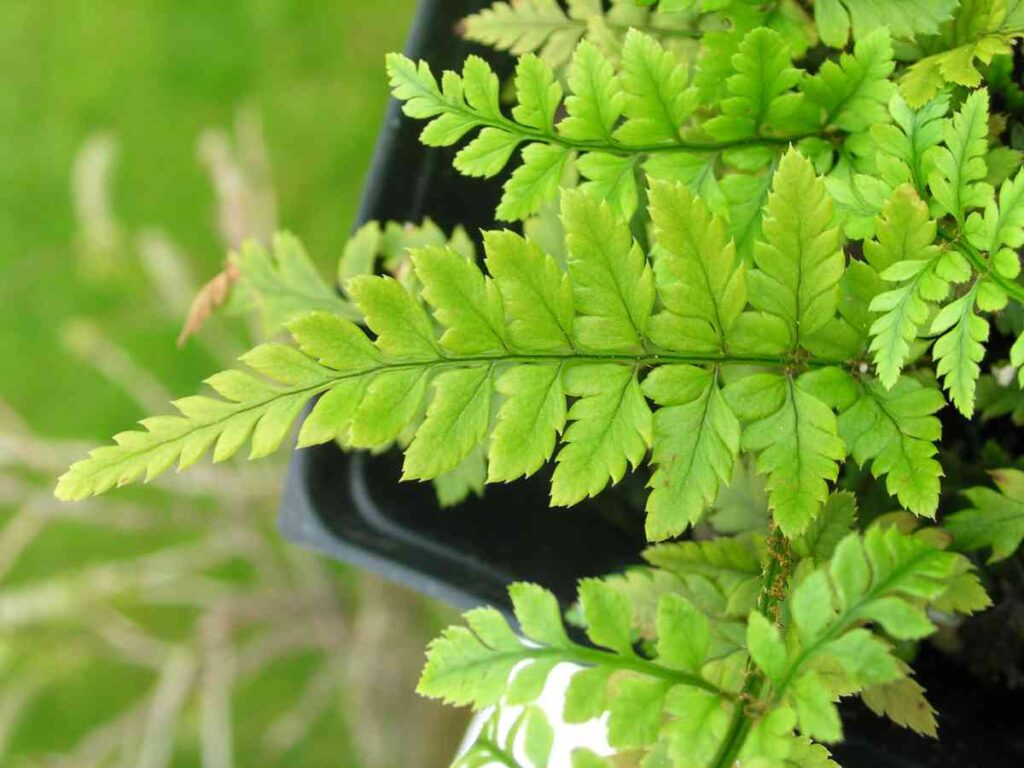
Holly ferns feature dark green, glossy fronds with holly-like leaflets and a soft texture, forming elegant, arching clumps that provide year-round structure in shaded gardens. These evergreen perennials thrive in rich, moist, well-drained soil and prefer partial to full shade.
Once established, they tolerate short droughts and adapt well to woodland settings or shady borders. Plant in spring in humus-rich soil, spacing 2–3 feet apart.
Water regularly during establishment, then maintain consistent moisture to support healthy growth and attractive frond development.
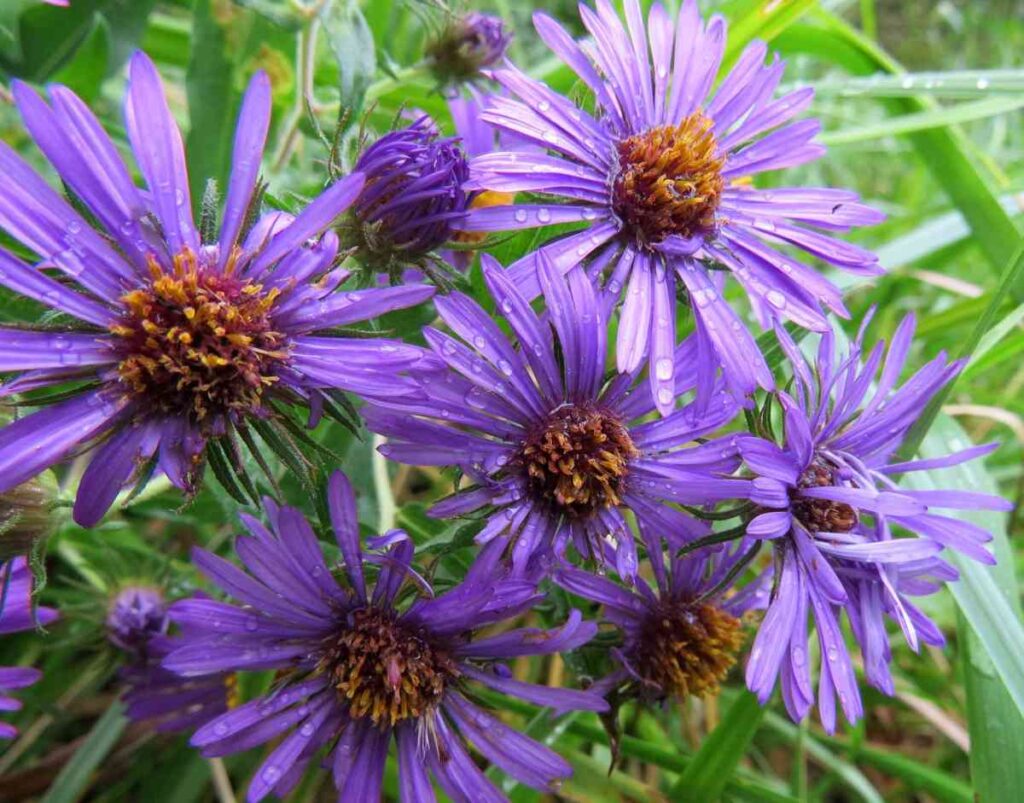
New England asters burst into bloom in late summer and fall with masses of purple-pink daisy-like flowers and golden centers. Growing 3–6 feet tall, they add bold vertical interest and attract bees and butterflies.
These hardy natives thrive in full sun and moist, well-drained soil, tolerating clay, short droughts, and tough roadside spots across zones 4–8.
Plant in spring or early fall, spacing 2–3 feet apart. Water during establishment, then pinch stems by half in early summer to encourage bushier growth and reduce flopping.
4. Bluebeard
Bluebeard produces airy clusters of cornflower-blue blooms atop fragrant, silvery-green foliage in late summer, offering color and texture when many plants fade. This compact shrub grows 2–3 feet tall, attracting butterflies and adding late-season charm to sunny borders.
Drought-tolerant and low-maintenance, it prefers full sun and well-drained, loamy soil. In colder zones (5–9), it dies back in winter and regrows like a perennial. Plant in spring or fall, space 3 feet apart, water during establishment, and cut back in early spring for fresh growth and blooms.
5. Japanese Anemone
Japanese anemones offer delicate pink or white flowers with golden centers from late summer to fall, rising on tall stems above dark green, lobed foliage.
Reaching 2–4 feet, they naturalize beautifully in partial shade. These perennials thrive in rich, moist, well-draining soil with morning sun and afternoon shade. Plant in spring, spacing 2 feet apart, and mulch to retain moisture.
Water regularly during the growing season and divide clumps every 1–2 years to control spread and maintain plant health.
6. Black-Eyed Susan
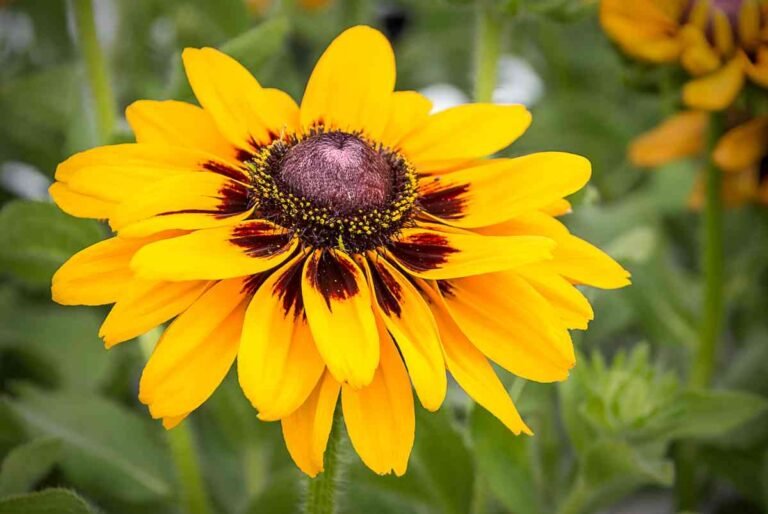
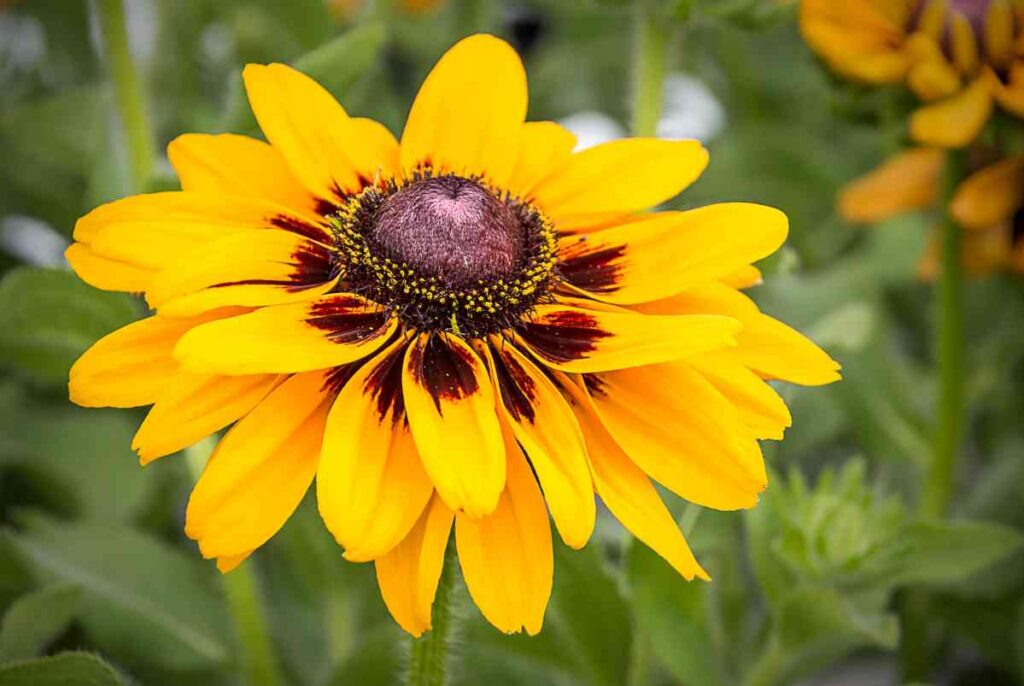
Black-eyed Susans produce golden-yellow daisy-like blooms with dark centers from summer to fall, reaching 2–3 feet tall. Their sturdy stems and coarse green foliage attract butterflies, bees, and birds like goldfinches.
Thriving in full sun to part shade, they adapt to various soils, resist deer, and tolerate drought once established. Plant in spring, spacing 11 inches apart.
Water regularly during the first season; reduce watering afterward as plants self-seed and become low-maintenance perennials with excellent heat tolerance.
Purple coneflowers feature drooping purple-pink petals and spiky bronze-orange centers, attracting pollinators and birds.
These 3–5 ft. tall natives thrive in full sun and lean, well-drained soil, tolerating drought, heat, and poor conditions (zones 3–9). Plant in spring, space 18 inches apart, water sparingly, and divide clumps every 3–4 years in fall to maintain vigor.
8. Daylilies
Daylilies produce vibrant, trumpet-shaped blooms in shades from gold to burgundy, each lasting a day but blooming for weeks. Their arching, grass-like foliage forms lush clumps that thrive in full sun or part shade.
Adaptable to various soils, they prefer well-drained, slightly acidic conditions. Plant in spring or fall, 2–3 feet apart. Water regularly during year one, then reduce as they naturalize and spread.
9. Coreopsis
Coreopsis offers bright, daisy-like flowers in yellows, oranges, and bicolors from early summer to fall. Its fine-textured foliage forms neat mounds that attract butterflies and make great cut flowers.
Thriving in full sun and well-drained, lean soils, it’s drought-tolerant and low-maintenance. Plant after frost, 12–20 inches apart. Water during establishment, then let dry conditions encourage self-seeding.
10. Hardy Chrysanthemum
Hardy chrysanthemums bloom in vibrant fall colors—yellow, rust, maroon, purple, and white—offering late-season beauty when other flowers fade. Their aromatic, gray-green foliage forms sturdy mounds that support masses of daisy-like flowers.
These perennials thrive in full sun to light shade and moist, well-drained soil. Plant in spring or early summer, spacing 18–24 inches apart.
Water regularly during establishment, fertilize in spring, and pinch stems in early summer to promote bushy growth and abundant blooms by fall.
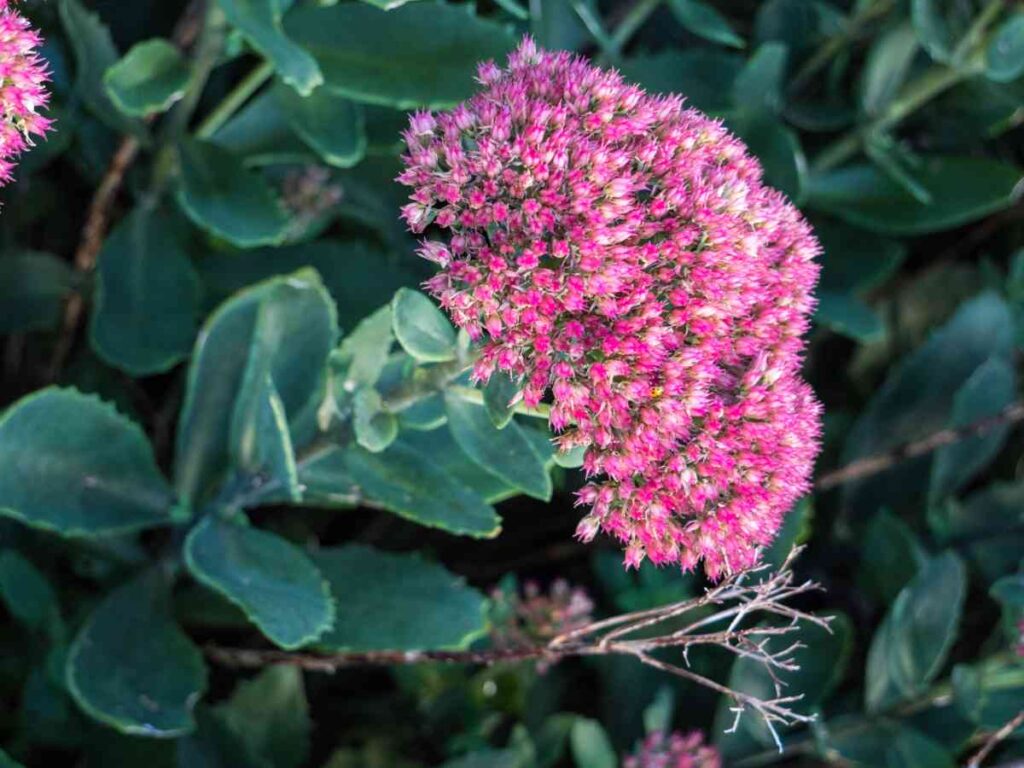
Autumn Joy stonecrop produces pink blooms that deepen to rose-red, then bronze in fall, offering long-lasting seasonal interest.
Thick, gray-green foliage and upright stems form tidy clumps. This drought-tolerant succulent thrives in full sun and lean, well-drained soil. Plant in spring, 18–24 inches apart. Water sparingly, avoiding rich soils or overwatering to prevent rot.
12. Dahlia
Dahlias offer dazzling blooms from late summer to frost in colors from red and pink to bicolored varieties. Their upright stems and lush foliage make them a favorite for cutting gardens and pollinators.
Plant tubers in spring, 18 inches apart and 4–6 inches deep. Use rich, well-drained soil and provide consistent moisture during growth. Avoid watering until shoots appear, and feed regularly. They need full sun and frost protection in cold climates.
13. Helenium
Helenium brings warm autumn hues—gold, red, orange—to borders from mid-summer to late fall. Its daisy-like flowers attract bees and butterflies. This sun-loving perennial prefers moist, fertile soil with good drainage.
Plant in spring or fall, spacing 2–3 feet apart. Water regularly and mulch during dry spells. Staking may be needed in rainy areas to support tall, upright growth and prolific flowering.
14. Blanket Flower (Gaillardia)
Blanket flower delivers vivid red, orange, and yellow blooms from spring to fall. Its low mounding form and drought tolerance suit poor, sandy soils.
Plant in full sun, spacing 12–18 inches apart. Water during establishment, then sparingly. Overly rich or wet soils can reduce flowering and plant health.
15. Shasta Daisy
Shasta daisies bloom with classic white petals and yellow centers from summer to fall. These hardy perennials reach up to 4 feet tall and are deer-resistant.
Plant in full sun or light shade in well-drained, organic soil, spacing 1–2 feet apart. Water regularly during establishment and maintain moisture during dry spells. They make excellent cut flowers and attract butterflies to the garden.
16. Yarrow
Yarrow features flat flower clusters in white, yellow, pink, and red atop fragrant, fern-like foliage. This tough perennial thrives in full sun and lean, dry soils, tolerating drought and poor conditions.
Plant in spring, 12–18 inches apart. Water lightly to establish, then sparingly, as too much moisture or fertility causes floppiness and reduced flowering.
17. Bee Balm (Monarda)
Bee balm produces bright, spiky blooms in red, pink, purple, or white that attract hummingbirds, bees, and butterflies.
Its minty foliage also repels mosquitoes. This tall perennial prefers full sun to part shade and rich, moist, compost-enriched soil. Space 24–28 inches apart in spring.
Water regularly to maintain moisture and prevent stress. Provide good airflow to reduce mildew risk and divide every 3–4 years to keep plants vigorous and prevent center die-out.
18. Turtlehead (Chelone)
Turtlehead blooms from July to October with snapdragon-like flowers in pink, purple, or white. Glossy foliage and upright growth make it ideal for moist areas like pond edges. It thrives in rich, consistently wet soil in sun or part shade.
Space 18–24 inches apart in spring. Keep soil evenly moist and divide every few years to control spread and encourage strong flowering.
19. Sedum
Sedums range from low groundcovers to upright succulents with fleshy leaves and clustered starry blooms.
Perfect for dry, poor, or rocky soils, they love full sun and need excellent drainage. Plant in spring with minimal watering. Avoid rich soil, which can lead to weak growth or rot.
20. Heuchera (Coral Bells)
Heuchera offers colorful foliage in purple, silver, chartreuse, and more, topped by delicate flower spikes that attract pollinators.
This compact perennial thrives in partial shade but adapts to sun or shade. Plant in spring, 12–18 inches apart in well-drained, humus-rich soil.
Maintain consistent moisture without sogginess, especially in hot spells. Coral bells are excellent for edging, containers, and adding year-round interest to garden beds, with evergreen or semi-evergreen foliage depending on climate and variety.
21. Rudbeckia ‘Goldsturm’
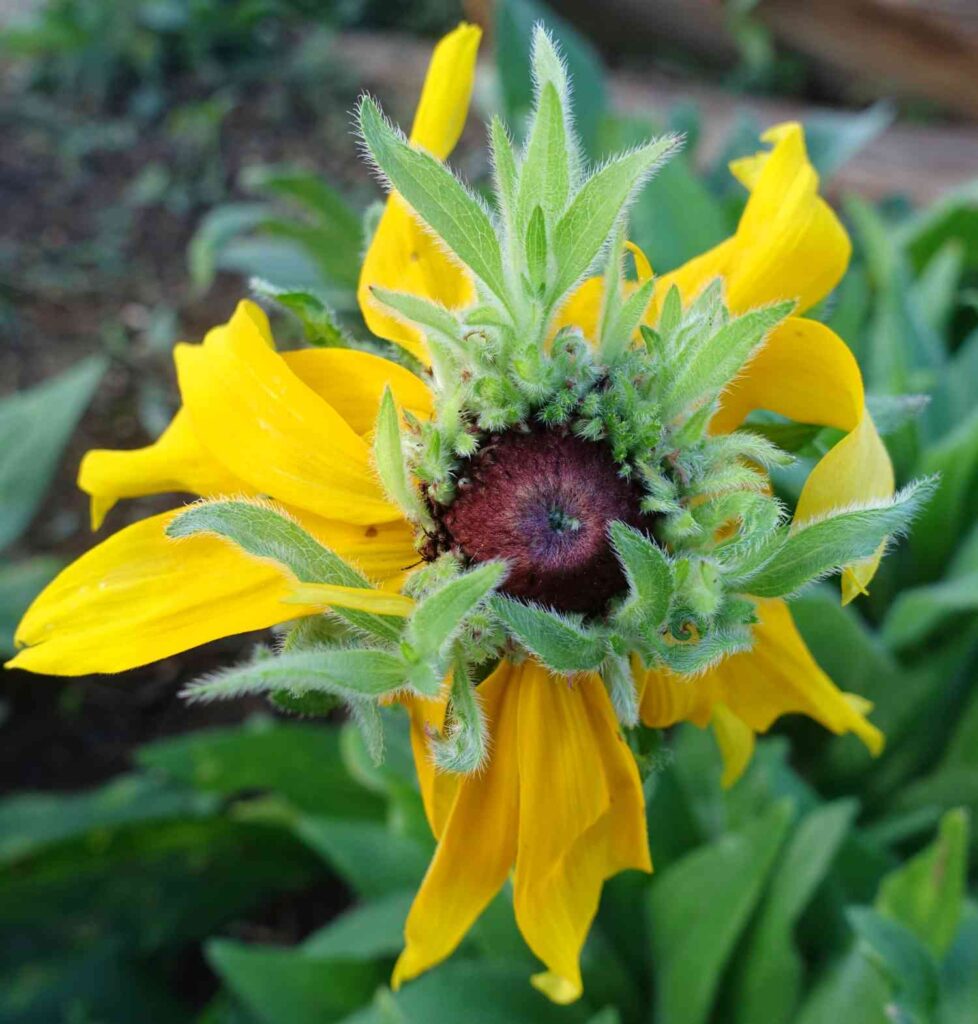
Rudbeckia ‘Goldsturm’ blooms mid-summer to fall with golden-yellow flowers and dark centers atop compact, disease-resistant foliage. Thriving in sun and well-drained soil, it tolerates drought, clay, and heat.
Plant in spring, spacing 18–24 inches apart. Water during establishment and maintain moisture through the season. Divide every few years to prevent overcrowding and renew vigor.
22. Veronica (Speedwell)
Veronica produces vibrant flower spikes in blue, purple, or pink over neat clumps of green foliage, blooming for weeks in summer. These sun-loving perennials grow 6 inches to 4 feet tall, depending on type.
Plant in spring, 15–18 inches apart in well-drained soil. Water consistently and deadhead spent blooms to extend flowering.
They’re deer-resistant, drought-tolerant, and loved by butterflies and hummingbirds.
Ligularia adds bold texture with its large leaves and tall yellow to orange flowers in mid-to-late summer.
It thrives in full to partial shade and consistently moist, rich soil, making it perfect for boggy spots or waterside planting.
Space plants 2–3 feet apart in spring and mulch heavily to retain moisture. Protect from afternoon sun to prevent wilting, and water regularly to support lush growth. Some varieties have dramatic foliage for added ornamental value.
Planting perennials in August gives your garden a head start for next spring. Warm soil and cooler nights encourage strong root development, helping plants establish before winter.
By choosing hardy, drought-tolerant, or late-blooming varieties suited to your climate, you’ll enjoy lasting color, structure, and pollinator benefits.
With a bit of planning and care, August plantings will reward you with vigorous, resilient growth in seasons to come.
Khaja Moinuddin, a computer science graduate, finds joy in gardening and homesteading. Join him on this blog as he shares his experiences in homesteading, gardening, and composting
Our family loves these Asian chicken lettuce wraps, but I wanted to come up with something a little lighter. This version has more of a fresh, herbal flavor, instead. It’s simple, uses fresh ingredients that are plentiful in summer, and is easy to throw together.
I like to batch cook proteins at the beginning of the week, especially chicken. It really makes meal prep a breeze on busy days (which is often!). You can use either chicken breast or thigh meat for this recipe. Here’s what else you’ll find in this recipe.
Chicken Lettuce Wraps
I love fitting in as many veggies as possible whenever I’m making a meal. These chicken lettuce wraps feature veggies like red onion, cucumber, and cherry tomatoes for a nice crunch. The avocado and yogurt sauce add a nice layer of creaminess. I like using romaine or butter lettuce for these wraps because they hold together well and don’t have an overpowering flavor. Greek yogurt adds another easy protein boost and healthy fats to keep tummies full.
The fresh basil and chives in the yogurt sauce combine beautifully with the crunchy veggies. You can even make the yogurt sauce ahead of time if you want an even faster lunch. The chicken can be pre-cooked/shredded, and the veggies pre-chopped (except the avocado). This also gives the flavors a little more time to meld together. Once the chicken wraps are assembled though they taste best fresh.
Our whole family loves these chicken lettuce wraps and we’ve been devouring them for lunch! Here’s how to make them:
Chicken Lettuce Wraps
These crunchy chicken lettuce wraps are a fresh twist on the classic chicken wrap. Use precooked chicken for an even faster meal!
2cupsshredded cooked chicken(pre-cooked or prepared using one of the methods below)
In a small bowl, whisk together all of the herbed yogurt sauce ingredients until smooth. Set aside.
In a large bowl, combine shredded chicken, avocado, cucumber, onion, and cherry tomatoes. Add half of the yogurt sauce and toss gently to coat.
Lay out 8 lettuce leaves. Spoon chicken mixture evenly into each leaf. Drizzle with remaining yogurt sauce and sprinkle with 2 Tablespoons chopped walnuts for extra crunch.
Nutrition Facts
Chicken Lettuce Wraps
Amount Per Serving (2 wraps)
Calories 266 Calories from Fat 144
% Daily Value*
Fat 16g25%
Saturated Fat 3g19%
Trans Fat 0.003g
Polyunsaturated Fat 4g
Monounsaturated Fat 7g
Cholesterol 54mg18%
Sodium 377mg16%
Potassium 690mg20%
Carbohydrates 10g3%
Fiber 5g21%
Sugar 3g3%
Protein 23g46%
Vitamin A 5172IU103%
Vitamin C 15mg18%
Calcium 76mg8%
Iron 2mg11%
* Percent Daily Values are based on a 2000 calorie diet.
These wraps taste best fresh, but you can make the filling ahead of time. Place the filling and walnuts in the lettuce wraps when ready to serve.
Chicken Cooking Options
I like to premake a bunch of cooked chicken and ground beef at the beginning of the week for meal prep. It saves so much time in the kitchen on busy days! While the Instant Pot is usually my go-to, here are a few ways you can cook the chicken for this recipe (and others).
Grilled Chicken:
Prep Time: 5 minutes
Cook Time: 12-15 minutes
Instructions: Preheat grill to medium-high, 400°. Rub 2-3 chicken breasts or thighs with 1 TBSP olive oil, sea salt, black pepper, 1/2 tsp garlic powder, and 1/2 tsp smoked paprika. Grill for 6-8 minutes per side until internal temperature reaches 165°F. Let rest for 5 minutes, then shred with two forks.
Flavor Note: Adds a smoky, charred flavor that pairs well with the fresh veggies and sauce. Shred and mix into the filling as directed.
Air Fryer Chicken
Prep Time: 5 minutes
Cook Time: 10-12 minutes
Instructions: Preheat the air fryer to 380°F. Rub 2-3 chicken breasts or thighs with 1 TBSp olive oil, sea salt, black pepper, 1/2 tsp garlic powder, and 1/2 tsp smoked paprika. Air fry for 10-12 minutes, flipping halfway, until internal temperature reaches 165°F. Let rest for 5 minutes, then shred.
Flavor Note: Crispy exterior with juicy interior that’s ideal for a quick, healthy prep. Shred and mix into the filling as directed.
Rotisserie-Style (Oven-Roasted) Chicken:
Prep Time: 5 minutes
Cook Time: 20-25 minutes
Instructions: Preheat oven to 400°F. Rub 2-3 chicken breasts or thighs with 1 TBSP olive oil, sea salt, black pepper, 1/2 tsp garlic powder, and 1/2 tsp smoked paprika. Place on a baking sheet and cook for 20-30 minutes or until the internal temperature reaches 165°F. Let rest for 5 minutes, then shred.
Flavor Note: This is a great way to get juicy, tender chicken. Shred and mix into the filling as directed.
More Shredded Chicken Recipes
If you’re looking for ways to use up a big batch of cooked chicken, give these recipes a try.
What are some of your favorite easy lunch ideas? Leave a comment and let us know!
The common hepatica (Hepatica americana) is known by various names, including blue anemone, liverleaf, and mayflower. This species is native to the southeastern US.
It’s a charming wildflower that grows close to the ground in woodsy settings, where there is partial shade and rich, well-drained soil.
As an herbaceous plant, the stems, leaves, and flowers die at the end of the growing season while roots lie dormant beneath the soil throughout the winter.
This species grows up to six inches tall and blooms in early spring. Depending on the variety the flowers may be blue, pink, or white and are sometimes fragrant.
Hardy in Zones 3 to 8, common hepatica enjoys a part shade location and organically-rich, well draining soil.
5. Colorado Blue Columbine
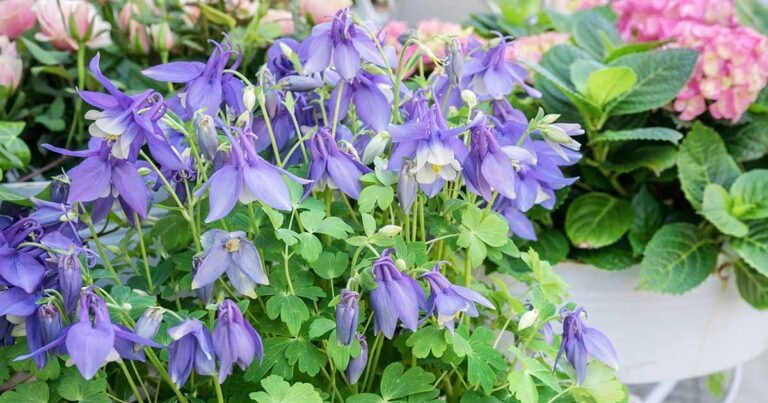
Colorado blue columbine (Aquilegia caerulea) is native to the Colorado Rocky Mountain region that thrives in moist, well-drained soil.
This hardy herbaceous perennial does best in full sun but will tolerate partial shade. It is the Colorado state flower, and a protected species.
Colorado blue columbine may succumb to the heat of areas with hot summers after just a few years, usually because the soil isn’t moist enough.
However, it self-propagates by scattering seeds that grow into new plants, much like an annual.
Plants grow two to three feet tall and bloom in late spring. The blooms consist of central white petals flanked with blue sepals, providing a delightful, star-like display. Hardy in Zones 3 to 8.
Great blue lobelia (Lobelia siphilitica) is an herbaceous perennial native to eastern and central US.
It blooms from mid to late summer in Zones 4 to 9 with spikes of vivid blue, tubular blooms.
Plants reach two to four feet tall and thrive in organically-rich, fertile soil that is consistently moist.
A full sun location is ideal but this species will tolerate part shade, especially in hot climates.
8. Lewis Flax
Lewis or blue flax (Linum lewisii) is a short-lived perennial native to much of western North America, from Alaska and western Canada down through the western United States into northern Mexico.
Its delicate, sky-blue flowers open in the morning and often drop by afternoon, with new blooms appearing daily from late spring into midsummer.
Rams defensive end Kobie Turner takes a sniff of smelling salts during a game against the Packers at SoFi Stadium in Inglewood on Sunday.
Wally Skalij/Los Angeles Times via Getty Images
hide caption
toggle caption
Wally Skalij/Los Angeles Times via Getty Images
NFL players may soon have a harder time getting a quick jolt of alertness on the field. On Tuesday, the NFL sent a memo to clubs saying they are no longer allowed to provide the substance to players, citing safety concerns.
In the memo, which NPR has reviewed, the league pointed to a warning from the FDA released last year informing consumers that smelling salts — often marketed to increase alertness and energy — have not been proven to be safe or effective for that purpose.
In addition to general safety concerns, the NFL noted in the memo the substance can mask symptoms of a concussion. Recent estimates suggest one concussion occurs every two NFL games.
After the memo was circulated, San Francisco 49ers tight end George Kittle said in an interview with the NFL Network that smelling salts had been “made illegal in the NFL,” noting that he was “distraught” because he uses them multiple times a game. And later, some media outlets, including NPR, published articles reporting that the league had banned use of the substance, based on a story on NFL.com that also mentioned Kittle’s interview.
However, on Wednesday night, the NFL Players Association wrote in a message to players, obtained by NPR, that it wasn’t notified in advance of the policy change and that it had clarified with the NFL that the use of the substance had not been banned — only that teams were no longer allowed to distribute it. In a statement to NPR, the NFL confirmed that the memo says teams are no longer allowed to supply smelling salts.
George Kittle of the San Francisco 49ers said he regularly uses smelling salts during football games.
Michael Zagaris/Getty Images
hide caption
toggle caption
Michael Zagaris/Getty Images
What are smelling salts?
Smelling salts are made of ammonium carbonate. When dried, the substance looks like table salt and was initially called the salt of hartshorn — named for the horns of male deer from which it was commonly derived in the 17th century. A liquid form of the substance was first used as a leavening agent before baking soda and powder became widely available.
Today, smelling salts and other ammonia inhalants are used to prevent and treat fainting. The Federal Aviation Administration even requires U.S. airlines to carry them onboard.
Once the ammonia is produced, it’s packaged with water and other liquids into small, single-use capsules containing a few drops of the mixture. When the contents are crushed together, a chemical reaction releases ammonia gas and carbon dioxide.
“It’s really gross. I mean, it smells really, really bad,” Laura Boxley, a neuropsychologist at The Ohio State University Wexner Medical Center, said. “I think some people describe it as being like you’re really close up to cat urine.”
When inhaled, the ammonia gas activates receptors in the nose, which leads to a cascade of reactions that cause an increase in respiratory rate, cerebral blood flow and heart rate.
From the medicine cabinet to the field
But this physiological reaction has also been sought after by some athletes because it leads to a “subjective increase in perceived alertness and ‘psyched-up energy,'” according to a recent paper about smelling salts.
“The use of smelling salts in sports is definitely not their intended use,” Boxley said. “What’s happening with some athletes is they’re using them with much higher frequency than its intended use.”
Smelling salts are widely available and can be purchased over the counter. Athletes like Tom Brady have used them in the past.
It’s unclear when athletes first started using smelling salts, but Boxley compares their use to superstitious practices some athletes adopt.
“There’s lots of things that athletes do, from a psychological perspective, that they feel gives them an edge,” she said. “They are very famous for doing rituals like wearing a lucky shirt or wearing a certain hairdo.”
Despite the perceived effects of smelling salts, there is no strong evidence to support the theory that smelling salts enhance athletic performance. Boxley added that some athletes who use smelling salts may link success on the field with their use of the substance.
“There is no performance benefit to ammonia inhalants in a short burst of maximal effort despite elevated arousal and an associated perception of performance enhancement,” the authors of the same paper wrote.
Why sniffing for a boost could backfire
Though smelling salts are medically indicated at times, inappropriate and frequent use of the substance can lead to adverse events like shortness of breath, seizures and migraines. Even when these don’t occur, the substance can still pose risks — especially in professional athletes.
When a football player has a concussion, symptoms usually include confusion, headache and dizziness. Using smelling salts can artificially elevate arousal levels, potentially masking these telltale signs.
If a player continues to use smelling salts after a concussion, it can worsen the injury. That’s because the potent ammonia gas can trigger a sudden, automatic jolt of the head and neck.
“That certainly could complicate injury before it’s been formally evaluated,” Boxley explained.
Though smelling salts release a small amount of ammonia vapor, the long-term effects of repeated exposure are not well understood.
“Whenever you’re using a tool outside of its recommended use, you’re in kind of uncharted territory,” Boxley said, suggesting that in these situations it’s important to weigh the potential rewards against the possible risks.
“In the absence of evidence that it actually improves anything, I think it’s reasonable to prioritize somebody’s health over an unproven substance,” she said.
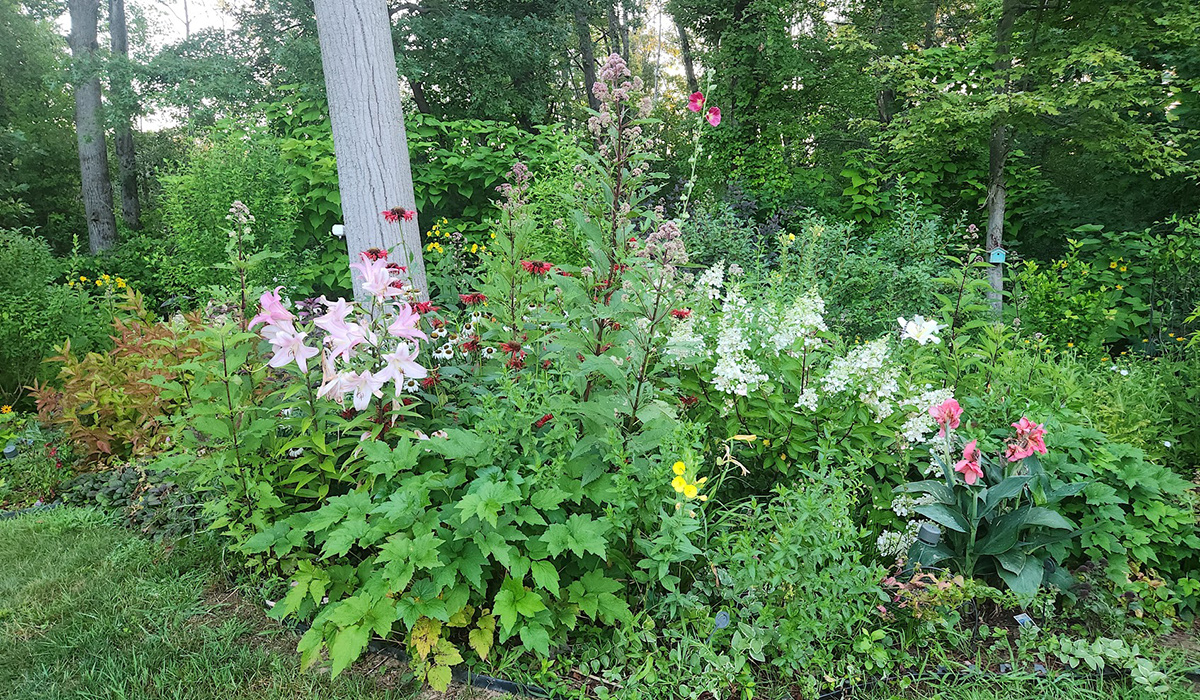
Our midsummer garden is a vibrant tapestry, a kaleidoscope of colors that erupts in every direction. Bright yellow cup plants stand tall, their cheerful faces attracting buzzing bees and fluttering butterflies. The sweet, heady perfume of roses mingles with the subtle scent of the lilies, creating an intoxicating aroma that fills the air. The gentle rustle of leaves in the breeze, accompanied by the chirping of birds, forms a natural soundtrack that enhances the peaceful ambiance. Every corner of the garden is overflowing with life, a testament to the abundance and joy of summer.
Thank you, Maxine Brisport
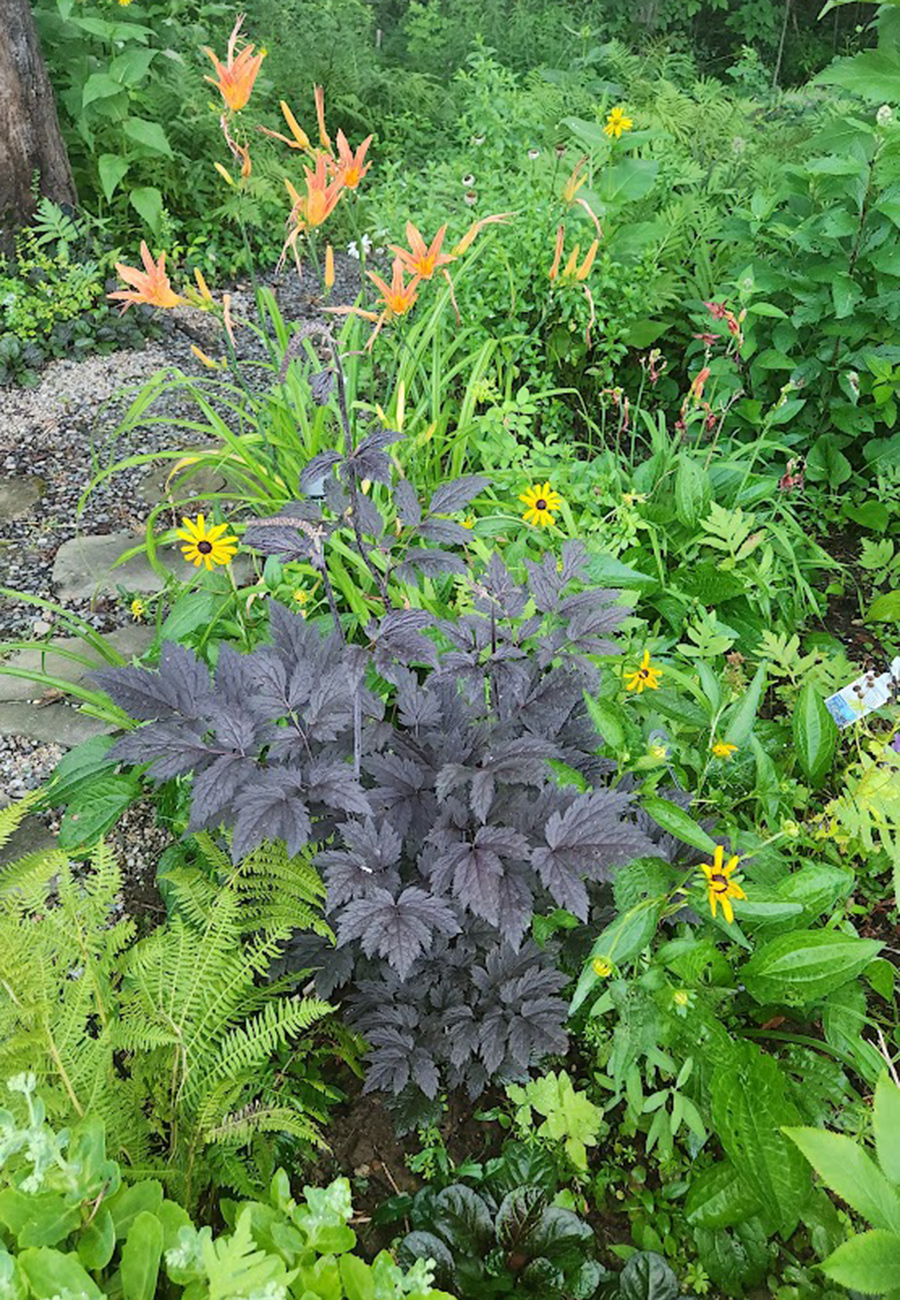
This photo epitomizes what Maxine calls a “kaleidoscope of colors.” Diverse foliage mixes and melds together, while a gorgeous array of pink, white, and yellow blooms adds layers of brightness.
Not to be underestimated, leaves can also add some bold hues to a peak-season garden. This moody, black foliage appears to be that of a ‘Hillside Black Beauty’ black snakeroot (Cimicifuga ramosa ‘Hillside Black Beauty’, Zones 6–9). If so, later in the summer this plant will produce tall spires of fluffy white flowers.
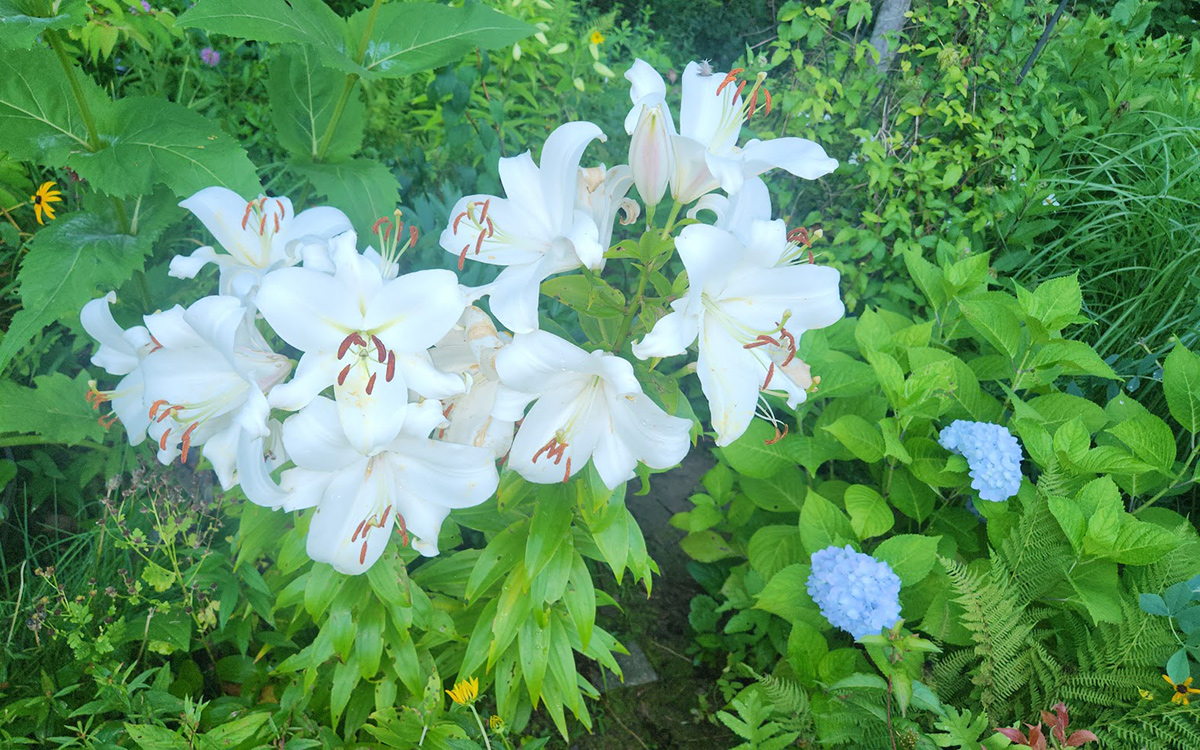
In another part of the garden, the bright white blooms of a ‘Casa Blanca’ lily (Lilium ‘Casa Blanca’, Zones 5–8) glow with some baby blue bigleaf hydrangea blooms (Hydrangea macrophylla, Zones 6–9).
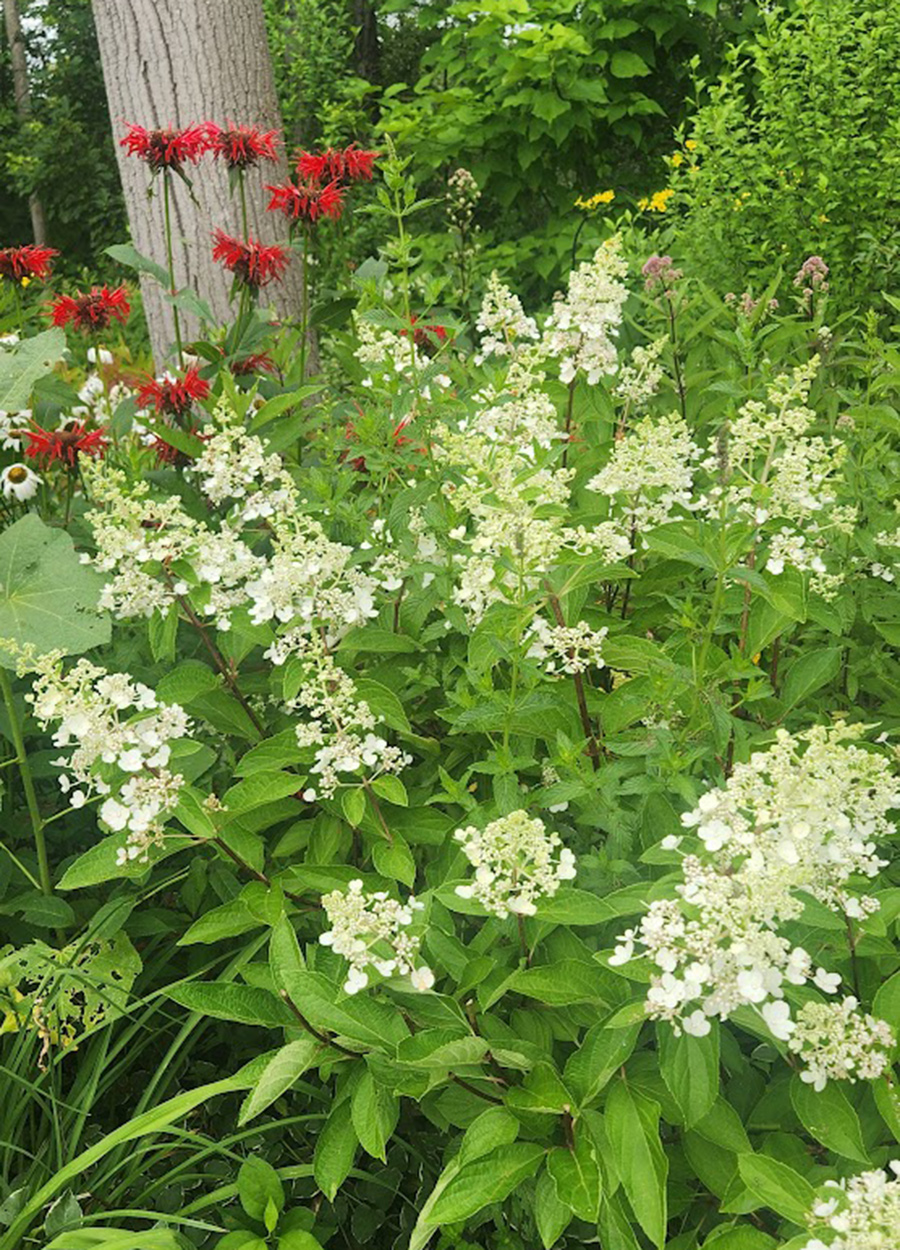
More hydrangeas, this time the panicle form (Hydrangea paniculata, Zones 3–8), created a flurry of white flowers in front of bright red bursts of bee balm.
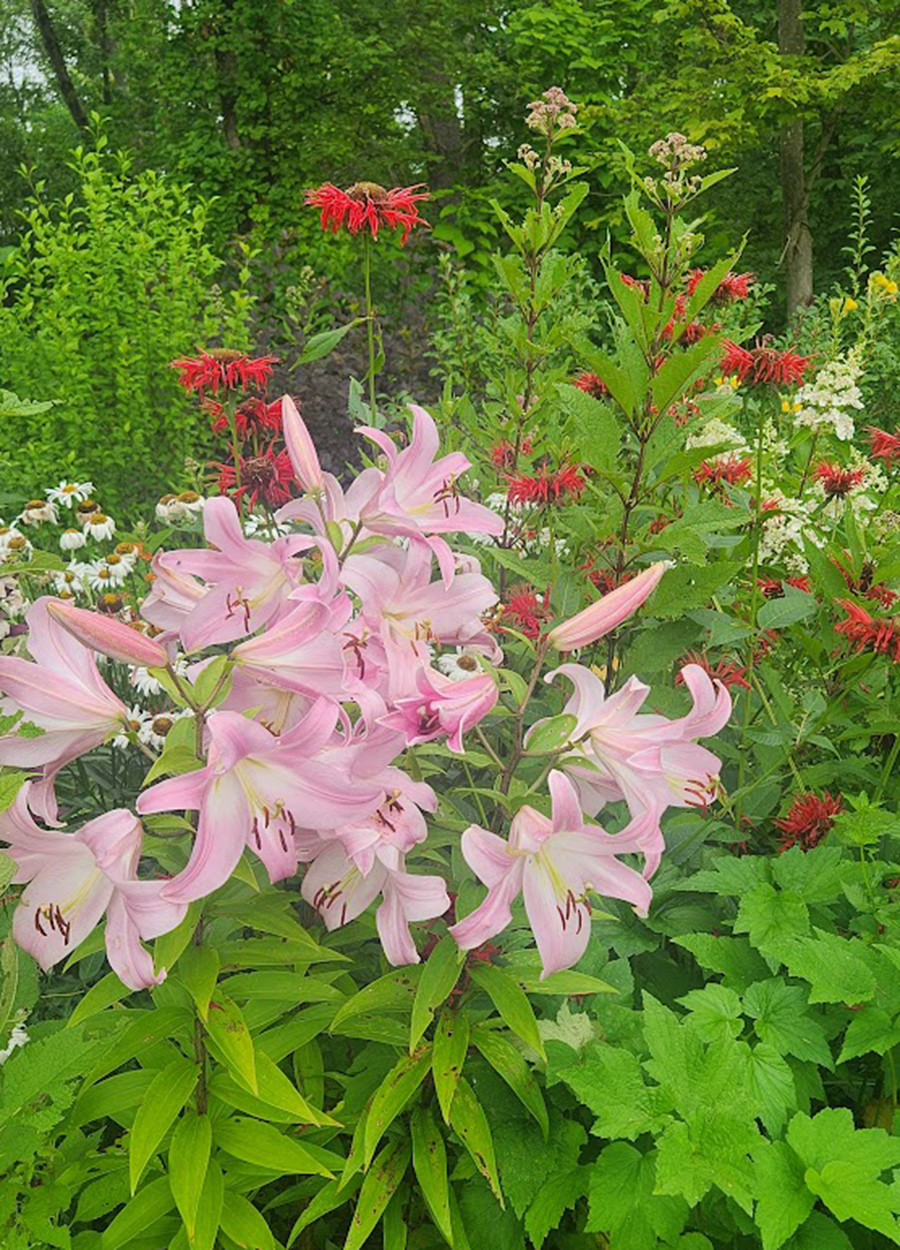
On the opposite side of the strawberry red bee balm, these light pink lilies are covered in big blossoms.
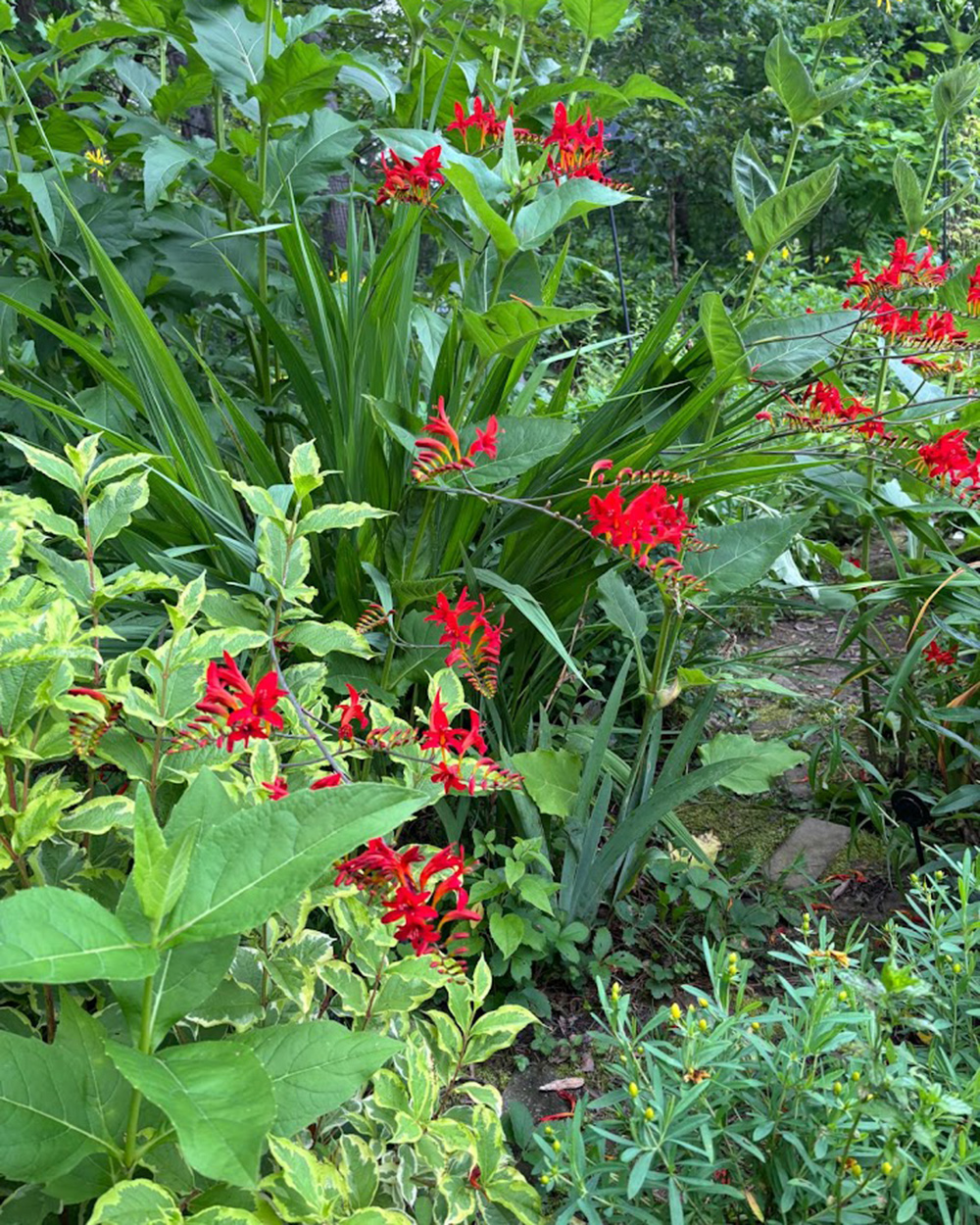
In a few months, red and green decor will signal the start of the holiday season, but right now these colors celebrate the heat of summer. Rich green foliage marries wonderfully with the bright blooms of ‘Lucifer’ crocosmia (Crocosmia ‘Lucifer’, Zones 6–9).
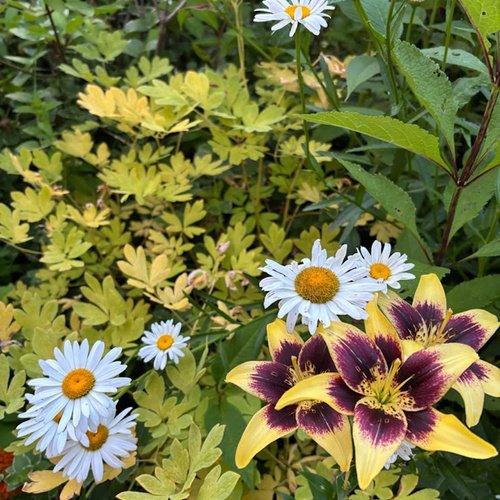
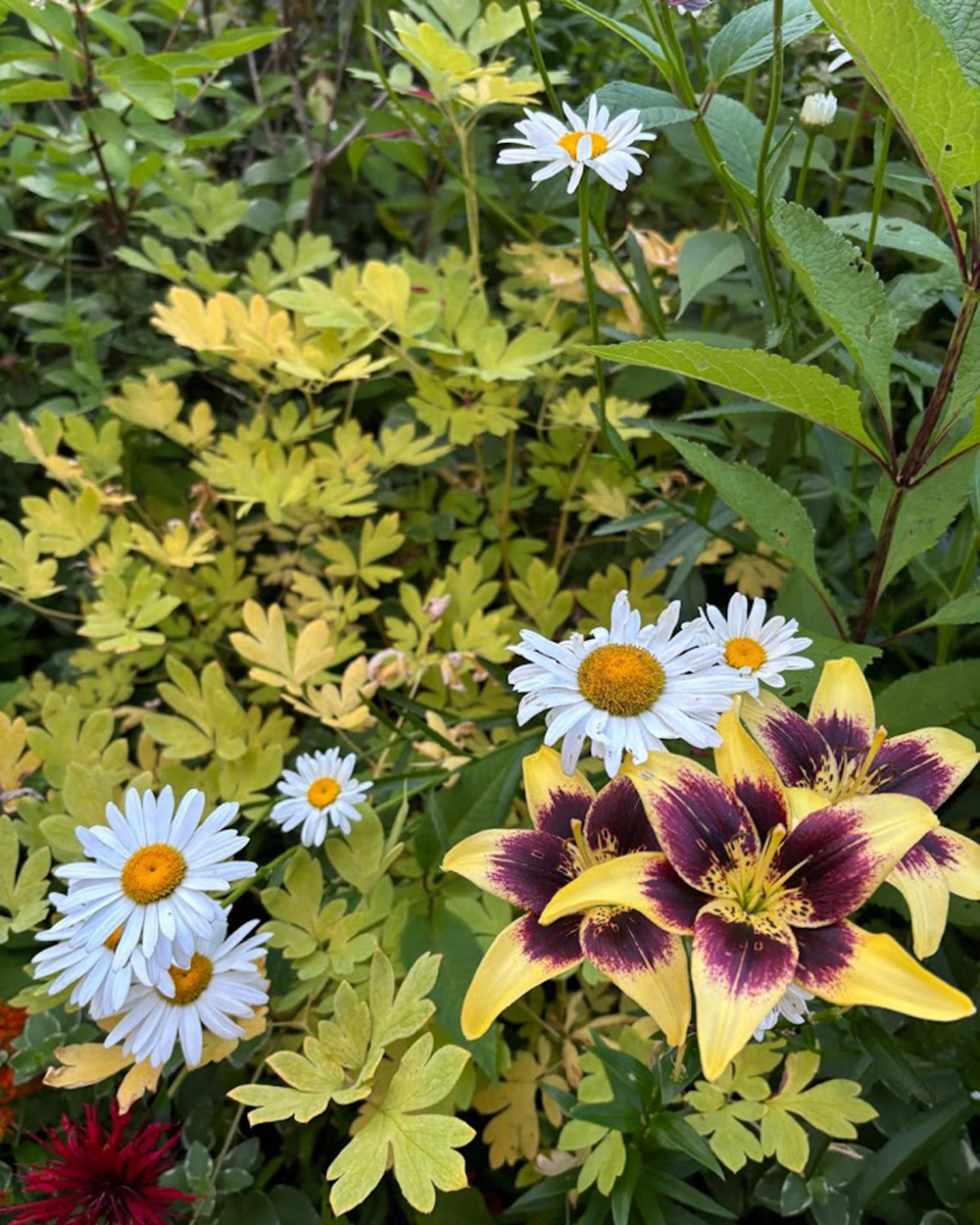
To keep the hot hues going, ‘Pieton’ lily (Lilium ‘Pieton’, Zones 3–8) and Shasta daisies (Leucanthemum × superbum, Zones 5–9) make for a cheerful combination in front of the golden foliage of a ‘White Gold’ bleeding heart (Lamprocapnos spectabilis ‘Tndicwg’, Zones 4–8).
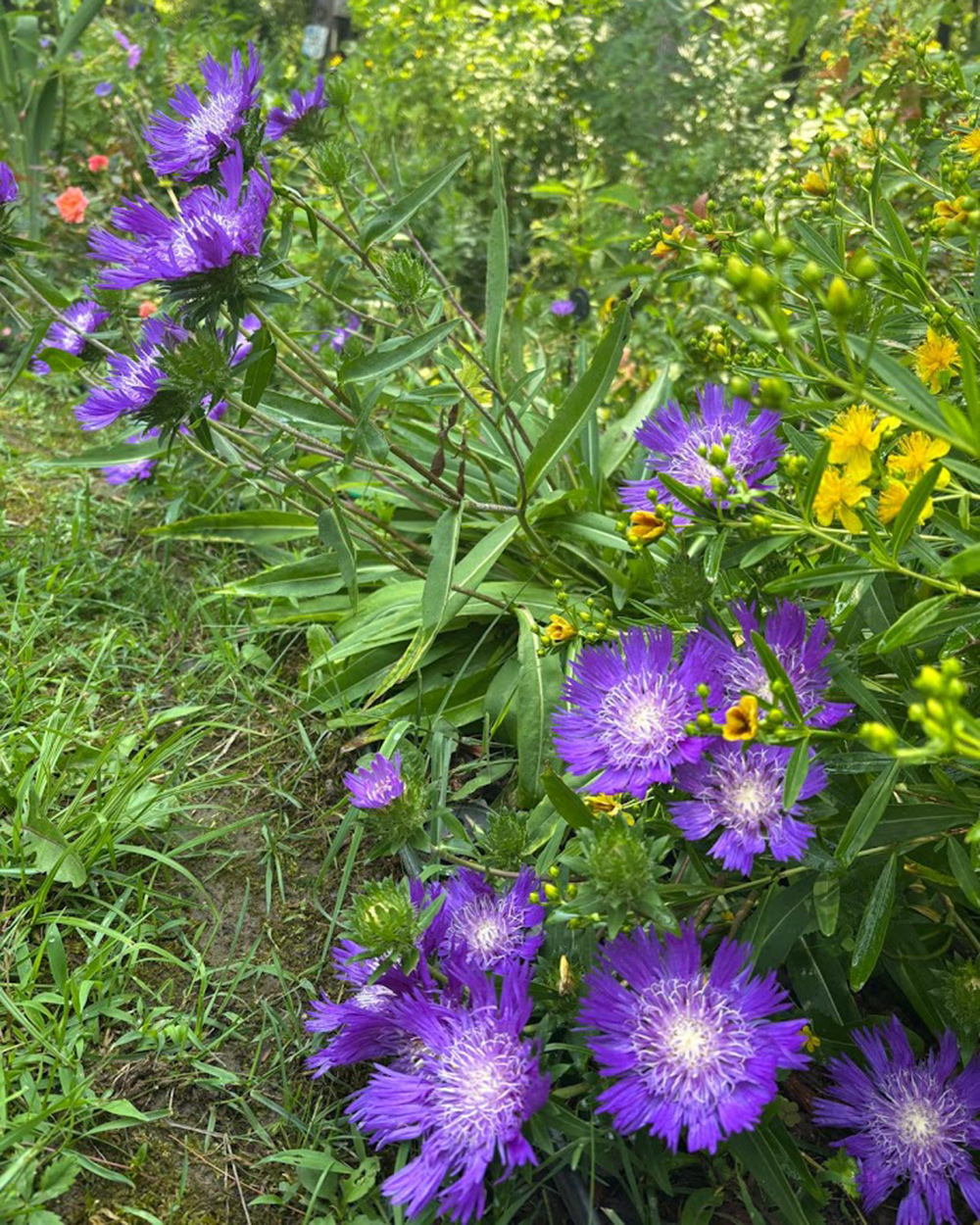
I absolutely adore that Maxine includes as many colors as possible in her garden. She hits every color in the rainbow, from the brightest reds to the vibrant purple of this Stokes’ aster (Stokesia laevis, Zones 5–9).
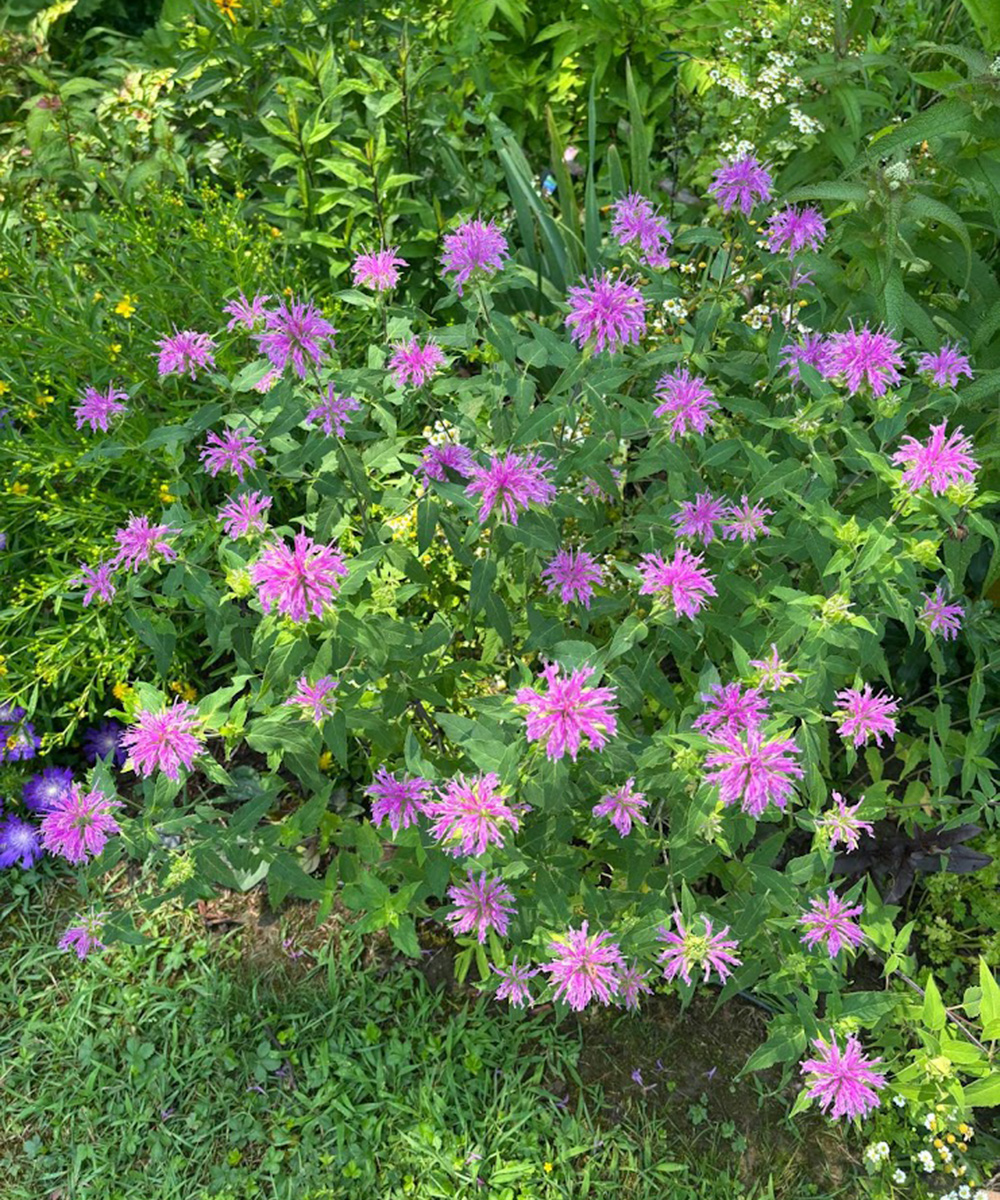
Lastly, alongside that Stokes’ aster is more bee balm to attract even more pollinators. This cultivar has produced an incredible number of blooms this year in a lovely shade of pink.
Just as she did for her early summer submission, Maxine sent a plethora of lovely scenes from her garden in midsummer. Check back in with Garden Photo of the Day tomorrow as we return to Rotterdam to see more!
We want to see YOUR garden!
Have photos to share? We’d love to see your garden, a particular collection of plants you love, or a wonderful garden you had the chance to visit!
To submit, send 5–10 photos to [email protected] along with some information about the plants in the pictures and where you took the photos. We’d love to hear where you are located, how long you’ve been gardening, successes you are proud of, failures you learned from, hopes for the future, favorite plants, or funny stories from your garden.
Do you receive the GPOD by email yet? Sign up here
Fine Gardening Recommended Products
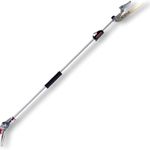
ARS Telescoping Long Reach Pruner
Fine Gardening receives a commission for items purchased through links on this site, including Amazon Associates and other affiliate advertising programs.
Telescopes from 4 to 7′. Cut and Hold (160) Blades. Drop forged blades for unsurpassed long lasting sharpness. Lightweight, 2.3 lbs., for continued use. Perfectly balanced for easy pruning.
XLUX Soil Moisture Meter
Fine Gardening receives a commission for items purchased through links on this site, including Amazon Associates and other affiliate advertising programs.
– Large and clear dial, including ten scales, plug and read
– Simply insert the moisture meter into soil and you’ll get the test result instantly
– Single probe, less hurts to the roots, doesn’t dig up too much soil after test
SHOWA Atlas 370B Nitrile Palm Coating Gloves, Black, Medium (Pack of 12 Pairs)
Fine Gardening receives a commission for items purchased through links on this site, including Amazon Associates and other affiliate advertising programs.
Lightweight and close-fitting for excellent dexterity. Machine washable. Breathable back of hand to reduce perspiration. Designed for easy movement and continuous wear. Ideal for aerospace, assembly, automotive, construction, final fix, gardening, manufacturing, operating machinery, packaging, precision handling, tiling, warehousing.
As the day temperature drops and night gets colder, garden soil remains warm and it’s a sign that you still have chance to grow plants.
Perennials are plants that come back every year during the growing season. You don’t have to plant them annually.
Though most perennials prefer warmer temperatures to grow and bloom, there are few exceptions that can tolerate colder months.
In this write-up you’ll learn growing requirements of the perennial and optimal time to plant them.
While planting, plan for a mix of late-season bloomers and true winter-flowering perennials can carry the garden with blossoms, fragrance, and texture when most plants are dormant.
You don’t have to lose color when summer ends. Pick fall and winter bloomers—like hellebores, witch hazel, camellias, and cyclamen—to keep flowers, fragrance, and structure going when most plants are sleeping.
Plant about 6–8 weeks before your first hard frost. Focus on good drainage, add mulch to prevent frost heave, and group plants where they’ll get the right light and shelter. Prune at the right time, and enjoy blooms from late fall into early spring.
When to Plant Perennials to Bloom in Fall and Winter?
Fall is one of the best times to plant perennials because cooler air and warm soil reduce transplant stress and fuel strong root development before winter, setting plants up for better performance next season.
Aim to plant about 6–8 weeks before the first hard frost so roots establish while the ground is still workable; keep newly planted perennials watered if rainfall is sparse in autumn.
Early-blooming perennials often perform even better when planted in fall, and many shade perennials (such as hellebores) are ideally planted in cool weather, including fall and early spring.
17 Perennials That Bloom in Fall and Winter
While choosing perennials you must ensure the plants can thrive in shade or shorter days and should be able to tolerate colder winds.
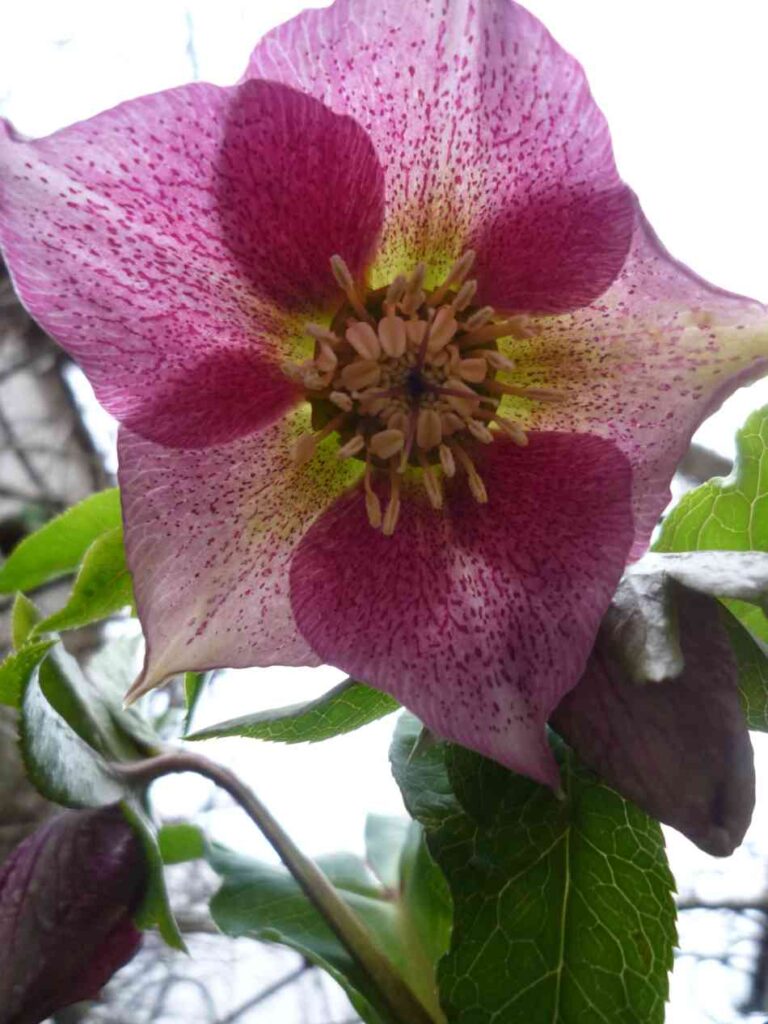
1. Hellebores
Hellebores (Christmas/Lenten roses) bloom from winter to early spring with nodding flowers in white, green, pink, or deep purple. They’re hardy, mostly evergreen, and usually ignored by deer and rabbits.
Plant in partial to full shade in moist, well-drained, rich soil. Plant in cool weather (fall to spring), mulch, and water to establish. Expect blooms anytime from early winter to late spring, depending on climate. In late winter, remove old, ragged leaves so the flowers show better.
2. Witch Hazel
Witch hazel is a deciduous shrub or small tree that blooms in fall and winter with spidery yellow, orange, or red flowers, often sweetly scented on cold days. It’s low-maintenance and generally pest- and disease-resistant, adding rare midwinter color and fragrance.
Plant in full sun to partial shade in well-drained, moderately acidic soil. Give it room to spread and water during dry spells in the first year. Bloom time usually runs from late fall into winter, sometimes early spring, depending on species and climate.
3. Algerian Iris
Algerian iris (Iris unguicularis) forms neat clumps and sends up delicate, fragrant lilac flowers in late winter, brightening the garden when color is scarce. It’s low-maintenance and looks great near paths or patios where blooms can be enjoyed up close.
Grow in full sun to part shade in well-drained soil; avoid heavy, overly rich sites. Water to establish, then keep on the dry side in summer. Divide clumps when growth slows. Expect flowers in late winter into early spring, often during mild spells.
4. Camellia
Camellias are evergreen shrubs with glossy leaves and rose-like winter flowers in white, pink, or red. In mild climates, many varieties bloom from winter into spring, adding color and structure when most plants are bare.
Plant in partial shade with acidic, organic, moisture-retentive but well-drained soil. Protect from hot afternoon sun and drying winds, and mulch around the roots to keep them cool and moist. Bloom time varies by cultivar and climate, typically winter through spring; choose cold-hardy types if your winters are severe.
5. Cyclamen
Cyclamen produce butterfly-like flowers in pinks, reds, and whites above patterned leaves, blooming from fall through winter into spring. Some species suit garden beds; others shine in cool-season containers. They add welcome color under deciduous trees as leaves drop.
Plant hardy types in partial shade in well-drained, humus-rich soil. Water sparingly—tubers dislike soggy conditions—and keep summers on the dry side for good health. Bloom time varies by species and climate but typically runs from fall through early spring, with flushes during mild spells.
6. Winter Jasmine
Winter jasmine is a deciduous, arching shrub that brightens mid to late winter with cheerful yellow flowers on bare green stems, often blooming even during cold spells. It’s reliable on slopes, walls, or trellises for a cascading winter display.
Grow in full sun to part shade in average, well-drained soil. Water to establish, then it’s fairly drought-tolerant. Prune right after flowering to shape the plant and encourage new shoots that will bloom next winter. Expect flowers from winter into early spring, depending on local temperatures.
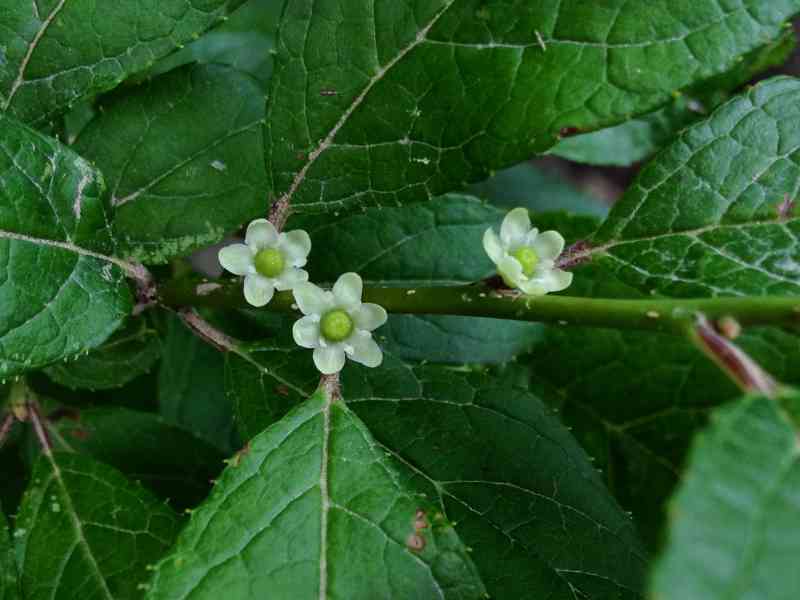
7. Winterberry Holly
Winterberry (Ilex verticillata) has small summer flowers, but female plants shine in late fall and winter with bright red berries—provided a compatible male is nearby. The fruit offers bold seasonal color and valuable bird food, creating a “winter bloom” effect, especially striking against snow.
Plant in full sun to part shade in moist, acidic soil. Include at least one male within about 50ft for pollination. Berries set after summer bloom and often persist through winter, unless birds eat them. Choose cultivars with overlapping bloom times.
8. Hardy Viola
Many violas act as short-lived perennials in mild climates, providing cold-tolerant color into late fall and often through winter thaws, bouncing back repeatedly. They’re ideal for edging, window boxes, and containers that need winter cheer.
Grow in full sun to part shade with fertile, well-drained, consistently moist soil; deadhead to extend bloom. Expect repeated flushes from fall through winter into early spring in suitable climates.
9. Snowdrops
These bulbous perennials are among the earliest bloomers, pushing dainty white bells through frozen soil in late winter, bridging the gap to spring.
They naturalize beautifully in drifts beneath deciduous trees and shrubs where winter light reaches the ground.
Plant bulbs in fall in partial shade with well-drained, humus-rich soil; allow foliage to die back naturally after bloom to recharge bulbs. Bloom time is late winter to very early spring depending on climate.
10. Glory-of-the-Snow
Glory-of-the-snow are small bulbs that return yearly with starry blue, pink, or white flowers as winter recedes, thriving with minimal care and often spreading into cheerful carpets.
They’re durable, disease-resistant, and deer-resistant, perfect for naturalizing.
Plant in fall 2–3in deep in sun to partial shade with well-drained soil; avoid disturbance for best clump expansion. Flowering is typically very early spring, often overlapping the tail end of winter in milder climates.
11. Helleborus niger
A distinct hellebore species prized for blooming around December in mild years, Christmas rose bears pristine white flowers that can emerge in mid-winter or as soon as snow melts where winters are harsher.
It’s exceptionally cold-hardy and a mainstay for true winter bloom in shaded beds.
Grow in partial shade with moisture-retentive, free-draining soil; plant during cool weather and avoid feeding other perennials in fall while feeding hellebores as they grow actively in cool seasons.
Blooming occurs from early winter through late winter/early spring, varying by climate.
12. Black-eyed Susan
While best known as summer bloomers, many Rudbeckia selections carry flowers well into fall, extending color as nights cool, especially in prolonged mild autumns. They’re rugged, pollinator-friendly, and mix seamlessly with other late-season perennials.
Grow in full sun with average, well-drained soil; deadhead for extended bloom and leave some seedheads for birds and winter interest. Peak bloom is summer into fall, often lasting to frost in many regions.
13. Chrysanthemum
Mums are classic fall perennials, delivering dense mounds of daisies in every autumn shade and providing vital late nectar for pollinators.
Modern hardy garden mums, planted in the ground and allowed to root in summer, overwinter better and return reliably.
Plant in full sun with fertile, well-drained soil; pinch in early summer for bushier plants and plant hardy mums well before frost so they establish.
Blooming occurs in late summer through fall, often peaking in mid-to-late autumn.
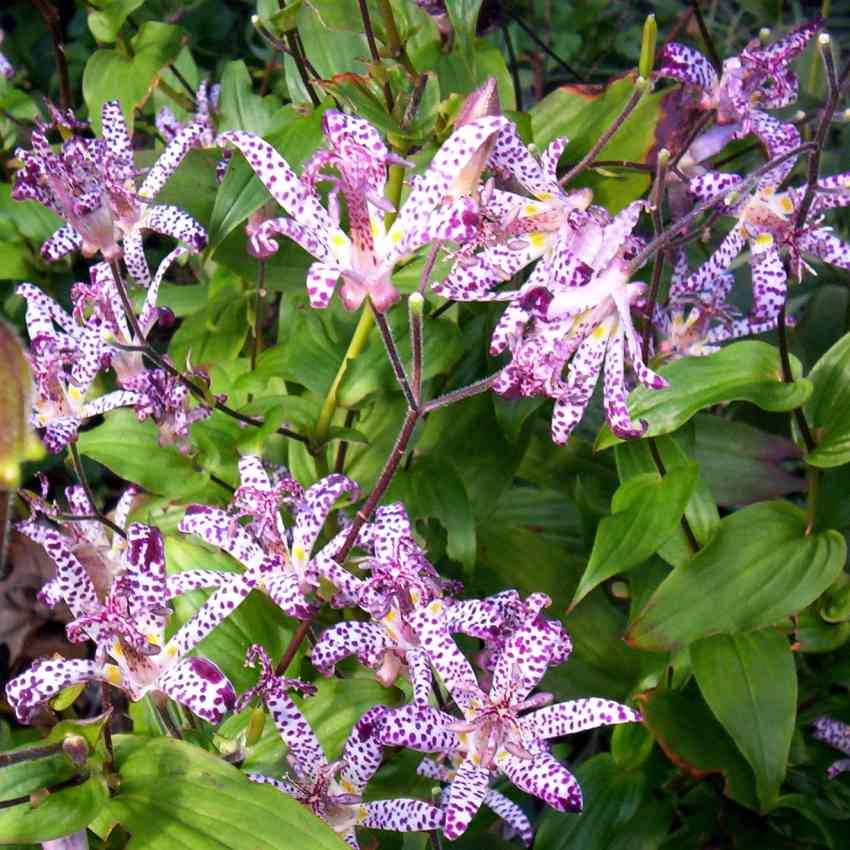
14. Toad Lily
Toad lily brings orchid-like, speckled flowers to shade gardens just as many borders are winding down, with blooms appearing from late summer into fall and often lasting until frost in suitable climates.
Plants prefer consistently moist conditions and shine along woodland edges or shaded paths where their intricate flowers can be appreciated up close.
Plant in part to full shade in rich, well-drained soil that stays evenly moist; avoid dry sites and mulch to conserve moisture through late season.
Set divisions or nursery plants in spring or early fall to establish before freezing weather; expect flowering in late summer through fall, sometimes up to first frost depending on region.
15. Monkshood
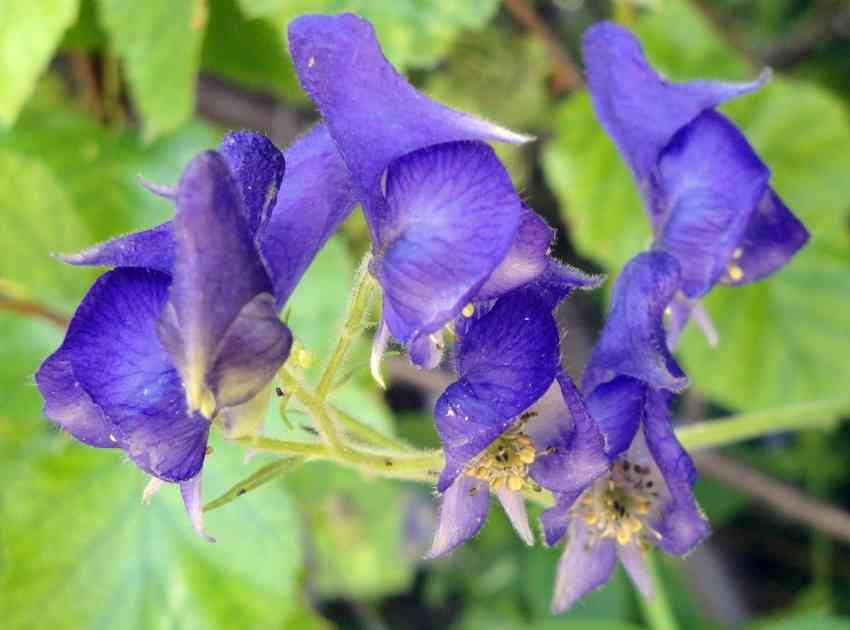
Monkshood offers tall spires of saturated cobalt-blue flowers that peak in early to mid-fall, often October, providing strong color as nights cool.
Plants prefer full sun in cooler regions or dappled shade in warmer areas, with evenly moist, well-drained soil to avoid stress and flopping.
Plant in spring or early fall in moisture-retentive, well-drained soil; stake if exposed to wind, and wear gloves when handling because all parts are poisonous. Expect bloom late summer to mid-fall, with ‘Arendsii’ known for a particularly late and showy display in autumn borders.
16. Asters
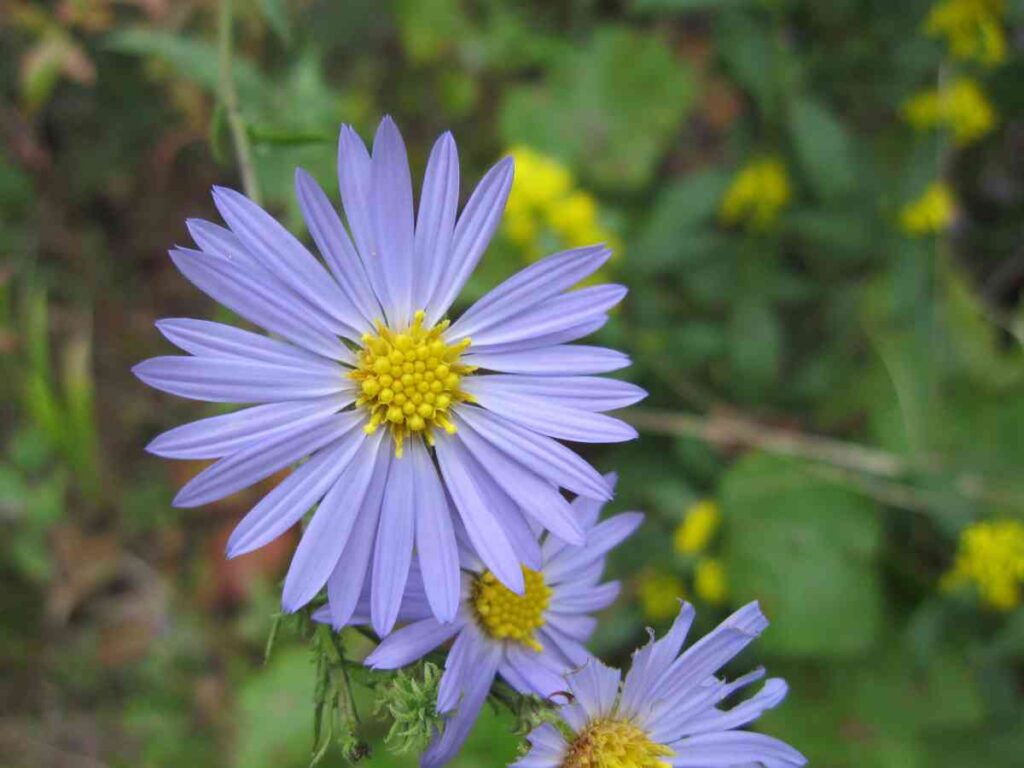
Hardy asters carry the garden into fall with clouds of lavender-blue daisies that feed late pollinators and pair well with grasses and seedheads for seasonal texture.
They’re adaptable in full sun to part shade with average, well-drained soils and benefit from a midsummer pinch to reduce height and delay bloom for a longer fall show.
Plant in spring or fall in sunny, well-drained beds; water to establish, then allow average moisture, and deadhead lightly to tidy while leaving some seedheads for wildlife.
Flowering typically runs late summer through fall, often peaking as other perennials fade and persisting until frost.
17. Goldenrod
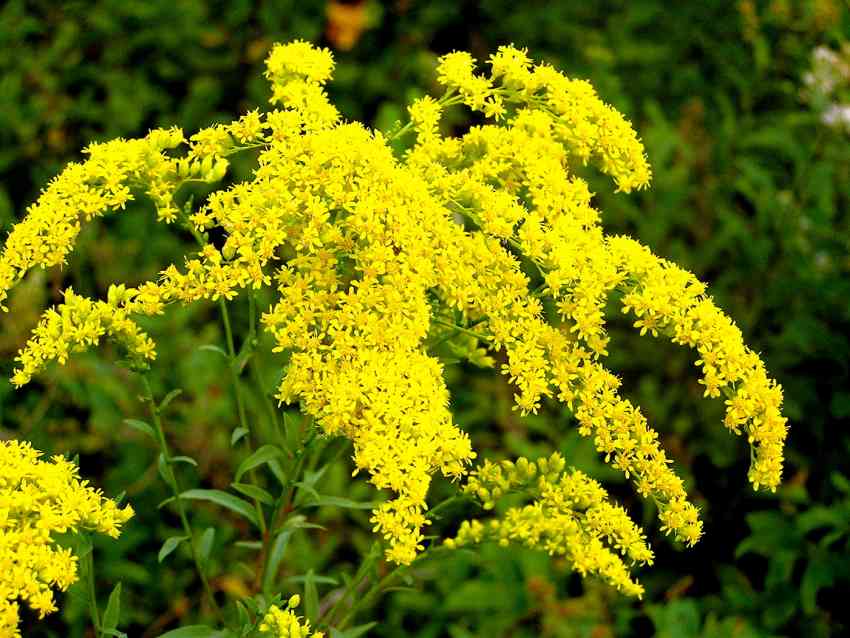
Modern goldenrod cultivars are compact, clump-forming, and explode with arching spires of golden-yellow flowers in late summer through fall, drawing diverse pollinators without causing allergies (ragweed is the usual culprit).
They tolerate varied soils and light from full sun to part shade, making them easy to weave into borders for autumn brightness.
Plant in spring or early fall in medium, well-drained soil; shear taller types by half in early June to keep plants compact and push bloom later into fall.
Expect a long fall display, with sprays holding color well into the season and combining beautifully with asters and grasses.
Planting and Establishment Tips
Time it right: Target 6–8 weeks before your local first hard frost so roots develop before the ground freezes.
Location and soil: Match sun/shade needs and ensure good drainage; most winter-flowering perennials dislike waterlogged soil.
Water and mulch: Water deeply at planting and during dry spells; mulch 2–3in to moderate soil temperatures and retain moisture.
Winter care: Some cool-season growers like hellebores benefit from planting and feeding during fall and early spring when they’re active.
Conclusion
A four-season garden is within reach by combining late-season bloomers like mums and Rudbeckia with true winter performers such as hellebores, witch hazel, winter jasmine, and early bulbs.
Planting perennials in fall leverages ideal root-building conditions and fewer pests so beds mature faster and bloom stronger when cold weather arrives.
With the right selections and timing, the garden can carry color, fragrance, and life from the first frosts through the heart of winter and into early spring
Khaja Moinuddin, a computer science graduate, finds joy in gardening and homesteading. Join him on this blog as he shares his experiences in homesteading, gardening, and composting
The Tibor Rubin Veteran Affairs Medical Center in Long Beach on Wednesday, July 31, 2019.
Scott Varley/MediaNews Group/Torrance Daily Breeze/Getty Images
hide caption
toggle caption
Scott Varley/MediaNews Group/Torrance Daily Breeze/Getty Images
WATERLOO, Iowa — John-Paul Sager appreciates the care he has received at Department of Veterans Affairs hospitals and clinics, but he thinks it should be easier for veterans like him to use their benefits elsewhere.
Sager, a Marine Corps and Army veteran, uses his VA coverage for non-VA treatment of back injuries stemming from his military service. But he said he sometimes must make several phone calls to obtain approval to see a local chiropractor. “It seems like it takes entirely too long,” he said.
Many veterans live hours from VA facilities, or they need health services that aren’t readily available from the VA. In such cases, the department is supposed to provide a referral and pay for private care. Some veterans’ advocates say it often hesitates to do so.
Republicans controlling Congress aim to streamline the process of obtaining what is known as community care.
Two Republican senators have introduced legislation that would make it easier for rural veterans to seek care at local hospitals and clinics. The proposals would build on VA community care programs that started under Democratic President Barack Obama and were expanded in Trump’s first term.
Critics worry that steering veterans to private care facilities drains federal money from the VA hospital and clinic system. But supporters say veterans shouldn’t be forced to travel long distances or wait months for the treatment they could obtain at local hospitals and clinics.
“My main concern is for veterans, not for the VA,” Sen. Kevin Cramer (R-N.D.) told KFF Health News. “I don’t believe we have an obligation to sustain the bureaucracy.”
John-Paul Sager, a veteran of the Marine Corps and Army, is treated for chronic back and shoulder pain by chiropractor Matt Gronewold in Waterloo, Iowa, on June 20, 2025. The Department of Veterans Affairs’ community care program pays for Sager’s treatments at Vanderloo Chiropractic Clinic in Waterloo.
Tony Leys/KFF Health News
hide caption
toggle caption
Tony Leys/KFF Health News
A 400-mile drive to a VA hospital
About 9 million veterans are enrolled in the VA health system. Last year, about 3 million of them — including 1.2 million rural veterans — used their benefits to cover care at non-VA facilities, according to data provided by the department.
Cramer sponsored a bill that would allow veterans who live within 35 miles of a rural, “critical access” hospital to use VA benefits to cover care there or at affiliated clinics without referrals from VA staff.
Cramer, who serves on the Senate Veterans’ Affairs Committee, noted his state has just one VA hospital. It’s in Fargo, on the state’s eastern border, which is more than 400 miles by car from parts of western North Dakota.
Many North Dakota veterans drive past multiple community hospitals to get to the VA hospital for treatment, he said. Meanwhile, many rural hospitals are desperate for more patients and income. “I kept thinking to myself, ‘This doesn’t make any sense at all,'” Cramer said.
Cramer said previous laws, including the VA Mission Act, made it easier for veterans to use their benefits to cover care at community hospitals and clinics.
But he said veterans still must fill out too much paperwork and obtain approval from VA staffers to use non-VA facilities.
“We can’t let the VA itself determine whether a veteran is qualified to receive local care,” he said.
U.S. Rep. Mark Takano of California, who is the top Democrat on the House Veterans’ Affairs Committee, said he sees the need for outside care for some veterans. But he contends Republicans are going overboard in shifting the department’s money to support private health care facilities.
The VA provides specialized care that responds to veterans’ needs and experiences, he argues.
“We must prevent funds from being siphoned away from veterans’ hospitals and clinics, or VA will crumble,” Takano said in a statement released by his office. “Veterans cannot afford for us to dismantle VA direct care in favor of shifting more care to the community.”
Protecting the VA
Some veterans’ advocacy groups have also expressed concerns.
Jon Retzer, deputy national legislative director for the Disabled American Veterans, said the group wants to make it easier for veterans to find care. Female veterans and veterans living in rural areas can have a particularly tough time finding appropriate, timely services at VA hospitals and clinics, he said.
But Disabled American Veterans doesn’t want to see VA facilities weakened by having too much federal money diverted to private hospitals and clinics.
Retzer said it’s true that patients sometimes wait for VA care, but so do patients at many private hospitals and clinics. Most delays stem from staff shortages, he said, which afflict many health facilities. “This is a national crisis.”
Retzer said Disabled American Veterans favors continuing to require referrals from VA physicians before veterans can seek VA-financed care elsewhere. “We want to ensure that the VA is the primary provider of that care,” he said.
Veterans Affairs Secretary Doug Collins has pledged to improve the community care program while maintaining the strength of the department’s hospitals and clinics. The department declined a KFF Health News request to interview Collins.
Marcus Lewis, CEO of First Care Health Center, which includes a hospital in Park River, North Dakota, supports Cramer’s bill. Lewis is a Navy veteran who uses the VA’s community care option to pay for treatment of a back injury stemming from his military service.
Overall, Lewis said, the community care program has become easier to use. But the application process remains complicated, and participants must repeatedly obtain VA referrals for treatment of chronic issues, he said. “It’s frustrating.”
Park River is a 1,400-person town about 50 miles south of the Canadian border. Its 14-bed hospital offers an array of services, including surgery, cancer care, and mental health treatment. But Lewis regularly sees a VA van picking up local veterans, some of whom travel 140 miles to Fargo for care they’re entitled to receive locally.
“I think a lot of folks just don’t want to fight the system,” he said. “They don’t want to go through the extra hoops, and so they’ll jump in the van, and they’ll ride along.”
Rep. Mike Bost (R-Ill.), chairman of the House Veterans’ Affairs Committee, said veterans in some areas of the country have had more trouble than others getting VA approval for care from private clinics and hospitals.
Bost helped gain the House’s approval for Trump’s request for $34.7 billion for the community care program in 2026. Although spending on the program has gone up and down in recent years, the appropriation represents an increase of about 50% from what it was in 2025 and 2022. The Senate included similar figures for next year in its version of a military spending budget that passed Aug. 1.
Bost also co-sponsored a House bill that would spell out requirements for the VA to pay for community care.
John-Paul Sager developed chronic back and shoulder pain during his military service, including his role as an Army drill sergeant at Fort Sill, Oklahoma, where he took this photo in 2014.
John-Paul Sager
hide caption
toggle caption
John-Paul Sager
Sager hopes the new proposals make life easier for veterans. The Gulf War veteran lives in the northeastern Iowa town of Denver. He travels about 15 miles to Waterloo to see a chiropractor, who treats him for back and shoulder pain from injuries he suffered while training Saudi troops in hand-to-hand combat.
Sager, who remains active in the Army Reserve, also visits a Waterloo outpatient clinic run by the VA, where his primary care doctor practices. He appreciates the agency’s mission, including its employment of many veterans. “You just feel like you’re being taken care of by your own,” he said.
He believes the VA can run a strong hospital and clinic system while offering alternatives for veterans who live far from those facilities or who need care the VA can’t promptly provide.
The local VA doesn’t offer chiropractic care, so it pays for Sager to visit the private clinic. But every few months, he needs to obtain fresh approval from the VA. That often requires several phone calls, he said.
Sager is one of about a dozen veterans who use the community care program to pay for visits at Vanderloo Chiropractic Clinic, office manager Linda Gill said.
Gill said the VA program pays about $34 for a typical visit, which is comparable to private insurance, but the paperwork is more burdensome. She said leaders of the chiropractic practice considered pulling out of the VA program but decided to put up with the hassles for a good cause. She wishes veterans didn’t have to jump through so many hoops to obtain convenient care.
“After what they’ve done for us? Please,” she said.
KFF Health News is a national newsroom that produces in-depth journalism about health issues and is one of the core operating programs at KFF.
Sometimes a garden presents you with an unexpected reason to rejoice.
Usually that’s a flower – an unanticipated crocus blooming in the snow, or a crape myrtle, presumed dead, sending up fresh growth.
But my personal favorite garden surprise involved vegetables, during the first season I grew ‘Chantenay’ carrots.
We link to vendors to help you find relevant products. If you buy from one of our links, we may earn a commission.
That fall, I was racing home late for the board game night our family was hosting. I fretted that I wouldn’t even have time to get a frozen lasagna in the oven before the guests arrived.
Pulling into the driveway, I noticed a freshly dug spot in one of my container gardens. Entering the house, I heard laughter, and saw young friends happily munching.
In their hands were sunset-hued sticks of carrot, unpeeled, and unadulterated with dip or dressing. My daughter Frances had remembered my little container plot of ‘Chantenay.’
I’ve grown many more of these special gems since then. To this day, they remind me of friendship and offer unexpected rewards from seeds planted long ago.
You might like this variety, too. I’m excited to describe its many advantages, and let you in on all the best ways to grow this carrot that’s red to the core.
Keep reading, and here’s what I’ll cover:
With the botanical classification Daucus carota subsp. sativa, these conical carrots taper to a blunt point.
The original cultivar, ‘Chantenay Red Cored’ comes to us from the Chantenay region of France.
Quick Look
Common name(s): Chantenay carrots
Plant type: Biennial root vegetable
Hardiness (USDA Zone): 3-10
Native to: Eurasia
Bloom time / season: Spring and fall
Exposure: Full sun
Soil type: Sandy, loamy, well-draining
Soil pH: 6.0-6.8, slightly acidic
Time to maturity: 65-70 days
Spacing: 6 seeds per inch when planting, 2 inches after thinning
Planting depth: 1/4 inch (seeds)
Mature size: 1-2 inches wide x 8-18 inches high
Water Needs:Medium
Taxonomy
Order: Apiales
Family: Apiaceae
Genus:Daucus
Species:Carota sativus
Cultivars: Chantenay Red Core, Royal Chantenay
There is debate about when it debuted, but most experts agree it was towards the end of the 1800s. Ferry Morse began selling this variety in 1930.
Crunchy and sweet at maturity, these medium to bright orange roots have smooth, firm skin.
They offer a feast for the eyes when you cut them open, with red cores in sunset hues.
A Minneapolis outfit, Northrup King and Company, released a separate cultivar called ‘Royal Chantenay’ in 1952.
It produces slightly better yields, taller tops, and longer roots, which are five to seven inches at full size.
In its more distant past, like all the root vegetables we know as Daucus carota sativus today, ‘Chantenay’ origins extend back to Eurasia.
This type, like the others produced in the US today, is biennial, with a two-year life cycle.
If no one pulls them up to eat, it’s likely the plants will overwinter and then use that sugar stored in the roots to bloom the following year.
These root vegetables grow just four and a half to six inches long, so you have more places to plant them than you would if you were growing longer varieties like ‘Nantes’or ‘Imperator.’
They require a soil depth of seven inches or so, not the 10 to 12 inches minimum that others demand.
That means you could plant ‘Chantenay’ in raised beds, even those that are lined with plastic or another material, as long as they’ll have six or seven inches of soil available to set down roots.
These are also a great choice for growing in planters or even indoors.
Ideally, you should sow the seeds in sandy or loamy soil.
They can handle soil that’s a bit on the heavier side, but you’ll risk forked roots and a terrible taste, so it’s better to plant them in soil that drains well.
Also make sure to amend it with plenty of composted organic matter and get rid of any pebbles or other detritus. The roots will go all wonky if they hit resistance in the soil.
Like all carrots, they’ll need a soil pH of 6.0 to 6.8 and full sun to thrive, but they can tolerate part shade.
This is good to know if you’re tucking them into odd spots in an edible container garden or have just a little extra space below one of their good companions, like peas, peppers, or love-in-a-mist.
For the best yields, plant some in a garden spot where they’ll receive at least six hours of sunlight each day.
Only sow the seeds directly in the garden or their final container, instead of trying to start them indoors. The roots really don’t like being disturbed, so transplanting is out!
While I am usually a bit stubborn about the waste involved in sowing too many seeds and then thinning later, in the case of carrots, it’s an absolute necessity. Even ‘Royal Chantenay,’ with its standout yields, often has spotty germination.
Since they take between 14 and 25 days to sprout, you lose several weeks of the growing season if you don’t sow enough and some of them fail to germinate.
I usually sow about six seeds per inch, in rows eight inches apart.
Sow seeds a quarter of an inch deep, covered with a light growing medium like commercial seed-starting mix or a couple of handfuls of loam mixed half and half with vermiculite.
After sowing, water lightly, using the gentle nozzle on the garden hose, or even a clean plastic spray bottle set to “fine mist.”
It’s important to keep that soil moist but not soggy until you see sprouts. If the growing medium becomes dry and forms a crust, the seedlings won’t be able to power through it.
When germination conditions are too soggy, the seeds might rot instead of sprouting, or they may wash away in the next rain.
Next I’ll share some more tips to guide you for the couple of months required between sowing and harvest. Spoiler alert: Thinning is essential, so expect some nagging about that.
How to Grow
After the seeds sprout and the tops grow a couple of inches, your focus will shift from just keeping the top inch or so of soil moist to making sure the plants receive ample water.
These crunchy vegetables are not at all drought tolerant!
Supplement with at least an inch of water per week during the early summer in the absence of rain.
‘Chantenay’ grows best when the temperature stays between 60 and 70°F. Try to only sow seeds when your crop will have plenty of time to mature before temperatures soar above that range in your area.
Consider mulching to help retain moisture and suppress weeds. Carrots don’t grow as well when they have to compete for nutrients or sunlight, particularly in their first few weeks of life.
Even when they’re older, you risk damaging the young roots if you have to pull nearby weeds. It’s more effective to mulch and prevent them from sprouting in the first place.
Apply just an inch or so of mulch between the plants and the rows several times throughout the growing season.
Another absolute must: Thinning. Crowded carrots will produce crooked roots. They may look cute on social media memes, but I find they tend to taste terrible.
When the tops reach two inches tall, thin them to stand an inch apart.
Use scissors or a sharp knife and cut the ones you’re removing at the soil line. You don’t want to pull them up, because you may damage or disturb the seedlings you’re trying to keep in the process.
When the greens reach three or four inches, thin again. This time your aim is two-inch spacing.
If you’re careful, you can uproot the carrots using the tops as a handle on this second go ‘round. At that age, they may have already produced tiny carrots you can eat!
They won’t be as sweet or crunchy as the mature versions, but they’re fun as sort of a preview of the delicious harvest to come.
These carrot seeds are readily available. You’ll want enough of them to succession sow every three weeks until the weather becomes too warm, and again in the late summer for an autumn or early winter harvest.
They may have red cores and sure, they’re sort of short, but ‘Chantenay’ are still carrots – and that means the pests that do the most damage attack at the roots.
Carrot rust flies (Psila rosae), for example, are destructo-demons. They look like small green house flies, only their heads are yellow and they always have red eyes.
They aggressively attack the plants by laying eggs where the crown meets the soil. When their larvae hatch, they tunnel into the roots and turn them red.
You can tell they’ve struck if the leaves begin turning black.
Other pests that strike below the soil include wireworms and carrot weevil larvae.
You may be able to prevent trouble by covering the tops and the surrounding soil with a floating row cover, especially in the first 30 days when the plants are at their weakest.
The cover should bar rust flies, leafhoppers, and flea beetles. And unless you’re trying to encourage seed production in the second season, you can leave the row cover in place except to weed or harvest.
As for diseases, leaf blight is the most common. It begins on the edges of the leaves, establishing white or yellow spots that become brown and look watery.
You should also watch out for aster yellows disease, which stunts the tops and causes hairy roots.
Pests spread aster yellows as they flit or jump from plant to plant in search of food. Leafhoppers are a prime offender, and the disease they spread can overwinter to hit next year’s veggie bed, too.
Bacterial soft rot, cercospora leaf blight, downy mildew, and powdery mildew round out the list of the most common diseases you may encounter with your crop.
It usually takes about 65 to 70 days for the roots to be ready, but add extra time if you’re growing during chillier fall temperatures.
Look for orange showing above the soil line to determine if they’re wide enough to pull. They should be two to two and a half inches in diameter.
If you can’t see the shoulders, you may have to pull one or two to be able to gauge their size.
Happily, you can eat any that are just a little immature, as a tasty preview of what you can expect.
Be sure to pull carrots the day after it rains, or create your own moist soil by irrigating 24 hours ahead of time. You may need a garden fork to loosen the soil around them, too.
Then it’s just a matter of heave ho, uprooting them one by one.
The idea is to protect them from frost and pull only those you need, but also to have them all collected by the time the ground freezes.
If you live in an area where winters are mild, you may be able to keep a supply in the ground until early spring, though the tops will die off.
Do make sure to get them up before they sprout for a second season, though. Once they “bolt” and prepare to flower, the roots won’t taste good at all.
For more details on harvesting ‘Chantenay’ and other carrot cultivars, check out our guide.
Storage
While carrots “bunched” with their tops are quite appealing, leave that approach to the food stylists.
The greens may look pretty, but they’ll sap all the moisture from the roots before you have a chance to eat them.
Before storing, immediately brush off any loose dirt. Then, twist or cut the tops to within an inch of the spot where they meet the root.
Store them unwashed in a cotton produce bag in the fridge. You can use zip-top plastic bags instead, but prick a few air holes in it first with the tines of a fork.
This variety is a good keeper. It will stay fresh at 32 to 40°F and 95 percent relative humidity for six to eight weeks. Ordinarily, you’ll find those conditions in your vegetable crisper.
Preserving
With its rich hues, ‘Chantenay’ is a good choice for preserving. I particularly like the way it looks sliced into thin, colorful coins to dehydrate and add to soup mixes.
Other methods include pickling, fermenting, freezing, or dehydrating.