Phillip McKenzie, who was paralyzed from the neck down in a fall in 2012, uses a brain-computer interface developed by researchers at the University of Pittsburgh to navigate complex virtual tasks that simulate everyday activities,
UPMC and Pitt Health Sciences
hide caption
toggle caption
UPMC and Pitt Health Sciences
People who have lost the ability to move or speak may soon have a new option: surgically implanted devices that link the brain to a computer.
More than two decades after researchers first demonstrated that a person could move a computer cursor with their thoughts, several firms are poised to take the brain-computer interface (BCI) from experimental curiosity to commercial product.
“We know it works, we know the enabling technologies are now ready,” says Michael Mager, the CEO of Precision Neuroscience. “It’s time to turn this academic work into a thriving industry that can make a big impact on people’s lives.”
Already, experimental brain-computer interfaces have been implanted in dozens of people. The latest devices go under the skin and can communicate wirelessly with a smartphone or tablet.

Elon Musk’s Neuralink is the most visible player in the BCI field. But the first product to reach the market may well come from competitors including Precision, Blackrock Neurotech, Paradromics, or Synchron.
Some of these companies, like Blackrock, have much more experience than Neuralink. Others use less invasive, and potentially safer, technology that may make it easier to get approval from the Food and Drug Administration.
The first BCI customers are likely to be people living with paralysis from a spinal injury or amyotrophic lateral sclerosis (ALS). Early products will allow them to control a computer cursor, or generate artificial speech.
Implanted BCIs work by detecting and decoding signals coming from areas of the brain that control movement or speech. These signals indicate when a person is trying to move a limb or speak a word.

A BCI system typically includes sensors that detect brain activity, an interface that processes the signals, and an external device that turns thought into action. The result: A cursor moves, a prosthetic hand reaches, a synthetic voice speaks the words a person is trying to articulate.
“Imagine the joy of connecting with your loved ones, browsing the web, or even playing games using only your thoughts,” says the narrator of a promotional video from Neuralink.
The company, which did not respond to requests for an interview, calls this capability “telepathy.”
Neuralink pushed BCIs into the public imagination in early 2024, thanks to a charismatic and resilient man with paralysis.

A diving accident left Noland Arbaugh unable to move from the shoulders down. At 29, he became the first person to get Neuralink’s device.
A robot threaded more than a thousand electrodes into his brain’s motor cortex at the Barrow Neurological Institute in Phoenix. Then, human surgeons there installed a wireless interface about the size of a quarter in his skull.
A few weeks later, Arbaugh was on stage at Neuralink’s headquarters in Fremont, California, describing his experience controlling a computer cursor.
“It’s freakin’ wild,” he said. “When I first moved it just by thinking, it blew my mind for like a day. I just could not wrap my head around it.”
A video featuring Arbaugh’s remarks has attracted more than 25 million views on Musk’s social media platform, X.
But the success was tempered by Neuralink’s announcement a few weeks later that some of the threads of electrodes in Arbaugh’s brain had “retracted,” making the device less sensitive.
Since then, Neuralink has reported implanting its BCI in at least six other people. But details about those experiments remain scant.
While Neuralink’s surgical robots and wireless electronics are new, using thoughts to move a cursor isn’t.

Dr. Leigh Hochberg — who holds positions at Brown University and Massachusetts General Hospital — was part of a team that pioneered the approach in 2004.
Their subject was Matt Nagle, a man who was living with paralysis after being stabbed in the neck. Hochberg’s team linked Nagle’s brain to a computer using old-fashioned wires that passed through his skull.
A research video from 2004 shows Nagle using his thoughts to open an email.
“It was exactly what was supposed to happen,” Hochberg says. “And even for all of us that were expecting it — there was a little bit of magic there.”
Nagle died in 2007 of an infection unrelated to the experiment.
BrainGate evolved into an academic consortium directed by Hochberg. And in June 2025, a team at the University of California, Davis reported that a BrainGate 2 BCI allowed a man with ALS to speak through a computer.
“I. Am. Good,” the synthesized voice says in a video accompanying the study. The speech is slightly halting, spoken one word a time. But the voice sounds human — it was constructed from old audio of the man speaking.
Experiments like that one show how computer interfaces have improved, Hochberg says.
Instead of monitoring a few dozen neurons, they may listen to thousands. Instead of sending information out through wires, they use wireless protocols. And instead of interfacing with a wall of computers, the signals may go to a single laptop or tablet.
Another big change is that scientists keep finding ways to decode brain activity “more accurately, more consistently and more reliably,” Hochberg says.
In the past few years, that has meant employing artificial intelligence to recognize the neural activity patterns that reveal a person’s intention to speak, or pick up a bar of chocolate.
The field has also become specialized, Hochberg says, with some groups focused on decoding speech while others work on improving control of robotic limbs.
There are even groups “focused on putting information back into the brain,” Hochberg says, which can add a sense of touch to a robotic arm or hand.
The University of Pittsburgh is among the leaders in providing sensory feedback through a brain-computer interface.
“You can’t have fine and dextrous motor control with visual feedback alone,” says Jennifer Collinger, a professor at the University of Pittsburgh. You need that sense of touch to be able to respond in a natural way.”
With touch feedback, the user can tell when an artificial finger makes contact with an object or when an artificial hand is holding a cup tightly enough to keep it from falling.
So Collinger and her colleagues have been working with Blackrock Neurotech, whose brain interface technology has been used experimentally in dozens of people.
One of those people is Nathan Copeland, who was paralyzed in a car accident. In 2016, Copeland famously used a robotic arm to bump fists with President Barack Obama.

In 2021, Copeland was part of a study that showed how a sense of touch improved his ability to grasp and manipulate objects with his prosthetic hand.
“With sensation, I could feel that the hand had made contact,” Copeland said in a 2021 interview with NPR. “I could also tell if I had a firm grip on it or not.”
But advanced features like sensory feedback aren’t going to appear in the first implanted devices on the market, Collinger says. Instead, they are likely to offer control of a computer cursor, much like BrainGate did in those lab experiments more than 20 years ago.
“There’s been enough consistent success that now companies are saying, ‘Okay we can offer a first-generation device to people that will offer some kind of benefit to them,'” Collinger says.
One of those companies is Precision Neuroscience, which was cofounded by Ben Rapoport, a neurosurgeon and engineer who had previously helped start Neuralink.
Precision’s other co-founder and CEO, Michael Mager, says the company’s short-term goal is a wireless device that allows a person with paralysis to operate a smartphone or computer.
“We think about accessing news and entertainment, we think about productivity software like Microsoft Office, Word, Powerpoint, Excel,” Mager says. “If you can operate those programs as well as someone who is able-bodied, it’s quality-of-life enhancing — and it’s also potentially enabling for people to go back to work.”
Precision’s device differs from Neuralink’s because it doesn’t insert its electrodes into the brain.
“We have a very, very thin film that is designed to sit on the surface of the brain without penetrating into or damaging the brain,” Mager says.
That makes the implant safer and less invasive, Mager says, which could make it easier to get approval from the FDA.
Synchron avoids opening the skull entirely. Its electrodes are delivered through blood vessels using technology designed to place stents in blocked arteries.
All of these devices face some common challenges, Mager says.
“We’re sampling from thousands of electrodes, thousands of times a second, and the amount of data that comes off of these systems is just enormous,” he says.
It is far too much data to transmit through existing wireless links. So companies are working on ways to reduce or compress the data.
Another obstacle is the cost to conduct the sort of clinical trials required by the FDA. That will probably be hundreds of millions of dollars, Mager says.
Even so, Mager thinks his company and several others, including Neuralink, have the resources and expertise to turn the brain interface concept into a marketable product.
That won’t take another 20 years, he says. Perhaps another two or three.

Alfalfa (Medicago sativa) isn’t just for horses and donkeys.
Alfalfa sprouts make a tasty and nutritious salad topping, but this member of the legume family can be useful in the garden as well.
When grown with potatoes, it helps reduce populations of Colorado potato beetles.
Keep in mind that alfalfa is a perennial plant, so consider using it between rows of potatoes or around garden beds.

You can find organic alfalfa seeds available in your choice of packet sizes from True Leaf Market.
Learn how to grow alfalfa here.
No summer garden would be complete without fragrant basil (Ocimum basilicum) plants, ready to provide heaps of flavor for so many homemade meals.
The strong-smelling leaves aren’t just tasty – they can also repel some common potato pests.
Basil also helps out by attracting beneficial insects with its tiny white flowers if you allow it to bloom.
There are many different varieties of basil, but ‘Lettuce Leaf’ is one of my favorites, with large, crinkled leaves that can be minced into fragrant garnishes.

You can purchase one-gram packets of ‘Lettuce Leaf’ basil from Botanical Interests.
Read our guide to growing basil for more info.
Borage (Borago officinalis) is an annual herb with star-shaped blue flowers and soft, fuzzy leaves.
It’s valued both as a companion plant in the garden and for its edible blooms and foliage, which offer a refreshing cucumber flavor.
In the garden, the bright blue flowers draw beneficial insects to protect your potato plants, while the broad leaves create natural ground cover that protects soil and reduces water evaporation.

Borage seeds are available in a selection of packet sizes at True Leaf Market.
Learn more about growing borage here.
A fast growing annual, buckwheat (Fagopyrum esculentum) is one of the best cover crops for the home garden.
With heart shaped leaves and white-petaled flowers, buckwheat can be grown ahead of your main potato crop, or as a companion plant.
The roots can help to deter wireworms, a common potato pest.

Pick up buckwheat seeds in an array of pack sizes from High Mowing Organic Seeds.
Chives (Allium schoenoprasum) make an excellent addition to any garden, especially for those who enjoy fresh salads.
These hardy perennials offer a reliable cut-and-come-again harvest, adding earthiness and depth to meals.
The same flavorful compounds that enhance your cooking and liven up your lunchtime salads also benefit the potato patch by repelling pests and providing forage for beneficial insects.

You can find organic chives seeds in an array of packet sizes at True Leaf Market.
Find out how to grow chives here.
You may think of chrysanthemums (Chrysanthemum spp.) as the perfect plants to keep in a container next to your front door for autumn color, but these flowers can be grown as companion plants too.
In fact, researchers in India found that growing potatoes with chrysanthemums was more lucrative than growing them as a monocrop.
Mammoth™ Daisy Coral mums have salmon-colored blooms and they are hardy to Zone 3, so you can grow them as perennials.

Mammoth Daisy Coral Chrysanthemum
You can find Mammoth™ Daisy Coral chrysanthemum plants available at Burpee.
Learn to grow and care for chrysanthemums here.
Cilantro (Coriandrum sativum) is a cool-season herb that can be used to garnish potato salads, make guacamole, or create an intense pesto.
And in the garden this member of the carrot family attracts tiny wasps and other beneficial insects to the potato patch with its umbrella-shaped flower heads.
While for culinary reasons you may wish to grow another type of cilantro, when your purpose is to attract beneficial pollinators, one that is fast to bolt, such as ‘Moroccan.’

Buy four-gram packs of ‘Moroccan’ cilantro seeds at Botanical Interests.
Read more about growing cilantro here.
A legume typically grown as a cover crop, clover (Trifolium spp.) works as a companion plant for growing with potatoes as it fixes nitrogen in the soil.
Crimson clover (T. incarnatum) is ideal for this purpose since its red blooms also attract pollinators.
Just keep in mind that this legume is a perennial, and plan your garden accordingly.

Pick up crimson clover seeds in a variety of packet sizes at Eden Brothers.
Comfrey (Symphytum officinale) is a perennial cousin of borage that is often grown to make a fertilizer tea to nourish the garden.
As a companion plant, grow it with potatoes so that its large, fuzzy leaves can decompose and add nutrients to the soil after you have harvested your crop.

You can find comfrey seeds available at Earthbeat Seeds in packets of 10.
Learn to plant and grow comfrey here.
Common sage (Salvia officinalis) is a perennial, aromatic herb with velvety, gray-green leaves and a strong, earthy scent.
This herb helps repel common pests such as flea beetles and cabbage moths from your potatoes while also attracting beneficial predators that support a healthy garden ecosystem.

You can find common sage seeds in packets of 25 from Botanical Interests.
Find tips for growing common sage here.
Herbs tend to make excellent companion plants since their aromatic foliage can repel a number pests while their blooms attract beneficials – and such is the case with thyme (Thymus vulgaris).
An excellent seasoning for soups and stews, common thyme is a perennial culinary herb that is drought-tolerant, and can be grown in a container near your potato crop.

You can find packets of seeds or live thyme plants available at Burpee.
Read our article for tips about growing common thyme.
One of the members of the traditional three sisters garden, corn (Zea mays) plants provide delicious eating for summer cookouts.
Corn may not be the most obvious companion plant for your root crop, but these lofty garden plants help potatoes in a surprising way.
When these two crops are intercropped, it helps to deter Colorado potato beetles.

‘Fisher’s Earliest’ Sweet Corn
You’ll find organic ‘Fisher’s Earliest’ sweet corn seeds in different packet sizes at High Mowing Organic Seeds.
Learn how to grow sweet corn here.
Cosmos (Cosmos spp.) are popular annual flowers that produce loads of colorful blooms atop wispy foliage in exchange for very little care.
And they aren’t just pretty – cosmos are excellent all-purpose companion plants, thanks to their ability to attract beneficial insects helping to keep pest populations around your potato patch under control.
Sensation Mix is a mix of white, lavender, pink, and magenta single flowers, making a colorful addition to the vegetable garden.
Double blooms are also available, but these are less attractive to foraging pollinators.

You can find Sensation Mix cosmos seeds in a variety of packet sizes from Eden Brothers.
Find tips for planting and growing cosmos here.
Parasitic wasps are a fan of dill (Anethum graveolens), and since they will help keep pests in check, you’ll be a fan too!
Grow this annual herb for its feathery foliage, then let it flower to attract those friendly insects to your potato patch.
When the plants go to seed, you can save the seeds for future crops, or use them to flavor pickles and marinades.
There are many types of dill to choose from – ‘Bouquet’ is an early producer that will provide pollinator food in a hurry.

You can buy ‘Bouquet’ dill seeds in packs of three grams at Botanical Interests.
Read more about growing dill here.
Edamame (Glycine max) is a type of soybean that grows in bushy clusters and produces edible pods filled with protein-packed beans.
As nitrogen-fixers, these legumes improve soil fertility by converting atmospheric nitrogen into a usable form, benefiting neighboring plants like potatoes.
‘Midori’ is a type of edamame that produces large beans that are perfect for appetizers and snacks.

You can find ‘Midori’ edamame soybean seeds in a selection of packet sizes from True Leaf Market.
Related to chives, garlic (Allium sativum) provides depth and flavor to savory meals.
After being planted in the spring for a fall harvest, these bulbs can provide help in the pest deterrent department, reducing the presence of both aphids and leafhoppers around your potatoes.
Do you love garlic but your family, not so much? ‘Inchelium Red’ is a softneck variety with a mild taste that will win over those who aren’t fans of pungent flavors.

You can purchase half-pound packs of ‘Inchelium Red’ garlic bulbs at Burpee.
Learn how to grow garlic here.
Growing potatoes next to a fruiting vine may not have crossed your mind, yet grapevines (Vitis spp.) are a good plant partner for your tubers.
Grapevines are trained on trellises or arbors – and depending on how many you want to grow, you can either grow potatoes at the base of a single vine, or interplant multiple vines with the root crop to make the most of your available space.
Not sure which type of grape to start with? ‘Lakemont’ is a late-season, seedless green table grape that has a honey-like flavor.

‘Lakemont’ Seedless White Grapevine
Purchase bare root or potted ‘Lakemont’ grapevines from Nature Hills Nursery.
Find all the details about growing grapevines here.
That staple of the summer garden, green beans (Phaseolus) are produced by both compact, bush-style plants, and on climbing vines.
These annuals make good companion plants for potatoes thanks to their ability to fix atmospheric nitrogen into the soil.
There are many types of edible beans to choose from and they all have this nitrogen fixing quality.
‘Faraday’ is a type of bush bean that bears slender, stringless pods.

You can purchase ‘Faraday’ green bean seeds in an assortment of packet sizes from High Mowing Organic Seeds.
Read our guide to growing green beans next!
Lima beans (Phaseolus lunatus) are leguminous plants that produce large beans, also known as butter beans.
As members of the legume family, limas enrich the soil by fixing nitrogen—an essential nutrient that benefits nearby plants like potatoes.
If you grow a pole type of lima, like ‘King of the Garden,’ be sure to plant them to the north of your potatoes, so they don’t throw shade on your spuds.

‘King of the Garden’ Lima Beans
You can find ‘King of the Garden’ lima bean seeds available from True Leaf Market.
Read about growing lima beans here.
With bright orange, yellow, or red blooms, marigolds (Tagetes spp.) are popular annual bedding flowers and they make good companions for potatoes too.
And while their cheery blooms attract pollinators and beneficial insects, their roots emit compounds that repel root-knot nematodes, a destructive pest best avoided.
‘Red Metamorph’ is a type of French marigold (Tagetes patula) that is as helpful with its repellent abilities as it is beautiful.
With rare coloring not often found in a marigold, its blooms have burgundy petals and yellow centers.

Purchase packets of 36 ‘Red Metamorph’ marigold seeds at Botanical Interests.
Learn how to grow marigolds here.
Perfect for making refreshing iced teas, mint (Mentha spp.) is a vigorous addition to the herb garden.
This fragrant herb also helps to protect potato crops against whiteflies and leafhoppers by acting as a repellent.
Just be mindful when planting that mint can have a tendency to take over the garden, so choose your spot accordingly!

You can purchase mint seeds in packets of 220 from Botanical Interests.
Get tips on growing mint here.
Related to garlic and chives, onions (Allium cepa) are bulb-forming vegetables grown for their strong aromas and flavors.
These members of the allium family make excellent companion plants for potatoes because their pungent scent helps repel many common potato pests, including aphids.
Bunching onions (A. fistulosum), such as ‘White Lisbon,’ are particularly easy to grow in the garden and have the same beneficial effects as larger types.

‘White Lisbon’ Bunching Onions
You can find packets of 1000 ‘White Lisbon’ bunching onion seeds at Burpee.
Learn more about growing onions here.
Oregano (Origanum vulgare) is a flavorful herb popular on pizzas that also makes a good companion for potatoes.
The foliage has such a strong smell that it helps to keep some pests away, while the flowers attract beneficial insects.
This Mediterranean herb is also easy to start from seed, making it an affordable addition to the herb garden.

Pick up a packet of 800 common oregano seeds from Botanical Interests.
Get tips for growing oregano here.
Peas (Pisum sativum) are cool-season legumes that produce sweet, edible pods and seeds.
As nitrogen-fixers, peas enrich the soil by converting atmospheric nitrogen to a bioavailable form, boosting the nutrient availability for neighboring crops like potatoes.
‘Sugar Daddy’ is a type of snap pea that produces delicious, sweet, and crisp pods that are also stringless.

You can find ‘Sugar Daddy’ snap peas in 50-gram packets at Botanical Interests.
Rosemary (Salvia rosmarinus) is a fragrant, woody herb with needle-like leaves and a strong, fresh aroma.
The invigorating scent helps deter pests like Colorado potato beetles and other harmful insects while the delicate blooms attract pollinators.

Find packets of 32 rosemary seeds from Botanical Interests.
Read more about growing rosemary here.
Scented geraniums (Pelargonium) are vibrant, flowering plants with brightly colored blooms and highly fragrant foliage.
Commonly enjoyed in window boxes, scented geraniums can also be grown with your potato crop as companion plants.

‘Citronella’ Scented Geraniums
Purchase a two-, four-, or six-pack of ‘Citronella’ scented geranium plants in four-inch nursery pots from Soil Sunrise via Walmart.
Find out more about growing scented geraniums here.
A fast-growing leafy green, spinach (Spinacia oleracea) has a shallow root system that doesn’t compete with the tubers.
And since it matures quickly, spinach is harvested early, giving potatoes more space as they grow, making the most of garden space, and promoting a healthy growing environment.
‘Bloomsdale’ spinach is an heirloom that produces nutrient-rich, tender leaves.

You can find eight-gram packets of ‘Bloomsdale’ spinach at Botanical Interests.
Learn more about growing spinach here.
You love sunflowers (Helianthus annuus) for their big, cheery blooms and nutritious seeds, but did you know they can also serve as companion plants for potatoes?
Researchers in China concluded that both water use and yield was more efficient when sunflowers and potatoes were interplanted.
With so many different types of sunflowers, it can be hard to choose just one.
‘Velvet Queen’ has yellow and burgundy petals, reaches five feet tall, and happens to be one of the best sunflowers for pollinators.

Grab packets of ‘Velvet Queen’ sunflower seeds in a wide range of sizes from High Mowing Organic Seeds.
Read about growing sunflowers here.
Are you looking for a low-growing ground cover that will also attract beneficial insects? Sweet alyssum (Lobularia maritima) is your gal.
With tiny flowers in shades of white, purple, or pink, sweet alyssum will act as a living mulch while feeding helpful bugs, and making your garden look gorgeous at the same time.
Allure Pastel Blend bears a mix of purple, white, and pink flowers, for gardeners who can’t decide which color to grow.

Allure Pastel Blend Sweet Alyssum
You can find packets of Allure Pastel Blend sweet alyssum seeds from Botanical Interests.
Get tips for growing sweet alyssum here.
With delicate, fern-like foliage and button-shaped yellow flowers, tansy (Tanacetum vulgare) may not be very common, but this herb does have its devotees.
Tansy is not used as a culinary herb as much as a medicinal one, and should be used in moderation as it contains a potentially toxic compound.
In the garden, tansy repels Colorado potato beetles making it ideal for growing near your potatoes.

You can find tansy seeds in an assortment of packet sizes from True Leaf Market.
For some gardeners, zinnias (Zinnia spp.) are as much of a standby in the vegetable patch as in the flower border.
That’s because these annual flowers are good general companion plants, attracting beneficial insects like ladybugs and hoverflies to your potato crops.
California Giants is a favorite zinnia blend that produces large, four- to six-inch flowers in shades of pink, red, orange, purple, white, and yellow.

California Giants Blend Zinnias
You’ll find two-gram packets of California Giants Blend zinnias at Botanical Interests.
Get tips for growing zinnias here.
While potatoes, bell peppers, eggplant, and tomatoes all belong to the nightshade family and share similar growing needs, they aren’t ideal neighbors in the garden.
These plants are prone to many of the same pests and diseases.

For the longest time, I believed health was about doing more. More supplements, more lab tests, more workouts, and more routines. I kept spreadsheets and detailed checklists of everything I was trying to do for my health. I thought if I just found the right combination and toughed it out long enough, I’d finally feel amazing.
But what actually changed everything for me wasn’t another protocol. It was a simple mental reframe that shifted how I think about health, healing, and life in general. It was the idea of focusing on sending safety signals to my body, instead of trying to force it into submission.
This mindset shift transformed the way I eat, move, rest, and even think. It helped me move out of a place of chronic low-level stress and into a state where healing actually became possible. If you feel stuck in a rut like I was, but can’t seem to pinpoint why, then read on!
First, let’s take a look at the nervous system. Our nervous system operates in two main modes: sympathetic and parasympathetic. The sympathetic nervous system is responsible for the fight, flight, or freeze response. Our body activates this response when it senses danger or a threat. On the flip side, the parasympathetic system is responsible for rest, digestion, and healing.
Thanks to modern life, many of us spend the majority of our lives stuck in sympathetic mode. Even if we don’t feel mentally stressed, our bodies might still be receiving signals that we’re not safe.
I spent over a decade in that place. I didn’t understand that my constant doing, even the “healthy” stuff, was keeping me stuck and my body still didn’t feel safe enough to shift into healing mode. That’s where the concept of safety signals versus stress signals comes in.
Stress signals are things that tell our bodies to stay on alert. These can be obvious mental stressors like arguments or deadlines, but also more subtle things. Under-eating, over-exercising, poor sleep, loneliness, negative self-talk, or even exposure to blue light at night send stress signals to our nervous system.
Safety signals, on the other hand, are cues that tell the body it’s okay to rest and repair. These include things like nourishing food, deep sleep, human connection, hydration, sunlight, gentle movement, and kind self-talk.
When we focus on sending more safety signals, the nervous system can finally relax. And once it does, so many things start to improve, like our energy, digestion, mood, hormones, and even weight.
One of the most powerful safety signals we can send to our body is through food. For a long time, I was under-eating, especially when I was trying to heal my thyroid and lose weight at the same time. I didn’t think of it as a stressor because I wasn’t (usually) skipping meals, but I wasn’t eating enough of what my body needed.
When we don’t eat enough, our body gets the message that food is scarce. It perceives this as a threat and raises stress hormones, like cortisol. So instead of healing and repairing, our nervous system is on high alert. Overeating also puts stress on the body, especially if we’re overeating high-calorie, low-nutrient, processed foods.
The shift happened when I started eating enough, especially focusing on protein, micronutrients, and minerals. I began to prioritize my first meal of the day, making sure it was packed with nutrients and protein, before I reached for any caffeine. I also stopped eating late at night, giving my body time to digest before bed.
Instead of approaching food from a mindset of restriction or control, I started asking myself, How can I nourish my body today? That shift alone brought noticeable improvements in my energy, mood, and sleep.
We all know sleep is important, but I didn’t realize how much my nervous system was suffering from inconsistent or insufficient sleep. As a mom to quite a few kids, I haven’t always been able to get a full 8 hours!
Even skipping one hour of sleep can cause cortisol to spike and affect blood sugar and insulin. And when it comes to brain fog, some experts have compared just one night of six hours of sleep to being mildly intoxicated.
Making sleep a priority, especially with an earlier bedtime and consistent wake-up time, made a big difference for me. I noticed improvements in my heart rate variability, resting heart rate, and overall sense of calm. This can be difficult to do for moms, but the idea is to make sleep a priority. For me this meant no more cleaning the kitchen late at night or browsing social media after the kids went to bed!
Creating a calm sleep environment helped too. I turned my bedroom into a sleep oasis and kept it dark and cool with as little noise as possible. I reduced blue light exposure in the evening and found that my body started to naturally unwind and fall into deeper sleep.
While I avoid blue light at night, it’s your friend during the daytime. Natural light is one of the most powerful but overlooked tools for supporting the nervous system.
Getting sunlight in the morning helps set the body’s internal clock and supports melatonin production at night for better sleep. Getting sunlight in the middle of the day boosts mitochondrial health, improves nutrient absorption, and supports hormone balance. I try to get at least 10 minutes of morning sunlight within 30 minutes of waking, often barefoot so I also get grounding benefits. Then I’ll take a few short walks with my weighted vest or sit on a lounge chair to soak up the afternoon sun.
In contrast, blue light exposure at night tells the body it’s daytime, which can disrupt sleep and cause stress. I started using amber and red lighting in the evenings and wearing blue light blocking glasses when needed. I also switched to using warm light sources after sunset from lamps. These lamps are on a timer so I don’t even have to think about switching them on when the sun sets.
Simple shifts in light exposure help my body feel more in tune with its natural rhythms. Plus, it reduced the constant background stress I didn’t even know was there.
Dehydration is another common but often ignored stress signal. When we’re even slightly dehydrated, our blood thickens, our energy drops, and our body perceives that something is wrong.
But hydration isn’t just about drinking water. Our bodies need minerals, like magnesium, potassium, and sodium in order for water to actually be absorbed and used effectively. I started drinking mineral water in the morning, often outside in the sun. I also focus on staying hydrated between meals so that I’m not diluting my stomach acid needed for digestion.
Not only does it help support my nervous system, but I notice more energy when I hydrate with plenty of minerals.
Getting enough water is important, but so is getting enough movement. Exercise can either be a safety signal or a stress signal, depending on what our body needs at a given time.
When I was deeply stressed, intense workouts made things worse. My body craved gentle movements, like walking, swimming, or stretching. Over time, as my nervous system stabilized, I slowly reintroduced strength training and resistance exercises. Now you’ll find me doing sprints on the track field.
My mindset has changed so I see movement as another way to support my body, not punish it. I aim for regular walks, mobility work, and body-friendly ways of moving throughout the day. There’s a time and a place for more intense exercise, but it can be too much when we’re in nervous system overload.
Even if we’re eating well and sleeping enough, our environment still sends signals to our nervous system. Synthetic fragrances, harsh cleaning products, synthetic clothing, and even clutter can all act as subtle stressors.
Our inner dialogue matters too. The way we speak to ourselves, whether with criticism or compassion, has a direct impact on how safe our nervous system feels. I noticed that I was saying things like “my body is attacking itself.”
When I noticed negative thoughts, I asked, Would I say this to my child or my best friend? If not, it didn’t belong in my inner world either. Instead, I shifted my mindset to say something like, “My body is healing.” These shifts helped me create more safety from within.
Human connection is another deeply powerful safety signal. Eye contact, laughter, touch, and presence all tell our bodies we’re safe and supported.
Joy and finding happiness in even the little things in life are important here too. Things like singing, dancing, warm baths, humming, stretching, or even just watching the sunset are all ways to nurture the nervous system. The vagus nerve, which plays a big role in parasympathetic activation, responds to these small, joyful acts.
I also began to think about how my home environment could feel more supportive. I swapped harsh lights for gentle ones, removed synthetic fragrances, and made my bedroom a cozy space that truly felt safe.
The most important thing I’ve learned is that our bodies are always on our side. They are constantly working to protect us, even when it doesn’t feel that way. When we learn to communicate with our body instead of trying to fix or force it, everything changes for the better.
If you’re just starting on this path, I would encourage you to choose one small thing. Get morning sunlight. Drink mineral-rich water. Go to bed 30 minutes earlier. Eat a protein-rich breakfast. Whatever feels manageable and kind to your body.
It’s not about doing more, but listening more to what our body is telling us.
What are some ways you support your nervous system health? Leave a comment and let us know!
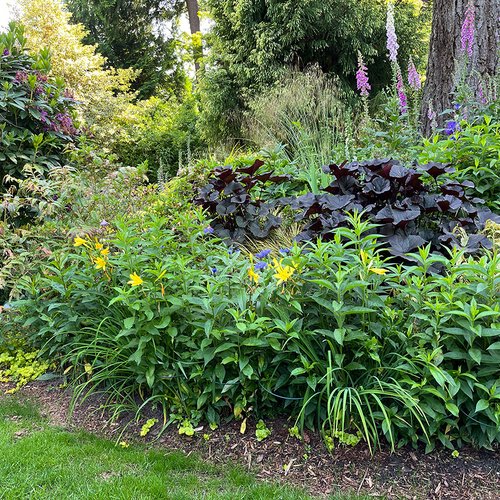
Happy Friday, GPODers!
We’re ending the week on the West Coast with Jeanne Erdahl in Washington, just outside of Seattle. Jeanne’s garden started as a blank slate, with nothing growing under the mature trees on their lot aside from a mess of Himalayan blackberries (Rubus armeniacus). Considered one of the most invasive plants on the West Coast, I can only imagine the battle that ensued to remove those thorny thickets. However, 25 years of work has completely transformed the space, and it’s hard to imagine what once was when you look at the lush garden that exists today. Today she is highlighting some beautiful moments from this spring.
This garden overlooking Lake Sammamish outside of Seattle is about 25 years old and started as a bare lot covered with Himalayan blackberries but also two magnificent old trees: a Douglas fir (Pseudotsuga menziesii, Zones 4–6) and a western redcedar (Thuja plicata, Zones 5–7). When we found out that the only way we could get a septic system on this property was by having a series of sand mounds installed, my partner declared that we would never get anything to grow on them. A minute’s reflection would have told us that they would be the best possible growing medium for any number of plants.
We started out with a professional garden design, but every plant we installed ourselves, and of course the design evolved and changed greatly over the years. Now in our 80s, we still maintain the property by ourselves, with only help pruning the taller trees once a year.
I’m never sad for long when some treasured plant bites the dust. It means that I can go buy or propagate a new plant!
A Chinese fringe flower (Loropetalum chinense, Zones 7–9) backed by an Exbury azalea and Burkwood viburnum (Viburnum × burkwoodii, Zones 4–8), all in bloom
 The 20 year-old patch of rodgersia just popping up in the spring
 One of the myriad native columbine
 A particularly graceful Rainbow leucothoe (Leucothoe fontanesiana ‘Rainbow’, Zones 5–9) vining through an azalea on one of the mounds
 One of our garden helpers
 Part of our field of foxgloves (Digitalis purpurea, Zones 4–9) in full bloom with the Ruby Falls redbud (Cercis canadensis ‘Ruby Falls’, Zones 5–9) in the foreground and a variegated dogwood behind
 Path surrounded by foxgloves
 Japanese forest grass (Hakonechloa macra, Zones 5–9), probably my all-time favorite plant, with iris at the edge of our dry streambed
 Wind sculpture by the deck
 Front mound planting of daylilies, garden phlox (Phlox paniculata, Zones 4–8), and Britt Marie Crawford ligularia (Ligularia ‘Britt Marie Crawford’, Zones 4–8)
 Japanese maple, maybe Bloodgood (Acer palmatum ‘Bloodgood’, Zones 5–8), which was a seedling from my sister, underplanted with blue star creeper (Isotoma fluviatilis, Zones 6–8)
 In the front yard, a cottonwood (Populus deltoides, Zones 3–9) and young Douglas fir, longtime friends
 Native dogwood (Cornus nuttallii, Zones 7–9) in full bloom
Thank you so much for sharing your delightful garden with us, Jeanne! Your space looks like a true woodland wonderland, and you’ve managed to create tons of fantastic flower and foliage interest despite the planting challenges.
I hope you all have a wonderful weekend and are able to spend as much time as possible enjoying your garden. While you’re out there, consider snapping some photos to share with Garden Photo of the Day! Follow the directions below to submit photos via email, or send me a DM on Instagram: @agirlherdogandtheroad.
Have photos to share? We’d love to see your garden, a particular collection of plants you love, or a wonderful garden you had the chance to visit!
To submit, send 5–10 photos to [email protected] along with some information about the plants in the pictures and where you took the photos. We’d love to hear where you are located, how long you’ve been gardening, successes you are proud of, failures you learned from, hopes for the future, favorite plants, or funny stories from your garden.
Have a mobile phone? Tag your photos on Facebook, Instagram or Twitter with #FineGardening!
Do you receive the GPOD by email yet? Sign up here
Fine Gardening Recommended Products

National Wildlife Federation®: Attracting Birds, Butterflies, and Other Backyard Wildlife, Expanded Second Edition (Creative Homeowner) 17 Projects & Step-by-Step Instructions to Give Back to Nature
Fine Gardening receives a commission for items purchased through links on this site, including Amazon Associates and other affiliate advertising programs.
From the National Wildlife Federation, the largest U.S. nonprofit conservation organization, with 6 million members and 51 state and territorial affiliated organizations. 17 step-by-step projects that everyone can do together make getting your family back to nature easy, educational, and fun. Over 200 color photos of backyard wildlife habitats and the wide variety of creatures they attract, plus step-by-step photos and illustrations for family projects. Learn wildlife-friendly practices for gardening, landscape design, supplemental feeders, birdbaths, nesting places, and more. Learn how to attract backyard pollinators, from bees and butterflies to beetles, bats, and hummingbirds
Get your garden certified by the National Wildlife Federation’s Garden for Wildlife(TM) program by following the included certification application checklist.
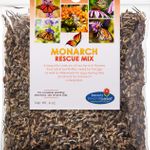
Monarch Butterfly Rescue Wildflower Seeds 4 oz.
Fine Gardening receives a commission for items purchased through links on this site, including Amazon Associates and other affiliate advertising programs.
HIGH QUALITY SEEDS and EXPERT GUIDANCE: Experience the quality seed difference. We are committed to providing the highest quality, open-pollinated, non-GMO/non-GE seeds to our customers, guaranteed. A trusted source of high quality seeds since 1985. ATTRACT MORE MONARCHS: We know seeds and we know pollinators! Our expertly crafted botanical garden seed mixes contain a wide variety of both perennials and annuals that are specifically designed to attract pollinators. Attract more Monarchs and Butterflies in general. Gardener tested, pollinator approved! All Of Our Wildflower Varieties Are 100% Pure Seed, They come with complete planting instructions. Compare and see the quality value. This Wildflower Seed Mix will make the perfect gift for those gardeners in your life.
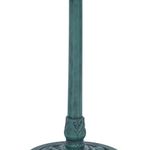
Alpine Corporation 28″ Tall Outdoor Birdbath with Scrollwork Decoration Yard Statue
Fine Gardening receives a commission for items purchased through links on this site, including Amazon Associates and other affiliate advertising programs.
STUNNING BIRDBATH: Quality birdbath is sure to attract feathered friends and create a charismatic ambiance for your garden, patio, deck, yard, or other outdoor space. SHALLOW SHAPE: Shallow and wide bowl assures that multiple small birds can drink and bathe safely at the same time
BEAUTIFUL DESIGN: Luxurious and antique styling adds a touch of elegance to your garden or yard. DURABLE CONSTRUCTION: Polypropylene material resists rust and damage from the elements while the sturdy base prevents the birdbath from tipping over. IDEAL SIZE: Birdbath measures 20″ L x 20″W x 28″H, the perfect size for your yard, and includes a one-year manufacturer’s warranty from date of purchase.

West Virginia Gov. Patrick Morrisey is among 19 Republican governors of states that stand to lose federal Medicaid funds if Congress passes the tax bill with proposed cuts to the program.
Andrew Harnik/Getty Images
hide caption
toggle caption
Andrew Harnik/Getty Images
The last time a Republican-controlled Congress and President Donald Trump moved to slash Medicaid spending, in 2017, a key political force stood in their way: GOP governors.
Now, as Congress steamrolls toward passing historic Medicaid cuts of about $1 trillion over 10 years through Trump’s tax and spending legislation, red state governors are saying little publicly about what it does to health care — even as they face reductions that will punch multibillion-dollar holes in their states’ budgets.
Medicaid, a program jointly run by states and the federal government, covers more than 70 million low-income or disabled people, including nearly half of the nation’s children. Republicans say the $900 billion-a-year program was allowed to grow too large under Democrats Barack Obama and Joe Biden by adding nondisabled adults they say don’t deserve government assistance, and they have long sought to scale it back.

Some of the biggest health cuts in the legislation Trump calls the “One Big Beautiful Bill” are achieved through new policies that would reduce enrollment by imposing more paperwork demands on enrollees, including a requirement that many prove they’re working. Those policies would affect only states that expanded Medicaid to more low-income people under the Affordable Care Act.
Nineteen of those states are led by Republican governors. Their silence on the bill’s health measures is giving political cover to GOP lawmakers from their states as they seek to cut Medicaid coverage for millions of people who gained it within the last decade.
KFF Health News contacted all 19 governors for comment on the legislation’s Medicaid cuts. Only six responded. Most said they backed imposing a work requirement on adult Medicaid enrollees.
“Implementing work requirements for able-bodied adults is a good and necessary reform so that Medicaid is being used for temporary assistance and not a permanent entitlement,” said Drew Galang, a spokesperson for Gov. Patrick Morrisey of West Virginia.
“Governor Rhoden supports workforce participation as a requirement of Medicaid expansion eligibility,” said Josie Harms, a spokesperson for South Dakota Gov. Larry Rhoden, adding that congressional lawmakers have the governor’s support: “South Dakota has an excellent federal delegation, and Governor Rhoden trusts them to fight for South Dakota’s priorities while delivering on President Trump’s promises.”
In a sign of how the political winds have changed, none of the governors said anything about the legislation’s crackdown on another significant cut, to provider taxes — a tool that nearly all of their states use to help pay their share of Medicaid and gain additional funds from the federal government. That change is expected to cost states billions.
In contrast to the radio silence from GOP governors, Democratic governors have campaigned against the megabill for weeks.

Pennsylvania Gov. Josh Shapiro posted on the social media platform X that Trump and congressional Republicans were misleading Americans by saying they were cutting only waste, fraud, and abuse in Medicaid.
“They’re rushing to kick hundreds of thousands of Pennsylvanians off their healthcare — and lying about it,” he posted. “The damage this will do here in Pennsylvania and across America is staggering and will be felt for years to come.”
In New York, Gov. Kathy Hochul on July 1 charged that Trump’s legislation would devastate hospitals and could lead to more than 34,000 job cuts in her state.
“The collective impact of the GOP reconciliation bill in Washington, D.C., could force hospitals to curtail critically needed services such as maternity care and psychiatric treatment, not to mention to downsize operations, and even close entirely,” she said in a statement.
In 2017, the chorus was bipartisan, as Republican governors in Ohio, Nevada, and Massachusetts spoke out against cutting Medicaid. Trump’s bill to repeal much of the Affordable Care Act and roll back its Medicaid expansion narrowly failed in the Senate.
“It’s been surprising that red-state governors, particularly those in Medicaid expansion states, haven’t spoken out against Medicaid cuts,” said Larry Levitt, executive vice president for health policy at KFF, a health information nonprofit that includes KFF Health News. “Republican governors were a potent political force in the failed 2017 effort to repeal and replace the ACA, including Medicaid expansion.”

What’s changed since 2017, policy experts say, is that there are fewer moderate Republican governors, and GOP state executives who advocated for Medicaid expansion over a decade ago are no longer in office.
Additionally, seven of the then-red states that expanded Medicaid did so via ballot initiative, mostly over opposition from their governors.
In fact, the Medicaid work requirement is backed by many Republican governors, even if it means less federal Medicaid money and leads to fewer people covered.
Several states, including Arkansas and Ohio, have already passed state laws to implement a requirement that adults enrolled under the ACA’s Medicaid expansion work, volunteer, go to school, or participate in job training. Most states have yet to bring work requirement programs to fruition because they are waiting for federal government approval.
Charles “Chip” Kahn, president of the Federation of American Hospitals, a trade group of investor-owned hospitals, said that while fewer governors have engaged publicly in trying to block Medicaid cuts under the bill, federal lawmakers are hearing from legislators in their states.
A political dilemma for Republican governors is that, unlike in 2017, the bill before Congress is not legislation aimed expressly at repealing Obamacare. Its scope is broader than health care, and would extend many of Trump’s tax cuts, and direct billions in new spending toward border security, immigration enforcement, and the military, while also cutting health care spending.
“It’s like playing multidimensional chess rather than focusing on one issue,” Kahn said.
Larry Jacobs, director of the Center for the Study of Politics and Governance at the University of Minnesota, said some Republican governors may have expressed concerns privately to their states’ GOP senators but are not speaking out publicly for fear of drawing Trump’s wrath.
“Why are they being cagey? Trump and not wanting to be ‘Liz Cheney’d,'” Jacobs said, referring to the Republican former Wyoming lawmaker whom Trump helped oust after she served as vice chair of an inquiry into his attempts to overturn the results of the 2020 election.
The political peril Republican lawmakers face in publicly challenging Trump remains explicit. On June 29, Sen. Thom Tillis (R-N.C.) announced he would not run for reelection after he voiced concerns about the bill and the president threatened to back a primary challenger. Tillis was one of three GOP senators to vote against it on July 1, though it still narrowly passed.
In addition to the work requirement, the biggest Medicaid cuts in the bill stem from its restrictions on provider taxes — levies that states impose on hospitals, nursing homes, and other health care institutions to help increase their federal reimbursement. Much of the additional money is then returned to the health care providers in the form of higher payments for their Medicaid patients.
The practice, which has been adopted in every state but Alaska, has been criticized by some Beltway Republicans as “money laundering” — even though the taxes are approved by state lawmakers and the federal Centers for Medicare & Medicaid Services and have been allowed under federal law for decades.
The Senate bill would limit the money states could raise — a move that would mean billions in funding cuts to states and their hospitals.
The states with Republican governors that expanded Medicaid are Alaska, Arkansas, Idaho, Indiana, Iowa, Louisiana, Missouri, Montana, Nebraska, New Hampshire, Nevada, North Dakota, Ohio, Oklahoma, South Dakota, Vermont, Virginia, West Virginia, and Utah.
One of the governors who expressed concerns about repealing the Obamacare Medicaid expansion in 2017 was Jim Justice of West Virginia, a Democrat at the time.
In a June 2017 letter to West Virginia Sen. Shelley Moore Capito, a Republican, Justice wrote: “Since so many of our people count on Medicaid, any cut to Medicaid would destroy families in West Virginia.” He added that “the consequences would be beyond catastrophic.”
On July 1, Justice — elected to the Senate as a Republican last year — voted for Trump’s megabill, including its Medicaid cuts.
“The Senator believes this bill strikes a good balance between protecting the most vulnerable and those who rely on the program while rooting out waste, fraud, and abuse to ensure the program is run efficiently for those deserving,” William O’Grady, a Justice spokesperson, said in an email Wednesday.
KFF Health News correspondent Arielle Zionts contributed to this report.
KFF Health News is a national newsroom that produces in-depth journalism about health issues and is one of the core operating programs at KFF.
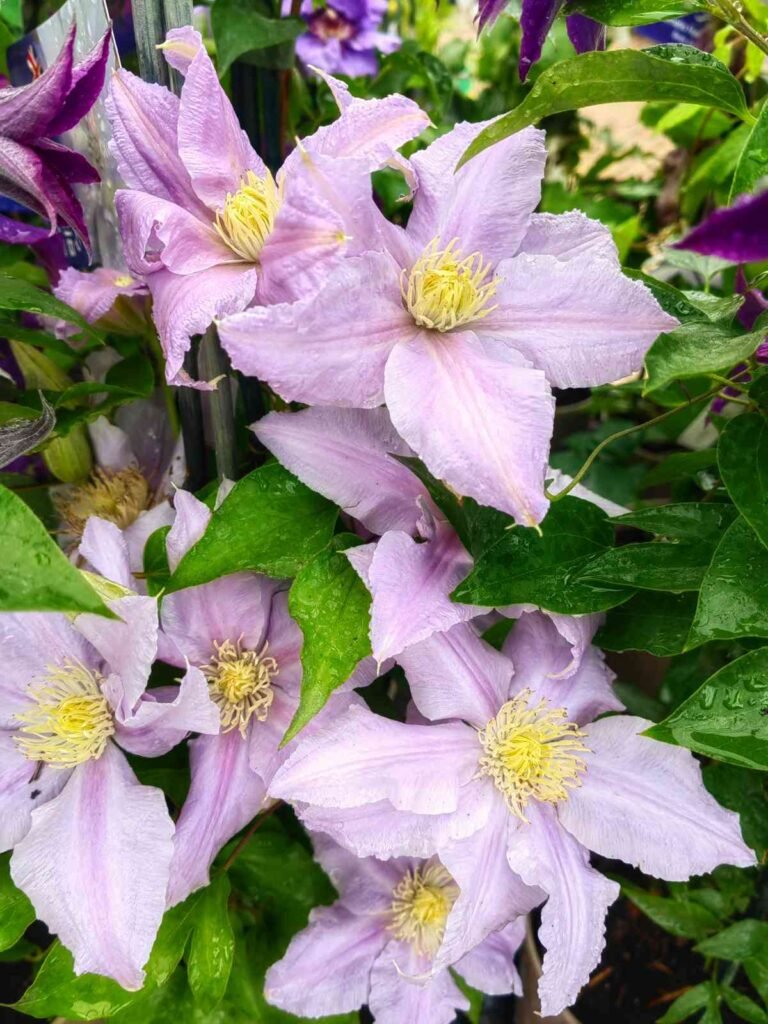
Clematis is one among those flowering plants that adds vertical beauty to your backyard garden. Ranging from shades of purple, pink, blue, and white, its vibrant blooms climb effortlessly over trellises, fences, or arches, turning plain spaces into eye-catching floral displays.
Though clematis shines on its own, growing companion plants around it is essential for both health and beauty.
The right companions can shade its roots, improve soil moisture, and deter pests—while also complementing its flowers for a fuller, more layered garden look.
Hostas, daylilies, and hardy geraniums make excellent companions for clematis, helping to keep its roots cool and shaded.
You can also pair it with roses, hydrangeas, or small shrubs to create a lush, layered look while offering natural support for the vine to climb.

As mentioned above, companion planting offers several benefits for clematis, starting with root protection. Low-growing plants like hostas and hardy geraniums help shade the base, keeping the roots cool and preventing moisture loss.
It also improves soil moisture by reducing evaporation and maintaining even ground temperature. This helps clematis thrive, especially during warmer months when the soil tends to dry out quickly.
In terms of pest control, certain companion plants like marigolds or alliums can naturally deter pests that may harm clematis, reducing the need for chemical sprays.
Lastly, combining clematis with other plants enhances the overall garden aesthetic. The mix of climbing blooms with bushy or flowering companions adds layers, color, and texture for a fuller, more attractive display.
Clematis may be the climbing beauty in your garden, but the plants around it can make all the difference in its health and appearance.
The right companions help keep the roots cool, support its growth, and create a stunning layered effect in your landscape.

Sea hollies bring a dramatic flair to your garden with their spiky, silvery-blue flowers that contrast beautifully with the soft, star-shaped blooms of clematis. They’re drought-tolerant and thrive in well-drained soil, just like clematis.
Thanks to their deep taproots, sea hollies don’t compete for moisture near the surface. This makes them a perfect neighbor for clematis, which prefers consistently moist but not soggy soil.
Their bristly texture helps deter deer and rabbits, offering some natural protection to more delicate clematis vines. The structural foliage also adds interesting form and year-round visual texture to your garden bed.
Plus, sea hollies are magnets for bees and butterflies, increasing pollinator activity and contributing to the health of the entire garden ecosystem.
Also Read: How to Plant Shasta Daisy?

Japanese maples offer dappled shade, which is ideal for clematis roots that prefer to stay cool while the vines bask in the sun. Their graceful branches allow clematis to twine naturally through or around them.
The fallen leaves act as a light mulch, helping to retain soil moisture and improve structure over time. They break down gently, feeding the soil without overwhelming it.
Clematis can climb through smaller maples without damaging them, creating a layered look with flowers draping over fiery red or golden foliage. The vertical pairing looks artistic and serene.
In fall, the intense maple colors make late-season clematis blooms glow. Even when the clematis goes dormant, the maple maintains beauty and structure through winter.

Groundcover or carpet roses spread low and wide, shading the base of clematis vines and keeping the soil cool. This living mulch effect helps maintain the moisture balance that clematis loves.
Both roses and clematis enjoy rich, well-fed soil and can benefit from the same fertilizers, streamlining garden care. Their needs align perfectly for feeding, watering, and pruning.
The thorny stems of roses provide light physical support for clematis to cling to when starting out. As both mature, they complement each other with a striking contrast of forms and bloom styles.
With roses blooming at the base and clematis climbing above, you get a continuous vertical flower show. The fragrance combination can be enchanting along a walkway or fence line.
Must Read: How to Propagate Bee Balm?

Sweet peas are a delightful early-season climber that pairs well with clematis, especially while the clematis is still establishing in spring. They fill vertical space with soft, fragrant blooms.
These legumes fix nitrogen in the soil, enriching it naturally for the benefit of heavier-feeding plants like clematis. They act as a living soil conditioner during their growth cycle.
Once summer heat sets in, sweet peas fade just as clematis hits its peak, providing a seamless transition of bloom time. This creates constant color on shared trellises or obelisks.
Sweet pea vines are also easy to remove at the end of their season, clearing space and airflow for your clematis to thrive into late summer and fall.

Ornamental grasses like blue fescue, fountain grass, or feather reed grass are perfect companions that offer fine-textured foliage to balance the boldness of clematis blooms. They provide soft movement and contrast in form.
These grasses shade the soil gently without smothering the base of the clematis. This helps keep the roots cool and prevents weeds from creeping in.
Their fibrous roots improve soil aeration and drainage—something clematis roots greatly appreciate. They also help stabilize the base of arbors or trellises from erosion during rain.
In winter, when clematis dies back, ornamental grasses keep the garden visually interesting. Their dried plumes and forms offer year-round beauty and shelter for beneficial insects.
Tall, aggressive shrubs like lilacs or forsythia can overshadow clematis and block the sunlight its vines need. They also compete heavily for nutrients and moisture, leaving clematis struggling to thrive.
Large, thirsty trees such as maples or willows have widespread root systems that drain water quickly. Clematis prefers evenly moist soil, so nearby tree roots can lead to dry, stressed plants.
Sprawling groundcovers like mint or vinca may seem useful, but they tend to smother the clematis base. Clematis needs airflow around its crown to prevent rot and disease.
Heavy feeders like tomatoes or cabbages pull a lot of nutrients from the soil. Planted nearby, they can leave clematis underfed and weak unless you amend the soil regularly.
Plants with aggressive spreading habits—like bamboo or some types of ivy—can invade clematis roots. They crowd out space and make it hard for the vine to establish properly.
Check this: 19 Best Lavender Companion Plants to Grow in Garden
Clematis is a stunning addition to any garden, but choosing the right companion plants makes all the difference in how well it grows and blooms.
Good companions like hostas, ornamental grasses, or Japanese maples help support its needs—keeping roots cool, improving soil, and enhancing the garden’s visual appeal.
Avoid planting aggressive or overly competitive species nearby, as they can steal moisture, light, and nutrients clematis depends on.
With thoughtful pairing, your clematis will not only thrive but also create a beautifully layered and balanced garden space that looks good all season long.

Khaja Moinuddin, a computer science graduate, finds joy in gardening and homesteading. Join him on this blog as he shares his experiences in homesteading, gardening, and composting
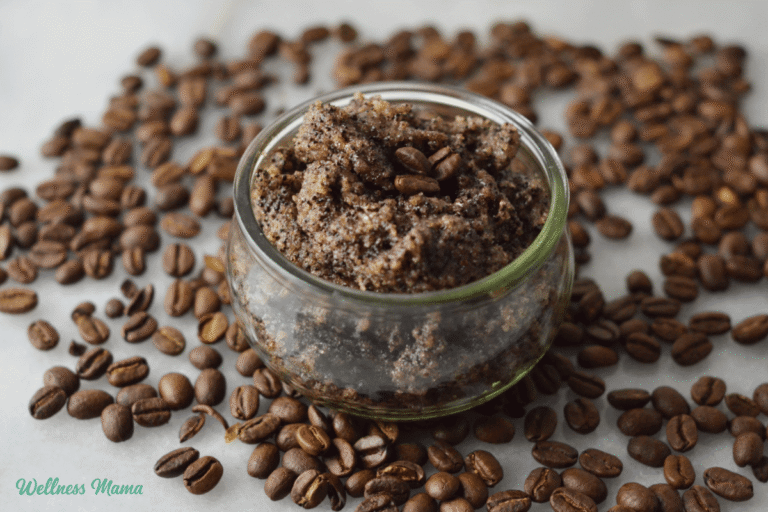
I love the smell of coffee and I love drinking coffee (with butter!). But it turns out that coffee grounds also make a great body scrub. Not only does it remove dead skin cells, but it can help reduce the appearance of cellulite.
Coffee beans are full of antioxidants and also have benefits when used externally. I’ve even made a coffee infused under eye cream to perk up tired eyes. So, how can a coffee body scrub help with your skincare routine?
Massaging the skin helps stimulate blood and lymphatic flow. This increase in circulation can help reduce cellulite, improve circulation and cellular detox, and make skin feel smoother. Coffee also has antioxidants that help with excess free radicals and has a tigthening effect thanks to it’s astringent properties.
If you have dry skin, you’ll want to be sure to drink hydrating minerals, but scrubs can still be part of your body care. The oils in this coffee scrub are moisturizing and a great way to get more self care in. If you’re dealing with acne, keeping the skin exfoliated and moisturized can help prevent breakouts. However, diet is still the best way to address the root cause of acne!
If you have acne prone skin and want to use this as a face scrub, you can swap out the coconut oil for something less comedegenic, like jojoba or grapeseed oil. The scrub won’t be as solid, but it will still work.
This sugar scrub combines some of my favorite natural beauty ingredients. Here’s what they are and how they help your skin
This simple scrub smells like a vanilla latte (thus the name) and leaves skin silky. It smells and looks sophisticated, but is incredibly simple and inexpensive to make.
A simple coffee scrub that smells like a vanilla latte! Use it on the face or body to gently exfoliate skin.
Yield: 1 cup
Place the coffee, sugar, and vanilla in a medium-size bowl and mix well.
Add the oils and stir with a fork or the back of a spoon until well mixed and moistened.
Store in an air-tight container away from moisture and heat. Use as desired for soft skin, especially on the legs to help with cellulite.
Using a scrub is a simple process, but it can be a little messy! Be careful when using this in the shower as it can make the floor slick. You can also put a drain strainer over the tub drain if you’re worried about the scrub clogging your drains.
Apply a handful of the scrub to wet skin and use circular motions to exfoliate. Rinse off with warm water when done. This works well as a body scrub, but you can also use it as a face scrub to help improve fine lines and prevent blemishes. It even works over the tummy area to help with stretch marks.
I find that the natural ingredients work well for sensitive skin, just don’t scrub super hard. If you have really sensitive skin and notice irritation though, then discontinue use.
I absolutely love how this scrub smells and how it makes my skin feel silky smooth! Using it in the shower is an aromatic experience that helps me feel calmer and more alert at the same time. It’s quick to make and even makes a great gift.
What are your favorite ways to use coffee? Leave a comment and let us know!
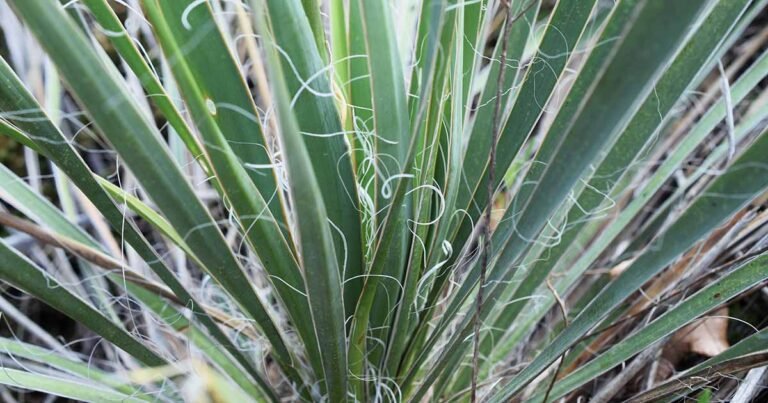
Whether it’s sick, dead, or simply growing in a poor spot, sometimes a yucca just has to be removed. Unfortunately, doing so is easier said than done.
As you probably know, species of Yucca are pretty tough in general, with their extensive root systems and tolerance of many environmental stressors.
Plus, if even a small bit of root tissue remains in the ground after removal, a baby plant could easily spring up.

Of course, you also have different species of Yucca to consider.
A small specimen may be lifted pretty easily, while a larger, tree-like species will take considerably more work to do away with. Different types, different techniques.
In our guide to growing yucca we discuss how to cultivate these stately plants in your landscape.
This article gives you all the know-how you need to remove those bad boys when you’ve had enough of them.
Here’s what’s ahead:
Yucca plants can be striking additions to the landscape, but they aren’t always the right fit.
Sometimes they become infested with pests, develop chronic diseases, or suffer from persistent environmental stress.

If a specimen is severely damaged, visibly declining, or nearly dead despite your best efforts, removing it may be the most practical option.
Even a healthy plant might have to go if it’s in the wrong place.
Yuccas are armed with rigid, pointed leaves that can easily snag clothing, skin, or passersby, posing a hazard if grown near walkways or children’s play areas.
Poor placement in a shaded spot, where the plant will never thrive, or it may simply clash with the surrounding landscape design.
Then there’s the maintenance factor. These desert natives are highly drought-tolerant, but prone to root rot in wet soils.
Their sword-like foliage and architectural form don’t always blend well with softer, temperate designs. And let’s be honest, succulents aren’t for everyone.

Whatever the reason, removing a yucca may be the most sensible choice. But doing it properly is essential if you want to avoid regrowth.
With the right approach, you can eliminate it for good – and save your neighbor from a surprise jab on their morning walk.
Removing a yucca plant takes more than just chopping it down. These rugged perennials have extensive, stubborn root systems that are built for survival.
If you don’t eliminate the roots completely, you’ll likely see new shoots popping up before long.
First things first: before you can tackle the root system, you’ll need to remove the aboveground foliage.
The species of yucca that you’re cutting will determine the tools that you’ll need.

Smaller species like Adam’s needle (Y. filamentosa) can be cut down with pruning shears or loppers, while the large, strong trunks of tree-like species may need a saw or an axe.
Yuccas are fibrous and tough, so be sure your tools are sharp and in good working condition.
With your choice of tool, cut your plant down to ground level.
For some low-growing species, this may entail removing flower stalks and cutting back each leaf at the base to reach the central stem. Be sure to dispose of the clippings to avoid spreading seeds.
For other upright varieties or tree-like species with accessible central stems or trunks, there’s no need to cut away the foliage. You can just fell the plant straight away, Paul Bunyan-style.
Make sure you wear some personal protective equipment to keep you safe from sharp tools and pointy spines. Protective eyewear and work gloves are mandatory, I’d say.
A final note on timing: since you’re removing these plants without much care for their health, the timing of all this doesn’t matter much.
But I wouldn’t try to remove these plants during the winter, because that’s when the soil is often frozen and hard to penetrate with digging tools.
If you cut the shoots down to the ground correctly, you should be looking at the top of an exposed stump that’s about level with the soil.
From here, you have a handful of different options for taking care of the stump.
This one can be tough, and may not be feasible depending on the size of your specimen.

If you’re dealing with a small species, then digging it up shouldn’t be too difficult. It’s the larger ones that can be a pain, though.
Use a sharp spade or shovel to dig a wide circle, at least three feet out from the center of the stem.
Depending on the size and age of the specimen, you may need to dig several feet down, severing roots as you go with a mattock or hand saw.
This method may take a while, and it may not even remove all the root tissue. But it’s pretty cost-effective, and it’ll give you a great workout!
Yucca roots are susceptible to rot in saturated soil. By keeping the root zone consistently wet, you can encourage decay in the stump.

This may take several months or more and is most practical in climates with high rainfall.
Be prepared to use a lot of water if you’re trying to do this manually, and it’s not the most efficient method in dry areas.
Depriving the stump of sunlight and oxygen can be effective. Cover the stump and the area around it with thick black plastic or several layers of cardboard.
Weigh your covering down with bricks or stones and leave it in place for a year. Check periodically and replace damaged coverings as needed.
This process does take a while, it may not work on especially large or tough stumps, plus, you’ll have a rather ugly covering in your landscape for a while.
Poisoning the stump is a pretty effective way of killing it, but the use of toxic chemicals may not be something you want to attempt.
Drill several evenly-spaced holes about 10 inches deep into the top and fill them with a dedicated stump remover, a herbicide such as glyphosate, or even epsom salts.
Wear gloves and eye protection while handling chemicals, and apply only during dry weather to avoid runoff into surrounding vegetation.
Mark the treated stump clearly with dye to warn others. Once dead, you can either leave it to decay naturally or have it removed, it should be quite easy to dig out at this point.
If all this sounds like more than you want to take on, hiring a professional is a valid and often efficient option.

There are qualified professionals out there who can efficiently excavate stumps, safely poison them, or even grind them down and slice up their roots using specialized machinery.
The biggest drawback with this one is the money you’ll need to spend!
Yuccas are very resilient, which is unfortunate in this circumstance.
Even if you do an effective job of killing and/or removing the root system, there is a very real likelihood that additional plants will pop up from pieces of root in the soil that were missed or left alive.
Thankfully, removing these baby yuccas is a lot easier than dealing with full-sized specimens.
So as soon as you see baby yuccas sprouting up from the ground, dig them up and throw them in the compost pile. Keep this up, and eventually the area will be yucca-free!
Yucca plants can be tough to remove, but it’s entirely doable.
Cut down the plant, deal with the roots using your preferred method, and check the area regularly for any regrowth.

Remove new shoots as they appear, and over time, the plant will stop returning.
Still have questions? Have your own tips and tricks to share? Let us know in the comments section below!
And for information about how to grow yucca plants, check out these guides next:

Welcome to Well Rooted Wellness, your transformative journey towards holistic wellness and personal growth. We are an online learning platform that believes in the power of interconnectedness between the mind, body, and environment. Our mission is to empower individuals like you to lead fulfilling lives by nurturing these essential connections.
Contact us: contact@yoursite.com
© Copyright - wrwofficial.com - 2025