Set out beer traps to end your garden slug problem
Does it work? This one can be answered with a resounding “kinda.”
The yeast in beer will certainly help to attract slugs to a well-placed trap, but the validity of this garden myth has all of its weight resting on whether or not the slugs can get back out of the trap again.
If you set out a shallow bowl with some beer in it, the slugs can climb up and slurp.
But if it’s too shallow, they’ll just turn around and go back to whatever other goodies you have available in your garden when they’re done.
The effectiveness of this legendary method rests on how quickly and effectively you can nab the slugs from these traps and dispose of them in another way.
Occasionally they may drown, but more often they manage to climb up the side of the container and go on their merry way.
Plant marigolds to keep the bad bugs away
This is a garden myth with a lot of truth to it, but likewise a lot of misunderstanding.
But we need enormous amounts of marigolds for this to have a real effect.
A single six-pack of marigold starts from the nursery won’t do much for your garden. But if you carpeted the beds with a hundred plants, you’d definitely notice a positive impact.
Keep in mind, however, that those extra marigolds will also compete for the same resources our vegetable crops and other edibles need.
So, marigolds can certainly benefit your garden space as companion plants, but only when they’re grown in sufficient numbers, and there are some considerable drawbacks to this strategy as well.
Yes, here we go! Definite garden truth that offers a clear, concise, factual bit of wisdom.
Use eggshells and banana peels in your garden for healthier plants
Eggshells and banana peels contain significant amounts of calcium and potassium, respectively, and these common kitchen waste products can be a boon to your garden.
And I recommend burying banana peels in the earth instead of tossing them loose on the surface of your garden beds – that’s a recipe for attracting rodents and other pests.
These two helpful food scraps are basic elements of compost, and they may be put to the best use in a bin where they can contribute to creating nutrient-rich compost.
However, in a pinch, adding them straight to the garden in their raw form works too.
Soak your plant cuttings in a “tea” made from soaked willow cuttings to promote rooting
I have a friend who asked if he really could get willow whips to set root in a bucket of water. I told him he’d have a hard time getting them not to take root.
Willows are fast growers, and this is due in large part to the growth hormone indolebutyric acid, which they contain. This hormone will indeed help your cuttings to root.
Cut about twenty branches from a willow tree, nothing larger than a pencil in diameter. Don’t worry, your willow can handle losing these!
Strip the leaves from the branches you’ve cut, and then cut the branches into one- to two-inch lengths.
Boil half a gallon of water, remove it from the heat, and then place the pieces in the water to soak.
In the past I’ve steeped mine for 24 hours because I’m an impatient guy, but they can sit in the water for 48 hours.
Sieve the mixture and discard the twigs however you prefer to go about this (throw them on the compost, etc.).
1. After receiving the tracker, please fully charge it. After making sure it is fully charged, press and hold the button on the smart tracker to turn it on. Generally it can be fully charged within 2 hours. The usage time is 5-7 days.
2. Time Setting: After successfully connecting the tracker to the Runmefit app via Bluetooth, the tracker will automatically sync with your phone’s time.
3. If the tracker and app are unable to maintain a connection: Please refer to the FAQ in the Runmefit app.
ENGERWALL store sells fitness tracker replacement wristbands in other colors to make your smart bracelet look more like fashion accessories. (You can search for B0CMQBPHDD on Amazon.) If you have any questions about the product, please let us know through the way on the card. (Usually reply within 12 hours)
16 Sport Modes
With the Fitness Tracker, you can record your exercise data during exercise. For example: steps, calories, distance, heart rate, exercise time, etc. Let you exercise more scientifically.Note: There are 16 sport modes in the application RUNMIFIIT. The fitness tracker can store 4 exercise modes. You can save 4 commonly used sport to Fitness Tracker
Heart Rate Monitor
Track your 24-hour heart rate. One button to monitor current heart rate. Keep your data recorded on the app.For example: maximum, average, minimum heart rate value, heart rate value curve graph.New function: Smart Bracelet can detect body temperature, blood oxygen, blood pressure
Sleep Monitor & Silent Vibration Alarm Clock
This Activity Tracker can track your deep sleep/ light sleep/ awakening and analyze your sleep quality all day.You can also add up to 8 alarm clocks to wake you up by gentle vibration, no need to worry about disturbing people around you.
Call & Message Alert
The Fitness Tracker support message notification (SMS or SNS from Facebook, Linkedin, WhatsApp, Wechat, Twitter, Snapchat, Instagram, Messenger, QQ, Skype, Line and so on.)Please connect the fitness tracker with your phone in the app(RUNMEFIT), then turn on the message notification
Drink Water & Sedentary Reminder
Turn on the “Sedentary Reminder” or “Water Reminder” function in the APP. Sedentary will vibrate to remind you to move and remind you to drink water. Remember to stay active and help reduce stress, and set the time you need to relax.
Stopwatch
You can set the stopwatch directly on the fitness watch. Assist you to exercise more scientifically.
Customizable Watch Face
A variety of watch faces are available for you to choose from the Runmefit app. You can also choose your picture as the watch face, such as your selfie or photo of your kid, family, pet ,etc.
Remote Camera Control
Just enjoy the time together. This tracker can remote control your phone’s camera to capture the cherished moments.
Super Long Battery Life
Charging for 2 hours, you can enjoy up to 5-7 days of long battery life or 30 days of standby time.It has a built-in USB charging port, so no additional cables are needed. Both computers and mobile phone chargers can charge this Fitness Tracker, which is more convenient.Note: Charging can only proceed if the tracker makes proper contact with the metal side of the power source.
FAQ Troubleshooting:
Q1: My fitness tracker won’t charge?
A1: Please check the metal parts of the USB port on my phone charger and the metal parts of the USB port on the tracker. (The tracker will only charge if they are metal to metal.) Once charging begins, the tracker will vibrate and a charging symbol will appear on the screen.
Q2: Time display error/How to set the time?
A2: After pairing with the app, the fitness tracker automatically syncs the time and date with your phone. If the time is incorrect after the battery is low, recharge and reconnect to sync to the correct time.
Q3: Regarding step count accuracy.
A3: My fitness tracker has a built-in 3D sensor. Most fitness trackers on the market count steps based on hand movements while walking. Therefore, after walking for a while, the data may take some time to sync. You can check if your step count has increased after walking 100 steps to determine if the tracker is functioning properly. Distance data is calculated using an algorithm based on step count, height, and weight. There may be some error, but this is within the normal range.
Q4: My notification function isn’t working.
A4: If notifications don’t work, follow the app’s prompts during the initial connection to grant the necessary permissions to your phone app. Ensure the app is running in the background even when the screen is off. If the issue persists, please let us know and we will help you.
Q5: Will my exercise data be permanently saved on the watch?
A5: The watch only stores up to 7 days of data. You need to sync your data with the app to permanently save it. (After connecting to the app, pull down the “Home” tab to complete the sync.)
Add to Cart
Add to Cart
Add to Cart
Add to Cart
Customer Reviews
4.2 out of 5 stars 173
4.1 out of 5 stars 40
4.6 out of 5 stars 12
4.4 out of 5 stars 17
Price
$9.99$9.99 $9.99$9.99 $9.99$9.99 $9.99$9.99
Replacement band colors
Black+Blue Pink+Gray Purple+Army Green Red+Orange
【All-day Activity Tracker】: ENGERWALL IP68 Waterproof fitness tracker can record and track your daily steps, calories burned, exercise distance and time. It can also monitor your Body Temp, Heart Rate, Blood Oxygen and Blood Pressure. IP68 waterproof ensures that you don’t need to take it off for daily hand washing and swimming, but don’t soak it in water for a long time or wear it for hot baths, saunas. 【Slim and simple band design】The design concept of this tracker’s band is slim and unique, offering a comfortable and lightweight wearing experience. Suitable for men, women and the elderly. 【Heart Rate Monitor and Sleep Tracker】: Smart tracker can detect heart rate, blood pressure, blood oxygen, and body temperature in daily life. Monitor your sleep and analyze your sleep quality through Fall Sleep, Deep Sleep, Light Sleep, REM Sleep. You can view daily, weekly, and monthly data in the APP “Runmefit” to help you better understand your health status and lead a healthy lifestyle. 【Call and message notifications】: You can receive text messages and SNS notifications (including Facebook, Twitter, WhatsApp and Instagram) directly on your wrist. When your phone’s Bluetooth is turned on, if you receive a message, the watch will vibrate to remind you and you can view the specific message. This function is very practical whether in work or life. 【Working Time】: Smart Fitness Watch is the best partner at work, you can set it on the mobile APP ‘Runmefit’: up to 5 sets of alarms, you don’t have to worry about being late for appointments or forgetting important things. You can set drinking Water Reminders and Sedentary Reminders to establish a healthy way of working. 【16 Sports Modes】: This fitness tracker with 16 sports modes to track the corresponding exercise. It will record your workout time, heart rate, and distance. With connected GPS, it can record your workout route, and so on. (Achieved through APP positioning) 【USB Charging】: Remove the wristband and plug it into the USB-A port to charge the fitness tracker. You can plug it into the USB-A port of a computer or a regular charger to charge it. This fitness watch can last up to 5-7 days on a full charge.
Price: $26.99 (as of Dec 20, 2025 04:22:33 UTC – Details)
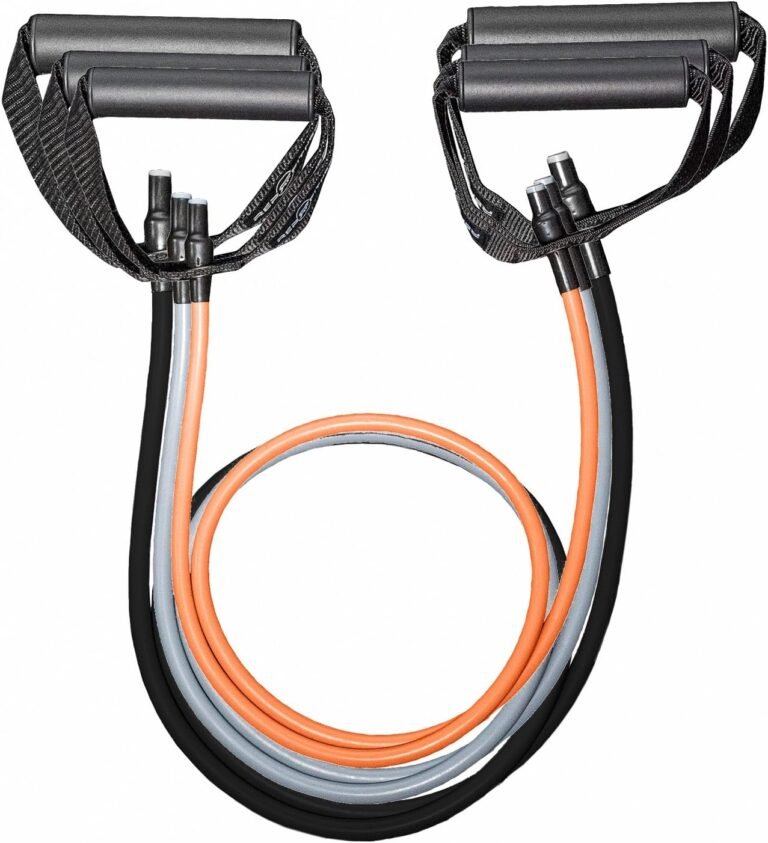
EFFICIENT AND PORTABLE: Rep Fitness Tube Resistance Bands are an efficient addition to anyone’s gym bag and workout routine. Whether you are using them at home or at the gym, they are sure to help you improve resistance strength, mobility, flexibility and more. CHOOSE YOUR RESISTANCE LEVEL: Available in light, medium or heavy. Save money by purchasing the set and have different resistance levels for all of your needs. IMPROVE STRENGTH AND FLEXIBILITY: Handles were constructed to provide a comfortable grip so that you can focus all of your energy on your workout or stretching. STRETCHING AND REHAB: Our bands are designed to perform optimally for strength training and rehabilitation exercises
President Trump unveiled deals with nine pharmaceutical companies on drug prices in a White House event Friday.
BRENDAN SMIALOWSKI/AFP via Getty Images
hide caption
toggle caption
BRENDAN SMIALOWSKI/AFP via Getty Images
President Trump said the administration has reached agreements with nine more drugmakers to bring their U.S. drug prices more in line with what other wealthy countries pay.
Fourteen companies in total have now reached what the administration calls most-favored-nation pricing deals. The companies that took part in Friday’s announcement were: Amgen, Boehringer Ingelheim, Bristol Myers Squibb, Genentech, Gilead Sciences, GSK, Merck, Novartis and Sanofi.
They agreed to charge the U.S. government no more for new drugs than the prices paid by other well-off countries. The agreements will allow state Medicaid programs to access lower prices from the nine companies. In a statement, the White House said the change will result “in billions of dollars in savings.”
The drugmakers also agreed to invest at least $150 billion in manufacturing operations in the U.S. The president is seeking to increase domestic production of pharmaceuticals.
In addition, the companies agreed to make some of their most popular drugs available at lower prices to consumers who pay out of pocket through a government website called TrumpRx.com. The TrumpRx website is expected to launch in early 2026, and would take consumers to pharmaceutical companies’ direct-to-consumer websites to fulfill orders.
For example, Merck will reduce the price of Januvia, a medication for Type 2 diabetes, from $330 to $100 for patients purchasing directly through TrumpRx, the White House said. Amgen will reduce the price of Repatha, a cholesterol-lowering drug, from $573 to $239 when purchased through TrumpRx.
In exchange for these concessions, the companies will be exempt from possible administration tariffs for three years.
The extent of savings for consumers under the agreements is unclear. Medicaid and its beneficiaries already pay some of the lowest prices for drugs. And people with health insurance could spend less on copays for their medicines than paying cash for them through the drugmakers.
Separately, Trump said during the press event that he would like to get health insurers to lower their prices, too.
“I’m going to call a meeting of the insurance companies,” he said. “I’m going to see if they [will] get their price down, to put it very bluntly.”
The wonder of sowing seeds and watching tiny new plants emerging from the soil never gets old. In this episode, Danielle, Carol, and their guest compare notes on some of their favorite plants that can be grown easily (or not so easily) from seed. Whether you are an experienced seed propagator or a nervous newbie, you’ll be sure to find something in this episode that catches your interest and makes you look forward to spring.
While we’re on the topic of plant propagation, check out this video about growing plants from cuttings, mentioned in this episode: Growing Cuttings for Gifts
The lavender variety that Carol successfully grew from seed a couple of years ago is ‘Ellagance Purple’.
Episode Expert: Christine Alexander is the executive digital editor for Fine Gardening.
Chocolate cosmos (Cosmos atrosanguineus, Zones 7–9)
‘Hawaiian Currant’ tomato
‘Amish Gold’ paste tomato‘Mad Hatter’ pepper on the plant Photo courtesy of All America SelectionsChocolate cosmos after a rain‘Hawaiian Currant’ tomato
‘Dandy Collarette’ dahlia (Dahlia ‘Dandy Collarette’, Zones 8–11)
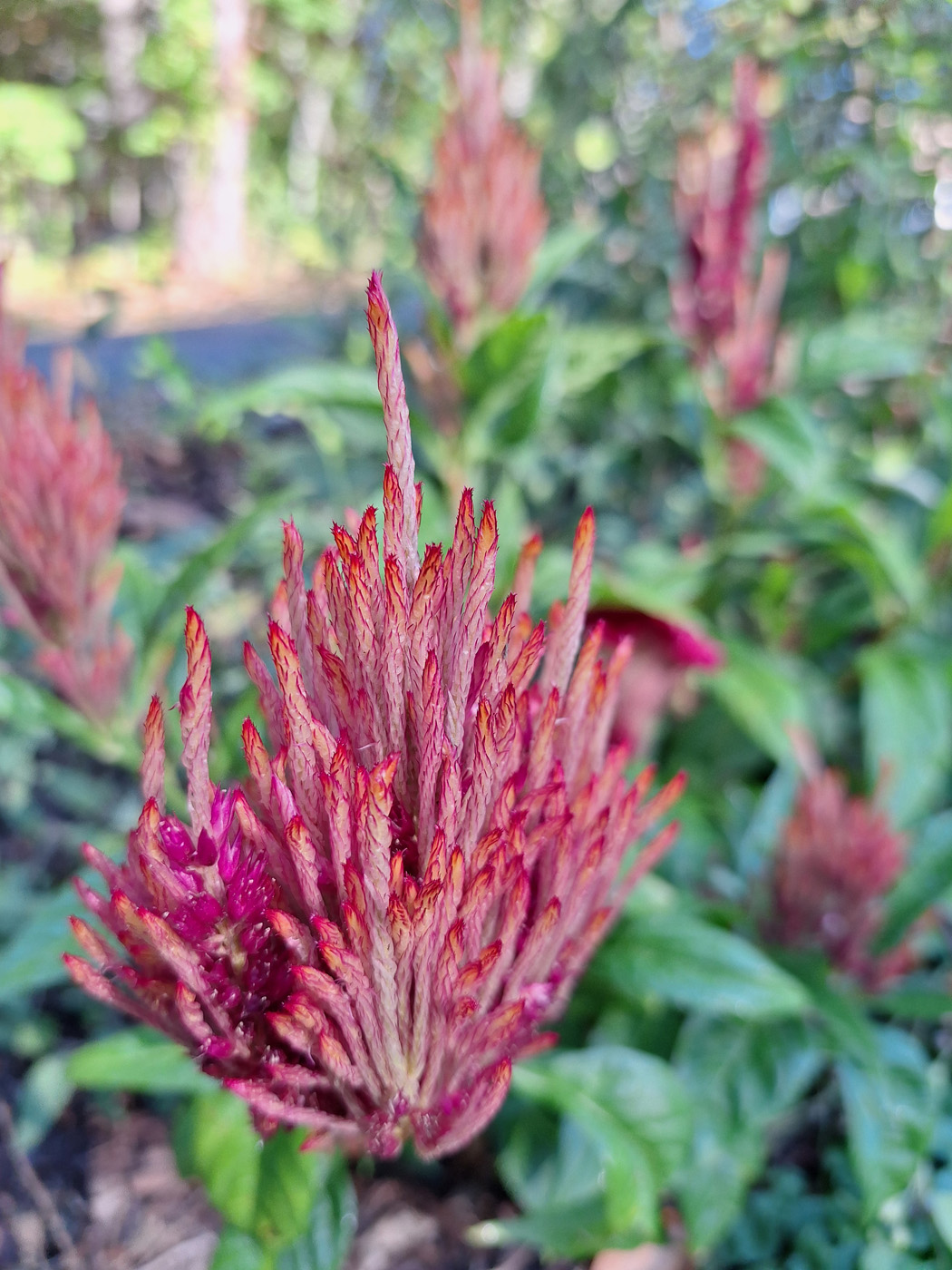
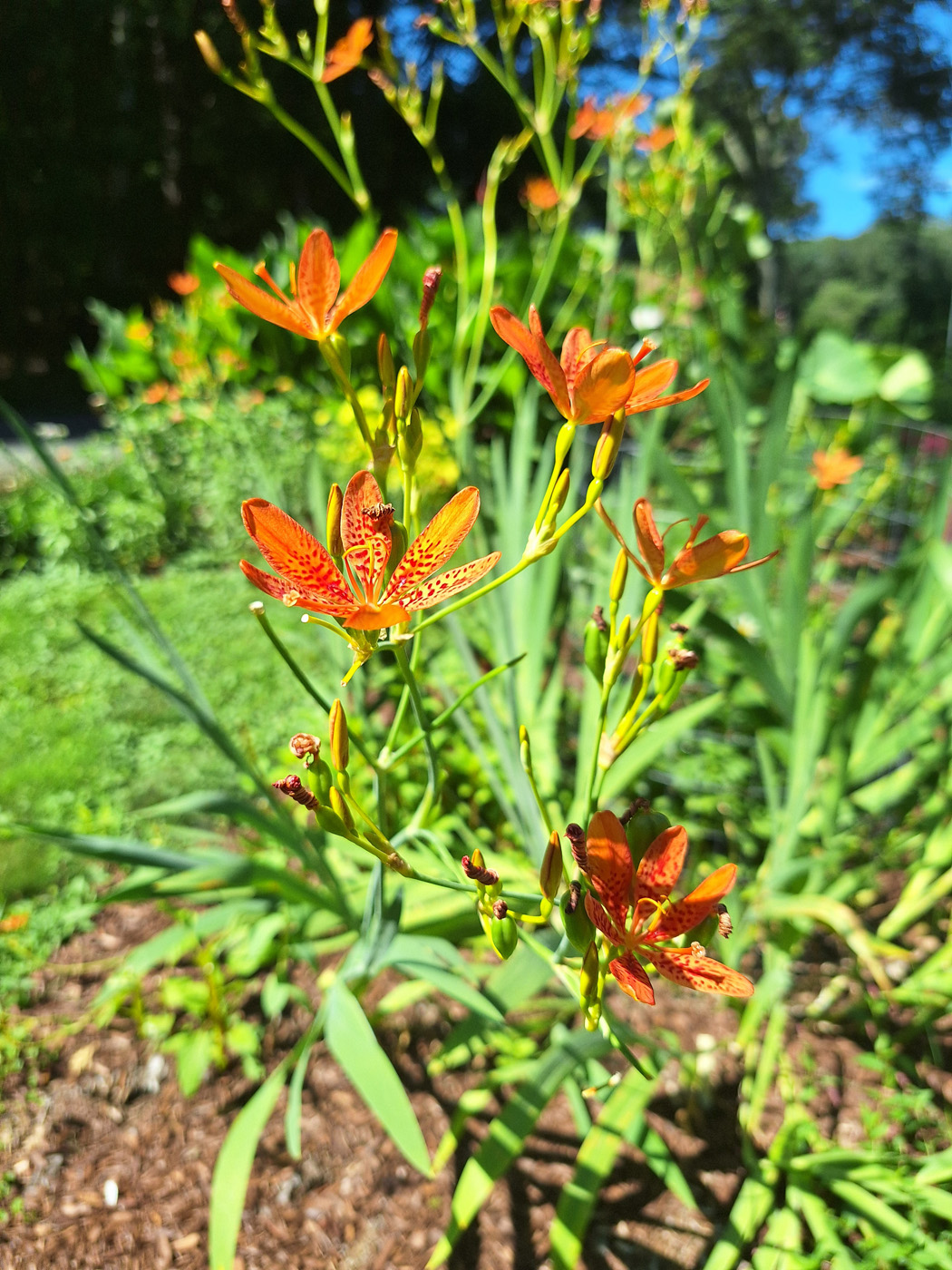
‘Pampas Plume’ celosiaBlackberry lily flowers‘Apricotta’ cosmos blooms in the garden‘Dandy Collarette’ dahlia with beeCarol’s floating dahlia display, including ‘Dandy Collarette’
Level up your weekly taco night by making this fiesta fajita bowl with chimichurri instead. Adding celery to your chimichurri or these bowls adds a delightful crunch that will have you going back for seconds.
To help cut down on the mental load of figuring out what to make for dinner every night (yes, even food bloggers/dietitians struggle with it!), we create meals based on a theme. Even though it’s unoriginal, Tuesdays are usually tacos or another southwestern inspired dish. These lentil tacos or this enchilada skillet have been our go-tos for a while, but these fiesta fajita bowls with chimichurri are the newest addition to our Tuesday routine.
One of the secret ingredients to this fajita bowl recipe is fresh celery. So I’ve partnered with Dandy® Fresh Produce and used their crispy celery to add crunch and flavor to the chimichurri sauce that brings these bowls together.
What’s more, celery is a great addition to bowls like this one since it’s also high in fiber, full of vitamins and minerals, and just overall such a great kitchen staple. Plus, Dandy® fresh-cut celery is naturally sweeter, crispier, and less stringy than other brands on the grocery store shelves!
Ingredients You’ll Need
Here’s a quick rundown of the key ingredients you’ll need for these vegan fajita bowls. Be sure to check out the recipe card for the exact measurements.
Red Onion, Bell Pepper: use a couple different colors for the peppers and the finished bowls turn out so pretty! Not to mention, these colorful veggies are packed with vitamins A, C, and antioxidants.
Portobello Mushrooms: I like adding some sliced portobellos to this bowl because they add umami and “meatiness” but without the meat. I usually toss them in the seasoning separate from the red onion and bell pepper because I like plating it separately for serving, but you could mix everything together.
Taco seasoning: use your favorite taco seasoning blend for a no-fuss way to add tons of flavor the roasted veggies for these bowls.
Spicy Black Beans: to save an extra step, I buy pre-seasoned canned black beans. (I like the spicy ones.) however, you could also add a bit of cumin, garlic powder, and smoked paprika to your beans when you reheat them if you only have plain ones.
Brown Rice: to cut down on prep time, I buy some pre-cooked brown rice either in the pouch or the freezer. This is also a great recipe for using up leftover brown rice.
Parsley: fresh parsley is one of the quintessential ingredients for chimichurri since it adds lots of color and a bit of flavor. It’s also a great source of antioxidants too!
Celery: to add crunch to these bowls, I mixed some celery into the chimichurri sauce. It may sound like a wild combination but they flavors do go so well together!
Variations
Try a Different Protein: we used black beans as the protein for this recipe, but you could replace that with another protein. Give lentils, soy curls, crumbled tofu, plant-based chicken, or plant-based steak a try!
Swap the Grain: I love using brown rice as the base for these bowls, but my husband uses cauliflower rice instead as a lower carb option. You could also use white rice or quinoa or even wrap it all up in a burrito-size tortilla.
How to Make Fiesta Fajita Bowls
I love that these creamy parmesan beans come together in one pot with plenty of sauce for dipping some bread into. See the recipe card for the full directions.
Roast the Veggies: Preheat the oven to 400 degrees Fahrenheit. Add the red onion, bell pepper, and portobello mushrooms to a large mixing bowl with the olive oil and taco seasoning. Toss gently to coat then spread into a single layer on a rimmed baking sheet. Bake for 20-25 minutes or until softened.
Make the Chimichurri: While the veggies are cooking, whisk together the olive oil, white wine vinegar, garlic, salt, oregano, red pepper flakes, and parsley together in a bowl. Stir in the celery to coat in the chimichurri.
Assemble: To assemble the bowls, add the rice then top with the roasted veggies, corn, black beans, and chimichurri.
Meal Prep and Storage
Meal Prep: to make assembly quick and easy you can meal prep the rice, black beans, and chimichurri in advance. Just store in the fridge in airtight containers until you’re ready to assemble your bowls.
Fridge: store any leftover fiesta bowl ingredients in an airtight container in the first for up to 3 days.
Freezer: I would say to skip the freezer on this one since the cooked peppers could get soggy after thawing/reheating.
Level up your weekly taco night by making this fiesta fajita bowl with chimichurri instead. Adding celery to your chimichurri or these bowls adds a delightful crunch that will have you going back for seconds.
Preheat the oven to 400 degrees Fahrenheit. Add the red onion, bell pepper, and portobello mushrooms to a large mixing bowl with the olive oil and taco seasoning. Toss gently to coat then spread into a single layer on a rimmed baking sheet. Bake for 20-25 minutes or until softened.
For the Chimichurri
While the veggies are cooking, whisk together the olive oil, white wine vinegar, garlic, salt, oregano, red pepper flakes, and parsley together in a bowl. Stir in the celery to coat in the chimichurri.
Assemble
To assemble the bowls, add the rice then top with the roasted veggies, corn, black beans, and chimichurri.
Notes
Meal Prep: to make assembly quick and easy you can meal prep the rice, black beans, and chimichurri in advance. Just store in the fridge in airtight containers until you’re ready to assemble your bowls.Fridge: store any leftover fiesta bowl ingredients in an airtight container in the first for up to 3 days.
Price: $42.99 - $39.99 (as of Dec 19, 2025 16:19:34 UTC – Details)
Product description
Abundant Quantity: these exercise bands with handles come in a set of 10; With 5 vibrant colors in yellow, red, green, blue, black, our resistance bands are not just attractive but practical as well; Each color represents a different resistance level, making it easier for you to select the suitable one for your workouts and track your progress 5 Resistance Levels: these resistance bands come in different resistance levels, such as 20lb (yellow), 30lb (red), 40lb (green), 50lb (blue) and 60lb (black); No matter your current fitness level, these bands can be applied for a variety of exercises and target different muscle groups, well trained to each of your muscles, so you can get a full body workout Reliable and Long Lasting: constructed from quality latex tubes, the bands for working out are stable, long lasting, difficult to break or rust, and easy to use, offering good resilience and longevity; These bands are designed to maintain their elasticity and effectiveness even after frequent use; The resistance band has two foam handles that are soft, pleasant, and easy to hold; This makes for a good user experience Lightweight and Portable: the workout bands resistance for women are compact, lightweight, and easy to transport, allowing you to take your workout routine wherever you are, for example, at home, in the office, while traveling, or at the gym Suitable for Various Exercise Scenarios: whether you are new to fitness or a seasoned athlete, these elastic bands for exercise enhance your workouts and help assist with a variety of exercises like strength training, yoga, Pilates, Fitness, exercise, stretching, and physical therapy; They offer a versatile workout solution targeted for every muscle group
Once upon a very terrible time, all my kids got a stomach bug at the same time… while I was gone. We don’t get sick often, but it was terrible and I wasn’t on hand to use all of our natural remedies.
Thankfully, that was the first and last stomach bug they’ve all gotten at once. However, at least one child gets a stuffy nose or cough sometime during the winter. Or I dust my closet and get a cough/congestion/nasal drip for a few days.
In those cases, I like to have this herbal throat spray on hand. It’s great for sore throat, cough or congestion.
Herbal Throat Spray Ingredients
This herbal throat spray is essentially a strong herbal tincture mixed with raw honey. The herbs provide both immediate relief and longer-lasting benefits for beating illness. You can use many different immune boosting and throat soothing herbs, but I prefer the following:
Echinacea root – Naturally antimicrobial and anti-inflammatory. Eases sore throat and cough and supports the immune system. Helps soothe throat pain and is great for strep throat or tonsillitis in a tea or throat spray.
Ginger – Warming and stimulates circulation. Its antimicrobial and helps thin mucus and get it out of the body. Helps ease inflammation, pain, and muscle spasms. Ginger also stimulates white blood cells, helps prevent viruses from attaching to cells, and destroys viruses.
Marshmallow root – A soothing demulcent herb that coats and soothes inflamed, dry, or damaged tissues. Reduces inflammation, supports white blood cells, and is an expectorant.
Elderberry – Traditionally used for throat inflammation and may help reduce swelling in the mouth and throat. It also supports better drainage, less nasal congestion, and is an expectorant. It’s especially great for cough and congestion from viral infections.
Thyme – Not just for Italian food! Thyme herb is excellent at breaking up stuck congestion and mucus in the lungs and getting it out. It’s antimicrobial, anti-inflammatory, and helps with better breathing.
Peppermint – This adds a refreshing flavor and is warming and stimulating when used internally. It’s antimicrobial and helps fight a variety of viral, bacterial, and fungal infections.
Cayenne – Cayenne is warming, stimulating, and boosts circulation to improve healing. It’s been traditionally used for sore throats, coughs, and illness prevention. It does add a spicy kick though, so reduce or skip if preferred.
You don’t need every single herb on this list to make an herbal throat spray. If you don’t have some of them on hand, then just use more of the ones you do. I make an herbal tincture with the herbs and then mix with raw honey for a strong spray. When it’s made this way the herbal throat spray will last for months in the refrigerator.
Premade Herbal Throat Spray
Don’t feel like making it or don’t have the herbs you need? I also like this pre-made herbal throat spray that includes echinacea and propolis. This propolis throat spray is also a family favorite.
Herbal Throat Spray Tincture
To make the tincture, I combine 1 tablespoon each of these dried herbs: Echinacea, Ginger, Marshmallow Root, Elderberry, Thyme and Mint and 1 teaspoon of dried cayenne pepper (optional) in a pint-size mason jar.
Fill the rest of the jar with a strong food-grade liquor like rum or vodka (must be at least 80-proof alcohol). Put on an airtight lid and let it sit for at least two weeks or up to eight weeks (the longer it sits the stronger it will be). Store in a cool dark place. I make this once a year and have enough to last at least the year.
If you get a cough, sore throat or cold this winter, try this herbal throat spray to get some relief and feel better soon! Here’s how to make the standard tincture version.
DIY Herbal Throat Spray Recipe
Prep Time5 minutesmins
Active Time5 minutesmins
Steeping Time14 daysd
Total Time14 daysd10 minutesmins
Author: Katie Wells
Add the herbs to a pint-size Mason jar.
Pour alcohol over the herbs, leaving a ½ inch headspace.
Cap tightly with the lid and let the tincture steep for 2-4 weeks, shaking occasionally.
Once the tincture is done, strain out the herbs and reserve the liquid.
For every 6 Tablespoons of tincture add 2 Tablespoons of raw honey.
Shake well to combine and store in the fridge for up to 6 months.
I pour some into a small spray bottle for easy use as needed.
You don’t have to use every single herb on the list. If you want/need to omit some of the herbs, just replace them with more of the others.
Two Hour Herbal Throat Spray Tincture
If you want to use the full herbal mixture and don’t have weeks to sit around waiting for the tincture, you can make a two-hour version with this method:
Combine 1 teaspoon of all of the herbs (2 Tablespoons total) in a pint size glass jar.
Pour enough boiling water on them to just cover the herbs with water.
Let steep for 20 minutes until the water cools.
Strain out the herbs and mix with equal parts of 80-proof or higher liquor. I use rum or vodka.
For every 3 parts of herbal liquid, add 1 part of honey.
This version should last for a few weeks in the fridge.
More Throat Spray Variations
If you prefer not to make a tincture with alcohol, you can make a glycerite with vegetable glycerin instead. Glycerites aren’t as potent and generally don’t extract the herbal properties as well as alcohol. It will still be helpful though and you’ll just need to use a little more of the spray on the throat.
You can also make a strong herbal tea and mix with honey. This won’t last nearly as long and should be used within a week.
Do you ever get a sore throat or cough? What remedies do you use?
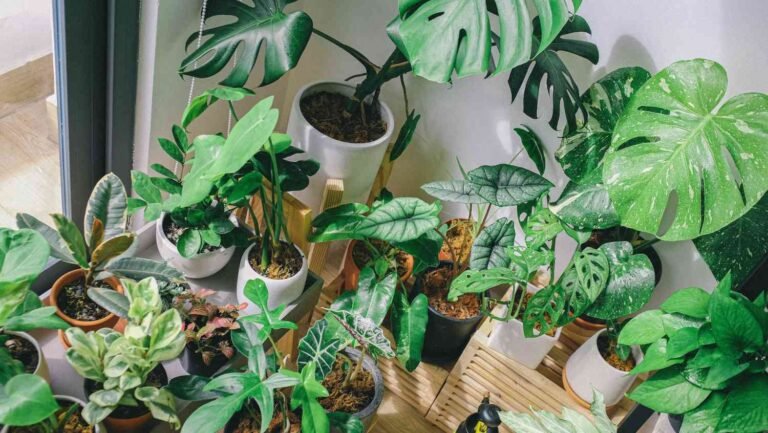
Indoor plants work their magic through photosynthesis. The process of photosynthesis uses sunlight, carbon dioxide, and water to produce energy and releases oxygen into the air. This oxygen makes the air indoors better, making your space feel fresher and healthier.
Bring in these special plants to clean up your indoor air. These plants bring natural beauty and also improve air quality which makes them ideal for any space. Here are some examples of oxygen-producing indoor plants – Snake Plants, Spider Plants, Peace Lilies, and Aloe Vera.
Benefits of Growing Oxygen-Producing Indoor Plants
Ever considered having nature’s helpers right in your home? Oxygen-producing indoor plants do more than just look pretty – they offer you a bunch of perks. These plants freshen up your indoor air and even make your sleep better. Let’s see what more benefits it gives us –
1. Breathing Boost
Indoor plants that produce oxygen are your secret to effortless breathing. As these plants begin their work through photosynthesis, they increase the oxygen levels around them.
These oxygen-producing plants act as natural air purifiers, helping to clear away dust, pollen, and other irritants too. They create a healthier environment where you can breathe with ease.
2. Air Purification
Indoor plants play a vital role in enhancing the quality of the air we breathe by eliminating harmful substances like formaldehyde and benzene. Indoor plants also reduce harmful pollutants like volatile organic compounds (VOC) and carbon dioxide.
This cleaning action is achieved through the process of photosynthesis, where plants take in carbon dioxide and release oxygen.
3. Enhancing Focus
Oxygen-producing indoor plants help you concentrate better too. When they release oxygen, your brain gets a boost of freshness. This can make you think clearer and stay more alert, making work and tasks easier to do. Being around these plants can make you feel better and less tense. It’s like they bring a touch of calmness and happiness into our lives.
4. Stress Relief
Oxygen-producing indoor plants help us feel more relaxed and less stressed. This calming effect is really helpful, especially in places where stress is common like offices or hospitals. It’s like having a little piece of nature that brings us peace.
Top 10 Highest Oxygen-Producing Indoor Plants
If you’re considering adding a greenery touch to your home as well as improving the air quality then check out these 10 highest oxygen-producing indoor plants –
1. Spider plant
Keep your spider plant content with indirect light, well-draining soil, and a comfy spot away from extreme heat.
Guess what? Your spider plant is a natural air fellow. It gives oxygen and tackles harmful stuff like carbon monoxide and formaldehyde. It’s like having a mini-cleaner for your air. So, enjoy its beauty and breathe easy with this simple yet super plant.
2. Snake plant
The snake plant also called mother-in-law’s tongue and an excellent houseplant with tall, bold leaves that stand out. Even before its oxygen-boosting fame, it is already a beloved choice for indoor spaces.
This plant takes in harmful substances like formaldehyde, nitrogen oxide, xylene, benzene, and trichloroethylene, giving you cleaner air to breathe.
Moreover, it’s a daytime photosynthesizer and a nighttime breather. While it releases oxygen by day, it takes it in at night. So, as much as we love it, it’s best to give it a different spot than your bedroom.
The snake plant is easy to handle. Put it in a sunny window or a spot with not too bright sunlight. You don’t need to water it all the time – it’s cool with dry soil. Just be careful not to overwater it.
3. Peace lily
With their stunning white blooms, peace lilies are more than just beautiful – they’re also considered lucky and a sign of good fortune. These captivating plants bring charm and a touch of prosperity. Not only are they beautiful but they can also improve your air indoors.
Peace lilies contribute to cleaner, oxygen-enriched air in your living space. Studies by NASA have shown that peace lilies are particularly effective in removing pollutants like benzene and trichloroethylene, which are common in homes and offices.
4. Aloe Vera
The aloe vera plant is a silent air purifier and oxygen generator. Aloe Vera’s unique ability to eliminate toxins like aldehydes and benzene makes it a standout choice for cleaner air.
What sets Aloe Vera apart is its night time talent – while most plants rest, it’s busy releasing oxygen. That’s why it’s perfect for a bedroom. Having an aloe vera plant also means having a handy natural remedy. A quick snip of a leaf reveals the clear, soothing gel within, a natural balm for soothing burns and minor cuts.
5. Pothos
Pothos is a beautiful and easy-care plant that is also one of the best oxygen-producing plants for indoor spaces. Pothos is a great choice for people who are looking for an oxygen-producing plant as it can produce up to 20% more oxygen than other plants.
So, whether you place it in your living room, bedroom, or office, pothos is there, quietly purifying the air and ensuring you’re breathing in cleaner, purer oxygen.
Weeping fig, also known as ficus – is a fantastic option to clean indoor air. Purify your air by removing trichloroethylene, benzene, and formaldehyde from your home. while it’s not more demanding than other plants, the weeping fig does crave a bit more attention.
Consistent bright light, without being too intense is ideal. It’s not a fan of cool spots or drafty corners, so keep that in mind to ensure its healthy growth.
7. Philodendrons
These plants are your natural air cleaners, helping to remove things like formaldehyde and other air pollutants for better air quality. What’s great is that philodendrons are easy to take care of. They’re not picky about light – whether your spot is sunny or not so bright, they’ll do fine as long as it’s not too hot. Just keep an eye on the soil – when it feels dry then it’s time to water.
8. Arcea palm
Golden palms, butterfly palms, and yellow palms – all of these are names for the same plant that is Areca palms. These tropical trees are like nature’s oxygen generators, giving your home a breath of fresh air.
when you put two big Areca palms close to each other, the oxygen in your home gets a major upgrade. They clear out bad stuff like formaldehyde, xylene, benzene, and toluene from the air, making your space cleaner and healthier. So, having these palms around is like having your natural air-purifying team right at home.
9. ZZ plant
ZZ plant is an indoor air-purifying plant that flourishes in bright light and thrives in medium to high humidity. It’s like the perfect plant companion for a cozy and stylish indoor space.
The ZZ plant is not just about looks. It’s like your air’s natural purifier, working hard to cleanse your indoor environment. This plant gives your space a breath of fresh, clean air.
With their vibrant petals in a variety of hues, chrysanthemums are the ultimate mood lifters. It’s like having a little burst of happiness right on your windowsill or table.
Chrysanthemums are like your air’s personal cleaners. They’re pretty skilled at removing harmful pollutants like ammonia, benzene, and formaldehyde from the air. So while they’re making your place look cheerful, they’re also giving you cleaner and fresher air to breathe.
Indoor Plants for Oxygen Without Sunlight
Who says you need sunlight for a breath of fresh air? These indoor plants are like your personal oxygen suppliers, even in low-light spaces.
1. Boston Fern
Boston fern plant clears the air by reducing small amounts of formaldehyde, xylene, and toluene. When it comes to sunlight, it’s all about finding that perfect balance – not too bright, not too dim. And when the air gets a bit of moisture, this plant feels right at home.
Where should you put it? Well, it’s versatile enough to hang, stand tall, or simply put it on a shelf.
2. Bromeliad
When it comes to sunlight, most Bromeliad species thrive in the embrace of bright, indirect light. However, they prefer a little shade from the direct rays. That’s why you’ll often find these plants flourishing on shelves or adorning tabletops. A bit too much direct sunlight can harm their captivating leaves. So, give them a cozy spot with a gentle, filtered glow to keep them at their vibrant best.
3. Peace lily
Peace lilies are versatile when it comes to light. They do well in spaces with low to medium light levels, and they’re also quite adaptable to artificial lighting. If you offer them a bit more light, you’ll be rewarded with the beautiful white flowers they’re known for.
Moreover, as already mentioned above, peace lily effectively filters out small amounts of benzene, formaldehyde, trichloroethylene, xylene, toluene, and ammonia from the surrounding air.
4. Chinese Evergreen
If you’re new to the world of indoor plants, Chinese Evergreen is your go-to choice. These plants are like the ultimate beginners’ guide – they don’t demand sunlight and need so much care. Plus, they help in clearing away small amounts of benzene and formaldehyde from the air. It’s like they’re here to make your plant-parenting journey a breeze.
5. Dracaena
Dracaena air-purifying plant that effortlessly cleanses your indoor space. This plant helps in getting rid of toxins to give you fresher air.
When it comes to light, they thrive in the gentle glow of bright, indirect light. But don’t worry if your space is a bit dim – these plants are survivors in low light too.
Philodendron is a natural air purifier that effectively eliminates traces of formaldehyde from your surroundings.
Also, this plant thrives in moderate to low indirect light, making it easy to fit into various spaces. With its heart-shaped leaves and rapid growth, the Philodendron brings a touch of natural charm to your indoor environment.
Important Tips While Growing Oxygen-Producing Indoor Plants
When it comes to nurturing indoor plants that boost oxygen levels, a few key points can make all the difference. Let’s see what it is –
Water Wisely – Overwatering or underwatering can hinder their growth. Strike the right balance to keep your plants thriving and contribute to a fresher atmosphere.
Good Drainage – Proper drainage is a must. Use well-draining soil and pots with drainage holes to prevent waterlogging which can further cause problems.
Avoid Overcrowding – Overcrowding can hinder air circulation and growth. Ensure that each plant has ample room to flourish and grow.
Prune and Trim – Prune dead leaves and trim excessive growth to encourage healthy development and maximize their oxygen-producing potential.
Humidity Matters – Some oxygen-producing plants thrive in higher humidity levels. Be mindful of your plant’s preferred humidity range to ensure optimal growth.
Feeding Routine – Provide appropriate fertilization according to the plant’s needs. Balanced nutrients contribute to vigorous growth and increased oxygen.
Pest – Keep an eye out for pests that can hinder growth. Regularly inspect and treat your plants to ensure they remain strong and vibrant.
The right amount of light – Most oxygen-producing plants need bright, indirect light. Nevertheless, certain plants can withstand low-light environments. It is important to find a spot in your home that gets the right amount of light for your plant.
Conclusion
Indoor plants that produce abundant oxygen, it’s clear they offer more than just showing off beauty. These special plants help clean the air and provide us with a fresh supply of oxygen, making our indoor spaces healthier and more vibrant.
Whether it’s the peace lily, spider plant, or snake plant, each one plays a crucial role in enhancing our surroundings.
Khaja Moinuddin, a computer science graduate, finds joy in gardening and homesteading. Join him on this blog as he shares his experiences in homesteading, gardening, and composting
Make this easy Gingerbread Baked Oatmeal featuring warm spices, oats, and pears. It’s a satisfying, make-ahead friendly breakfast perfect for cozy mornings.