41 F
Klamath Falls
Sunday, December 21, 2025
Home Blog Page 98

Pesto Shrimp Orzo – Bites of Wellness

0

Pesto shrimp orzo is an easy, flavorful, creamy meal that is ready in just 20 minutes with 4 main ingredients. This orzo pasta is coated with pesto and paired with plump shrimp and tomatoes for a simple weeknight dinner. Perfect for weekday meals but also perfect to feed a crowd.

If you love quick and easy recipes like this, you should try my Pesto Tuna Pasta recipe or try this Pesto Chicken Skillet with rice or pasta on the side for a simple meal.

This post contains affiliate links. As an amazon associate I earn from qualifying purchases. Click here to read my policy and more about affiliate links.

Recipe highlights

  • 4 ingredients
  • 20 minutes
  • Easy to make
  • Crowd pleasing meal
  • Great for busy weeknights
  • Versatile
Ingredients to make pesto orzo shrimp on marble countertop.Ingredients to make pesto orzo shrimp on marble countertop.

Ingredients

  • Orzo – this small pasta looks like rice but it’s pasta. Sometimes finding a gluten free orzo can be tough, so you could also use gluten free pasta.
  • Pesto – use your favorite pesto or make your own.
  • Shrimp – I like to use large Argentinian Pink Shrimp from Trader Joe’s. I like this because it’s peeled and deveined. Be sure to allow the shrimp to defrost completely before cooking.
  • Tomatoes – I love adding tomatoes to any dish with pesto. It’s a great pop of color and the flavors pair perfectly.

How to make pesto orzo with shrimp

Cook orzo: Bring water to a boil, cook orzo according to the package directions.

Cook the shrimp. Heat a medium to large skillet over medium heat. When hot, spray with avocado oil (or olive oil) and add shrimp, salt and garlic powder. Cook 2-3 minutes, flip and cook 1-2 more minutes. Turn off heat.

Shrimp in a stainless steel pan.Shrimp in a stainless steel pan.

Cut tomatoes in half.

Reserve pasta water: When orzo is done cooking, reserve 1/4 – 1/2 cup of the pasta water before draining.

Assemble the dish: Drain orzo, add shrimp, pesto and tomatoes to the pot. Add 2-3 tablespoons of the pasta water and stir well. Add more pasta water if needed.

Top tips

  • Make this with shrimp, chicken, chickpeas or salmon.
  • Use store bought pesto to make this super simple. If you have an excess amount of basil at home, make your own pesto!
  • To save time, be sure to buy peeled, deveined shrimp. I always buy frozen and defrost in under an hour or overnight (if you remember to defrost the night before).
  • If you forget to defrost your shrimp, you can cook frozen shrimp in the air fryer.

Variations

  • Add more veggies: Add cooked zucchini, broccoli, bell peppers, asparagus, roasted red peppers, baby spinach, kale, artichoke hearts
  • Spice: Add crushed red pepper flakes
  • Other protein: You can use cooked chicken (diced chicken or shredded chicken), chickpeas, Italian tofu or salmon bites.
Orzo shrimp pesto being spooned out of a pot by a large wood spoon.Orzo shrimp pesto being spooned out of a pot by a large wood spoon.

What to serve with pesto orzo

Common questions

Where to find gluten free orzo

Orzo is pasta that is cooked short and resembles rice. Until recently, there were not a ton of gluten free options. However, I have found 2 really delicious gluten free options:

Forkful of pesto shrimp orzo over white bowl.Forkful of pesto shrimp orzo over white bowl.

Can you use homemade pesto

Yes! If you have an abundance of basil and would prefer to use homemade, use your favorite recipe or you can try:

What if you don’t have orzo?

If you don’t have orzo pasta, you can use rice, pasta, spaghetti squash, or cauliflower rice.

★ Did you make this recipe? Please give it a star rating below!

  • 1 pound large shrimppeeled and deveined
  • 1 cup pesto
  • ½ teaspoon salt
  • ½ teaspoon garlic powder
  • 8 oz orzo
  • 1 cup cherry tomatoescut in half
  • ¼ cup pasta water
  • Bring water to a boil, cook orzo according to the package directions.

  • While orzo is cooking, cook the shrimp. Heat a medium to large skillet over medium heat. When hot, spray with avocado oil (or olive oil) and add shrimp, salt and garlic powder. Cook 2-3 minutes, flip and cook 1-2 more minutes. Turn off heat.

  • Cut tomatoes in half.

  • When orzo is done cooking, reserve 1/4 – 1/2 cup of the pasta water before draining.

  • Drain orzo, add shrimp, pesto and tomatoes to the pot. Add 2-3 tablespoons of the pasta water and stir well. Add more pasta water if needed.

  • Serve hot or at room temperature.

Top tips:
  • Make this with shrimp, chicken, chickpeas or salmon.
  • Use store bought or homemade pesto. 
  • To save time, be sure to buy peeled, deveined shrimp. If frozen, defrost in under an hour or overnight.
  • If you forget to defrost your shrimp, you can cook frozen shrimp in the air fryer.
Storing leftovers:
    • Fridge: Store leftover shrimp orzo pesto pasta in the fridge for up to 3 days in an airtight container.
    • Freezer: You can freeze leftovers in a freezer safe container, however I don’t love the texture of the shrimp when frozen and defrosted after being cooked.

Nutrition Information

Nutrition Facts

Amount per Serving

Where does nutrition info come from? Nutrition facts are provided as a courtesy, sourced from the USDA Food Database.

Let others know by rating and leaving a comment below!

DIY Natural Conditioner Bar For Hair

0

In recent years I’ve done a lot of travel, from Texas to Iceland and everything in between. And while I love experiencing new things, I don’t always love travelling with liquid conditioner and shampoo. This nourishing conditioner bar recipe is great for traveling or even for use at home!

The best conditioners are ones that detangle hair, are moisturizing, and don’t have sketchy ingredients. I have this homemade hair conditioner I like, but sometimes it’s nice to have a solid conditioner bar.

What’s in a Conditioner Bar?

Shampoo bars have been in style for a while now for hair care routines. I shared a post years ago with a recipe for a hydrating shampoo bar. It’s basically handmade soap that lathers and cleans hair with natural ingredients. Conditioner bars are similar but use more moisturizing ingredients instead of soaps and detergents. They’re popular as a more eco-friendly (and even zero waste) alternative to regular shampoo & conditioner.

There are lots of cleaner versions out there, but most of them still contain behentrimonium methosulfate or chloride. This chemical is made from canola oil (often GMO) and is extracted with solvents (also not a healthy option). While the end result is technically safe, it’s certainly not very natural. There are mixed reviews on this ingredient, but the safety data is a little lacking. So I wanted to create a conditioner bar that skipped it.

I like that DIY conditioner bars are an easy way to skip the parabens, silicones, and sulfates found in conventional shampoos. You can even make a fragrance-free conditioner bar. They’re also single use plastic-free since you can skip the plastic bottles.

It’s easy enough to create a bar that’s completely oil based. These work well for damaged hair, dry hair, curly hair, and frizzy hair. For certain hair types though, like those with thinning hair or fine hair, they can be too heavy. And if you use too much, it can leave hair feeling weighed down, greasy, or frizzy.

Natural Conditioner Bar Ingredients

Some of my daughters and I have long hair, so I wanted something that would work well without making it greasy. And while some of us are blessed with natural curls, my hair is definitely straight and finer.

This conditioner bar recipe incorporates some lighter ingredients, like glycerin and aloe into the mix. And instead of beeswax, it uses cocoa butter and mango butter to harden the bar. I also added hair loving oils like jojoba (or argan) oil and lavender and rosemary essential oils. These promote healthy hair and make it smell nice! If you want an unscented version you can leave the essential oils out, but they do add potent health benefits.

Since the recipe uses both water and oil soluble ingredients, I also use emulsifying wax. This helps to combine all of the ingredients together. Usually when I make lotion bars (a similar process) I simply pour the hot liquid into my silicone molds when done. For this recipe, you have to stir as it cools to prevent the mixture from separating.

This recipe is pretty simple and basically involves melting, stirring, and pouring. It leaves hair feeling soft and smells amazing! Try it along with this DIY shampoo bar.

Natural Solid Conditioner Bar

This DIY natural conditioner bar is portable and helps hair stay soft and nourished.

Prep Time5 minutes

Active Time10 minutes

Cooling Time5 hours

Total Time5 hours 15 minutes

Yield: 4 bars

Author: Katie Wells

  • Add the cocoa butter, mango butter, jojoba oil, and emulsifying wax to the top of the double boiler. Heat over medium-low heat or until completely melted, whisking occasionally.

  • While the oils are heating on the stove, combine the aloe vera, glycerin, and essential oils in a separate small bowl.

  • Once the oils are completely melted, turn off the heat and slowly pour in the water based ingredients. Whisk continuously while pouring.

  • Let the mixture cool in the fridge for about 30-40 minutes. Stir or whisk every 10 minutes until it’s creamy looking, opaque, and the consistency of thick batter.

  • Spoon the mixture into your molds and smooth out the top.

  • Let cool in the fridge for at least 4 hours or until hardened. I left mine overnight.

  • Use after shampooing (see more directions below). These also make a great skin lotion bar!

  • From the research I’ve done this should be safe for color-treated hair. However, ask your hairstylist if you’re unsure.
  • You can also apply a light layer of this to really dry hair for use as a leave-in conditioner.

How to Use a DIY Conditioner Bar

A little bit goes a long way! Avoid using too much conditioner or your hair can feel greasy. And since the scalp naturally produces oils, most people don’t need to condition it.

  1. Rub a layer of conditioner bar on your hands.
  2. Rub your hands on the ends of your hair and work up. Avoid the scalp.
  3. Use very warm water to rinse, which will help the oils further disperse.

Have you ever used a shampoo or conditioner bar before? Leave a comment and let us know!

Steve’s Springtime in Atlanta – Fine Gardening

0

Happy Monday, GPODers!

I hope you all had a fabulous weekend and that spring is coming to life in your gardens even a fraction as vividly as what Steve Schmidt has experienced over the past month. We got our first tour of Steve’s garden in Atlanta, Georgia, back in December (check out that post here: Steve Says Goodbye to Summer in Atlanta), where we were introduced to his fabulous combinations and lush designs. Steve is back today to share the beautiful blooms and vibrant colors that fill his garden before the real heat of the peak season sets in.

Steve Schmidt in Atlanta submitting some new pictures. Here are a few of my better pictures from mid-March to mid-April as spring rapidly transitions in Atlanta. We’re now experiencing well-above average temperatures . . .

Flowering of the matsuzaki stachyurus (Stachyurus praecox var. matsuzakii, Zones 8–10).

close up of large white flowerNuccio’s Gem camellia (Camellia japonica ‘Nuccio’s Gem’, Zones 8–10). Always iffy in February & March, because if the temp gets around freezing or below the flowers turn brown and drop.

spire of small white and pink flowers‘Vancleave’ buckwheat tree (Cliftonia monophylla ‘Vancleave’, Zones 7–10) flowering.

white and yellow spring flowersBicolor epimedium (Epimedium × versicolor ‘Sulphureum’, Zones 5–9) and star of Bethlehem (Ornithogalum umbellatum, Zones 4–9).

shrub with small white flowersPrague viburnum (Viburnum × pragense, Zones 5–8) with Dream Catcher® beauty bush (Kolkwitzia amabilis ‘Maracdo’, Zones 4–8) behind.

bright fuchsia flowers over smaller white flowers Formosa azalea (Rhododendron indica ‘Formosa’, Zones 6–9)—from one I have propagated a few more to populate the yard—with star of Bethlehem.

shrub with only bright red flowersJake’s Red Oconee azalea (Rhododendron flammeum ‘Jake’s Red’, Zones 6–9). Phone camera not good at dealing with intense reds and pinks, and to some extent orange. This is a young shrub so look forward to it gaining more size.

shrub with bright orange flowers‘Rising Sun’ Florida azalea (Rhododendron austrinum ‘Rising Sun’, Zones 7–9). This particular native azalea gets the most sun and does better than 4 of the 5 other varieties (Jake’s Red also gets more direct sun, so outperforms the other four). A work in progress getting the siting right.

lush shade garden with spring flowersSome of the plants filling in around the eventual sunken garden: ‘Asian Beauty’ linden viburnum (Viburnum dilatatum ‘Asian Beauty’, Zones 4–8), Florida Sunshine illicium (Illicium parviflorum ‘Florida Sunshine’, Zones 8–9), red buckeye (Aesculus pavia, Zones 4–8), volunteer maroon acer, and hemlock. In the broken pot used as part of stacked stone retaining wall around the sunken garden is American ipecac (Gillenia stipulata, Zones 4–8) (lower right). A new addition last year so looking forward to seeing it grow and flower this year.

plant with red foliageLastly, can’t resist a picture of one of the critters—a Carolina anole (Anolis carolinensis) on the leaf of ‘Georgia Peach’ heuchera (Heuchera x ‘Georgia Peach’, Zones 4–9). The seed heads of one of the native weeds I encourage, ragwort, is in the foreground.

Thank you so much for sharing your vibrant spring garden with us, Steve! Your thoughtful plant selections and design choices always spark intrigue and inspiration, I hope we get to see more from your garden this year.

While Steve has been enjoying big blooms and fabulous foliage for the past month, I know many spring gardens are just starting to pick up speed. No matter what stage your garden is in right now, we’d love to see what’s growing and glowing. Follow the directions below to submit photos of your spring garden via email, or send me a DM on Instagram: @agirlherdogandtheroad.


We want to see YOUR garden!

Have photos to share? We’d love to see your garden, a particular collection of plants you love, or a wonderful garden you had the chance to visit!

To submit, send 5–10 photos to [email protected] along with some information about the plants in the pictures and where you took the photos. We’d love to hear where you are located, how long you’ve been gardening, successes you are proud of, failures you learned from, hopes for the future, favorite plants, or funny stories from your garden.

Have a mobile phone? Tag your photos on Facebook, Instagram or Twitter with #FineGardening!

Do you receive the GPOD by email yet? Sign up here.

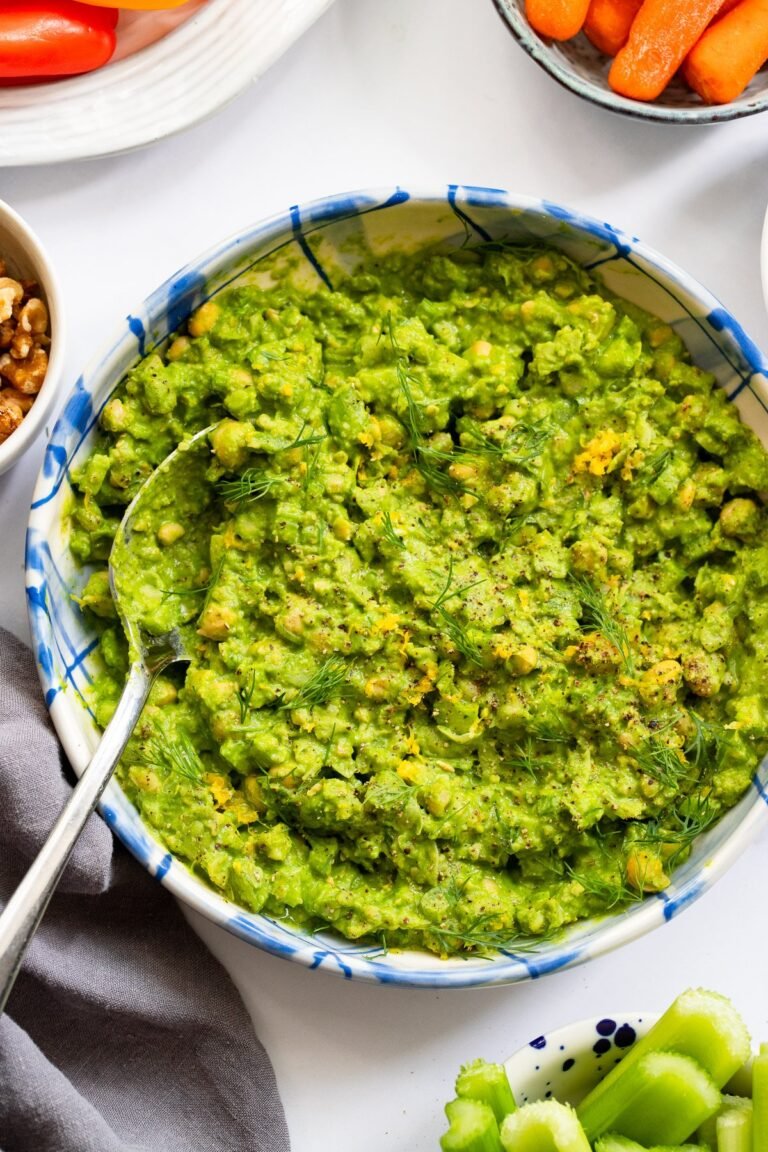
Buffalo Hummus | Dietitian Debbie Dishes

0


Buffalo Hummus | Dietitian Debbie Dishes


Quick Air Fryer Mushrooms | The Full Helping

0

These air fryer mushrooms are ready in less than fifteen minutes and are so easy to prepare! Made with cremini or baby bella mushrooms, they’re simple, savory, and versatile. You have the option to give them additional seasoning with herbs or balsamic vinegar, and you can add them to many types of dishes.

One of the beauties of having an air fryer is the ability to cook vegetables in less time than roasting or sautéing.

These quick air fryer mushrooms have become one of my favorite vegetables to prepare at a moment’s notice or when I’m in a rush to get dinner ready.

I love mushrooms, in all of their umami-packed, savory, ultra-nutritious goodness. For a long time I prepared them almost exclusively by sautéing. Then I switched over to sheet pan roasting.

There’s a time and a place for both of those methods. And there’s a time and a place for shortcuts.

I can’t think of an easier way to prepare mushrooms flavorfully. If you have an air fryer and a taste for funghi, then I recommend it highly!

A savory and nutrient-dense topping

Like many plant-based eaters, I make a lot of recipes that include mushrooms.

Mushrooms are hearty and firm; they also have naturally occurring glutamate, the amino acid that’s associated with umami, or savoriness.

For all of these reasons, mushrooms are often described as being “meaty.” Whether you see it that way or not, they’re a great ingredient for crafting satisfying, plant-based meals.

Mushrooms find their way into my cozy vegan mushroom bourguignon, creamy vegan mushroom pasta, and my savory mushroom farro.

When they’re not playing a starring role in a recipe, mushrooms can also be an easy, savory “add-on” for something else.

What I mean by that is that you can use them as a topping or an instant means of adding more texture, more savoriness, or more heft to a dish that’s otherwise simple.

I like piling my air fryer mushrooms onto think spaghetti marinara, avocado or hummus toast, or a butter side lettuce salad.

And what a nourishing add-on they are: mushrooms are rich in B Vitamins, fiber, potassium, and Vitamin D2. They’re superfoods in the sense of the word that I stand by: nutrient-dense, versatile, and delicious.

What type of mushrooms should I use?

When I make air fryer mushrooms, I usually use halved cremini or baby bella mushrooms. These are two of my favorite varieties.

However, they’re quite similar in shape to humble white button mushrooms. And you can certainly use button mushrooms in the recipe instead.

You can also use halved shiitake mushroom caps—they work nicely in the air fryer! If you use them, you may need only 10 minutes of air frying time.

Air fryer tricks of the trade

My air fryer recipes are written for a four-liter capacity, basket-style air fryer. You can of course convert it to fit a toaster oven style air fryer, if that’s what you have.

And if you also have a basket-style air fryer, but with a larger or smaller capacity than mine, you can scale the recipe up or cut the amounts in half to make it work.

When I make veggies in my air fryer, including these air fryer mushrooms or my cubed air fryer sweet potatoes, I follow a few rules of thumb.

First, I always stop to shake the basket of my air fryer once halfway through the cook time. This helps to avoid any vegetables sticking or uneven cooking.

I also try to avoid over-crowding my appliance. Four liters sounds roomy, and for a solo-dweller it works well. But it’s not a ton of capacity, and if I pile in too many vegetables, they’ll lose some of their crispiness. (They may also take longer to cook.)

Seasoning options

Most of the time, I keep my air fryer mushrooms super simple: olive oil, salt, pepper, and garlic powder.

If I’m in the mood for variation, the two seasoning additions that I turn to are usually balsamic vinegar or fresh herbs, such as thyme, oregano, or rosemary. I’ve included both options in the recipe card.

Other seasonings that I’ve added to the mushrooms before they get air fried:

  • Truffle salt
  • Crushed red pepper flakes
  • Smoked paprika
  • Lemon juice or zest

After the air fryer mushrooms are fully cooked, you can also season them with a dressing or sauce. Some ideas:

Of course, these are only ideas. There’s lots of room for possibility here!

How to make air fryer mushrooms

Making air fryer mushrooms couldn’t be easier. When I meal prep them, I nearly always do a double batch. Even when I think I won’t use them all up by the end of the week, I do.

Step 1: Season the mushrooms

First, you’ll put your halved baby bella or cremini mushrooms into a mixing bowl. Add olive oil, salt, pepper, and garlic powder, then mix them well.

Raw, halved mushrooms have been placed into a white mixing bowl.Raw, halved mushrooms have been placed into a white mixing bowl.
Begin by seasoning your mushrooms with olive oil, salt, pepper, and garlic powder. If it’s helpful to use an olive or avocado oil spray for even dispersement of seasoning, that’s fine.

I prefer garlic powder to minced garlic for this recipe for two reasons: first, it’s easier to distribute and mix evenly into the mushrooms than fresh garlic. Second, minced garlic can easily burn in an air fryer, turning bitter.

If you have a mister or spray bottle of either olive or avocado oil at home, you can also use it to season the mushrooms. Oil spray is often easier for evenly coating vegetables than a spooned measurement.

Step 2: Air fry for 10-12 minutes

You’ll air fry for a total of 10-12 minutes, but you need to stop midway through the cook time to shake the air fryer basket. This ensures that the mushrooms cook evenly.

One more step to consider: if you’d like to season the mushrooms, you can do so about four minutes before the end of cooking time.

As you can see above, fresh thyme leaved and a drizzle of syrupy balsamic vinegar are my favorite seasonings here.

Shake the basket of the air fryer again, then continue with the last few minutes of air frying. At this point, your mushrooms are ready.

A white bowl rests on a white surface. It holds browned, roasted mushrooms.A white bowl rests on a white surface. It holds browned, roasted mushrooms.
The mushrooms will be tender yet chewy and gently browned once done.

Serving suggestions

You may make a batch of the air fryer mushrooms with a specific purpose in mind: putting them into a vegan pasta dish, for example.

Once you have them in the fridge, though, I bet you’ll find yourself wanting to add them to everything.

I routinely sprinkle them onto bowls of savory oats, crostini with cashew cheese, the top of a bowl of mushroom bulgur bean chili, or a cup of vegan potato leek soup.

You’ll find your own favorite uses. And as you do that, you can rest assured that you’re coming up with new ways to enjoy an especially nutritious veggie.

Meal prep & storage

The air fryer mushrooms can be stored in an airtight container in the fridge for up to four days.

The recipe makes only two servings (easily doubled), and I almost never have reason to freeze them. But you can freeze them, for up to six weeks.

An asymmetrical white bowl is holding deep brown, air fryer mushrooms. The mushrooms are dotted with bright green herbs.An asymmetrical white bowl is holding deep brown, air fryer mushrooms. The mushrooms are dotted with bright green herbs.
An asymmetrical white bowl is holding deep brown, air fryer mushrooms. The mushrooms are dotted with bright green herbs.

Prep Time: 10 minutes

Cook Time: 12 minutes

Yields: 2 servings

  • 8 ounces baby bella or cremini mushrooms, brushed and halved
  • 1 tablespoon olive or avocado oil (substitute olive or avocado oil spray)
  • Salt
  • Freshly ground black pepper
  • 1/4 teaspoon garlic powder
  • 1 1/2 tablespoons fresh thyme or rosemary leaves (optional)
  • 2 teaspoons balsamic vinegar (aged or commercial-grade)
  • Transfer the mushrooms to a large mixing bowl. Drizzle them with the oil, then season them to your liking with salt and pepper (I prefer a generous hand with both) and the garlic powder. Toss everything together. In place of the tablespoon oil, you can spray the mushrooms generously with an olive or avocado oil spray, then add the seasonings as directed. This helps to disperse the oil more evenly. 

  • Transfer the mushrooms to the basket of an air fryer. Air fry them at 400°F / 200°C for 10-12 minutes, shaking them vigorously in the basket once halfway through roasting. The mushrooms should be soft, gently browning, and greatly reduced in size once done.

  • If you like, add the herbs and balsamic vinegar to the mushrooms 4 minutes before they finish air frying, then give the basket a shake to disperse. Continue cooking them with these additional seasonings for their last 4 minutes in the air fryer.

  • Serve the mushrooms or store them in an airtight container in the fridge for up to four days. 

Within the vegetable kingdom, mushrooms can be a little intimidating to cook. This recipe is an approachable starting point, and I hope you’ll find it useful!

xo

Gut bacteria may play a role in the rise in colon cancer in young adults : Shots

0

Escherichia coli or E. coli is a part of family of bacteria that are commonly found in the human gut. Scientists found that a toxin the bacteria release is linked to some cases of colorectal cancer.

Kateryna Kon/Science Photo Libra/Getty Images


hide caption

toggle caption

Kateryna Kon/Science Photo Libra/Getty Images

It’s unclear why colon cancer cases have doubled in people under 55 over the past two decades, a staggering rise that has alarmed doctors and cancer researchers.

But part of the story could be colibactin, a toxin made by certain strains of E. coli and other bacteria. In a study out this week, researchers have identified a strong link between this DNA-damaging toxin and colon cancer among younger patients.

The team, based at the University of California, San Diego, analyzed tissue samples from close to 1,000 colorectal cancer patients across four continents. They found the majority had cancers bearing mutations that signaled a past encounter with colibactin.

“You can think of it as the weapon system of a bacteria to fight other bacteria and to defend themselves,” says Ludmil Alexandrov, the lead author of the study, which was published in Nature this week.

Strikingly, those under the age of 40 with early-onset colon cancer were three to five times more likely to have these mutations than those in their 70s and older.

The thinking goes that in some people, this bacterial weaponry — technically called a “genotoxin” — can get directed at their gut cells, seeding mutations that put them at increased risk of developing colorectal cancer.

According to their data, this exposure isn’t ongoing when the cancer is diagnosed. Instead, it appears to have happened during childhood.

“Our estimate is that it happens within the first 10 years of life,” Alexandrov says. “So if you get that mutation at age 5, that puts you 20 to 30 years ahead of schedule for getting colorectal cancer.”

While the study shows a strong association, the data can’t prove colibactin caused these patients to develop cancer at a younger age. And researchers in the field don’t expect E. coli, or any single microbe for that matter, to be the skeleton key for the surge in colorectal cancer.

“That would be too simple,” says Christian Jobin, a microbiome researcher at the University of Florida.

More likely, he says, colibactin — studied closely in E. coli but produced by other bacteria, too is one “hit” among many to our microbiome, which together may place some people on a faster trajectory for developing cancer.

What triggers a DNA-damaging toxin

The study is a new clue into the rise in colorectal cancer in the young. Scientists believe some confluence of environmental factors, including diet, a sedentary lifestyle, medication and so on, is driving this steep rise.

These could be having downstream effects on the microbes in our gut like E. coli.

“It’s been really perplexing,” says Dr. Neelendu Dey, a gastroenterologist whose lab focuses on the gut microbiome at the Fred Hutchinson Cancer Center. “The microbes that may contribute to cancer risk are tricky to understand.”

The family of microbes to which E. coli belongs is actually the most prevalent type of bacteria in your gut during the very early stages of life.

About 20% to 30% of people have strains of E. coli that can synthesize this toxin, but that doesn’t mean it’s necessarily having “deleterious effects,” says Jobin, whose lab has pioneered related research.

In other words, it’s not some new infectious agent that simply needs to be eliminated.

Adding to the puzzle: Not everyone with colorectal cancer has these signatures of colibactin-related mutations.

There’s something provoking the bacteria to behave this way, perhaps giving it an advantage to grow in more abundance. “What triggers this weapon or the deployment?” Jobin says. “We don’t know but we have to consider the environment.”

“We know that some of these E. coli that produce colibactin are influenced by diet, inflammation, and medication,” he adds.

Jobin says the new research is “fantastic” because it bridges early preclinical research in animals with “real life humans,” and opens new avenues for research.

Studies conducted on animals have shown colibactin exposure can drive cancer development.

For example, deleting the genetic region responsible for producing this toxin in E. coli can actually incapacitate the bacteria from promoting cancer in animals. Feeding them more or less fiber can affect tumor growth. And stopping inflammation can also fend off cancer in these lab studies of colibactin.

Antibiotics use and nutrition, could be at play

Because they sequenced the genome of cancer from patients all over the globe, Alexandrov says the researchers could tell these mutations related to colibactin are actually quite rare in more “rural, non-industrialized” regions of Africa and Asia, whereas they turn up more frequently in the U.S. and Western Europe.

That evidence, coupled with the findings that it’s a result of early childhood exposure, gives them a handful of hypotheses about what could be at play.

He says some of their top suspects are the mode of birth (cesarean section vs. vaginal delivery), breastfeeding, the use of antibiotics and nutrition, for example whether children were fed ultra processed foods.

All of these factors are known to substantially affect the microbiome and there is some evidence they may impact this [colibactin producing] bacteria, but we really need to investigate each one carefully.”

Dey views all of these as plausible, particularly antibiotics, given that other research teams have linked early-life antibiotic use to increased risk of colorectal cancer later on.

More broadly, he says he hopes researchers can eventually find microbes that serve as “biomarkers” for identifying people at risk of developing pre-cancers. And, perhaps down the line, drugs can be designed to target toxins like colibactin to counter their harmful effects.

Of course, it sounds simple, but we have to acknowledge the ecological lessons learned in other contexts,” he says. “When you try to take out, or introduce a species, it can have effects that you didn’t anticipate, so this all needs to be done very thoughtfully.”

How to Pickle Cucumbers with Vinegar and Sugar?

0

When your taste buds crave for something tangy, then two slices of pickled cucumbers make your meal delightful.

Keep aside the taste; pickled cucumbers are super low in calories and great for your gut thanks to the probiotics. Plus, they’ve got a bit of vitamin K, which helps keep your bones and blood in good shape.

Pickling cucumbers last for months in the fridge, especially if they’re stored in a sealed jar. That long shelf life means you always have a tasty, gut-friendly snack ready to go.

No preservatives are added in this recipe as the vinegar and salt create a naturally acidic environment that safely preserves the vegetables and keeps them fresh for weeks.

The recipe I’ll share below is one of the easiest and most satisfying ways to preserve the fresh crunch of summer produce. With vinegar, sugar, salt, and cucumbers, you can make zesty pickles perfect for snacks or meals.

Unlike traditional canning methods, this technique doesn’t require specialized equipment or long boiling times.

Instead, you’ll make simple brine, pour it over the cucumbers, and let time do the rest.

Ingredients for Pickled Cucumbers

This recipe yields approximately 2 to 3 pint-sized jars of pickles, depending on how tightly you pack the cucumbers and what size you cut them.

Main Ingredients:

  • 4 to 5 small cucumbers (Kirby cucumbers are ideal for pickling due to their firmness and size)
  • 1 medium onion, thinly sliced (optional, adds a sweet-savory layer of flavor)

For the Pickling Brine:

  • 1 cup white distilled vinegar (with 5% acidity for proper preservation)
  • 1/2 cup water
  • 1/2 to 3/4 cup granulated white sugar (adjust depending on desired sweetness)
  • 1 tablespoon pickling salt or kosher salt (avoid table salt with additives)

Optional Flavorings:

  • 1 teaspoon mustard seeds
  • 1/2 teaspoon celery seeds
  • 1/2 teaspoon ground turmeric (adds color and mild flavor)
  • 1/2 teaspoon crushed red pepper flakes (for a spicy kick)
  • 3 cloves garlic, peeled and lightly smashed
  • Fresh dill sprigs, bay leaves, or ginger slices for added aroma and depth

Step 1: Prepare the Cucumbers

Start by thoroughly washing the cucumbers to remove any dirt or wax. Dry them completely with a clean towel. Next, decide on your preferred pickle shape. You can cut them into thin rounds for sandwich chips, thicker coins for snacking, or lengthwise spears for a classic pickle shape.

If you’re using onions, slice them thinly and set them aside.

Tip: For crisper pickles, soak the sliced cucumbers in a bowl of ice water for 1 to 2 hours before pickling. Drain and pat them dry before packing into jars.

Step 2: Make the Pickling Brine

In a medium saucepan, combine the vinegar, water, sugar, and salt. Add any spices or aromatics you’re using—mustard seeds, garlic, turmeric, and red pepper flakes all enhance the flavor.

Place the pan over medium heat and stir the mixture until the sugar and salt dissolve completely.

Once the brine begins to simmer and is fully blended, remove it from the heat and allow it to cool slightly.

You don’t want it to be boiling hot when pouring over the cucumbers, as this can soften them too much.

Step 3: Pack the Jars

Using clean, sterilized glass jars (pint-sized mason jars work perfectly), pack in the cucumber slices. You can alternate layers of cucumber and onion for an attractive presentation and well-balanced flavor.

Pour the warm brine over the cucumbers, making sure they are fully submerged. Leave about 1/2 inch of space at the top of the jar. Tap the jars gently on the counter to release any trapped air bubbles.

Wipe the rims clean with a damp cloth and screw on the lids tightly.

Step 4: Let the Pickles Cure

Allow the jars to cool to room temperature before placing them in the refrigerator. These are quick pickles, also called refrigerator pickles, and they do not require boiling water canning.

For best results, let the cucumbers sit in the fridge for at least 24 hours before tasting.

The flavor will continue to develop over the next few days, becoming more complex and well-rounded. The pickles will keep in the refrigerator for up to 3 to 4 weeks.

Flavor Variations to Try

Pickling is a highly customizable process. Try some of these ideas to make your pickles unique:

  • Sweet and Dill: Add several sprigs of fresh dill to each jar for a fresh, herbaceous touch.
  • Spicy-Sweet Pickles: Increase the red pepper flakes or add a sliced fresh jalapeño to the brine.
  • Zesty Onion Pickles: Use red onion instead of white for a sharper, more colorful twist.
  • Garlic Lovers: Add extra garlic cloves to intensify the savory bite.
  • Ginger Infused: Add a few slices of fresh ginger for a sweet-spicy Asian-inspired variation.

Tips for Success

  • Always use non-reactive cookware such as stainless steel, glass, or ceramic when making the brine. Aluminum can react with vinegar and alter the flavor.
  • If storing pickles longer term, always keep them refrigerated and use a clean fork each time to avoid introducing bacteria.
  • For extra crispness, you can experiment by adding a grape leaf, horseradish leaf, or a pinch of alum—traditional methods for maintaining crunch.
  • Label your jars with the date you made them so you know how long they’ve been curing.

Conclusion

Making homemade pickles with vinegar and sugar is a wonderfully simple kitchen project that yields flavorful, crunchy results. Whether you’re new to pickling or looking for a fresh variation on a classic recipe, this method offers a versatile base for countless flavor profiles.

Once you’ve mastered this version, feel free to experiment with other vegetables like carrots, radishes, or green beans. Pickling is part science, part art—and all delicious.

5 Tricks to Fall Asleep Fast

0

by Caitlin H,

Aug 20, 2024

Sleep Hacks

Are you one of those people who finds your mind starts to race the moment you lie down to sleep, no matter how exhausted you are?

You’re certainly not alone. The Centers for Disease Control and Prevention (CDC) reports that about 15% of adults report having trouble falling asleep, with women making up the majority. According to a study published in Sleep Health, more and more Americans struggle to fall and stay asleep.

Here’s the thing: getting quality sleep is essential when achieving your weight loss goals. The National Institutes of Health (NIH) showcases several studies showing that sleep disorders and lack of sleep increase the risk of obesity due to an association with overeating, eating high-calorie/low-nutrition food, and lowering energy. Lack of sleep is also associated with poor impulse control, which plays a significant role in food addictions.

That’s all good, but can you do anything to help lull your body to sleep — particularly when your mind is racing?

Below is a list of five sleep hacks you can try to get to dreamland as quickly as possible, even when your spinning thoughts refuse to shut the heck up.


1) Crank the air conditioning up.


We all know how nice the “cool side of the pillow” feels. It turns out that having a cool room with a temperature of around 60-65 degrees can go a long way toward helping you fall (and stay!) asleep. That’s because your body sheds heat when you’re lying down, and the lower your body temperature is, the better you’ll likely sleep.


2) Do the 4-7-8 breathing technique.


Rooted in yoga and developed by Dr. Andrew Weil, the 4-7-8 breathing method is a cyclical practice that many use to fall asleep quickly. To do it:

  • Touch your tongue to your front teeth.
  • Exhale with an open mouth, making a “whoosh sound” as you do it.
  • Close your mouth and inhale through your nose for 4 seconds.
  • Hold your breath for 7 seconds.
  • Exhale through your mouth completely for 8 seconds.
  • Repeat until you fall asleep.


3) Try the military method.


Military members often have to work strange hours and shifts, falling asleep at times well outside the usual 10 p.m.-6 a.m. hours many of us follow. The military method is a tried-and-true practice many of them swear by to fall asleep at any time of the day. Doing it involves deliberately relaxing each part of your body:

  • Get in a comfortable sleeping position, relax your face, place your arms at your side, and drop your shoulders.
  • Take deep breaths in and out to relax your chest and torso.
  • Relax your legs and down to your feet.
  • Bring a peaceful vision to mind, such as a quiet beach or beautiful forest path. If you find yourself experiencing intrusive thoughts, recognize them for what they are and consciously return your mind to a peaceful vision.


4) Guide your mind through beautiful imagery.


As with the military method, focusing on a peaceful vision or memory is another good way to fall asleep. As you bring the memory to the forefront of your mind, mentally envision pushing the stress from your body. Then, take deep breaths as you work to recall every element of the peaceful vision or memory: how you felt, what you saw and smelled — the full sensory experience.


5) Take a bath or shower.


If you’ve tried several techniques and you’re still struggling to fall asleep, it might be time to take a warm bath or shower. An analysis published in ScienceDirect found that warm water before bedtime can help you fall asleep faster. Like keeping your room cool, stepping out of the warm water shocks your body, signaling that it needs rest and potentially making it easier to enter dreamland.


The Bottom Line


The anxiety that comes from an inability to fall asleep quickly can be crippling. Disrupt it with any of these natural sleep hacks to get the rest you need for the day and better achieve your weight loss goals.


————————————————————————————


Author: Caitlin H

Diet-to-Go Community Manager

Caitlin is the Diet-to-Go community manager and an avid runner. She is passionate about engaging with others online and maintaining a healthy, active lifestyle. She believes moderation is key, and people will have the most weight loss success if they engage in common-sense healthy eating and fitness.


Corn Avocado Salsa (fresh or frozen corn!)

0

This corn avocado salsa is super easy to whip up in just 10 minutes. Made with fresh or frozen corn, creamy avocado, spicy jalapeño, red onion, lime juice, cilantro and salt, it’s perfect as a snack along side tortilla chips or to pair with your favorite taco recipe!

corn salsa with avocado, red onion, cilantro with lime wedge and blue tortilla chip in brown and blue bowl

Why I loooove this recipe!

Who doesn’t love a fresh salsa, am I right?!

I love the combo of sweet, juicy corn that pops in your mouth alongside creamy, rich avocado. It’s truly a match made in heaven.

Add some lime juice, cilantro, red onion and salt and you’ve got a flavorful easy corn salsa!

I love making this recipe all year round which is why I use both fresh and frozen corn for this one. In the summer and early fall months when corn is in-season, I’ll use fresh corn right off the cob (like I do with my blackened corn). But if it’s winter or spring, or if I’m just a busy mom strapped for time (anyone else relate?!) I’ll use frozen corn.

As a dietitian, I know that frozen corn (and produce in general) is still packed with nutrients because it’s frozen at the time of peak ripeness and nutritional quality. Which is why I use both fresh and frozen corn for my Mexican Street Corn Dip too!

I’m obsessed with this salsa served with tortilla chips as a nourishing snack or healthy appetizer recipe or to serve alongside my favorite Mexican-inspired cuisine (ideas below)!

Is it Taco Tuesday yet?!

Ingredients You’ll Need

corn avocado salsa ingredients laid out on dark grey surface with white text overlaycorn avocado salsa ingredients laid out on dark grey surface with white text overlay

corn: can use fresh, frozen, or canned. I like using fresh in the summer / fall months when corn is in-season. I like using frozen in the winter months or when I’m strapped for time (just remember to defrost in the fridge the night before or right before in the microwave!). If using canned corn, be sure to drain and rinse before using.

avocado: adds a rich, creamy component to the salsa. Be sure to use ripe avocados – to determine if ripe, gently push on the skin of the avocado and it should give a little if ripe.

jalapeño pepper: adds heat and spice to the salsa. If you like more heat, keep the ribs / some seeds. If you like less heat (like me), remove the seeds and ribs.

Lime: Adds brightness and acidity to the salsa to boost flavor

red onion: Adds a pop of color, crunch, and sharp pungent flavor to the salsa

cilantro: adds a citrusy and peppery flavor to the salsa

salt: enhances the flavor

This salsa is packed with nutrition!

As a dietitian, I appreciate that there are carbs, fiber, and fat in this salsa recipe, making it more satiating and satisfying!

Avocados not only contain monounsaturated fat, they also pack in fiber, folate, pantothenic acid, copper, vitamin K, potassium, and antioxidants.

Plus, studies have shown that avocados can help reduce cardiovascular disease risk, improve cognitive function and promote healthier gut microbiota.

Corn is also high in fiber and contains vitamins A and C!

How to Make Corn Avocado Salsa

  1. Add salsa ingredients to bowl. Add corn, avocado, cilantro, lime juice, red onion, jalapeno and salt to a medium mixing bowl.
  2. Mix together. Mix ingredients together until combined. Add more lime juice, salt or jalapeño to taste!
  3. Serve immediately! Serve with tortilla chips or your favorite taco or Mexican-inspired recipe.

Equipment You’ll Need: (affiliate links – if you make a purchase I receive a small commission)

Mixing bowl

Expert Tips!

  1. Try to enjoy this salsa within 1-2 days of making it before avocados brown. Avocados brown because of oxidation and are still safe to eat but not visually appealing.
  2. For more heat and spice, leave the ribs intact on the jalapeño pepper. You could also leave some seeds in there or just opt for a larger pepper.
  3. Adjust seasonings according to your taste preferences.
corn avocado salsa with lime wedge in brown and blue ceramic bowl next to blue tortilla chips on grey striped dish towel  corn avocado salsa with lime wedge in brown and blue ceramic bowl next to blue tortilla chips on grey striped dish towel

Storage and Preparation

You can prep this salsa in advance but leave out the avocado until you’re ready to serve.

Salsa is best enjoyed immediately or within 1-2 days as avocados can start to brown. Avocados brown because of a natural process called oxidation and are still safe to eat – they just don’t look as appealing and might taste sightly bitter. Store salsa leftovers in an airtight container in the fridge.

Recipes that Pair Well

25 Minute Sheet Pan Crispy Black Bean Tacos

Blackened Salmon Tacos

Instant Pot Jackfruit Tacos

Chipotle Inspired Vegan Burrito Bowl

5 Minute Avocado Lime Crema with Greek Yogurt

corn avocado salsa with lime wedge in brown and blue ceramic bowl next to blue tortilla chipscorn avocado salsa with lime wedge in brown and blue ceramic bowl next to blue tortilla chips

For more snack / appetizer inspiration, check out my recipes below!

Buffalo Cauliflower Dip

20 Minute Buffalo Chicken Flatbread Pizza

Vegetarian Nachos

Air Fryer Zucchini Chips

If you like this recipe, please be sure to comment and give it a 5 star rating below. If you make it, share it on Instagram and tag me @karalydonrd and I’ll re-share it with my followers! If you want to save this recipe for later, be sure to pin it on Pinterest!

Don’t ever miss a recipe! Sign up to receive my monthly newsletter with a round-up of recipes from the previous month and get my FREE guide when you sign upRediscover the Joy in Eating: 5 Simple Steps to Stop Stressing Over Food + Enjoy Every Bite


Print

clock clock iconcutlery cutlery iconflag flag iconfolder folder iconinstagram instagram iconpinterest pinterest iconfacebook facebook iconprint print iconsquares squares iconheart heart iconheart solid heart solid icon

Description

This corn avocado salsa is super easy to whip up in just 10 minutes. Made with fresh or frozen corn, creamy avocado, spicy jalapeño, red onion, lime juice, cilantro and salt, it’s perfect as a snack along side tortilla chips or to pair with your favorite taco recipe!


  • 2 cups corn kernels (about 3–4 ears of corn if using fresh)
  • 1/4 cup diced red onion
  • 1 2.5 inch jalapeño pepper, minced, seeds and ribs removed if you don’t want the heat (about 2 tablespoons)
  • 1 1/2 tablespoons lime juice (from 1 lime)
  • 1/4 cup cilantro, chopped
  • 1/2 teaspoon salt
  • 1–2 avocados, diced


  1. In a medium bowl, mix together corn, onion, jalapeño, lime juice, cilantro, salt and avocado until combined.

  • Prep Time: 10 minutes
  • Category: Snack
  • Cuisine: Mexican

45 High Protein Lunch Ideas

0


45 High Protein Lunch Ideas


Privacy & Cookies Policy