41.7 F
Klamath Falls
Saturday, March 14, 2026
Home Blog Page 102

How to Care for Pansies in Pots?

0

When all your summer plants started to fizzle out in some way, it’s time to start planting pansies in the fall to go through winter.

Renowned for its vibrant coloured blooms and heart shaped leaves, pansies add charm to your backyard garden especially in cool months.

Pansies are annual flowering plants that thrives in cool temperatures, making them ideal for planting in early fall or late winter.

It’s easy to grow pansies in pots or garden beds.

As the plant can’t tolerate extreme heat, it’s recommended to grow pansies in partial shade with rich soil.

To have a successful blooming period, you must take proper care of pansies, which include adequate watering, well-drained soil, balanced fertilizer and shading from extreme sunlight.

Mulching and removing faded blooms encourage lushy growth and continuous flowering throughout the blooming season.

Can I Grow Pansies in Pot?
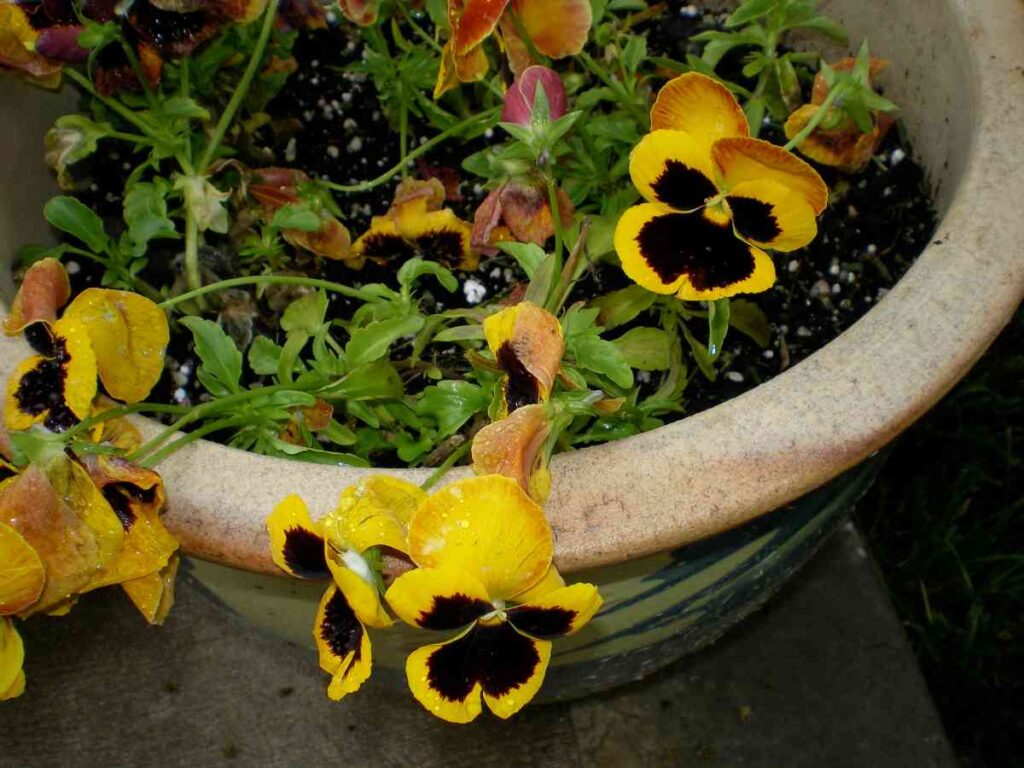
potted pansies

Yes, you can plant pansies in container or pots, planters, and window boxes.

Their compact size and shallow root system make them perfect for container cultivation, allowing you to enjoy their colorful blooms on patios, balconies, or doorsteps.

  • Potted pansies must be planted in pots with adequate drainage holes to prevent waterlogging, which can harm the roots.
  • Use a high-quality, well-draining potting mix and position your containers where they’ll receive 4-6 hours of sunlight daily.
  • In warmer climates, some afternoon shade can help protect the flowers from heat stress.

Though potted pansies require regular watering, you shouldn’t overwater them as it can result in root rot.

During cooler months, check the soil moisture every few days, as potted plants dry out faster than garden beds. With proper drainage, quality soil, and regular care, potted pansies will have a successful blooming period.

Also Read: How to Grow and Care Columbine Plant?

Best Container for Pansies

Pansies’ compact size, shallow roots, and cold tolerance make them perfect for containers. Growing pansies in pots offers better control over soil, drainage, and placement than traditional garden beds.

While pansies thrive in various containers, drainage is critical—they’re sensitive to waterlogging and develop root rot without adequate holes.

While pansies can grow in tiny containers like teacups, smaller pots require more frequent watering, sometimes multiple times daily in sunny or windy locations. For easier maintenance, opt for larger containers that retain moisture longer and provide more root space for healthy growth.

Avoid porous materials like unglazed ceramic in freeze-thaw conditions, as they crack. Choose weather-resistant materials for outdoor winter displays.

Planting Your Pansies

Plant pansies in fall (October) for best results, allowing root establishment before winter. Spring planting should occur early while temperatures stay cool.

Water seedlings beforehand to reduce transplant stress. Gently separate roots when removing from containers and plant at original depth with crowns above soil level.

Space plants adequately for air circulation, leaving few inches between them. Containers allow closer spacing than garden beds but still require proper ventilation to prevent disease.

Water thoroughly after planting to settle soil and eliminate air pockets around roots.

How to Care for Pansies in Pots?

Most crucial aspect of growing pansies is taking care of them. Without minimal care you won’t be able to have a healthy plant.

Below mentioned are detail Pansies plant caring tips.

Soil Requirements

Quality potting soil is essential for container pansy success. Never use heavy garden soil—select light, all-purpose potting mix with organic matter instead. Ideal soil should be well-draining yet moisture-retentive, with pH 6.0-6.5.

Choose mixes containing slow-release fertilizer for steady nutrition. Enhance with worm castings or compost for added nutrients.

When filling containers, leave 1-2 inches below the rim to create a water basin, preventing soil washout and making watering more efficient.

Watering Requirements of Pansies

Proper watering is crucial for container pansy success.

Pansies need consistent moisture but are extremely sensitive to waterlogged conditions. The key is maintaining soil that’s always moist but never soggy. This delicate balance requires attention and adjustment based on weather conditions.

Container-grown plants dry out faster than those in garden beds, making regular monitoring essential. Check soil moisture daily by inserting your finger about an inch into the soil. If it feels dry, it’s time to water.

  • During active growing seasons, potted pansies need watering once or twice daily, depending on weather conditions. Sunny or windy locations require more frequent watering than cooler, shadier spots.
  • Use rainwater when possible; let tap water sit overnight to dissipate chlorine. Water early morning to reduce disease risk. Apply water slowly until it drains from bottom holes, ensuring complete root zone moisture.
  • Watch for overwatering signs: yellowing leaves, soft stems, or fungal growth. Underwatered pansies wilt with brittle leaves. Use saucers but empty regularly to prevent standing water.

Check this: How to Grow Celosia?

Fertilizing Pansies

While pansies are relatively frugal regarding nutrient requirements, container plants need regular fertilization because potting soil lacks the natural nutrient cycling found in garden beds.

The enclosed growing environment means nutrients wash away with each watering, making supplemental feeding essential for optimal blooms.

  • Use balanced fertilizers with equal NPK ratios like 10-10-10 or 20-20-20 for best results. These provide nitrogen, phosphorus, and potassium, supporting foliage growth and flower production.
  • Slow-Release Fertilizers: Mix granular fertilizer into potting soil before planting or apply to surfaces. Products like Osmocote provide steady nutrition for months.
  • Liquid Fertilizers: Apply water-soluble fertilizers every 2-3 weeks during active growth. Fish emulsion offers organic nutrition, while Miracle-Gro provides synthetic convenience. Water plants before applying to prevent root burn.
  • Organic Options: Blood meal, worm castings, and compost provide gentle, long-lasting nutrition while improving soil structure.

Begin fertilizing one week after planting. Fertilize every 2-4 weeks during active seasons, reducing frequency in summer heat. Always water thoroughly after application and monitor for over-fertilization signs.

Light and Temperature Requirements

Pansies perform best in full sun to partial shade, requiring 4-6 hours of direct sunlight daily for optimal flowering.

Morning sun is particularly beneficial, as it helps dry dew from leaves and reduces disease risk. In warmer climates, afternoon shade can protect plants from heat stress while still providing adequate light for blooming.

Position containers where they’ll receive appropriate light throughout the day.

Remember that light conditions change with seasons, so you may need to relocate containers as the sun’s angle shifts. Too much shade reduces flower number and size while making plants leggy and weak.

Also Read: How to Propagate Zinnias?

Temperature

One of pansies’ greatest assets is their remarkable cold tolerance. These hardy plants can withstand temperatures as low as 15°F, making them ideal for year-round container displays in many regions. However, if temperatures are forecast to drop below 15°F, bring containers indoors temporarily.

During summer heat, pansies struggle and often stop blooming when temperatures consistently exceed 80°F.

In hot climates, move containers to locations with morning sun and afternoon shade, or replace pansies with heat-tolerant annuals for summer months.

Pruning and Deadheading

Regular deadheading extends blooming periods and keeps plants tidy by preventing seed formation.

Remove faded flowers by cutting stems back to the next set of leaves, not just flower heads. This pinching technique promotes bushier growth with more flowering stems.

Check plants every few days during peak seasons, as most varieties benefit from regular deadheading.

If pansies become leggy or stretched, pinch back overly long stems to encourage bushier growth. This is particularly important in containers where compact, full plants are more attractive.

Don’t be afraid to trim pansies back significantly; they recover quickly and often produce more flowers after pruning.

Pest and Disease Management

While pansies are generally pest-resistant, container plants face specific challenges. Aphids are the most common pest, appearing on new growth in spring. Several species attack pansies, including green peach and violet aphids. These insects multiply rapidly, making early detection crucial.

Spider mites become problematic during hot, dry weather, causing tiny pinpricks on leaves that become brown spots. Severe infestations produce webbing and leaf death.

Encourage beneficial insects like ladybugs, parasitic wasps, and lacewings by planting nearby attractive flowers. Queen Anne’s lace effectively draws natural predators.

For immediate control, use insecticidal soap sprays weekly. These gentle treatments control soft-bodied insects without harming beneficials. Food-grade diatomaceous earth also controls aphids naturally.

Most diseases result from excessive moisture or poor air circulation. Prevent fungal problems by watering at soil level, ensuring adequate plant spacing, and providing good air circulation.

Slugs and snails feed nightly, leaving irregular holes and slimy trails. Check containers regularly and remove hidden mollusks.

Also Read: How to Grow Blanket Flower?

Potted Pansies Caring Tips

1. Fall Planting: Fall is ideal planting time for pansy containers. After planting, maintain consistent moisture and begin regular fertilizing. Reduce watering frequency as temperatures cool but keep soil from drying completely.

2. Winter Protection: Before hard freezes, water deeply and consider covering containers or moving them to protected areas like unheated garages during extremely cold weather.

3. Spring Revival: When spring arrives, give overwintered pansies thorough watering and resume fertilizing. Deadhead winter-damaged flowers and assess plant health. Plant new pansies early while temperatures stay cool.

4. Peak Growing Season: As daylight increases and temperatures warm, pansies experience growth surges. Maintain consistent care routines and enjoy peak bloom displays during this period.

5. Summer Heat Management: When temperatures consistently exceed 80°F, pansies become stressed and stop flowering. Transition to heat-tolerant summer annuals or move containers to cooler, shadier locations.

6. Cold-Hardy Varieties: Some pansy varieties are bred for enhanced cold tolerance and can survive harsh winters better. Research varieties suited to your climate zone for reliable winter performance.

7. Container Insulation: During extreme cold, insulate containers with burlap or bubble wrap to prevent root damage. Move containers to ground level and group them together for mutual protection.

8. Winter Maintenance: Check soil moisture periodically and water lightly if very dry. Remove dead foliage to prevent disease. Watch for new growth as days lengthen.

9. Common Problems: Poor blooming usually indicates insufficient light, heat, or nutrition. Wilting in watered plants suggests root problems from overwatering. Overcrowded containers reduce flowering and need plant thinning.

Conclusion

Caring for pansies in pots brings months of colorful blooms to outdoor spaces. These resilient flowers thrive with proper drainage, quality soil, consistent moisture, and appropriate nutrition.

Success requires understanding their preferences for cool weather and bright light while avoiding overwatering and excessive heat.

Outstanding container pansies need attention to detail: appropriate containers, consistent watering, regular fertilization, and routine deadheading.

With proper care, potted pansies provide reliable fall-through-spring color, creating beautiful displays that enhance patios, balconies, and entryways throughout cooler months.

Caesar Pasta Salad With Chicken

0


Caesar Pasta Salad With Chicken


Privacy & Cookies Policy

23 of the Best Variegated Shrubs for Your Landscape

0

16. Leucothoe

Leucothoe fontanesiana ‘Girard’s Rainbow’ is an evergreen with foliage splashed in cream, green, pink, and red, for an eclectic look in Zones 5 to 9.

Red leaf petioles add to the cacophony of color, and in spring, pendant clusters of tiny white, bell-shaped blossoms grace the arching branches of this mounding bush.

‘Girard’s Rainbow’ prefers shady locations with some sun, where it grows to a mature height and width of three to five feet.

A close up square image of 'Girard's Rainbow' leucothe growing in the garden with variegated foliage pictured in light sunshine.

‘Girard’s Rainbow’

Best uses include mass plantings in foundation and perimeter borders, as well as ornamental specimens.

You can find ‘Girard’s Rainbow’ available at Nature Hills Nursery.

17. Lilac

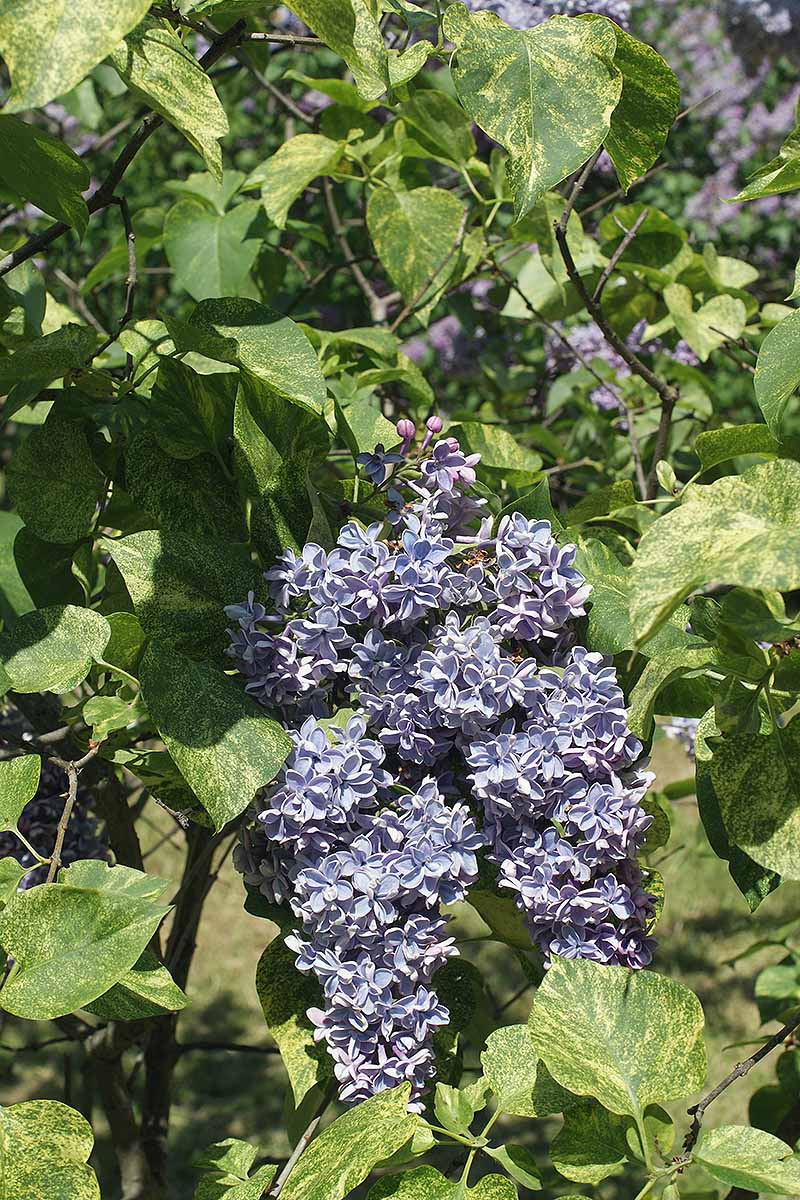
Variegated lilac, Syringa vulgaris ‘Aucubaefolia,’ has medium green leaves splashed with yellow, for an unexpected twist on this plant’s typical green foliage in Zones 3 to 7.

A close up vertical image of the bright purple flowers of Syringa vulgaris ‘Aucubaefolia’ growing in the garden pictured in bright sunshine on a soft focus background.A close up vertical image of the bright purple flowers of Syringa vulgaris ‘Aucubaefolia’ growing in the garden pictured in bright sunshine on a soft focus background.
Syringa vulgaris ‘Aucubaefolia.’ Photo by Хомелка, Wikimedia Commons, via CC BY-SA 4.0.

In spring, with its fragrant lavender-blue blossoms in full swing, it’s a heady attraction.

In full sun locations, it can reach a mature height and width of 10 feet, for a commanding presence.

Allow it to fill out, or prune it like a small tree. Plant en masse if you have the space, or as a standalone focal point.

You can learn more about how to grow lilacs in this guide.

18. Lily of the Valley Shrub

While pieris is an evergreen landscape staple, particularly in formal settings, the variegated variety, Pieris japonica ‘Variegata,’ is somewhat more playful and attention seeking with creamy white margins on its spear-shaped foliage.

A close up horizontal image of Pieris japonica ‘Variegata’ growing in the garden pictured on a soft focus background.A close up horizontal image of Pieris japonica ‘Variegata’ growing in the garden pictured on a soft focus background.

At home in full sun to part shade, it does best in Zones 6 to 9, where its compact height and width of three to five feet offer versatility.

Best uses include mass plantings, friendly hedges, and potted or garden focal specimens. Plants generally don’t appeal to foraging deer.

Learn about Pieris japonica care here.

19. Oleander

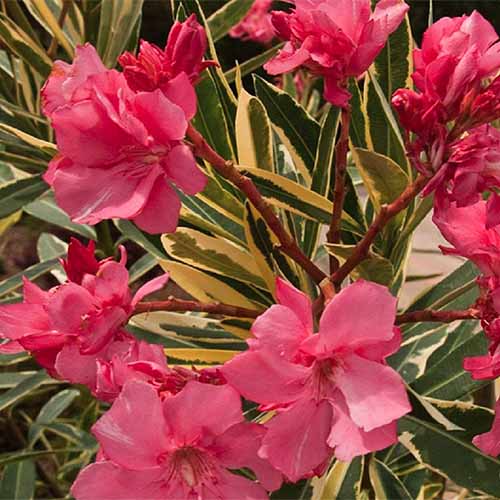
Variegated oleander, Nerium oleander ‘Variegata,’ is a tropical evergreen that has spear-shaped medium green leaves with irregular cream-colored margins.

It grows in Zones 9 to 11, and has fragrant clusters of bright pink flowers from summer into fall.

This is an upright plant with a rounded shape that grows to impressive heights of 10 to 18 feet and widths of 10 to 15 feet. With artful pruning, you can shape it like a tree if desired.

A close up square image of the bright pink flowers of Nerium oleander ‘Variegata’ growing in the garden pictured in light sunshine on a soft focus background.A close up square image of the bright pink flowers of Nerium oleander ‘Variegata’ growing in the garden pictured in light sunshine on a soft focus background.

Nerium oleander ‘Variegata’

Group several for privacy screening, or plant individually. Tolerance of drought, poor soil, and pollution are above average.

Find variegated oleander plants available from Southern Living via Walmart.

Read more about growing oleander shrubs here.

20. Rose of Sharon

The deciduous white-tipped, blue-green foliage of rose of Sharon, Hibiscus syriacus ‘Sugar Tip,’ does indeed appear to have been dipped ever so slightly into confectioner’s sugar.

And to round out the confection, it has flouncy pink double-petal flowers that bloom in summer.

Best in locations with part sun in Zones 5 to 9. ‘Sugar Tip’ has mature heights of five to six feet, and a spread of four to six feet.

A close up of the bright pink flowers of Hibiscus syriacus 'Sugar Tip' growing in the garden pictured in bright sunshine on a soft focus background.A close up of the bright pink flowers of Hibiscus syriacus 'Sugar Tip' growing in the garden pictured in bright sunshine on a soft focus background.

Sugar Tip Rose of Sharon

Use as a mid-story mass planting, privacy hedge, or specimen in mixed cottage garden beds.

You can find ‘Sugar Tip’ rose of Sharon starter plants available from Burpee.

Read more about growing rose of Sharon here.

21. Spirea

Spirea is a powerhouse in the landscape, and this variegated cultivar, Spiraea japonica Double Play ® Painted Lady® ‘Minspi,’ is no exception.

With vibrant foliage splashed by a euphoric artist in cream, yellow, and medium green, it never fails to dazzle in Zones 4 to 8.

And as if that weren’t enough, in addition to the foliar highlights, there are fuzzy magenta spring blooms for bright color and rich texture.

At home in full sun to part shade, it’s two- to three-foot height and width render it a top selection for gardening in small spaces. It is also noteworthy for its deer and drought resistance.

Learn how to grow spirea in your garden here.

22. Weigela

Deciduous Weigela florida ‘My Monet’ has bright green leaves with irregular cream margins accented by pink.

It is especially attractive from spring into summer, when a profusion of trumpet-shaped pink flowers appears.

Perfect for full sun locations in Zones 4 to 6, it is a low-profile plant with mature heights and widths of 12 to 18 inches.

A close up square image of Weigela florida ‘My Monet’ with small purple flowers and variegated foliage growing in the garden pictured on a soft focus background.A close up square image of Weigela florida ‘My Monet’ with small purple flowers and variegated foliage growing in the garden pictured on a soft focus background.

Weigela florida ‘My Monet’

Best uses include beds, borders, and containers, both grouped and alone. This plant is noteworthy for its deer resistance.

Find ‘My Monet’ plants in #2 containers available from Nature Hills.

23. Yucca

Yucca filamentosa ‘Color Guard’ has vertical leaves with dark green margins and creamy yellow centers that are stemless and sword-like, for a bold structural statement.

It is a tropical evergreen for Zones 4 to 10.

The foliage is approximately three feet tall with an equal spread. In summer, a stalk rises five feet or more, and produces a panicle of bell-shaped, cream-colored blossoms.

A close up square image of Yucca filamentosa ‘Color Guard’ growing in the garden with a variety of perennial shrubs in the background.A close up square image of Yucca filamentosa ‘Color Guard’ growing in the garden with a variety of perennial shrubs in the background.

Yucca filamentosa ‘Color Guard’

Resistant to cold, drought, heat, and humidity, as well as deer and rabbits, this is a hardy water-wise shrub that is appropriate for both xeriscaping and container gardening.

Find plants in one-quart and #2 containers available from Nature Hills Nursery.

Learn more about growing yucca plants here.

A Stylish Staple

As you can see, there are quite a few variegated shrubs.

As the mid-story workhorses of the garden, as well as standalone full size and compact specimens, their varied hues are sure to increase the visual appeal of your landscape.

How surgeons build a new bladder for cancer patients like Deion Sanders : Shots

0

Head coach Deion Sanders of the University of Colorado speaks about his journey beating bladder cancer during a press conference.

AAron Ontiveroz/MediaNews Group/Getty Images


hide caption

toggle caption

AAron Ontiveroz/MediaNews Group/Getty Images

At 57, two-time Super Bowl champion Deion Sanders, has a brand-new bladder.

The University of Colorado coach recently underwent reconstructive surgery to treat an aggressive form of bladder cancer after doctors discovered a tumor this spring.

The procedure, called neobladder reconstruction, uses tissue from the patient’s own small intestine.

Here’s how it’s done:

First surgeons remove the old bladder. Then they cut out about a foot and a half from the ileum, the end section of the small intestine.

Then the surgeon cuts down one side of the segment of intestine so that it lays flat like a sheet. Next, they fold it in half, top to bottom, and then connect the back part to the front.

The end result resembles a volleyball covered in sutures, said Dr. Max Kates, codirector of the Greenberg Bladder Cancer Institute at Johns Hopkins University.

Finally, the surgeon sews the neobladder to the kidneys and urethra.

The human body’s ability to adapt to such a procedure is “amazing,” says Sanders’ surgeon, Dr. Janet Kukreja, director of urologic oncology at the University of Colorado Cancer Center. Patients usually spend just a few days recovering in the hospital.

She performed Sanders’ neobladder reconstruction robotically and with a laparoscopic camera, a method that only requires small incisions.

Kukreja told NPR that a cool aspect of this surgery is that because the neobladder is created from the body’s own tissue, a patient’s immune system doesn’t reject the new organ. So patients with neobladders don’t need immunosuppressant medications.

Plastic wouldn’t work either to reconstruct a bladder since the urinary tract rejects foreign materials, said Kukreja. Calcium would build up giving patients bladder stones.

A reconstructed bladder doesn’t function exactly like someone’s original bladder because it can’t send signals to the brain to let a person know when to use the toilet.

Getting used to a neobladder takes some training, says Dr. Jodi Maranchie, a surgical urologic oncologist at UPMC in Pittsburgh. Gradually they increase the interval between bathroom visits until they can comfortably control their bladder during the day. But leakage often remains an issue for people while they sleep.

During a Monday press conference, Sanders acknowledged this drawback. He joked that, like his one-year-old grandson, he now “depends on the Depends.”

“I know there’s a lot of people out there going through what I’m going through. And dealing with what I’m dealing with,” he said. “And let’s stop being ashamed of it.”

Kates said a lot of people do feel shame around the incontinence that comes with a neobladder reconstruction.

Which is why Kates told NPR that he “loved every moment” of Sanders’ press conference. The urologist described the Pro Football Hall of Famer as authentic and funny, “the guy was anything but shameful.”

In fact two of Kates’ patients, both men around Sanders’ age, mentioned the press conference: “They both felt completely validated by him.”

An estimated 85,000 people in the U.S., will get bladder cancer this year, according to data from the American Cancer Society. While most patients with bladder cancer are men, Maranchie said that women tend to present with a more advanced and slightly more aggressive disease.

Because the only symptom of bladder cancer is blood in urine, she theorized that some women mistake this warning sign for menstrual blood.

But Sanders shared that his tumor was discovered during an annual checkup.

He said if he hadn’t gone in for that appointment, things might have turned out very differently.

“Please get yourself checked out,” he said. “Because if it wasn’t for me getting tested for something else they wouldn’t have stumbled up on this. Make sure you get the right care.”

Dale’s Michigan Garden in 2025

0

Hi GPODers!

Today we’re heading to central Michigan for an update on Dale Dailey’s diverse gardens. Dale has shared the many different aspects of his landscape, with his fascinating collection of plants, quite a few times in the past (here is a handful of his previous submissions: Dale’s Japanese Garden, Dale’s Garden in 2020, Spring Versus Summer in Dale’s Garden, A Year in a Garden, Stop Dreaming about Spring), and today’s update is equally as enlightening. So far this year, there has already been an alluring assortment of blooms, and everything from his Japanese garden to his shade beds is looking exquisite.

Spring arrived early this year with an abundance of flowering trees and bright, colorful foliage. This photo shows a weeping cherry tree in bloom with a purple-leaved European beech (Fagus sylvatica, Zones 5–7) to the left.

grassy pathway through sunny gardenWe have a large area around our house dedicated to a variety of gardens. This pathway moves from sunny plantings to a shady area in front of our Japanese-style garden.

bright pink clematisAlong the way, the blossoms of a Cardinal Wyszynski clematis (Clematis ‘Cardinal Wyszynski’, Zones 4–10) were extraordinary this spring.

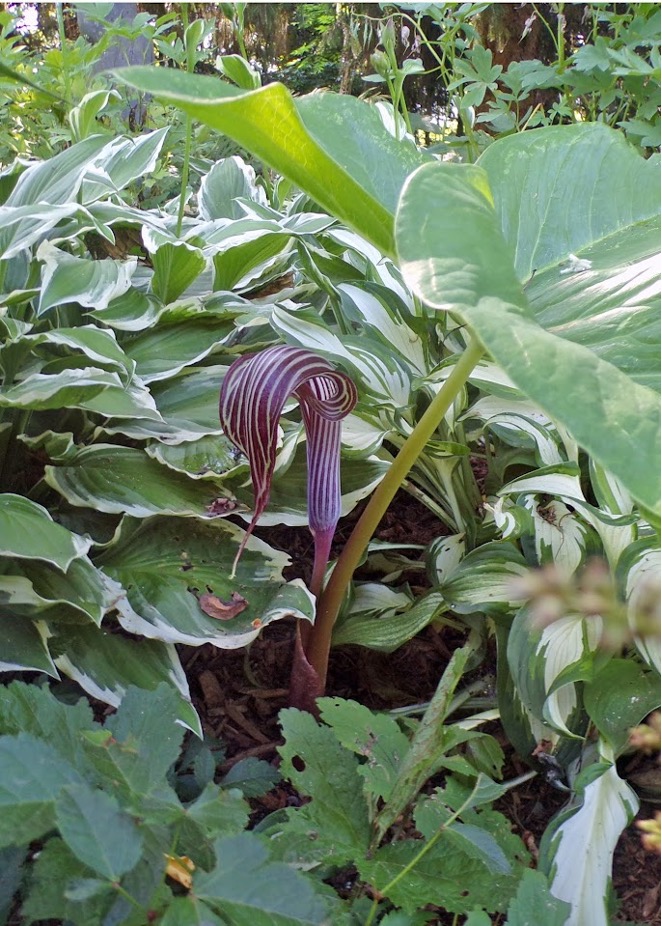
jack-in-the-pulpit flower in shade gardenIn a shady area, I stopped to admire a Farge’s cobra lily (Arisaema fargesii, Zones 6–8) in full bloom.

Japanese style gardenFinally reaching our Japanese garden, I’m reminded of how it is always a restful place to stop and sit and contemplate.

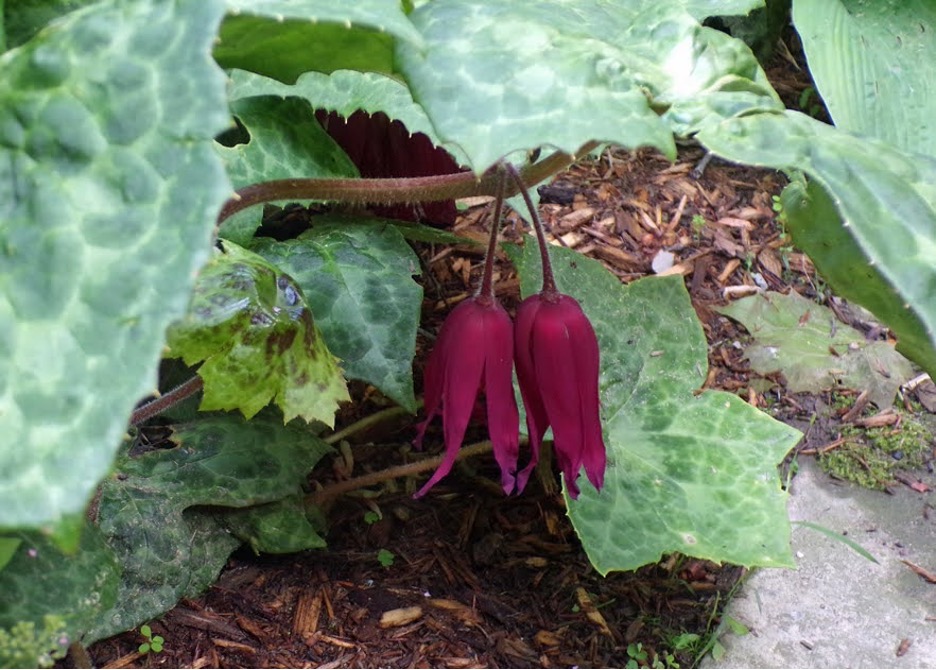
red drooping flowers with spotted foliageWalking on around, I discover that the large mayapple (Podophyllum ‘Spotty Dotty’, Zones 6–9) is in full bloom.

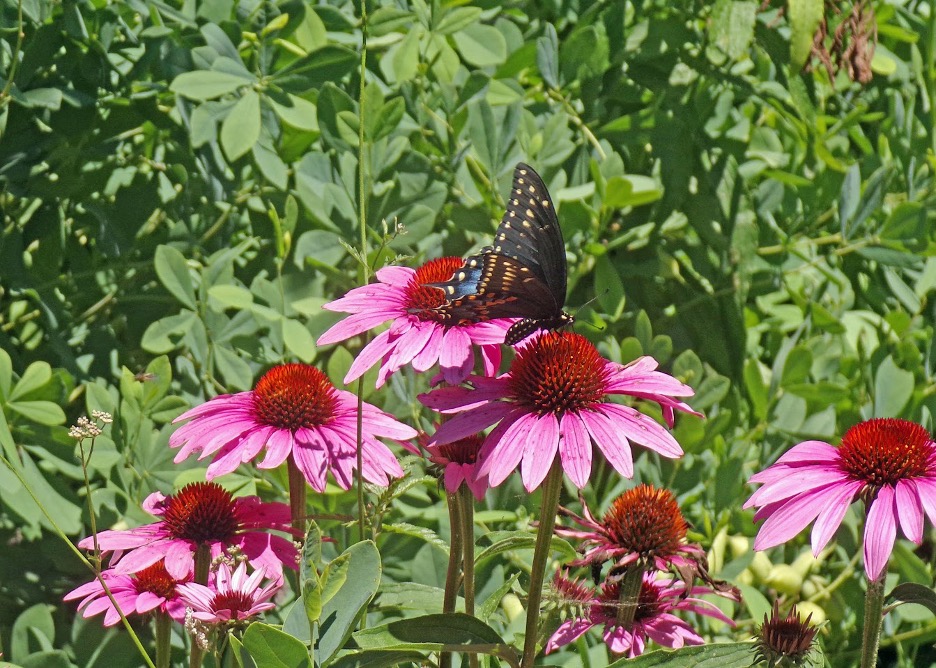
butterfly on purple coneflowersOur gardens provide a rich habitat for bees and butterflies. One big area is dedicated to pollinators.

There are many, many more treats in our garden. We have a huge space dedicated to formal gardens. I have been creating gardens, collecting unusual plants, and planting them for at least 25 years.

shade garden with colorful hanging garden artOne last photo shows a colorful graphic canvas in an otherwise shady area. The canvas is surrounded by hardy kiwi vines (Actinidia arguta, Zones 3–8) on the left and a very mature wisteria on the right.

I hope you have enjoyed your brief visit.

Thank you so much for this update on your thriving garden, Dale! Even a brief visit is full of fantastic plant specimens and sensational scenes from you various garden beds.

What has the 2025 growing season been like in your garden so far? While we (hopefully) have at least a few more months of gardening glory, now is a great time to check in on how things have been going. Garden Photo of the Day can be a great place to share, reflect, celebrate wins, and commiserate plant losses. Follow the directions below to submit photos via email, or send me a DM on Instagram: @agirlherdogandtheroad.


We want to see YOUR garden!

Have photos to share? We’d love to see your garden, a particular collection of plants you love, or a wonderful garden you had the chance to visit!

To submit, send 5–10 photos to [email protected] along with some information about the plants in the pictures and where you took the photos. We’d love to hear where you are located, how long you’ve been gardening, successes you are proud of, failures you learned from, hopes for the future, favorite plants, or funny stories from your garden.

Have a mobile phone? Tag your photos on Facebook, Instagram, or Twitter with #FineGardening!

Do you receive the GPOD by email yet? Sign up here

Easy Slow Cooker Chicken Tacos (With Instant Pot Option)

0


Easy Slow Cooker Chicken Tacos (With Instant Pot Option) – The Real Food Dietitians


Privacy & Cookies Policy

The Simple Sleep Hack That Can Be Lifechanging

0

Call me weird, but oral health has always fascinated me. And it’s more than just brushing your teeth twice a day and flossing. Mouth taping is a newer trend in the natural oral care world, but it’s about so much more than that. This one simple habit can help your overall health improve, sometimes dramatically. 

So how does putting a tiny strip of tape over your mouth before bed make that much of a difference? The idea may sound strange, even a little uncomfortable. But after digging into the science and trying it myself, I found something so simple can still have a huge ripple effect on sleep, energy, and even long-term health.

While mouth taping may seem like just another wellness trend, it actually addresses an issue many of us don’t even know we have. Mouth breathing is increasingly common and can cause a cascade of problems. 

Why Mouth Breathing at Night Matters More Than You Think

How we breathe is foundational to our health. But for about 50% of the population, mouth breathing (especially during sleep) has become the norm. This seemingly harmless habit is linked to a surprising list of health concerns, both in kids and adults.

1. Dry Mouth, Cavities, and Bad Breath

When we breathe through our mouth this dries out saliva, which plays a key role in protecting teeth and gums. Saliva keeps the mouth pH balanced, remineralizes teeth, and helps prevent cavities. When saliva production drops at night due to mouth breathing, our risk of tooth decay, gum irritation, and bad breath jumps. You can read more about the importance of saliva here. 

2. Facial Development, Jaw Alignment, and More

Especially in children, proper tongue posture is essential for healthy facial development. When the tongue doesn’t rest on the roof of the mouth (like during nasal breathing), it can lead to narrower palates, crooked teeth, and underdeveloped jaws. These changes can also impact hearing, speech development, and even vision. All of these systems are connected during the developing years. 

3. Tonsil Inflammation

Your nose is nature’s air filter and warms, moisturizes, and cleans the air you breathe. When we bypass the nose and breathe through the mouth, the tonsils take on that role. Over time, this can irritate and inflame the tonsils, especially in kids. The result? Enlarged tonsils, tonsillitis, mouth breathing cycles, and even sleep-disordered breathing.

4. Obstructed Airways

When we’re mouth breathing and the tongue isn’t where it should be, we’re not breathing deeply and clearly. This oxygen deprivation leads to a whole host of problems, from daytime sleepiness to trouble concentrating and ADHD symptoms. 

While there are obvious downsides to mouth breathing (especially at night), mouth taping can be an easy solution. 

What Is Mouth Taping?

Mouth taping is a gentle practice that uses a small piece of skin-safe tape to keep the lips closed. This helps promote nasal breathing and encourages the lips to stay closed at night. It can also help nudge the tongue into the proper posture. 

If you’re someone who wakes up with a dry mouth or snores often, this simple shift can make a world of difference. And even if you (or your partner!) don’t snore at night, you still may be mouth breathing without knowing it. 

Benefits of Mouth Taping (Backed by Research)

Once I got past the initial awkwardness, mouth taping’s benefits became pretty noticeable. Here are a few reasons why this practice is gaining traction in holistic (and even mainstream) health circles:

1. Less Snoring and Dry Mouth

Mouth taping naturally reduces snoring for many people by stabilizing the airway through nasal breathing. With less vibration of soft tissues in the throat, the sound (and health risks) of snoring often improve. Snoring isn’t just annoying, it points to some deeper health issues. You’ll also wake up with a moist mouth instead of that dry, cotton-mouth feeling.

2. Better Dental Health

Saliva is our body’s natural defense against cavities and gum disease. Nasal breathing helps preserve saliva through the night, reduce the risk of decay, and helps keep the oral microbiome in balance.

3. Improved Sleep and Energy

One of the most noticeable benefits is better quality sleep. When we breathe through our nose we’re getting more oxygen and our body is more likely to stay in that deep, restorative sleep. This is when our brain cleans house, so it’s vital for helping guard against neurodegenerative disorders, like Alzheimer’s. You might notice less waking up in the night, better focus during the day, and a general lift in mood and energy.

4. More Oxygen to the Brain (and Fewer Negative Brain Symptoms)

One fascinating connection is the link between mouth breathing and symptoms that mimic ADHD in children. Studies show low oxygen levels at night caused by sleep-disordered breathing can lead to poor concentration, hyperactivity, and behavioral issues during the day. Some children diagnosed with ADHD show significant improvement just from addressing their sleep and breathing patterns.

On the other end of the spectrum is disordered breathing’s link to brain disorders in adults. Those who mouth breathe at night or have disordered breathing are significantly more likely to develop Alzheimer’s disease. 

Sleep Apnea, ADHD, and the Bigger Picture

The effects of poor breathing habits at night go beyond just dry mouth or fatigue. It’s estimated that over 1 billion adults worldwide have obstructive sleep apnea. In this condition the airway collapses during sleep and disrupts our oxygen supply. Many of these cases go undiagnosed for years or still remain undiagnosed.

Sleep apnea has been linked to a long list of health problems, including:

  • High blood pressure
  • Heart disease
  • Stroke
  • Type 2 diabetes
  • Depression

And sleep apnea is just the extreme end of a spectrum. A lesser-known but very common issue is upper airway resistance syndrome (UARS). This is where the body works harder to breathe at night, often without full apneas, but still has poor oxygenation. One red flag for UARS? Teeth grinding.

When Mouth Taping Isn’t a Good Idea

Mouth taping can be powerful, but it’s not for everyone. There are a few situations where it should be avoided or approached with caution:

  • Young children: Kids who aren’t old enough to remove the tape themselves should not use mouth tape. Babies and very young children have delicate airways that can easily become clogged so it’s important to keep their nasal airways open to encourage nasal breathing habits.
  • Nasal congestion or anatomical blockages: If you can’t breathe easily through your nose while awake, you shouldn’t force it at night.

In these cases, it’s important to address the root causes of nasal blockage first. Some common culprits include:

  • Mold exposure in the home
  • Environmental allergens (why we have air filters in our home)
  • Food sensitivities (especially dairy and gluten)
  • A deviated septum or other anatomical issues
  • Narrow palate or misaligned jaw

A great place to start is with an airway-focused ENT (ear, nose, and throat specialist) or a holistic dentist trained in functional breathing and jaw development. They can perform evaluations like 3D cone beam scans. They’ll assess the airway structure and help identify whether soft tissue or skeletal changes are needed. A myofunctional therapist is also a helpful route for mouth breathers to train the tongue to move correctly. 

What to Do If You Can’t Breathe Through Your Nose

If mouth taping feels impossible because your nose is always blocked, you’re not alone. This is often a signal your daytime breathing habits need some attention too.

Here are some ways to help retrain your breath:

  • Tongue posture: The tongue should rest on the roof of the mouth, not the bottom. This posture helps widen the palate and support nasal breathing.Myofunctional therapists are helpful for this. 
  • Deep breathing: Practices like yoga and breathwork teach you how to breathe more efficiently with the diaphragm.
  • Nasal rinses: Saline rinses or a neti pot can help reduce inflammation and clear mucus from the nasal passages. This is great for allergies or during illness. 
  • Mouth and jaw training: Myofunctional therapy involves exercises that strengthen the muscles of the face, mouth, and airway to improve breathing and oral posture.

If physical changes are needed, like correcting a deviated septum or expanding a narrow jaw, there are options for both kids and adults. Treatment might include myofunctional orthodontics, expansion devices, or minor surgical corrections. While these interventions can take time, the long-term health benefits are well worth it. Here’s what my kids have done instead of braces

How to Start Mouth Taping (and What to Use)

Mouth taping is one of those simple practices that most people can benefit from. Even if you don’t think you’re snoring, having apneas, or mouth breathing at night, you actually might. Something like an Oura ring can track your nighttime sleep and offer clues to how much rest (or not) you’re getting. If you’re really concerned, you can ask your doctor about a sleep study to monitor nighttime breathing. 

An easy (and cheaper) way to get the benefits of nasal breathing at night though is to just start wearing mouth tape. There are lots of options now, but some of them have downsides. Some mouth tape can be difficult to remove, leave a sticky residue, or be uncomfortable to sleep in. 

Wellnesse is my favorite brand for oral care products and they have a really great mouth tape. It’s made with bamboo silk so it’s comfortable and I like that it covers the entire lip area. If you’re subconsciously breathing around the tape at night, it’s not really helping. It’s also easy to remove for when it is time to take it off. They come in an eco-friendly container in individual tape strips, so there’s no fuss. You can learn more about Wellnesse mouth tape and try it here. 

Final Thoughts on Mouth Taping’s Surprising Benefits

Mouth taping isn’t just about reducing snoring or waking up with fresh breath. It’s about reclaiming one of the body’s most important, overlooked functions, how we breathe. When we sleep, we spend about a third of our lives in a deeply restorative state. Making sure that time is optimized with proper oxygen flow, airway stability, and tongue posture can have far-reaching effects on everything from focus and mood to cardiovascular health.

So, if you’re waking up tired, grinding your teeth, or dealing with constant congestion, consider whether mouth breathing could be part of the picture. You might be surprised how much this small change can have major benefits.

Have you ever tried mouth taping before? Leave a comment and let us know!

18 Vegetables to Plant in September

0

September is the month of transition, with warmer soil and cooler nights. Signalling gardeners that they still have a chance to mess around the dirt.

While the warmth of the soil contributes in quick seed germination, cooler air means your plants won’t need to be watered frequently.

It’s kind of funny how September gets written off as the “end” of gardening season, when really, it’s more like getting a second chance. You know how spring planting can be such a gamble with late frosts and crazy weather? Well, fall planting is way more chill—literally and figuratively.

So, if you’ve been thinking it’s too late to plant anything, think again. September is not about winding down; it’s about gearing your gardening gloves for one more round before winter actually shows up.

18 Vegetables to Plant in September

Cooling temperatures in September, creates a natural advantage that summer plantings rarely enjoy.

Root crops develop sweeter flavors as they convert starches to sugars in cool weather, while leafy greens grow without the bitter taste that often develops in summer heat.

Fall plantings benefit from gradually declining temperatures that extend harvest periods for weeks or even months, providing fresh vegetables well into winter and giving you more flexibility in the kitchen with less pressure to process everything at once.

1. Spinach – Bloomsdale Longstanding, Melody, Olympia

Spinach is a fast-growing, cool-season leafy green that thrives in fall conditions. Plant your spinach 8-10 weeks before the first anticipated frost date for continuous harvests. This hardy crop can tolerate temperatures down to 15°F once established, and light frosts actually improve its flavor by concentrating sugars in the leaves.

‘Bloomsdale Longstanding’ is a classic heirloom variety with deeply savoyed, dark green leaves that resist bolting in temperature fluctuations. It’s particularly cold-hardy and slow to go to seed. You can begin harvesting baby leaves in 30-40 days, with mature leaves ready in 45-50 days.

‘Melody’ is a hybrid variety prized for its smooth, tender leaves and excellent disease resistance. It has outstanding cold tolerance and produces uniform, dark green foliage. Baby leaves can be harvested in 25-30 days, with full-size leaves ready in 40-45 days.

Also Read: 19 Vegetables to Plant in August for Fall Harvest

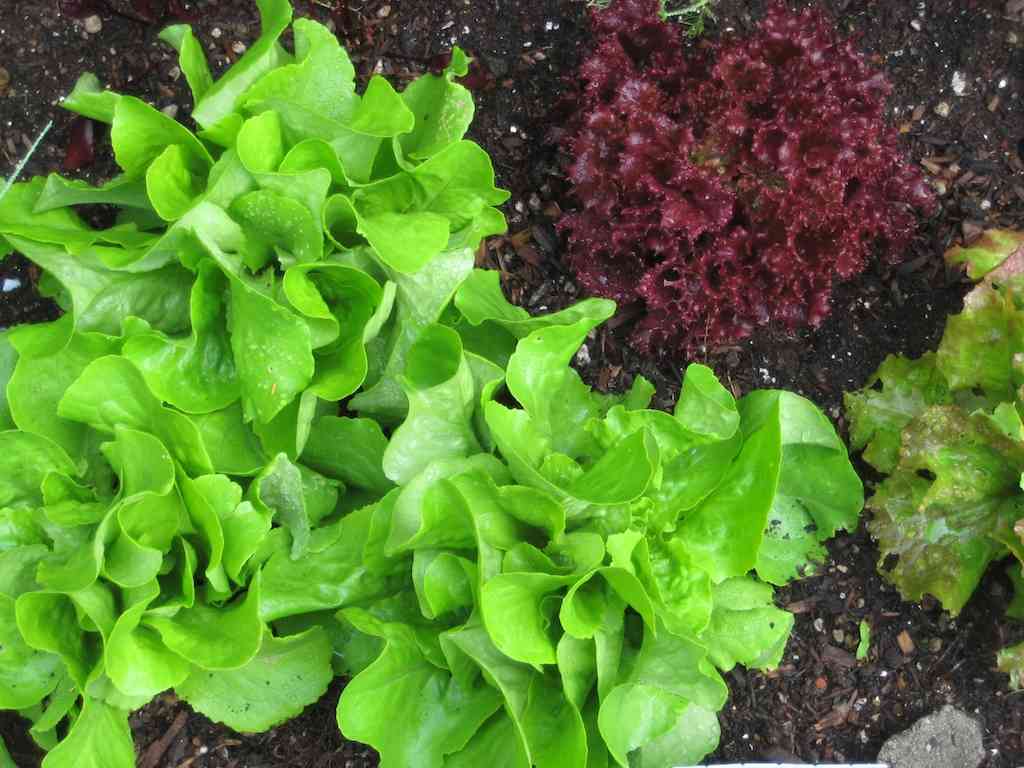
2. Lettuce – Black Seeded Simpson, Red Sails, Bambi, Buttercrunch, Parris Island

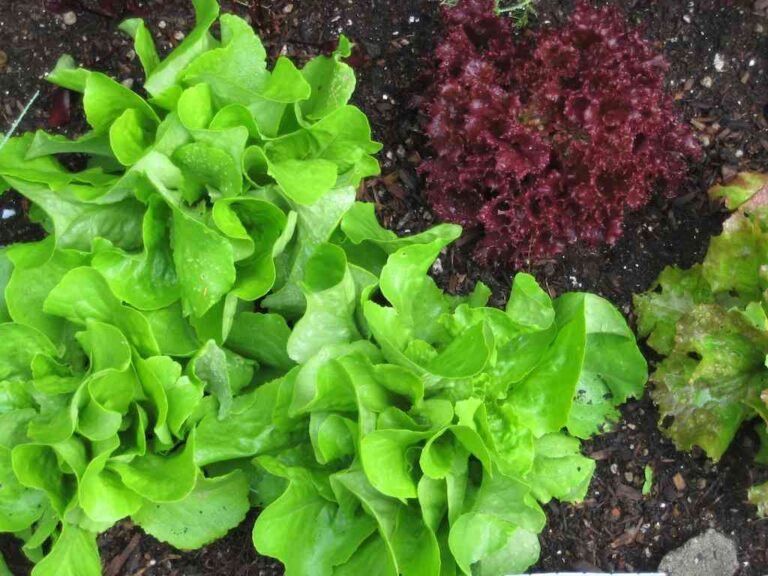
As the temperatures drop and daylight shortens, lettuce thrives—making fall the perfect season to grow this cool-weather favorite. For a productive harvest, sow your lettuce seeds about 8–12 weeks before your region’s first expected frost. Many varieties tolerate light frosts (down to 28–30°F) and often taste sweeter and less bitter in the cooler months.

‘Black Seeded Simpson’ is a reliable heirloom loose-leaf variety with light green, frilly leaves that form beautiful rosettes. It’s extremely cold-tolerant and has excellent bolt resistance in cool weather. This variety is perfect for cut-and-come-again harvesting. You can begin harvesting baby leaves in just 25-30 days, with mature heads ready in 45-50 days. The tender leaves have a mild, sweet flavor that gets even better after light frost.

‘Buttercrunch’ is a premium butterhead variety that forms compact, dense heads with buttery-smooth outer leaves and crisp, sweet hearts. It has outstanding cold tolerance and actually develops better flavor in cool conditions. This variety is slower to bolt and handles temperature fluctuations well. Baby leaves can be harvested in 35-40 days, with full heads ready in 55-65 days. The thick, succulent leaves maintain their quality well into winter, making it ideal for fall planting.
Check this: 8 Best Herbs for Hanging Baskets

3. Kale

Kale is another wonderful, cool weather, leafy green vegetable. Plant your kale about 12 weeks before the first anticipated frost date for the longest growing season. Don’t worry about a frost ruining this crop, it is cold tolerant to the 20s, and even down to 10°F once it’s established.

‘Lacinato/Tuscan’ features dark blue-green, strap-like leaves with a bumpy texture and sweet, nutty flavor. This Italian heirloom is extremely cold-hardy and actually improves in taste after frost. You can begin harvesting baby leaves in as little as one month, with mature leaves ready in 60-70 days.

4. Carrots

Carrots thrive in cool fall weather when the soil is still warm but air temperatures are dropping. Sow seeds 10-12 weeks before hard frost for winter storage varieties. These root vegetables can withstand temperatures down to 20°F when mulched and actually develop sweeter flavor after cold exposure.

‘New Kuroda’ is a Japanese variety producing 8-inch, orange-red roots with exceptional sweetness and crisp texture. It stores well and has excellent cold tolerance. Harvest in 70-80 days for peak flavor and storage quality.

5. Radishes

Radishes are among the fastest-growing fall vegetables, perfect for quick results in cooling weather. Plant 4-8 weeks before first frost for continuous harvests. Most varieties tolerate light frosts and develop crisper texture in cool conditions.

‘Cherry Belle’ and ‘White Icicle’ offer contrasting shapes and flavors. Cherry Belle produces round, bright red roots with white flesh in just 22-25 days, while White Icicle forms long, slender white roots with mild flavor in 25-30 days. Both maintain quality well in cool weather.

6. Broccoli

Broccoli transplants love the transition from warm soil to cool air that September provides. Set out transplants 12-14 weeks before hard frost for main heads, with side shoots continuing production into winter. This crop actually prefers cool weather and can handle temperatures down to 25°F.

‘Green Magic’ produces tight, dome-shaped heads with excellent heat tolerance during establishment and superior cold tolerance for extended harvest. Main heads mature in 60-65 days with abundant side shoots following.

7. Garlic

Garlic requires a completely different approach – plant individual cloves 6-8 weeks before ground freezes for harvest the following summer. This crop needs winter’s cold period to form bulbs properly. Choose hardneck varieties for northern regions, softneck for warmer areas.

‘Music’ is a hardneck variety producing large, white bulbs with purple stripes and robust flavor. Plant cloves pointed-end up, 2 inches deep, and mulch heavily for winter protection. Harvest in mid-summer when lower leaves brown.

8. Beets

Beets develop their sweetest flavor in cool fall conditions and can withstand multiple frosts. Sow seeds 8-10 weeks before hard frost, and enjoy both the colorful roots and nutritious greens. The roots store well in the ground with mulch protection.

‘Detroit Dark Red’ and ‘Chioggia’ offer classic reliability and visual appeal respectively. Detroit Dark Red produces uniform, deep red roots with sweet flavor in 55-60 days, while Chioggia displays stunning red and white concentric rings with mild, sweet taste in 50-55 days.

9. Onions

Onions for fall planting are typically sets or transplants that will overwinter and bulb up next spring. Plant 6-8 weeks before hard frost to establish good root systems. These hardy bulbs can survive temperatures well below freezing once established.

‘California Early’ forms medium-sized, yellow bulbs with excellent storage quality and mild flavor. Plant sets in early fall for spring harvest, spacing 4-6 inches apart in well-drained soil.

10. Turnips

Turnips are dual-purpose vegetables providing both tender greens and sweet roots in cool weather. Sow seeds 6-10 weeks before hard frost, with greens ready much earlier than roots. Both parts of the plant become sweeter after frost exposure.

‘Purple Top White Globe’ and ‘Tokyo Cross’ represent traditional and modern breeding. Purple Top White Globe produces classic white roots with purple shoulders and mild flavor in 55-60 days, while Tokyo Cross offers quick-maturing, pure white, crisp roots ready in just 35-40 days.

11. Swiss Chard

Swiss Chard continues producing colorful stems and leaves well into winter with minimal protection. Plant 8-10 weeks before hard frost for sustained harvests. This cut-and-come-again crop tolerates temperatures down to 15°F and actually sweetens with cool weather.

‘Bright Lights’ creates a rainbow of stem colors – yellow, orange, red, pink, and white – with tender green leaves. Harvest outer leaves regularly to encourage continued production through fall and winter.

12. Brussels Sprouts

Brussels Sprouts need the entire fall season to develop their signature small cabbages along tall stalks. Start transplants 12-16 weeks before hard frost, as they require a long, cool growing period. The sprouts actually improve in flavor after several frosts.

‘Long Island Improved’ produces firm, compact sprouts with excellent flavor and cold tolerance. The 2-3 foot plants yield dozens of sprouts that mature from bottom to top over several weeks in late fall and early winter.

13. Cauliflower

Cauliflower demands consistent cool conditions and steady moisture for proper head formation. Transplant 10-12 weeks before hard frost, and protect developing heads from sun by tying outer leaves over them. This crop is less cold-tolerant than its cabbage relatives.

‘Snow Crown’ reliably forms pure white, compact heads with good heat tolerance during establishment and excellent flavor. Heads mature in 50-60 days and should be harvested promptly when tight and white.

14. Peas

Peas planted in fall often outperform spring crops due to fewer pest issues and steadier moisture. Sow seeds 8-10 weeks before hard frost for shell peas, or closer to frost for snap varieties. These nitrogen-fixing legumes actually improve soil while growing.

‘Sugar Snap’ produces plump, edible pods with sweet, crisp texture that’s perfect for fresh eating or light cooking. The vines reach 6 feet and benefit from trellising, producing pods in 60-70 days.

15. Cabbage

Cabbage transplants thrive in fall’s cooling conditions, forming dense heads that can withstand significant frost. Set transplants 12-14 weeks before hard frost for full-sized heads, or closer for smaller, tender cabbages. Well-established plants survive temperatures into the teens.

‘Golden Acre’ forms compact, round heads weighing 3-5 pounds with sweet, crisp leaves. This variety has good bolt resistance and excellent storage quality, maturing in 60-65 days from transplant.

16. Coriander

Coriander (cilantro) actually prefers cool weather over summer heat, making fall the ideal planting time. Sow seeds 6-8 weeks before hard frost for leaves, or allow plants to bolt for coriander seed production. Cool weather prevents premature bolting.

‘Slow Bolt’ lives up to its name by resisting the rapid seed production that plagues summer cilantro plantings. This variety provides weeks of fresh leaves before producing aromatic seeds for spice use.

Also Read: 13 Easy Vegetables to Grow in Summer

17. Mustard Greens

Mustard Greens develop their characteristic peppery bite in cool weather while remaining tender and productive. Sow 6-8 weeks before hard frost, and harvest young leaves for salads or mature leaves for cooking. Light frost enhances their flavor.

‘Red Giant’ and ‘Mizuna’ offer contrasting appearances and flavors. Red Giant produces large, burgundy-tinged leaves with robust, spicy flavor, while Mizuna forms delicate, deeply serrated leaves with mild mustard taste – both excellent for fall growing.

18. Leeks

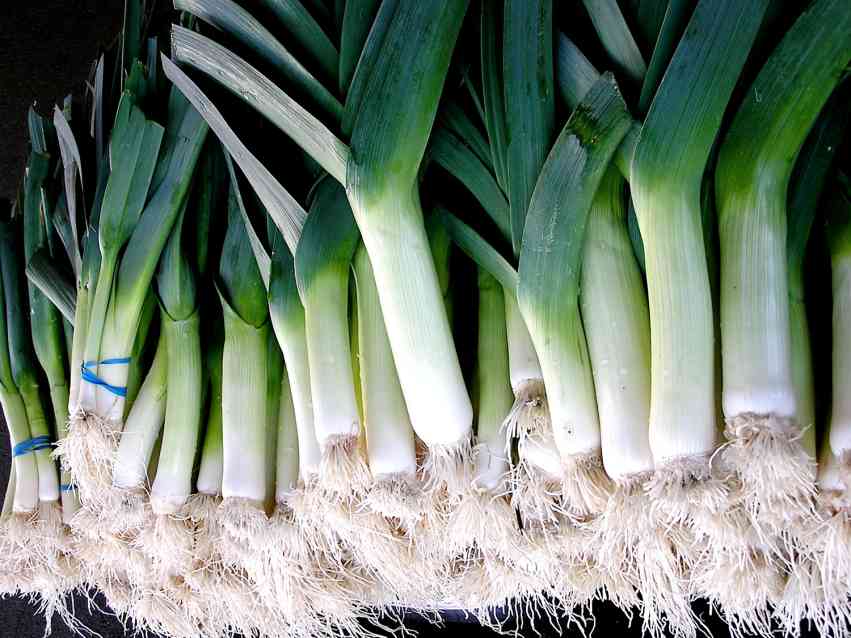
Leeks are the marathon runners of the onion family, requiring 100+ days from seed to harvest but rewarding patience with sweet, mild flavor. Start from transplants in fall, or direct sow for harvest the following year. These hardy plants survive harsh winters with minimal protection.

‘American Flag’ produces thick, white shanks with blue-green leaves and classic leek flavor. Hill soil around the stems as they grow to create longer white portions, and harvest as needed through winter and into spring.

Also Read: How to Use Epsom Salt for Tomato Plant?

Conclusion

Don’t let the calendar fool you into thinking the growing season is over.

From quick-maturing radishes ready in just three weeks to garlic that will reward your patience next summer, September offers something for every gardener’s timeline and taste.

The vegetables you plant now will not only extend your harvest but often taste better than their summer counterparts, thanks to the natural sugar concentration that cool weather brings.

States sue Trump administration after more hospitals stop treating transgender youth : Shots

0

Transgender rights activists hold signs as they march through the University of Montana campus on May 03, 2023 in Missoula, Mont.

Justin Sullivan/Getty Images


hide caption

toggle caption

Justin Sullivan/Getty Images

A coalition of 16 states and the District of Columbia sued the Trump administration Friday over what they describe as an “unconstitutional pressure campaign” to stop doctors and hospitals from providing gender-affirming care to transgender youth.

“The federal government is running a cruel and targeted harassment campaign against providers who offer lawful, lifesaving care to children,” New York Attorney General Letitia James wrote in a statement. “We will never stop fighting for the dignity, safety, and basic rights of the transgender community.”

The lawsuit, filed in federal court in Massachusetts, argues the Trump administration is trying to effectuate a de facto national ban on gender-affirming care for youth, even though there’s no federal statute that prohibits the care.

“They are definitely trying to chill and coerce and bully and intimidate with threatened criminal prosecution,” said California Attorney General Rob Bonta during a press conference Friday.

The complaint argues the White House and Justice Department have carried out the intimidation of both doctors and hospitals by issuing subpoenas, threatening criminal prosecution, launching investigations and demanding private patient data.

“The result is an atmosphere of fear and intimidation experienced by transgender individuals, their families and caregivers, and the medical professionals who seek only to provide necessary, lawful care to their patients,” the lawsuit states.

The Trump administration is using a law that makes it a felony to perform female genital mutilation on anyone under 18 to threaten legal action against providers and hospitals; U.S. Attorney General Pamela Bondi wrote that it applies to certain types of gender-affirming surgery — even though it’s extremely rare for transgender minors to have surgery.

The Department of Justice has also cited laws meant to stop Medicaid fraud, and food and drug safety laws. The reasoning being that hormone therapy is a drug, and it is being misused.

Bonta dismissed that legal reasoning out of hand.

“They are definitely waging the culture wars, they are definitely playing politics. What they’re not doing is practicing law,” Bonta added.

NPR reached out to federal officials for comment. In an emailed statement, the White House said President Trump has the authority to stop treatment that it describes as “mutilation and chemical castration of children.”

The statement went on to say the administration expects “ultimate victory” on this issue.

Families of transgender young people sued Trump over access to care in early February in a case called PFLAG v. Trump. That litigation is ongoing.

The new complaint points out that professional medical organizations support the provision of this care, including the American Academy of Pediatrics and the American Medical Association.

Republican lawmakers and state attorneys general have challenged the basis of those recommendations, arguing that the evidence used to support them is insubstantial.

The Trump administration’s Department of Health and Human Services published its own review of the evidence, which concluded that gender-affirming care for youth should be curtailed. The AAP and the AMA have stood by their  positions.

Several prominent clinics offering gender-affirming care at children’s hospitals have closed in recent weeks as a result of the Trump administration’s actions, including one in Los Angeles and another in Washington, D.C.

Those closures are happening in places where the care is legal.

Since 2021, more than half of U.S. states have banned gender-affirming care for youth. The Supreme Court recently ruled that Tennessee’s ban did not violate the Constitution.

In some rural states as well, hospitals are shutting down the clinical programs, forcing patients and their parents to travel much farther for care, if they can find it.

In Montana, Community Medical Center in Missoula was the last hospital offering care for transgender youth, until it closed its gender clinic in June. The hospital cited the state and federal regulatory environment.

Some private pediatricians are still offering this care, but the families NPR spoke to were unaware of who they were.

For some patients and families, the hospital’s decision felt like a betrayal.

“I feel it’s their job as health care providers, is to stand up to this and to say this is care that saves lives, which they didn’t do,” said Liz, 18, a patient from Missoula. NPR agreed to identify Liz by her first name only, because she fears for her safety because she’s transgender.

Liz plans to drive to Seattle Children’s for care, but doesn’t assume she’ll be able to continue treatment there.

“They’re going to see even more of an influx of patients, and can they take that many people? How far out does their waitlist become?” she said.

Seattle Children’s didn’t respond to an interview request about its plans to continue serving transgender kids.

Community Medical Center’s decision also hit hard for E’s family in Missoula. E’s daughter is transgender and about a year away from puberty. They had planned to start puberty blockers, and eventually use hormone replacement therapy.

NPR has agreed to identify E by her middle initial only because she worries about harassment and violence against her family.

It was hard to tell her daughter that the hospital had stopped treatment, E said.

“To her, it wasn’t even a thought [that] it wouldn’t happen. She was like, ‘I’m a girl, so when I go through puberty, I’m going through girl puberty,'” E said.

President Trump and the Republican party campaigned on anti-trans messages in the last election.

On inauguration day in January, Trump declared through executive order that there are only two sexes, which are determined at conception and are unchangeable. He then signed another executive order entitled “Protecting Children From Chemical and Surgical Mutilation.”

The executive order reads: “Across the country today, medical professionals are maiming and sterilizing a growing number of impressionable children under the radical and false claim that adults can change a child’s sex through a series of irreversible medical interventions.” This trend, it continues, “must end.”

The Trump administration has also targeted schools and hospitals that affirm transgender youth, limited the participation of trans people in sports and the military, required that passports reflect a person’s sex at birth and canceled millions in funding for LGBTQ+ health research. Some of these efforts have been challenged or blocked in the courts.

21 of the Best Cotoneaster Varieties for Your Landscape

0

Semi-evergreen types will remain evergreen in warmer locations, and drop their leaves in cooler growing zones.

In our guide to growing cotoneaster, you’ll learn that they’re very easy to care for – a little spring pruning for shape if needed, and that’s about it for maintenance!

Sound like a plant-and-forget shrub your garden needs?

Then join us now for a look at 21 of the best cotoneaster varieties for ground covers, hedges, and more!

Here they are:

21 of the Best Cotoneaster Varieties for Your Garden

It should be noted that some species have escaped garden cultivation and are considered invasive in certain coastal areas in North America such as British Columbia, California, the Great Lakes states, Hawaii, and the Pacific Northwest, as well as in parts of Australia, New Zealand, and western Europe.

You may wish to check with your local extension office or the USDA invasive plants list before planting, to ensure that your chosen variety is not considered invasive in your area.

1. Bearberry

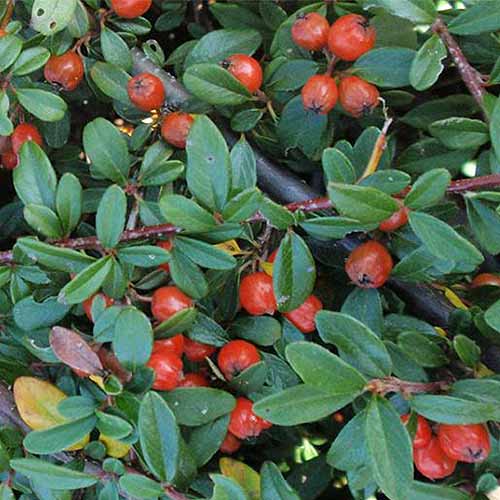
Bearberry, C. dammeri, has low, trailing stems that grow up to 10 feet long, with a height that ranges from six to 24 inches.

An evergreen, the ovate leaves are deep green and glossy, turning reddish-purple in the fall. The stems are covered with a showy display of single white flowers in late spring followed by bright red berries through fall and winter.

Bearberry cotoneaster is a versatile shrub that can be used for borders, ground covers, atop retaining walls, or for soil stabilization. Hardy in Zones 5 to 9, plants are semi-evergreen in colder areas.

A close up square image of C. dammeri 'Coral Beauty' growing in the garden.

‘Coral Beauty’

‘Coral Beauty’ features lovely, coral pink berries and reaches mature dimensions of 18 to 24 inches tall with a spread of five to six feet.

You can find plants in #1 containers available at Nature Hills Nursery.

2. Black-Fruited

The black-fruited C. melanocarpus is a mid-sized shrub with a rounded form and is extremely drought tolerant once established.

A close up horizontal image of the bright reddish-orange foliage and dark purple fruit of C. melanocarpus growing in the garden pictured in bright sunshine.A close up horizontal image of the bright reddish-orange foliage and dark purple fruit of C. melanocarpus growing in the garden pictured in bright sunshine.

Abundant panicles of pinky-white flowers appear in late spring and pomes emerge as deep orange or red, then ripen to a rich, purplish black.

The glossy, ovate leaves shine in blazing shades of orange, red, and yellow in fall.

Suitable for cultivation in Zones 3 to 7, black-fruited cotoneaster is a deciduous shrub used for borders, hedges, and bank stability. It has a height and spread of four to eight feet.

3. Cranberry

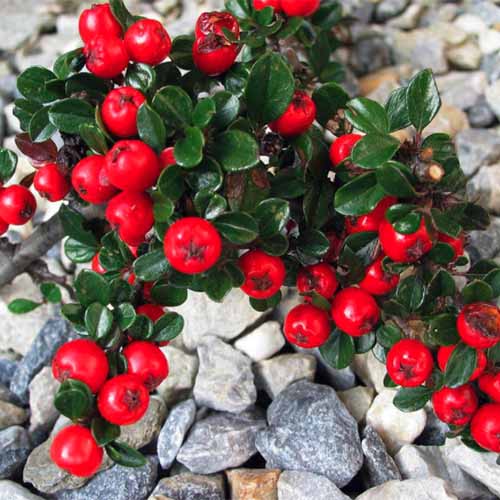
Cranberry cotoneaster, C. apiculatus, is low and sprawling with fine-textured foliage and long, trailing stems. Plants grow up to 18 inches tall and spread three to six feet.

Pink blooms appear in spring, then a profusion of bright red berries in fall, with round, glossy leaves that turn red to burgundy in autumn.

A close up square image of C. apiculatus aka cranberry cotoneaster growing in a rocky location in the garden.A close up square image of C. apiculatus aka cranberry cotoneaster growing in a rocky location in the garden.

Cranberry Cotoneaster

This deciduous species is a beautiful choice for a low barrier, ground cover, rockeries, or for slope and bank stabilization. Plants are suitable for cultivation in Zones 4 to 7.

You can find plants in #1 and #3 containers available at Nature Hills Nursery.

4. Creeping

C. adpressus, aka creeping cotoneaster, are compact deciduous plants with trailing stems that reach up to six feet long with a height of only 12 inches.

Pinky red flowers are followed by dark red berries and deep burgundy fall colors. This species is hardy in Zones 4 to 7 and is highly drought tolerant once established.

Most effective when used for borders, ground covers, and in rockeries. It’s also a popular choice for topiary and bonsai.

A close up square image of the foliage of C. adpressus 'Tom Thumb' growing in the garden, pictured in light sunshine on a dark soft focus background.A close up square image of the foliage of C. adpressus 'Tom Thumb' growing in the garden, pictured in light sunshine on a dark soft focus background.

‘Tom Thumb’

‘Tom Thumb’ is a dense, dwarf cultivar with tiny leaves and smaller-than-average fruit.

Plants are available in one-gallon containers at Nature Hills Nursery.

5. European

A good choice for regions with cool summers, the deciduous European species, C. integerrimus, has a multi-stemmed, upright growth of five to eight feet with a similar spread.

A close up horizontal image of the small white flowers and green leaves of C. integerrimus pictured in light sunshine.A close up horizontal image of the small white flowers and green leaves of C. integerrimus pictured in light sunshine.

In late spring, the stems are covered with attractive, small cream flowers and dense foliage, then an abundance of rose-colored berries.