49.9 F
Klamath Falls
Saturday, March 14, 2026
Home Blog Page 105

The Surprising Benefits of Baking Soda 

0

If you’re anything like me, you probably have a box of baking soda tucked away in your pantry. Maybe you use it for baking, cleaning, or deodorizing the fridge. I recently did a deep dive and discovered that baking soda actually has some pretty impressive health benefits. It may even be one of the most overlooked wellness tools out there.

I started experimenting with baking soda ( aka sodium bicarbonate) as part of my wellness routine. The results so far have been fascinating. Baking soda has a variety of benefits, from improving energy and endurance to supporting pH balance and even sleep. This unassuming ingredient may have far more to offer than we give it credit for.

This article explores what I’ve learned, what the science has to say, and how I’m using baking soda in my daily routine. 

Why Baking Soda Matters for Your Body

Baking soda isn’t just for baking cookies (although they are delicious!). It’s a natural compound already found in our bodies and plays a key role in maintaining acid-base balance, or pH. Our blood pH is tightly regulated between 7.35 and 7.45, and our bodies work hard to keep it in that range. Sometimes even pulling minerals from bones or other tissues to maintain balance.

This is where baking soda comes in. It acts as a buffer to neutralize excess acids in the body. Modern life throws a lot at us that can push us toward being more acidic, including intense exercise, stress, processed foods, and even infections. Supporting the body’s natural buffering system can help restore balance. And as I’ve found, it can also improve how we feel and function on a daily basis.

Take a Deep Breath

What fascinated me most is how baking soda interacts with carbon dioxide (CO2) and oxygen delivery. We often hear about the importance of getting enough oxygen, but CO2 plays a critical role in making sure oxygen actually gets into our tissues. Through a process called the Bohr effect, higher CO2 levels help red blood cells release oxygen where it’s needed. These include places like your brain, muscles, and mitochondria (the cell’s energy factories).

Many of us are unintentionally under-breathing, breathing too shallowly, too quickly, or mostly through the mouth. This lack of air intake can then lower CO2 levels and impair oxygen delivery. Baking soda supports CO2 balance, which in turn may help improve energy, focus, and endurance.

Baking Soda for Energy and Endurance

One of the first things that caught my attention when researching baking soda was how it’s been used in the athletic world. It was once even banned by the World Anti-Doping Agency (WADA) as a performance-enhancing substance. Studies show baking soda can stave off fatigue and improve endurance. It’s no longer banned though since it’s a natural, common substance.

After intense exercise lactic acid builds up in the muscles, causing that familiar burning sensation and eventually fatigue. Baking soda buffers this acid to help delay muscle fatigue. A 2013 meta-analysis in the Journal of Strength and Conditioning Research confirmed these results. They found that supplementing with baking soda improves short-term, high-intensity exercise performance in elite athletes. 

You don’t have to be an elite athlete though to experience positive effects from baking soda!

Mitochondria, Oxygen, and pH Balance

Beyond athletic benefits, baking soda’s effects go much deeper, even down to the cellular level. Our mitochondria thrive in a very narrow pH range and need proper oxygen delivery to make ATP (energy). By helping balance CO2 and pH, baking soda may help boost mitochondrial efficiency for more lasting energy.

When I first started experimenting, I noticed clearer thinking, steadier energy, and improved workout recovery. Personally I feel that’s worth paying attention to, especially since this is one of the cheapest wellness tools out there.

Anti-Inflammatory and Immune Support

You may not think of immune health when you think of baking soda, but it may deserve a spot next to your elderberry syrup. 

A 2018 study in the Journal of Immunology found that sodium bicarbonate activates anti-inflammatory pathways through the spleen. It seems to shift the balance of immune cells, reducing pro-inflammatory macrophages and increasing anti-inflammatory T-cells.

The same study also showed some evidence that baking soda can reduce inflammatory cytokines in those prone to autoimmune disease. It may even support the vagus nerve, which is key for calming the nervous system. As someone who has dealt with autoimmune issues in the past, it’s something I’m trying to keep at bay. 

While human research is still limited, I’ve found that when I take baking soda consistently, I feel calmer and less inflamed. This is just my own experience, but the science backing it up is promising.

Kidney and Digestive Support

Medical experts have used baking soda for years in specific situations. Doctors sometimes prescribe it to slow the progression of chronic kidney disease by reducing the body’s acid load. A study in the Journal of the American Society of Nephrology showed it slowed down kidney decline and reduced the need for dialysis in some patients.

It’s also a well-known quick fix for occasional heartburn or acid reflux because it neutralizes stomach acid. However, I don’t recommend using it very often for this. Long-term, we want to support healthy stomach acid, not unnecessarily reduce it.

Some people also use baking soda to alkalize urine and discourage bacterial growth in urinary tract infections (UTIs). I’ve had friends use this in a pinch while traveling, and it worked surprisingly well for them.

Better Sleep and Stress Support

Another baking soda benefit that surprised me was how it can help with sleep and relaxation. Research suggests it can increase nitric oxide production, which improves blood flow. Drinking a little bit in water throughout the day has been linked to better sleep quality and fewer bathroom trips at night. 

I’ve used baking soda baths on occasion for years to help with detox, especially combined with Epsom salts. A 20 minute soak is really relaxing, supports detox, and reduces stress. Many of the studies done on baking soda’s benefits used it as part of a warm bath. 

On nights after tough workouts, this bath routine feels amazing and seems to help me fall asleep faster.

Oral Health Benefits

One of it’s more popular and well known uses, baking soda is great for oral care. Baking soda is already a popular ingredient in natural toothpaste because it helps alkalize the mouth and whiten teeth. It can help reduce acidity in the mouth and support a healthy oral microbiome.

That said, it’s important to use it correctly. Too much can be abrasive or overly alkalizing. If you’re looking for a natural toothpaste that uses a balanced amount of baking soda, here’s what I use. More of the DIY type? Here’s my remineralizing toothpaste recipe. 

How I Use Baking Soda

While I do focus on movement and working out, I’m not an elite athlete taking huge doses. Some athletes work up to tablespoons at a time, which can cause digestive distress if you’re not careful. What I’m doing is much more modest, about ½ teaspoon in water once or twice a day. Sometimes I’ll add an extra dose before a workout. So far, I’ve noticed better endurance, quicker recovery, and less muscle soreness.

Here’s more on how I’m using baking soda in my daily routine

  • Orally– I drink ½ teaspoon of baking soda in water on an empty stomach, about 30 minutes before breakfast. Sometimes I’ll take another ½ teaspoon mid-afternoon or pre-workout, especially on high-intensity workout days.
  • Baths – A mix of Epsom salts and baking soda in a warm bath for 20 minutes. This feels really good on days where I’ve been more active or stressed!
  • Oral care – The natural toothpaste I use everyday has baking soda.

A Few Precautions

Even though baking soda is natural and inexpensive, more is not always better. High doses can cause nausea, bloating, or diarrhea. People with certain health conditions, especially kidney or heart issues, should talk to their healthcare professional first.

If you want to try it, start small and see how your body responds. A tiny amount can have a surprisingly big effect. And yes, it tastes salty and not particularly pleasant in water. I sometimes add a squeeze of lemon juice or a pinch of sea salt to make it more palatable.

I also make sure to take this away from meals because baking soda can temporarily reduce stomach acid, and I want strong stomach acid for digestion.

Final Thoughts On Baking Soda’s Benefits

Baking soda might just be one of the most underrated wellness tools out there. By supporting pH balance, CO2 levels, and mitochondrial function, it can improve energy, endurance, and even sleep—all for just pennies a day.

As always, be sure to do your own research before starting any new supplement. It’s also a good idea to start small and listen to your body. This simple addition has been a game-changer for my energy, workout recovery, and even mental clarity. And the best part is it’s probably already in your pantry! 

Have you ever used baking soda before? What are your favorite ways to use it? Leave a comment and let us know!

27 of the Best Xerophytes to Grow in a Water-Wise Garden

0

They’ll send out offshoots to continually self-propagate, but after they bloom, the parent plant will die off. Be prepared to remove dead specimens as they wither.

Learn how to grow kalanchoe in our guide.

12. King Sago

Sometimes referred to simply as sago palm or Japanese sago, the king sago (Cycas revoluta) isn’t a true palm, it is a cycad. This living fossil has been around since dinosaurs roamed the Earth.

A horizontal image of a sago palm (Cycas revoluta) growing in the landscape.

It’s extremely slow-growing and can sometimes take more than 50 years to reach its mature height of about 15 feet. In xerophytic gardens, it’ll normally remain more compact at five to eight feet in height.

One of the key differences between cycads and some types of palms is reduced water consumption in the former, so a king sago can be grown in arid regions more easily. However, in regions with very harsh sunlight, they prefer some shade.

Some palm trees such as the date palm (Phoenix dactylifera), which is best known for the date fruits it produces, are also xerophytic and can withstand extended drought conditions.

King sagos are beautiful specimens. Long, palm-like leaves sprout from the top of a roughly textured trunk and these can sometimes reach five to seven feet in length.

Male plants produce a reproductive structure that resembles a yellow cone up to two feet in length, while females produce a fuzzy globe full of orange seeds.

King sago is suitable for cultivation in Zones 8 to 11. It’s super hardy down to about 15°F and can sometimes withstand temperatures even lower.

This species can also hold up to temperatures well over 100°F, but it may need some shade.

Note that this specimen is known to contain toxins, so keep people and pets away.

A close up square image of a sago palm (Cycas revoluta) growing in the garden.A close up square image of a sago palm (Cycas revoluta) growing in the garden.

Sago Palm

Pick up a sago palm in a three-gallon container from Fast Growing Trees.

You can learn more about sago palms here.

13. Moss Rose

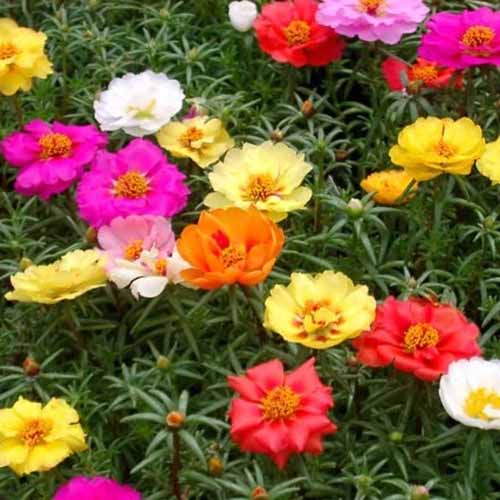
These easily recognizable, ferny semi-succulents with brightly colored blooms often go by another name – portulaca (Portulaca spp.).

Native to Brazil, Argentina, and other semi-arid regions, it makes sense that they’re xerophytic.

While they’re not quite as conservative in their water consumption as some of the other species we’ve covered, they do store water in their leaves and stems, and enjoy full sun, heat, and well-drained soil.

A horizontal image of reddish orange moss rose flowers growing in a garden border.A horizontal image of reddish orange moss rose flowers growing in a garden border.

Common purslane (P. oleracea) is a close relative, which you might be fighting to keep off of your driveway or sidewalk – but don’t fight too hard, because it’s edible!

One of the most popular species, P. grandiflora, thrives in Zones 4 to 10. It’s a low-growing type that reaches only eight inches or so at full height.

Because it spreads, this species can create a wide carpet of protection over dry ground where little else grows – sometimes several feet in width.

You’ll see blooms of red, yellow, orange, white, or magenta opening in the summer months, and a lovely blue-green mat of delicate foliage at other times of year.

In warmer regions they’re considered evergreen perennials. But in gardens north of Zone 8, they’ll die off in the winter.

A square image of colorful moss rose flowers growing in the garden.A square image of colorful moss rose flowers growing in the garden.

Moss Rose

Packets of moss rose seeds with double blooms in a mix of colors can be purchased from Eden Brothers in one ounce and quarter pound sizes.

Learn more about moss rose care here.

14. Mugo Pine

Pine trees are often xerophytic, but can be huge when mature, and not everyone has space for a specimen of such proportions.

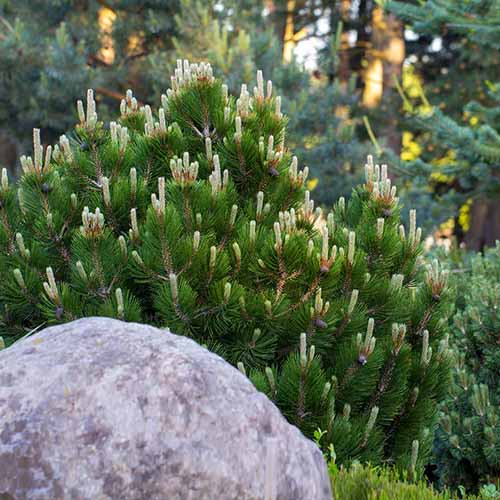
For a smaller garden or landscape, a mugo pine (Pinus mugo), or dwarf mugo pine cultivar such as ‘Compacta,’ can be a blessing.

A horizontal image of a mugo pine growing in a rock garden pictured on a blue sky background.A horizontal image of a mugo pine growing in a rock garden pictured on a blue sky background.

Another benefit offered by this shrubby species is its range. If the intended site is within Zones 2 to 8, it’ll grow almost anywhere, but it is particularly at home in dry, rocky, mountainous regions as a native of central Europe.

Full sun or partial shade is preferred.

A low-maintenance, structurally gorgeous pine like this can easily become the anchor for a bed full of shape and color, or as a windbreak.

Let it grow freeform and create thick, needle-laden branches with upright pinecones developing at the tips in the fall, or prune it for an effect similar to bonsai.

Mugo pines will typically reach about 20 feet in height at maturity, though they’re very slow growing. Dwarf ‘Compacta’ typically tops out at no more than about four feet.

A close up square image of a dwarf mugo pine growing in the garden.A close up square image of a dwarf mugo pine growing in the garden.

Dwarf Mugo Pine

Pick up a dwarf mugo pine (P. mugo var. pumilio) in one- or three-gallon containers from Fast Growing Trees.

We delve deeper into growing mugo pines here.

15. Muhly Grass

Muhly grass (Muhlenbergia spp.) might resemble cotton candy clouds like something out of Willy Wonka’s edible landscape, but these fluffy puffs are much tougher than they seem.

A horizontal image of bright pink muhly grass growing in a garden border.A horizontal image of bright pink muhly grass growing in a garden border.

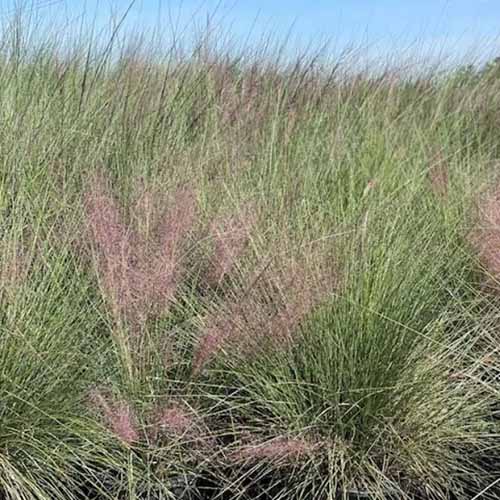
The soft, misty panicles can range in color from green to white, or even dreamy reddish pink as seen in pink muhly grass, aka M. capillaris.

More than 150 different varieties of muhly grass exist, so you’re bound to find a perfect one for your needs.

Whether you have clay, sand, or even fire-scorched earth, this ornamental grass will thrive. Sometimes, it thrives so much that it spreads out of bounds, so keep an eye out for the semi-invasive tendencies.

Heat, pests and diseases, deer and wildlife, drought, salty soil – nothing seems to phase it. Add it as a border in an area where the sun sets behind it for a blaze of magical color.

Muhly grass is also right at home in beds, as a living fence, in rock gardens, and in so many other places.

Most types can reach heights of up to four feet with a similar spread in Zones 6 to 11.

A square image of Regal Mist pink muhly grass growing in a field.A square image of Regal Mist pink muhly grass growing in a field.

Regal Mist® Pink Muhly Grass

You can pick up Regal Mist® pink muhly grass in #5 containers from Nature Hills Nursery. This cultivar is also known as ‘Lenca.’

16. Olive

If you’re looking for a grand-scale specimen that provides shade, structural interest with a gorgeous, gnarly, twisted trunk, and a potential food source as well, then an olive tree (Olea europaea) might be exactly right.

A vertical image of a large olive tree growing in the landscape with the setting sun in the background.A vertical image of a large olive tree growing in the landscape with the setting sun in the background.

Olive trees are available in fruiting or ornamental types, so if the form is appealing but the fruit is not, you have options.

These trees have been cultivated in arid regions, like the southern Mediterranean and the Sahara Desert, throughout recorded history.

Most develop a single trunk, but some, like the ‘Manzanillo’ olive, can develop multiple trunks. They have wide canopies, reaching about 25 feet in width with an equal height.

Grow shade-loving xerophytic herbs like sage, rosemary, and thyme under the canopy or brighten up the planting area with suitable flowers.

Gardeners in Zones 8 to 11 can grow most types of olive trees, since they need full sun, long, hot summers, and sandy, well-drained soil.

‘Mission,’ for example, is one cultivar that can tolerate lows to about 8°F, so this is a good choice for growing a bit further north.

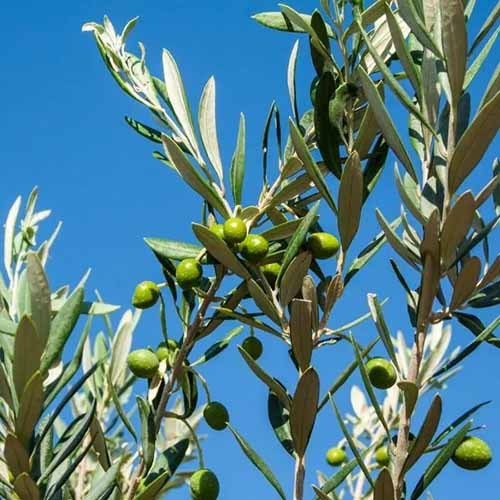
A square image of the foliage and fruits of a 'Manzanillo' olive tree pictured on a blue sky background.A square image of the foliage and fruits of a 'Manzanillo' olive tree pictured on a blue sky background.

‘Manzanillo’

A fruiting ‘Manzanillo’ in a #1 container is available from Nature Hills Nursery.

‘Manzanillo’ olive trees are of Spanish origin, and the fruits of this cultivar have been developed for meaty flesh, an easy to remove pit, and uniform shape and color. It’s the most popular olive in the world for commercial production.

Fruits are produced in the fall, following a flush of small, white blooms. The foliage remains evergreen.

‘Swan Hill’ is a cultivar that was bred for beauty without producing olives.

It has the same lovely, gnarled trunk and evergreen foliage as other varieties but it produces a very minimal quantity of pollen, so allergy sufferers may want to consider this as a possible choice.

Learn how to grow olive trees here.

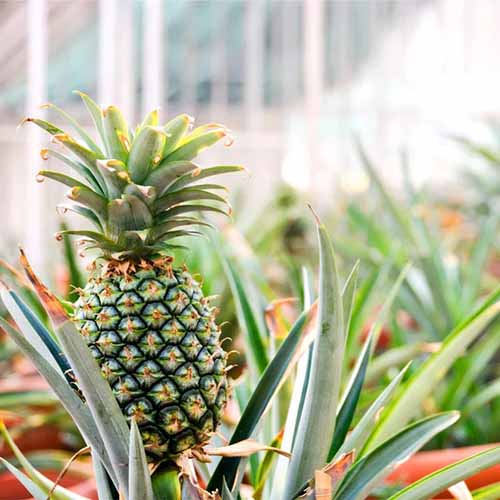
17. Pineapple

Did you know that pineapple plants (Ananas spp.) are succulents in the bromeliad family, Bromeliaceae? Well, they are, and they’re also xerophytes!

A horizontal image of an ornamental red pineapple growing in the garden.A horizontal image of an ornamental red pineapple growing in the garden.

Even though the foliage of a pineapple plant isn’t typically as colorful as that of most other bromeliads, the developing fruits are both colorful and gorgeous.

Plus, you get pineapples – that’s a pretty good reason to include them in your garden, right?

It can take about two years for a fruit to fully develop, but in that time, the large, toothed leaves can grow to between three and six feet in height with about the same spread.

Several of these grouped together as the background for a brightly planted bed can make a stunning architectural backdrop.

Ornamental species such as the red pineapple (Ananas bracteatus) offer all of the beauty and smaller, less fleshy fruit – though it is still technically edible.

Provide full sun and sandy loam for pineapples.

A square image of a Sugarloaf pineapple growing in a pot in a greenhouse.A square image of a Sugarloaf pineapple growing in a pot in a greenhouse.

Sugarloaf Pineapple

You can find A. comosus ‘Florida Special’ aka Sugarloaf pineapple available in one- and three-gallon containers from Fast Growing Trees.

Our guide to growing pineapples has more information.

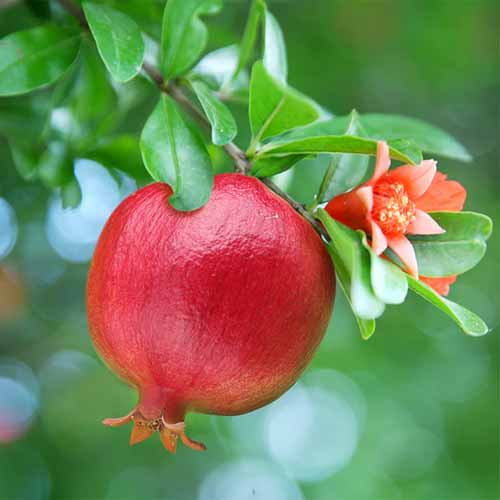
18. Pomegranate

Pomegranates (Punica granatum) are attractive, functional, and productive.

These ancient trees have been cultivated since the Bronze Age, from the first recorded species that appeared in the Middle East.

During the hottest, driest times of year, it’s best to offer some water to prevent cracked fruit, but otherwise, they’re very conservative in their needs.

A close up horizontal image of a large pomegranate tree laden with fruit growing in the backyard.A close up horizontal image of a large pomegranate tree laden with fruit growing in the backyard.

Ornamental pomegranate trees are also a possibility, if you’d like the appearance without the edible fruits.

Cultivars such as the dwarf ‘Nana’ produce showy blooms, pretty green foliage, and inedible, mini fruits that add interest throughout the fall and winter in warm climates.

Less space is needed to grow them as well – maximum mature height is only three to four feet.

Both the dwarf and full-size species plant and cultivars can typically withstand temperatures in Zones 7 to 11, as long as they’ve got a nice sunny spot and well-drained, sandy soil.

Surround them with flowers or succulents in tones of blue and green for a stunning pairing.

‘Texas Pink’ reaches a modest height of just 15 feet at maturity and bears pink globe-shaped fruit.

A square image of a 'Texas Pink' pomegranate growing in the garden pictured on a soft focus background.A square image of a 'Texas Pink' pomegranate growing in the garden pictured on a soft focus background.

‘Texas Pink’ Pomegranate

You can find ‘Texas Pink’ pomegranates in a variety of sizes at Fast Growing Trees.

Learn more about growing pomegranates here.

19. Prickly Pear Cactus

Another that offers both form and function is the prickly pear cactus (Opuntia spp.) also known as opuntia, paddle cactus, and Indian or Barbary fig.

Prickly pear fruits and pads are edible, so in a garden that’s designed to pull double duty, offering water-thrifty beauty and food, these true cacti fit the bill.

A horizontal image of prickly pear (Opuntia) cacti growing in a xerophytic garden.A horizontal image of prickly pear (Opuntia) cacti growing in a xerophytic garden.

We have dedicated guides with full instructions for you on harvesting both the pads, or nopales, and the fruits, or tunas, including how to process these tasty treats.

Opuntia species are indigenous to North, Central, and South America, and can withstand incredibly long periods of drought, intense sunshine, high heat, and sometimes, frost or even snow.

Plant in full sun and sandy substrate with good drainage. Avoid overwatering as too much water can cause prickly pear plants to weaken and lose structural integrity.

FDA considers removing warning labels on hormone replacement therapies : Shots

0

Treatments and best practices on when to prescribe hormone therapy and what medications to use have evolved in recent years.

MStudioImages/E+/Getty Images


hide caption

toggle caption

MStudioImages/E+/Getty Images

When obstetrician JoAnn Pinkerton spoke on a Food and Drug Administration panel recently, she didn’t mince words.

“Please stop harming women,” she said.

Pinkerton argues that the FDA’s black box warning labels on hormone replacement therapies make women reluctant to take medications that can be beneficial for treating the symptoms of menopause.

Pinkerton was one of 12 doctors — many of them experts in obstetrics and women’s health — who asked the FDA to remove the warning labels for vaginal low-dose estrogen treatment.

The medication is typically prescribed to women to mitigate symptoms of menopause or perimenopause. Unlike other systemic hormone therapy treatments that are absorbed by the whole body, it is delivered locally — through a patch, a cream or a ring.

The black box warning is the strongest safety label the FDA can put on a prescription medication. And Pinkerton and others argue that such a warning for low-dose estrogen treatment is unnecessary.

The medication is often prescribed to prevent or address symptoms associated with menopause, including frequent urinary tract infections, vaginal dryness and pain during sexual intercourse.

“ The boxed warning is not supported by science,” says Pinkerton. “It overstates risk.”

Pinkerton described a recent patient suffering from such symptoms, for whom she had written a prescription. She pulls out the tube, “and it says warning: Endometrial cancer, cardiovascular disorders, probable dementia and breast cancer. And she looks at it, her partner or spouse looks at it and they throw it in the trash,” Pinkerton recounts.

A pendulum swing toward HRT

The consensus from the medical establishment on the safety of hormone treatment for menopause has changed dramatically in recent decades. In 2002, researchers partly halted a large study on women’s health — the Women’s Health Initiative — out of concern that hormone therapy was associated with increased risk of cancer and stroke. Breast cancer was a particular concern. Since then, researchers and doctors have determined the cancer risk was overstated.

Treatments and best practices around when to prescribe hormone therapy and what medications exactly to prescribe have evolved in recent decades.

Many doctors in women’s health have advocated for this change for years without success.  Recent studies suggest the cancer risks of some hormone therapies are quite low and there are significant benefits for women going through menopause. This is a pet issue for Dr. Marty Makary — the current FDA commissioner. Makary is a surgeon, not an obstetrician. He convened the panel.

“Fifty million-plus women have not been offered the incredible potential health benefits of hormone replacement therapy,” Makary said in opening remarks at the panel, “because of medical dogma.”

Makary said his own family could have benefited from this treatment when it fell out of favor with the medical establishment.

“ One of those women was my mother,” he said, “who went through perimenopause around that time.”

Obstetricians and gynecologists interviewed for this story agreed they would like to see the black box label removed for low-dose vaginal estrogen treatments that carry lower cancer risk.

“ I usually will make a little joke about, hey, we’ve been working for many years to try to get that black box warning removed, but you know how slow government things can take,” said Dr. Monica Christmas, who regularly prescribes such treatments to her patients. Christmas is an OB-GYN who is also the associate medical director for The Menopause Society.

Christmas expressed reticence, however, about removing labels for systemic estrogen, which carries a different risk profile for cancer.

“ For the vast majority of people, the risk is low, even for systemic hormone therapy,” said Christmas, “but it’s not zero.”

Christmas said the black box warning can prompt doctors and patients to have necessary conversations about the risks and benefits of such medications.

The FDA panel focused primarily on low-dose estrogen, but Makary also hinted at removing the label for systemic therapy, mentioning the benefits as suggested in some studies for reduced risk of osteoporosis, among others.

“We want to learn from all of you,” Makary said to the panel members, “help guide us as we think through what should be done here at the FDA.”

“This was theater, not scientific evaluation”

The panel was a departure from typical decision-making at the FDA.

“This was theater, this was not scientific evaluation,” said Adriane Fugh-Berman,a professor of pharmacology at Georgetown University. Fugh-Berman is skeptical of removing such labels and points out that the FDA usually has a more rigorous process to inform these kinds of changes.

“That process is being undermined and distorted,” she said.

(Fugh-Berman has worked as a paid expert witness in litigation against pharmaceutical companies accused of overselling the benefits of hormone therapy and contributing to breast cancer.)

FDA decision-making often involves a period of public input. Committees are appointed to study issues and make recommendations. Fugh-Berman said she would have preferred to see a period of public comment as well as an expert committee that included a wider range of experts such as epidemiologists, oncologists and experts in public health.

Representatives from the FDA did not respond to a request for comment on this story or offer comment on future steps in a potential process to remove the warnings from prescriptions.

At least one obstetrician celebrated the increased attention to this issue, even if it came through an unconventional process.

“I was very happy,” said Rachel Rubin, a urologist with a specialty in sexual medicine. Rubin was also a panel member. “ The fact that the head of the FDA wants to be talking about this topic is extraordinary and something we’ve all been dreaming about,” she says.

 Rubin acknowledged the departure from the level of rigor to which the FDA usually adheres.

“Were there voices missing? Of course,” she says. But given this opportunity, she said, it’s worth showing up to “fight for something you’ve been fighting for for decades.”

OB-GYN Monica Christmas wouldn’t say whether she thought the composition of the panel should have been different or the process more rigorous. But she did express concern that enthusiasm for hormonal treatment for menopause may be eclipsing the necessary risk-benefit analysis that patients and doctors need to make when considering these medications.

“Hormone therapy has become synonymous with menopause,” she says. And she cautions that women should rule out other issues before they jump to hormone therapy.

“It’s almost like, ‘Oh, I’m in menopause,'” says Christmas, “I should have to be on hormone therapy for all of these magical or mystical benefits.”

Episode 183: Roses You Won’t Regret

0

Tried-and-true roses for your garden

Roses may be the most controversial plant out there. Gardeners of all types have very strong opinions about them, both positive and negative. In this episode we’re discussing the most reliable, low-maintenance, and high-performing rose varieties for those of us who crave beauty without the fuss. These standout selections offer impressive disease resistance, long bloom periods, and lush fragrance—without demanding constant care. From classic hybrid teas to bombproof species roses, this list proves that growing roses doesn’t have to be an exercise in frustration.

If you’ve shied away from roses (or been burned by them in the past), find out about some tried-and-true choices that deliver season after season, making them a smart and satisfying addition to any garden. 

Expert: Adam Glas is a garden supervisor and rosarian at the Scott Arboretum of Swarthmore College. You can find his excellent Mid-Atlantic regional reports for FineGardening.com filed here: Adam Glas author page. 


Danielle’s Top Rose Picks

  • Graham Thomas® rose (Rosa Ausmas’, Zones 5–9) 
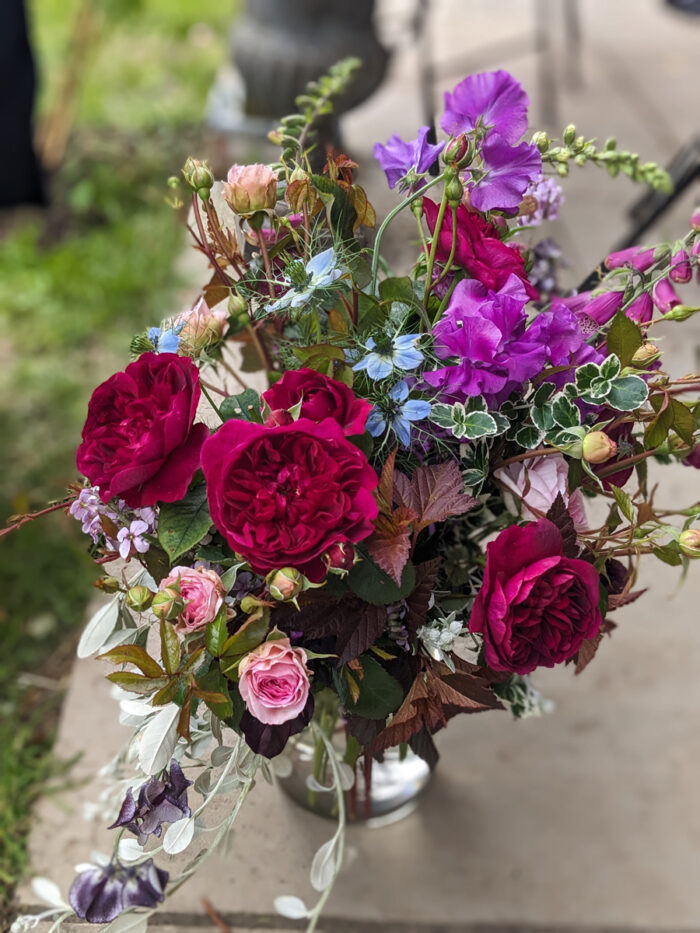
  • ‘Darcey Bussell’ rose (R. Darcey Bussell’, Zones 5–11) 
  • ‘Desdemona’ rose (R. ‘Desdemona’ syn. R. ‘Auskindling’, Zones 5–11) 
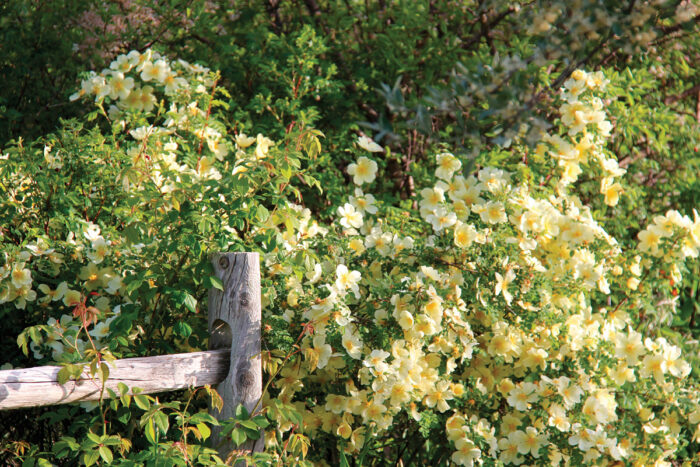
  • Father Hugo rose (R. xanthina f. hugonis, Zones 4–9) 
Graham Thomas rose Photo by Jennifer Benner
‘Darcey Bussell’ rose in a bouquet by Georgie Newbery
‘Desdemona’ rose
Father Hugo rose Courtesy of Scott Warner

Carol’s Top Rose Picks

  • Bonica® rose (Rosa ‘Meidomonac’, Zones 4–9) 
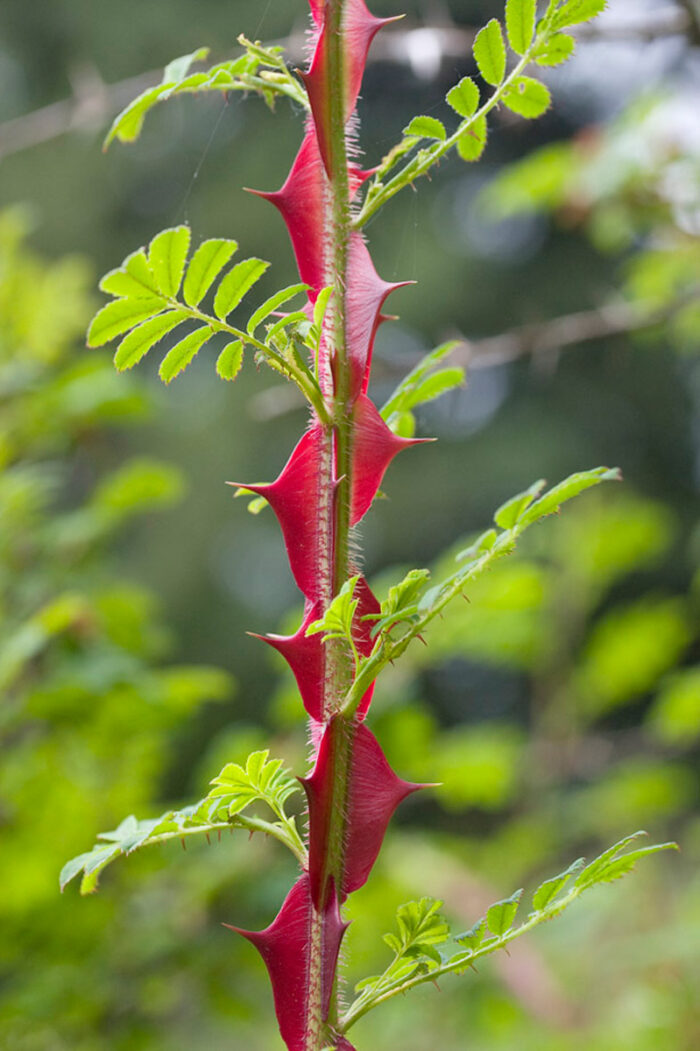
  • Winged thorn rose (Rosa sericea  subsp. omeiensis f. pteracantha, Zones 6–9) 
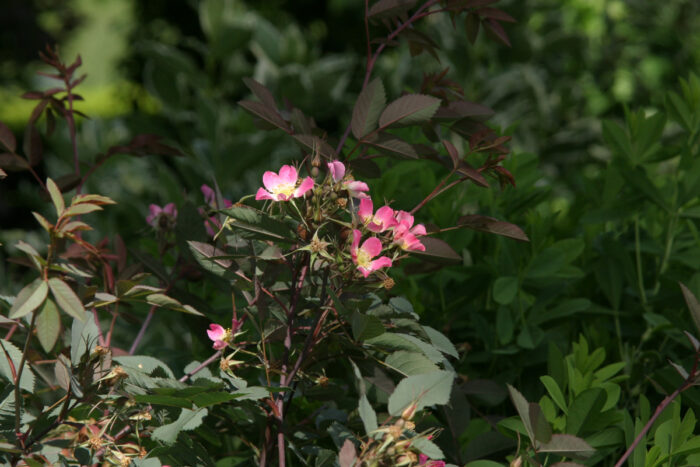
  • Redleaf rose (Rosa glauca, Zones 2–8) 
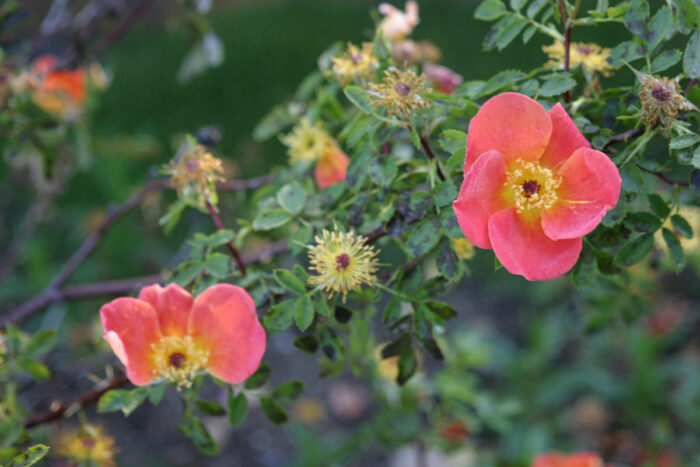
  • Austrian copper rose (Rosa foetida ‘Bicolor’, Zones 4–9) 
Bonica rose
Winged thorn rose Courtesy of Sven Teschke via Wikimedia
Rosa glauca
Austrian copper rose

Expert Adam Glas’s Top Rose Picks

  • Crazy Love rose (‘KORbamflu’, Zones 5–10) 
  • Sweet Mademoiselle hybrid tea rose (R. ‘MEInostair’, Zones 5–11) 
  • Campfire rose (R. ‘CA29’, Zones 3–7) 
  • Linda Campbell hybrid tea rose (R. ‘MORten’, Zones 3–8) 
  • True Passion hybrid tea rose
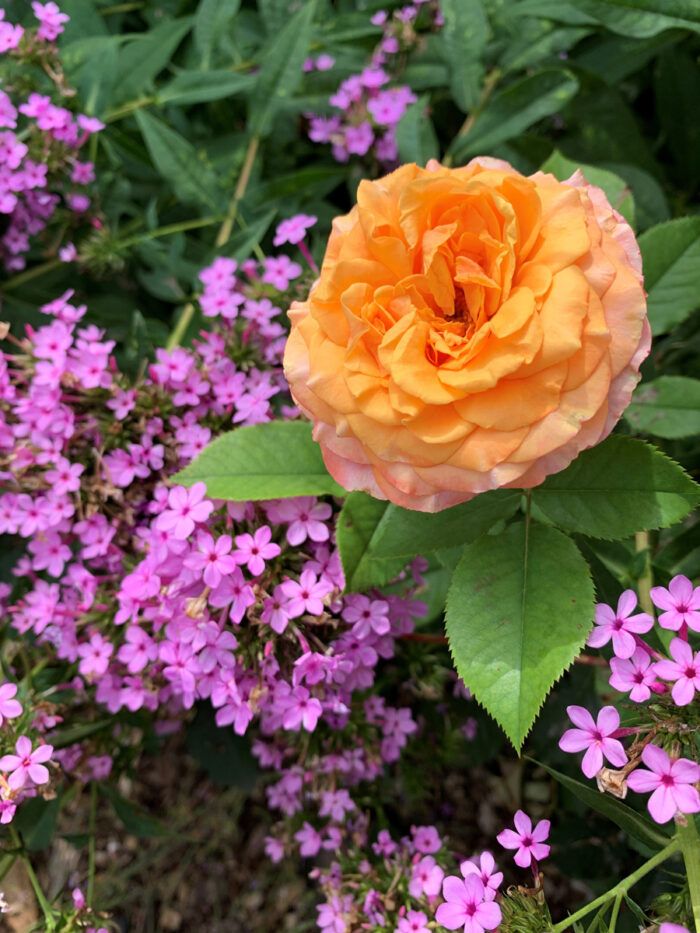
Crazy Love™ rose planted with ‘Jeana’ phlox (Phlox ‘Jeana’, Zones 4–8)
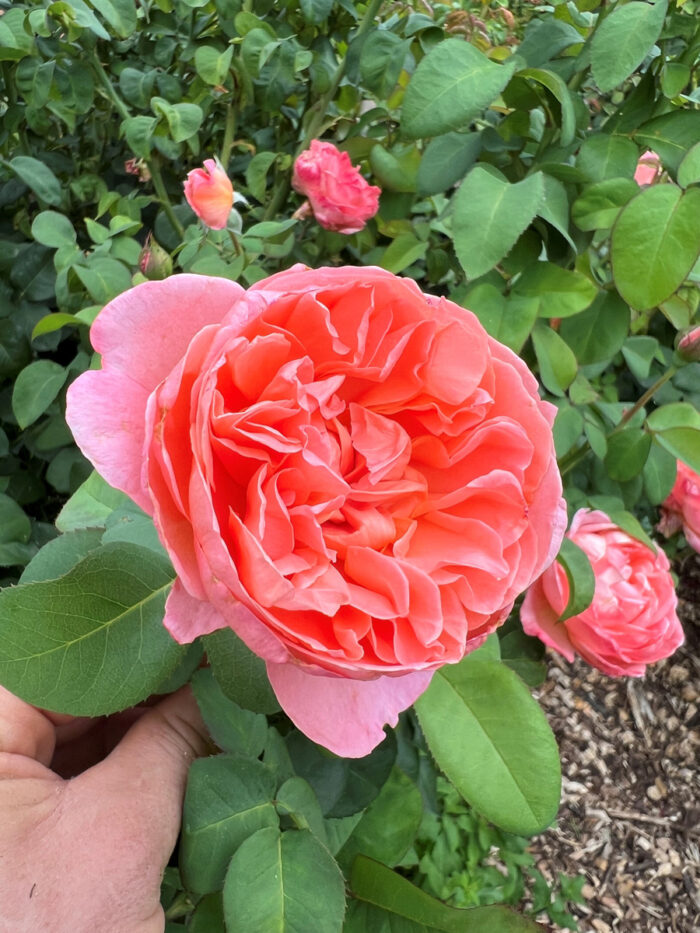
Sweet Mademoiselle™ hybrid tea rose
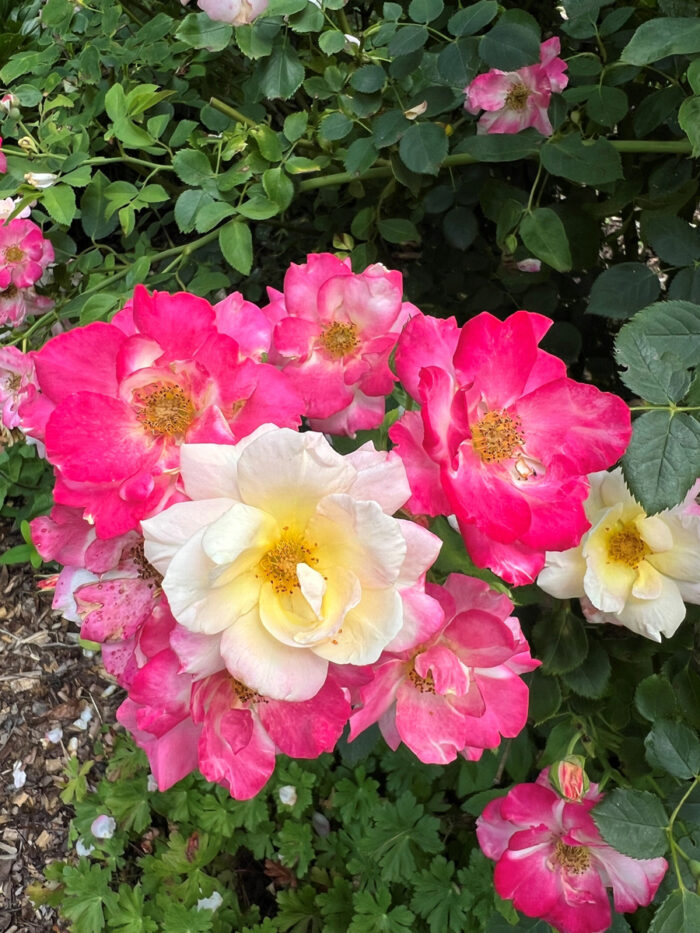
Campfire rose
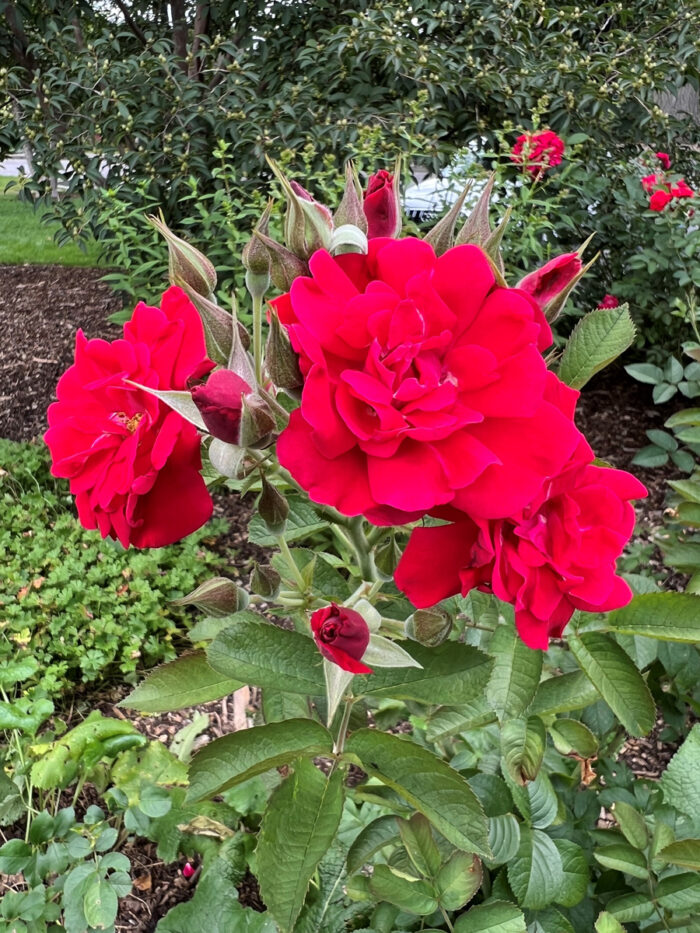
Rosa Linda Campbell
True Passion rose habit

All photos from the contributor unless noted otherwise. 

DIY Lymphatic Salve For Lymph Drainage

0

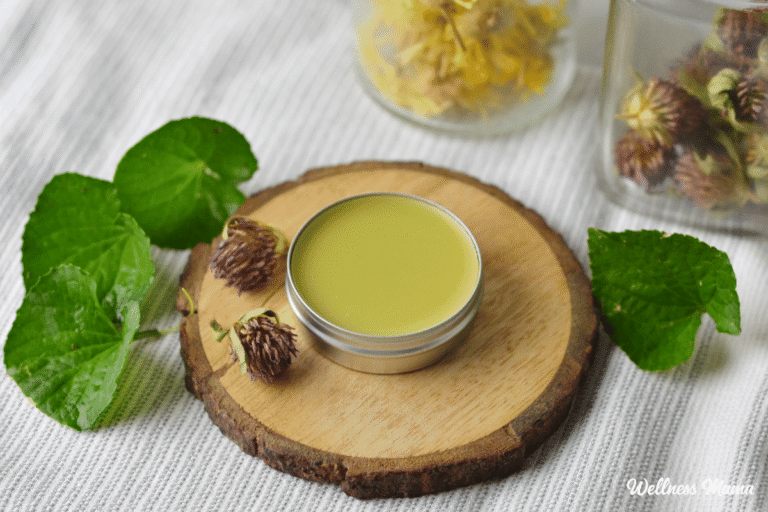
Why do I keep a trampoline in my bedroom? No, it’s not for late night acrobatics. I use a rebounder to help support my lymphatic system. This lymphatic salve is another way I like to give the underappreciated lymph system some love. 

If you’re feeling puffy, run-down, or sluggish your lymphatic system might be to blame. When this important drainage system isn’t clearing like it should, you may notice swelling, fatigue, or even stubborn skin issues. The good news? A little natural support can help it flow better.

What Is the Lymphatic System?

The lymphatic system is your body’s built-in waste removal and immune defense network. It carries lymph, a fluid full of immune cells, through vessels and nodes. This fluid then filters toxins, waste, and pathogens along the way. Lymph nodes act like checkpoints, trapping anything harmful so your immune cells can fight it off.

Unlike your heart, which pumps blood automatically, the lymphatic system doesn’t have its own pump. It relies on movement, breathing, and muscle contractions to keep things flowing. Too much sitting, dehydration, or illness can slow it down. This causes fluid buildup, swollen nodes, and a sluggish immune response. If your lymphatic system isn’t getting the support it needs you can feel “off” long before swollen glands show up. 

Gentle movement, massage, and herbs that support the lymphatic system can make a big difference. 

A Lymphatic Salve

Massage is a great (and relaxing!) way to stimulate the lymphatic system, and you can boost the benefits with a massage oil. One study even looked at two groups, one had massages with a lymphatic essential oil blend, the other with plain oil. The essential oil group had higher levels of immune cells afterwards, suggesting more lymphatic benefits. 

There are several different herbs out there that support the lymphatic system, but these are the ones I chose and why. 

Red Clover

Red clover is a classic lymphatic herb known for keeping fluids moving and discouraging stagnation. It’s known as an alterative, a plant that gradually restores balance by clearing waste. Traditionally, it’s been used for swollen lymph nodes, cystic breasts, and even fibroids. 

It’s gentle enough for long-term use and makes a great everyday tonic when you need to keep things moving without overstimulating the system. Because it has a hormone balancing effect on the body, it’s not the right herb for everyone. You can read more about red clover and precautions here. 

Calendula

Calendula’s bright orange flowers aren’t just pretty, they’re powerful lymph movers and immune tonics. Traditionally used as a winter herb in Europe, calendula helps clear out old, stagnant lymph and supports the immune system.

It’s also known as a gentle “blood cleanser,” helping decongest swollen nodes and carry toxins out of the body. Herbalist Matthew Wood notes that its ability to drain fluids from wounds hints at its strong connection to the lymphatic system. 

Arnica

Best known for bruises and sore muscles, arnica also benefits the lymphatic system. It boosts circulation of both blood and lymph, helping clear waste from injured tissues faster. This makes it especially helpful for swelling, bruising, or trauma where lymph flow might be compromised.

Arnica is best used topically and only on unbroken skin. When used correctly though, it’s excellent for moving fluid while calming inflammation.

Violet

Violet is a gentle lymphatic alterative that’s really helpful for stuck lymph and inflamed tissues. Both the leaf and flower are used here. Herbalists use it for skin issues like eczema and acne, especially when these are linked to lymphatic stagnation.

Studies back up its traditional use. Some research shows violet extracts can calm an overactive immune system, which may explain its benefits for inflammatory skin issues. Violet is also used for swollen lymph nodes, fatty cysts, fibroids, and in breast massage oils. This herb is considered a gentle lymphatic, so it’s not as stimulating as some herbs. 

Castor Oil

Castor oil has been a go-to for lymphatic support for generations. Warm packs placed over the abdomen or other congested areas can temporarily increase T-11 lymphocytes. These immune cells help fight viruses, bacteria, and abnormal cells.

Traditionally, castor oil packs have been used to support the liver, reproductive organs, and lymphatic drainage. Its key compound, ricinoleic acid, stimulates lymphatic vessels and helps carry waste out of tissues. Castor oil on its own is very thick and sticky, but it blends in beautifully with this lymph salve. 

Essential Oil Blend

Essential oils don’t just smell nice, they can add some potent health benefits. One study used a massage oil blend of diluted lavender, cypress, and marjoram essential oils. The control group used a plain massage oil. While both groups felt less stressed, the essential oil group had more lymphocyte cells after their massage. Specifically they had higher levels of cells that fight infections and attack cancerous cells.  

Altogether these ingredients blend together to create an effective lymphatic massage salve. Here’s how to make it!

DIY Lymphatic Salve

This easy salve recipe uses natural ingredients to support the lymphatic system. Use it along with a lymph massage!

Prep Time10 minutes

Active Time3 hours

Cooling Time1 hour

Total Time4 hours 10 minutes

Author: Katie Wells

Herbal Infused Oil Ingredients

Instructions for Herbal Infused Oil

  • Add all of the herbal oil ingredients to the top of a double boiler and heat over low heat for 2-3 hours. The oil should be very warm and the water in the bottom pot should be simmering. You can also use a heat safe glass bowl on top of a pot.

  • Replace the water in the bottom pot as needed.

  • Once the oil has darkened and smells like herbs, strain the herbs out.

  • Use the herbal infused oil in the lymphatic salve recipe below and save any extra for later.

Instructions For Lymphatic Salve

  • Add the infused oil, beeswax, and mango butter to the top of a double boiler. Heat over medium-low heat, stirring frequently, just until combined.

  • Once everything is melted, stir in the castor oil and essential oils.

  • Immediately pour into your containers and allow the salve to harden.

  • Use the salve over lymph nodes for a lymphatic massage.

Mix and match the herbs used here with whatever lymphatic herbs you have on hand.

How to Use Lymphatic Salve

To use the salve, apply to the skin and use light, featherlike strokes to massage over lymphatic points. Here’s more info on the lymphatic system, including resources for lymphatic massage. There’s a certain process for lymphatic drainage so that it’s the most effective.

Which Herbs to Choose

You can use almost any blend of dried lymphatic herbs in this recipe that you prefer. Cleavers and chickweed are also both great options. However, they can be harder to find unless you forage them in the spring. Mullein is another good lymphatic herb that has an affinity for the lungs. 

Be sure to use dried herbs since fresh ones can add moisture to the oil and cause it to mold. If you’ve gathered fresh herbs yourself, here’s how to dry them for salve.

Pregnancy Safety Note

It’s generally not recommended to detox during pregnancy because of the negative effects it can have on an unborn baby. This salve contains ingredients that are not pregnancy safe and shouldn’t be used during pregnancy. However, gentle movement and supporting natural lymphatic drainage can be helpful. Check with your midwife first before doing lymphatic drainage like massage or dry brushing. 

Final Thoughts on Lymphatic Salve

Our lymphatic systems work quietly behind the scenes, but they need a little help to do their job. Movement, hydration, and gentle massage are important, and lymphatic herbs can add extra support.

I love using this salve after a warm shower or with light massage when I feel puffy or run-down. I’ll often dry brush in the mornings before getting in the shower to get things moving even more. A little lymph massage is a simple act of self-care that can have big benefits.

How do you support your lymphatic system? Leave a comment and let us know!

How to Fertilize Zinnias – DIY Homemade Fertilizers

0

If you don’t want leggy stems and sparse flowering, then mind to supply essential nutrition to your zinnias.

Fertilizing zinnias needs regular observation rather than rigid scheduling.

Though phosphorus and potassium are known to promote flowering, a balanced NPK ratio is what needed to enhance overall growth of the zinnia plant.

Nutritional needs of the flowering plant differ based to their growing stages.

For instance:

  • Nitrogen (N) is crucial for strong stem and leaf development, giving zinnias lush green foliage and rapid, sturdy growth.
  • Phosphorus (P) supports deep root growth and helps with early bud development.
  • Potassium (K) boosts flower size, color, and plant vigor. High K content helps zinnias resist disease, extend bloom life, and maximize their flowering display.

Adding organic fertilizer while plant gives the baby plant enough boost for initial growth. But, for a lush growth and blooming plant you must add well-balanced liquid fertilizer.

You can find bloom booster fertilizers with 5-10-5 or 10-20-10 ratio, with higher value of phosphorus.

If you’re more into organic gardening and looking for homemade fertilizer for zinnias, then use old compost, well-rotted manure or fish emulsion.

Before proceeding further, it is essential to know when and how to fertilizer zinnias.

When to Fertilize Zinnias?

Morning is the optimal time to fertilize zinnias, ideally between 6-8 AM when temperatures are cool and soil moisture levels are higher.

Early fertilizing with a balanced fertilizer like 10-10-10 provides essential nutrients during the critical establishment phase when zinnias are most vulnerable.

During active growing season, apply fertilizer every 4-6 weeks from late spring through early fall.

This consistent feeding schedule maintains steady nutrient availability, supporting continuous foliage development and preparing plants for robust flowering throughout the growing period.

Switch to phosphorus-rich fertilizers (like 5-10-10) when flower buds begin forming, typically 6-8 weeks after planting. As mentioned above, higher phosphorus enhances bloom production, flower size, and color intensity.

You must stop fertilizing zinnias 4-6 weeks before the first expected frost to allow plants to naturally prepare for dormancy.

Homemade Fertilizers for Zinnias

Homemade fertilizers offer numerous advantages over commercial synthetic alternatives for nurturing healthy zinnias.

They improve soil structure, enhance water-holding capacity, and provide slow-release nutrients that reduce root burn risk while ensuring consistent nourishment.

These environmentally sustainable fertilizers utilize locally sourced materials, reduce carbon footprint, and promote beneficial microbial activity.

Additionally, they’re cost-effective and customizable, allowing tailored nutrient blends while avoiding harmful synthetic chemicals.

Also Read: Can Marigold and Zinnias Grow Together?

DIY Fertilizer Recipe #1: Coffee Grounds and Eggshell Blend

are coffee grounds good for strawberry plantare coffee grounds good for strawberry plant

Ingredients:

  • 2 cups used coffee grounds
  • 1 cup crushed eggshells
  • 1 cup banana peels (dried and crushed)
  • 1 tablespoon Epsom salt

How to use: Mix all ingredients thoroughly in a large container. Allow the mixture to age for 2-3 weeks in a covered container, stirring occasionally. Apply around the base of zinnia plants every 4-6 weeks during the growing season.

Coffee Grounds: Coffee grounds, rich in nitrogen, promote vigorous vegetative growth and lush foliage in zinnias. Nitrogen supports strong stem formation and healthy leaf production during early growth while improving soil structure and water retention.

Crushed Eggshells: Eggshells provide essential calcium that strengthens zinnia cell walls and plant structure. Calcium prevents disorders, enhances nutrient uptake, and creates stronger stems for abundant blooms.

Banana Peels: Banana peels, high in potassium, greatly boost flower size, color, and production in zinnias. Potassium improves disease resistance and regulates water uptake for vibrant blooms.

Epsom Salt: Epsom salt supplies magnesium and sulfur, essential for chlorophyll production and plant vigor. Magnesium enables efficient photosynthesis while sulfur supports protein synthesis, creating healthier zinnias with vibrant foliage.

DIY Fertilizer Recipe #2: Liquid Weed and Compost Tea

Ingredients:

  • 4 cups fresh garden weeds (dandelions, clover, grass clippings)
  • 2 cups finished compost
  • 1 gallon water
  • 2 handfuls of garden soil

How to Use:

Place weeds and compost in a bucket with drainage holes at the bottom. Add water to cover completely, then sprinkle garden soil on top.

Cover loosely and let ferment for 7 days in a shaded area. Strain the liquid and dilute 1:10 with water before application.

Fresh Garden Weeds: When decomposed, weeds release a balanced mix of nitrogen, phosphorus, and potassium along with trace minerals. This provides zinnias with comprehensive nutrition that supports both vegetative growth and flower development, while the fermentation process makes nutrients immediately available to plants.

Finished Compost: Acts as a nutrient powerhouse containing balanced NPK ratios and beneficial microorganisms. Compost improves soil structure around zinnia roots, enhances water retention, and provides slow-release nutrients that sustain plant growth throughout the season without risk of burning.

Garden Soil: Introduces beneficial microbes that accelerate the decomposition process and create a living fertilizer. These microorganisms help break down organic matter into forms readily absorbed by zinnia roots, while also establishing a healthy soil ecosystem that supports long-term plant health.

Water: Serves as the extraction medium that dissolves water-soluble nutrients from organic materials, creating a concentrated liquid fertilizer. The fermentation process in water allows beneficial bacteria to multiply, creating a microbe-rich solution that enhances nutrient uptake and root health in zinnias.

Both fertilizer recipes provide zinnias with the essential nutrients needed for robust growth while supporting soil health and environmental sustainability.

The gradual nutrient release prevents over-fertilization and ensures consistent nourishment throughout the growing season.

Check this: How to Grow and Care Columbine Plant?

How to Apply Homemade Fertilizer for Zinnias?

Apply homemade fertilizers during early morning hours when temperatures are cool and soil moisture is optimal.

Morning application allows zinnias to absorb nutrients efficiently before midday heat, preventing fertilizer burn and maximizing nutrient uptake.

Begin fertilizing at planting time or when seedlings emerge, then continue every 4-6 weeks throughout the growing season. This consistent schedule ensures steady nutrient availability from establishment through peak blooming, supporting continuous growth and flower production.

Switch to phosphorus-rich homemade blends when flower buds begin forming, typically 6-8 weeks after planting.

Higher phosphorus content during this stage enhances bloom development, while reduced nitrogen prevents excessive foliage growth at the expense of flowers.

10 Tips for Fertilizing Zinnias

  1. Start fertilizing at planting time or when seedlings emerge to establish strong root systems. Early feeding with balanced fertilizer provides essential nutrients during the critical establishment phase when plants are most vulnerable.
  2. Apply fertilizer every 4-6 weeks during the active growing season from late spring through early fall. This consistent schedule maintains steady nutrient availability, supporting continuous foliage development and robust flowering throughout the growing period.
  3. Fertilize during early morning hours (6-8 AM) when temperatures are cool and soil moisture is optimal. Morning application allows zinnias to absorb nutrients efficiently before midday heat, preventing fertilizer burn and maximizing nutrient uptake.
  4. Switch to phosphorus-rich fertilizers when flower buds begin forming, typically 6-8 weeks after planting. Higher phosphorus content enhances bloom production, flower size, and color intensity while strengthening plant structure during peak flowering.
  5. Use balanced starter fertilizers like 10-10-10 during early growth stages for strong stem and leaf development. Adequate nitrogen during vegetative growth ensures lush green foliage and rapid, sturdy plant establishment.
  6. Stop fertilizing 4-6 weeks before the first expected frost to allow natural dormancy preparation. Late-season fertilization can stimulate tender new growth that’s susceptible to frost damage, potentially weakening the plant’s hardening process.
  7. Work dry fertilizers 2-3 tablespoons into soil around the base of each plant, avoiding direct stem contact. Water thoroughly after application to activate nutrients and prevent root burn from concentrated fertilizer materials.
  8. Dilute liquid fertilizers to a 1:10 ratio with water before applying directly to soil around plant roots. Apply using a watering can while ensuring even distribution and avoiding foliage contact during hot weather.
  9. Avoid over-fertilization as excess nitrogen causes excessive leaf growth at the expense of flower production. Monitor plant response and adjust feeding frequency based on growth patterns and bloom production quality.
  10. Consider homemade fertilizers like coffee grounds and eggshell blends for slow-release, environmentally sustainable nutrition. Homemade fertilizers improve soil structure, enhance water retention, and provide gradual nutrient release without risk of burning roots.

Also Read: 13 Annual Flowers that Bloom All Summer

Conclusion

Successfully fertilizing zinnias requires stage-specific nutrition and consistent timing for optimal results.

Begin with balanced fertilizers (10-10-10) during early growth to establish strong stems and foliage, then transition to phosphorus-rich blends (5-10-10) when buds form to maximize flower production.

Whether using commercial or homemade fertilizers like coffee grounds and compost tea, maintain proper timing, appropriate NPK ratios, regular schedules, and thorough watering after application.

Easy Sheet Pan Eggs

0


Easy Sheet Pan Eggs


Privacy & Cookies Policy

She couldn’t speak after cancer, but found her voice through AI : Shots

0

Sonya Sotinsky sits at Crane Cove Park in San Francisco on March 25. Sotinsky was diagnosed with Stage 4 tongue cancer and underwent surgery to remove her tongue, larynx and other structures. She then worked with researchers to create an AI-generated voice using past recordings of her speech.

Beth LaBerge/KQED


hide caption

toggle caption

Beth LaBerge/KQED

When doctors told her they had to remove her tongue and voice box to save her life from the cancer that had invaded her mouth, Sonya Sotinsky sat down with a microphone to record herself saying the things she would never again be able to say.

“Happy birthday” and “I’m proud of you” topped the phrases she banked for her husband and two daughters, as well as “I’ll be right with you,” intended for customers at the architecture firm she co-owns in Tucson, Arizona.

Thinking about the grandchildren she desperately hoped to see born one day, she also recorded herself reading more than a dozen children’s books, from Eloise to Dr. Seuss, to one day play for them at bedtime.

But one of the biggest categories of sound files she banked was a string of curse words and filthy sayings. If the voice is the primary expression of personality, sarcasm and profanity are essential to Sotinsky’s.

“When you can’t use your voice, it is very, very frustrating. Other people project what they think your personality is. I have silently screamed and screamed at there being no scream,” said Sotinsky in a recent interview, referring to rudimentary voice technology or writing notes by hand. “What the literal you-know-what?”

Fighting invasive oral cancer at age 51 forced Sotinsky to confront the existential importance of the human voice. Her unique intonation, cadence and slight New Jersey accent, she felt, were fingerprints of her identity. And she refused to be silenced.

Sonya Sotinsky uses an app on her phone to talk with her daughter Ela Fuentevilla at Crane Cove Park in San Francisco on March 25, 2025.

Sonya Sotinsky uses an app on her phone to talk with her daughter Ela Fuentevilla at Crane Cove Park in San Francisco on March 25.

Beth LaBerge/KQED


hide caption

toggle caption

Beth LaBerge/KQED

While her doctors and insurance company saved her life, they showed little interest in saving her voice, she said. So she set out on her own to research and identify the artificial intelligence company that could. It used the recordings Sotinsky banked of her natural voice to build an exact replica now stored in an app on her phone, allowing her to type and speak once again with a full range of sentiment and sarcasm.

“She got her sass back,” said Sotinsky’s daughter, Ela Fuentevilla, 23. “When we heard her AI voice, we all cried, my sister, my dad and I. It’s crazy similar.”

“Your voice is your identity”

It took close to a year for doctors to catch Sotinsky’s cancer. She complained to her orthodontist and dentist multiple times about jaw pain and a strange sensation under her tongue. Then water began dribbling down her chin when she drank. When the pain got so intense she could no longer speak at the end of each day, Sotinsky insisted her orthodontist take a closer look.

“A shadow cast over his face. I saw it when he leaned back,” she said, “that look you don’t want to see.”

That’s when she started recording. In the five weeks between her diagnosis and surgery to remove her entire tongue and voice box – in medical terms, a total glossectomy and laryngectomy – she banked as much of her voice as she could manage.

“Your voice is your identity,” said Dr. Sue Yom, a radiation oncologist at UC-San Francisco, where Sotinsky got treatment. “Communication is not only how we express ourselves and relate to other people, but also how we make sense of the world.”

“When the voice is no longer available, you can’t hear yourself thinking out loud, you can’t hear yourself interacting with other people,” Yom said. “It impacts how your mind works.”

People who lose their voice box, she added, are at higher risk for long-term emotional distress, depression and physical pain compared with those who retain it after cancer treatment. Close to a third lose their job, and the social isolation can be profound.

Most laryngectomy patients learn to speak again with an electrolarynx, a small battery-operated box held against the throat that produces a monotonic, mechanical voice. But without a tongue to shape her words, Sotinsky knew that wouldn’t work for her.

Dr. Sue Yom, a radiation oncologist, stands with a radiotherapy system used to deliver precise, high-dose radiation treatments for cancer patients at University of California San Francisco’s Mission Bay medical center on May 16, 2025.

Dr. Sue Yom, a radiation oncologist, stands with a radiotherapy system used to deliver precise, high-dose radiation treatments for cancer patients at the University of California San Francisco’s Mission Bay medical center on May 16.

Beth LaBerge/KQED


hide caption

toggle caption

Beth LaBerge/KQED

When Sotinsky had her surgery in January 2022, AI voices were still in their infancy. The best technology she could find yielded a synthetic version of her voice, but it was still flat and robotic, and others strained to understand her.

She got by until mid-2024, when she read about tech companies using generative AI to replicate a person’s full range of natural inflection and emotion.

While companies can now recreate a person’s voice from snippets of old home movies or even a one-minute voicemail, 30 minutes is the sweet spot.

Sotinsky had banked hours in her children’s book readings.

“Eloise saved my voice,” Sotinsky said.

Now she types what she wants to say into a text-to-speech app on her phone, called Whisper, which translates and broadcasts her AI voice through portable speakers.

Sonya Sotinsky often uses a portable keyboard to talk using the text-to-speech software on her phone.

Sonya Sotinsky often uses a portable keyboard to talk using the text-to-speech software on her phone.

Beth LaBerge/KQED


hide caption

toggle caption

Beth LaBerge/KQED

Most doctors and speech therapists who work with head and neck cancer patients don’t realize AI software can be used this way, Yom said, and with their focus on saving lives they often don’t have the bandwidth to encourage patients to record their voices before they lose them in surgery.

Health insurance companies likewise prioritize treatments that extend life over those that improve its quality — and typically avoid covering new technologies until data proves their actuarial value.

Sotinsky and her daughter spent months wrangling with claims adjusters at Blue Cross Blue Shield of Arizona, but the insurer refused to reimburse Sotinsky for the $3,000 she spent on her initial assistive speaking technology.

“Apparently, having a voice is not considered a medical necessity,” Sotinsky quipped, her AI voice edged with sarcasm.

Sotinsky now pays the $99 monthly fee for her AI voice clone out of pocket.

“While health plans cover both routine and life-saving care, assistive communication devices are typically not covered,” said Teresa Joseph, a spokesperson for Blue Cross Blue Shield of Arizona. “As AI provides opportunities to impact health, we imagine that coverage criteria will evolve nationally.”

How research might lead to insurance coverage

Sotinsky resolved to use her newfound voice to help others regain theirs. She stepped back from her work in architecture and built two websites detailing her voice banking journey — voicebanknow.com and glossectomygirl.com. She tells her story at conferences and webinars, including an oncology conference in Denver that Yom organized for 80 scientists.

One doctor who attended, Jennifer De Los Santos, was so inspired by hearing Sotinsky’s voice that she began laying the groundwork for a clinical trial on the impact AI technology has on patients’ communication and quality of life. That type of research could generate the data health insurers need to measure actuarial value.

“And therefore justify coverage by insurance,” said De Los Santos, a head and neck cancer researcher and professor at Washington University in St. Louis.

Breast cancer survivors faced a similar battle in the 1980s and ’90s, she added. Insurers initially refused to cover the cost of breast reconstruction after a mastectomy, calling the procedure cosmetic and unnecessary.

It took years of patient advocacy and carefully crafted data showing reconstruction had a profound impact on women’s physical and emotional well-being before the federal government mandated insurance coverage in 1998.

Both De Los Santos and Yom said research data on AI voice clones will likely follow a similar path, eventually proving that a fully functioning, natural-sounding voice can lead to not only a better life, but a longer one.

Sonya Sotinsky has built two websites detailing her experience in voice banking and tells her story at conferences, including an oncology conference in Denver for 80 scientists.

Sonya Sotinsky has built two websites detailing her experience in voice banking and tells her story at conferences, including an oncology conference in Denver for 80 scientists.

Beth LaBerge/KQED


hide caption

toggle caption

Beth LaBerge/KQED

In recent months, Sotinsky’s AI voice literally helped save her life. Her cancer had resurged in her lungs and liver. Her voice allowed her to communicate with her doctors and participate fully in developing the treatment plan. It showed her just how “medically necessary” having a voice is.

She noticed that doctors and nurses took her more seriously. They didn’t tune out the way people often did when she relied on her more robotic, synthesized voice. It seemed they saw her as more fully human.

“If someone can only communicate using a few words at a time, and not elaborate and interface more fully, it’s natural that you can’t detect that they have more depth of thought,” she said. “Being able to dialogue with my care team in a more seamless way is vital.”

While doctors successfully treated her latest round of cancer, Sotinsky, now 55, said she is confronting her odds in a new way, facing the reality that she will likely die much sooner than she wants.

All over again, she realized how crucial her voice is for maintaining perspective on life and a sense of humor in the face of death.

“I tend to forget and think I am fine, when in reality, this is forever now. Emotionally, you start to get cocky again and this was like, ‘Whoa, b****, we ain’t playing.’ This cancer is real,” Sotinsky said, typing her next phrase with a mischievous grin.

“Sarcasm is part of my love language.”

This story comes from NPR’s health reporting partnership with KQED and KFF Health News.

Learn About False Root-Knot Nematodes in the Garden

0

Meloidogyne fallax and Nacobbus aberrans

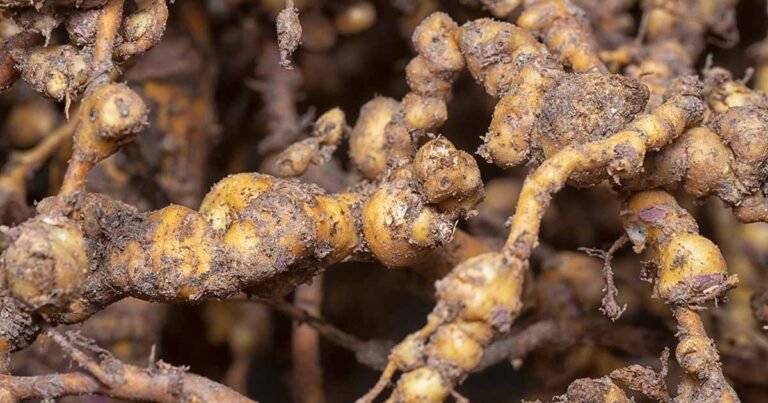
False root‑knot nematodes are soilborne microscopic roundworms that cause galls to form on plant roots, mimicking the symptoms caused by true root‑knot nematodes (Meloidogyne spp.).

They are of particular concern in agriculture as they can affect multiple plant families and may not respond to control methods used to treat true root-knot nematodes.

A close up horizontal image of the roots of a plant infected with false root-knot nematodes.

While much of the documented impact has been observed in large-scale crop production, home gardeners should still be aware of the symptoms, host plants, and strategies for control.

Read on to learn more about false root-knot nematodes.

Here’s what I’ll cover:

What Are False Root-Knot Nematodes?

The two species commonly known as false root-knot nematodes are Nacobbus aberrans and Meloidogyne fallax.

Nacobbus aberrans was first described in the 1930s and later identified on sugar beets in Nebraska in 1949.

Although it is treated as a single species, mounting evidence suggests it should be considered a species complex, a group of closely related but genetically distinct populations.

A close up horizontal image of a hot pepper plant showing symptoms of disease.A close up horizontal image of a hot pepper plant showing symptoms of disease.

Unique pathotypes have been documented that exhibit differing host preferences such as beans, potatoes, or sugar beets, and occur across a wide range of habitats.

Its known distribution includes several US states such as Nebraska, Wyoming, Colorado, Utah, Montana, and South Dakota, as well as parts of Mexico and South America.

Meloidogyne fallax, sometimes called the false Columbia root‑knot nematode, was first documented on potatoes in the northern United States in the 1980s.

It has since been reported in regions of Europe, Africa, Oceania, and other parts of the Americas. Like other Meloidogyne species, it affects numerous agricultural crops including tomatoes, carrots, leeks, as well as turf grasses.

Since both species can infect a wide range of plants including many common vegetables and ornamental species they are increasingly relevant to home gardeners, particularly in regions where these pests are spreading or becoming established.

The Best Frozen Yogurt Bark (High Protein)

0

There’s not much better than a cool treat on a hot day. Even if it’s not hot out, this easy frozen yogurt bark is still just as delicious. It’s really quick to throw together for a fast dessert or snack anytime.

This recipe is a little different than some other yogurt bark recipes because it’s higher in protein. With the healthy fats and protein it’s filling and nourishing any time of day.

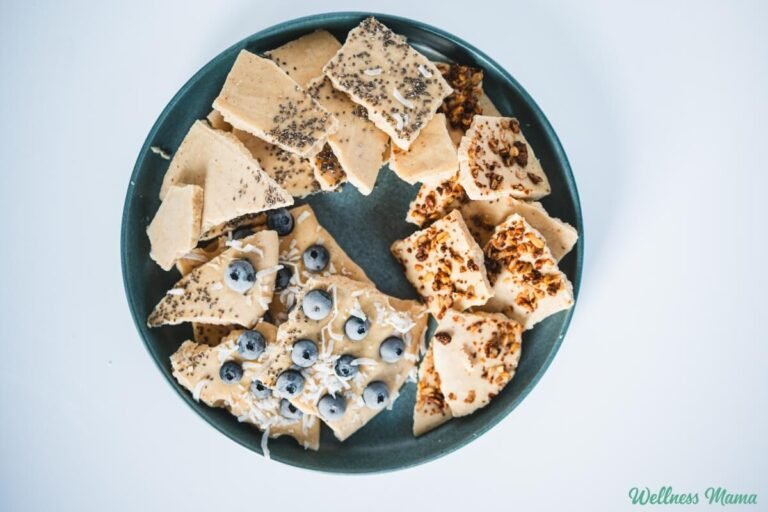
Homemade Yogurt Bark

Of course, you have to start with yogurt. Either homemade yogurt or store-bought full fat Greek yogurt will work. Low fat yogurt can make the yogurt bark taste too watery. If you’re using homemade yogurt you may want to strain it for a bit first to remove the extra whey. This makes the yogurt bark a little thicker and more flavorful. If you’re in a hurry though, its really not necessary.

I’ve also included cottage cheese in this recipe variation. It adds an extra creaminess and really ups the protein more. If you don’t have cottage cheese though, then feel free to replace it with more yogurt. Our family loves the Good Culture brand since it’s grass-fed and full of probiotics.

Then there’s the added collagen. Not only does collagen supply more protein, but it supports healthier hair, nails, joints, and gut health. You’ll also see colostrum in the ingredients list. While it is optional I like that it adds benefits for the immune system, muscle recovery, metabolism, and more.

Topping Frozen Yogurt Bark

This is where the fun comes in! You can choose from almost any topping that you like. Here are some ideas to get you started.

  • Fresh berries + granola
  • Peanut butter drizzle + melted chocolate (add after freezing)
  • Chocolate chips + coconut flakes
  • Chopped nuts + cinnamon
  • Freeze-dried fruit + chia seeds

Even the littlest kids can help sprinkle the toppings on. Change it up depending on what sounds good or what you have on hand.

Ready to get started? Here’s how to make the best, high protein froyo bark!

Easy High-Protein Yogurt Bark

This delicious frozen yogurt bark is high in protein for a filling snack. Customize it with your favorite toppings!

  • In a blender or food processor, combine the yogurt, cottage cheese, nut butter, vanilla, protein powder, maple syrup, collagen, and colostrum. Blend until smooth and creamy, scraping down the sides as needed.

  • Line a rimmed 9×13 baking sheet with parchment paper.

  • Pour the mixture onto the parchment and use a spatula to spread it evenly, about ½ inch thick.

  • Sprinkle your chosen toppings across the surface. My kids love helping decorate the bark!

  • Place the baking sheet in the freezer for at least 2–3 hours or until fully frozen.

  • Add the chocolate drizzle (optional): Once frozen, drizzle with melted chocolate or peanut butter for an extra treat. It’ll set quickly on the cold bark.

  • Use your hands or a knife to break the bark into pieces.

Nutrition Facts

Easy High-Protein Yogurt Bark

Amount Per Serving (1 serving)

Calories 70
Calories from Fat 18

% Daily Value*

Fat 2g3%

Saturated Fat 1g6%

Trans Fat 0.001g

Polyunsaturated Fat 0.3g

Monounsaturated Fat 1g

Cholesterol 11mg4%

Sodium 69mg3%

Potassium 88mg3%

Carbohydrates 6g2%

Fiber 0.1g0%

Sugar 5g6%

Protein 7g14%

Vitamin A 19IU0%

Calcium 64mg6%

Iron 0.1mg1%

* Percent Daily Values are based on a 2000 calorie diet.

  • Store in an airtight container in the freezer for up to a week.
  • Nutrition facts are calculated without the toppings as these will vary.

This high-protein froyo bark is not only the easiest but also one of the most satisfying treats you’ll ever make. It’s creamy, crunchy, and packed with high-quality protein from Greek yogurt, protein powder, and collagen. This makes it perfect for a post-workout snack or just a nutritious snack to keep you fueled throughout the day.

Customize it with your favorite toppings and you’ve got a treat that’s as flexible as it is delicious. The best part? You can make it ahead of time and store it in your freezer for when those snack cravings hit. Plus, you’re getting the added benefits of collagen and colostrum, which support everything from your skin to your gut health to your immune system.

What are some of your favorite homemade frozen treats to make? Leave a comment and let us know!